REVIEW · CATANIA
Catania Street Food Tour
Book on GetYourGuide →Operated by Kemedia · Bookable on GetYourGuide
You’ll eat your way through Catania’s core. This 3-hour street food loop pairs classic Sicilian bites with stop-and-stare sights like the Cathedral and the Liotru obelisk. I like that it’s a walking tour with food you can actually follow from start to finish.
Two things I really like: first, you get a strong mix of savory and sweet, from cheese-and-olive market snacks to arancini and a real cannolo or granita. Second, the route is built around major downtown landmarks, so you’re not stuck eating in one food-court lane.
One possible drawback: the food portion can feel more sample-size than full meal depending on which tastings land first and how quickly service moves, and there can be some waiting if the first stops run behind.
In This Review
- Key highlights to look for
- Meeting at Piazza Duomo and why the timing works
- Piazza Duomo: Cathedral views, the Liotru obelisk, and a fountain you’ll remember
- The Fish Market and Via Crociferi: food culture with baroque street power
- Piazza Stesicoro, Piazza Carlo Alberto, and Archi della Marina
- Market time: cheeses, olives, and oil with a real local logic
- Pasticceria Savia: arancini and Cipollina, the classic Sicilian showdown
- Chiosco Costa and the seltz: a smart break from heavy bites
- Port area: grilled horse-meat meatballs and what to do if you’re unsure
- Dessert finale: cannolo with ricotta or Sicilian granita
- Price and value: what you’re really paying for at $74
- Guide quality matters: Italian and English, and why that can affect your pacing
- Who should book this Catania street food tour
- Should you book it?
- FAQ
- How long is the Catania Street Food Tour?
- How much does it cost?
- Where do I meet for the tour?
- What’s included in the price?
- Are entrance fees included?
- What languages are the tours offered in?
- What food tastings should I expect?
- Is the tour suitable for people with mobility impairments?
- Can I cancel and get a refund?
Key highlights to look for
- Baroque sight stops that pair with each bite: Piazza Duomo, St. Agata’s Cathedral, Liotru, and the Amenano fountain
- Market time for local staples: cheeses, olives, and oil before you head deeper into the eating
- Pasticceria Savia for arancini and Cipollina: two signature flavors in one stop
- Chiosco Costa drink break: a fresh sparkling seltz to keep the pace
- Port-area savory finale: grilled horse-meat meatballs, if you’re game
- Dessert closing move: cannolo with ricotta or Sicilian granita, plus a small gift as a memento
Meeting at Piazza Duomo and why the timing works
The tour meets at Piazza Duomo 18 in Catania, right in front of the pharmacy. From there, you’re set up for an easy downtown walk that keeps food coming without turning the trip into a long slog.
The whole experience runs about 3 hours, and the schedule is built around short guided moments—often around 10 minutes per main stop. That matters because you’re eating and sightseeing, not doing one forever and then the other.
You’ll come back near Via Crociferi, so plan to be comfortable walking in city streets. This is also not a great match if you have mobility limits, since it’s designed as a walking route through historic areas.
You can also read our reviews of more food & drink experiences in Catania



Piazza Duomo: Cathedral views, the Liotru obelisk, and a fountain you’ll remember
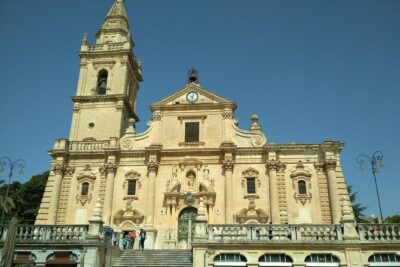
You start in the right place: the Piazza Duomo area is where Catania shows off its big, dramatic side. Expect a guided look at the Town Hall setting, plus St. Agata’s Cathedral—the kind of church façade you keep glancing back at even while your stomach is already thinking about lunch.
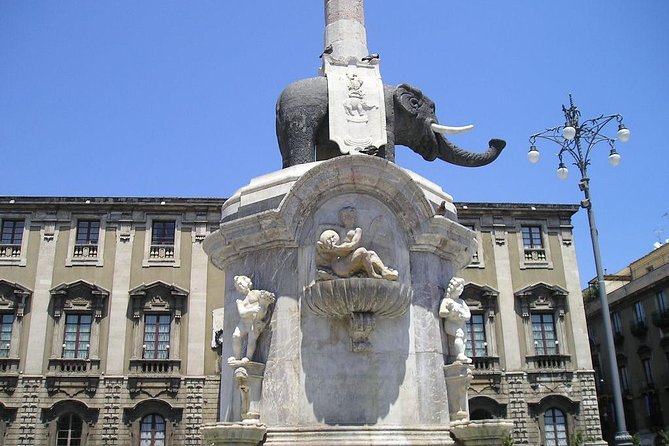
Two landmarks here really help you understand the city’s personality. The first is the Liotru obelisk, the symbol of Catania. The second is the Amenano fountain, a familiar visual marker that gives the square a sense of flow and everyday life.
Why this pairing is smart: it puts you in the mood for Sicilian food culture. Street food isn’t just about taste—it’s about place, noise, and the city’s daily rhythm. This tour uses Piazza Duomo to set that tone before you move into markets and side streets.
The Fish Market and Via Crociferi: food culture with baroque street power

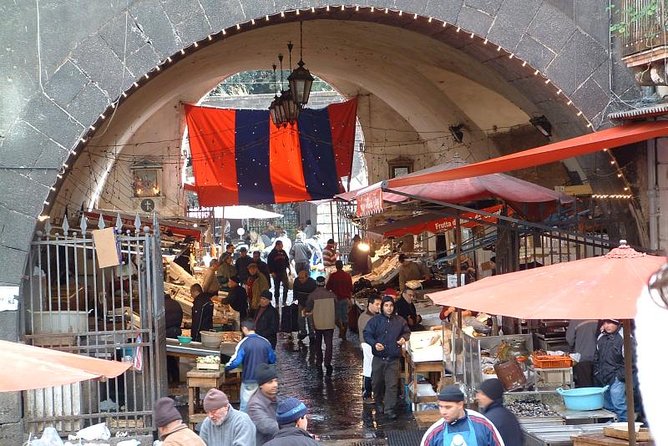
Next up is a guided stop at the Catania Fish Market. Even if you don’t buy anything, you’ll get the sense of how local eating starts: with fresh produce and seafood moving through the city’s flow.
Then you head along Via Crociferi, one of Catania’s baroque showpieces. This street is famous for churches and architecture that have been referenced in Italian film culture, which gives it a fun extra layer beyond just pretty buildings. You’ll also get the practical value of this stop: it helps you orient yourself so the rest of downtown feels less like a maze.
There’s a small pacing trade-off here. Because Via Crociferi is a sightseeing corridor, you’ll be walking a bit more between tastes than you would on a “sit and eat” style tour. If you get restless on tours that mix walking and storytelling, keep your water handy and wear shoes with real grip.
Piazza Stesicoro, Piazza Carlo Alberto, and Archi della Marina
As the route pushes onward, you’ll pass through key downtown corners that change the feel of what you’re seeing and what you’re eating. One stop centers on Piazza Stesicoro, where the Roman amphitheater ruins sit in a public square setting. It’s a strange and wonderful contrast: ancient stone right next to snack smells and street bustle.
From there, you’ll also be guided through Piazza Carlo Alberto. It’s a good checkpoint to stretch your legs and reset your focus before the next market push.
Then you reach Archi della Marina. Think of it as your architectural breather—a visual anchor that helps break up the day into sections, not just one long food crawl.
The takeaway? These stops give your street food tastings context. When you can connect food to specific places in the city, the whole day sticks longer.
Market time: cheeses, olives, and oil with a real local logic
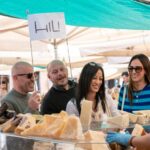
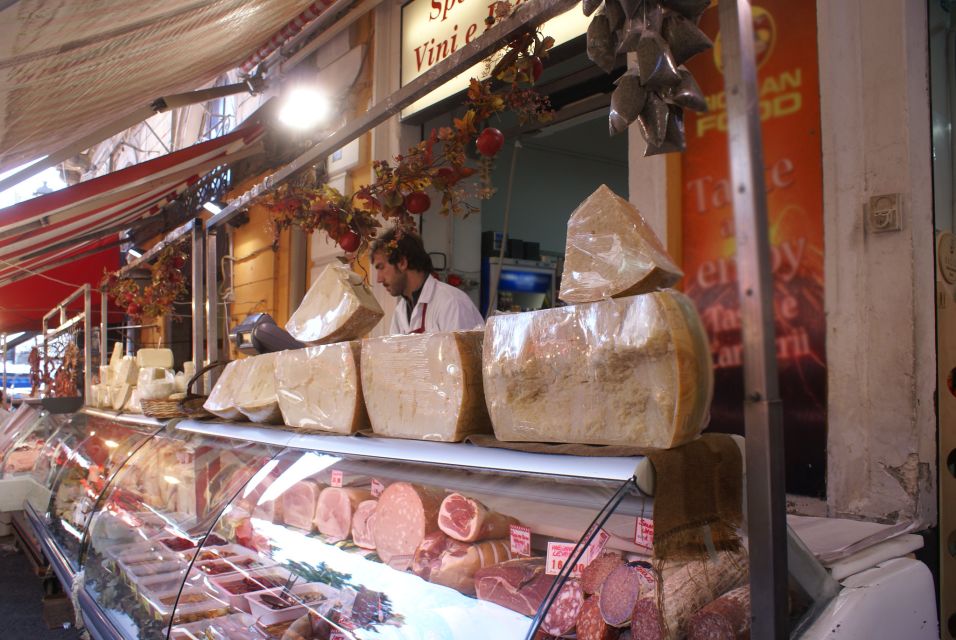
When you head to the market area, you’re not just sampling randomly. You’re tasting staples that define Sicilian flavors in everyday use: local cheeses, olives, and oil.
This is one of my favorite parts of the tour logic. It’s easy to leave a food tour with only “fried things” memorized. Here, you get grounding tastes: salty olives, oil that actually tastes like something, and cheeses that help you understand why Sicilians build so many meals around simple, high-quality ingredients.
There’s also a subtle benefit for the way you eat during the rest of the tour. Once you taste the oil-and-cheese baseline, the later savory hits—like the arancini and the Cipollina—make more sense.
You can also read our reviews of more tours and experiences in Catania

Pasticceria Savia: arancini and Cipollina, the classic Sicilian showdown
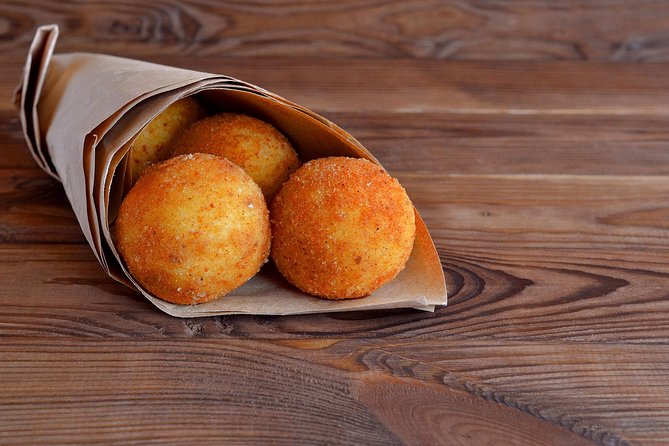
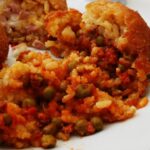
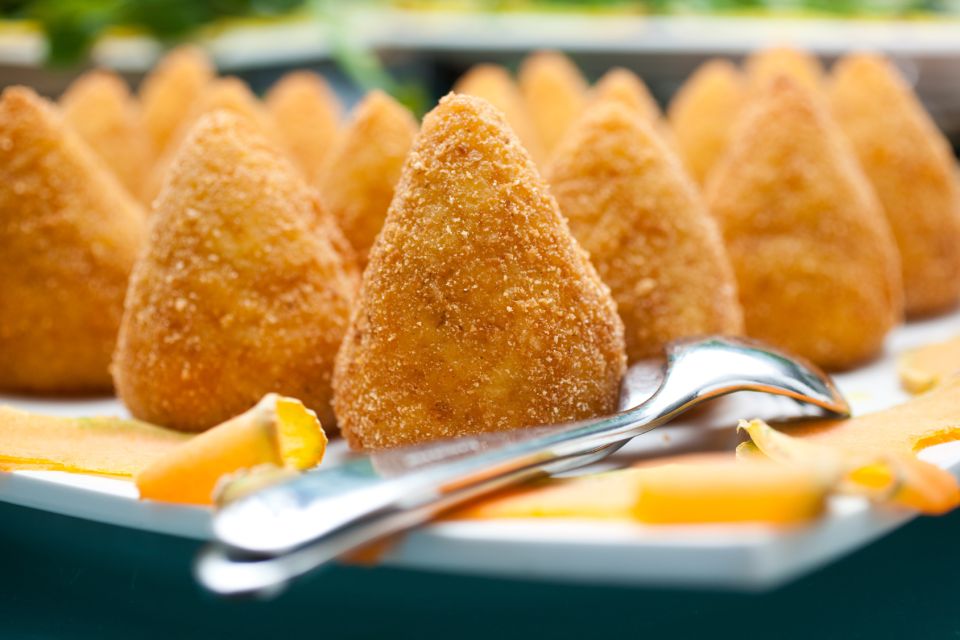
The tour’s signature sweets-and-savory-stop moment comes at Pasticceria Savia, known for preparing the finest arancini in Catania.
You’ll taste those iconic stuffed rice balls (the kind that are hard to forget once you’ve had one that’s done right). And you’ll also get the specialty Cipollina, made with puff pastry plus tomato, mozzarella, ham, and onion.
Here’s the practical reason I like this stop: it gives you two different textures and flavors. The arancini brings that crispy exterior and dense, savory center. The Cipollina is more of a layered, pastry-forward bite with melted comfort and onion sweetness. Together, they cover two of the city’s common street-food moods.
If you’re someone who needs a full, sit-down meal, this is where you might want to pace yourself. The tour is designed around multiple tastings, so portions can feel like “sample bites” rather than a plate to power you through the rest of the day.
Chiosco Costa and the seltz: a smart break from heavy bites
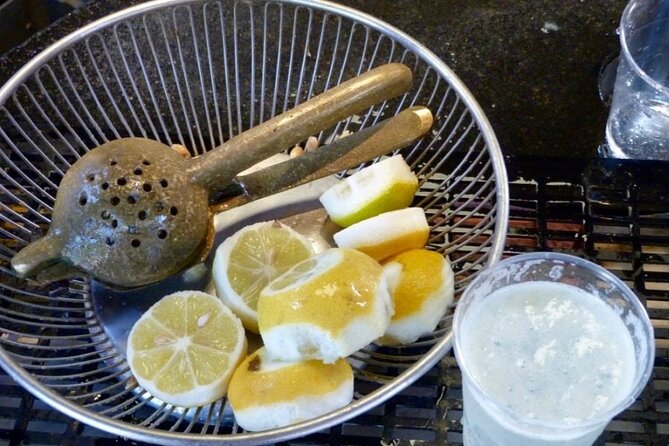
You move from the city market to Chiosco Costa for a seltz, described as a fresh sparkling drink.
This stop matters more than you’d think. After savory after savory, carbonation helps reset your palate and makes the next tastings easier to enjoy instead of just pushing through.
Also, it keeps the day from turning into a one-note tasting marathon. You’re not only tasting food—you’re tasting a rhythm.
If you’re sensitive to carbonation, take small sips and save a few mouthfuls for later. It’s not a huge drink stop, but it can change how the rest of the tour feels.
Port area: grilled horse-meat meatballs and what to do if you’re unsure
Near the end, you’ll head to the port area for grilled horse-meat meatballs. This is definitely one of the more adventurous tastings on the route.
If you’re curious but hesitant, treat it like a cultural food question, not a dare. Ask your guide what it’s like and how it’s traditionally used in the local context. You’ll still be able to choose how you eat it—slow bites, one meatball at a time, and you’re in control of the experience.
A heads-up for your expectations: not every tasting will land as a home-run for every palate. That said, the tour’s strength is that it gives you variety, so you’re rarely stuck with only one type of food all afternoon.
Dessert finale: cannolo with ricotta or Sicilian granita
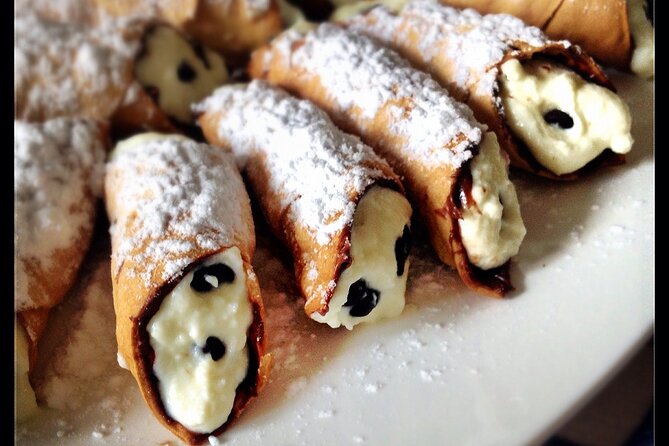
The last leg is dessert, and it’s the kind that makes you forgive all the walking. You’ll finish with either a real cannolo filled with ricotta or Sicilian granita.
Cannolo is classic for a reason. The ricotta filling brings a creamy, sweet balance that works after savory stops. Granita offers something different: a chilled, textured sweetness that can feel lighter than pastry when the day is warm.
If you’re torn between the two, go with your instincts. If you want the full Sicilian signature, choose cannolo. If you want something cooling and less heavy, granita is the move.
As a memento, you’ll also receive a special gift that details all the delectable treats you’ve enjoyed. It’s a nice way to remember what you ate without trying to reconstruct it later from memory and crumbs.
Price and value: what you’re really paying for at $74
At $74 per person for a 3-hour guided street food experience, the value comes from three things working together: food variety, a guided route through landmarks, and multiple stops that keep you moving through real city spaces.
You are paying for convenience and context. You’re not just tasting random snacks; you’re also getting short guided tours that connect each eating moment to the city around it.
Still, I’ll be honest about value expectations. Some portions can feel like tasting sizes rather than full-meal servings, especially if you’re expecting one big “food ticket” worth of quantity. Also, timing can affect how the day feels—if the first restaurant runs late, you may sit waiting for a bit before the tastings start rolling.
You’ll want to plan for that possibility. If you arrive hungry, you’re in a better mood. If you arrive already full, those samples may feel even smaller.
Guide quality matters: Italian and English, and why that can affect your pacing
The tour runs with a live guide in Italian and English. Guide quality is a major part of the experience—some guides are known for staying interactive, keeping the group moving, and sharing city details that make the sights feel connected to the food.
You might hear the same explanations in more than one language if your group is mixed. If that happens, plan for a bit of slower pacing at certain stops, since repeating the guide message takes time.
Names you may hear include Alessandra, Smid, Serena, and Anna. The common thread is that the guide role shapes whether you feel like you’re just eating or actually understanding why these bites matter.
Who should book this Catania street food tour
This tour is a strong fit if you want:
- Sicilian street food variety in a single morning/afternoon window
- A walk through Catania’s downtown highlights—not just eating in one area
- A mix of savory tastings plus cannolo or granita to close
It may be less ideal if:
- You need large portions to feel satisfied
- You dislike tours that include multiple sight stops and short guided segments
- You have mobility concerns, since it’s not suitable for people with mobility impairments
If you’re a first-timer to Catania and want an efficient way to get bearings, this is one of the better options because it ties food to the city’s layout.
Should you book it?
Yes, I’d book it if you’re excited by the idea of eating your way through Piazza Duomo, Via Crociferi, market stalls, and the port area, and you’re comfortable with tastings that feel more like “several bites” than one big meal.
Skip or rethink it if you’re very portion-driven or if you strongly prefer a fully sit-down food experience with minimal waiting. And if you’re not confident with adventurous items like grilled horse-meat meatballs, consider whether you’d still enjoy the rest of the menu even if that one tasting isn’t your favorite.
Overall, with a 4.6 rating from 26 reviews, this is the kind of tour that tends to hit its mark: food variety, clear city context, and a final dessert that leaves you smiling instead of just stuffed.
FAQ
How long is the Catania Street Food Tour?
It lasts about 3 hours.
How much does it cost?
The price is $74 per person.
Where do I meet for the tour?
You meet at Piazza Duomo 18, Catania, in front of the pharmacy.
What’s included in the price?
Food and drink are included, along with a live guide.
Are entrance fees included?
No. Entrance fees are not included.
What languages are the tours offered in?
The live guide speaks Italian and English.
What food tastings should I expect?
You’ll try Sicilian favorites such as arancini and Cipollina, plus items like cheese/olives/oil from the market, a seltz drink, grilled horse-meat meatballs, and a final cannolo with ricotta or Sicilian granita.
Is the tour suitable for people with mobility impairments?
No, it is not suitable for people with mobility impairments.
Can I cancel and get a refund?
Yes. You can cancel up to 24 hours in advance for a full refund.