Palermo rewards a good walking plan. This guided loop hits Baroque squares and Norman-era church art fast, plus a stop in Capo Street Market where the city’s food scene becomes real. I like how the route strings together big “wow” sights without slowing to museum pace, and I also like that you’ll get practical context from guides such as Barbara, Manuela, Lara, Margarita, and Stefani. One thing to consider: several church and entry moments aren’t included, and La Martorana can be visitable only when it’s open.
With a maximum of 10 people, you’re not stuck in a giant herd. The timing is also realistic for first-day orientation: about 2 to 3 hours, mostly outdoors, with short stops that let you look closely and ask questions in English.
In This Review
- Key highlights you’ll actually feel on the route
- Why this Palermo walking loop makes sense for a short stay
- Piazza Pretoria: the Fountain of Shame and the Baroque “stage set”
- Quattro Canti: the 17th-century crossroads trick
- Santa Caterina d’Alessandria: cloister calm and monastic confectionery
- La Martorana (Santa Maria dell’Ammiraglio): Norman-meets-Baroque art
- Chiesa del Gesù: marble drama that hits you fast
- Giudecca: walking the Meschita neighborhood’s Jewish story
- Palermo’s main old street: noble palaces and craft shops
- Capo Street Market: the one stop that makes Palermo taste like Palermo
- Teatro Massimo: the opera house you’ll notice even before you enter
- Getting the best experience: timing, rain, and sound
- Guides can make or break it: why this one often wins trust
- Should you book Discover Palermo?
- FAQ
- How long is the Discover Palermo walking tour?
- What does the tour cost?
- Where does the tour start and end?
- Is the tour in English?
- How big is the group?
- Are church entrances included?
- Is La Martorana always included?
- What if the weather is bad?
- How far in advance should I book and what’s the ticket type?
Key highlights you’ll actually feel on the route
- Small group size (max 10): easier questions, better pacing, less crowd pressure.
- Carrara marble at Piazza Pretoria: the fountain and surrounding Baroque landmarks are quick but memorable.
- Cloister + monastic sweets at Santa Caterina: you’re seeing daily life in a former Dominican monastery.
- Norman and Baroque church contrasts: La Martorana and Chiesa del Gesù show why Palermo’s layered.
- Giudecca + the old Jewish neighborhood: history you can picture, not just read.
- Capo Street Market food energy: you’ll walk through a working market full of produce, fish, and spices.
Why this Palermo walking loop makes sense for a short stay
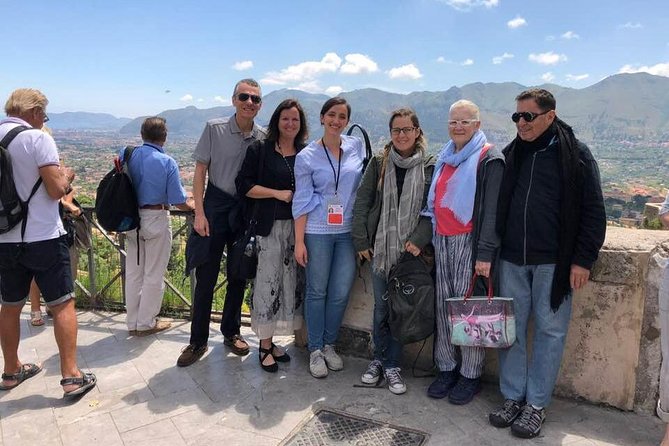
This isn’t a “drive-by highlights” tour. It’s a focused walking route that works especially well if you want to understand Palermo’s mix of cultures without spending half a day on logistics.
For $54.42 per person over about 2 to 3 hours, you’re paying for two things: a live guide and a tight route that bundles several major sights. Most of the scheduled stops are free to enter, and the paid parts are clearly the exceptions (certain church interiors and opera house entry). That structure usually makes the value feel fair—if you’re willing to choose where you want to spend extra time or money.
The tour ends near Piazza Giuseppe Verdi (right by Teatro Massimo). Starting at Piazza Pretoria also helps you orient immediately, because you’re dropped into the historic core from the first minute.
You can also read our reviews of more tours and experiences in Palermo.
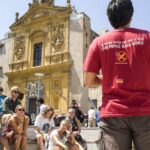
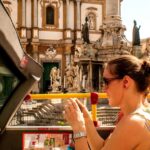
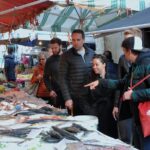
Piazza Pretoria: the Fountain of Shame and the Baroque “stage set”
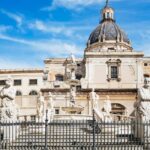
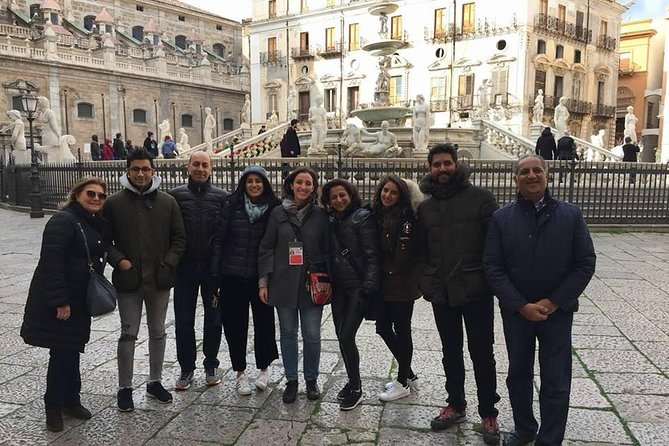
Your walk begins at Piazza Pretoria, one of Palermo’s most striking squares. The headline piece is the fountain of shame, carved in white Carrara marble. It’s called that for a reason, but looking at it in person is the point: the marble detail and the dramatic, sculpted composition make the square feel theatrical.
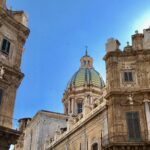
Around you, the square frames more power and faith-building architecture: Palazzo delle Aquile, the town hall, and the baroque church of Santa Caterina d’Alessandria. Even if you only give the fountain a quick look at first, take a minute to circle it with your eyes. Palermo does “Baroque drama” with real craft, not just a painted façade.
This stop is about 20 minutes with free admission, so it’s a good warm-up. No long lines, no ticket scramble—just establish the vibe of the city.
Quattro Canti: the 17th-century crossroads trick
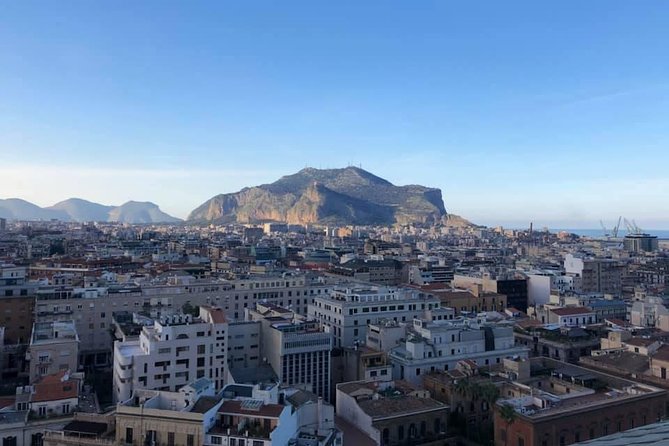
Next comes Quattro Canti, the center of the historic core. Think of it as a Baroque square that acts like a crossroads—four corners, built as one visual composition. If Piazza Pretoria sets the mood, Quattro Canti shows the city’s design logic: how streets, religion, and civic life visually snap together.
This is a shorter stop (about 15 minutes), but it’s worth it. When you’ve seen it once, you can later recognize how Palermo channels movement through symbolic architecture. It’s the kind of place that feels more impressive after you’ve watched a guide explain why it’s arranged that way.
Admission here is free, which keeps the “getting oriented” part of the tour smooth.
Santa Caterina d’Alessandria: cloister calm and monastic confectionery
The route then moves to the Church and Monastery of Santa Caterina d’Alessandria. The big draw is the cloister—a quieter pocket of architecture that contrasts with the busy street energy outside. Even if you’re not a “monastery person,” cloisters teach you how people organized faith life and movement in past centuries.
There’s also a very practical detail in the visit: the monastery includes a monastic confectionery. That’s a great reminder that history in Palermo isn’t always just marble and labels. Sometimes it’s also food traditions that outlast the original community.
This stop is timed at about 20 minutes, and the itinerary notes that the church visit may require a ticket you pay for. So treat this as a spot where you can choose your comfort level: if you want extra indoor time, budget for the paid portion.
La Martorana (Santa Maria dell’Ammiraglio): Norman-meets-Baroque art
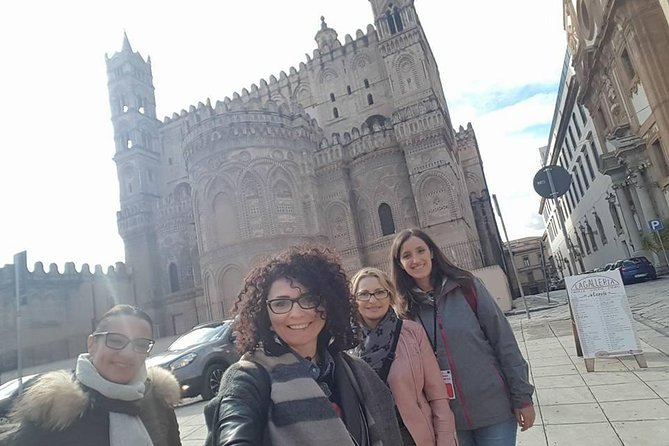
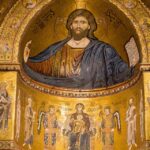
Palermo’s layering really shows at Santa Maria dell’Ammiraglio, often called La Martorana. The appeal here is the blend: Norman and Baroque art in one church. It’s the kind of pairing that makes the city feel like a living crossroads rather than a single-style “time capsule.”
Important practical note: La Martorana is visit-bound by availability. The route only works when the site is open. If it isn’t, the tour proposes an alternative path that may include the Church of Jesus. So don’t get locked into one photo or one interior—you’ll still get the art-and-history story, but the exact place may shift based on access that day.
The listed stop is about 20 minutes and not included for admission. Plan for that as part of your personal decision: you’ll likely see it anyway, but you may pay if you want to enter the church interior.
Chiesa del Gesù: marble drama that hits you fast
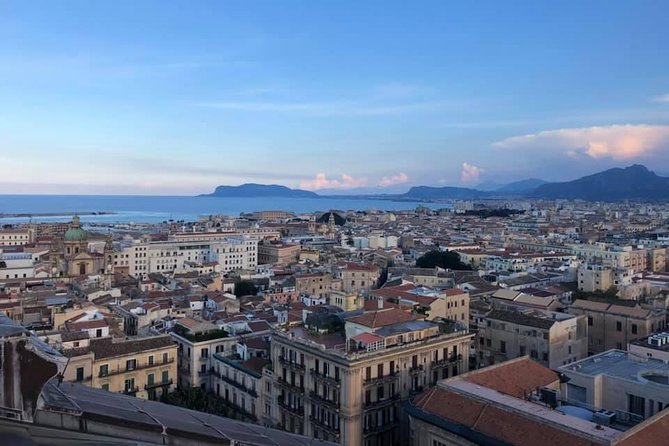
Then you’ll reach Chiesa Del Gesu, widely known for its Palermo Baroque style and the richness of its marble decorations. This church is one of those interiors where the design overwhelms you in a good way—lots of detail, lots of visual energy, and enough sculptural work to keep you looking for longer than your timer.
The practical downside is also straightforward: entrance requires a fee not included. So if you’re traveling on a tight budget, you’ll want to decide in advance whether you want to pay for this interior. If you do, this is one of the best places on the route to spend that money.
This stop is about 25 minutes, giving you enough time to see the main features without rushing.
Giudecca: walking the Meschita neighborhood’s Jewish story
Next is Giudecca – Il Quartiere Ebraico, tied to the Meschita neighborhood, where Palermo’s Jewish community lived until their expulsion in 1493. This is a powerful part of the walk because it turns a timeline into a location you’re standing in. You’re not just learning a date—you’re seeing how neighborhoods held communities and identities.
The stop is about 15 minutes with free admission. That short timing can feel “brief,” but the goal here is direction and understanding: a quick, guided connection between history and place before you move back into the street-food and shop life.
Palermo’s main old street: noble palaces and craft shops
There’s also a stop on the most ancient and important street of the city, lined with noble palaces and shops of Sicilian craftsmanship. Even without an exact shop list, this segment does something useful: it reminds you that the historic center isn’t just monuments. It’s still a working city.
I like this stop because it breaks the “church-squares-church” rhythm. You get a sense of commerce and craft, which helps explain why Palermo’s art styles are so tied to wealthy patrons and practical day-to-day life.
This is one of those “slow down and look” moments. If you enjoy street-level detail, you’ll do well here.
Capo Street Market: the one stop that makes Palermo taste like Palermo
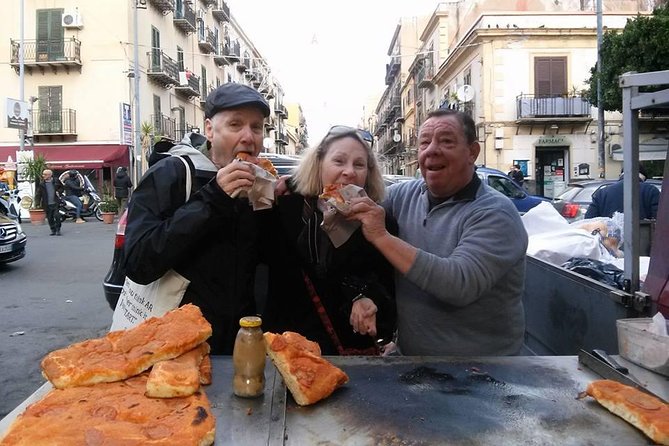
Now for the part that often becomes the memory: Capo Street Market. This is described as a historical food market and it’s treated as the soul of the city. You’ll see fruit, vegetables, fish, and spices packed into market life that feels nonstop.
The stop is about 20 minutes and free admission. In that time, you can do two things well: scan what’s freshest and listen to what your guide suggests. From guide feedback I saw, the better tours help you navigate what to try—people specifically mention learning where to find favorites like arancini in the market area.
Practical tip: markets are great for small bites and quick purchases, but wear comfortable shoes and expect sensory intensity. If it’s raining, you can still enjoy the market, but the pace can feel tighter because you’re walking and standing in covered areas.
Teatro Massimo: the opera house you’ll notice even before you enter
The last sight on the walking loop is Teatro Massimo. It’s described as the most beautiful opera theater in Sicily, the largest in Italy, and the third in Europe. Even if you don’t go inside, the building dominates the area—neoclassical style with a grand presence.
This stop lasts about 15 minutes. Entry isn’t included (so if you want interior access, you’ll pay), but you’ll still get the chance to see why people talk about it as a symbol of Palermo’s cultural life.
Because you end near Piazza Giuseppe Verdi, this is a nice “wrap” moment. After the tour, you can continue exploring around Teatro Massimo at your own pace.
Getting the best experience: timing, rain, and sound
This tour runs about 2 to 3 hours and is designed for good walking days. The experience also states it requires good weather—so if conditions are poor, you can expect a date change or a refund option (handled by the operator).
One thing to keep in mind: if it’s raining, it can affect how comfortable it feels to listen and look. A few people noted that they struggled to hear without good audio setup, especially in bad weather. That’s not something you can control, but you can show up ready—bring a small umbrella or rain layer, and don’t plan on multitasking. The guide explanation is part of what you’re buying.
Also, since the group is capped at 10 travelers, you’ll generally get a better conversational flow than with larger tours. Still, expect it to be a walking tour: if you want slow strolling with lots of independent wandering, you might want extra time on your own after the tour ends.
Guides can make or break it: why this one often wins trust
A big reason this tour earns a 4.8 rating is guide performance. In the feedback I saw, the same names pop up again and again: Barbara and Manuela are highlighted for keeping people engaged, explaining how Palermo’s layers fit together, and answering questions in a way that makes teens and adults pay attention.
Other names—Lara, Margarita, and Stefani—also show up with the same theme: friendly energy plus real city-specific context. If you’re the type of traveler who loves history but also wants the story told with humor and practical “what to eat/where to go next,” this format tends to deliver.
Should you book Discover Palermo?
Book it if you want a fast, guided overview of Palermo’s big visual hits: Baroque squares, Norman-Baroque church art, the Jewish history of the Giudecca area, and the Capo market all in one compact route. The small group and short time window make it a smart first-day plan, especially if you’re staying just a couple days.
Skip it (or pair it with other options) if you hate walking in crowds, or if you want a tour where most interiors are included. Several key stops have paid entry or are only sometimes open, so you’ll likely add a little extra cost if you choose to go inside everything.
If you do book, go in with the right mindset: treat it as your map to Palermo, then spend the rest of your time returning to the spots that you liked most—because once you understand the layout, the city gets a lot easier to enjoy.
FAQ
How long is the Discover Palermo walking tour?
It lasts about 2 to 3 hours.
What does the tour cost?
The price is $54.42 per person.
Where does the tour start and end?
It starts at Piazza Pretoria, Palermo, and ends at Piazza Giuseppe Verdi (near Teatro Massimo), Palermo.
Is the tour in English?
Yes, it’s offered in English.
How big is the group?
The tour has a maximum of 10 travelers.
Are church entrances included?
Some stops are free, but several entrances are not included. The tour notes paid tickets for places like Santa Caterina’s church (when visited), Santa Maria dell’Ammiraglio (La Martorana), Chiesa Del Gesu, and Teatro Massimo.
Is La Martorana always included?
Not always. The itinerary notes La Martorana is visitable only when the site is available for visits, and the route may offer an alternative.
What if the weather is bad?
The experience requires good weather. If it’s canceled due to poor weather, you’ll be offered a different date or a full refund.
How far in advance should I book and what’s the ticket type?
It’s typically booked about 39 days in advance on average, and you receive a mobile ticket.