REVIEW · SICILY
Dolphin Watching & Conservation – Dolphins in the Gulf of Catania
Book on Viator →Operated by Marecamp · Bookable on Viator
Dolphins in the Gulf of Catania, with real rules. This dolphin watching trip with Marecamp turns the open water off Catania into a learning session, with Mount Etna in the background as you search. You’re not just hoping for a sighting; you’re getting help identifying local cetaceans while they’re free and wild.
I love the conservation-first approach, including an international code of good conduct and Marecamp’s ACCOBAMS whale watching mark. I also love the practical field tools—binoculars plus cetacean recognition cards—so you can actually put a name to what you see, with a marine biologist briefing onboard.
One caution: there’s about an 80% chance of spotting cetaceans, so nature can still win on the day. If you’re booking expecting guaranteed dolphins, you may feel the sting when they don’t show.
In This Review
- Key things to know before you go
- Dolphin Watching in the Gulf of Catania: the vibe you’re paying for
- Meet Marecamp at Club Nautico Catania and get the schedule down
- How you find dolphins: scanning, slow cruising, and a real search pattern
- Onboard with the marine biologist: ID cards, photos, and data collection
- The route: what each stop adds (and what to expect)
- Aci Trezza: coastal viewing while you’re still searching
- Aci Castello: another pass along the Catania coastline
- Mount Etna: the view you’ll remember even between sightings
- Catania: finishing back with the big city coastline in sight
- Eco-sustainable dolphin watching: the ACCOBAMS standard you can feel
- Price and value: what $84.48 buys you in real terms
- Practical comfort tips: boats, shade, sun, and kids
- Who this trip is best for
- Should you book Marecamp’s Dolphins in the Gulf of Catania?
- FAQ
- FAQ
- How long is the dolphin watching tour?
- What time does the tour start in Catania?
- Where is the meeting point?
- What language is the tour offered in?
- How many people are on the tour?
- Do I get binoculars and dolphin identification materials?
- Is seeing dolphins guaranteed?
- What stops are included during the trip?
- What’s included in the price?
- What weather conditions are required, and what happens if weather is bad?
- Is there free cancellation, and how late can I cancel?
Key things to know before you go
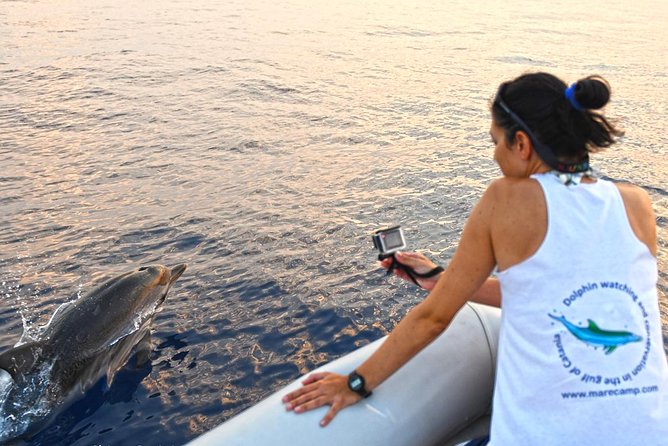
- ACCOBAMS good-practice standards guide how the boat approaches dolphins to reduce disturbance
- Marine biologist-led ID with dolphin recognition cards and guided observation
- Binoculars included so you can track behavior, not just distance
- Low-speed searching as the crew scans the horizon before moving in
- Etna always in view during the Catania-area cruise (weather and route permitting)
Dolphin Watching in the Gulf of Catania: the vibe you’re paying for
This isn’t a fast “go, stop, pose, leave” kind of outing. It’s built around calm searching—guides and crew scanning for dolphins at low cruising speed until they’re spotted. That matters because you’re trying to watch animals in their own routine, not force an encounter.
You’ll also get a real education angle. The guides can introduce you to the dolphins they catalog in the area, and they talk through the behaviors you’re likely to see. It’s the difference between seeing movement and understanding what that movement means.
And since you’re sailing with Etna dominating the skyline, it turns into something more cinematic than most wildlife trips. Even when you’re focused on cetaceans, the scenery gives your brain a break.
You can also read our reviews of more dolphin watching tours in Sicily
Meet Marecamp at Club Nautico Catania and get the schedule down
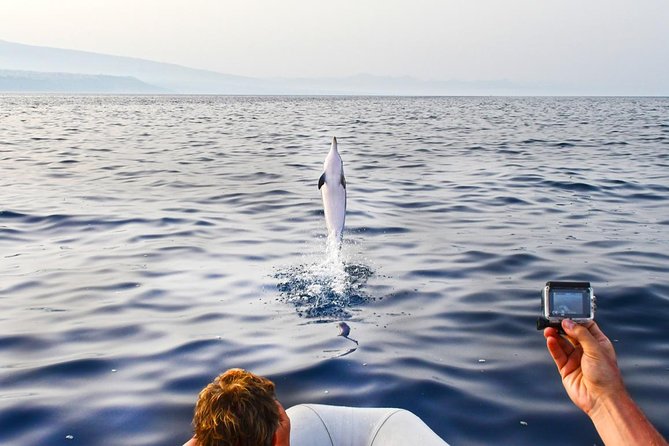
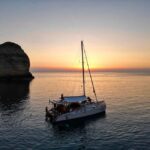
The tour starts at Meeting Point 2 MareCamp / presso Club Nautico Catania, on Via Cardinale Dusmet, 95100 Catania. The start time is 9:00 am, and the activity ends back at the same meeting point.
This matters for planning, because the experience is only about 3 hours (approx.) total time on the water. You’ll want to be early enough to sort out where the boat actually is that day, especially since there can be small changes in how the marina area looks.
Also note the group size: the maximum is 10 travelers. That small number keeps the searching and boat handling more controlled, and it helps the guides give attention to dolphin recognition instead of shouting over a crowd.
How you find dolphins: scanning, slow cruising, and a real search pattern
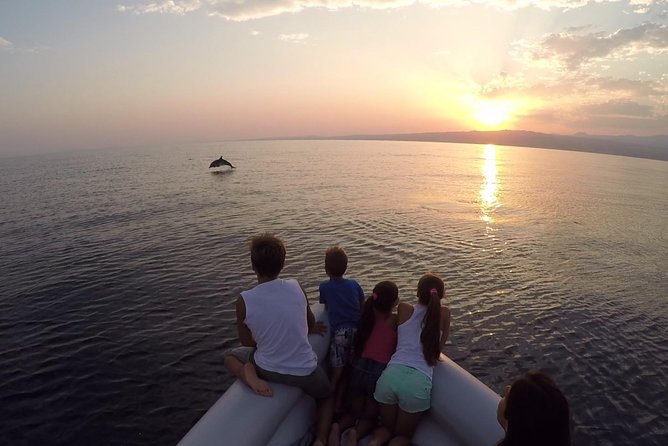
The core rhythm is straightforward. You sail out across the Gulf of Catania, and the crew searches for free dolphins with local expertise. The process continues until cetaceans are spotted, then you get time to observe and document them.
A key point is the low cruising speed. That’s not just comfort; it’s part of the conservation approach. Moving more slowly gives you better viewing and also reduces the chance of putting pressure on animals.
You’re also working with an around-the-area chance: the description calls for an 80% chance of seeing dolphins. In plain terms, most days should deliver, but you’re still at the mercy of where the animals are traveling and feeding.
Onboard with the marine biologist: ID cards, photos, and data collection
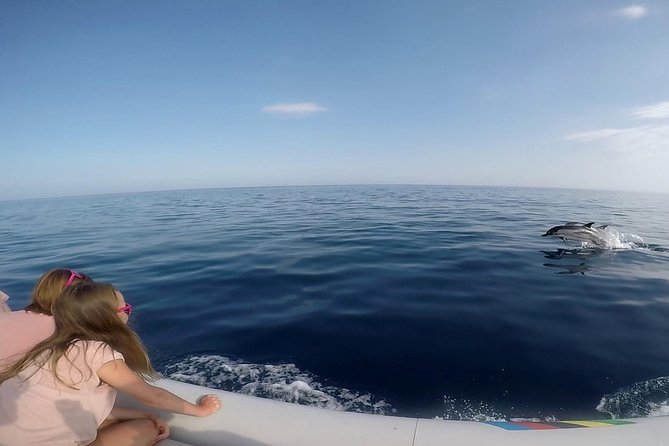
This is where the trip earns its value beyond a simple boat ride. You get cetacean recognition cards and binoculars, so the guides can point out characteristics and help you distinguish what you’re seeing. That turns photos into something more meaningful, because you’re not guessing later.
There’s also a data-collection component. When dolphins are encountered, you’re encouraged to participate in the day’s observations, and the guides explain what they’re seeing while the animals show behaviors from the air. The plan is to observe, document, and then leave the pack when it’s time—rather than hovering.
On some departures, you may even get an audio layer. One account mentions using a hydrophone to listen to dolphin communication. I wouldn’t count on that every single time, but it’s a nice reminder that the science side can be practical and fun, not just lectures.
If you get the chance to be guided by people like Carla—named in one experience as the tour guide—you’ll see how much enthusiasm and focus the team brings. The tone from the accounts is consistent: they care about getting it right, not just getting people excited.
The route: what each stop adds (and what to expect)
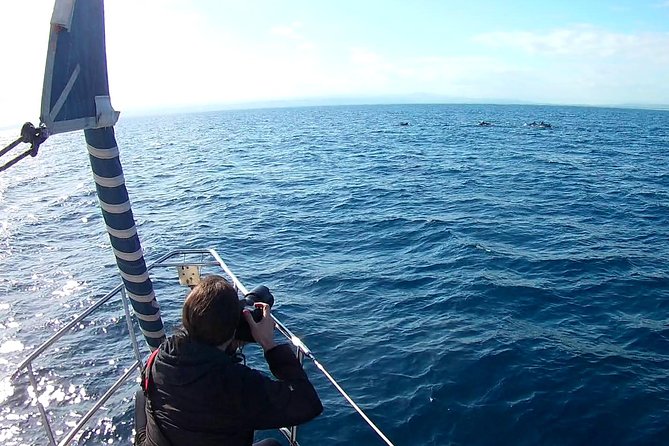
The day’s sailing is organized around Catania-area points, with options that can vary depending on the route for the date. The overall idea stays the same: cruise the coastline near where dolphins are most likely, while Etna keeps dominating the horizon.




Aci Trezza: coastal viewing while you’re still searching
Aci Trezza is one of the first stop points. Practically, it sets you up for scanning the water while you’re positioned along a dolphin-friendly stretch of coastline. You’ll be out on the water, watching the horizon and getting guidance on how to spot movement early.
The upside here is the waiting time can be productive. Even if you’re not seeing dolphins in the first window, you’re still learning what to look for—distance cues, surfacing patterns, and group behavior.
Aci Castello: another pass along the Catania coastline
Next up is Aci Castello. Think of it as a second coastline positioning point, helping the crew work different sectors of the Gulf while they search. For you, it’s a way to keep the experience active instead of dead time.
If you’re the type who likes photos, this stretch also gives you land-and-sea framing with Etna in the background, which helps your videos and pictures feel more like a Sicilian story instead of just open water.
Mount Etna: the view you’ll remember even between sightings
Mount Etna is specifically part of the route. The description calls out that Etna stays dominant in the background, so the trip feels anchored in place. When the animals are active, you’ll probably point your camera down at the sea; when the search takes longer, you still have a strong visual reason to stay present.
Just remember: your exact angle on Etna depends on wind, route choice, and day-of conditions.
Catania: finishing back with the big city coastline in sight
Catania is another stop point, bringing you back toward the core coast as the trip winds down. This is when the outing typically feels closest to returning to land—time to regroup, breathe, and pack away gear.
Since the experience ends back at the meeting point, you’ll be able to transition back to your day without a long commute.
Eco-sustainable dolphin watching: the ACCOBAMS standard you can feel
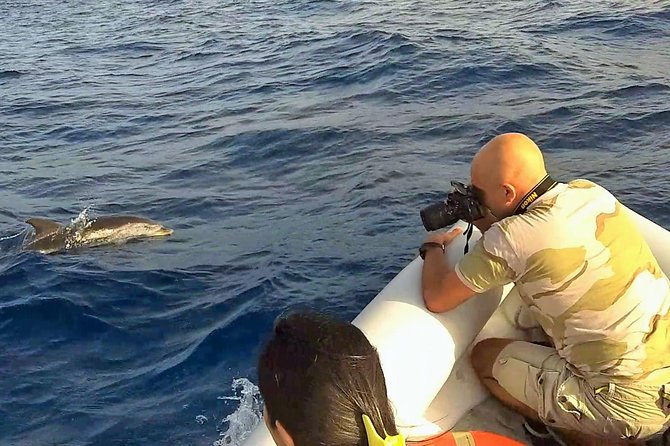
The conservation angle is not just marketing here. Marecamp states it owns a high quality whale watching mark released by ACCOBAMS, and it says it uses an international code of good conduct during sightings.
Why you should care: when those standards are taken seriously, you usually get a better viewing experience. The boat approach tends to be more thoughtful, and the crew’s behavior is less likely to stress animals into showing less natural patterns.
You’ll also see this in the trip structure. The guides keep speed low, observe and identify, then leave the pack. That last part is important. Staying too long can turn a wildlife encounter into a disruption. Leaving when it’s time helps the dolphins continue as dolphins—not as a parked attraction.
Price and value: what $84.48 buys you in real terms
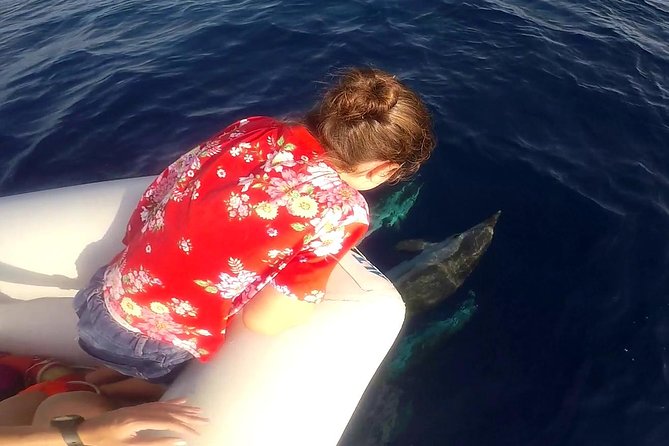
At about $84.48 per person for roughly 3 hours, this sits in the “serious but not outrageous” category for wildlife boat trips in Sicily. The value comes from what’s included, not just the fact you’re on a boat.
Here’s what you get:
- Binoculars and cetacean recognition cards
- Skipper and guide on board
- An informative briefing on cetaceans and the monitored area
- A boat rental (dinghy/motor boat/sailboat depending on passenger count) plus safety equipment and life jackets
- Boat fuel
What’s not included is simple: shuttle service. So if you’re planning to arrive by public transport or taxi, build in time to get yourself to the marina meeting point.
In other words, you’re paying for guided observation plus equipment plus conservation-minded operations, not just a bare-bones ride out and back.
Practical comfort tips: boats, shade, sun, and kids
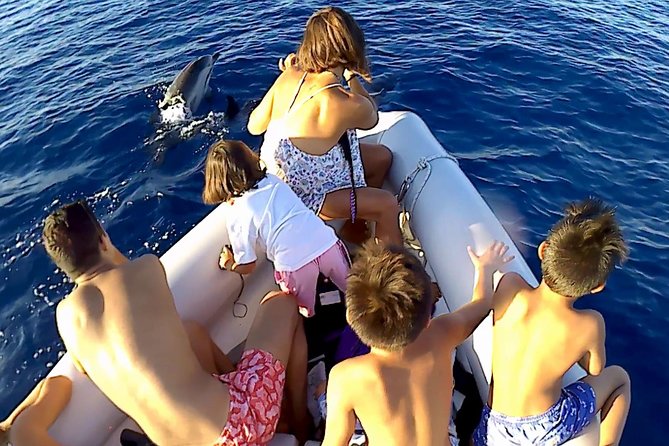
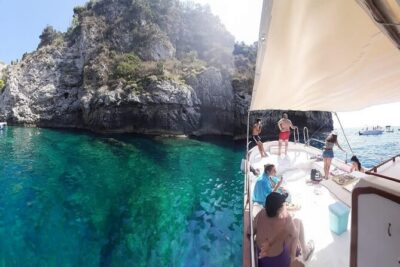
Your boat type can vary. The tour description lists dinghy or motor boat or sailboat, with size depending on passenger numbers. That variation is normal, but it affects comfort.
One account notes the boat had no shade and was a zodiac. If your day ends up on a more open boat, treat this as a sun outing. Bring sunscreen and a cover-up, and wear something that can handle salt spray.
Life jackets are included, but one note for families: there may not be a perfect lifejacket fit for every child size. That doesn’t mean the tour is unsafe; it means you should plan ahead. If you’re traveling with kids, have them use the restroom before you leave and be ready for limited onboard options once you’re at sea.
Who this trip is best for
This trip is ideal if you:
- Want wild dolphins rather than a staged experience
- Like learning in the field, using ID cards and binoculars
- Care about conservation standards and how boats behave around animals
- Enjoy photography and video, but also want context so your shots make sense later
It may not be ideal if you:
- Need guaranteed dolphin sightings (because there’s still that 20% chance)
- Get uncomfortable on open boats in sun and wind
- Prefer a long, land-based tour format
If you want Etna views plus real marine education in one outing, this does the job with a tight time window.
Should you book Marecamp’s Dolphins in the Gulf of Catania?
I think it’s a strong booking for most people who like wildlife and want it done responsibly. The small group size, the marine biologist angle, and the practical dolphin identification tools make it feel like more than a random lottery boat ride. Add the ACCOBAMS-guided approach and the low-speed, leave-the-pack behavior, and you get a trip that respects animals while still giving you a memorable Sicilian day.
Book it if you can be flexible about nature. If you’re okay with the reality that dolphins are wild and may not show up every single time, you’ll likely come away feeling you learned something useful and watched dolphins in a way that makes sense.
FAQ
FAQ
How long is the dolphin watching tour?
It lasts about 3 hours (approx.).
What time does the tour start in Catania?
The start time is 9:00 am.
Where is the meeting point?
Meet at Meeting Point 2 MareCamp, presso Club Nautico Catania, Via Cardinale Dusmet, 95100 Catania CT, Italy.
What language is the tour offered in?
The tour is offered in English.
How many people are on the tour?
There is a maximum of 10 travelers.
Do I get binoculars and dolphin identification materials?
Yes. Binoculars and cetacean recognition cards are included.
Is seeing dolphins guaranteed?
No. The tour description states there is about an 80% chance of spotting cetaceans.
What stops are included during the trip?
The listed stops are Aci Trezza, Aci Castello, Mount Etna, and Catania. Routes can vary by day.
What’s included in the price?
Included: skipper and guide on board, briefing on cetaceans and the monitored area, binoculars and recognition cards, boat rental with safety equipment and life jackets, and boat fuel.
What weather conditions are required, and what happens if weather is bad?
The tour requires good weather. If canceled due to poor weather, you’ll be offered a different date or a full refund.
Is there free cancellation, and how late can I cancel?
Yes, you can cancel for a full refund up to 24 hours before the experience’s start time. If you cancel less than 24 hours before, the amount paid is not refunded.