REVIEW · SICILY
Etna craters excursion 3000 m.
Book on Viator →Operated by Etna Esagonal Trekking Tour · Bookable on Viator
Etna is not a casual hike—and that’s why this 3000m excursion is so compelling. I like that it’s built around real volcanic ground: fresh lava flows from 2021 and a trek that pushes toward the area tied to the 1971 eruption. Second big plus: you get a proper mountain-style setup with a guide plus gear like poles, a windbreaker, and even a protective helmet.
That said, this is intense trekking. You should plan for moderate fitness and expect real effort, especially if weather turns chilly or windy on the upper slopes.
In This Review
- Key highlights
- Etna Craters at 3000m: Why This Trek Feels Different
- The 10:30 Start and the 5-Hour Rhythm
- Stop 1: Trekking the 2021 Lava Fields Toward the 1971 Cone
- What You Actually Get: Included Gear and the Comfort Math
- Cable Car Is Not Included: How to Plan Your Etna Access
- Pace, Fitness, and Weather: The Two Real Variables
- Small Group, Big Difference: What Max 20 Really Means
- Price and Value: Is $72.41 Worth It?
- Who This Etna Craters Excursion Suits Best
- Should You Book the 3000m Etna Craters Tour?
- FAQ
- How long is the Etna craters excursion to 3000 m?
- Where does the tour start, and when?
- How many people are in the group?
- Is the tour offered in English?
- What’s included in the price?
- What’s not included?
- Do I need a certain level of fitness?
- Is the tour dependent on weather?
Key highlights
- 3000m target, with a guided push that makes the climb feel purposeful, not just a grind uphill
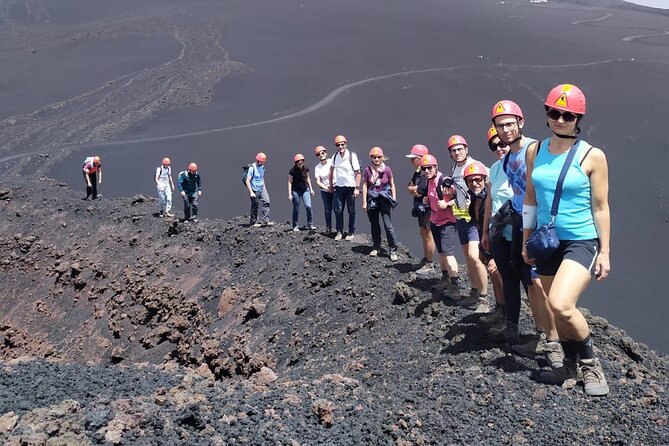
- 2021 lava route that takes you across rugged, lunar-like ground formed in the winter and spring of 2021
- 1971 eruption cone area that sits under later 2021 lava, giving the trek a strong “story”
- Gear included for the conditions, not just a talk at the start: poles, windbreaker, helmet, and high-neck trekking shoes
- Small group size (max 20) keeps things manageable on steep, uneven volcanic terrain
Etna Craters at 3000m: Why This Trek Feels Different
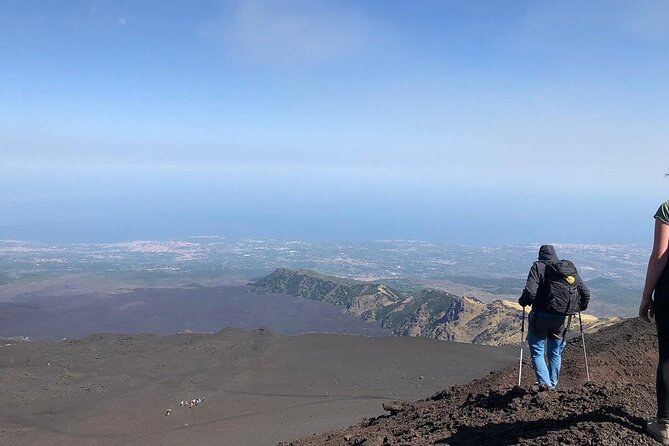
This isn’t a quick viewpoint stop. This is a guided trek on Etna that treats the volcano like a living classroom, using the ground itself as the lesson. When you’re walking over fresh lava, you feel how fast landscapes can change. And since the route connects lava from different eruption periods, you’re not just hiking—you’re moving through layers of time.
I also like the way the tour is framed: you start with the trekking route and then work your way toward a specific volcanic feature tied to the 1971 eruption. That matters because it stops the whole experience from feeling like generic Etna sightseeing. You’re heading somewhere with a reason.
The other thing I appreciate is the practical “mountain day” approach. You’re not left to figure out gear and timing on your own. The included equipment suggests the provider expects wind, uneven footing, and variable weather typical of higher elevations.
You can also read our reviews of more tours and experiences in Sicily.
The 10:30 Start and the 5-Hour Rhythm
Your tour begins at 10:30am at the meeting point at Piazzale Rifugio Sapienza in Nicolosi (near public transportation). You’ll be back at the same place at the end, and the whole experience runs about 5 hours.
That timing works well for Etna trekking because it gives you enough daylight for a longer hike, while still avoiding the kind of mid-afternoon fatigue that can make steep volcanic ground feel much worse than it already is. It’s also a realistic window for weather changes: you’ll know early whether conditions are workable.
Plan on a steady pace rather than a long series of breaks. Trekking on Etna at altitude is more demanding than it looks from a distance, and volcanic terrain can slow you down even when your legs feel okay.
Stop 1: Trekking the 2021 Lava Fields Toward the 1971 Cone
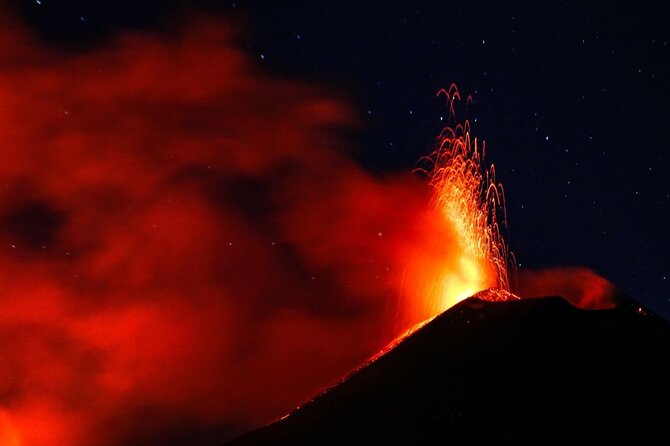
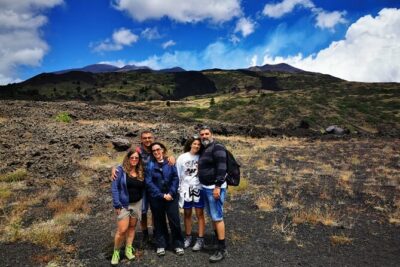
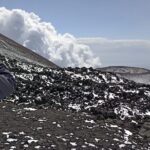
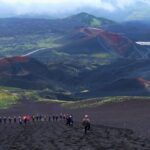
Stop 1 is the main event: Mount Etna. This is where the trekking begins and where the tour’s theme becomes tangible. Your walk crosses a “lunar-like” stretch of ground formed by lava flows emitted in the winter and spring of 2021. Instead of smooth paths, you’ll be dealing with uneven volcanic surfaces—good traction matters, and slow steps count.
The route is also tied to an eruption detail that gives the hike extra meaning. The trek heads toward an area connected to a small explosive cone from the 1971 eruption—an eruption feature that is now covered by the 2021 lava. That’s a powerful idea to hold while you’re walking: the ground you’re on is both fresh and layered over older volcanic activity.
Expect the day to feel intense because you’re not just climbing a trail; you’re crossing rough volcanic textures. The good news is that this is exactly why the tour includes equipment geared for trekking and why you’ll have a volcanological or alpine guide with you.
What You Actually Get: Included Gear and the Comfort Math
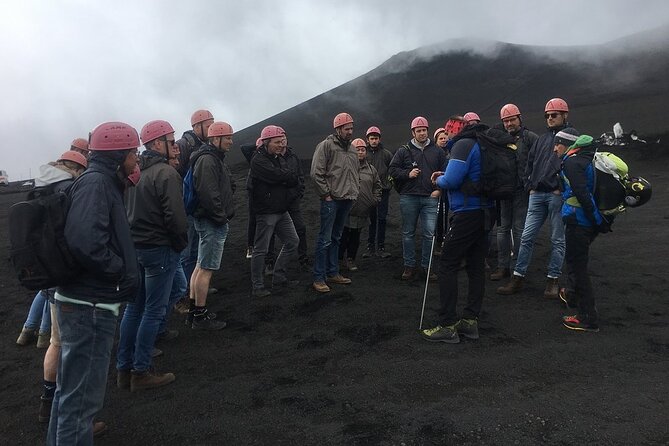
This tour is priced as a guided trekking day, and the “included” list is what makes it feel like real value. You get:
- Volcanological or alpine guide service
- High-necked trekking shoes
- Windbreaker
- Trekking poles
- Protective helmet
Those items aren’t small. On a steep, rocky slope, trekking poles can reduce strain on knees and help you keep balance. High-neck trekking shoes help with ankle stability, which matters on uneven lava ground. A windbreaker is also a big deal at altitude—Etna can feel calm at base level and then surprise you higher up.
You’ll still want to dress smart. Even though the windbreaker is included, you may prefer comfortable layers under it. I’d also treat this as a day where your body matters more than your fashion choices. Your goal is to finish strong, not look good in photos.
Cable Car Is Not Included: How to Plan Your Etna Access
One key line to note: the Etna Cable Car price is excluded. That means your ticket or transfer plan needs to account for how you’ll get to the start area and/or access points used by the group.
This isn’t a deal-breaker, but it does affect your total cost and timing. If you’re trying to keep your budget tight, estimate the cable car add-on before you book. If you’re already planning to use public transit or a combo of routes, factor that in too, because the meeting point is near public transportation but not at the volcano’s doorstep in a simple way.
If you want a smoother day, plan for a little extra buffer time so you don’t arrive rushing with tired legs before the climb even starts.

Pace, Fitness, and Weather: The Two Real Variables
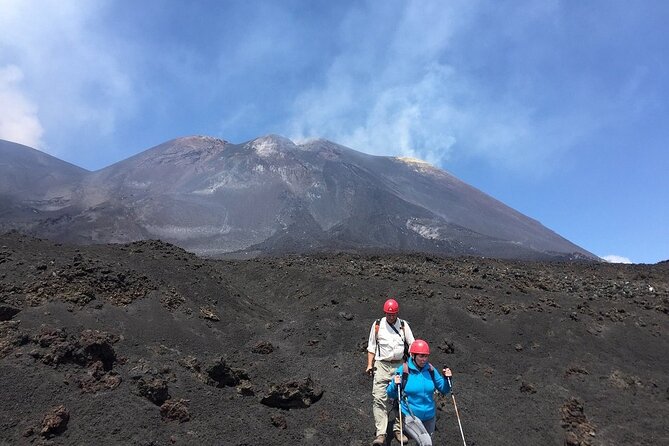
This experience is built for people with moderate physical fitness. In plain terms: you’re going to work. Volcanic ground plus altitude equals more effort than a flat walk, even if the route sounds straightforward on paper.
The best “fitness” advice here is to think about how you handle steep uneven terrain on a 5-hour outing. If you’re used to hiking a bit, you’ll likely be fine. If you mostly do casual strolls, this can feel intense.
Weather is the other gatekeeper. The tour requires good weather. If conditions are poor and the experience is canceled, you’ll be offered a different date or a full refund. I like that this is tied to real conditions rather than pushing ahead in risky conditions, especially at higher elevations.
Also note the tour has a minimum number of travelers. If that minimum isn’t met, you’ll get another option or your money back. That’s normal for small-group outdoor tours, and it helps protect your experience quality.
Small Group, Big Difference: What Max 20 Really Means
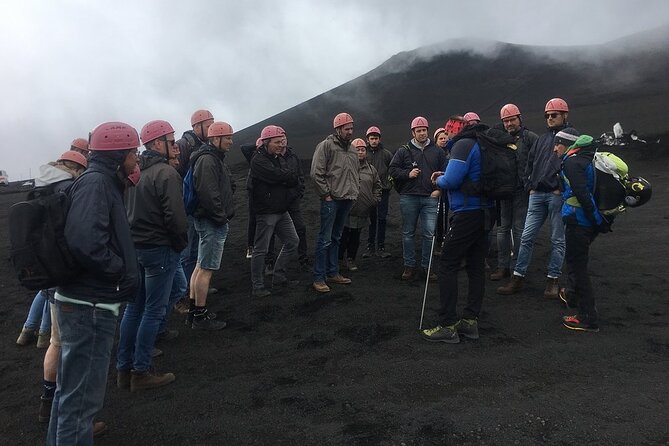
The group size is capped at 20 travelers. On Etna’s rough terrain, a smaller group is more than a comfort perk. It helps with movement—there’s less crowding on narrow sections, and the guide can keep an eye on footing.
A smaller group also makes the guided portion easier to enjoy. You’re more likely to hear explanations clearly and get help if you’re unsure about balance or pace. Since the guide service is volcanological or alpine, you’re not just following along—you’re getting context that fits the route you’re walking.
The result is that the hike feels like a shared effort with guidance, not a line you’re forced to keep up with.
Price and Value: Is $72.41 Worth It?
At $72.41 per person, this sits in the “serious half-day activity” category. The real value comes from what’s included.
If you try to do this type of trekking independently, your costs can add up quickly: guide fees, basic gear, and the hassle of figuring out proper footwear and safety equipment. Here, you’re not just paying for movement—you’re paying for guided instruction plus a safety-minded kit like poles and a helmet.
The tour also includes a windbreaker and high-neck trekking shoes, which can be pricey to rent or purchase elsewhere. That makes the price feel more reasonable for many visitors, especially if you don’t want to show up with the wrong shoes and then spend the day compensating.
One thing that could change your “all-in” cost: the cable car is excluded. Your total budget depends on how you reach the start area.
For me, this price makes sense if you want a guided day that’s physically engaging and structured around volcanic features, not just a bus-and-photo itinerary.
Who This Etna Craters Excursion Suits Best
This tour is a strong match for:
- People who like active days and don’t mind intense effort
- Travelers who want real context about volcanic features, not just a top-of-mountain view
- Anyone who prefers small groups (max 20) and a guide-led route
- Visitors with moderate fitness who can handle uneven terrain for hours
If you hate steep hiking, or if you’re sensitive to wind and cold at altitude, you might find it more exhausting than fun. That’s not a defect of the tour—it’s just Etna. Plan based on your comfort with uphill walking and rocky ground.
Should You Book the 3000m Etna Craters Tour?
Book it if you want a guided trek that goes beyond the typical Etna “check the box” moment. I think it’s especially worth it if you like understanding what you’re stepping on—fresh lava from 2021, plus the way it covers older volcanic features tied to 1971. The included gear makes it easier to show up prepared, and the small group size keeps the experience more controlled.
Skip it or reconsider if you’re expecting a gentle outing. This is intense trekking, and the day’s quality depends on weather being decent. If you’re flexible about dates and can handle a workout, you’ll likely find it a highlight.
One practical tip: reserve early. This tour is commonly booked about 18 days in advance on average, so don’t wait until the last minute if your travel dates are fixed.
FAQ
How long is the Etna craters excursion to 3000 m?
The duration is about 5 hours (approximately).
Where does the tour start, and when?
It starts at Etna Esagonal Trekking Tour, Piazzale Rifugio Sapienza, 95030 Nicolosi CT, Italy, with a start time of 10:30am.
How many people are in the group?
The experience has a maximum of 20 travelers.
Is the tour offered in English?
Yes, it’s offered in English.
What’s included in the price?
Included are a volcanological or alpine guide service, high-necked trekking shoes, a windbreaker, trekking poles, and a protective helmet.
What’s not included?
The Etna Cable Car price is excluded.
Do I need a certain level of fitness?
Yes. You should have a moderate physical fitness level.
Is the tour dependent on weather?
Yes. It requires good weather. If it’s canceled due to poor weather, you’ll be offered a different date or a full refund.