That first step onto Etna’s black paths feels unreal. This small-group excursion on the Monti Sartorius side of Mount Etna mixes easy hiking, crater views, and a careful visit into a lava cave with helmets and torches—so you get real geology, not just roadside photos.
I love that the route can be chosen together based on your needs, which makes the day feel flexible instead of rushed. I also really like the small group size (max 10), which shows up in how your guide can actually answer questions and keep a close eye on everyone.
The main thing to weigh is weather. Etna can be foggy, cold, or stormy higher up, and the tour is clearly built around good conditions.
In This Review
- Key things I’d mark as highlights
- Monti Sartorius: the Etna face that feels more like a hike than a spectacle
- The walking portion: lava flows, craters, and paths that change underfoot
- The lava cave stop: safety gear, helmets and torches, and a memorable change of pace
- Guides like Mario and Maria Grazia: education that actually stays human
- Timing and route feel: 4 to 5 hours that fit real vacation schedules
- Price and value: what $78.61 buys you (and what it doesn’t)
- Weather reality on Etna: plan for fog, cold, and possible reroutes
- Who should book this Etna excursion (and who should reconsider)?
- Should you book? My straight answer
- FAQ
- FAQ
- How long is the Etna excursion?
- What time does the tour start?
- Where is the meeting point?
- Where does the tour end?
- Is transportation included?
- What’s included for the lava cave visit?
- Is lunch included?
- Is there an admission ticket cost for the activity?
- What language is the tour offered in?
- Is there a weather or cancellation contingency?
- Are service animals allowed?
Key things I’d mark as highlights
- Small group (10 max) means more attention and fewer crowd interruptions
- Monti Sartorius route options let you focus on the right mix of walking and viewpoints
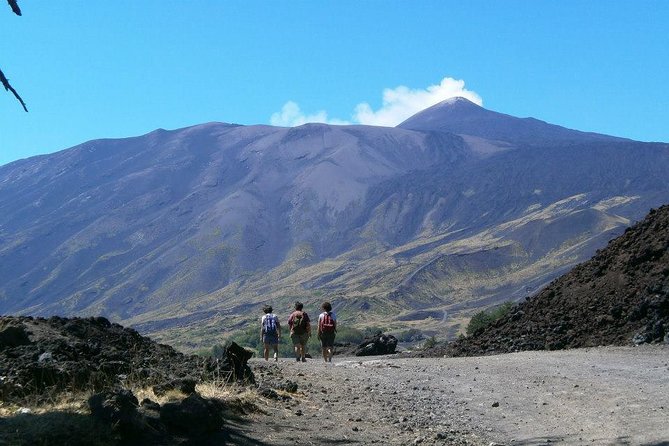
- Craters + lava flows give you the full Etna story in a few hours
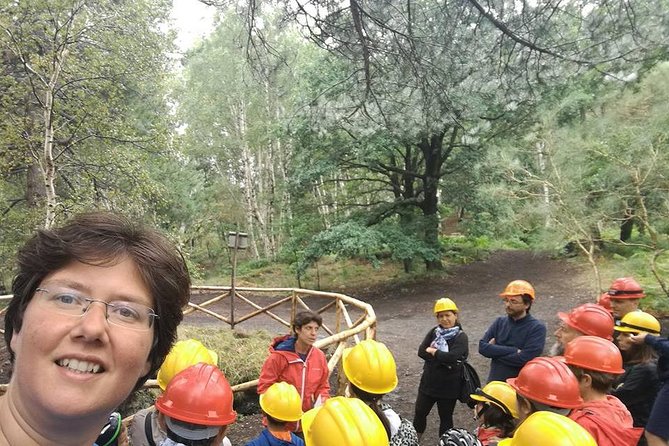
- Lava cave visit with helmets and torches adds a safety-first element
- Guides who go deep on geology and local life help Etna feel personal
Monti Sartorius: the Etna face that feels more like a hike than a spectacle
This outing is built around the Monti Sartorius area, where Etna’s activity leaves behind hardened lava, ancient craters, and slopes shaped over long stretches of time. The big idea is simple: you’re not just looking at Etna from a distance. You move across it—on black volcanic ground—and you learn how that ground formed.
One of the best parts is that guides can tailor the route. You can talk it through at the start, and the plan can shift depending on how you’re feeling and what conditions look like. That matters because Etna isn’t one “standard hike.” It’s a system, and the best route changes with weather, visibility, and your comfort level.
If you’re choosing between Etna tours, this one is appealing if you like active travel. You’ll be walking on uneven volcanic material, not cruising in a viewpoint bus line. It’s also a strong match if you’re a first-timer who wants context: what you’re seeing, how it formed, and why it affects nearby towns.
You can also read our reviews of more tours and experiences in Sicily.
The walking portion: lava flows, craters, and paths that change underfoot
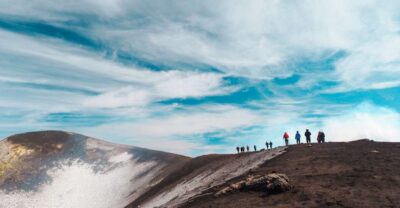
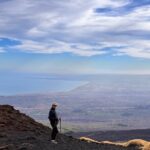
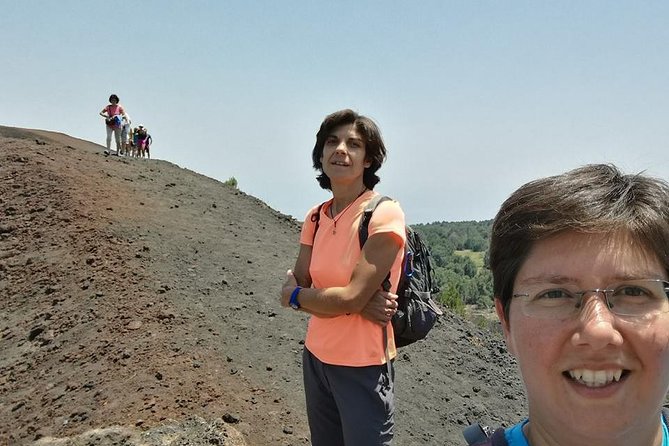
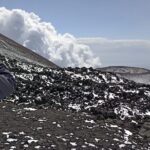
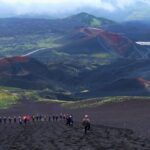
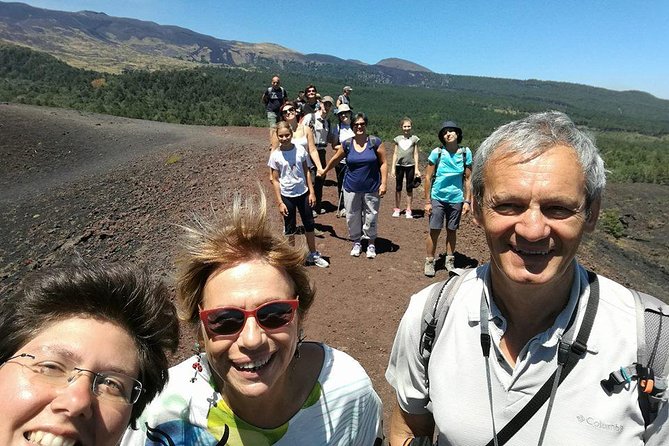
Your day starts with a visit that includes crossing areas shaped by lava flows and walking near craters. Depending on conditions, you’ll get to experience Etna up close at a human walking pace, moving through volcanic terrain that looks like it belongs on another planet.
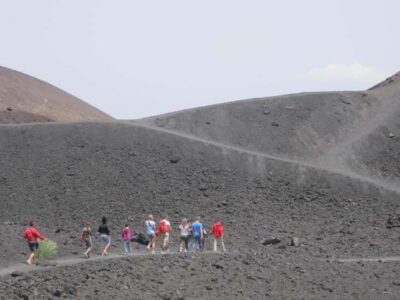
The ground can be different from what you might picture from big volcano movies. Some parts are more like black clinker material that shifts slightly underfoot, which is why solid shoes help. In a few experiences, guides have even lent a walking pole when needed—so don’t be shy about mentioning balance concerns.
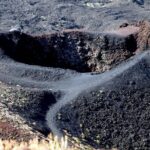
You’ll also get a crater experience. Some guides focus on the number and placement of craters across Etna’s system, including summit craters and flank craters. Expect the explanation to connect what’s in front of you with what Etna has done over time, including specific eruption events that become part of the visual story.
Here’s the vibe: you’re walking, stopping, and learning. It’s not a nonstop march. It’s paced like an educational morning (or early afternoon) with breaks that let you absorb the scale.
The lava cave stop: safety gear, helmets and torches, and a memorable change of pace
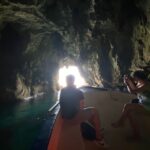
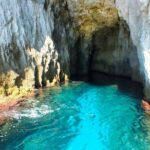
The most unique part of the excursion is the cave visit. You don’t just hear about lava tubes or volcanic rock formations—you gear up and go in.
The tour includes helmets and torches, which is a big deal in a cave. It’s also a practical reassurance: you’re not expected to improvise head protection or lighting. In at least some versions of the experience, guides have used ropes to help people access a cave system, and you’ll follow the guide’s safety instructions while you’re inside.
This cave is described as a lava flow cave, and you may hear explanations tied to how lava cooled and formed tubes over time. One guide-style highlight from past outings was learning about how people related to these spaces in earlier centuries—down to stories about collecting snow in cooling lava-tube environments. Even if your specific cave moment differs, the point stays the same: it’s a hands-on contrast to the open-air craters and lava paths.
If you’re claustrophobic, be thoughtful about it before booking. The tour is designed with safety in mind, but it is still a cave visit—so you’ll want to gauge how comfortable you are in enclosed spaces.
Guides like Mario and Maria Grazia: education that actually stays human
What makes this excursion stand out in a practical way is the guiding approach. Multiple guides have led this kind of day, including Mario and Maria Grazia, and the consistent theme is that they connect geology to the people of Sicily.
You’re likely to hear explanations that cover:
- How Etna works (not just the “active volcano” headline)
- How different kinds of craters and lava flows relate to eruptions
- How volcanic conditions shape local life
The best part is the pacing of attention. In small groups, your guide can slow down when you want details or speed up when you’re just there for the views. That balance shows up in how guides respond to questions and adjust the walk so it doesn’t feel like a test.
If you care about learning without feeling lectured, this is a great fit. It’s also ideal if you’re traveling with mixed ages and fitness levels, because the group size and route flexibility help a guide keep everyone included.
Timing and route feel: 4 to 5 hours that fit real vacation schedules
The excursion runs about 4 to 5 hours and starts at 9:00 am. That early timing is smart on Etna’s slopes: you often get better light for crater and lava views, and the day stays manageable without stealing your whole afternoon.
The start point is 95019 Zafferana Etnea (Metropolitan City of Catania). The experience ends at the cave area near Acireale (cave of robbers, SP2/I-II, 2A, 95024). Transport isn’t included, so you’ll want to plan how you’ll get to Zafferana Etnea and how you’ll handle the return after the cave section.
Also note that the tour provides a mobile ticket, and confirmation happens within 48 hours of booking (subject to availability). That’s helpful if your plans are still firming up.

Price and value: what $78.61 buys you (and what it doesn’t)
At $78.61 per person, the value equation depends on what’s included for you personally.
Here’s what you do get:
- Admission ticket free
- Helmets and torches for the cave
- A guided route that includes lava flows, craters, and a lava cave visit
- A group limited to 10 travelers
- English offered
And here’s what you should not assume:
- Transport is not included
- Lunch is not included (you’re told where to grab sandwiches before you meet)
So the price feels most fair if:
- You can already reach the Zafferana Etnea meeting area easily
- You’re comfortable with a walking-based volcano experience
- You value the cave gear and guided safety more than a “drive-by” view day
If you’d need to pay separately for transport from Catania or further away, the total cost can climb. But if you’re already in the area—or you plan your day around it—this can be a strong buy for a small-group active outing.
Weather reality on Etna: plan for fog, cold, and possible reroutes
This is one of those trips where the mountain sets the agenda. The experience requires good weather, and if it’s canceled due to poor conditions, you’ll be offered a different date or a full refund.
Even when the tour runs, weather can change how high you go or what visibility looks like. Past outings show that fog, cold, and hail can happen, and guides have managed the day based on what’s safe and practical. The key is that your guide should adjust the plan rather than push you into unsafe conditions.
My practical advice: dress for surprise weather. Even if it’s warm at sea level, Etna can feel very different higher up. Bring sun protection too. One simple reminder that keeps showing up: sunburn can sneak up quickly out there, especially when skies look clear.
Who should book this Etna excursion (and who should reconsider)?
I’d recommend it if you:
- Want an active Etna experience with walking + learning
- Prefer a small group where your guide can actually tailor the day
- Are curious about geology and also about how Etna connects to Sicilian life
- Like a clear plan with a cave moment that breaks up the walk
Consider a different option if you:
- Need a tour with included transportation back and forth
- Are worried about time in caves or enclosed spaces
- Have very limited mobility, since the terrain is volcanic and can be uneven
Because most travelers can participate, it’s not only for hikers. But it does require comfort with uneven ground and a bit of time outdoors.
Should you book? My straight answer
Yes—if you’re aiming for a small-group, guide-led Etna day with real variety: lava paths, craters, and a cave that’s handled safely with helmets and torches. The route flexibility and the max 10 people size are the big “value multipliers” here.
Skip it only if transport hassles will derail your day, or if weather uncertainty would stress you out. With Etna, that uncertainty is part of the game. If you’re flexible, you’ll likely come away with the kind of volcano story that sticks because you walked through it.
FAQ
FAQ
How long is the Etna excursion?
It lasts about 4 to 5 hours.
What time does the tour start?
The start time is 9:00 am.
Where is the meeting point?
You meet in Zafferana Etnea, in the 95019 area.
Where does the tour end?
It ends at the cave area near Acireale (cave of robbers, SP2/I-II, 2A, 95024).
Is transportation included?
No. Transport is not included.
What’s included for the lava cave visit?
You get helmets and torches for the cave.
Is lunch included?
No. Lunch is not included, but you’ll be told where you can grab sandwiches before the appointment.
Is there an admission ticket cost for the activity?
The admission ticket is free.
What language is the tour offered in?
The tour is offered in English.
Is there a weather or cancellation contingency?
The experience requires good weather. If it’s canceled due to poor weather, you’ll be offered a different date or a full refund.
Are service animals allowed?
Yes, service animals are allowed.