REVIEW · CATANIA
Etna excursions at sunset ancient craters and lava flows
Book on GetYourGuide →Operated by Enjoy our sicily · Bookable on GetYourGuide
Etna at sunset has a way of rewiring your brain. What I love most is how quickly you go from normal-looking Sicily life to moonlike lava terrain, and how the guide ties the volcano to what locals actually do. The other win is the wait for sunset at the end of an easy trail, so you’re not just rushing to the view and back. One thing to consider: this tour involves walking on uneven ground and you’re not a fit if you have altitude issues, breathing problems, are pregnant, or have heart problems.
You’ll start in Trecastagni, then ride in a van with time to look out at Etna’s dramatic slopes while your guide sets the story. From there it’s an easy 2 km loop hike with a big panorama moment, plus stops that help you understand eruptions in plain language—without turning it into a lecture. If you want Etna’s best angle without a tough day hike, this is a very practical choice.
In This Review
- Key highlights I’d plan around
- Why Etna at sunset feels different than daytime
- Getting to Etna: Trecastagni pickup and the drive rhythm
- Stop 1: extinct side craters—and how they teach you to read Etna
- The main event: a guided hike along lava trails with a 2 km loop
- How the guide connects eruptions, plants, and local life
- Sunset stop: the best light, without the scramble
- Who this Etna excursion is best for (and who should skip it)
- Price and value: is 84.96€ per person worth it?
- Before you go: what to bring and how to plan your day
- Should you book this Etna sunset tour?
- FAQ
- What time does the Etna sunset tour start?
- How long is the tour?
- Where do I meet for pickup?
- Do you offer pickup from Catania?
- What happens on the hike?
- Is the tour suitable for everyone?
- What languages are the guides?
- Is food and drink included?
- What should I bring with me?
- What’s included in the price?
Key highlights I’d plan around
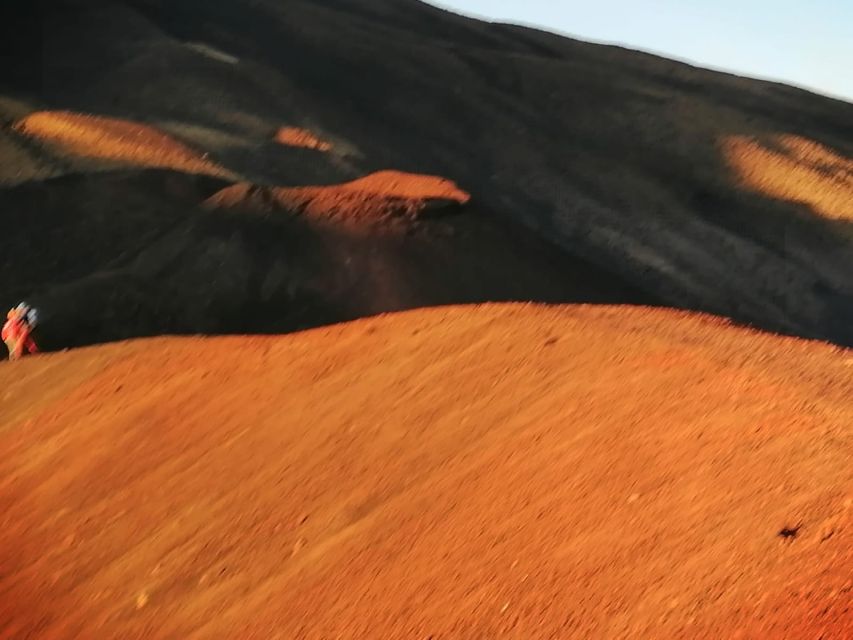
- Sunset viewing from a scenic trail stop, with time to watch the light change
- A guided route through ancient and recent lava areas, so you can see different stages of Etna
- An early stop at ancient side craters to learn how Etna builds itself
- A 2 km easy loop hike with panoramic views and a calm pace
- A guide who explains the eruption story + local relationship to the volcano
Why Etna at sunset feels different than daytime
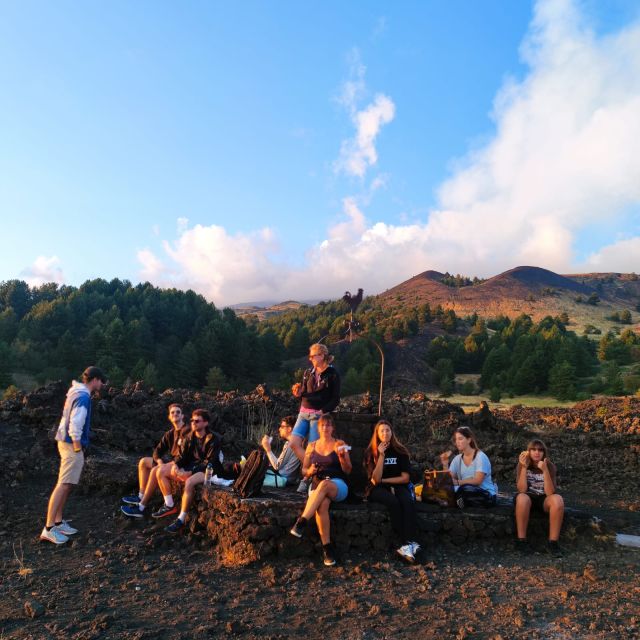
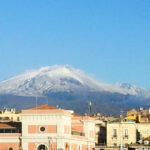
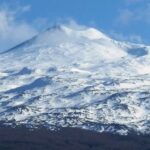
Etna is Europe’s highest active volcano, and it’s also a UNESCO site. That combination matters because it means you’re seeing something both spectacular and studied—yet the tour keeps it human, focused on what you can observe and ask.
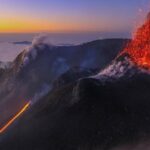
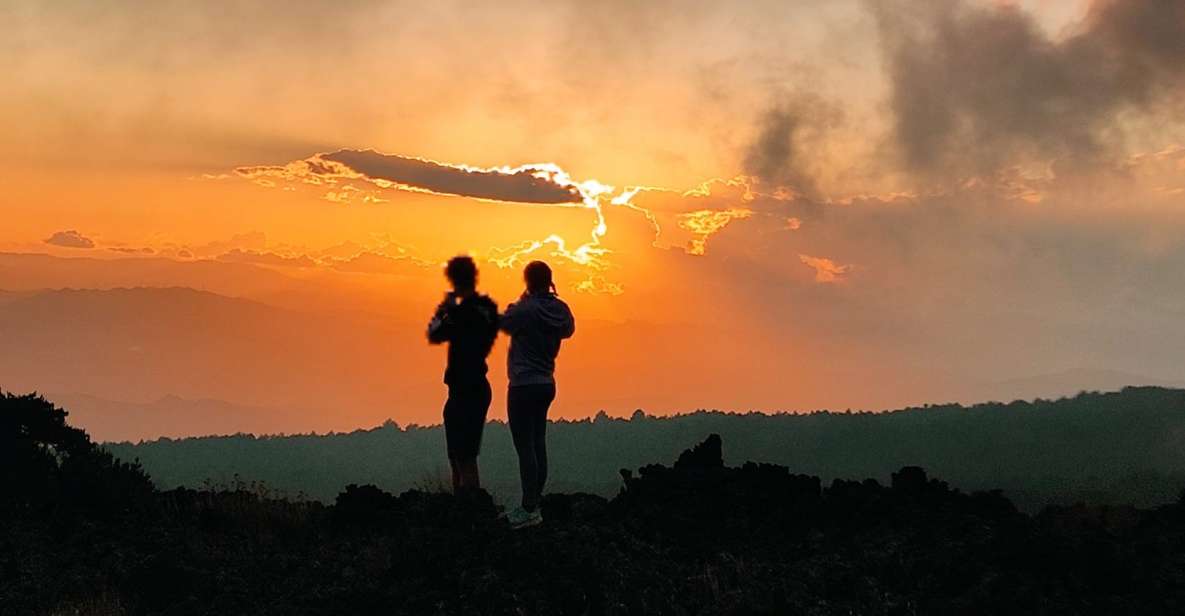
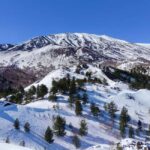
In late afternoon, Etna’s colors shift fast. The ground turns darker and the bright rock edges soften, which makes the volcanic shapes easier to read. You’ll see why people describe the terrain as almost lunar: not because it looks fake, but because lava can create forms that don’t match what most of us expect from a mountain.
The guide’s emphasis on the relationship between locals and the volcano is another big reason to go at sunset. During the hike and crater stops, it’s less about fear and more about understanding: how eruptions change paths, how the mountain shapes everyday life, and why the vegetation that survives here looks the way it does. You get a clearer sense that Etna isn’t a distant landmark. It’s part of the neighborhood.
If you’re coming for photos, you’ll appreciate the timing. The tour is designed so you’re waiting for the sun at the end of the main walk, not sprinting down the mountain after it sets.
You can also read our reviews of more evening experiences in Catania

Getting to Etna: Trecastagni pickup and the drive rhythm
The tour begins in Trecastagni with pickup from a meeting point near the Saint Biagio Church (piazza Stesicoro area). If you’re not in town, there is an option to add pickup from Catania for an extra 15€ per person, and children ages 0–12 go free for that fee (paid on the spot).
Once everyone’s aboard, you’re looking at about 45–50 minutes of van travel to the first stop. That sounds like “getting there,” but it actually works in your favor. You’re already watching Etna’s scale build as the light fades, so the mountain stops being a screen-saver view and turns into a real place you can walk into.
Your schedule is anchored to the late-day plan: the start is typically 3:30 PM with the exact departure sometimes adjusted to the sunset timing. Total time on the experience is about 4 hours including travel, so you’ll want to stay ready—especially if you’re trying to photograph without rushing.
Stop 1: extinct side craters—and how they teach you to read Etna
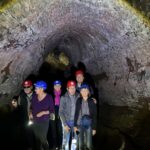
The first on-mountain moment is the visit to ancient side craters. This is one of those stops that feels small in time but big in understanding, because it sets the “how” behind what you’re seeing.
Etna’s eruptions don’t only come from the main crater. The mountain also releases material through side paths, which is why these extinct areas are worth your attention. Standing near older crater remains helps you connect the dots: these are not random holes in the ground; they’re part of how Etna breathes over long periods.
Even if you’re not a geology person, the guide makes it visual. You’ll learn to look at the shape of the terrain and connect it to eruption patterns you’ll hear about later on the hike. It’s the kind of explanation that makes the whole experience feel organized instead of scenic-but-chaotic.
A practical heads-up: this is an active volcano region, so the ground can be uneven. Wear comfortable shoes, and don’t wait for the hike section to think about footing.
The main event: a guided hike along lava trails with a 2 km loop
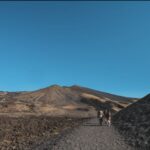
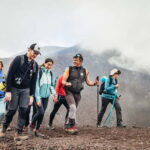
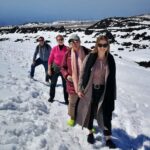
After the crater stop, you move into the main stop and the hike. The route is an easy 2 km loop trail, and the focus is on being out on foot long enough to feel the terrain changes without turning the day into a grind.
What I like about a loop is that it keeps you oriented. You walk out, you get different angles, and then you come back without needing to guess where you’ll end up. The tour also builds in time to reach the best moment at the end: the guide stops so you can wait for the sunset.
During the walk, you’ll pass through areas tied to recent and ancient lava fields. This is more than a buzzword. Different lava surfaces can feel rougher, smoother, more broken, or more vegetated, depending on age and how nature has had time to work. You’re not just seeing one type of volcanic ground. You’re seeing layers of time.
If you get motion sickness easily, you might like this structure: you’re not bouncing around for hours. Most of the physical part happens on a controlled loop with a guide, and the van ride is mainly front-loaded.
How the guide connects eruptions, plants, and local life
A lot of Etna tours stop at views. This one spends more time on meaning. The guide explains Etna’s eruptions and how the volcano relates to local inhabitants, plus flora and fauna you might spot along the way.
That matters because Etna isn’t just a mountain you photograph and leave. It’s a living system with survival strategies. Plants that grow here have to handle volcanic soil, strong light, and harsh conditions. Even if you don’t memorize species names, you’ll learn what makes the ecosystem unusual and why it looks the way it does.
The guide also gives context on eruptions in practical terms. You’ll hear why the mountain behaves like it does and what that means for people living nearby. The biggest takeaway for me is that locals learn to coexist rather than pretend the volcano isn’t there.
And yes, the guide’s job is also about keeping it fun. The tour is described as a staged experience, which usually means you’re not stuck in one long boring segment. You get short instructional moments, then a walk, then a new view—so your brain stays switched on.
Sunset stop: the best light, without the scramble
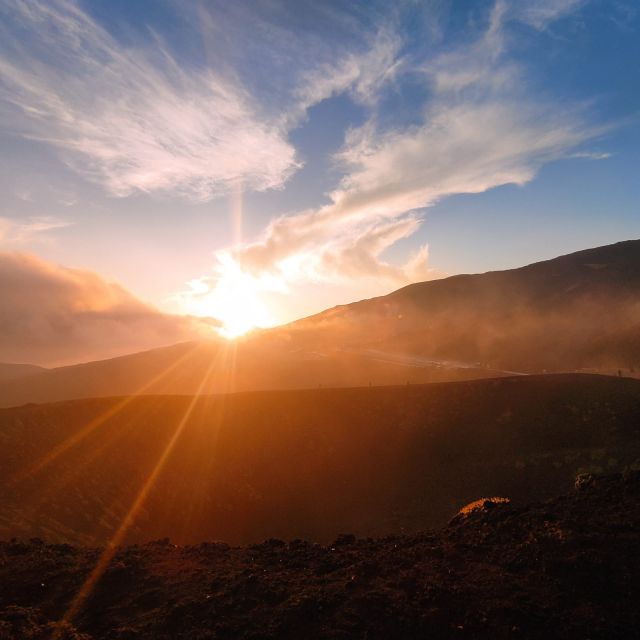
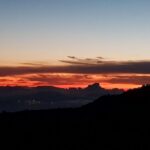
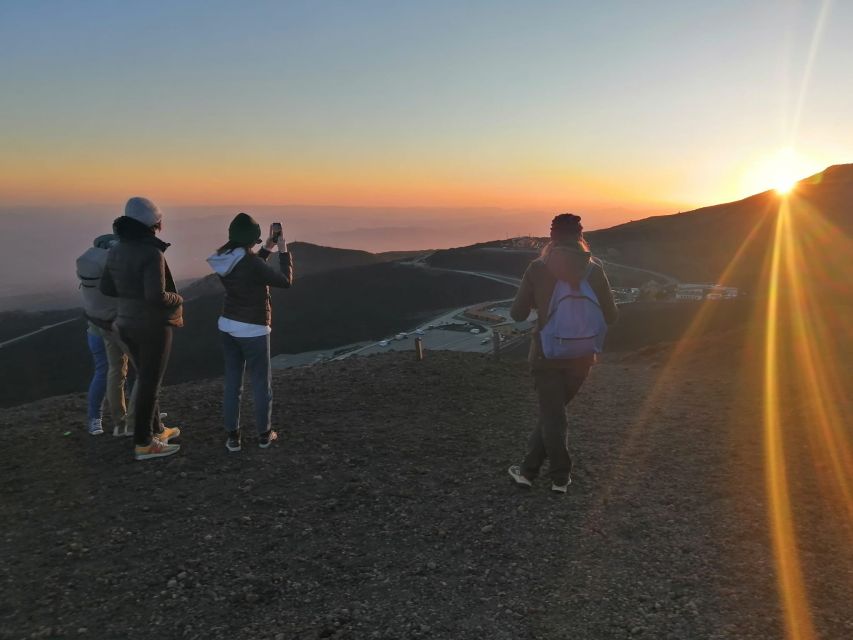
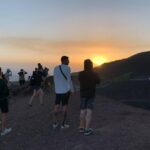
One of the most appealing parts is that the tour is planned so you can admire one of the best sunsets of Sicily from the trail area. Instead of grabbing a quick photo and running, you reach the end of the hike and the group waits for the light shift.
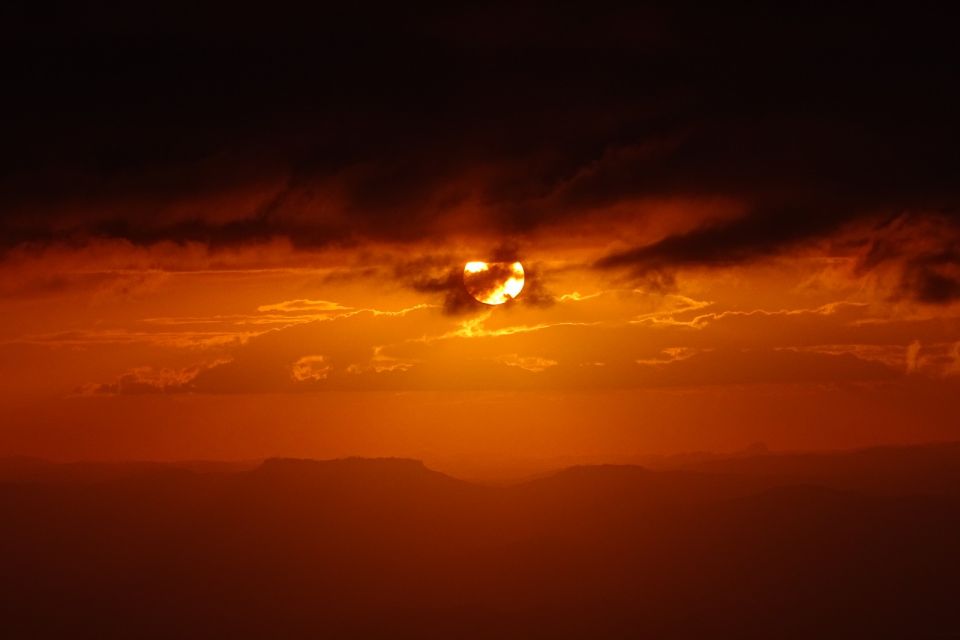
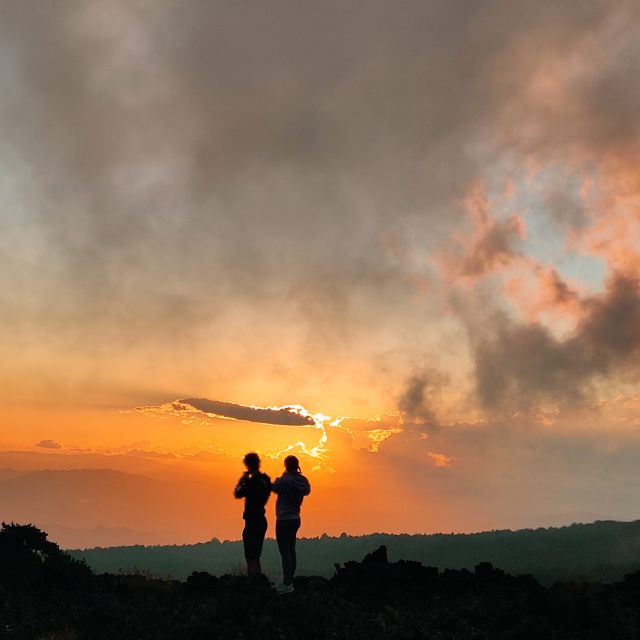
This is where the entire timing works. If you’ve ever watched the sky change while you were still traveling, you know it’s disappointing. Here, you’re positioned to see the horizon soften, the lava ground take on darker tones, and Etna appear even bigger against the sunset sky.
Bring a jacket. Even when Sicily starts warm, volcano areas can feel cool once the sun drops. Comfortable clothes are the move, because you’ll be moving on foot and you don’t want to be thinking about your outfit.
If you care about photos, start early. Set yourself up so you’re not rushing at the last minute when the best light is only minutes away.
Who this Etna excursion is best for (and who should skip it)
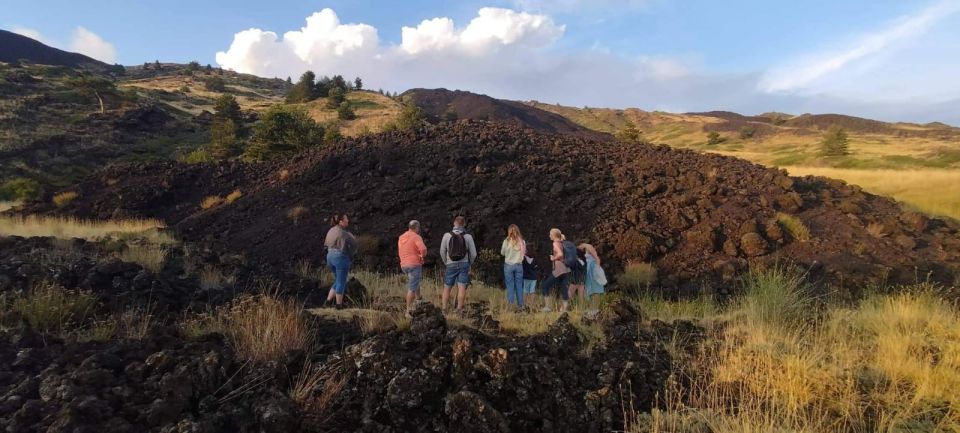
This tour is built for people who want a high-impact experience without extreme hiking. The hike is listed as easy and only 2 km, and the overall timing is short enough to fit into a day without losing half of your vacation.
You’ll likely enjoy this if you:
- Want expert-guided explanations, not just a self-guided viewpoint
- Like panoramic views and sunset timing
- Prefer small-group or private-style attention
- Are curious about how volcanoes connect to culture and everyday life
It’s not suitable for:
- People with altitude sickness
- People with respiratory issues
- Pregnant women
- People with heart problems
Also, plan for real walking time and uneven ground, even if the trail is easy. Pack light, wear supportive shoes, and treat the terrain with respect. You’ll get more enjoyment when you feel steady.
Language options are great for international travelers: the guide speaks French, Italian, and English. That’s a big plus when you want to ask questions and understand the eruption story clearly.
Price and value: is 84.96€ per person worth it?
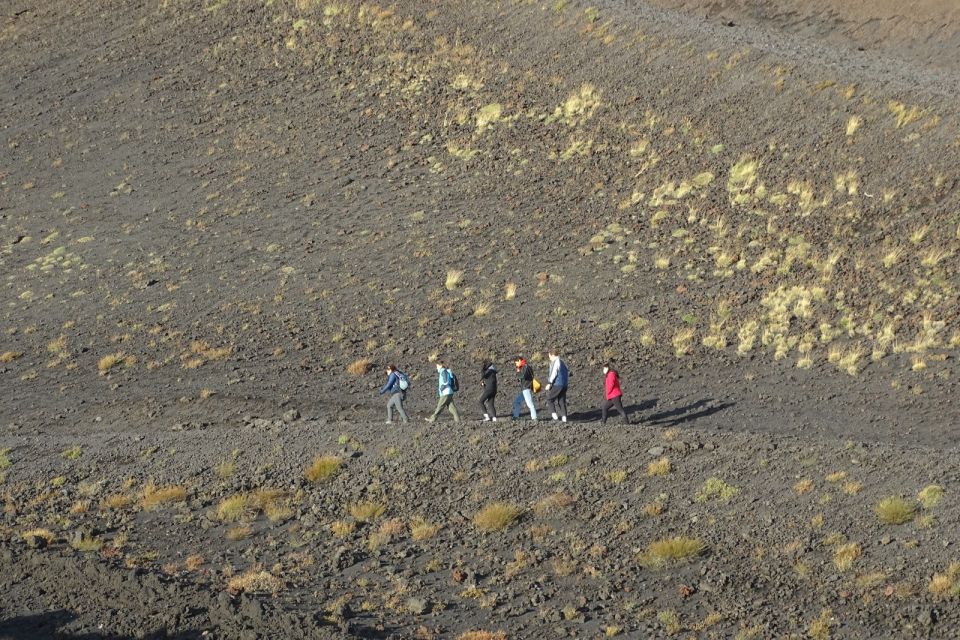
At $84.96 per person, the price isn’t the cheapest way to see Etna. But for a 4-hour experience with van pickup and drop-off from Trecastagni, plus a live guide and a structured hike with crater stops, it’s fairly reasonable.
Here’s why it feels like good value for many people:
- You get transportation included (pickup/drop-off from Trecastagni meeting point)
- You’re guided through multiple stops, not one viewpoint
- You get a full sunset plan in a tight time window
- You receive context about eruptions and the local relationship to the volcano
What you should budget separately:
- Food and drinks are not included
- Catania pickup costs an additional 15€ per person (kids 0–12 free for that fee, paid on spot)
My practical advice: treat this like a timed guided outing, not a budget day trip. If you’re trying to do Etna cheaply by yourself, you can sometimes cobble together options. But you’ll spend time figuring it out and lose the benefit of a guide who knows exactly how to set up the best sunset angle and explain what you’re seeing.
Before you go: what to bring and how to plan your day
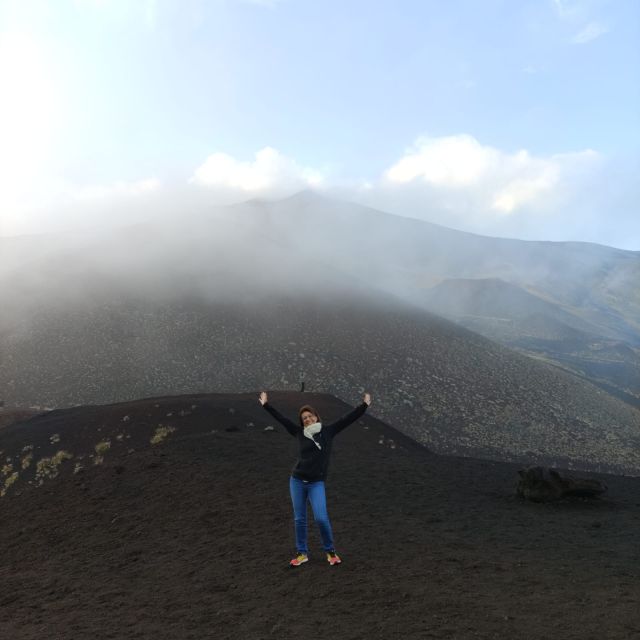
Bring:
- Comfortable clothes
- A jacket (sunset to evening can feel cooler)
- Comfortable, grippy shoes for an easy hike on uneven volcanic ground
Plan your day around the 3:30 PM start (sometimes adjusted to sunset timing). Because the tour lasts about 4 hours total, you’ll want to avoid scheduling something too close afterward unless it’s flexible.
Also, consider how you’ll handle snacks. Since food and drinks aren’t included, you might want to bring water or a simple snack plan so you’re not stuck hungry during the late afternoon.
One more note: the tour ends back at the meeting point, so it’s straightforward to return to your base without extra thinking.
Should you book this Etna sunset tour?
If you want Etna’s wow factor with minimal hassle, I think this is a solid pick. The easy 2 km loop, the crater stop, and the planned sunset wait give you a full experience in about four hours—plus you get a guide who explains how the volcano connects to local life and living things here.
Skip it if you’re in any of the listed risk categories (altitude sickness, respiratory issues, pregnancy, heart problems), or if you’re looking for a long, intense hike. This isn’t that kind of tour.
If you’re aiming for a memorable Etna evening with expert guidance and a good chance of enjoying the light properly, booking is a smart move.
FAQ
What time does the Etna sunset tour start?
It typically starts around 3:30 PM, with the exact departure possibly adjusted according to sunset time.
How long is the tour?
The total duration is about 4 hours, including travel time.
Where do I meet for pickup?
Pickup is from Trecastagni near the Saint Biagio Church (piazza Stesicoro area). The start point is close to the church.
Do you offer pickup from Catania?
Yes. Pickup from Catania costs an extra 15€ per person, and children aged 0–12 are free for that pickup fee (paid on the spot).
What happens on the hike?
You’ll do an easy panoramic 2 km loop trail with a guide, and you’ll wait for the sunset at the end.
Is the tour suitable for everyone?
It isn’t suitable for people with altitude sickness, respiratory issues, pregnancy, or heart problems.
What languages are the guides?
The live tour guide speaks French, Italian, and English.
Is food and drink included?
No. Food and drinks are not included.
What should I bring with me?
Wear comfortable clothes and bring a jacket.
What’s included in the price?
Pickup and drop-off from the meeting point in Trecastagni are included.