REVIEW · SICILY
Etna North excursions departing from Piano Provenzana
Book on Viator →Operated by Guidetna.it - Volcanological Guides on the Etna · Bookable on Viator
Etna can feel like a whole planet doing science in real time. From Piano Provenzana, this North-side outing takes you to the dramatic fracture known as Bottoniera del 2002 and shows how eruptions redraw the mountain.
I really like that the walk is guided by a volcanological guide, so you’re not just staring at rocks—you’re learning what you’re looking at as you go. I also like the small group size (max 15), which makes it easier to ask questions and keep a comfortable pace.
One thing to consider: this experience is weather-dependent, and if summit conditions are unsafe or socked in with clouds, they may cancel and offer a different date or a full refund.
In This Review
- Key highlights you’ll feel on this Etna North tour
- Mount Etna North from Piano Provenzana: why the 2002 Bottoniera matters
- The 2 to 5 hour trek: what you’ll see and how the route is paced
- Stop 1 on Mount Etna: Bottoniera del 2002, craters, and hornitos
- Meeting at Via Provenzana and dealing with a max-15 group
- Gear, layers, and wind: what to pack for Etna’s North side
- Price and value: what $54 gets you, plus the extra costs to watch
- Weather rules and safety on Etna: when clouds change the plan
- Who should book this Etna North tour (and who might pass)
- Should you book the Etna North excursion from Piano Provenzana?
- FAQ
- Where do we meet for the Etna North excursion?
- How long does the tour take?
- Is the excursion offered in English?
- What’s included in the price?
- What costs extra besides the tour price?
- Is there a ticket on your phone?
- How big is the group?
- When will I receive confirmation after booking?
- What happens if it’s canceled due to weather?
Key highlights you’ll feel on this Etna North tour
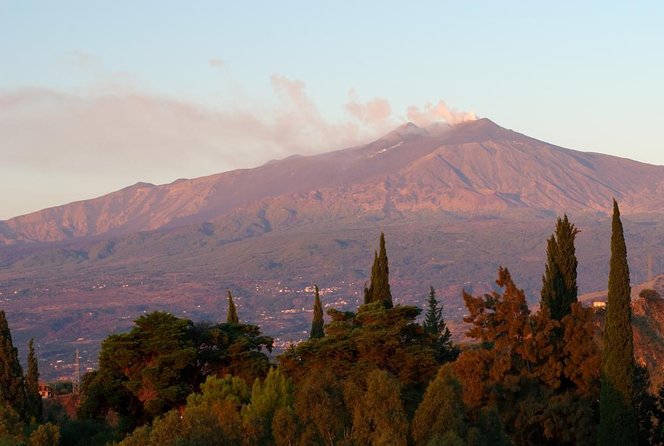
- Bottoniera del 2002: see the eruptive fracture and the terrain it created during the 2002 eruption
- Stop duration around 3 hours: enough time for real walking and explanation, not a rushed drive-by
- Volcanological guide (English): formation processes, rock/mineral details, and what the terrain means
- North side advantages: a quieter feel than the most crowded areas, with classic breezy Etna conditions
- Practical kit support: you can expect footwear and wind layers to be part of the plan
- Small group max 15: more attention, better interaction, easier for kids and first-timers
Mount Etna North from Piano Provenzana: why the 2002 Bottoniera matters
This tour focuses on one of Etna’s most memorable scars: an eruptive fracture that formed during the 2002 eruption. That fracture is the “buttonhole” area people refer to as Bottoniera del 2002. It wasn’t a small event. It destroyed accommodation and tourist facilities in Piano Provenzana, right on the North Etna side near Linguaglossa.
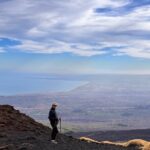
What makes it so compelling is the mix of drama and clarity. You get to see craters, canyons, and hornitos—small openings where gases and heat played their part during the eruption. It’s not just a view. It’s geology you can walk through, with a guide who can explain the cause-and-effect as you move across the ground.
You’ll also hear how Etna keeps building on its own past. On some routes, your guide may point out areas tied to earlier activity, including craters associated with the 1865 eruption. That history isn’t presented as trivia—it helps you understand why the “same mountain” can look different depending on which eruption shaped it.
And yes, the North side has a slightly different feel. One key advantage is that it’s less touristy, so you can focus on the walking, the explanations, and the wind. Expect sharp air and fast-changing conditions.
You can also read our reviews of more tours and experiences in Sicily.
The 2 to 5 hour trek: what you’ll see and how the route is paced
The outing is listed as 2 to 5 hours total, and the main stop at Mount Etna is about 3 hours. In practice, it’s long enough for multiple breaks and several explanation stops, but short enough that most people can plan around it without losing a whole day.
You’ll meet at Via Provenzana 35, 95015 Linguaglossa CT. From there, you start your trek and eventually return to the meeting point. The pace is designed for a mixed group, including families; several guides keep it respectful, with frequent chances to pause and ask questions.
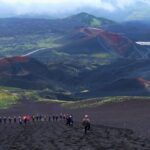
One review described a circular route that covered around 4 km with a total time around 3 hours, with a medium-low difficulty level. That lines up with the general vibe you should expect: you’re hiking on volcanic ground with some uneven spots, but it’s not a hardcore expedition. Still, you do need to treat it like a real mountain walk, not a casual stroll. If you show up in worn sneakers, you’ll regret it.
What you’ll notice as you go:
- The terrain can look almost sci-fi—channels and formations that don’t resemble anything you’d see back home.
- The guide stops at points where the shape of the land tells the story of the eruption.
- You’ll learn how water, gases, and lava paths connect to the features you’re standing near.
- Along the route, you may see explanations tied to the flow bed and the banks of a lava river—how the eruption’s movement shaped the ground.
A good guide also handles the “group energy” part. If you travel with kids or you just want less stiff, more human guidance, this kind of small group trek tends to work well.
Stop 1 on Mount Etna: Bottoniera del 2002, craters, and hornitos
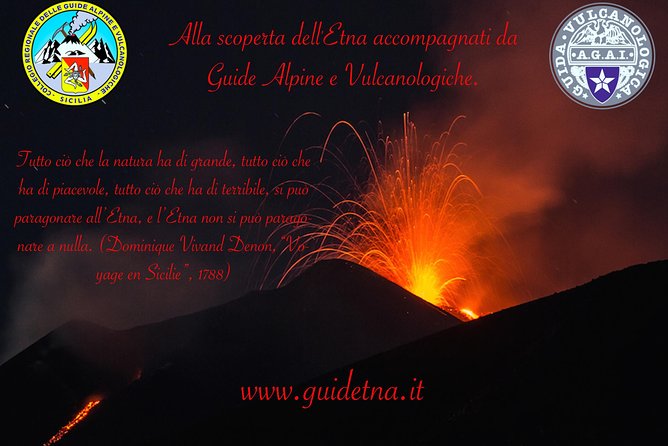
This is the heart of the experience, centered on the Bottoniera del 2002 area. The idea is simple: walk into the volcanic fracture system and understand what created it. You’re not going to a museum. You’re standing in the aftermath of a major eruption.
On the walk, you’ll focus on specific features:
- Craters and canyons carved by eruptive activity and the way lava and gases behaved
- Hornitos, the smaller structures linked to gas release and localized eruptive activity
- Routes that may connect the Bottoniera area to points tied to older eruption activity (depending on conditions and the guide’s plan)
One thing I love about this stop is how the explanations connect to what you can see. A guide can point out rock and mineral changes and talk about how the eruption affected flora—how the plant life responded to a drastically altered environment. Even if you don’t remember every term, you’ll walk away with a clear picture of cause and effect.
Time matters here. Even though the stop is listed as 3 hours, it’s not just hiking time. There are intermediate stops built in, so you get time to look closely, catch your breath, and absorb what you’re seeing. That’s especially helpful on Etna, where wind and sudden light changes can make it hard to focus if you’re rushing.
Admission for this stop is listed as free, which is a nice value detail. The main “variable” cost usually comes later with transport choices like cable car or jeep.
Meeting at Via Provenzana and dealing with a max-15 group
Your meeting point is Via Provenzana 35, 95015 Linguaglossa CT. The tour ends back at the same place, so you’re not dealing with some mystery “you’re on your own” transfer at the end.
The group size is capped at 15 travelers, and that matters more than it sounds. In a larger crowd, you spend time waiting and walking in a tight line. Here, you’re more likely to keep a steady pace, hear the explanations clearly, and get your questions answered without feeling rushed.
You’ll also want to pay attention to language and communication. This experience is offered in English, and the guide’s job is to translate the mountain into human terms—formation processes, what those landforms mean, and why certain routes are chosen.
Guides you may meet include Gianluca and Flavio, and the common thread is confidence. You can expect guides who explain clearly and interact with the group. That comes through in how they keep pace, adjust to the people with you, and make the route feel like a lesson you can actually follow.
A practical note: confirmation is sent within 48 hours of booking (depending on availability). So if you’re planning tightly, don’t wait until the last minute to assume everything is locked in.
Gear, layers, and wind: what to pack for Etna’s North side
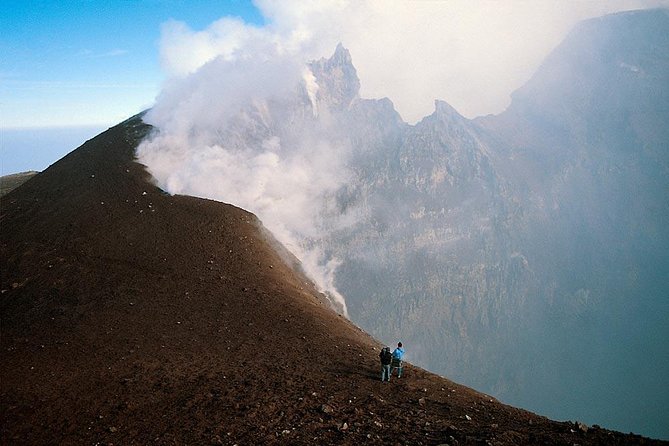
Etna on the North side can be cold and windy, even when Sicily is warm. One review notes that jackets with hoods are worth having, especially when the wind turns up. Another mentions that the staff may provide hiking shoes, windproof jacket, and walking poles.
Here’s the practical takeaway: pack for the conditions, not the weather report from the coast. If they provide gear, great—you’ll still benefit from bringing your own better-fitting layers if you have them. If they don’t, you’ll still be glad you brought something windproof and warm enough to handle a brisk few hours at elevation.
What I’d bring even if staff provides some equipment:
- Windproof layer you can zip up fully
- Warm mid-layer (you’ll feel the chill when you stop)
- Proper footwear with grip
- A small backpack for water and layers
Walking poles can be a comfort boost on uneven volcanic ground. If they’re provided, use them. If not, it’s one of the easiest “bring or rent” items for a safer-feeling hike.
Also, expect the mountain to change mood fast. The best days tend to be clear and calm. If clouds roll in, visibility can drop, and the guide may adjust—or the tour may cancel for safety.

Price and value: what $54 gets you, plus the extra costs to watch
The price is listed as $54.01 per person, with a duration of roughly 2 to 5 hours. For that, you get guided accompaniment with a volcanological guide, and the Mount Etna stop lists admission as free.
So where does the value come from?
- You’re paying for expertise. A guided volcanic walk turns a pile of rocks into an explanation you can actually track.
- You’re paying for time. This is long enough for multiple stops and questions.
- You’re paying for the small-group experience, which makes it easier for families and slower walkers.
What’s not included is important: cable car or jeep costs are separate. That means your final out-of-pocket number can vary depending on how you reach the hiking area and what transport options are running.
If you want to keep it simple, ask yourself one question before booking: will you be okay covering extra transport costs if they’re required? If yes, the base price is a fair deal for an expert-led Etna trek.
Weather rules and safety on Etna: when clouds change the plan
This is the part Etna forces you to respect.
The experience requires good weather. If conditions are unsafe, the operators don’t take chances. In one case described in a response to a dissatisfied customer, safety came first because the webcam view of the summit area showed a thick blanket of clouds with poor visibility. In those situations, they offered a different plan rather than running the tour blind.
So what should you expect?
- If summit conditions are covered by clouds or become dangerous, the trek can be canceled.
- If canceled due to poor weather, you’ll be offered a different date or a full refund.
- Short-term changes happen fast on Etna, so you should avoid booking a super tight schedule right after.
A practical strategy: keep some slack in your itinerary. Etna doesn’t care about your calendar.
Who should book this Etna North tour (and who might pass)
This tour is a good fit if you want more than a scenic stop. You’re there to understand how Etna works, and you’ll appreciate a guide who explains what created what you’re seeing.
I’d especially recommend it if:
- You like guided learning, not just walking
- You want a smaller group on Etna (max 15)
- You’re traveling with kids who do better with interactive explanations
- You’re staying in the Linguaglossa area and want a focused Etna experience from the North side
You might think twice if:
- You hate cold wind and uneven volcanic ground
- You’re the type who expects perfect visibility every minute
- You don’t want any chance of itinerary changes due to weather
Still, even if you’ve only got a half-day, this is one of the most direct ways to connect with Etna’s active “after-life” in the Bottoniera del 2002 area.
Should you book the Etna North excursion from Piano Provenzana?
Yes, if you want an expert-led hike that turns the 2002 eruption into something you can actually understand. The combination of Bottoniera del 2002, a volcanological guide, and a small group makes it feel like a serious experience without being a huge commitment.
Before you book, do two quick checks:
- Are you okay with weather-driven changes? Etna can cancel for safety.
- Are you comfortable paying possible extra transport costs like cable car or jeep?
If both answers are yes, this is a strong choice for your Etna day: practical, educational, and rooted in a specific eruption you can walk through.
FAQ
Where do we meet for the Etna North excursion?
You’ll meet at Via Provenzana, 35, 95015 Linguaglossa CT, Italy. The activity ends back at the same meeting point.
How long does the tour take?
The experience is listed as about 2 to 5 hours. The main stop on Mount Etna is about 3 hours.
Is the excursion offered in English?
Yes, the tour is offered in English.
What’s included in the price?
You get accompaniment with a volcanological guide. The Mount Etna stop also lists an admission ticket as free.
What costs extra besides the tour price?
The cost of the cable car or jeep is not included.
Is there a ticket on your phone?
Yes, the experience includes a mobile ticket.
How big is the group?
The maximum group size is 15 travelers.
When will I receive confirmation after booking?
Confirmation is received within 48 hours of booking, subject to availability.
What happens if it’s canceled due to weather?
The experience requires good weather. If it’s canceled due to poor weather, you’ll be offered a different date or a full refund.