REVIEW · CATANIA
Etna North Sunset: Summit area & Craters of 2002
Book on GetYourGuide →Operated by ALTERNATIVETNA · Bookable on GetYourGuide
Etna at sunset feels unreal. This 3-hour excursion takes you up to the north summit areas and into the volcanic world of the 2002 eruption, with a 4×4 bus approach that saves your energy for the best part.
I really like how close you get to the crater terrain, without needing a full-day hike. I also love the built-in payoff: the climb is short, but the viewpoint is high, so you’re rewarded with the kind of Etna scale that’s hard to understand from sea level.
One possible drawback: the ride can be very bumpy on rough ground, and if English is important, pick carefully with guide-language expectations, since one guest felt the English was hard to follow.
In This Review
- Key things I’d focus on before you go
- North Etna at sunset: why this 3-hour format works
- Starting at Piano Provenzana: the first step into Etna country
- The 4×4 ride up: saved energy, rugged terrain, and real altitude
- Following the rift from the 2002 eruption
- North-East crater zone and the volcano observatory area
- The short walk: scoria, bombs, and a 300 m climb
- Waiting for sunset: the viewpoint at 2900 m
- Returning via Piano delle Concazze to Piano Provenzana
- Practical tips: shoes, sun, and the bumpy ride reality
- Price and time value: what you get for 3 hours
- Who should book this Etna North Sunset tour
- Should you book Etna North Sunset: Summit area & Craters of 2002?
- FAQ
- Where is the meeting point for Etna North Sunset?
- How long is the tour?
- Do you travel to the summit area by vehicle?
- What altitude does the tour reach?
- Is there walking involved?
- Is the tour focused only on geology?
- What languages are the guides?
- What should I bring?
- Is the tour wheelchair accessible?
Key things I’d focus on before you go
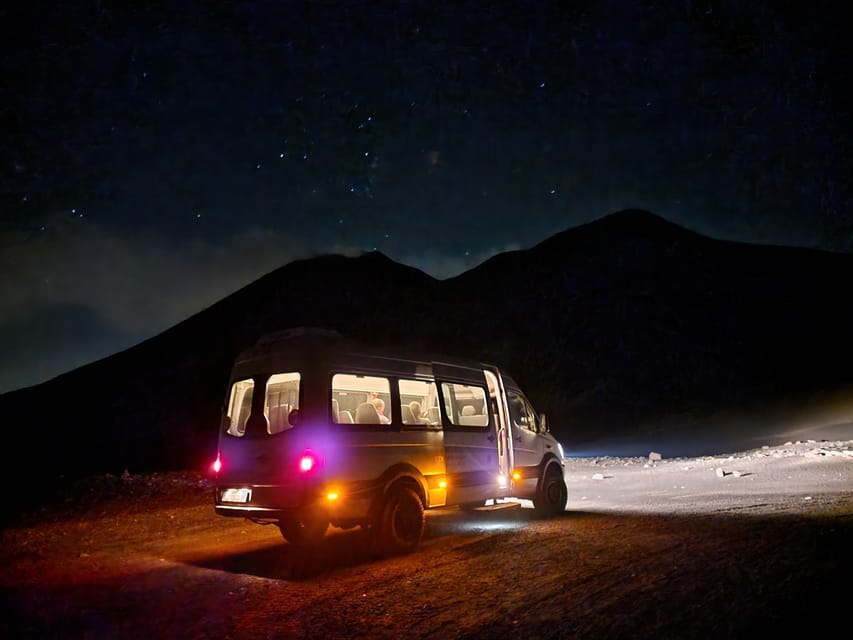
- 4×4 transport to altitude: you trade long climbing time for a rugged ride up to the summit zone.
- 2002 eruption rift terrain: you’ll see volcanic sand and lava-framed ground along the 2002 rift.
- North-East crater area near the observatory: the walk begins from the zone where the volcano observatory is located.
- A short but real climb: about 300 m of ascent on a path through scoria and bombs.
- Sunset timing on Etna’s roof: you pause for sunset views from around 2900 m in clear weather.
North Etna at sunset: why this 3-hour format works
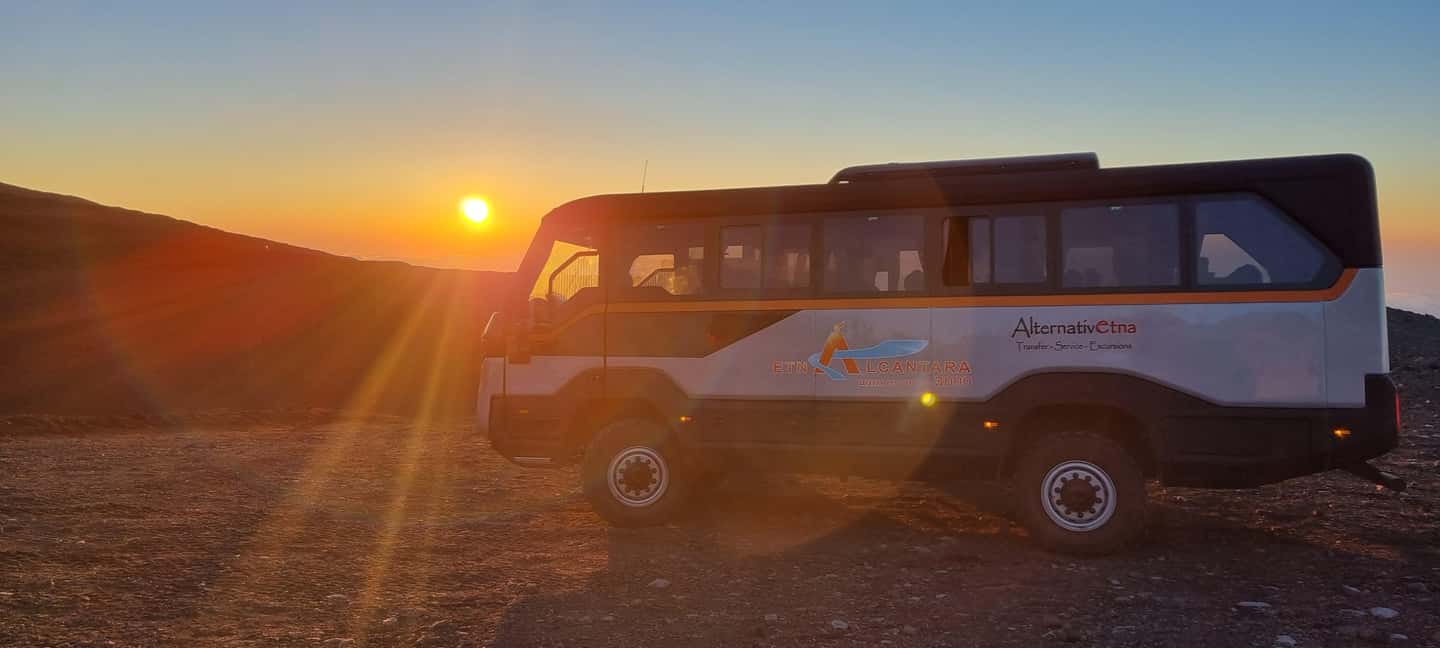
Etna doesn’t do subtle. Even if you’re not a geology superfan, you can still feel the scale the moment you’re above the tree line. This tour is built around that feeling, then packages it into something realistic: 3 hours that fit a Sicily day without turning it into a half-marathon.
What makes the pacing smart is the mix of transport and walking. You start at Piano Provenzana, then you head upward by off-road vehicle so you’re not spending the entire time marching uphill. Once you reach the crater zone, the excursion becomes more human-scale: a guided walk along a volcanic path, then a stop at a 2900 m viewpoint to watch the sky change.
The “sunset” part isn’t just a marketing line. The route is specifically oriented toward waiting out the light on Etna, so you’re not just passing through the summit areas quickly. If weather is clear, this is also one of the better chances on Etna for wide visibility—yes, you can even see landmarks like the Lion and the Bove in the right conditions.
You can also read our reviews of more evening experiences in Catania
Starting at Piano Provenzana: the first step into Etna country
The day begins at the meeting office at coordinates 37.79744338989258, 15.03928279876709. Since it’s a single starting point rather than a city pickup, I’d plan to arrive a bit early and get your bearings. If you use maps, those coordinates are your friend.
From there, the tour follows a mountain trail at about 2900 m altitude as part of the approach. That matters because it sets expectations: this isn’t a stroll through a garden path. Even before the crater section, you’re moving through volcanic ground where footing and air can feel different from lower elevations.
You’ll also get a clear sense of what the route is trying to do: bring you into the North side of Etna and set you up for sunset from the higher viewpoints. The tour doesn’t waste time chasing every possible crater. Instead, it concentrates on a particular story—Etna’s 2002 eruption area—and stays focused there.
The 4×4 ride up: saved energy, rugged terrain, and real altitude
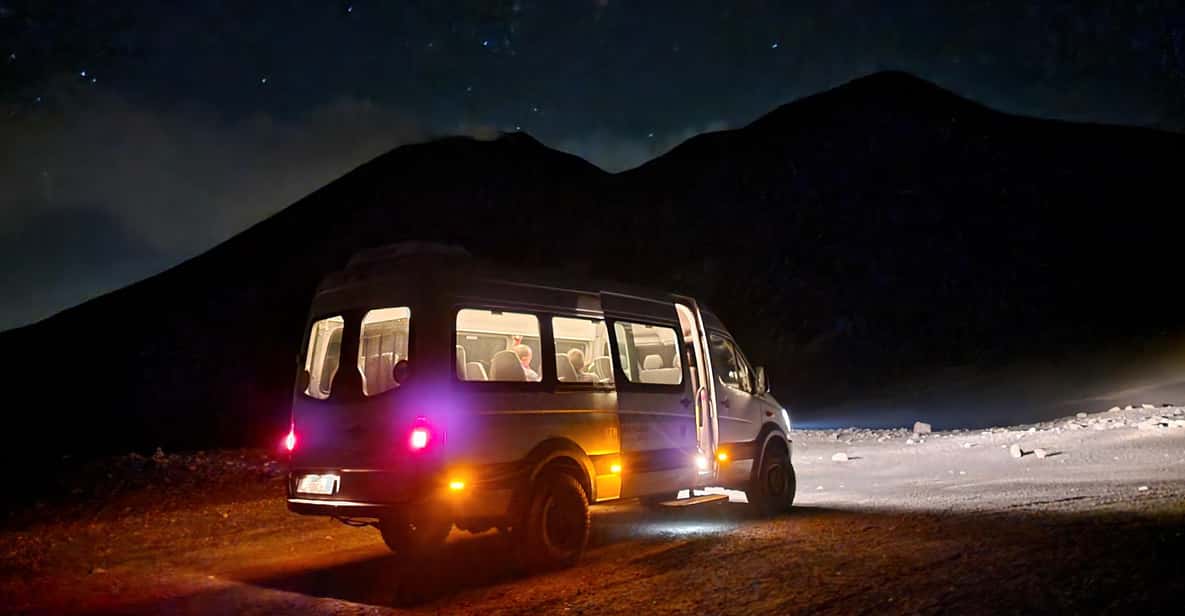
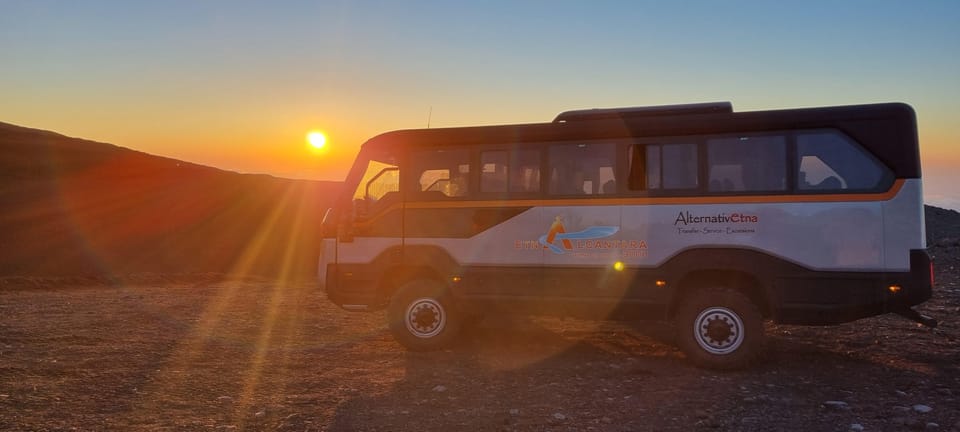
One of the biggest reasons people choose this tour is the off-road transport. The “fantastic 4×4 buses” are the bridge between where roads end and where the best volcanic views begin. You’re not just being carried—you’re being positioned, higher up and closer to the terrain that’s harder to reach on your own.
Here’s what that means for you in practical terms:
- You’ll spend less time climbing and more time seeing.
- You’ll still feel the mountain: higher altitude is part of the experience.
- You’ll likely experience a rougher ride than you’d expect on standard buses.
That roughness is worth respecting. One guest specifically noted that the trip can feel very bumpy and that it isn’t for people who get carsick easily. If you know you’re sensitive, consider bringing your preferred motion-sickness plan and dress for the cooler, higher elevation air.
Also, because this is an off-road approach, your comfort depends on your choices. Comfortable shoes are a must. Long pants help with sun, dust, and the volcanic ground texture you’ll encounter later.
Following the rift from the 2002 eruption
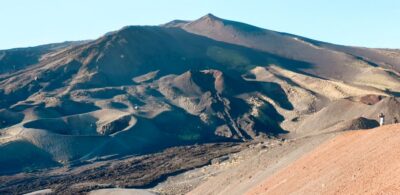
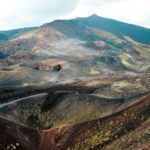
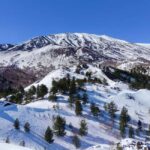
This is where the tour gets extra interesting even if you’re not chasing rocks for fun. After starting on the mountain trail and moving by off-road vehicle, you’ll reach a high mountain slope framed by views of lava and volcanic sand along the rift created in the 2002 eruption.
Why this matters: rift zones are where Etna’s behavior becomes physical. Instead of seeing Etna as one “big cone,” you start to see it as a system that opens, breaks, and rebuilds. You’re walking into a space shaped by the volcano’s processes, and the ground tells the story right on its surface.
This portion also sets up the next phase. As you continue, the route keeps you oriented toward the crater areas rather than sending you in circles. You’re moving toward the north-east side where the observatory is located.
If you love nature and “how things work,” this is a nice balance. You get the big visual moments, then you’re guided through what you’re actually looking at—lava, volcanic sand, and the terrain created by that specific eruption.
North-East crater zone and the volcano observatory area
As the tour continues, you travel by off-road vehicles up to an altitude around 2900 m at the North-East crater area, where the volcano observatory is located. Even if you don’t know the science, seeing the observatory zone changes your perspective. It signals that Etna isn’t just scenery—it’s an active volcano people study up close.
From this point, the tour transitions from “reach the place” to “walk the place.” That switch is important because it changes the effort level quickly. You’ll be moving onto a path through volcanic scoria and bombs—materials that are part of how explosive eruptions spread.
This is also where a good guide can make a difference. In the feedback for this excursion, the guides are described as passionate and able to explain what you’re seeing. Since the tour runs in English and Italian with a live guide, you’ll want to make sure you’re comfortable following the language when you book. One person did note that the English was hard to follow, which is a reminder: if you’re language-dependent, double-check what’s offered for your group.
The short walk: scoria, bombs, and a 300 m climb
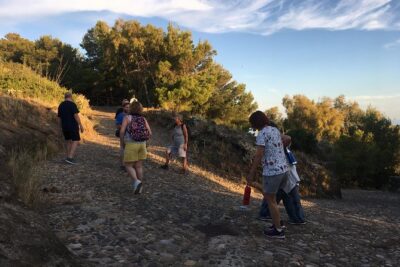
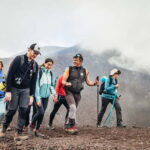
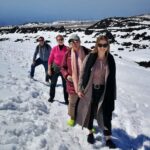
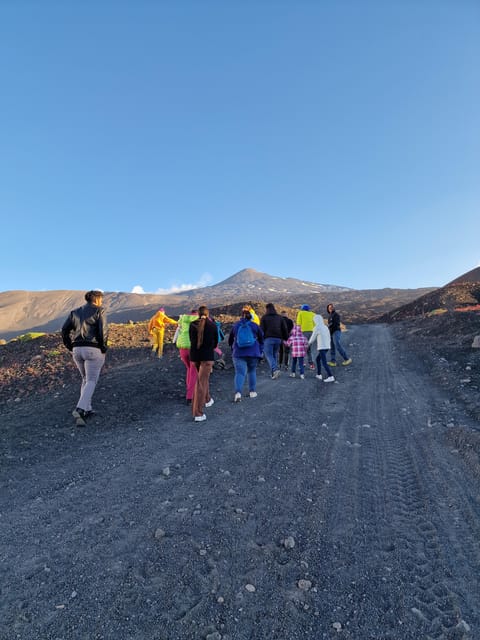
At the crater area, you start the ascent on foot. The path is surrounded by volcanic scoria and bombs, and the total climb is about 300 m until you reach a viewpoint at around 2900 m. The exact feel depends on your pace and the ground, but don’t treat this as a “quick hop.” It’s short, yes, but it’s on uneven volcanic terrain.
What I like about this design for most people: it makes the tour accessible compared to longer summit treks. You get a real physical experience—walking through volcanic material—without losing the whole evening to fatigue. Then you’re rewarded with the viewpoint stop.
For your body, the big factors are:
- Footing: shoes with solid grip really matter.
- Leg effort: 300 m of climbing is enough to feel it, especially at altitude.
- Dust and sun: long pants help, and biodegradable sunscreen is recommended.
Bring a daypack if you have one. You’ll want space for water layers, sunscreen, and whatever you need as temperatures drop toward sunset.
Waiting for sunset: the viewpoint at 2900 m
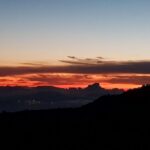
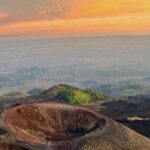
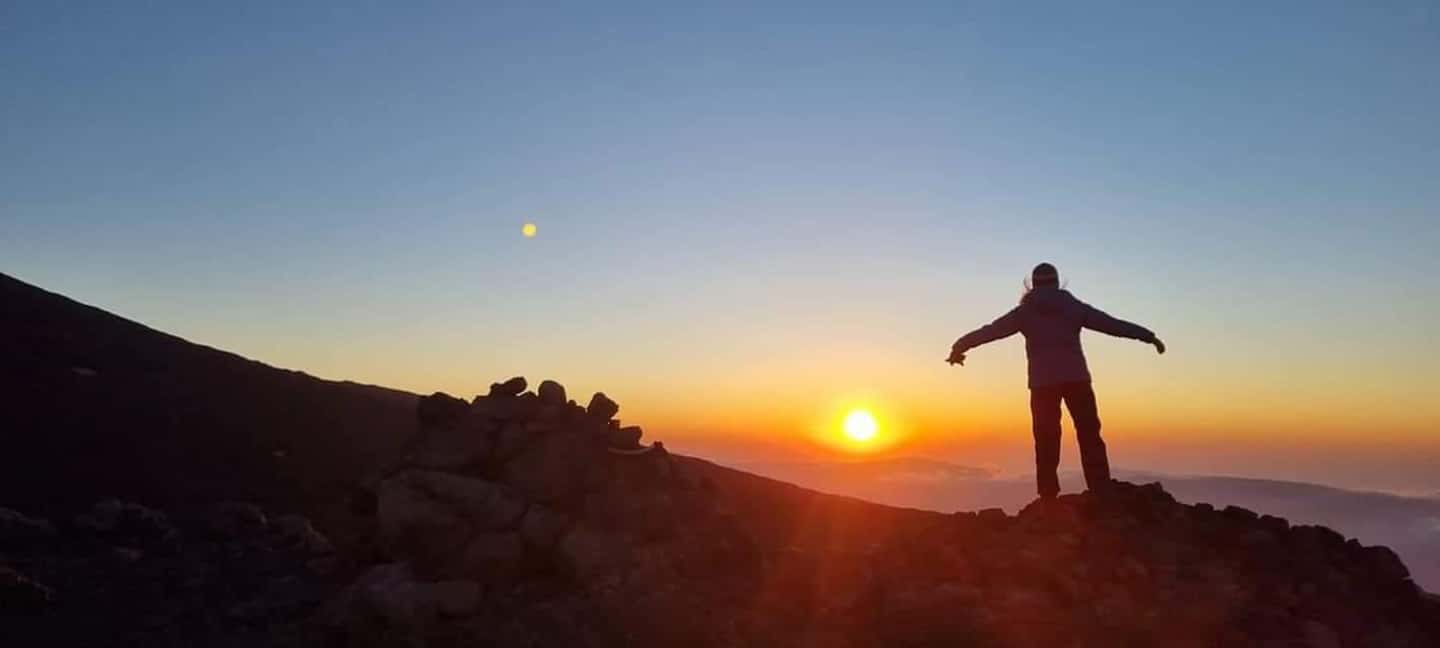
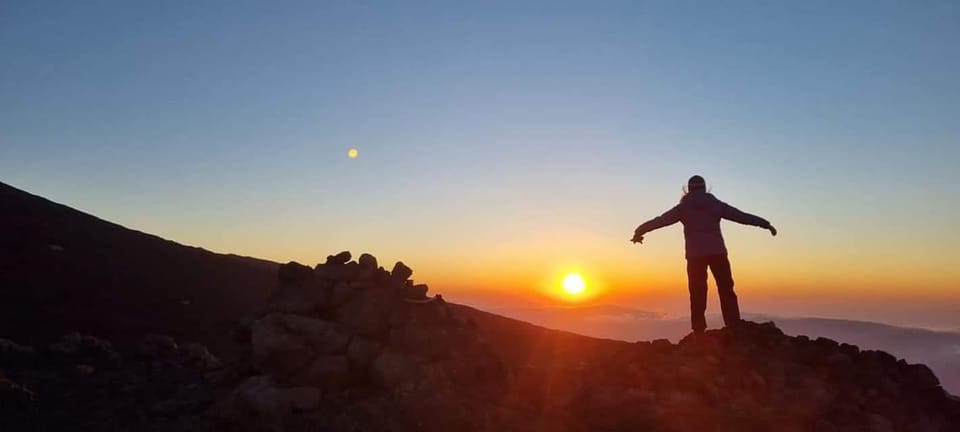
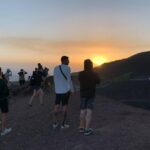
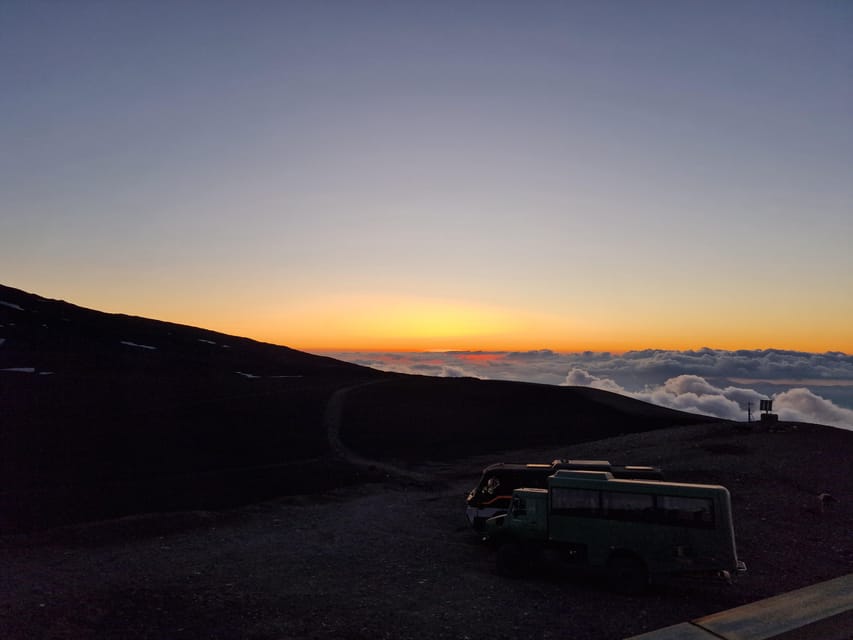
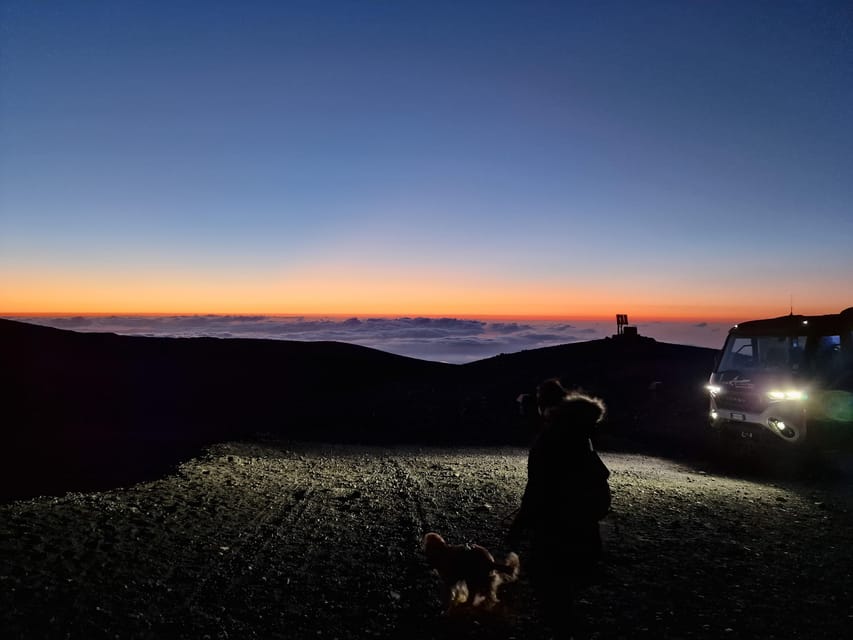
The main payoff is the stop to admire the volcanic environment and the views from the roof of Sicily. The tour is timed so you can wait for the sunset here—so you’re not just “arriving at a view,” you’re watching the light do its thing.
In clear weather, the wide visibility is part of the magic. The horizon can be far enough that you may see both the Lion and the Bove valleys. Those details are the kind of “wait, I can see that?” moments that make short tours feel extra special.
You also get to see the relationship between the crater area and the wider Etna system: north-east and south-east crater areas in the same session. That helps you understand Etna as more than a single point. It’s a set of processes happening across a broad zone.
This is also a good moment to slow down and look for textures. Lava surfaces, volcanic sand, and the roughness of scoria and bombs aren’t all the same. If your guide explains what you’re seeing, the viewpoint turns from pretty to meaningful.
Returning via Piano delle Concazze to Piano Provenzana
After the sunset stop, the tour ends with the return drive. You cross Piano delle Concazze and then go down back to Piano Provenzana, where you started.
I like the fact that the route returns the way it arrived. It keeps the logistics simple and gives you time to settle after the walking portion. You also avoid the awkward “everyone has to remember the trail down in the dark” feeling. The descent is handled by the off-road vehicles, which helps if you’re tired or if the ground feels less friendly as light fades.
Practical tips: shoes, sun, and the bumpy ride reality
If you want this tour to feel good, pack for the environment you actually step into:
- Comfortable shoes: grip matters on scoria and bomb-strewn ground.
- Long pants: for protection and dust.
- Biodegradable sunscreen: they ask for it, and the sun at altitude can still bite.
- A daypack: handy for layers and personal essentials.
Now, the “be honest with yourself” part: the off-road bus ride can be rough. If you’re prone to nausea in vehicles, plan for it. This isn’t a smooth coach ride, and the terrain is intentionally rugged so you can reach the summit-area craters.
Language-wise, the tour offers live guidance in English and Italian. Most people can still follow the structure of the walk even if your language skills are mixed, but if you rely on the guide for explanations, it’s smart to confirm the language setup when you book.
Finally, the activity is listed as wheelchair accessible. Etna terrain is uneven, so I’d treat accessibility as a “check before you go” item. If you use a wheelchair, ask the provider how they handle the off-road transport and the walking portion, because the physical environment can be the deciding factor.
Price and time value: what you get for 3 hours
There’s no exact price listed here, so I can’t do a number-crunch. But I can still talk value, because this tour’s design is easy to judge.
For 3 hours, you get:
- Off-road transport into the summit area zones
- A crater-area experience tied to the 2002 eruption rift
- A guided walk of about 300 m ascent
- A sunset viewpoint stop near 2900 m
That’s a lot packed into a short window. If you compare it to longer summit hikes (which can be more tiring and time-heavy), the value comes from the balance: you spend your energy on a short ascent and viewpoint time, not on hours of trekking to reach the right terrain.
Also, the tour includes skip the ticket line, which is useful in systems where access points can have delays. And since there’s a live guide, you’re not just looking—you’re learning what you’re seeing, which is a big part of the payoff on Etna.
Who should book this Etna North Sunset tour
This is a great fit if you:
- Love nature and big views, even if you’re not a full-on geology nerd
- Want a sunset experience without committing to a long day
- Prefer a short guided hike over a major summit trek
- Like structured explanations from a live guide in English or Italian
It may be a less ideal fit if you:
- Get motion sick on bumpy rides
- Want a fully smooth, easy-walk nature experience
- Need very clear English interpretation and can’t tolerate language strain (since one guest reported that the English was difficult to follow)
Should you book Etna North Sunset: Summit area & Craters of 2002?
I’d book it if you want an Etna experience that feels close to the action without taking your whole day. The combination of off-road access, a short crater walk through volcanic materials, and a real sunset viewpoint is a strong trio.
If you’re sensitive to rough vehicles, plan for that up front. If you depend on explanations, choose the right language option at booking. And if you use a wheelchair, confirm how the route and walking portion will work in practice on the day.
For most people chasing one memorable Etna moment, this tour is a very practical way to see the north side, get near the crater terrain, and enjoy the view from Sicily’s top, all before dinner plans even start to kick in.
FAQ
Where is the meeting point for Etna North Sunset?
The tour meeting point is at the office with coordinates 37.79744338989258, 15.03928279876709.
How long is the tour?
The duration is 3 hours. Check availability to see starting times.
Do you travel to the summit area by vehicle?
Yes. The tour includes transport using off-road vehicles/4×4 buses to reach the summit terrain.
What altitude does the tour reach?
The route involves reaching around 2900 meters, including the north-east crater area and the viewpoint stop.
Is there walking involved?
Yes. After reaching the north-east crater area, you walk a path surrounded by volcanic scoria and bombs. The total climb is about 300 m before the viewpoint.
Is the tour focused only on geology?
No. While it’s great for geology lovers, the experience is also designed for anyone who enjoys nature, volcanic landscapes, and breathtaking views.
What languages are the guides?
The live tour guide speaks English and Italian.
What should I bring?
Bring comfortable shoes, long pants, a daypack, and biodegradable sunscreen.
Is the tour wheelchair accessible?
The activity is listed as wheelchair accessible.