REVIEW · SICILY
Archaeological excursion to the Rocca della Falconiera in Ustica
Book on Viator →Operated by Escursioni Ciprea Ustica · Bookable on Viator
Ustica’s past lives on the rocks. This 2-hour evening archaeological walk takes you through Rocca della Falconiera, explains the Roman hypogea and necropolis, and adds the island’s modern confinement story and geology. You finish with a climb up to a big panorama over Ustica, where the island’s meaning clicks.
I especially like how the tour connects themes. You’re not just seeing ruins; you’re also hearing about the people and ideas tied to Ustica, including Antonio Gramsci, Amedeo Bordiga, and Nello Rosselli, alongside the “two wars” and the period of confinement from the 1920s to the 1960s. Second, I like the way the guide builds the experience like a narrative, not a lecture, with lively storytelling and a sense of humor from guides such as Vittorio (and sometimes Irene, depending on the day).
The main drawback to plan for is physical pace. You’ll be walking and climbing to the top of the hill, so wear comfortable shoes and expect uneven ground and steps in parts, especially if the weather is damp.
In This Review
- Key takeaways
- Rocca della Falconiera at 6 pm: Via Calvario to the top views
- Why Ustica’s confinement story (1920s–1960s) belongs on this hill
- Roman hypogea and the necropolis: what you learn from the stones
- The only volcano you can still see: geology explained through the island
- Guide-led storytelling: why Vittorio’s style is the real engine
- Price and logistics: what $20.90 buys you in real terms
- What to wear and bring for an evening climb
- Who should book this tour (and who might skip it)
- Should you book this Rocca della Falconiera excursion?
- FAQ
- How long is the Rocca della Falconiera archaeological excursion?
- Where does the tour start, and where does it end?
- What time does the tour begin?
- Is pickup offered?
- What’s included in the price?
- What should I bring?
Key takeaways
- Roman hypogea at Rocca della Falconiera with an explanation of how death was treated as sacred.
- Confinement history from the 1920s to the 1960s, tied to major names like Gramsci, Bordiga, and Rosselli.
- A walk along Via Calvario, then a climb for sweeping views of the whole island.
- Learning about the only volcano on Ustica still visible, with geology folded into the story of the island.
- An experience led by guides known for strong storytelling and an upbeat approach (often Vittorio).
- Practical tour format: masks included, admission ticket included, and around 2 hours total time.
Rocca della Falconiera at 6 pm: Via Calvario to the top views
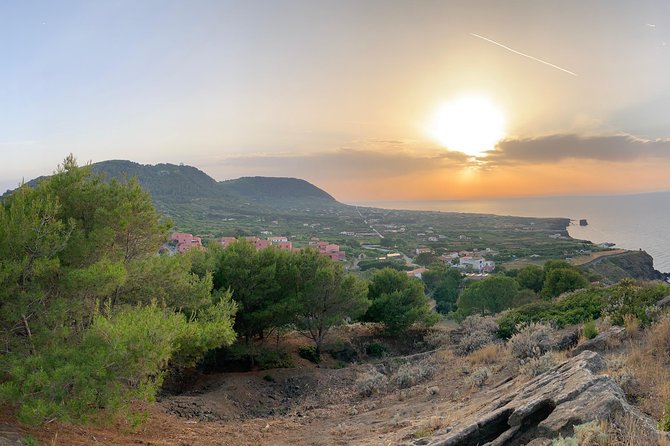
This is a classic Ustica evening route because it’s timed for that late-day light. You start at Via Dottore Mario Randaccio, 11, 90051 Ustica PA, and the day’s pace shifts quickly from street to hillside. If pickup is offered for your booking, you’ll appreciate the shortcut—just don’t count on it if you like being independent.
From the meeting point, the tour moves toward Via Calvario for the walking part. That’s where the guide sets the frame, linking what you’re seeing at Rocca with the bigger island story. Then you head into the discovery of the archaeological space, including the Roman hypogea, before ending with the climb to the top.
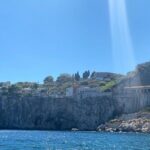
The payoff is the view. When you reach the hilltop panorama, you’re looking out over the entire island—useful if you’re new to Ustica and trying to understand how the coastline and hills relate. One practical note: because you’re walking and climbing, you’ll feel it in your legs if you’ve been moving around all day.
You can also read our reviews of more tours and experiences in Sicily.
Why Ustica’s confinement story (1920s–1960s) belongs on this hill
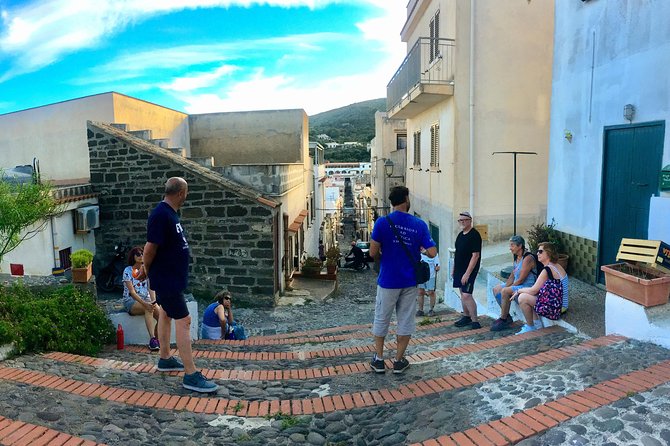
Rocca della Falconiera isn’t presented as a detached monument. The tour places it inside the human timeline of Ustica, especially the period of confinement that runs from the 1920s through the 1960s. You’ll hear about the “two wars” and what it meant for people living on the island, which gives the archaeology a sharper emotional context.
The tour also mentions historical personalities connected to the island’s story. You’ll specifically hear about Antonio Gramsci, Amedeo Bordiga, and Nello Rosselli. Even if you only know these names from books or conversations, it helps to connect them to a physical place. It’s one thing to read about political history; it’s another to stand where someone’s life and limits were shaped by the island.
I like this approach because it makes the walking feel purposeful. You’re not just counting architectural features; you’re building a mental map of why people ended up here, and why those years mattered. If you’re the type who enjoys history that feels grounded (not abstract), this is a big part of why this tour earns such high marks.
Roman hypogea and the necropolis: what you learn from the stones
The archaeological highlight here is access to Rocca della Falconiera, described as the home of several civilizations, with a standout Roman presence. The tour includes admission and focuses on the Roman hypogea—underground spaces tied to the necropolis.
What makes this section especially worth your attention is the way it’s explained. You’ll get a detailed sense of how the Romans understood the sacredness of death, rather than just being told that burial structures exist. That interpretive angle changes how you look at the spaces. Even if the rooms are small or dim, you’re guided to connect the physical design with belief and ritual.
A small consideration: hypogea are, by nature, the kind of places where footing and lighting can affect how you experience them. You’ll still want comfortable shoes and a steady pace. If you’re sensitive to enclosed or low-light settings, it’s worth considering that your time inside may involve slower movement and careful steps.
The only volcano you can still see: geology explained through the island
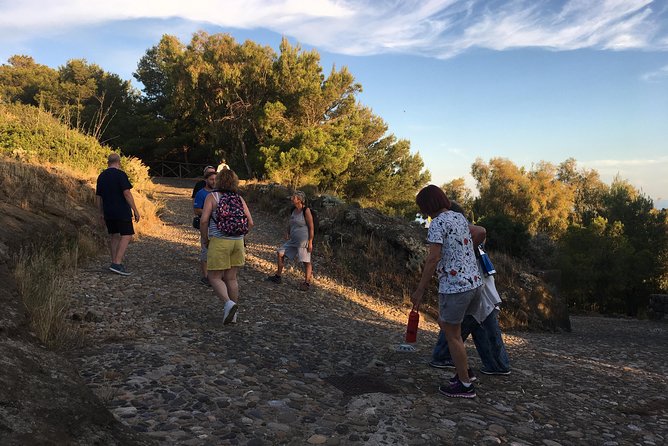
Ustica is volcanic, but what you can actually see matters. This tour points out and explains the only volcano on the island that is still visible, framed as the “last volcano” on Ustica. That detail matters because it helps you understand the island as more than beaches and blue water.
You’re not just hearing facts about rocks. The guide folds geology into the walking route, and the hilltop panorama makes the explanation more concrete. When you can visually connect the shapes in the terrain to volcanic origin, the science stops feeling like trivia and starts feeling like a map.
If you’re the kind of traveler who likes nature-based learning without making it a full geology course, this hits the sweet spot. It’s long enough to make you look at the island differently, but short enough that it still feels like an easy add-on to a day on Ustica.
Guide-led storytelling: why Vittorio’s style is the real engine
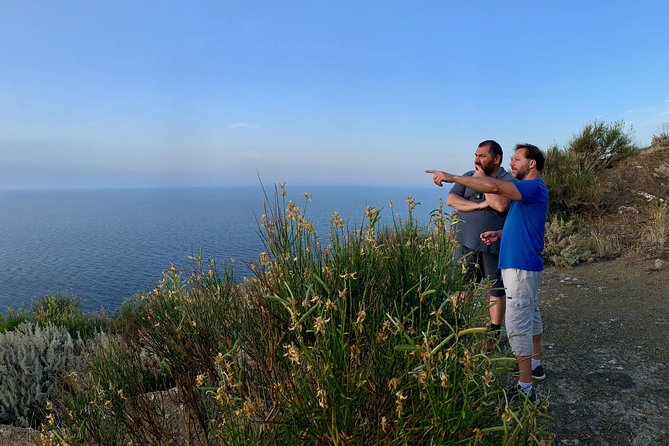
This tour is priced for access and guidance, but the thing that keeps people coming back is the way the tour is delivered. Many reviews highlight the guide’s ability to turn information into stories, with humor and a lively presentation. Guides such as Vittorio are repeatedly described as engaging and deeply invested in showing Ustica off from different angles, not just one.
That matters because Ustica is easy to underestimate. You can arrive for the sea and forget that the island has layered human and natural chapters. A strong guide helps you keep those threads in one headspace while you walk: confinement history, Roman burial spaces, and volcanic geology all belong to the same place.
I also like that the tone is welcoming. Reviews mention an atmosphere where people felt treated like they were learning with a friend. If you’re traveling with kids, students, or just want to keep your brain active without stress, this kind of storytelling style helps the information stick.



Price and logistics: what $20.90 buys you in real terms
At $20.90 per person for about 2 hours, this is the kind of ticket that feels fair—especially because key costs are included. The tour lists admission as included for the Rocca visit, and you also get masks provided. You’re not only paying for words; you’re paying for entry and a guided route.
The “value” part depends on what you want from Ustica. If you want one focused evening experience that mixes archaeology with the island’s more modern historical context and some geology, this tour makes sense. If you want an unhurried, museum-style pace with lots of time staying in one spot, you might find 2 hours a bit tight.
Logistics are straightforward. You get a mobile ticket, and the activity ends back at the meeting point. The group size can be up to 75 travelers, so it’s not a tiny private walk—but it should still feel organized given the guided structure. If crowds bother you, consider arriving a bit early so you can settle in before the tour begins.
What to wear and bring for an evening climb
Because the schedule starts at 6:00 pm and includes a hilltop finish, dress for comfort first. The tour explicitly calls for comfortable clothes and shoes. That’s not just polite advice: you’ll be walking and climbing, and late-day air can make surfaces feel a bit different.
Bring your own water. Bottled water isn’t included, and you’ll be glad for it once the walking starts. Also, since you’ll be out in open areas, you’ll want to be ready for changing weather.
Weather is a real factor here. The experience requires good weather, and if it’s canceled due to poor conditions, you should expect a different date or a full refund. So if your Ustica schedule is tight, keep a little flexibility on that evening slot.
Who should book this tour (and who might skip it)
This excursion is ideal if you’re curious about Ustica beyond the usual “sea and sun” pitch. I’d especially recommend it to first-timers who want a fast but meaningful orientation to the island. It also suits history lovers who like personal names and dates connected to place—because you’ll hear about Gramsci, Bordiga, and Rosselli, not just generalities.
It’s also a good fit if you want archaeology explained in a way that connects meaning to stone. The focus on Roman hypogea and the sacredness of death adds substance. You’re not walking through a list of facts; you’re walking through a story.
You might choose a different option if you hate walking or steep climbs, or if you prefer archaeology without any of the modern historical context. The tour is built to connect eras, so if you want only one topic, this may feel like it shifts too much.
Should you book this Rocca della Falconiera excursion?
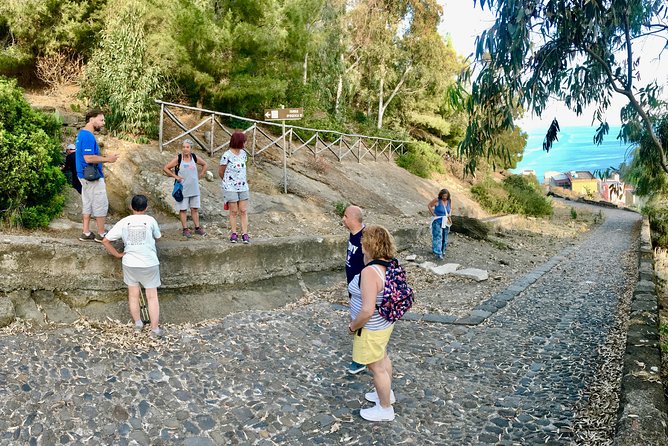
If you’re trying to get the best “Ustica in two hours” experience, I say yes. You get a Roman necropolis setting at Rocca, an explanation of death and sacred spaces, a guided connection to confinement history from the 1920s to the 1960s with major names, plus a geology lesson about the island’s visible volcano. It’s a lot of meaning for one evening ticket.
Book it if you want a guided narrative and you’re comfortable with a climb. You’ll also be supported by a guide style that many people describe as engaging and funny—exactly the right tone for learning on a hillside.
FAQ
How long is the Rocca della Falconiera archaeological excursion?
It lasts about 2 hours.
Where does the tour start, and where does it end?
It starts at Via Dottore Mario Randaccio, 11, 90051 Ustica PA, Italy and ends back at the same meeting point.
What time does the tour begin?
The start time is 6:00 pm.
Is pickup offered?
Yes, pickup is offered (depending on your booking details).
What’s included in the price?
The tour includes masks and the admission ticket for Rocca della Falconiera.
What should I bring?
Bring bottled water (not included) and wear comfortable clothes and shoes for walking and climbing.