REVIEW · CATANIA
Etna: Winter excursion to 3.000mt
Book on Viator →Operated by Ashàra Etna & Stromboli Guides · Bookable on Viator
Etna at 3,000m is a very specific kind of winter day. I love the mix of proper alpine guiding and real volcanology, plus the fact you start high via cable car and then earn the views on foot. The main drawback: this is for expert-level winter hiking conditions on ice and snow, so if you’re not comfortable climbing in cramby terrain, you’ll feel it.
You’ll meet at Ashàra Etna & Stromboli Guides at Piazzale Rifugio Sapienza in Nicolosi (9:00am start), then ride the Funivia dell’Etna up to about 2,500 metres. From there, the hike begins around 3,000 metres—long snowy stretches, volcanic stops, and enough effort that you’ll likely warm up fast even in winter wind. The upside is that the group stays small (max 15), so the guide can slow down when footing gets tricky and still keep things moving.
If you do book, plan to treat this as a serious hike, not a stroll. Bring enough water and snacks (at least 1.5 L water is on you), and be ready for weather-dependent changes to what’s possible on the mountain.
In This Review
- Key things I’d zero in on before you go
- Etna in winter at 3,000m: why this day feels different
- Getting to Piazzale Rifugio Sapienza and the cable car lift
- The 5-hour itinerary: what you’ll do step by step
- Stop 1: Funivia dell’Etna (the altitude jump)
- Stop 2: Mount Etna (the hike to the volcanic sights around 3,000m)
- Stop 3: The return trek back to the cable car
- Gear and guide support: what’s included and what it changes for you
- Pace, group size, and why winter hiking needs patience
- Price and value: what $108.84 really covers (and what it doesn’t)
- Weather and wind: how Etna days can change
- Who should book this winter Etna hike—and who shouldn’t
- Should you book this 3,000m Etna winter excursion?
- FAQ
- How high does the hike go?
- Is this tour suitable for beginners?
- What gear is included?
- Is water included?
- Do I need to pay for the return cable car?
- What happens if the weather is bad?
Key things I’d zero in on before you go
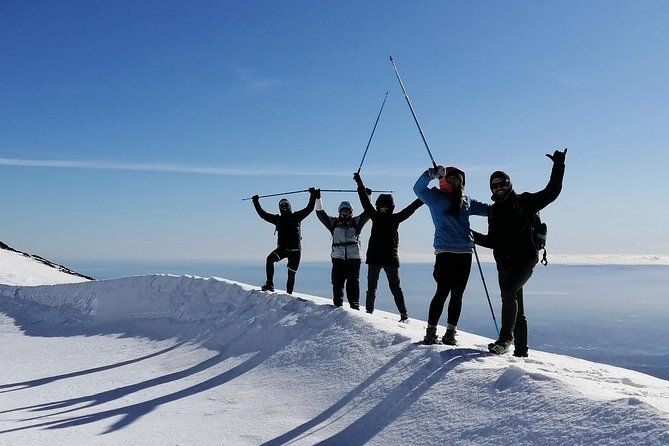
You’ll climb to ~3,000 metres in winter conditions with snow/ice and volcanic footing that demands confidence.
Small groups (up to 15) mean safety talks and pace feel controlled, not chaotic.
Helmets, poles, and high-neck hiking shoes are provided, so you’re not arriving to Sicily unprepared.
You’ll hit famous Etna features like the 2001 eruption cone, Valle del Bove, and the Barbagallo craters.
Summit craters are viewed from a safe distance, which keeps the day both dramatic and practical.
Return cable car isn’t included (ticket is €52 per person), so factor that into the real cost.
Etna in winter at 3,000m: why this day feels different
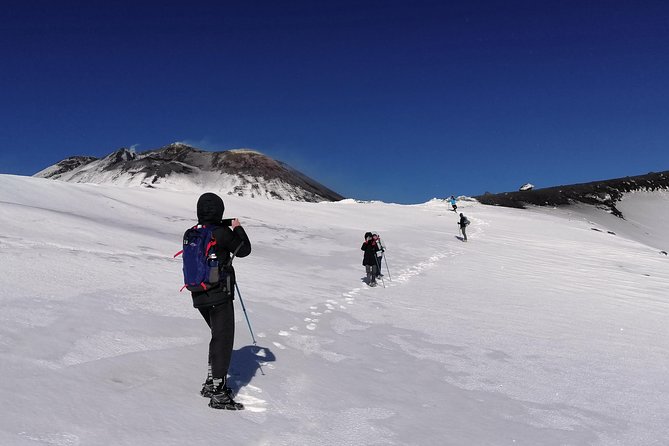
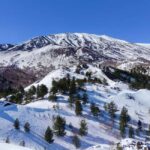
This excursion is built around winter Etna, the coldest part of the year when the volcano looks more sculpted and the colors pop against the snow. Instead of chasing a quick view and leaving, you’re actually on the mountain route, moving across volcanic ground that can be glazed with ice.
The best part is the pairing: authorized guides with alpine experience plus volcanology knowledge. That matters because winter on Etna isn’t just pretty—it’s physical and technical. When you hear what you’re looking at (and why that terrain forms the way it does), the day makes more sense, not just looks impressive.
The other thing I like is the structure of the day. You’re taken up by cable car first, then you hike long enough to feel you did something real. Then you return the same way. It’s a format that works well for a 5-hour plan when you’re visiting Sicily and don’t want a full-day ordeal.
You can also read our reviews of more tours and experiences in Catania
Getting to Piazzale Rifugio Sapienza and the cable car lift
The meeting point is Piazzale Rifugio Sapienza in Nicolosi, at the Ashàra Etna & Stromboli Guides area. Start time is 9:00am, and the location is near public transportation, which makes your day easier if you’re not renting a car.
Once everyone’s geared up, you ride the Funivia dell’Etna up to around 2,500 metres. This first vertical jump is more than convenience—it changes how the hike feels. You’re not starting in the coldest elevation, and you’re saving energy for the sections that actually require your attention: the snow route and the crater-area viewpoints.
One practical note: the return cable car ticket is not included. You’ll need to add €52 per person to the day’s budget for the return ride. It’s not hard, but it’s a surprise cost for people calculating just the $108.84 price.
The 5-hour itinerary: what you’ll do step by step
This is a winter route aimed at experienced hikers. Expect a day that’s active from the moment you leave the cable car station up high.
Stop 1: Funivia dell’Etna (the altitude jump)
The cable car segment isn’t a sightseeing break. It’s the setup. Getting to about 2,500 metres first helps you spend more of your time on the meaningful part of the day: the 3,000-metre hike.
In winter, altitude also means your body reacts faster. Even if the pace is steady, you might feel the effort sooner—especially if it’s windy or the air is dry.
Stop 2: Mount Etna (the hike to the volcanic sights around 3,000m)
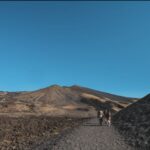
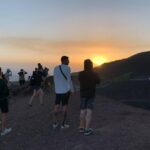
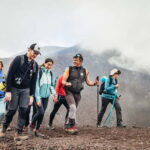
From the cable car altitude, the trek begins around 3,000 metres. The route includes long snowy stretches and volcanic terrain that can be icy. This is why the experience is described as suitable for expert hikers, not casual walkers.
You’ll move along the route to key Etna features, and the day’s “what’s around the corner” rhythm matters:
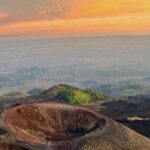
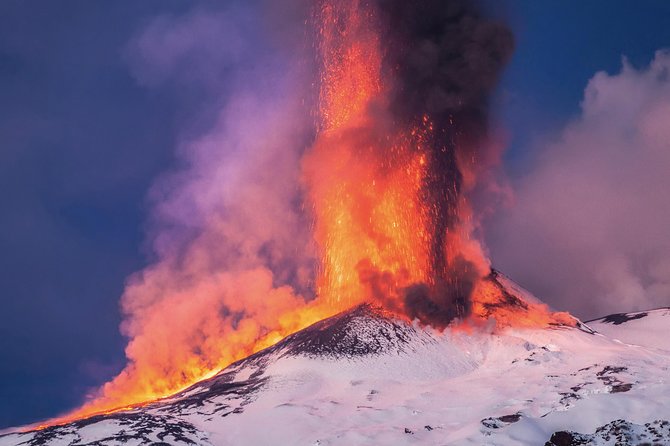
- You’ll visit the cone of the 2001 eruption
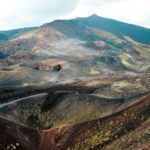
- You’ll pass through or near Valle del Bove
- You’ll see the Barbagallo craters
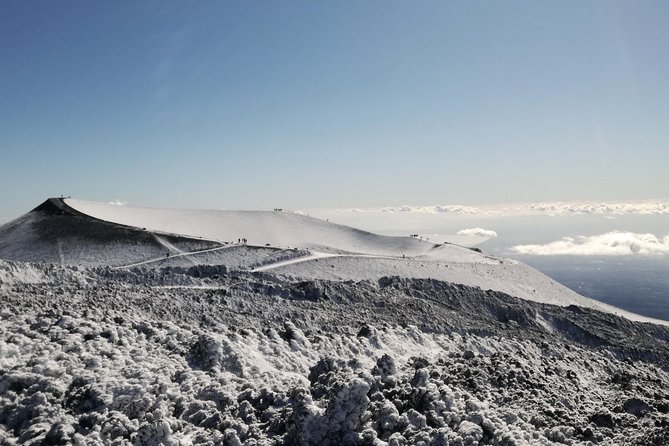
- You’ll admire the summit craters from a safe distance
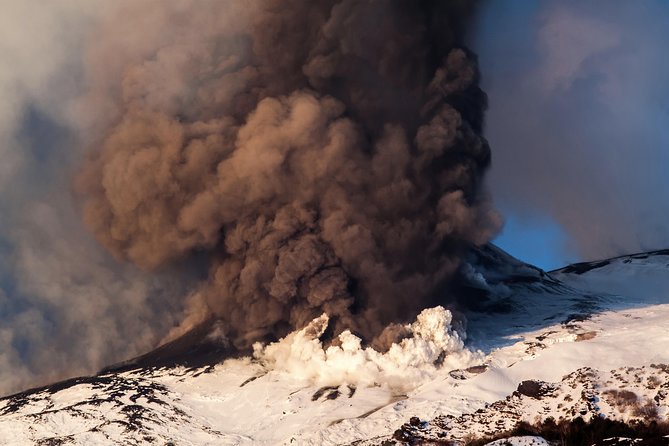
That last part is especially important. On Etna, getting close can cross into unsafe territory. Here, the approach is to show you the big volcanic story while keeping you out of the danger zone. You still get the drama; you just don’t have to gamble with weather and conditions.
If snow conditions permit, you may also visit a lava flow channel before returning to the upper cable car station. That “if conditions permit” detail is real—winter gives you variability, and the guide plans based on safety and what the terrain allows.
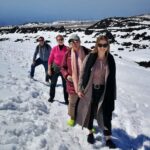
Stop 3: The return trek back to the cable car
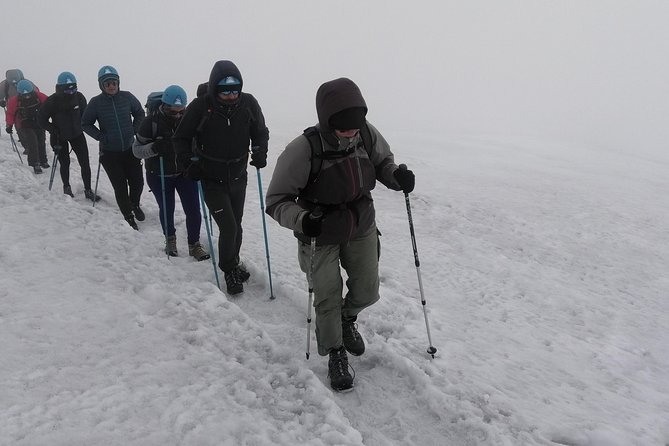
After the crater-area time, you’ll reverse the hike back to the upper station. This is the part where good boots and traction matter, because downhill on ice can be more tiring than uphill. Trekking poles help a lot here, and the tour includes them.
In one candid example from a winter hiker’s experience, the trek was described as about 7.5 km and roughly 2.5 hours with a challenging climb to 3,000m, plus time on the mountain for stops. That gives you a better picture of effort: you’re not just “walking around,” you’re hiking in winter.
Gear and guide support: what’s included and what it changes for you
This tour includes a lot of the “don’t get caught without the basics” equipment:
- Free rental rock helmet
- High-necked hiking shoes
- Trekking pole
- Alpine and volcanological guide
- Insurance
Reviews add even more practical comfort. People talk about having gloves, jackets, boots, and hiking poles available so you can stay warm and stable. Even if you show up with your own gear, this kind of backup system reduces the stress of getting it wrong.
Now, about the guides. Names that came up in accounts include Simone, Giuseppe, and Max. The pattern across these comments is consistent: guides manage pace, explain what you’re seeing, and keep safety in front.
- Simone was praised for sharing tons of Etna history and facts and for being proactive in communication so people arrived prepared.
- Giuseppe came across as easy-going and friendly, with clear English and good guidance toward viewpoints.
- Max was specifically mentioned for pacing and for thinking about safety while giving the right amount of information.
That “right amount” matters on a winter hike. If the guide talks too much, you freeze and fall behind. If they talk too little, the route feels like just another climb. Here, you get enough explanation to make stops worth it.
Pace, group size, and why winter hiking needs patience
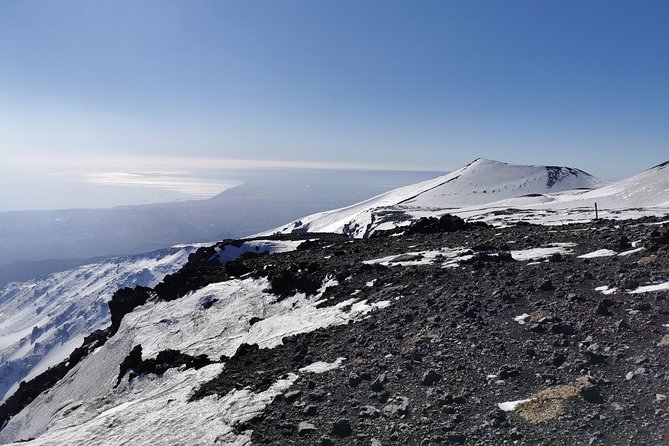
The group maximum is 15 travelers, which is small enough that the guide can actually keep track of footing and energy levels. Winter Etna is not where you want 30 people stretching across the route. A smaller group also makes it easier for you to ask a question mid-hike without stopping the whole line.
One thing to watch: this experience is described as demanding for expert winter hikers, and some people realize mid-day that they overestimated their abilities. If you’re strong on stairs and uneven paths in summer but not used to ice or volcanic rubble covered by snow, you’ll want to be honest with yourself. The right goal is controlled effort, not hero mode.
The upside of the guide managing the group: if someone needs to go slower, the tour still works. That’s what you want in winter—someone leading with safety first, not speed as the product.
Price and value: what $108.84 really covers (and what it doesn’t)
At $108.84 per person, the tour price is tied closely to the “guided winter hike” piece. Here’s what you’re getting for that:
- guided climb with specialized instruction
- provided helmet, trekking pole, and high-neck shoes
- insurance
- a small-group winter plan built around Etna’s volcanic features
What you should budget separately:
- Return cable car ticket: €52 per person
- Bottled water (you should bring at least 1.5 L)
- Snacks and packed lunch (you’ll need to plan food)
So your real cost is the base price plus the return cable car. Still, the value is solid if you want a guided winter Etna hike with the gear sorted for you. The provided equipment is a cost-saver, and for winter conditions, having the right footwear and poles makes the hike more doable.
Also, consider timing. This tour is booked on average 9 days in advance, which suggests it’s popular. If you’re traveling in peak winter weeks, booking earlier helps you lock in a slot.
Weather and wind: how Etna days can change
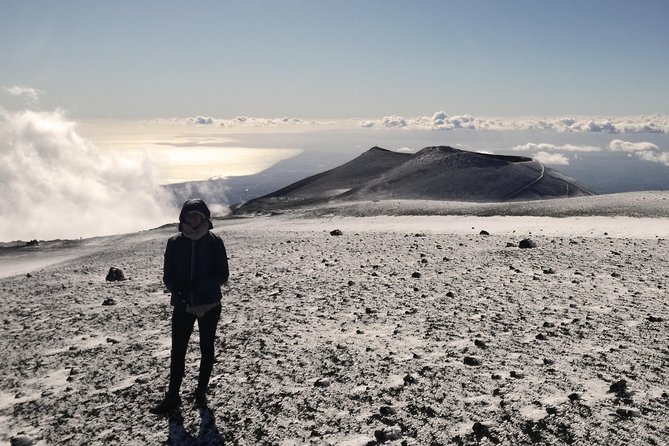
Etna winter days can be tough to predict. The tour explicitly requires good weather, and if it’s canceled due to poor weather, you’ll be offered another date or receive a full refund.
Strong wind can be an even bigger factor on a mountain route. One message you might see from the operator type of team involves gusts that are high enough to force a change in plans. Translation for you: don’t assume you’ll always get the exact same route day after day. The priority is safe conditions, and winter is where that matters most.
The good news is you’re not left hanging. The experience is set up around alternate planning if weather breaks the plan, and the operator offers refund or a different date route depending on the situation.
Who should book this winter Etna hike—and who shouldn’t
This is a great fit if you:
- like winter hiking and have experience on snow/ice terrain
- are comfortable with steep, uneven volcanic ground
- want volcanology context, not just views
- enjoy small groups and guided pacing
It may not be the right fit if you:
- want a relaxed, low-effort day
- dislike exposure to cold wind and icy footing
- aren’t sure about winter traction and balance
The tour description also flags moderate physical fitness, but winter expert conditions push the reality higher. Think of it like this: you’re aiming for a winter hike you’ve done before, not a first-time snow cram experience.
Language is English, and the group is small, which generally makes communication easier. If you’re okay with English-guided instruction and you’re ready for active time at altitude, you’ll likely enjoy it.
Should you book this 3,000m Etna winter excursion?
If you’re choosing between Etna options, I’d book this one if you want a guided, high-altitude winter hike with real volcanic stops and real safety structure. The mix of provided gear, small group size, and guides who can explain what you’re seeing is where the value lives.
I’d hesitate only if winter hiking isn’t your thing, or if you tend to underestimate snowy climbs. Add the separate return cable car cost to your budget, bring at least 1.5 L water, and treat it as an expert winter outing.
FAQ
How high does the hike go?
You start with a cable car up to around 2,500 metres, then you begin trekking at about 3,000 metres.
Is this tour suitable for beginners?
The tour is described as suitable for expert hikers because the route includes ice and snow. It’s also advised for travelers with at least moderate physical fitness.
What gear is included?
You get a free rental rock helmet, high-necked hiking shoes, and trekking poles. You’ll also be guided by an alpine and volcanological guide, and you’re covered by insurance.
Is water included?
No. You should bring your own bottled water, with at least 1.5 L recommended, plus snacks/packed lunch.
Do I need to pay for the return cable car?
Yes. The return cable car ticket costs €52 per person and isn’t included in the tour price.
What happens if the weather is bad?
The experience requires good weather. If it’s canceled due to poor weather, you’ll be offered a different date or a full refund.