REVIEW · CATANIA
Mt Etna: Winter Trekking Tour with Optional Catania Transfer
Book on GetYourGuide →Operated by Sicilying S.R.L. · Bookable on GetYourGuide
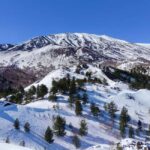
Etna looks different when it is cold. This winter trek is all about big views, starting with the Gulf of Catania panorama and then walking the Valle del Bove lava basin. I really like how the walk moves through real volcanic terrain at a human pace, and I also like the guided explanations tied to what the volcano is doing. One heads-up: winter weather means cold air and uneven footing, so it is not a good fit for people with heart problems or high blood pressure.
What makes it feel especially well-run is the gear and the guide. You get a wind jacket, hiking poles, and snowshoes, and the small-group setup keeps things manageable. In the past, guides such as Alfredo and Alfonso have been praised for clear explanations and helping everyone feel steady and safe on the slope.
In This Review
- Key highlights you will feel on this Etna winter trek
- Where the trek starts: Rifugio Sapienza and the winter route on Etna
- Winter-ready gear: wind jacket, poles, and snowshoes
- The panoramic payoff: Gulf of Catania to the Ionian Sea
- Southeast crater viewing: what Strombolian activity looks like in real time
- Walking into Valle del Bove: the 10 km by 5 km lava basin
- The 2001 eruption fracture and the feel of recent change
- Upper Silvestri craters: guided return with photo stops
- Pace, effort, and who this fits best (and who should skip it)
- Price and value: what $58 includes, and what you should plan for
- Catania transfer option: making the mountain day easier
- What the guides add: Alfredo and Alfonso-style storytelling on Etna
- Should you book this winter Mt Etna trek?
- FAQ
- How long is the Mt Etna winter trekking tour?
- What is the price of the tour?
- Is hotel pickup included?
- Where does the hike start?
- What kind of walking will I do?
- What equipment is included?
- Do I need to bring food and drinks?
- What should I bring besides the included gear?
- What languages are the guides?
- Is this tour suitable for everyone?
Key highlights you will feel on this Etna winter trek
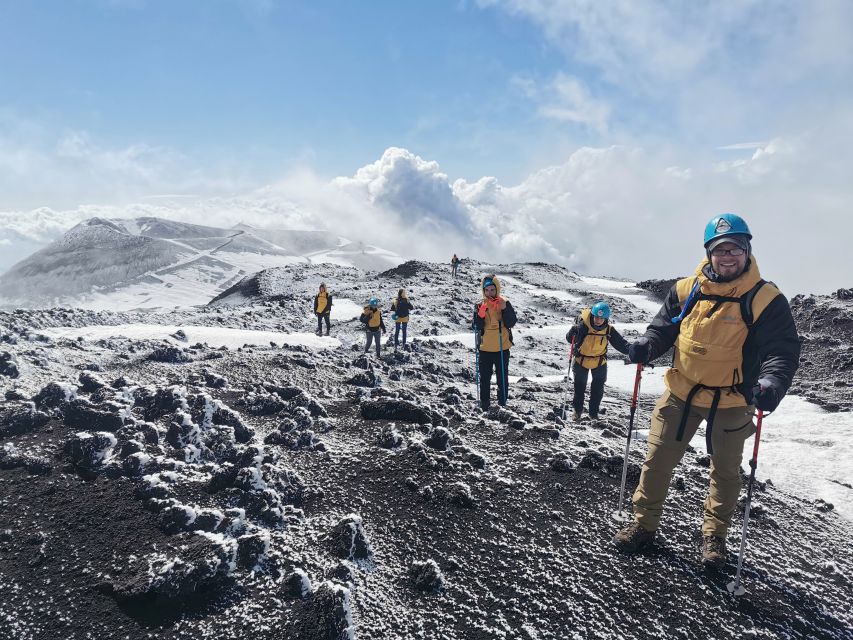
- Panoramic lookouts from the Gulf of Catania toward the Ionian Sea
- Black larch pine forest walking, with endemic plants like soapwort and Etna violets
- Southeast crater viewing tied to Strombolian activity and changing crater shapes
- Valle del Bove wall walk around a 10 km by 5 km lava basin
- 2001 eruptive fracture stop at about 2100 meters
- Silvestri craters return walk with guided photo stops
Where the trek starts: Rifugio Sapienza and the winter route on Etna
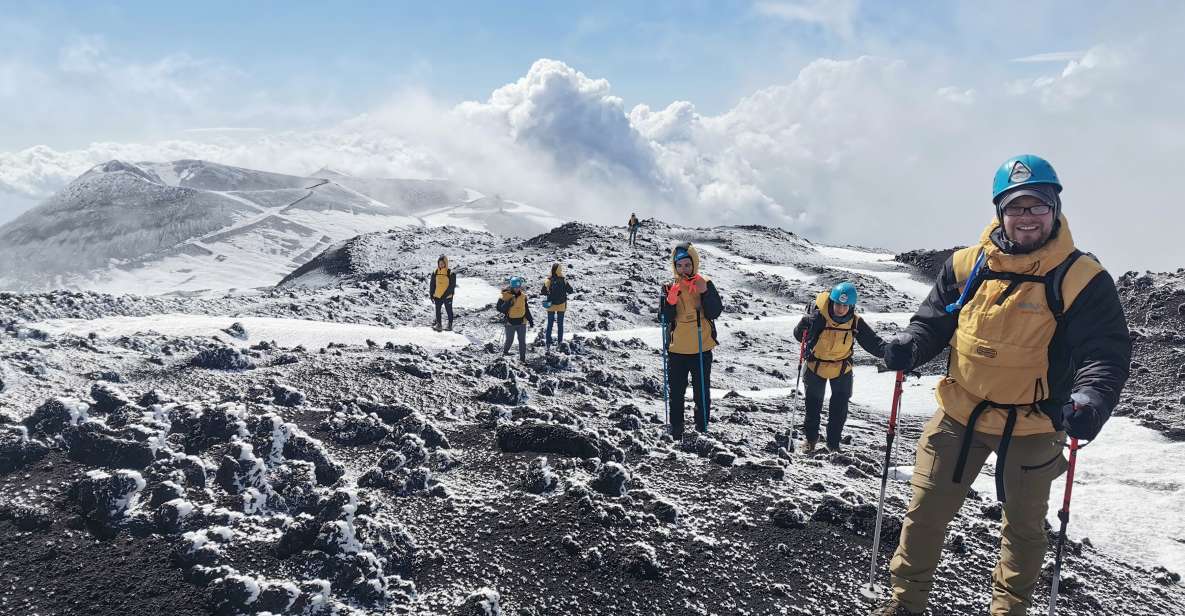
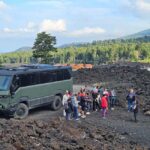
This tour begins at about 1850 meters near Rifugio Sapienza. From the first minutes, the goal is simple: get you moving through winter Etna terrain while your guide times the best viewing moments. In cold months, you are not just doing a sightseeing stroll. You are walking a volcanic setting that changes with the season—snow, wind, and rock all shape what you see.
The route starts on a slope and sandy ground, then you transition into a walk through a black larch pine forest. That forest part matters because it breaks up the open volcanic views. It also gives you a chance to notice plants you would usually miss: endemic vegetation such as soapwort, low shrubs, and Etna violets. Even if you are not a plant person, your guide’s on-the-ground explanations can make those details feel practical instead of academic.
You can also read our reviews of more hiking tours in Catania
Winter-ready gear: wind jacket, poles, and snowshoes
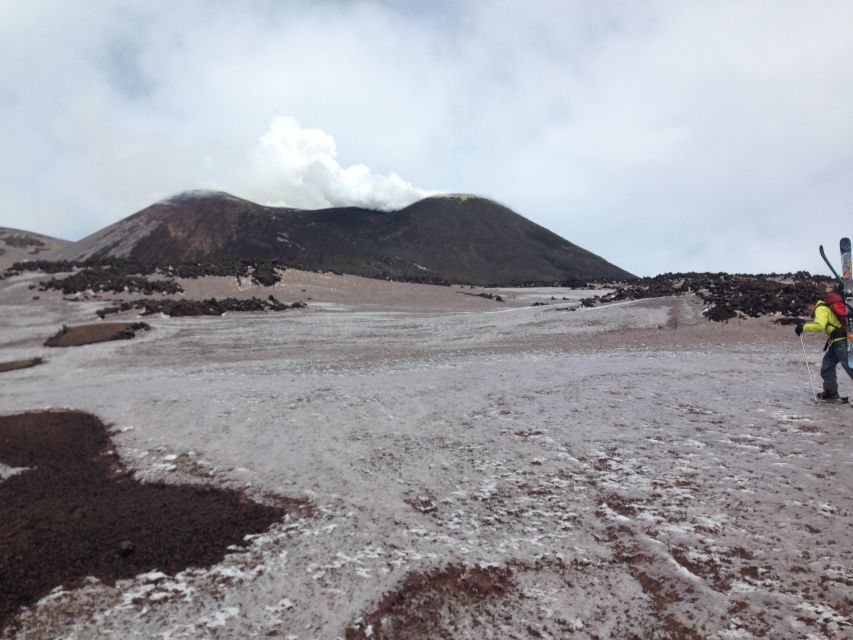
You get help that many Etna walks leave for you to figure out on your own. The tour includes a wind jacket, hiking poles, and snowshoes—so you can focus on dressing warm and moving safely rather than scrambling for rental gear.
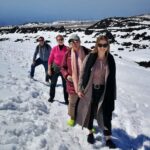
One important reality check: “included snowshoes” does not mean “no effort.” You will still be walking on winter terrain with some uneven patches. Poles help a lot on sloped sections, and the wind jacket helps because Etna can feel much colder than you expect once you are out at altitude and exposed.
If you are deciding between this and a summertime hike, winter has an upside: fewer people, crisp air, and more dramatic crater silhouettes. The tradeoff is comfort. If cold and wind tend to bother you, plan your layers carefully and keep water on your radar.
The panoramic payoff: Gulf of Catania to the Ionian Sea
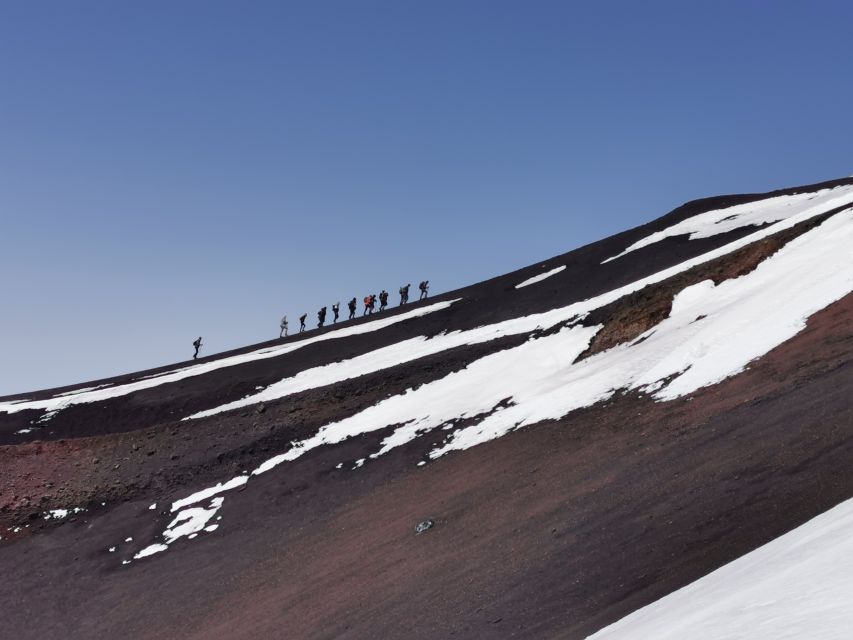
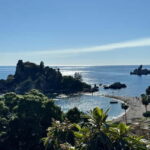
One of the best parts of this experience is the panoramic viewing time. After moving through forest and winter ground cover, you reach a viewpoint where you can take in a broad scene—from the Gulf of Catania toward the Ionian Sea.
Why I like this stop: it gives your brain a “sense of place” before you get close to volcanic features. You can look outward, understand the geography, then look back at what is happening on the mountain. The sea view also helps you gauge distance and scale, which makes later crater and valley sections easier to understand.
Photo time here is not just about pretty pictures. Your guide uses these views to explain how the volcanic system relates to the surrounding area—so you leave with more than memories. You leave with a mental map.
Southeast crater viewing: what Strombolian activity looks like in real time
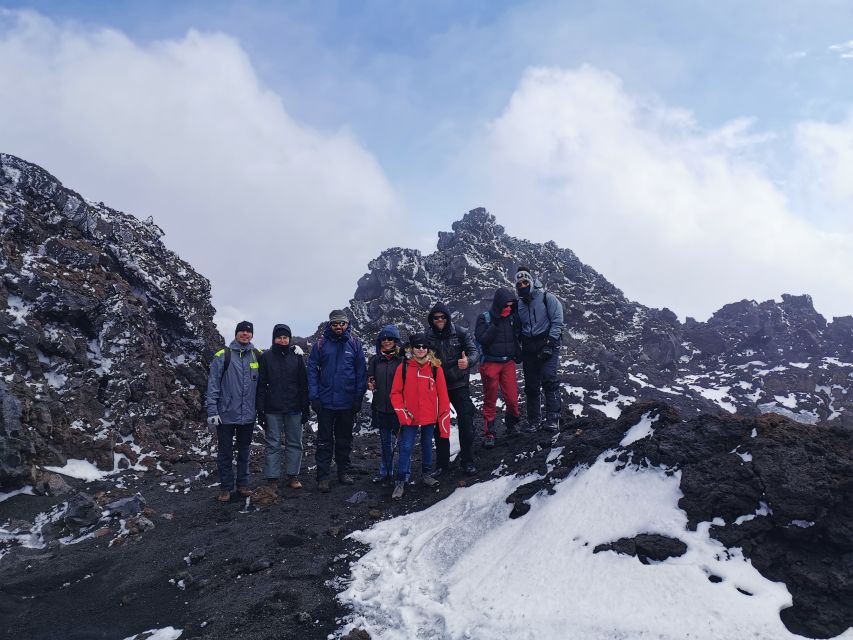
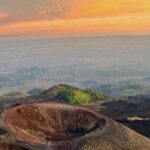
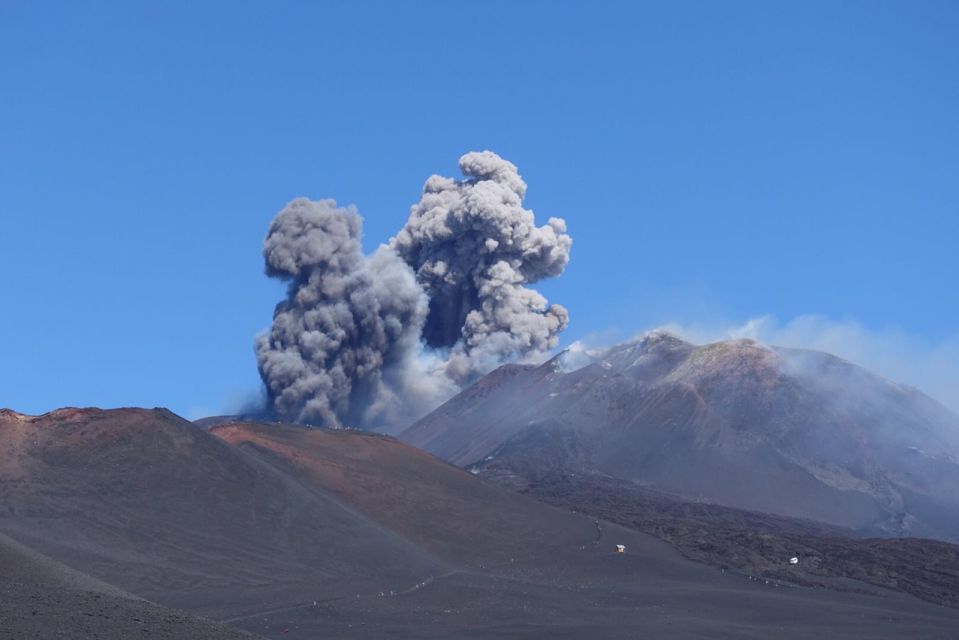
After the panorama, the trek shifts toward active summit crater areas. The highlight is seeing the southeast crater, especially the kind of intense eruptive events it produced during 2021 and the early months of 2022, including Strombolian activity and lava flow that changed crater morphology.
This part can be unforgettable because you are not hearing about eruptions in the abstract. You are getting guided context at the kind of vantage point where you can notice how crater activity reshapes the scene. Your guide explains what you are looking at and how to interpret the signs without turning it into guesswork.
Practical tip: even in a short tour, winter at altitude can make you forget to blink, breathe, or think. Stay aware, keep your posture stable, and follow your guide’s instructions for where to stand and how to move during crater viewing.
Walking into Valle del Bove: the 10 km by 5 km lava basin
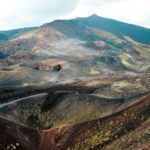
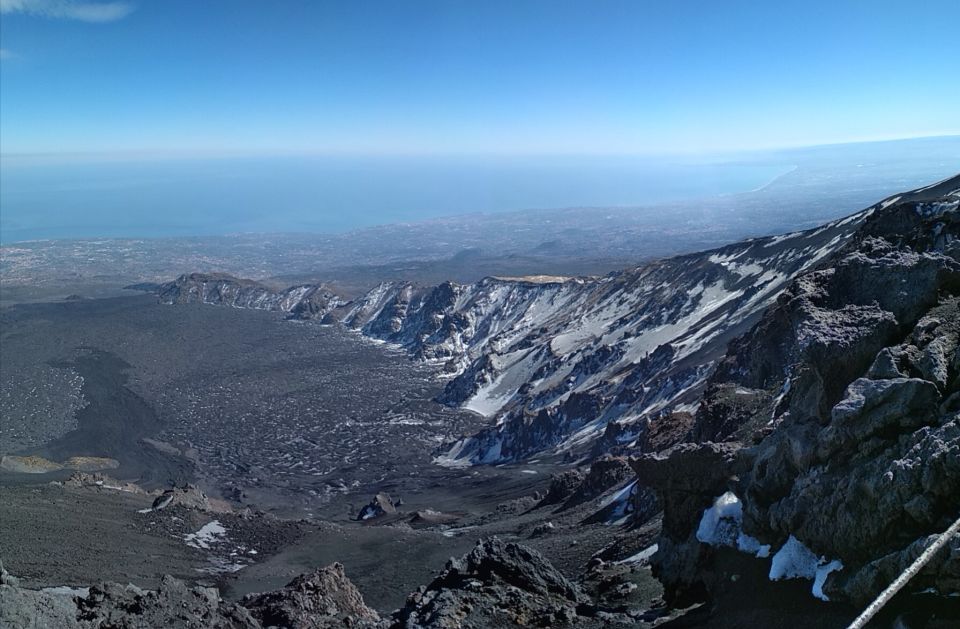
Then you move to the Valle del Bove, one of Etna’s most important volcanic features. You will walk along the south wall of this massive basin, which contains lava from major and more recent eruptions. The scale is big—about 10 km long and 5 km wide—and that size shows up immediately once you are on the slope.
What makes this stop valuable is the way it connects scenery with real-world impact. The valley acts like a barrier during eruptions, channeling lava away from populated areas. So even though you are walking for views, you are also learning why this terrain matters to people living in the region.
The tour includes a break and time for photos and a guided explanation here. You also get a free time window (about 1 hour), which is a gift in a short 3-hour experience. It lets you just sit with the view, catch your breath, and take in the silence and stillness that often come with winter low-season hiking.
You can also read our reviews of more tours and experiences in Catania
The 2001 eruption fracture and the feel of recent change
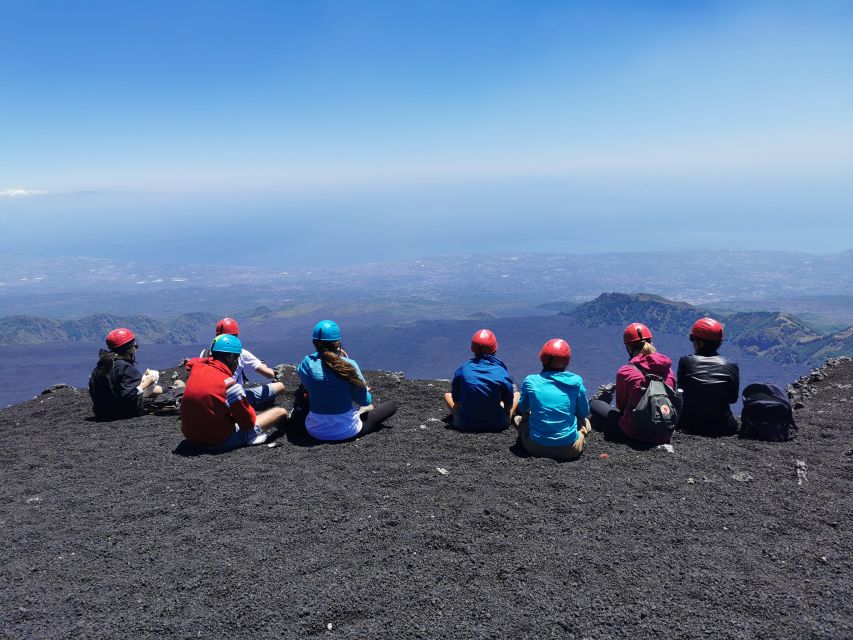
Next comes a stop connected to the 2001 eruption fractures at around 2100 meters. This is one of those moments where the geology stops being a concept and turns into a visible pattern. Instead of just looking at a crater from far away, you are seeing a feature tied to a known eruptive event and its aftermath.
From a visitor’s point of view, it’s an excellent contrast: after the wide basin feel of Valle del Bove, the fracture area brings you closer to the mountain’s “mechanics.” You can start to understand how lava and pressure create pathways and breaks, not just how they produce dramatic explosions.
Drawback to note: because this is an active volcano area, winter visibility and footing can affect how long you can safely pause at each spot. That is why having poles and snowshoes included is more than a convenience. It gives you a steadier platform for those slower moments.
Upper Silvestri craters: guided return with photo stops
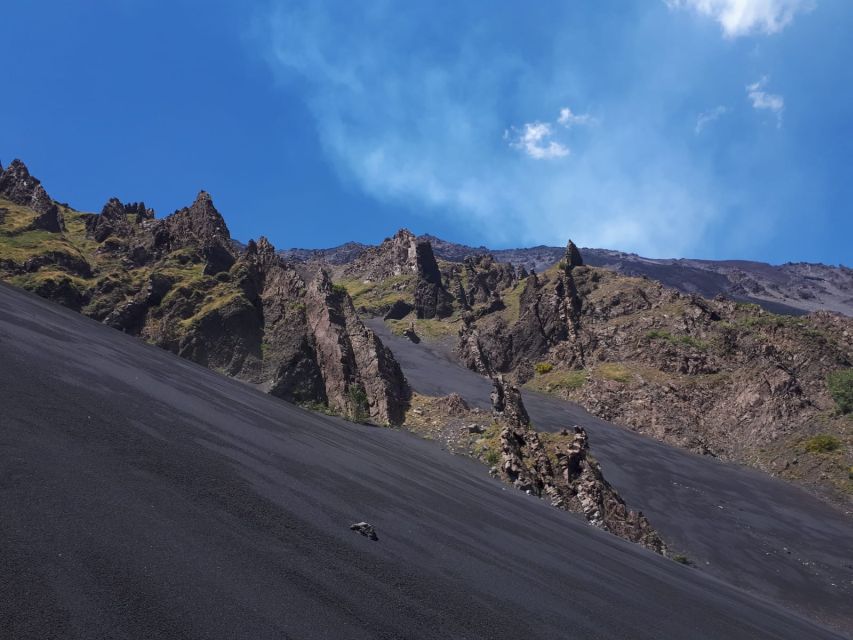
After the 2001 fracture stop, the tour continues toward the upper Silvestri craters and then returns toward the starting area. You get break times and photo opportunities here too, along with guided touring.
Silvestri craters add variety because they help you see multiple volcanic elements in a single loop: forest to viewpoint, crater activity to broad lava basin, then fractures and crater bowls again. For many people, that structure is what turns a short hike into a “story.” You are not just ticking boxes—you are moving through a sequence that makes sense.
Because the total duration is about 3 hours, the pacing can feel brisk at times, especially if you are not used to uphill walking. If you tend to slow down on climbs, poles help you maintain your pace without burning yourself out.
Pace, effort, and who this fits best (and who should skip it)
This is a short hike, but it is still a high-altitude winter trek. You start around 1850 meters and reach about 2100 meters on the way to the fracture area. That elevation plus winter wind can make an otherwise simple walk feel more demanding.
The tour also has clear boundaries. It is not suitable for pregnant women, wheelchair users, people with heart problems, or people with high blood pressure. That is not paperwork. It is about keeping you safe on slopes and in cold air.
If you are comfortable with moderate walking on uneven ground and you can handle cold weather, you will likely enjoy the experience. I also think it fits well for people who like guided context. The best value here is not only the views—it is how the guide turns what you see (forest, craters, valleys, fractures) into a coherent explanation.
Price and value: what $58 includes, and what you should plan for
At $58 per person for a roughly 3-hour guided winter tour, the value is mainly in the included equipment and the specialized setting. Lots of hikes in popular areas charge extra for rentals or guide time. Here, you get wind jacket, hiking poles, and snowshoes included, plus a multilingual guide (English and Italian).
What is not included is food and drinks. That matters because winter hikes can make you hungry faster than you expect, and dehydration still happens even in cold weather. Plan to bring water (the basic instruction is to bring water) and consider a small snack if you know you run low on energy.
Optional transport can also change the “all-in” convenience. If you choose the Catania option, the tour includes hotel pickup and drop-off in Catania. That reduces friction, especially in winter when the weather can mess with timing.
Catania transfer option: making the mountain day easier
The tour offers optional transfers from Catania, which is a big practical plus. If you opt in, you get hotel pickup and drop-off at Catania. Your return includes two drop-off locations: Catania and Monte Gebel.
This structure is useful because it matches how people stay in the city. It also helps you avoid the stress of finding transport back up after a cold walk at altitude. The one rule you should respect is timing: the driver waits no longer than 5 minutes after the scheduled pickup time.
If you are coming from outside Catania, you may find the logistics easier when you arrange your day around the scheduled pickup. The tour duration is short, so losing time at the start cuts into actual walking.
What the guides add: Alfredo and Alfonso-style storytelling on Etna
The most consistent praise has a theme: the guides make the terrain understandable and the group feel safe. Names you may hear include Alfredo and Alfonso, and their approach seems to combine clear explanations with a friendly, confidence-building tone.
That matters because Etna can look chaotic if you do not have a guide. Crater activity, lava paths, and valley walls can blur together. A good guide gives you reference points—what you are looking at now, what it looked like during specific periods of activity, and why certain places matter.
If you like tours where the explanations are practical, not just dramatic, this is a strong match. It’s also family-friendly in spirit; one past guest noted the tour felt suitable even for kids, which usually means the guide kept things engaging without making it feel overly technical.
Should you book this winter Mt Etna trek?
Book it if you want a short, well-guided winter hike that mixes panoramic views, forest walking, and a close look at the volcanic features around the southeast crater, Valle del Bove, and Silvestri craters. The included snowshoes, poles, and wind jacket make it easier to show up prepared.
Skip it if you need fully flat ground, if you have conditions listed as not suitable (heart problems, high blood pressure, pregnancy, wheelchair use), or if winter exposure and altitude are tough for you.
If your dream is a guided Etna day that turns dramatic volcanic scenery into a clear sense of how the mountain works, this is one of the more straightforward ways to do it.
FAQ
How long is the Mt Etna winter trekking tour?
The duration is about 3 hours.
What is the price of the tour?
It is priced at $58 per person.
Is hotel pickup included?
Hotel pickup and drop-off in Catania are included if you choose the transfer option.
Where does the hike start?
The trek starts at around 1850m near Rifugio Sapienza.
What kind of walking will I do?
You will hike through winter terrain that includes a slope and sandy ground, plus time through a black larch pine forest and along crater and valley areas.
What equipment is included?
Included items are a wind jacket, hiking poles, and snowshoes.
Do I need to bring food and drinks?
Food and drinks are not included. You should plan accordingly.
What should I bring besides the included gear?
Bring warm clothing and water.
What languages are the guides?
The guide is available in English and Italian.
Is this tour suitable for everyone?
No. It is not suitable for pregnant women, people with heart problems, wheelchair users, or people with high blood pressure.