REVIEW · CATANIA
From Catania: Mount Etna Morning Tour
Book on GetYourGuide →Operated by ETNA QUAD E TREKKING · Bookable on GetYourGuide
Etna can feel like another planet. In this Catania morning tour, you climb to about 2000 meters, walk among the Silvestri Craters, and even step inside a lava flow cave before heading into the barren wonder of Valle del Bove.
Two things I really liked: first, the chance to see recent Etna activity up close, including lava flows tied to the 1991–93 eruption, plus the inside look at a lava tunnel. Second, the live guides (I’ve seen names like Gaetano, Tano, and Alberto) slow everything down and explain what’s happening—geology, nature, and biodiversity—so it doesn’t stay as scary volcano talk. The main drawback to keep in mind is the tasting stop: it’s a short honey and wine visit, and if you’re expecting a big, wine-making tour, it may not match that vibe.
In This Review
- Key things to know before you go
- Why this Etna morning tour feels different
- Getting started in Catania and climbing toward 2000 meters
- Lava flows and the 1991–93 story you can actually picture
- The lava flow cave: short, memorable, and very practical
- Walking through Silvestri Craters: black dunes and solidified lava
- Valle del Bove caldera: the arid “desert” that still feels alive
- Zafferana Etnea tasting stop: honey and wine, no long winery day
- Guide quality matters more than you think
- How hard is it, really? What to pack
- Price and value: what you’re really paying for
- Should you book the Mount Etna Morning Tour from Catania?
- FAQ
- How long is the Mount Etna morning tour from Catania?
- Where does the tour start and end?
- How high do you go on the mountain?
- What parts of the volcano do you visit?
- Is there a wine and food tasting?
- What language is the live guide?
- What should I bring?
- Is this tour suitable for everyone?
Key things to know before you go
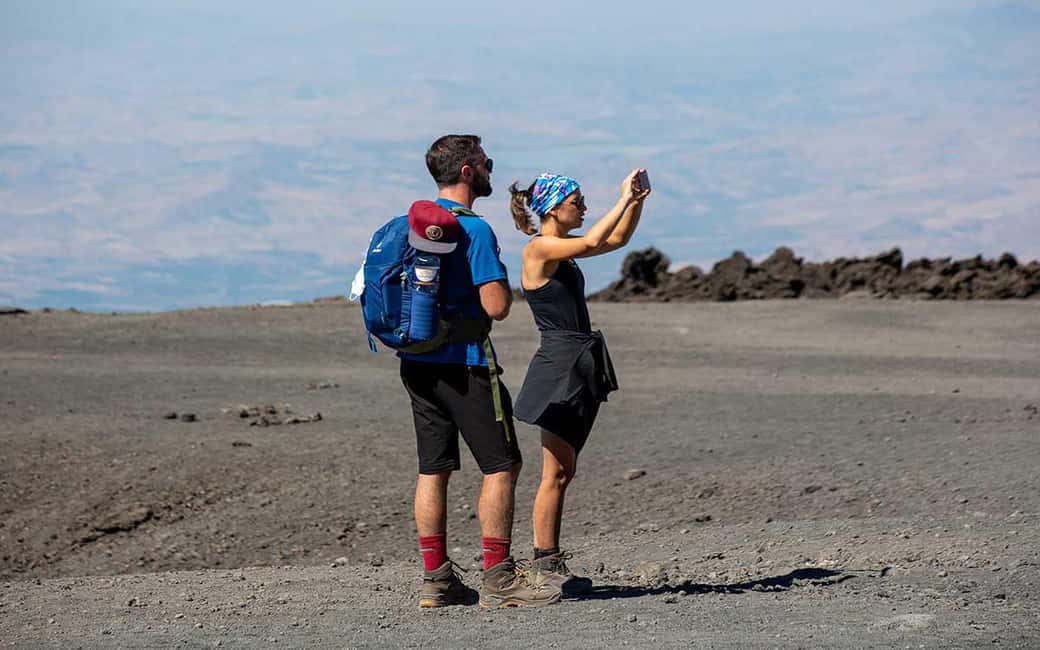
- Silvestri Craters time is split: guided walk plus extra time to explore and take photos
- A lava flow cave stop: you’ll go inside to understand how Etna shapes the ground
- Rifugio Sapienza area at ~2000m: higher altitude views without needing a full summit climb
- Valle del Bove feels otherworldly: an arid caldera with almost no vegetation
- Zafferana Etnea tasting is quick: plan on about 40 minutes for honey and wine
- Private-group feel: a live guide with you through the hike and stops
Why this Etna morning tour feels different
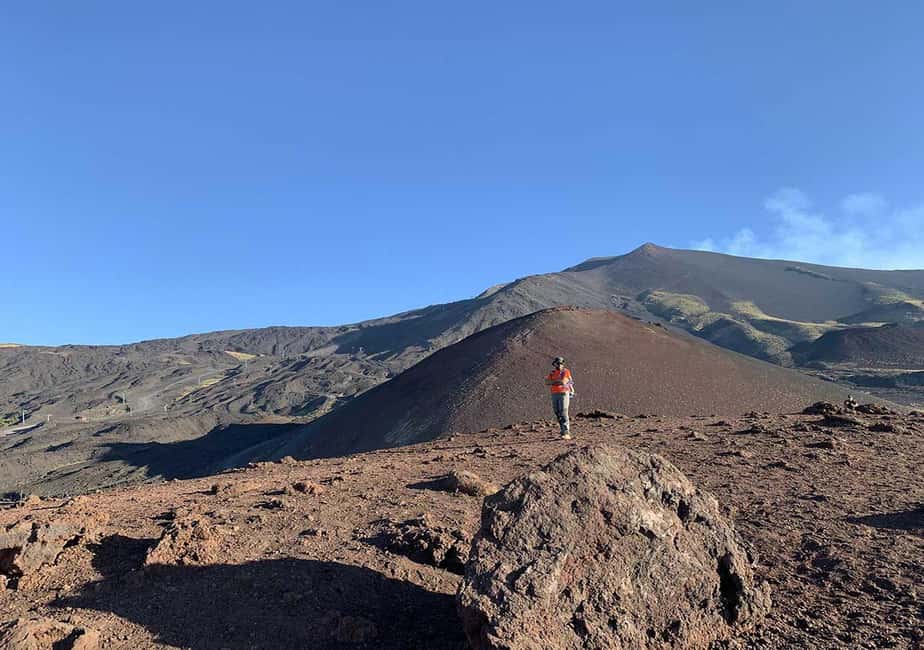
Mount Etna from Catania is famous for a reason. The volcano is the highest and most active in Europe, and on a good morning tour you don’t just look at it—you learn how it works and how the land recovers.
The big win here is variety in a short 4.5-hour window. You get the black, dune-like craters at the Silvestri area, then a more dramatic “crater-within-a-crater” mood at Valle del Bove, where the terrain turns dusty and nearly plant-free. Add a lava cave and a walk through beech and birch woods, and you get a clear storyline: eruption, destruction, and then the slow return of life.
Also, the altitude approach is smart for time and energy. You’re going up to around 2000 meters, which is high enough for real mountain air and big views, but it’s not framed as a summit push. You’ll still want sturdy shoes and a jacket, but you’re not signing up for an all-day slog.
You can also read our reviews of more tours and experiences in Catania
Getting started in Catania and climbing toward 2000 meters
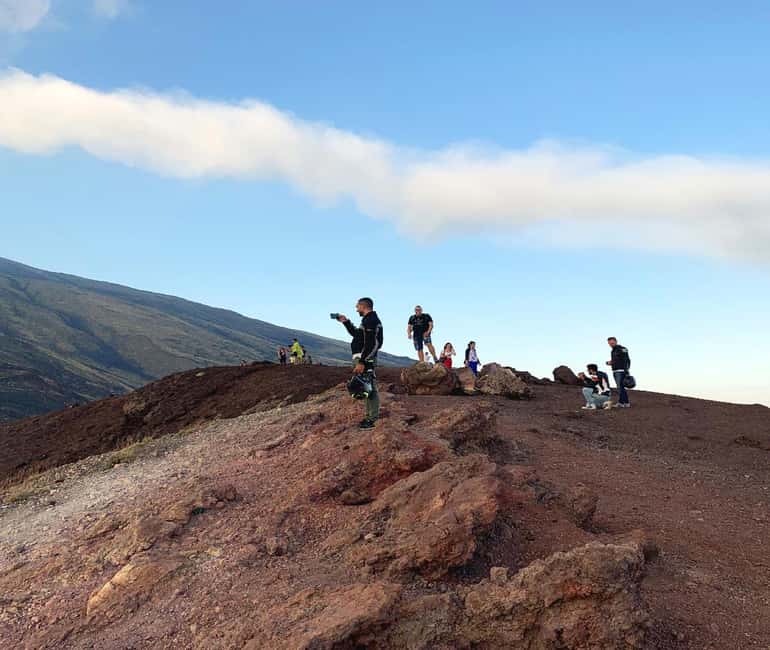
The tour begins at Pasticceria Savia. From there, you head toward Etna and start gaining altitude. The route is part of the experience: you’ll see how the mountain changes as you go up, and your guide will typically connect what you’re seeing to Etna’s eruptions and recovery patterns.
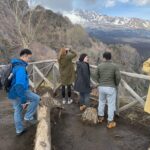
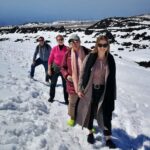
A key point: the plan is to climb to about 2000 meters and spend real time in areas around that height—specifically reaching the Rifugio Sapienza zone. At this altitude, conditions can feel cooler even when Catania is warm. One traveler noted snow when the group reached 2000 feet (and altitude can surprise people), so don’t treat this like a “light hike in a T-shirt” day.
If you’re the kind of traveler who likes logistics that don’t eat your afternoon, a morning start makes sense. You’ll be back down and re-centered on Catania quickly, with no pressure to find dinner plans around a late return.
Lava flows and the 1991–93 story you can actually picture
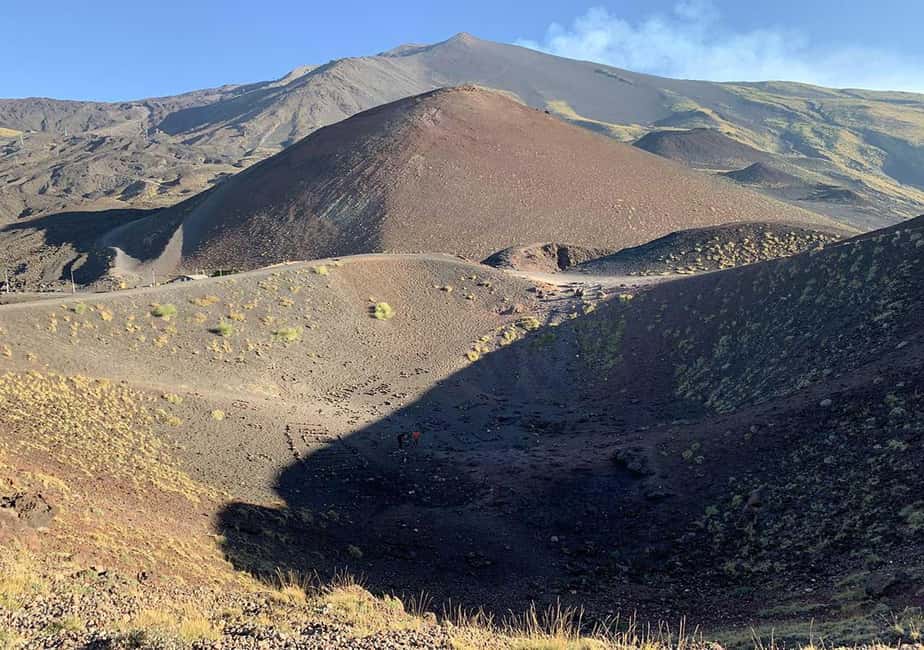
Etna changes its own scenery often enough that it can feel like the mountain is still “writing.” On this tour, you’ll observe lava flows up close, including those generated by the eruption of 1991–93—described as the longest in recent Etna history.
What makes this valuable for you isn’t just the date. It’s that you can stand near rock that formed from lava and see how the flow traveled and cooled. Your guide can explain the difference between chaotic-looking broken surfaces and more structured areas where lava moved in channels.
If you like photography, bring a camera and expect darker tones: black volcanic sands, ash-dark slopes, and the stark contrast of pale rock against sky. If you like science, expect your guide to translate the big words—caldera, lava flow, eruption history—into something you can point to with your own eyes.
The lava flow cave: short, memorable, and very practical
One highlight people kept emphasizing is the lava tunnel experience. You’ll enter a lava flow cave for a controlled look inside. Even if it’s a short stop, it tends to land because the setting is physical: you’re not just looking at a “volcano explanation,” you’re standing where lava moved and cooled.
Two practical things to remember:
- Wear the shoes you trust. The cave area can be uneven.
- Your jacket matters more than you expect. Caves and shaded lava areas can feel colder than the sun-soaked viewpoints outside.
This stop also helps with the emotional side of Etna. From the outside, Etna can feel like scenery. From inside the lava tunnel, it turns into a real process—heat, movement, and solid rock that lasts long after the eruption is done.
Walking through Silvestri Craters: black dunes and solidified lava
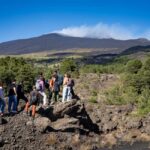
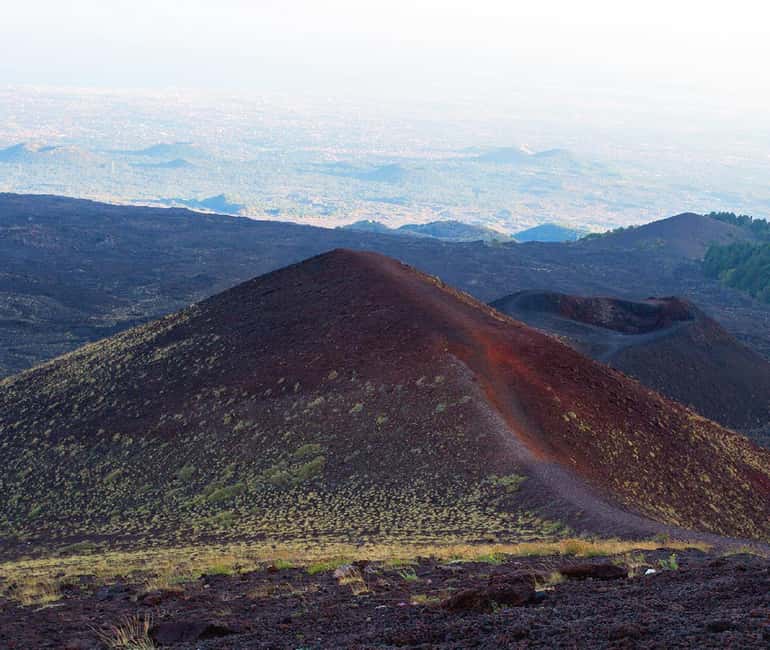
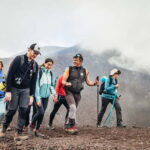
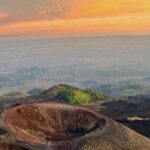
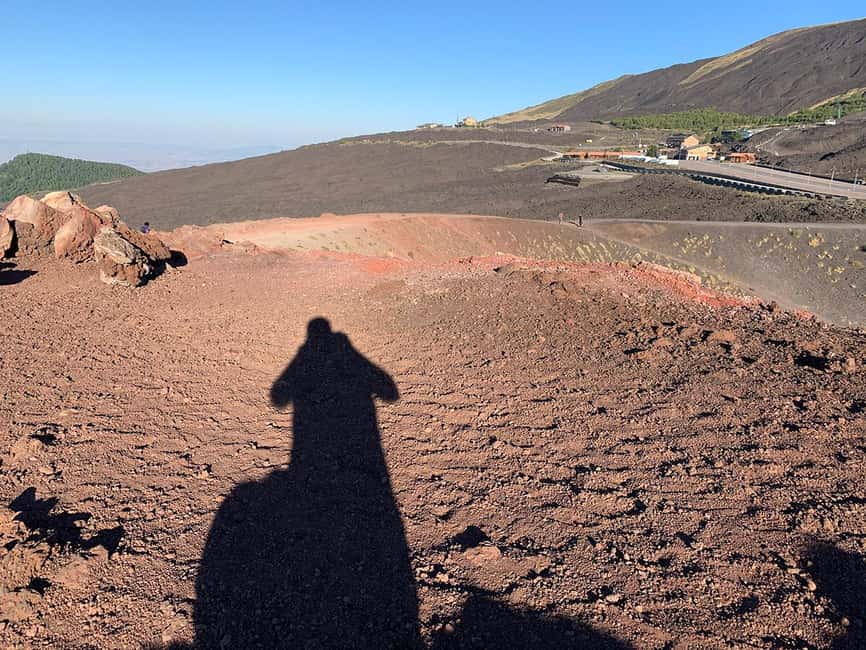
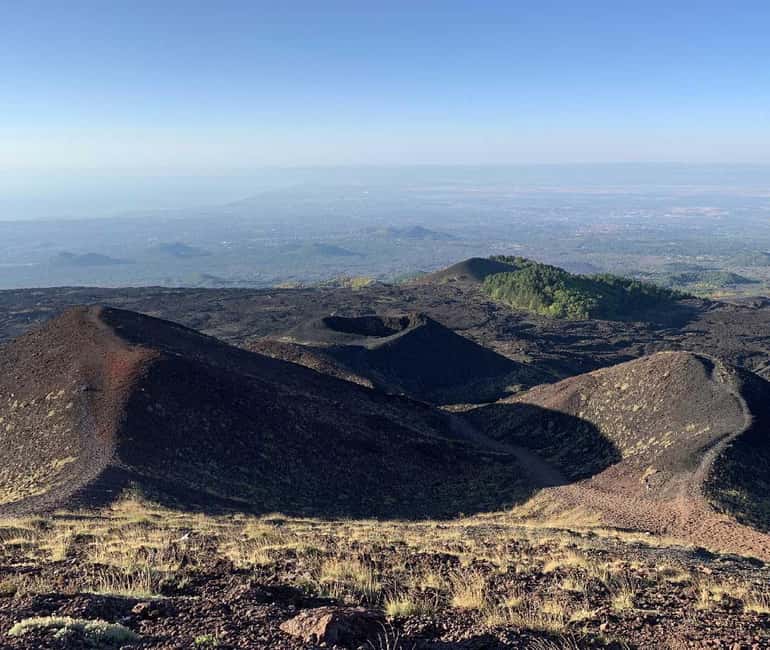
After the cave and the climb through beech and birch woods (yes, real forest on an active volcano), you’ll get to the Silvestri Craters area. This is the part where Etna turns lunar.
You’ll spend 100 minutes on a guided walk through the Silvestri Craters, plus one hour of free time afterward. That structure is smart:
- The guided portion helps you understand what you’re standing on.
- The free time gives you room to slow down for photos, a quiet look, or a second pass at the best viewpoint.
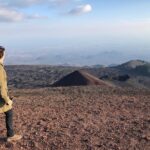
What to expect on the ground: black dunes, expanses of solidified lava, and subtle changes in color and texture that you’d miss without guidance. The environment here is stark, so you can really see the “before” and “after” of volcanic activity.
This is also where your guide’s focus on biodiversity can surprise you. Etna might look dead, but life finds niches—especially in the zones where moisture and vegetation return. If your guide is strong (and many of these guides are), you’ll leave with a clearer idea of how plants and animals adapt to the harsh volcanic surfaces.
Valle del Bove caldera: the arid “desert” that still feels alive
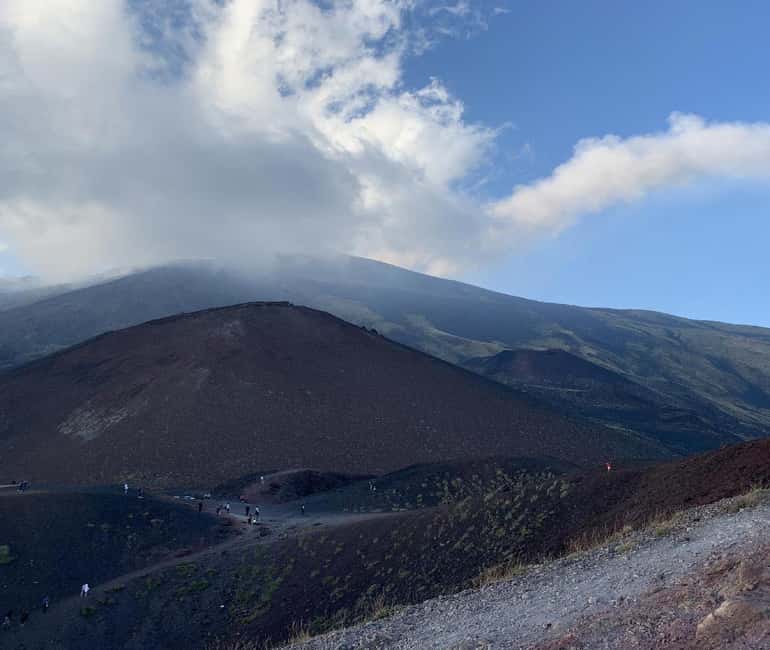
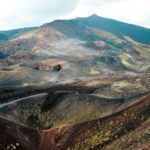
Next comes Valle del Bove. This is a large arid depression—a caldera—that’s almost devoid of vegetation. It’s not “pretty green emptiness.” It’s dry, volcanic, and strangely compelling.
This part works because you’ll be coming from the craters and lava cave into a wider, open setting. The views help you understand Etna at a scale you can feel, not just see. You’ll be able to admire the volcano from the slopes looking down into the valley (and your guide can connect this to the recent eruption patterns and the mountain’s changing shape).
The drawback here is straightforward: it can feel barren and exposed. If you’re sensitive to sun or wind, you’ll want the jacket and layers to manage temperature swings. And if you’re expecting thick shade or lots of greenery, Valle del Bove will recalibrate your expectations fast—in a good way, if you like raw nature.
Zafferana Etnea tasting stop: honey and wine, no long winery day
After descending back toward the valley, the tour stops in Zafferana Etnea. This is where the vibe shifts from geology to local flavor. You’ll have about 40 minutes for wine tasting and food tasting.
Here’s how to set your expectations. The tour offers a tasting experience, but it isn’t positioned as a full-day winery visit. One person found the tasting less satisfying because it felt more like a quick shop stop than the kind of deep wine story they expected. Another traveler still seemed happy with the value, especially when the overall tour was strong.
So I’d treat this tasting as a nice bonus—not the main attraction. If you’re the type who really wants a winery tour with grape-by-grape detail, you may need to book a separate wine-focused activity after.
Still, it’s a pleasant way to end. Zafferana Etnea is the kind of town that helps Etna feel connected to everyday Sicilian life, not just raw wilderness.
Guide quality matters more than you think
In a tour like this, the facts are the easy part. The hard part is making Etna make sense while you’re standing on unstable, unfamiliar terrain.
That’s why the guide names in the experience matter. People have credited guides like Gaetano, Tano, Alberto, Daniela/Daniella, and Giuseppe for being patient and for answering questions from geology to local history. The guides also tend to set the rhythm—allowing extra time when someone wants a photo or needs a breather.
If you care about learning (and not just collecting stops), the guide’s ability to explain the environment—how biodiversity returns, how lava shapes terrain, why the valleys and calderas look the way they do—turns a good trip into a memorable one.
How hard is it, really? What to pack
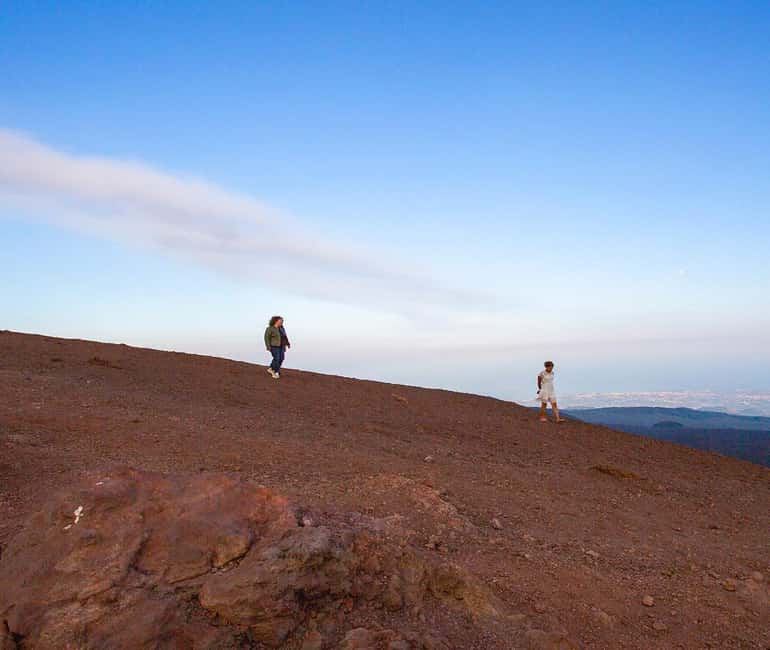
This is a hiking-style morning tour with real walking time:
- Guided walk: about 100 minutes at Silvestri Craters
- Plus additional hiking through changing terrain
- Total duration: 4.5 hours
It’s not described as suitable for mobility impairments, and it also isn’t recommended for people with respiratory issues. If you have breathing concerns (or you’re prone to altitude discomfort), be cautious and consider talking to your doctor.
For packing, you have clear guidance:
- Comfortable shoes (bring your best grip)
- Jacket (temperatures can be cooler at higher altitudes)
- Water and snacks
- Camera
And follow the rules: no smoking, no littering, and don’t touch plants. Those rules matter on Etna because the environment is fragile, especially in the spots where life is trying to return.
One more practical tip: bring some flexibility in your schedule. Conditions can vary with weather and light, and having a guide who can manage the flow matters.
Price and value: what you’re really paying for
I can’t quote a specific price here, but I can tell you what drives value on this tour:
You’re paying for:
- A live guide who explains both geology and nature (not just “look at this” stops)
- Time at multiple Etna zones: Silvestri Craters, cave, and Valle del Bove
- Access to the cave experience
- A tasting stop in Zafferana Etnea to tie the day to local products
Where value can feel weaker is if your main goal is a long, in-depth wine day. The tasting is only 40 minutes, and the overall tour experience is designed around volcano exploration. If you want the wine to be the headline, you might feel underfed.
But if you want a tight, high-impact Etna morning that covers the most iconic features without turning into an all-day expedition, this is a strong use of your time.
Should you book the Mount Etna Morning Tour from Catania?
Book it if you want a focused Etna experience with a real guide, time in the Silvestri Craters, a lava cave stop, and the dramatic Valle del Bove caldera—then a quick finish in Zafferana Etnea for honey and wine. It’s especially worth it if you enjoy learning while you walk, and if you like the feeling of being on a live, changing landscape rather than just viewing a monument.
Skip it (or plan carefully) if you have mobility limitations or respiratory issues, or if you’re expecting a full winery tour as part of the main event. In that case, you’ll likely enjoy Etna itself, but you may leave the tasting part feeling shortchanged.
FAQ
How long is the Mount Etna morning tour from Catania?
The duration is about 4.5 hours.
Where does the tour start and end?
It starts and ends at Pasticceria Savia.
How high do you go on the mountain?
You climb to around 2000 meters, including the Rifugio Sapienza area.
What parts of the volcano do you visit?
You explore the Silvestri Craters and the Valle del Bove, with stops that include lava flows and a lava flow cave.
Is there a wine and food tasting?
Yes. In Zafferana Etnea there’s wine tasting and food tasting for about 40 minutes.
What language is the live guide?
The tour offers a live guide in English and Italian.
What should I bring?
Bring comfortable shoes, a camera, snacks, water, and a jacket.
Is this tour suitable for everyone?
It’s not suitable for people with mobility impairments or for people with respiratory issues.