REVIEW · MOUNT ETNA
Mount Etna: Guided Volcano Summit Hiking Tour with Cable Car
Book on GetYourGuide →Operated by Sicilying S.R.L. · Bookable on GetYourGuide
Hiking Etna feels like stepping onto another planet. You ride the Etna South cable car to high altitude, then trek with a volcanic guide toward the summit craters at the highest safe point allowed that day. Expect an active, working volcano on your terms, not a museum stop.
What I love most is the combo of trained volcanic guides and real on-foot time. Guides like Jaccopo and Giuseppe (among others you might be paired with) keep the pace friendly with smart breaks, clear explanations, and a good dose of humor. Second is the cable car panorama, which turns the ascent into part of the experience, not just transportation.
One thing to consider: the hike is not “easy stroll” territory. It can be tough on uneven ground and ash, and it’s not for people with asthma, heart problems, or respiratory issues; plus the route can shift (or the tour can cancel) because of weather or volcanic risk.
In This Review
- Key highlights to know before you go
- Getting to Rifugio Sapienza and meeting your guide
- The cable car ride: your warm-up for big views
- Trekking across the 2002/2003 eruption zone
- Lava flow channels and volcanic tunnel moments
- Summit area: reaching the highest point allowed
- The craters and volcanic sand descent to Valle del Bove
- Return to 2,500 meters and back down
- Price and value: what about $124.61 really buys you
- What to bring (and what to wear) for comfort and traction
- Who this tour is best for (and who should skip it)
- Weather, volcanic risk, and route changes: expect flexibility
- If you’re picky about guides, here’s what to look for
- Should you book this Mount Etna guided summit hike?
- FAQ
- How long is the Mount Etna guided summit hiking tour?
- Where do I meet the guide?
- Do I need to buy cable car tickets separately?
- How high do you go by cable car?
- What language is the live guide?
- What’s the hike like in terms of difficulty?
- Is food included?
- Is hiking equipment included?
- Is this tour suitable for children or people with health conditions?
Key highlights to know before you go
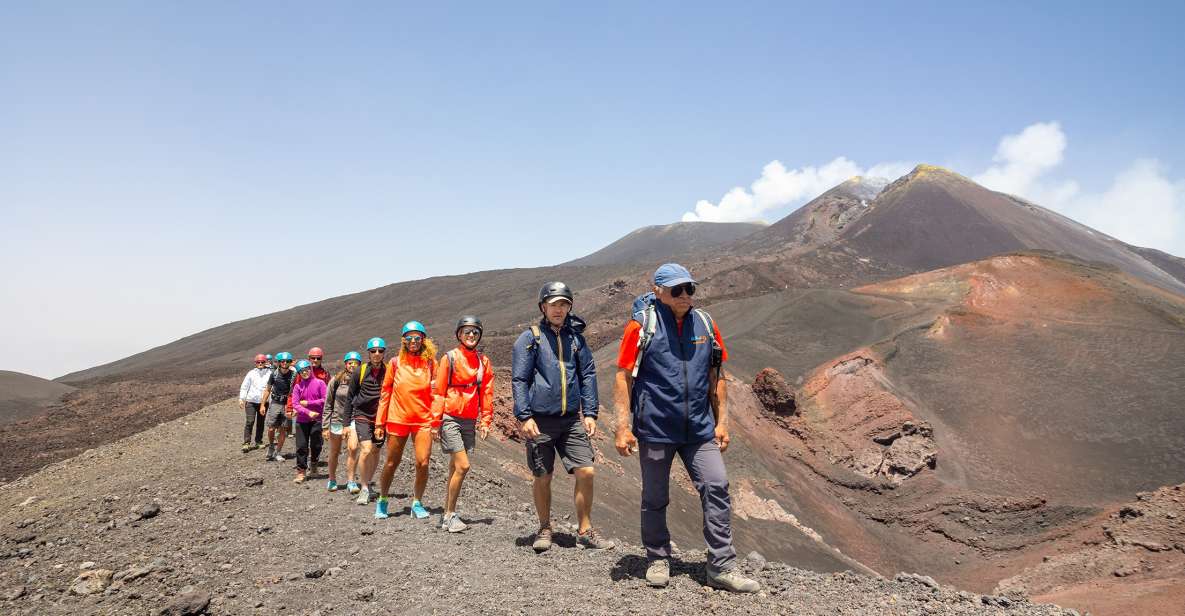
- Cable car to about 2,504 meters to save your legs and start the hike where the action is
- Summit craters and active volcano views at the highest permitted point for safety
- Volcanic sand and crater crossing around the 2002/2003 eruption zones
- Valle del Bove viewpoints, including the Belvedere panorama stop
- Small-group feel with a live guide in English, French, or Italian
- Helmets and safety gear included, with hiking equipment when available
Getting to Rifugio Sapienza and meeting your guide
This tour starts near the top lift area around Rifugio Sapienza. You meet your guide at Bar Monte Gebel, on the right side of Rifugio Sapienza, and then you connect to the Etna South cable car. If you’re coming from Catania, there’s an option to add pickup at your accommodations, which can reduce the stress of getting yourself there.
Plan to show up in sensible hiking mode. You’ll be at high altitude early, and even in pleasant weather, Mt. Etna can feel sharper than the coast. Bring weather-appropriate clothing and shoes with real grip. The tour runs with the expectation that you can walk on rocky, dusty, and sometimes loose volcanic ground.
You can also read our reviews of more guided tours in Mount Etna
The cable car ride: your warm-up for big views
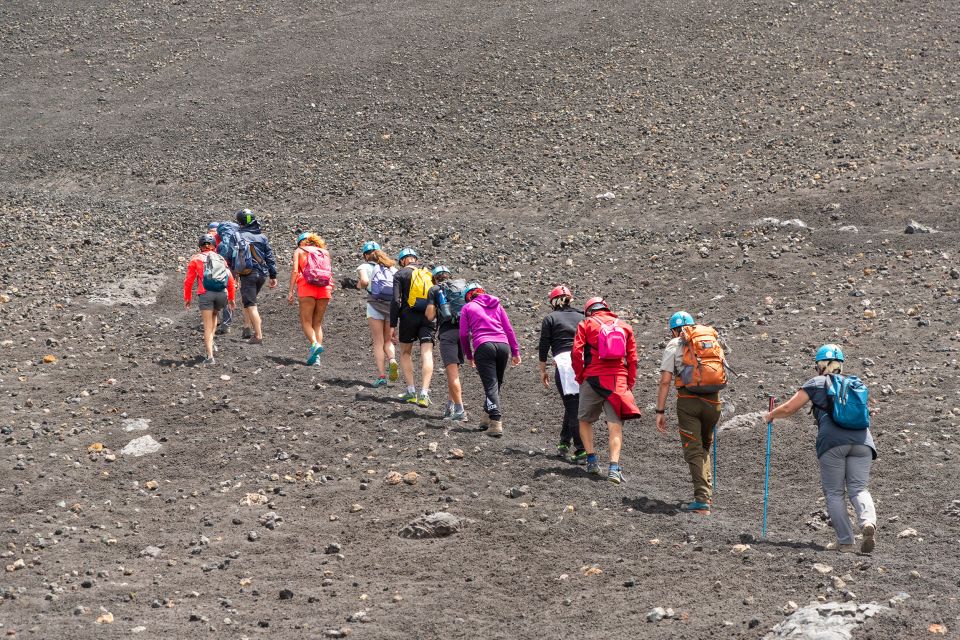
The cable car takes you up to about 2,504 meters. Even if you’re not the type to get excited by rides, this part matters. It buys you altitude quickly, and it also frames the day: you start to see the scale of Etna’s terrain before your boots even hit the ground.
From inside the cable car, you get that unmistakable high-mountain feeling—wider sky, cooler air, and shifting light as you rise. It’s also where the staff usually helps you get mentally ready for the hike ahead, including the safety routine for the climb.
The return ticket is included, so you’re not juggling logistics mid-day. You’ll also skip the ticket line, which is handy because mornings at Etna can get busy.
Trekking across the 2002/2003 eruption zone
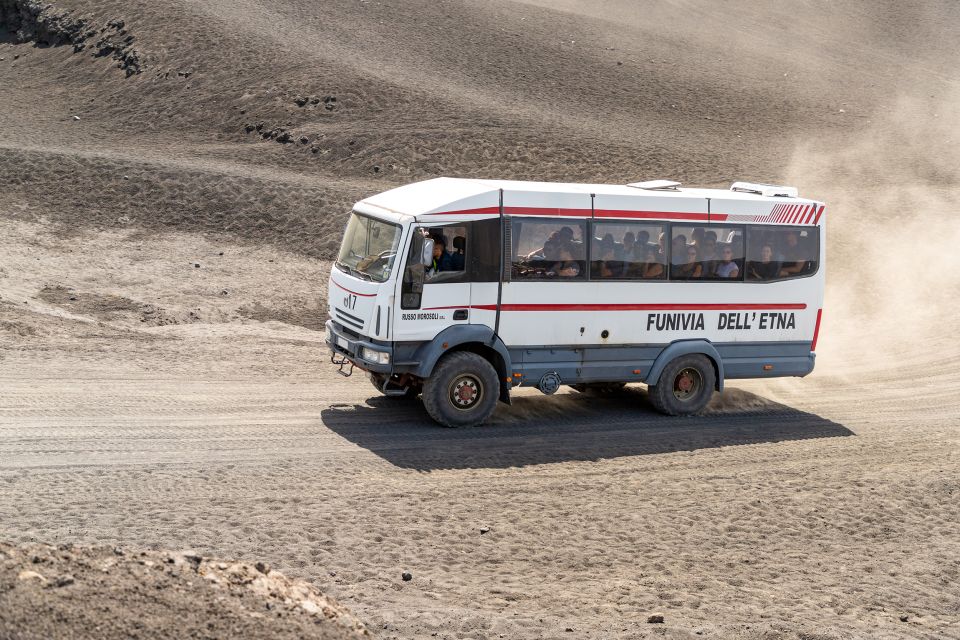
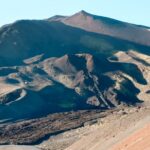
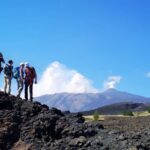
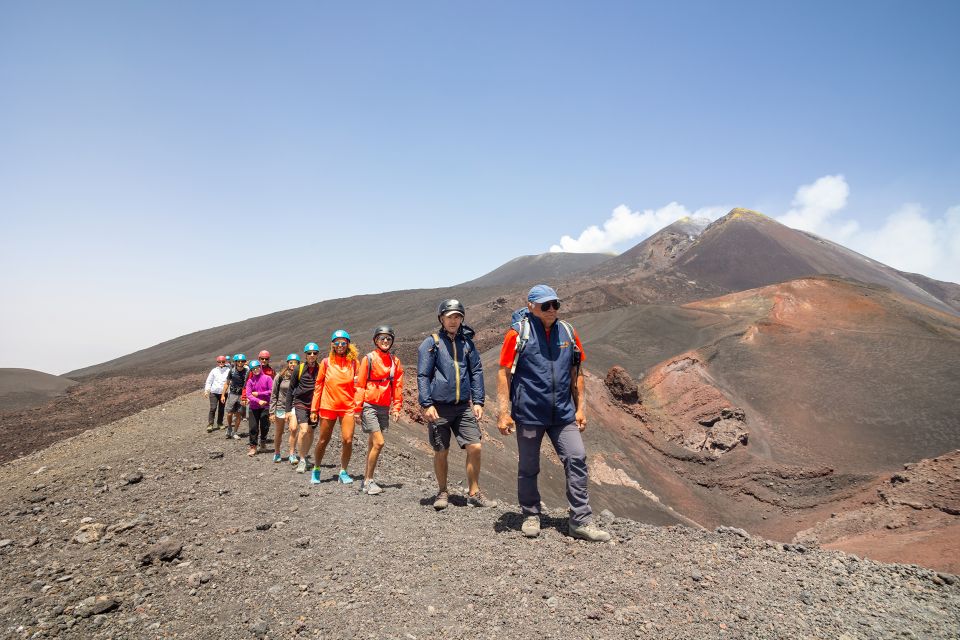
Once you leave the cable car, you begin trekking northwest through areas impacted by the major 2002/2003 eruption. This is where the day turns from scenic to spellbinding.
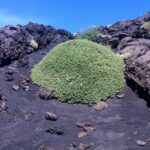
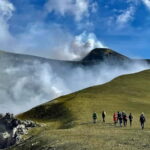
The ground can look and feel strange in a way photos can’t fully explain. You’re walking through volcanic textures—ash, sand-like sections, and rock paths that don’t behave like normal trails. Your guide’s job here is more than storytelling. They’ll keep you moving at a pace that accounts for altitude, footing, and the group’s rhythm.
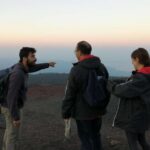
The itinerary includes long photo and rest breaks. I like this approach on Etna. It’s not just about being nice; it helps you avoid the classic mistake of burning energy too early. When the guide calls a pause, take it. Your legs and lungs will thank you later, especially near summit areas.
Lava flow channels and volcanic tunnel moments
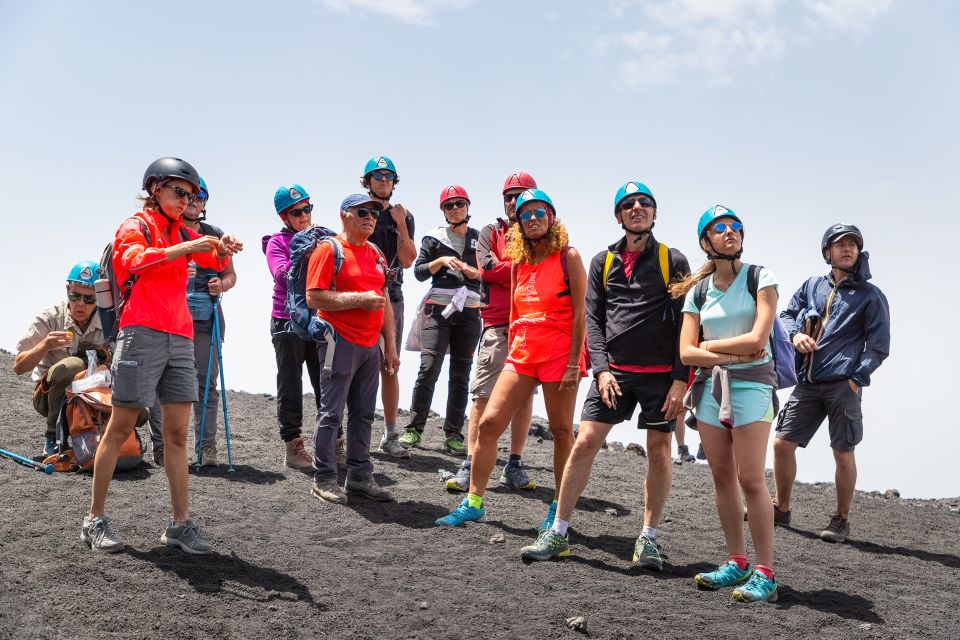
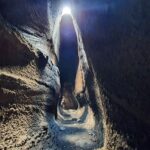
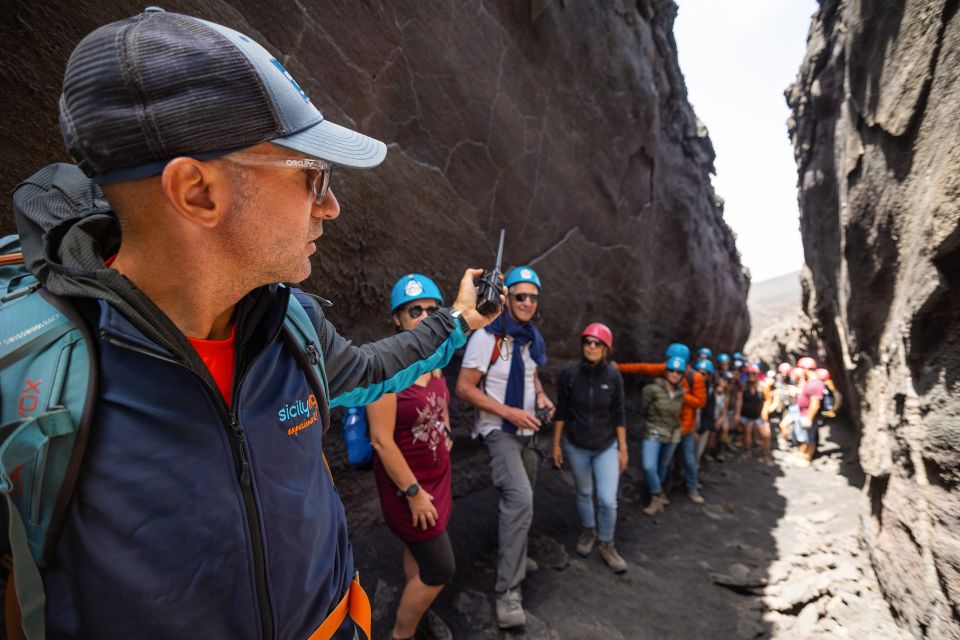
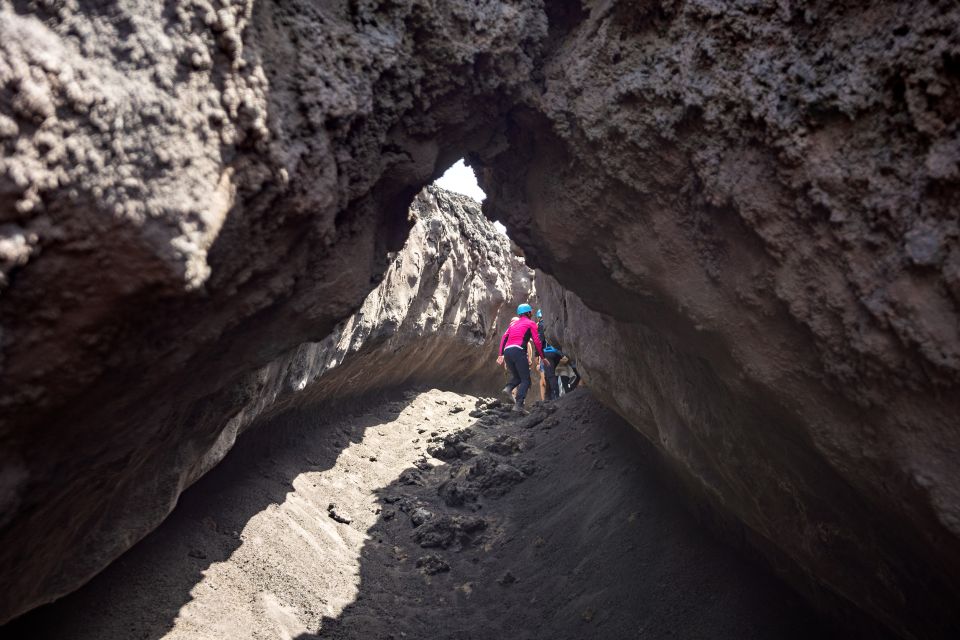
As you progress, you move through features shaped by eruptions over time. The route includes passing through a lava flow channel, and you’ll also have time to explore a lava tunnel as part of the experience.
This is a strong point for anyone who likes science without turning it into a lecture. A good guide will connect what you’re seeing with how Etna behaves: how lava moves, how eruptions carve new pathways, and how the volcano’s activity changes the ground surface under your feet.
In the group I was with (not the same day for everyone, but the pattern holds), the tone stays upbeat. Guides like Edoardo have a knack for pacing and keeping things light while still explaining the how and why of what you’re stepping on.
Summit area: reaching the highest point allowed
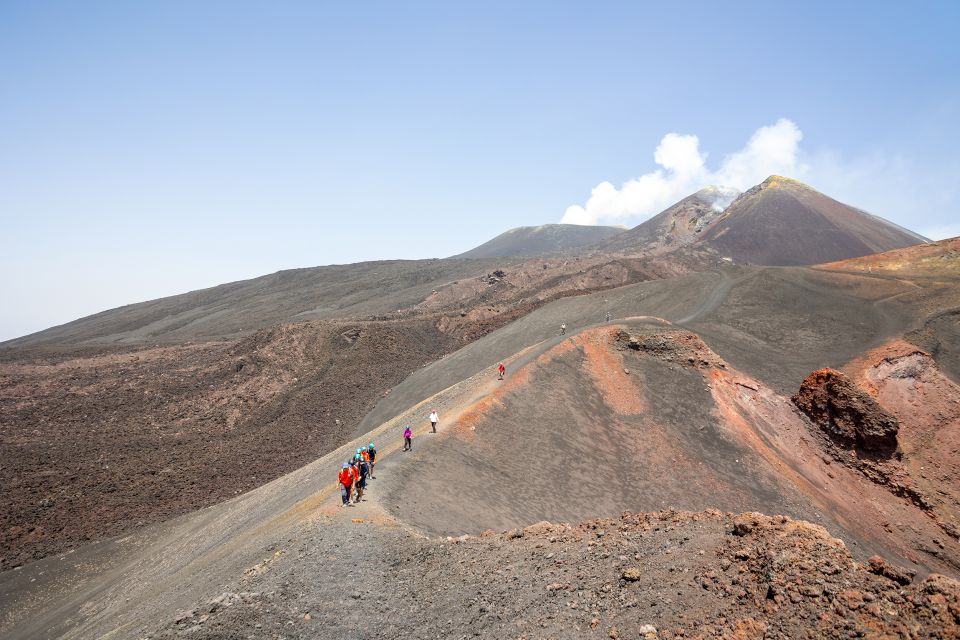
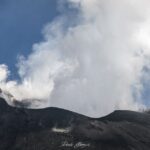
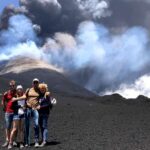
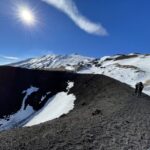
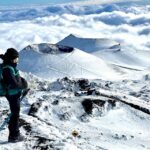
Here’s the main event: the summit area near the active craters. You’ll reach the highest permitted point based on monitoring of volcanic activity. That sentence sounds boring, but it’s actually the heart of what makes a guided summit hike work. You don’t just go to a fixed spot; you go to the spot that’s safe today.
At the summit area, you get time for photos and short looks at the craters. If the weather is favorable, visibility can be excellent. The views can stretch across eastern Sicily—reports commonly include sights from Calabria toward Taormina, and all the way to Syracuse.
Be ready for wind and temperature shifts. At altitude, a breeze that feels mild on the lower slopes can become crisp fast. Layers help. Also, keep your hat and sunglasses in a spot you can reach without untying everything.
You can also read our reviews of more hiking tours in Mount Etna
The craters and volcanic sand descent to Valle del Bove
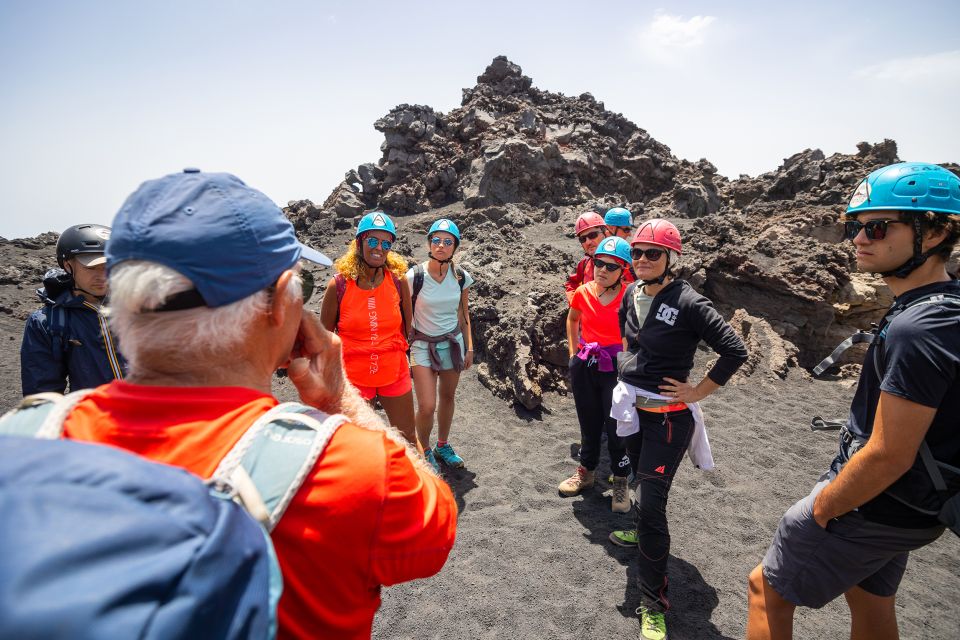
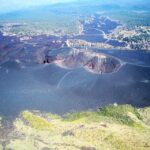
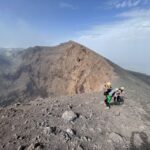
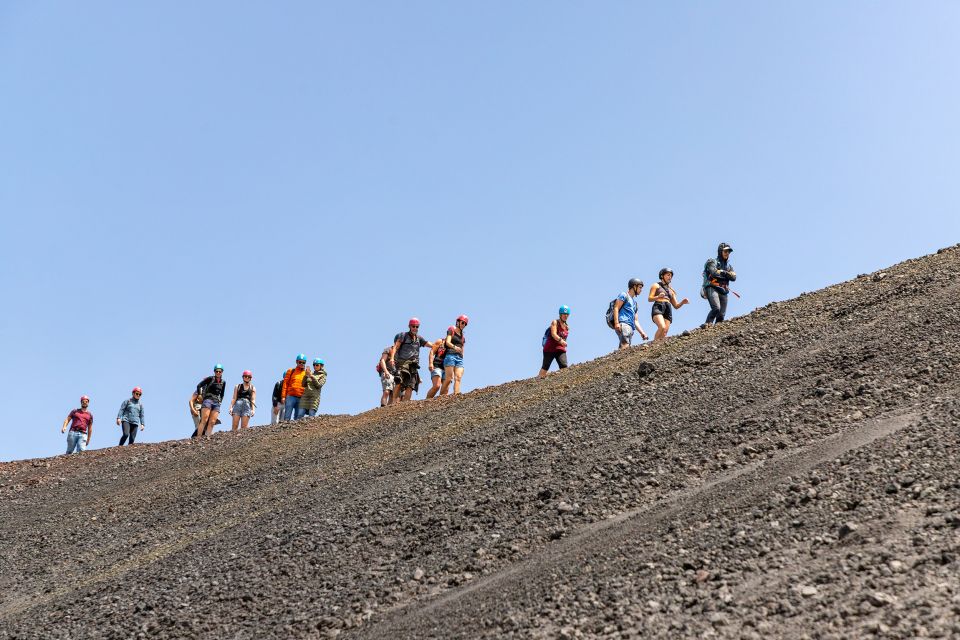
After the summit zone, you’ll walk across the craters connected to the 2002/2003 eruption, then descend over volcanic sand. This part can feel deceptively tiring because sand drains energy differently than rock.
Then you head to the Valle del Bove area. The stop here centers on the Belvedere of the Valle del Bove, described as one of the best panoramic points on Etna. Valle del Bove is a massive volcanic depression thought to date back around 9,000 years, so even if you’re not a geology nerd, it hits as something ancient and huge.
You’ll get a photo pause and some guided context. And you’ll likely notice a pattern: the closer you get to Valle del Bove, the more the day becomes about scale—distance, depth, and the shape of the volcanic world.
Return to 2,500 meters and back down
Once the Valle del Bove viewing is done, you march back toward roughly 2,500 meters and take the cable car down. This return leg matters because the guide has been managing the group all day. If you’ve paced yourself well, you’ll finish feeling “worked,” not wrecked.
The ending point brings you back to the meeting area at Bar Monte Gebel. If you added Catania pickup, you’ll be set for drop-off as well.
Price and value: what about $124.61 really buys you
At about $124.61 per person for a 5–6 hour experience, you’re paying for more than a hike. You’re getting:
- A guided trek to high altitude with a volcanic guide
- The cable car return ticket
- Helmet (mandatory) and insurance
- Hiking equipment if available, plus help if you need poles or boots depending on what’s on hand
- A small-group setup and live guiding in English, French, or Italian
If you try to do Etna yourself, you may save money on paper—but you’ll likely spend more time figuring out access, gear, and the safety-monitoring reality of changing conditions. Here, a trained guide helps you focus on the walk and the volcanic sights, while keeping you within what’s allowed.
Optional hotel pickup can be a real value add if you don’t want to time buses or taxis at altitude.
What to bring (and what to wear) for comfort and traction
This is not a fashion event. You need footwear that can handle rocky patches, loose volcanic material, and potential damp from weather.
I’d plan on:
- Comfortable shoes / sports shoes with good grip
- Weather-appropriate layers (especially for wind at the summit area)
- A daypack for water and extra layers (food and drinks aren’t included)
Helmets are provided and mandatory, so you won’t need to bring one. If equipment is available, you can often get help with things like boots and poles, which makes a difference if your ankles tire on the uneven ground.
Who this tour is best for (and who should skip it)
This is a strong choice if you want an Etna summit day with a guide who explains the volcano while you walk the ground. You’ll enjoy it most if you like:
- Hiking at altitude
- Photo stops with breathing room
- A structured route through crater zones and viewpoints
It’s not suitable for:
- Children under 6
- Pregnant women
- People with heart problems
- People with respiratory issues, including asthma
If you’re in any of those categories, it’s worth picking another Etna experience that fits your health needs. Mt. Etna is amazing, but the wrong conditions can turn amazing into miserable.
Weather, volcanic risk, and route changes: expect flexibility
Even with the best planning, Etna has rules. The tour can change its itinerary for safety due to volcanic activity or weather on the day. Sometimes the experience shifts for seismic reasons as well.
The main takeaway: treat your schedule as flexible. When weather is good, you get the full experience including the summit area and wide views. When it isn’t, you may still hike, but the route and access points can adjust—or the day may cancel in adverse conditions.
That’s not a flaw. It’s the safety system doing its job.
If you’re picky about guides, here’s what to look for
From what I’ve seen from guides operating this kind of tour, the best ones do three things well:
- They explain what you’re seeing in plain language
- They pace the group with frequent rests
- They keep safety tight without killing the fun
In this program, guides you may get (depending on the day) include people like Jaccopo, Giuseppe, Edoardo, and Emiliano. Many of them are known for a mix of humor and practical volcano talk, plus staying calm when conditions get cold, windy, or tricky underfoot. If you like a lively guide who can keep the group organized, you’re in the right place.
Should you book this Mount Etna guided summit hike?
Book it if you want a real summit-crater hike that’s guided, structured, and built around safety monitoring. The cable car + guided walk is a smart way to experience Etna without spending your vacation wrestling transport and access.
Skip it if you have asthma, heart problems, or respiratory issues. Also reconsider if you know you struggle with uneven, rocky, ash-heavy terrain at altitude.
If you’re on the fence, I’d make the decision this way: if you can handle a challenging hike and you’re excited by active volcano scenery, this is one of the most direct ways to do Etna with confidence. And if you’re the type who wants the story behind what you see, a trained guide will turn the day from a walk into a proper understanding of how Etna changes itself.
FAQ
How long is the Mount Etna guided summit hiking tour?
The total duration is about 5 to 6 hours, depending on starting times.
Where do I meet the guide?
You meet your guide at Bar Monte Gebel, on the right side of Rifugio Sapienza.
Do I need to buy cable car tickets separately?
No. The cable car return ticket is included, and you skip the ticket line.
How high do you go by cable car?
You ride the cable car up to about 2,504 meters.
What language is the live guide?
The tour is offered with a live guide in English, French, or Italian.
What’s the hike like in terms of difficulty?
It’s a proper hiking experience with uneven volcanic terrain, including areas with ash or volcanic sand. The route can include challenging footing.
Is food included?
No. Food and drinks are not included.
Is hiking equipment included?
Hiking equipment is provided based on availability, and a helmet is mandatory and included. You should bring the shoes and clothing you’ll hike in.
Is this tour suitable for children or people with health conditions?
It is not suitable for children under 6, pregnant women, or people with heart problems or respiratory issues (including asthma).