REVIEW · MARSALA
Guided tour of the Marsala Salt Pans and salt harvesting
Book on GetYourGuide →Operated by Empeeria · Bookable on GetYourGuide
You’ll taste Sicily in the air. This guided walk through the Marsala salt pans Reserve shows how sea salt is made, from the tanks and canals to the mill and hands-on harvest. It’s a working landscape that helps you understand local identity through a simple, practical product.
I love the up-close view of the salt world: tanks, small canals, windmills, and piles of salt laid out in a system that actually makes sense. I also like the Infersa Mill multimedia stop, where you learn how sea salt production works, plus the practical lessons on how salt gets used in cooking and even cosmetics.
One possible drawback: it’s mostly outdoors, so you’ll want sturdy shoes and you may face schedule changes if weather turns.
In This Review
- Key highlights you’ll notice right away
- Entering the Marsala salt pans: a working system, not just a view
- Infersa Mill: the multimedia start that makes the rest click
- Walking the nature trail in the Stagnone reserve
- Joining the salt harvest: the sensory part is the point
- Whole salt vs fior di sale: the differences you can actually use
- Cooking and cosmetics: why the lesson goes beyond the kitchen
- Price and value of the 1-hour Marsala salt pans tour
- What to wear, what to bring, and how to time your day
- Who this tour is best for (and who should skip it)
- Should you book the Marsala Salt Pans and salt harvesting tour?
- FAQ
- FAQ
- Where is the meeting point for the Marsala salt pans tour?
- How long is the tour?
- How much does the tour cost?
- What’s included in the tour?
- Are food and drinks included?
- What should I wear or bring?
- What languages are available?
- Can the tour change due to weather?
- Is there free cancellation?
- Does it offer reserve now, pay later?
Key highlights you’ll notice right away
- Infersa Mill multimedia path explains sea salt production in an easy, visual way
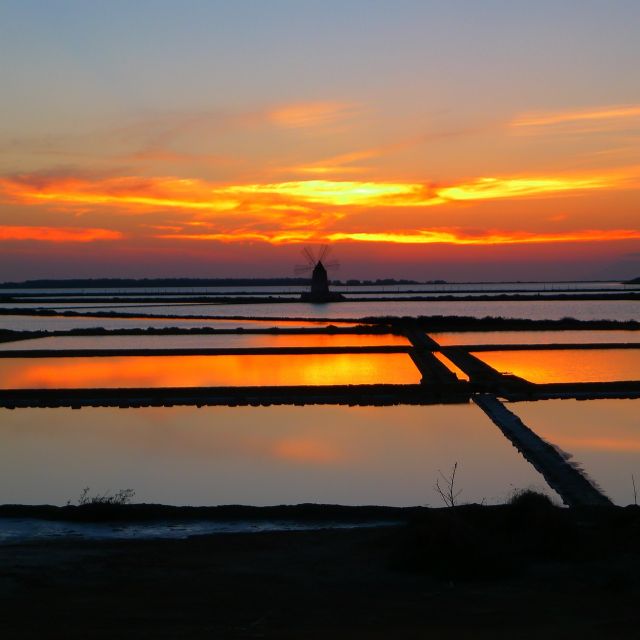
- A real working reserve with tanks, canals, windmills, and salt piles, not just a photo stop
- Hands-on salt harvest so you’re doing more than watching
- Whole salt and fior di sale shown inside the mill, including hand-picked and flavored varieties
- Salt beyond cooking: you’ll connect what you see to skincare and moisturizing uses
- Boots provided, and you’re asked for your shoe size so the fit is right
Entering the Marsala salt pans: a working system, not just a view
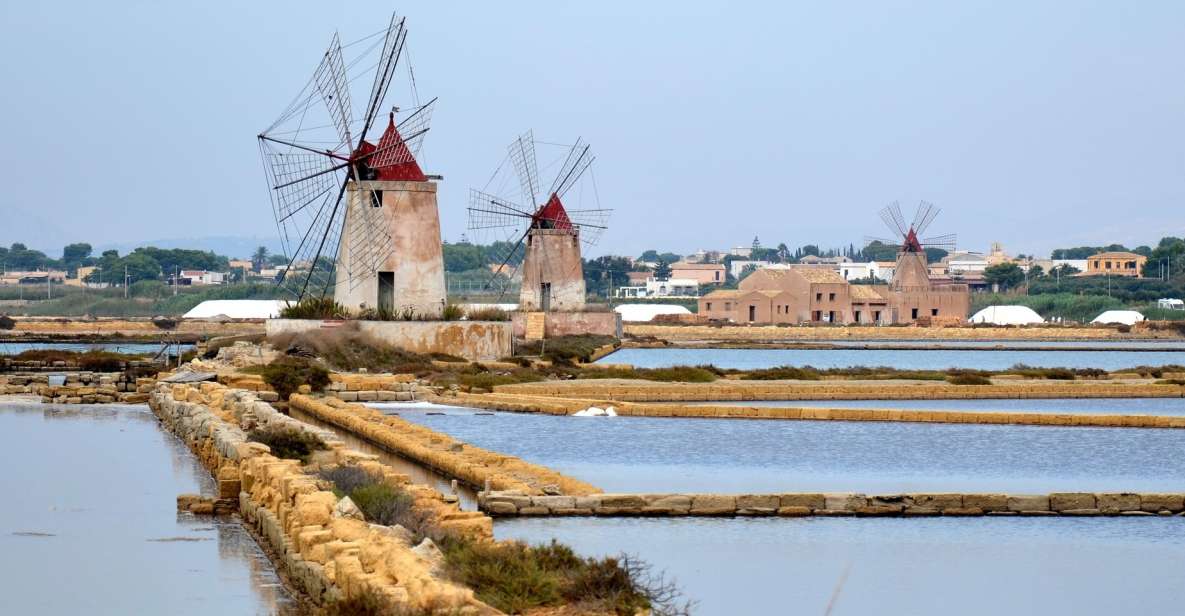
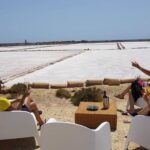
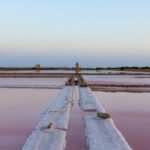
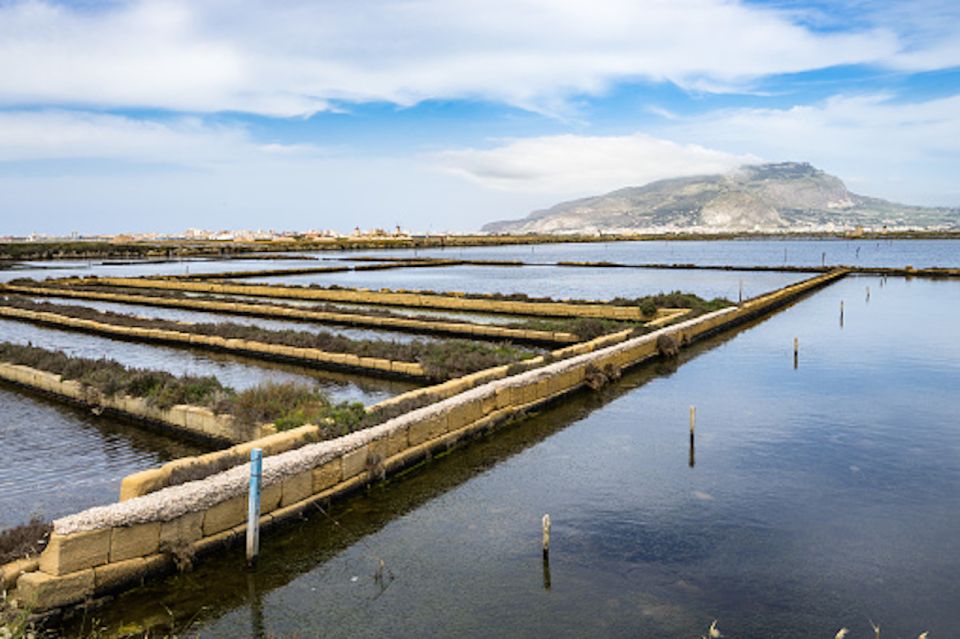
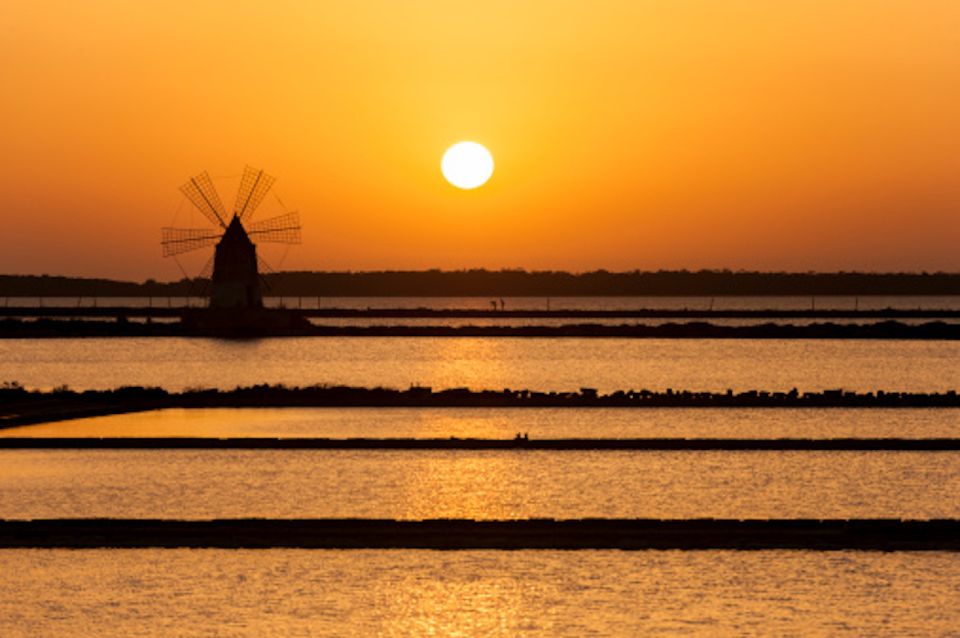
The Nature Reserve of the Stagnone Islands of Marsala feels special because salt isn’t a souvenir concept here. It’s a real process, repeated season after season, using the sun, sea water, and a network of tanks and channels. Even if you know almost nothing about salt production, you’ll see how the landscape is organized to control water, time, and crystallization.
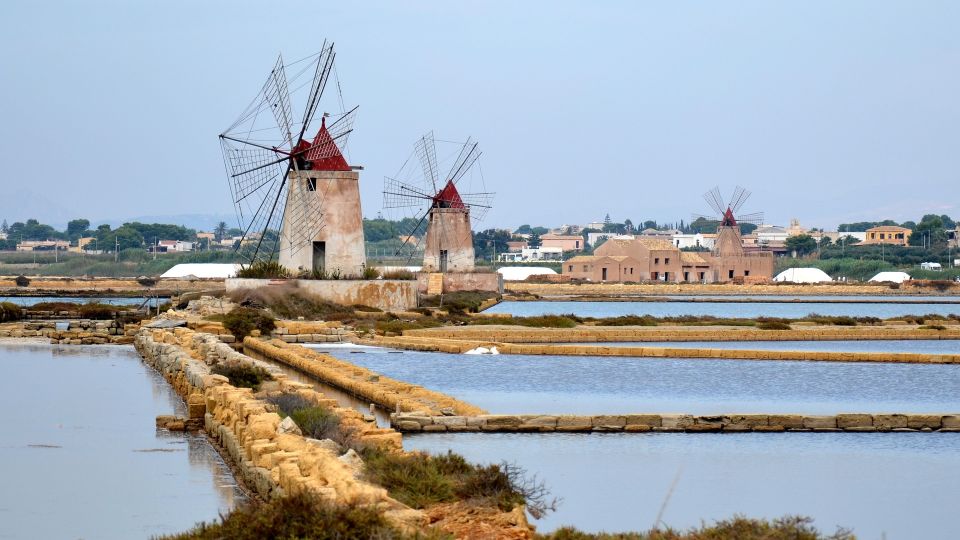
What I like as a traveler is that this is not a museum lesson. You’re guided through a place where the work is visible. You’ll spot the tanks and small canals that help move and manage sea water, plus the windmills that signal how power and airflow matter in this process. It gives you a quick reality check: sometimes the most “Sicily” experience isn’t food tasting first—it’s seeing how locals make the ingredients that show up everywhere else.
You’ll also learn that these salt pans date back to the 1500s (the 500s). That timeframe matters because it explains why this isn’t a recent tourist decoration. It’s part of how Marsala has historically processed an important resource.
You can also read our reviews of more guided tours in Marsala
Infersa Mill: the multimedia start that makes the rest click
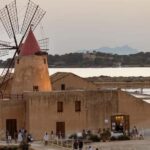
Tours usually either start with a nice walk or a lecture. This one starts with context. The meeting point is inside Infersa Mill, and that’s your first clue that the mill isn’t just a backdrop—it’s where the story becomes clear.
Once you’re in, you’ll follow a multimedia path designed to show the ancient and precious art of sea salt production. The goal is simple: help you connect what you’re about to see outdoors (tanks, channels, windmills, salt piles) with what’s happening behind the scenes. If you’ve ever stared at a complex-looking place and wondered how anyone figures it out, that’s exactly what this part fixes.
Inside the mill you’ll also learn about different types of salt, including:
- Whole salt, described as strictly hand-picked
- Fior di sale, described as purely flavored
Even without getting too technical, you’ll come away understanding that salt isn’t one thing. Texture, selection, and treatment can change what you use it for—and how it behaves in cooking. You’ll also get a taste of the broader “salt economy” here, where production feeds both the kitchen and the beauty counter.
Walking the nature trail in the Stagnone reserve
After the mill, you continue along a nature trail in the Stagnone Islands reserve. This is the part where your brain stops thinking in steps and starts thinking in patterns.
You’ll look at the composition of tanks, canals, windmills, and the piles of salt that accumulate as part of the process. The guide’s role here is key: the environment can look like an industrial yard from a distance, but up close it’s a system built for separation and crystallization. Your guide helps you read it like a map.
A good sign that this tour is well done is that it doesn’t just point. You’ll be guided through what each element is for and why it’s arranged that way. That turns “cool scenery” into understanding you can actually reuse later when you shop, cook, or talk about the region.
Also, because this is a reserve setting, you’ll be outdoors for much of the experience. That means wind and damp ground can happen. You’ll have boots provided, but you’ll still want to dress for the conditions you expect in western Sicily.
Joining the salt harvest: the sensory part is the point
The highlight for many people is not watching. It’s doing. This is where the tour shifts from sightseeing to participation: you can join the salt harvest with your guide.
This matters because salt harvesting isn’t glamorous work in movies. It’s physical, precise, and tied to timing—when the salt is ready to be collected. Even when your role is guided and short, you’ll get a feel for why locals have depended on this seasonal rhythm for generations.
It’s also a sensory experience. Salt is visually obvious—white piles and crystals—but the real experience is in how the place feels: the air around salt pans, the ground underfoot, and the way the process changes what you see. The tour is designed so you don’t just learn about production. You connect learning to contact.
From the practical side, you’ll want to pay attention to your guide’s instructions. Harvesting involves careful handling, and you’ll get the best experience when you follow along rather than rushing. This is the moment where a guide who explains as they work makes the tour feel smooth and fun.
Whole salt vs fior di sale: the differences you can actually use
One of the more useful parts of this tour is that it doesn’t treat salt as a single product. Inside the mill you’ll learn about whole salt and fior di sale, two varieties that show how processing and selection affect what ends up in your kitchen.
- Whole salt is described as strictly hand-picked.
- Fior di sale is described as purely flavored.
That may sound like shop talk until you think about how you cook. Whole salt is often connected with a more natural, grainy character and a style of seasoning where texture matters. Fior di sale, described as flavored, points you toward salt used as a finish—something to add after cooking so aroma and flavor show up clearly.
Even if you don’t become a salt nerd overnight, you’ll understand why it’s silly to buy one generic salt and call it a day. You’ll know that what you choose depends on what you’re trying to do: season evenly, add crunch, or bring a more specific flavor profile.
And you’ll likely leave with stronger opinions about what to buy back home. That’s a small thing, but it’s also practical value. Buying better salt once can be cheaper than wasting money on the wrong “specialty” item.


Cooking and cosmetics: why the lesson goes beyond the kitchen
Salt is famous as a cooking tool, but the tour expands that idea. You’ll learn how salt is used in the field of cooking—and also why it appears in cosmetics.
The key concept explained during the tour is that salt has moisturizing power. That’s the bridge between sea salt production and skincare products aimed at the well-being of the skin.
You don’t need to be a beauty expert to appreciate why this lesson is smart. It shows that salt isn’t just a flavor ingredient. It’s also a functional substance, with uses that make sense in a world where people have long noticed how natural materials affect the body and routine care.
So if you’re the kind of traveler who enjoys “connect-the-dots” experiences—seeing how one local industry feeds multiple everyday uses—this part lands well. It also makes the visit feel more complete. You’re not only learning what people did in the past. You’re learning how salt still matters in modern life.
Price and value of the 1-hour Marsala salt pans tour
At $41 per person for a 1-hour guided experience, the big question is value: are you paying for a walk, or for insight?
Here, you’re paying for several things bundled together:
- A guided visit at Infersa Mill
- Boots provided (and the process of fitting them starts with your shoe size)
- A guided walk through the reserve
- The chance to join the salt harvest
- Education on salt types and uses in both cooking and cosmetics
For a time-limited tour, this is the kind of package that feels worth it because it combines production context (mill + multimedia) with hands-on participation (harvest). Many short tours either focus on scenery only or stop after a short explanation. This one tries to give you both, and the time is just long enough that you don’t lose momentum.
It also helps that this is a practical experience rather than a scripted photo session. With 4.7-star average rating from 60 reviews, it’s clearly popular, but more importantly: the structure matches what most people say they want from this kind of stop—understanding and participation.
What to wear, what to bring, and how to time your day
Because you’re walking outdoors and joining in harvesting, the basics matter.
You’re told to provide your shoe size at booking so you get the correct footwear. Even though boots are included, you still want to share accurate sizing to avoid an awkward fit. If you have sensitive feet or blisters easily, double-check that your socks are comfortable and thick enough.
For clothing, wear layers you can adjust. Wind can matter around salt pans, and working outdoors can get chilly even when the day feels warm. You don’t need fancy gear, but you do need solid traction and comfort.
Bring small extras that aren’t included. Food and drinks are not part of the tour, so if you tend to get hungry or thirsty quickly, plan accordingly. A bottle of water is a simple move.
Finally, keep your expectations aligned with the duration: it’s about 1 hour. That’s a plus if you want an efficient, meaningful stop between longer activities in Marsala or western Sicily. It’s less ideal if you want a long, slow day soaking in every corner without any pace.
Who this tour is best for (and who should skip it)
This experience suits you if:
- You like hands-on activities more than passive sightseeing
- You enjoy food-related travel that connects to production, not just tasting
- You want a short stop that still teaches something real
- You’re curious about how local industries shape everyday products, from kitchen to skincare
You might skip it if:
- You dislike being outdoors for a working-environment walk
- You want a longer deep dive with lots of time for wandering on your own (this is 1 hour)
- You have issues with walking on natural, possibly uneven ground, even with provided boots
And if weather is questionable, stay flexible. Adverse conditions can lead to changes or modifications to your reservation.
Should you book the Marsala Salt Pans and salt harvesting tour?
Yes—if you want a real working Sicilian experience in a tight time window. The best reason to book is the combination: Infersa Mill + multimedia education followed by a guided walk through the tanks, canals, windmills, and salt piles, ending with the chance to join the harvest. That mix turns salt pans from “interesting scenery” into something you’ll actually remember—and talk about.
If you’re coming to Marsala and want more than just wine and views, this is a smart add-on. It’s practical, sensory, and teaches you what to look for when you buy salt later.
FAQ
FAQ
Where is the meeting point for the Marsala salt pans tour?
The guide will be waiting inside Infersa Mill.
How long is the tour?
The duration is 1 hour.
How much does the tour cost?
The price is $41 per person.
What’s included in the tour?
Included are the Infersa Mill visit, boots, and a guide.
Are food and drinks included?
No. Food and drinks are not included.
What should I wear or bring?
Boots are provided, but you should provide your shoe size at booking so the footwear fits correctly.
What languages are available?
The host or guide offers Italian and English.
Can the tour change due to weather?
Yes. In case of adverse weather conditions, the reservation may be subject to changes or modifications.
Is there free cancellation?
Yes. You can cancel up to 24 hours in advance for a full refund.
Does it offer reserve now, pay later?
Yes. There’s a reserve now & pay later option, where you can book and pay nothing today.