REVIEW · CATANIA
Mount Etna: Hike to the top 3400mt from the North Side
Book on GetYourGuide →Operated by Ashàra Etna & Stromboli Guides · Bookable on GetYourGuide
Etna feels like it’s breathing. You’ll hike to the active summit crater rim near 3,400 metres from the Etna North side, with a certified volcanological and mountain guide. I love how the day mixes hands-on crater walking with real explanations of how the volcano works, not just sightseeing.
What I really liked is the focus on the summit zone itself: you’ll walk along the rim, face the Northeast Crater, and look toward the Southeast Crater while gas emissions and volcanic bombs sit around you. One thing to keep in mind: the route on Etna can change if conditions get too risky, so a north-side plan may shift based on safety.
In This Review
- Key takeaways before you go
- Etna North to the 3,400 m crater rim: what this hike is really like
- The 5-hour rhythm: jeep up, hike to the rim, then a panoramic descent
- Stop-by-stop: crater rim time and the views you’ll remember
- Cratere Centrale dell’Etna: learning while you’re on the rim
- Piano delle Concazze: the walking segment that feels almost otherworldly
- The descent: panoramic, but it’s still volcanic terrain
- The guide factor: why volcanology lessons make the hike worth it
- Safety and weather: when the north route changes (and why that’s normal)
- Gear you get (and what you must bring yourself)
- What to bring for comfort and safety
- What you should not bring
- Price and value: $67.97 plus the 4×4 cash ticket
- Who this hike suits best (and who should skip it)
- Booking tips that help you have a smoother Etna day
- Should you book the North Etna hike to near 3,400 m?
- FAQ
- Where does the tour start?
- How long is the hike?
- Do I need to pay extra for the 4×4 vehicle?
- What’s included in the price?
- Is food and water included?
- What language is the guide?
- What should I bring with me?
- What footwear is allowed?
- Is it suitable for children or people with health issues?
- Can the route change during the day?
Key takeaways before you go
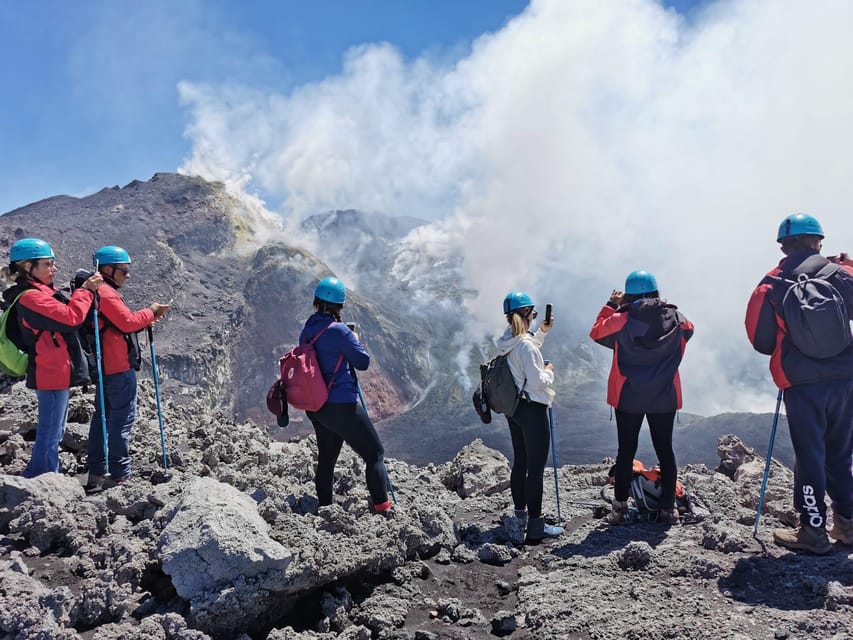
- Certified volcanological + mountain guidance: you learn what you’re seeing while you move through it.
- Active summit crater rim near 3,320 m: real altitude, real exposure to crater terrain.
- Northeast and Southeast Crater views: you get the drama in a focused, guided way.
- Jeep into the safe climb zone: you start from Piano Provenzana and use 4×4 where it matters.
- Provided gear that actually helps: boots, trekking poles, and helmets are included.
- Modestly trained hikers only: sandy and uneven ground means you shouldn’t expect an easy stroll.
Etna North to the 3,400 m crater rim: what this hike is really like
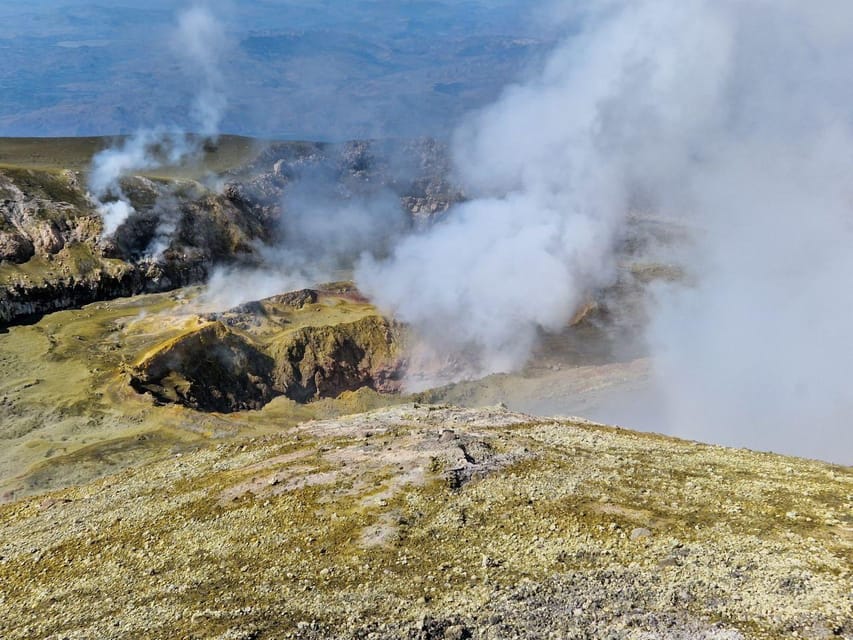
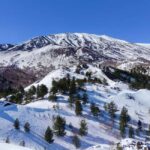
This is one of those Etna experiences where you stop thinking about travel and start thinking about terrain. From the North side near Linguaglossa, you’ll begin at around 1,800 m (Piano Provenzana) and end up at the active summit crater zone. The goal is not a leisurely walk. You’re there to reach the rim, get close to the active environment, and understand what’s driving all that heat, gas, and color on the ground.
I like that the tour is built for the realities of Etna. You don’t just “arrive and hope.” You start with 4×4 access to the slope that currently allows a safer climb, then you switch into hiking mode for the steep, crater-edge part. That structure matters because it lets you spend your energy where it counts: on the rim views and the volcanic features.
You’ll also notice how the guide’s role goes beyond pointing. You’re learning the evolution and history of Etna while you’re standing in the place where that story is ongoing. And because the guide handles timing and pacing, you’re not guessing what’s coming next.
You can also read our reviews of more hiking tours in Catania
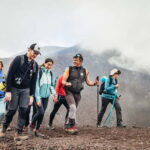

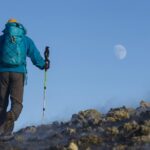
The 5-hour rhythm: jeep up, hike to the rim, then a panoramic descent
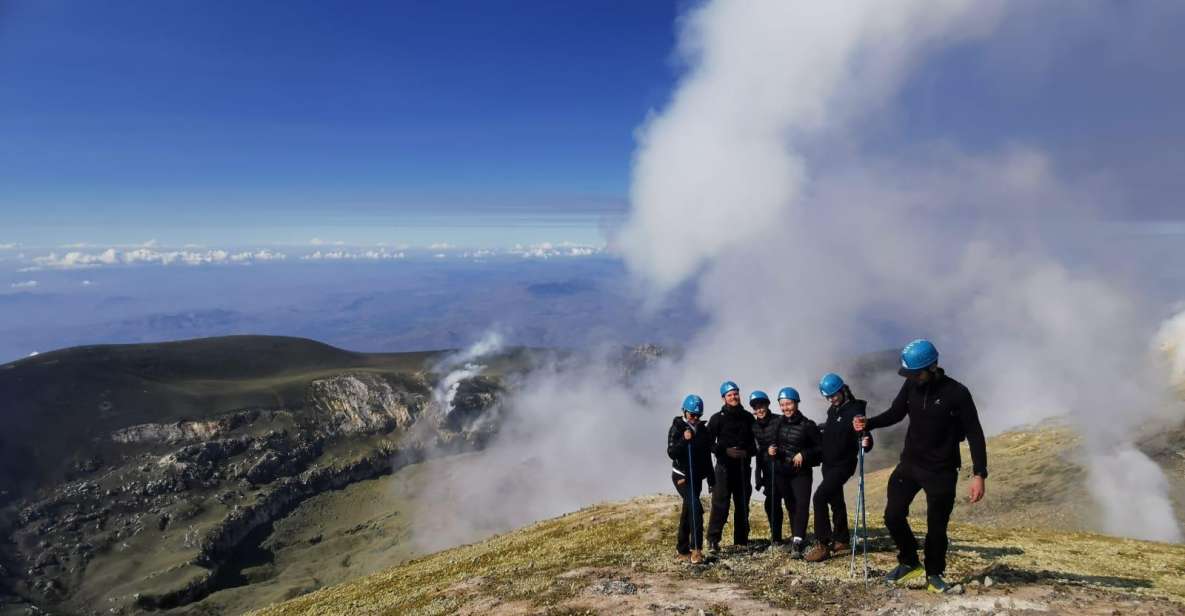
The day is about 5 hours total, with the core hiking happening at the top. A big part of the value is the pacing. You’re not hiking for five hours straight; you’re hiking enough to feel it, then using breaks and viewpoints strategically.
Here’s the flow, in plain terms:
1) Meet at Piano Provenzana (Etna Nord), North of Linguaglossa
The meeting point is at the Ashàra info point, in front of Chiosco Bar Mareneve at Piano Provenzana. The tour ends back at the same spot, which keeps logistics simple.
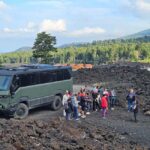
2) 4×4/SUV transport for about 25 minutes
This gets you closer to the working climbing area near 2825 m. It’s not just convenience. It’s what makes the summit approach feasible under the safety conditions of the day.
3) Crater Centrale dell’Etna and guided crater walking (about 2 hours)
This is where you get the rim experience and the learning: photos, guidance, and the core hike segment.
4) Piano delle Concazze guided hiking (about 2 hours)
This is your second big walking stretch. Think of it as your time in the volcanic zone, moving through the terrain around the crater area.
5) Return transport (about 25 minutes) back to Piano Provenzana
Once you finish the descent, you go right back to the starting point.
Between those segments, you’ll have pleasant breaks where the guide explains what you’re seeing—formation, evolution, and the peculiar features of the active summit environment.
Stop-by-stop: crater rim time and the views you’ll remember
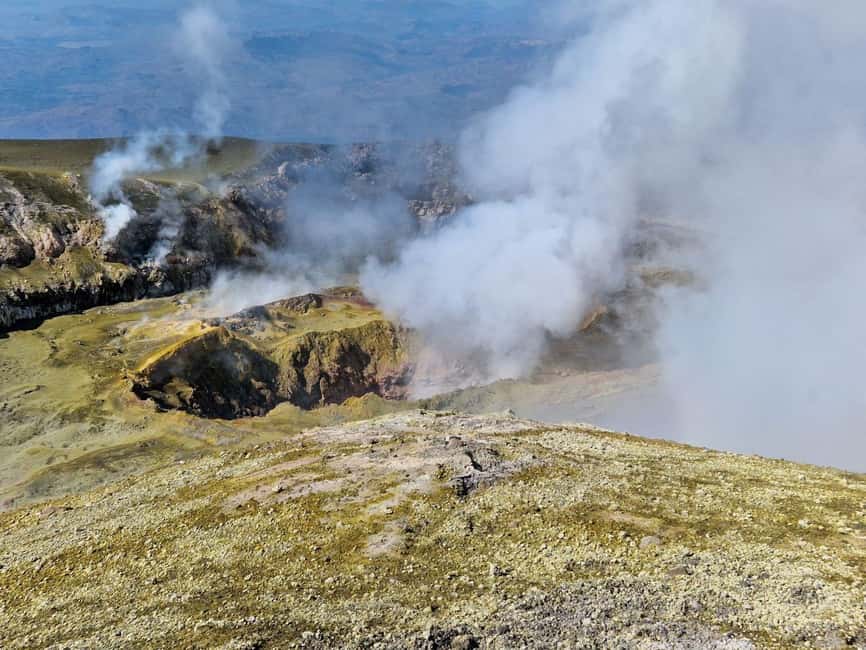
The tour is designed around specific summit viewpoints, so each stop has a clear purpose.
Cratere Centrale dell’Etna: learning while you’re on the rim
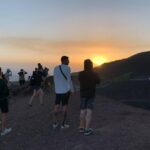
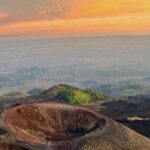
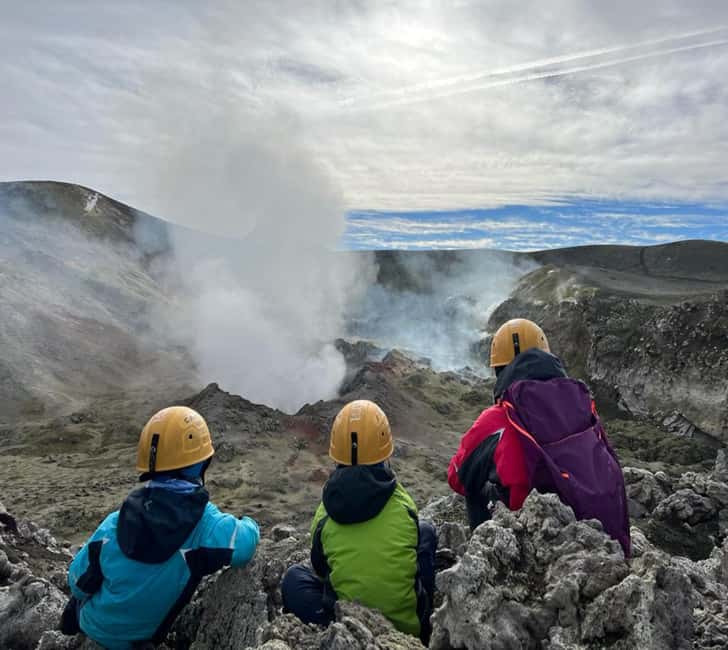
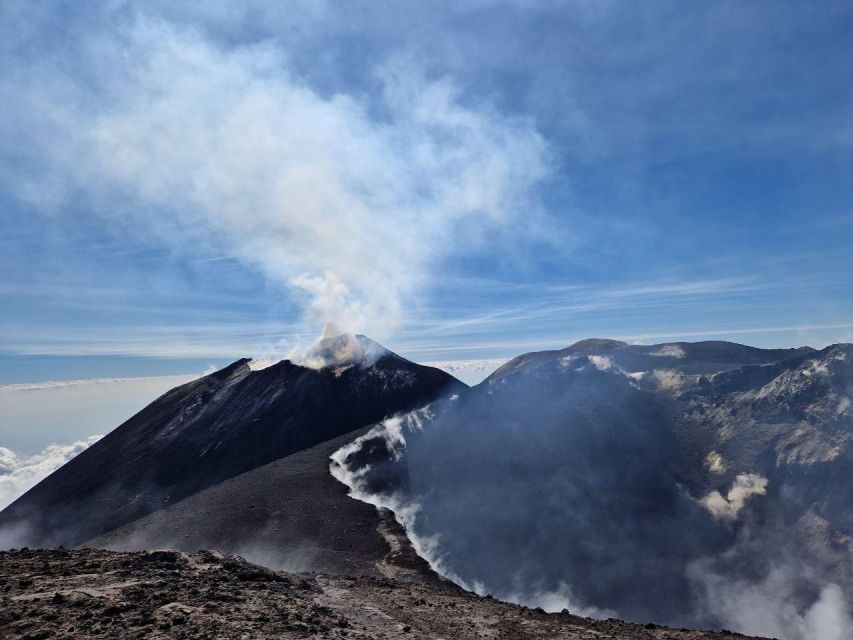
At the Central Crater you’ll do more than look up. The plan is to walk on the edge of the crater rim and face the vertigo-inducing Northeast Crater. Even if you’re not the kind of person who gets nervous easily, crater edges have a way of reminding you that this is an active volcano.
What I find most useful here is the way the guide connects the view to the science. You’ll hear about the volcano’s history and how it evolves—then you’re standing right where the activity has shaped the terrain.
You’ll also get your side-by-side look at the Southeast Crater, described here as the source of the most recent and impressive eruptions. The guide ties that context to what you’re seeing in the ground and around the summit zone.
Piano delle Concazze: the walking segment that feels almost otherworldly
When you reach Piano delle Concazze (starting your ascent from around 2825 m), the hike shifts from “getting to the view” to “being inside the volcanic setting.” This is where the terrain becomes unmistakably Etna: fine volcanic ash, slag, and ground colors that look like they’ve been stirred by heat.
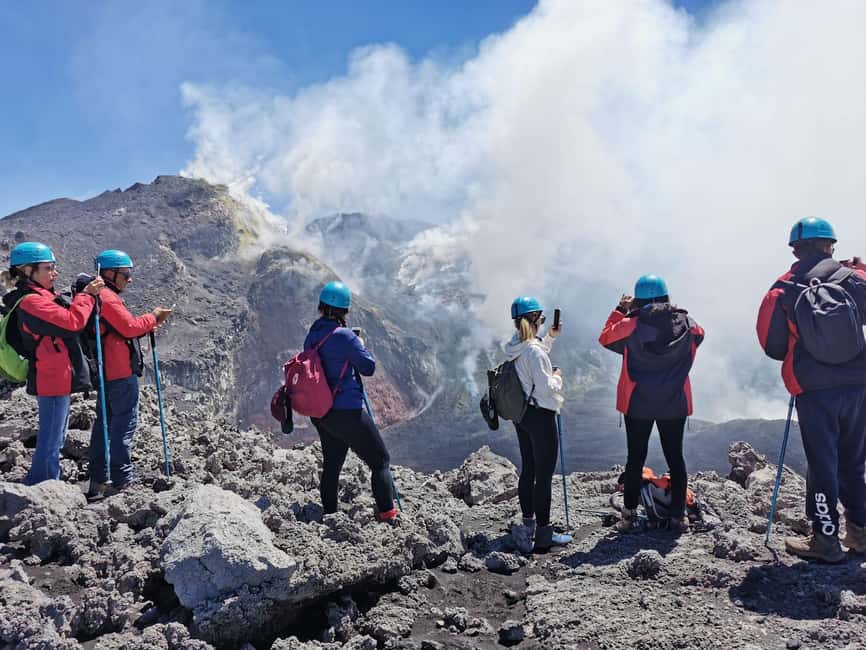
This is also where you’ll get the visual pay-off for the guide’s explanations. The tour highlights gas emissions, volcanic bombs, and sparkling ground colors created by sublimation of elements, including sulfur. You don’t have to be a chemist to get what that means visually: the ground can look speckled and bright in places, and the air can feel active in a way that feels different from normal mountains.
The descent: panoramic, but it’s still volcanic terrain
After your top visit, the descent follows paths that include fine volcanic ash and slag. That doesn’t mean the tour is a slippery disaster—but it does mean you should expect uneven footing and a steady need for careful steps. The good news is that the descent is described as panoramic, so you’ll be looking outward while also focusing on your footing.
This is a good time to slow down and let your legs recover. If you go too fast here, the ash and rubble can punish you.
The guide factor: why volcanology lessons make the hike worth it
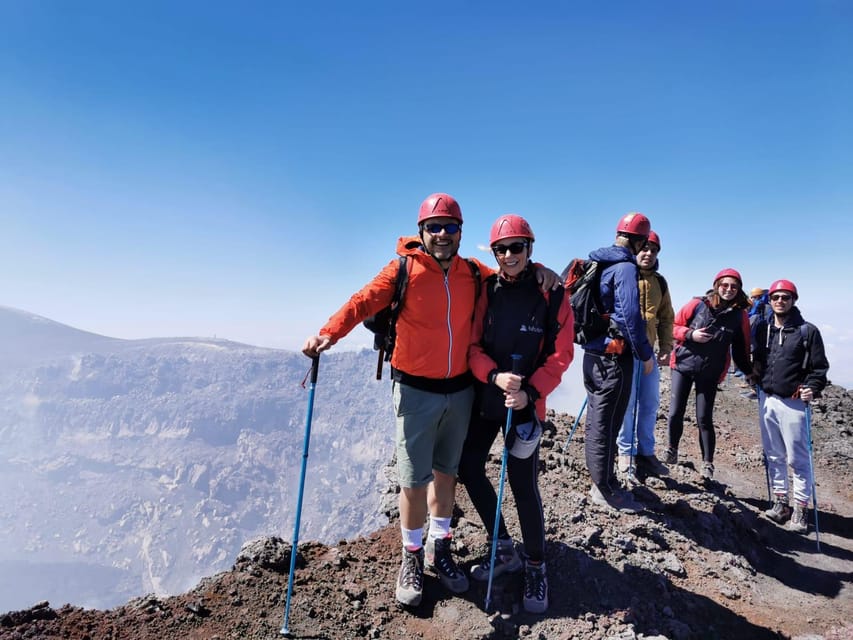
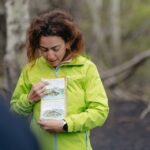
You’re not just renting gear and walking uphill. You’re going with certified volcanological and mountain guides, and the guide is central to the experience.
One clue to look for in a great day is whether the guide is genuinely enthusiastic about the volcano. In this tour, that’s part of the package: expect lots of explanation, not just rules and safety talk. I also like that the guide teaches why certain areas look the way they do, which makes the “wow” moments feel grounded.
Also, the company lists languages as Italian, English, and French, so you can usually match your comfort level. And in a place like Etna, clarity matters. You’ll want to understand safety instructions quickly.
Safety and weather: when the north route changes (and why that’s normal)
Etna runs on its own timetable. Even with a planned north-side climb, you need to treat the day as conditional. The tour explicitly notes that the excursion may undergo variations due to weather, environmental factors, or possible volcanic risks, and the guide can stop the excursion if safety or physical integrity requires it.
This is not a bad sign. It’s how you keep a crater hike from becoming a gamble. If conditions get too active for the north approach, it may shift to a different side or different route that’s safer at that moment.
So here’s my practical advice: book this as an experience you’re excited about, but also as something that might not go exactly like the description. If you can handle that mindset, you’ll get more enjoyment out of the day instead of feeling frustrated by the mountain doing what mountains do.
Gear you get (and what you must bring yourself)
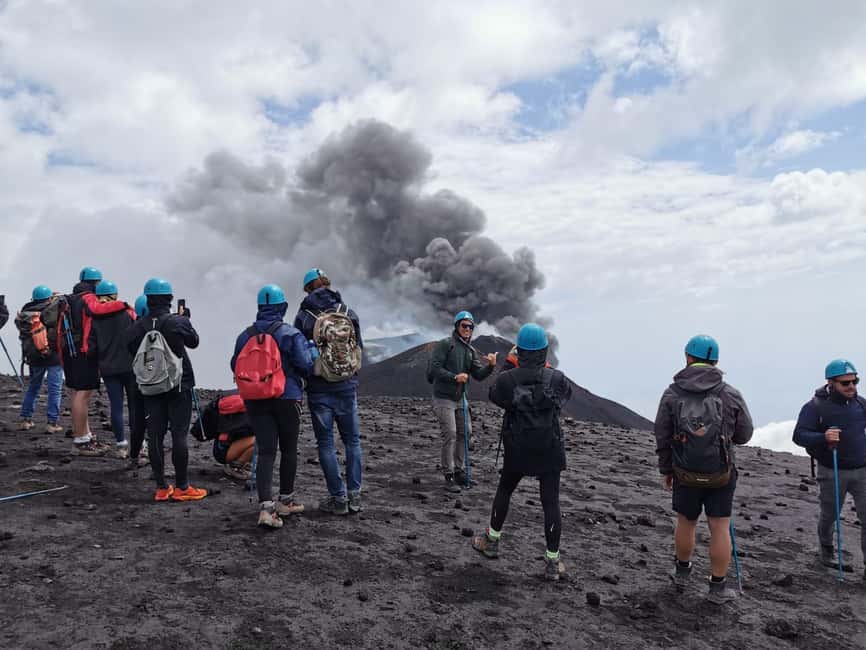
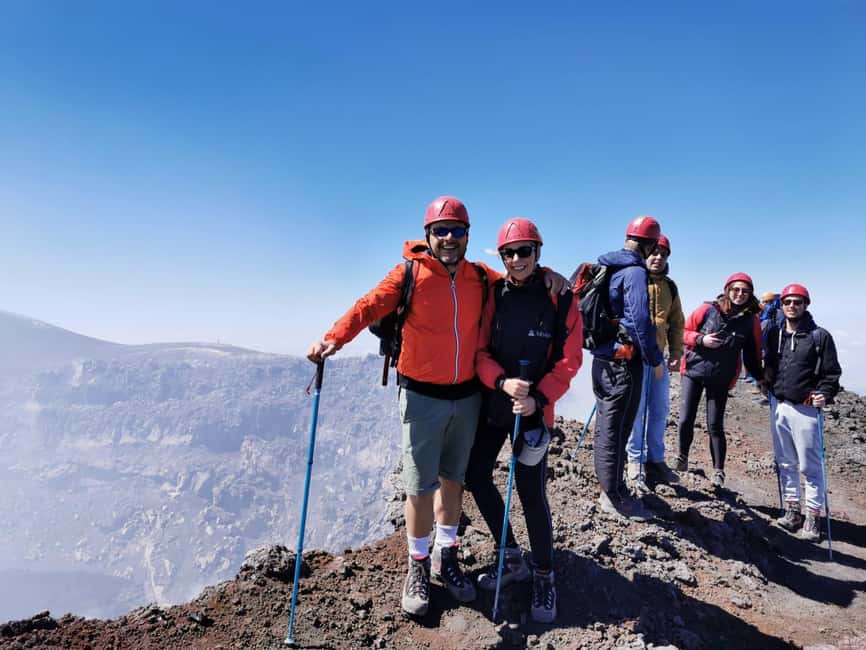
The tour includes key hiking support: trekking poles, helmets, and hiking boots are provided. That’s a big value win, because good footwear matters on uneven, volcanic ground. You also won’t have to manage a helmet rental.
Your job is to show up prepared for harsh summit wind and sun.
What to bring for comfort and safety
Plan for temperature changes and hard light. Bring:
- Windbreaker
- Sunglasses
- Hat
- Jacket and T-shirt
- Long pants, socks, a daypack
- Sunscreen
- Food and drinks (not included)
In other words, you’re going from cool mountain air into brighter, higher-exposure conditions. Even if Sicily is warm, Etna’s altitude can make you want layers.
What you should not bring
- No open-toed shoes
- No large luggage or big bags
- No baby strollers
- No baby carriages
And because it’s crater-edge walking, the tour isn’t designed for bulky comfort items.
Price and value: $67.97 plus the 4×4 cash ticket
The listed price shows $67.97 per person, and the tour duration is 5 hours. But there’s an extra cost you need to budget for: the 4×4 tickets are not included, and they’re 60€ per person, paid in cash on the spot.
So your real planning budget is the base fee plus the cash jeep cost. When you compare that to what you’re actually getting—certified guide, insurance, and included hiking support—this is not a “cheap” hike. It’s more like paying for safe access into the active summit zone.
What makes it feel fair is that the day is doing multiple jobs:
- getting you from Piano Provenzana up into the usable starting area,
- guiding you through the rim walk and crater terrain,
- providing poles, helmet, and boots so you’re not scrambling for gear.
If you already have decent boots and poles, you still benefit from the helmet and from not dealing with rentals. And because this is an active volcano, your guide time is the expensive part done correctly.
Who this hike suits best (and who should skip it)
This is aimed at moderately trained hikers who are comfortable with sandy or uneven terrain. You should expect work in your legs and careful steps.
It’s also explicitly not suitable for:
- Children under 9
- Pregnant women
- People with heart problems
- People with epilepsy
- People with high blood pressure
- People with recent surgeries
If any of those apply, don’t try to “push through.” The guide has the right to change plans for safety, and altitude plus crater terrain is not the place to test limits.
If you’re healthy, fit enough for moderate uneven hiking, and you want the kind of Etna experience where you actually stand near the craters, this is a strong match—especially if you like science explanations and want your trip to feel grounded rather than vague.
Booking tips that help you have a smoother Etna day
Here are the practical things that make the biggest difference before you go.
- Bring real summit weather gear: windbreaker and a warm layer can be the difference between enjoying the rim walk and rushing through it.
- Eat and drink before you start: food and drinks are not included.
- Wear proper closed hiking footwear: the ground is volcanic, and you want stability.
- Expect route adjustments: safety and volcanic activity can change plans.
- Go with the guide’s pacing: crater edges need attention. Fast steps plus ash equals fatigue.
And a small note from what I think about guides in places like Etna: the best days feel guided, not managed. The guides here are presented as enthusiastic and competent, and one guide name you might hear during the day is Gino.
Should you book the North Etna hike to near 3,400 m?
Book it if you want an active summit crater experience with a certified guide and you’re comfortable hiking on sandy, uneven volcanic ground. The combination of crater-edge walking and volcanology explanations is exactly what makes Etna worth the effort.
Skip it or choose another option if you’re looking for an easy walk, you need accessible terrain, or any of the health restrictions apply. Also consider that volcanic conditions can lead to route changes, so plan to stay flexible and treat the guide’s decisions as the point—not an inconvenience.
If you’re the type of traveler who likes real mountain work plus real science talk, this is one of the better ways to do Etna from the north side.
FAQ
Where does the tour start?
It starts at the meeting point at Ashàra info point in front of Chiosco Bar Mareneve – Piano Provenzana (Etna Nord), Linguaglossa.
How long is the hike?
The experience is listed as 5 hours. Starting times depend on availability.
Do I need to pay extra for the 4×4 vehicle?
Yes. The 4×4 tickets are not included and cost 60€ per person, paid in cash on the spot.
What’s included in the price?
Included are a volcanological or mountain guide, insurance, trekking poles, helmets, and hiking boots.
Is food and water included?
No. Food and drinks are not included, so you should bring them.
What language is the guide?
The live tour guide is available in Italian, English, and French.
What should I bring with me?
Bring a windbreaker, sunglasses, hat, sunscreen, jacket, long pants, socks, daypack, and food and drinks.
What footwear is allowed?
You need open-toed shoes are not allowed. You should wear proper hiking boots (boots are provided, and proper equipment is recommended).
Is it suitable for children or people with health issues?
It’s not suitable for children under 9. It’s also listed as not suitable for pregnancy, heart problems, epilepsy, high blood pressure, and recent surgeries.
Can the route change during the day?
Yes. The tour notes that it may vary due to weather, environmental factors, or possible volcanic risks, and the guide can modify or stop the excursion for safety.