REVIEW · PALERMO
Napoli tour: alla scoperta del centro storico
Book on GetYourGuide →Operated by Palermo a Piedi - Walking Tour · Bookable on GetYourGuide
Napoli turns spooky and sacred fast. In 3 hours, you’ll weave through legends and big church stops, including Spaccanapoli and the Duomo of San Gennaro. I like the mix of famous sights and off-the-map stories, but one real drawback is that the tour is Italian only, so you’ll want at least solid listening skills.
You start at Piazza Borsa (Piazza Bovio) and walk straight into the historic center, a UNESCO area where the past is still in the street stones. Expect a story-led route that treats Naples like a living character, not a museum checklist. And yes, you’ll hear some of the darker, myth-shaped bits that make the city feel like it has a second life.
In This Review
- Key things you’ll actually get from this tour
- Starting at Palazzo della Borsa: pace, headsets, and how the walk works
- Dracula’s tomb rumor and Caravaggio’s alley story
- Pino Daniele’s childhood area: when music becomes geography
- Spaccanapoli and the Santa Chiara and Gesù Nuovo stops
- Piazza Bellini: Greek walls meet the modern Naples scene
- San Domenico Maggiore and the Sansevero Chapel moment
- San Gregorio Armeno and the street-level sacred
- San Paolo Maggiore and repurposed power: Temple ruins in plain sight
- Via Duomo and the Duomo di Napoli: San Gennaro’s Royal Chapel
- Coffee and sfogliatella finish: what to do next in Naples
- Value and who this tour is best for
- Should you book Napoli tour: alla scoperta del centro storico?
- FAQ
- Is the Napoli tour in English?
- How long is the tour?
- Where do I meet the guide?
- What’s included in the tour?
- Are museum tickets included?
- Is food included?
- What if the weather is bad?
- Can I cancel for a full refund?
- Can I book now and pay later?
Key things you’ll actually get from this tour
- Spaccanapoli and the Baroque showpieces nearby, paced for walking and photos
- The Duomo visit focused on San Gennaro’s Royal Chapel, not just a quick exterior stop
- Dracula and Caravaggio stories tucked into ordinary alley corners
- San Domenico Maggiore and San Lorenzo Maggiore, plus the St. Thomas Aquinas connection
- San Gregorio Armeno presepi and the San Lorenzo buried-city idea, for street-level Naples
- A real food finish with Neapolitan coffee and sfogliatella, where your guide also helps you plan what’s next
Starting at Palazzo della Borsa: pace, headsets, and how the walk works
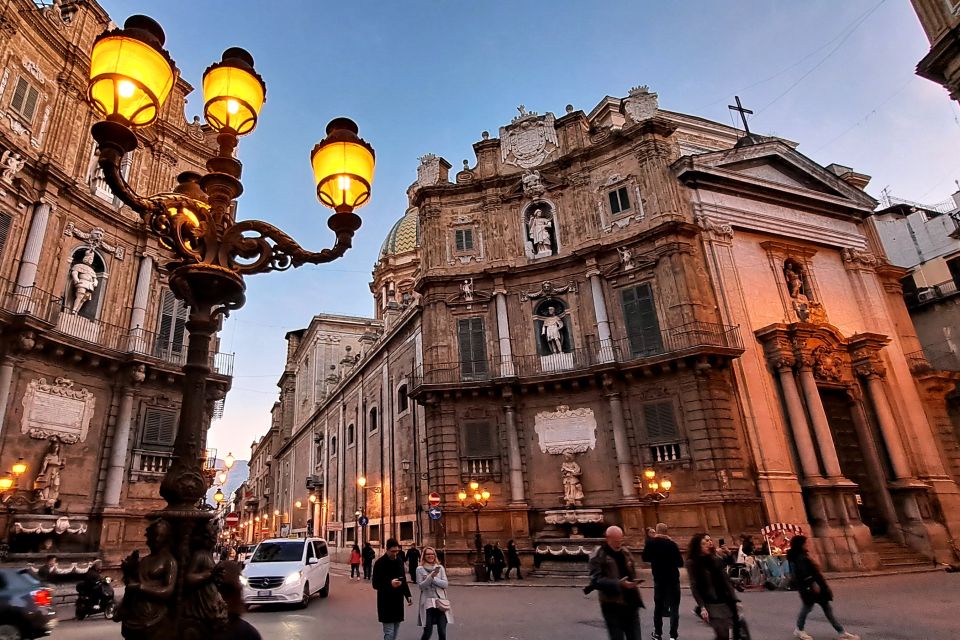
The meeting point is in front of the main gate of Palazzo della Borsa, in Piazza Borsa (also known as Piazza Bovio). You can spot the guide easily with a red tag that says tour guide. This matters because in Naples, you don’t want to lose time at the start.
The tour runs about 3 hours. That’s long enough to cover real ground through the historic center, but short enough that you won’t feel like you’re committed to the city all day. You’ll also be walking on uneven streets, so wear shoes you trust. The guide uses a professional approach, and in practice that means you get clearer audio than you would on a casual walking chat—useful when you’re following on tight sidewalks.
One practical point: you’re doing churches, chapels, and parts of the old city. Expect a few moments where the group needs to wait its turn or move quietly. If you’re the kind of person who likes to take your time inside, you may want to treat this tour as your Naples orientation, then go back on your own afterward for slower visits.
You can also read our reviews of more tours and experiences in Palermo.

Dracula’s tomb rumor and Caravaggio’s alley story
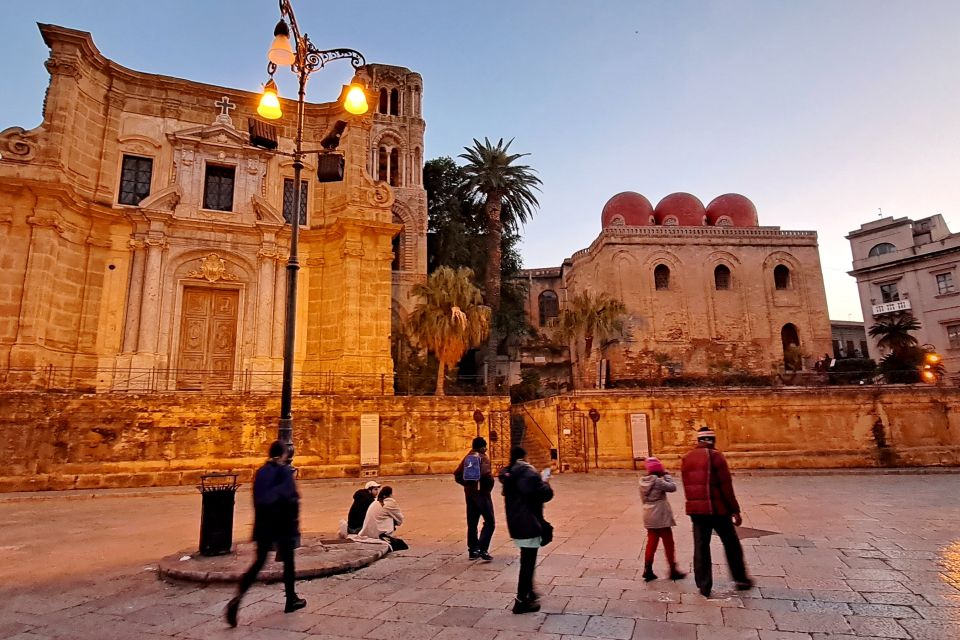
Naples can handle myth without flinching. The tour leans into that right away, starting with the mystery of a church said to house Count Dracula’s tomb. Even if you treat it as legend, it sets the tone: this is the city where stories stick to stone.
Then comes the Caravaggio connection. You’ll walk through areas linked to his dramatic life, including a scene where, in an alley, outside a famous inn, Caravaggio was nearly wounded to death in a notorious duel. The point isn’t to turn the whole day into a crime story, though. It’s to show how Naples’ backstreets became the stages for art, violence, patronage, and rumor.
I like this segment because it changes how you look at the street. Instead of seeing a wall and a doorway, you start noticing where people would have stood, where noise would have carried, and why certain corners feel tense even in daylight. If you enjoy the darker side of European art history, you’ll get more from Naples by pairing the walk with these narratives.
Pino Daniele’s childhood area: when music becomes geography
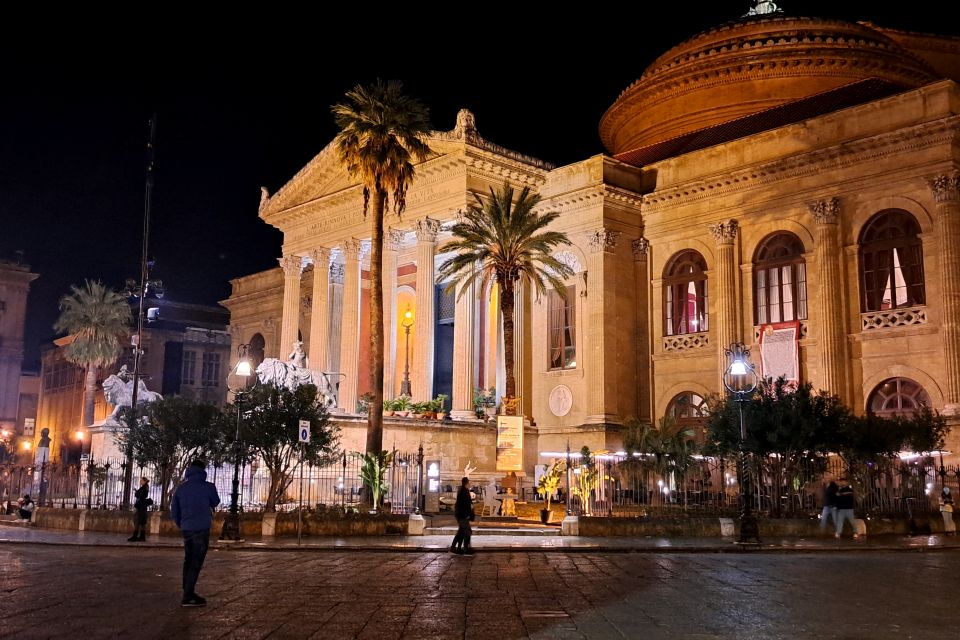
You also stop near the childhood home of Pino Daniele, one of the voices that helped shape modern Naples identity. It’s not just a name-drop. The guide uses it to connect the city’s famous traditions—church art, street scenes, and storytelling—with the music that grew out of the same neighborhoods.
This segment works best if you like thinking about place as a force. Naples didn’t just make painters and saints. It also made singers, and the guide helps you notice how the city’s mood gets carried forward.
If you’re visiting for the first time and want to understand Naples beyond famous postcards, this kind of connection is a real advantage. It gives you a way to remember streets by meaning, not just by address.
Spaccanapoli and the Santa Chiara and Gesù Nuovo stops
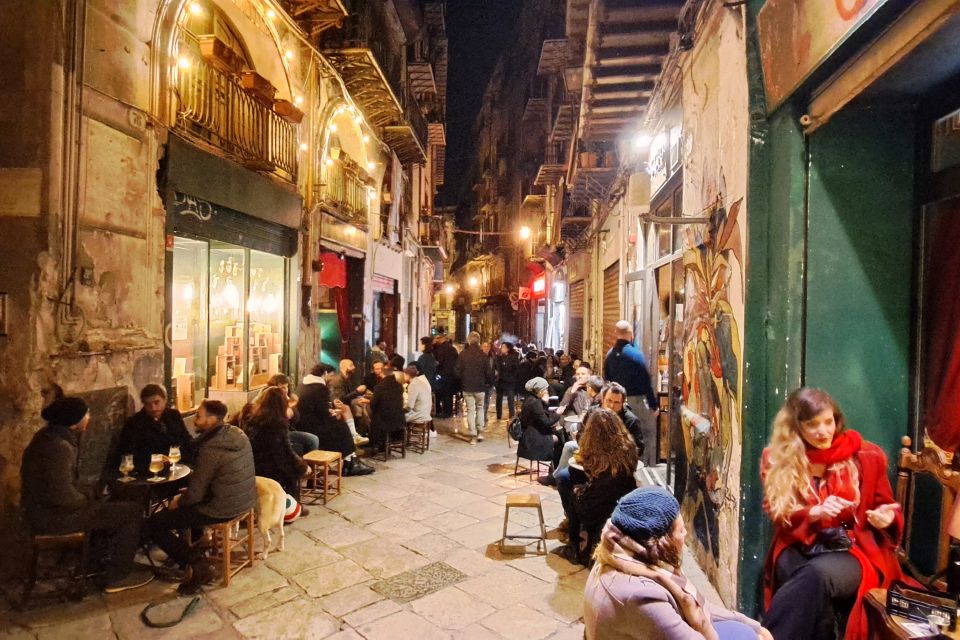
Spaccanapoli is the city’s ancient spine, and you’ll walk it as part of the tour. This is one of those streets where Naples feels like itself: layers of architecture, tight lanes branching off, and the constant sense that you’re passing through different time periods without leaving the block.
You’ll visit the Santa Chiara complex, which is known for the tombs of the Bourbon kings. Santa Chiara gives you the political and royal angle of Naples—power made visible in stone, even when the city around it stays loud and everyday.
Next is the Church of Gesù Nuovo, described as an enigmatic Baroque masterpiece. Baroque in Naples can feel theatrical, but the guide’s framing helps you see it as something local: art as persuasion, decoration as identity.
If you’re sensitive to crowded interiors, pace yourself. Some churches can get busy, and you’ll likely move as a group. Still, this section is worth it because it’s not just photo time. You’ll learn what to look for and why it matters.
Piazza Bellini: Greek walls meet the modern Naples scene
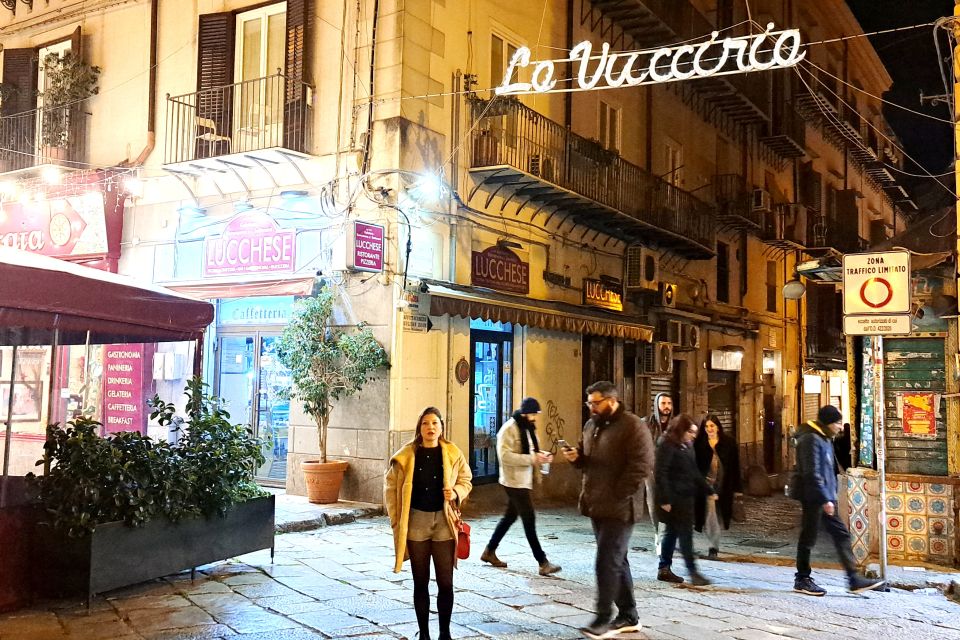
From Spaccanapoli you continue toward Piazza Bellini. Here, you get an interesting contrast: ancient Greek walls exist near one of Naples’ youth and alternative energy zones. It’s a good place to pause mentally and notice the city’s habit of stacking eras close together.
You’ll also hear about the conservatory where figures like Ruggero Leoncavallo and Riccardo Muti once studied. That detail matters because it explains why Naples can be serious about music even while the streets look like a never-ending party.
This stop helps you shift from the big church storytelling into something more human and current. Even if you don’t know Naples music history, the tour gives you enough context to recognize the way cultural life keeps continuing.


San Domenico Maggiore and the Sansevero Chapel moment
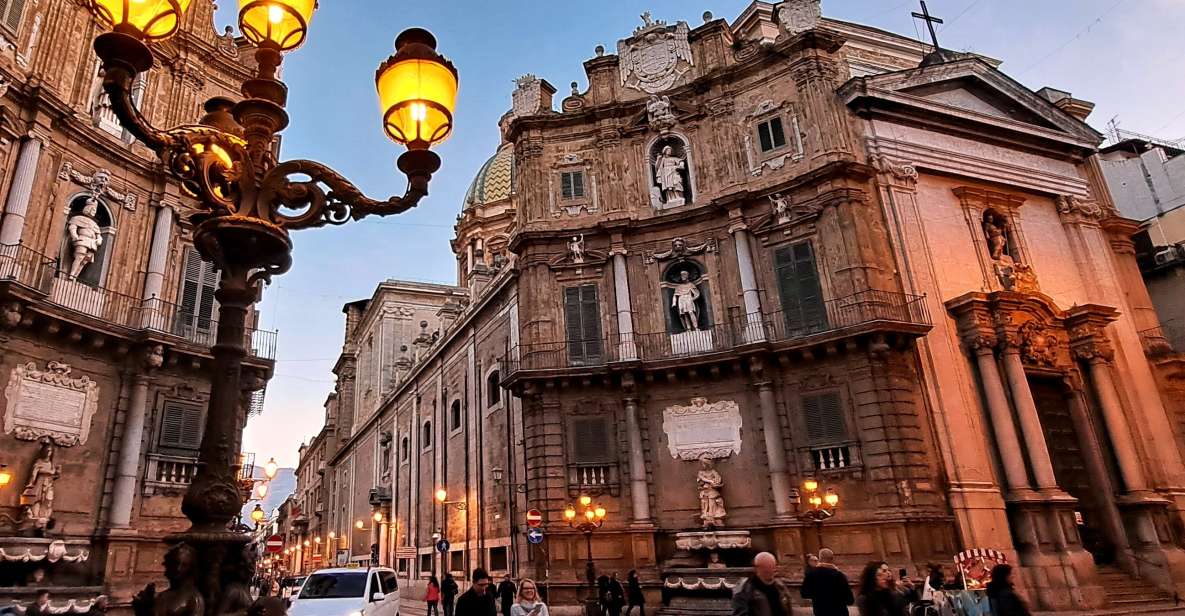
San Domenico Maggiore is one of the key religious stops on the route. You’ll see the church and convent connected to St. Thomas Aquinas, which gives the day a clear link to major medieval thinking. It’s not every walking tour that handles philosophy and faith with enough clarity to make it stick.
Nearby is the Sansevero Chapel, famous for the Veiled Christ. This is the kind of attraction that can be either a quick stop or a memorable one, depending on how you approach it. With this tour, you’ll be guided into understanding what you’re looking at, rather than just ticking off another famous chapel.
Practical tip: chapels and churches often require you to move with care and keep your voice down. If you’re traveling with kids, this can be a tougher stretch. If you’re into art detail, it’s the kind of stop where you’ll slow down naturally.
San Gregorio Armeno and the street-level sacred
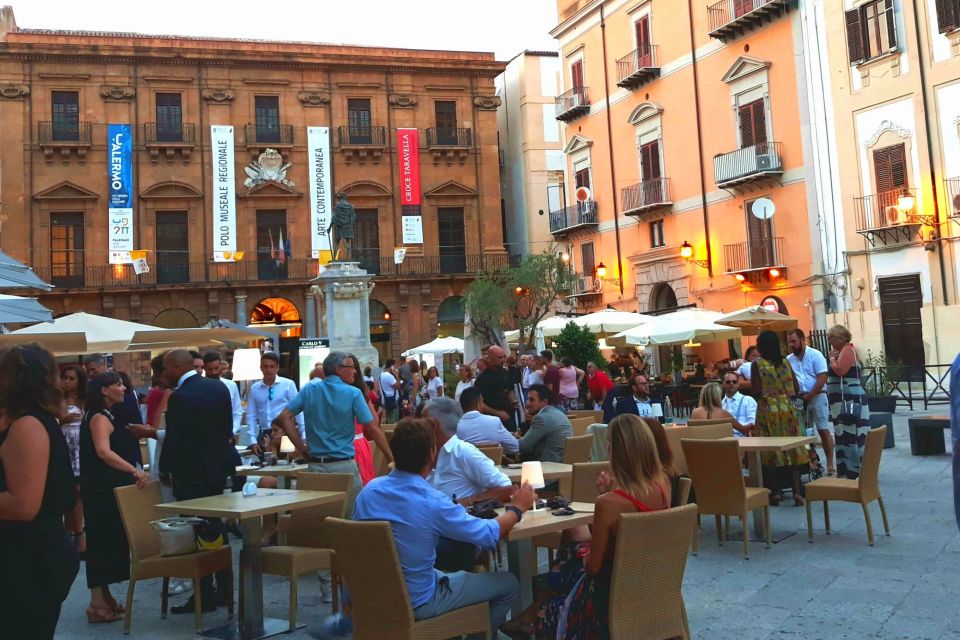
San Gregorio Armeno is the Alley of the Nativity Scenes. Even outside peak holiday season, it feels like Naples is prepared for the next layer of tradition. The tour uses it to show how religion and popular craft blend into everyday life.
Then you’ll connect with the idea of San Lorenzo as the buried city beneath the streets. That concept always lands well because it helps you understand why the historic center can feel confusing at first: what’s above ground is only part of the story.
You’ll also see the Statue of the Nile God, sometimes called the Body of Naples. This isn’t just a random landmark. It’s a visual way of talking about how Naples imagined itself—its geography, its river, its power, and its sense of identity.
This part of the tour is one reason I like story-led walking routes. You get a balance: big religious sites, yes, but also the street culture that makes the city feel lived-in.
San Paolo Maggiore and repurposed power: Temple ruins in plain sight
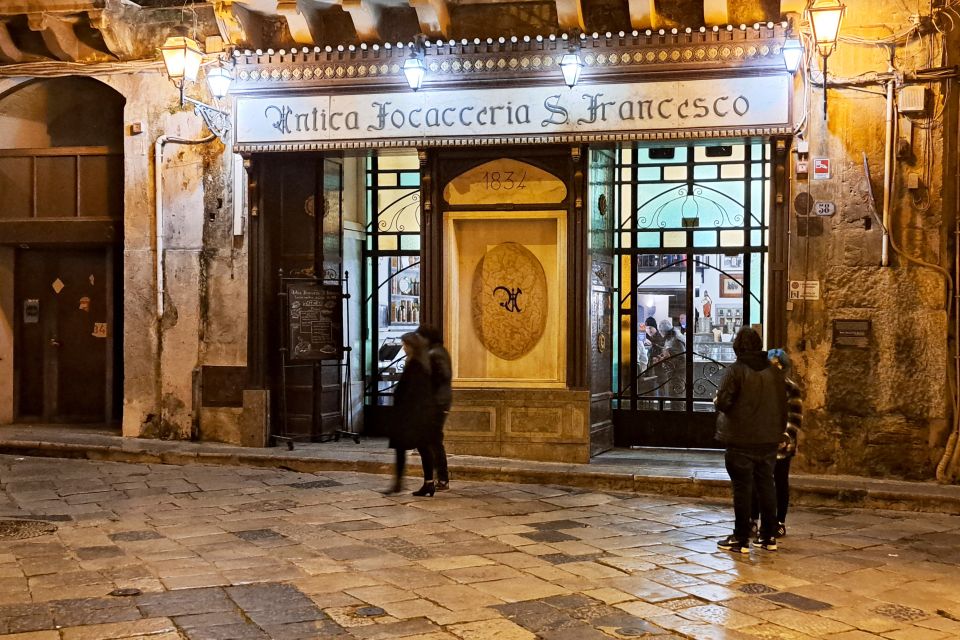
The tour then points you to the Basilica of San Paolo Maggiore, built directly upon the ruins of the Temple of the Dioscuri. That’s one of those Naples details that changes how you interpret the entire city.
On the facade, you’ll see massive Corinthian columns. The guide’s framing is key: Naples doesn’t erase the past. It repurposes it. You feel that in architecture that looks like it belongs to two different stories at once.
If you like the idea of walking through history instead of reading it, this stop gives you that feeling fast. It also makes the Duomo stop later feel less random. You start seeing a theme: religion and power keep reusing what came before.
Via Duomo and the Duomo di Napoli: San Gennaro’s Royal Chapel
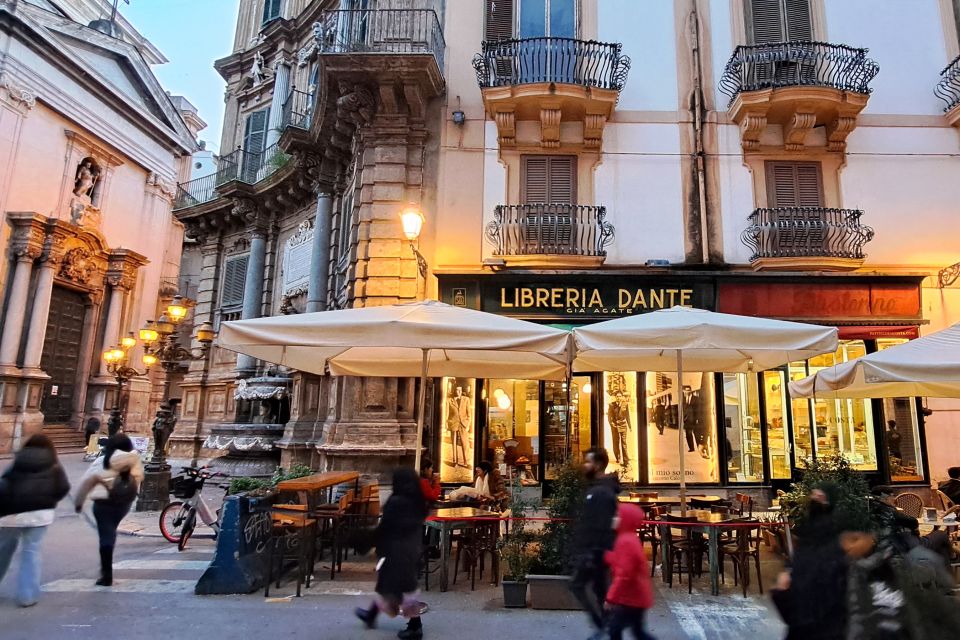
This is the major finale segment for many people: Via Duomo leads you to the Cathedral of Naples. You’ll enter quietly and focus on the Royal Chapel of the Treasure of San Gennaro.
This is where the tour’s theme—faith tied to art and community—becomes very real. The chapel is known for its gold and bronze surroundings, and the guide’s explanation helps you understand why this space matters to Neapolitans. It isn’t just a decorative interior. It’s a shared emotional center tied to the patron saint.
I like how this stop is handled. It’s not presented like a show you sprint through. The approach encourages you to slow down and look, even if you’re only in the chapel for a short window.
If you’re going into this tour expecting only famous sights, this is the moment that often turns it into something more meaningful.
Coffee and sfogliatella finish: what to do next in Naples
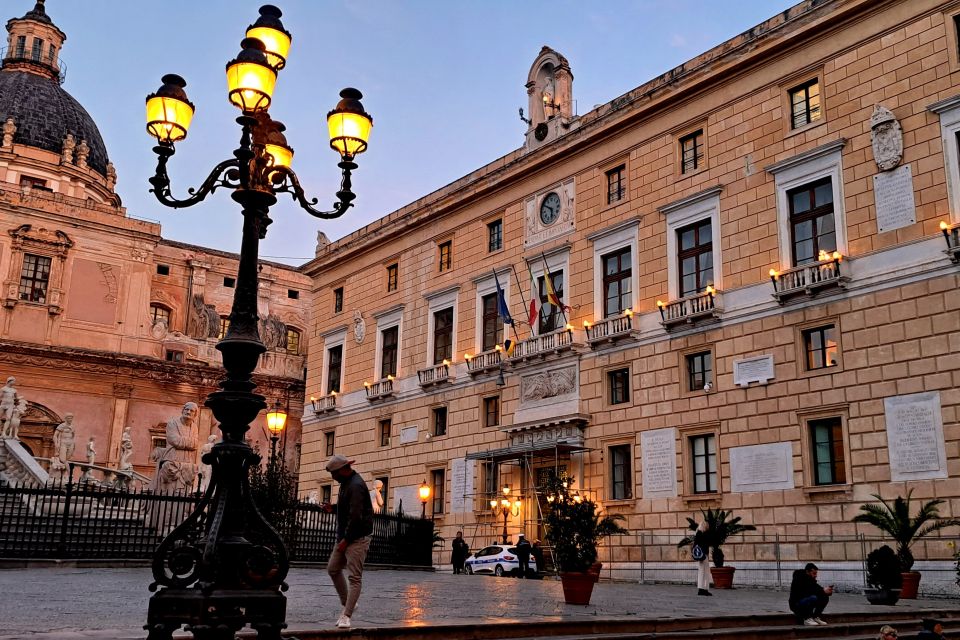
You end the 3-hour walk on a sweet, practical note: an authentic Neapolitan coffee and a sfogliatella at a historic pastry shop. Food and drinks aren’t listed as included, so plan to pay for your own treats. That said, the stop is a good use of timing because you finish while the tour context is still fresh, and you can ask your guide for next steps.
One underrated benefit of a guided finish is that your guide can steer you toward places that match your interests—church intensity, street culture, or more food stops. The tour includes suggestions about more attractions to visit in Naples, so you’re not left standing around after the last photo.
This is a smart way to turn a short guided walk into a longer self-guided day.
Value and who this tour is best for
At $35 per person for about 3 hours, you’re paying for a professional Italian guide plus key stops through the UNESCO historic center, including the Duomo. You’re also getting story explanations that help you understand what you’re seeing, especially in churches and chapels where a quick look can miss the point.
So where’s the value?
- You’re not just getting access; you’re getting interpretation, from Dracula-style mystery to Caravaggio drama and music history.
- You cover a lot of high-impact locations without having to plan them line by line.
- The route mixes famous anchors (Spaccanapoli, Duomo) with smaller, meaning-heavy stops (presepi alley, buried-city idea, repurposed columns).
Who should book?
- You want a first-pass orientation to Naples centro storico with strong story content.
- You like art history when it’s tied to real streets and local legends.
- You plan to keep exploring after the tour and want practical recommendations.
Who should think twice?
- If you don’t understand Italian, the experience may feel harder to follow. This is explicitly an Italian-only tour, and the magic depends on listening.
- If you want lots of museum time with ticketed galleries, you may need additional stops later. Museum admission fees are not included, and the tour is built around walking and guided visits.
Should you book Napoli tour: alla scoperta del centro storico?
I’d book this if you want Naples in one compact walk: legends, major churches, and street-level culture, all organized into a route that makes the city easier to navigate afterward. The Duomo focus on San Gennaro’s Royal Chapel is a standout, and the day’s pacing keeps it from turning into random sightseeing.
Skip it or pair it with a language plan if Italian is a problem for you. Naples rewards attentive listening on this kind of tour.
If you’re ready for a city day that mixes myth and faith without losing the practical thread, this is a strong value for the time you have.
FAQ
Is the Napoli tour in English?
The tour is only in Italian.
How long is the tour?
It lasts about 3 hours.
Where do I meet the guide?
Meet in front of the main gate of Palazzo della Borsa (Piazza Borsa / Piazza Bovio). The guide wears a red tag that says tour guide.
What’s included in the tour?
You get a professional tour guide, visits through the UNESCO historic center, a Duomo visit, and suggestions for more attractions to see in Naples.
Are museum tickets included?
Museum admission fees are not included.
Is food included?
Food and drinks are not included. The end includes the chance to enjoy a Neapolitan coffee and sfogliatella, but you should expect to pay.
What if the weather is bad?
If there is a storm or an adverse weather forecast, the tour could be postponed.
Can I cancel for a full refund?
Yes. You can cancel up to 24 hours in advance for a full refund.
Can I book now and pay later?
Yes. It offers a reserve now & pay later option, so you can keep plans flexible.


![|FROM CATANIA|Tour of Siracusa, Ortigia, Noto [PRIVATE TOUR] - Pickup in Catania and the Jeep/SUV Ride Out East](https://b2.sicily-guide.com/wp-content/uploads/from-cataniatour-of-siracusa-ortigia-noto-private-tour-400x300.jpg)