REVIEW · RAGUSA
Ragusa Countryside Home Cooking Class & Meal
Book on GetYourGuide →Operated by Timonfaya Travel Lanzarote · Bookable on GetYourGuide
Cooking under an olive tree beats restaurant food. In Ragusa countryside, you join a family-style, hands-on class that starts in the garden and ends with lunch you helped make. It’s set in Chiaramonte Gulfi’s quiet countryside, with either outdoor dining in good weather or a cozy indoor meal when it’s not.
I like two things the most: the garden walk for fresh tomatoes, basil, onions, and seasonal wild vegetables, and the way the host guides you so the recipes are practical enough to reproduce at home. The main drawback is weather. If conditions are rough, you may skip the walk and spend more of the time cooking indoors instead.
In This Review
- Key Highlights to Know Before You Go
- Chiaramonte Gulfi’s Countryside Cooking Feels Like a Home Meal, Not a Show
- From Organic Garden to Your Cutting Board: Collecting Sicilian Ingredients
- The Hands-On Sicilian Cooking Lesson: Fresh Pasta, Classic Mains, and Sweets
- Lunch Comes with Wine and Conversation: Olive Tree Dining vs. Wood-Stove Winter Comfort
- Vegetarian and Gluten Free Options That Are Built In
- Price and Value: Why $118.95 Can Be More Than a One-Meal Deal
- Who Should Book This, and Who Might Want a Different Type of Experience
- Tips to Get More Out of Your 4.5 Hours
- Should You Book This Ragusa Countryside Cooking Class?
- FAQ
- How long is the cooking class and meal?
- Where does the class take place?
- What happens at the start of the experience?
- What dishes do you make and eat?
- Is lunch served outdoors?
- What drinks are included?
- Do they offer vegetarian or gluten free options?
- Who teaches the class, and what languages are used?
- Is the experience refundable if I change plans?
Key Highlights to Know Before You Go
- Harvest-first approach: You pick ingredients before you cook, instead of starting from a shop-prepped mise en place.
- Seasonal menus: The class adapts to what’s available, so it feels tied to the local rhythm.
- Real Sicilian techniques: Expect fresh pasta and classic dishes like ravioli, tagliatelle, caponata, and cannoli.
- Outdoor lunch when possible: Dining under an olive tree (or on a terrace/garden) is part of the charm.
- Wine pairing included: Nero d’Avola in general, or Insolia in summertime, served with your meal.
- Diet options available: Vegetarian and gluten free menus are offered if you share needs in advance.
Chiaramonte Gulfi’s Countryside Cooking Feels Like a Home Meal, Not a Show
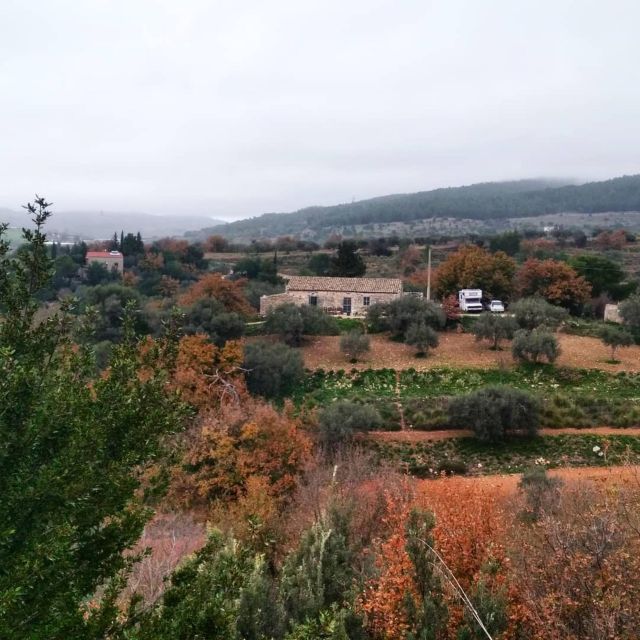
This experience works because it’s not trying to be a performance. It’s a countryside home cooking class in the Chiaramonte Gulfi area, surrounded by olive trees and natural quiet. When the day starts right, you can feel the pace slow down: you’re learning while you’re also relaxing. That matters, because Sicilian cooking is all about ingredients, timing, and comfort, not stress.
The setting gives you an automatic context for what you’ll eat. If you’ve ever wondered why Sicilian food tastes so direct and satisfying, this is where it clicks. You see the garden, you handle produce, and you learn why a tomato dish or a herb-forward pasta works when the ingredients are fresh and local.
You also get a family vibe built into the meal. Lunch includes time to talk, not just to line up for plates and move on. It’s the kind of class where it’s normal to ask questions like how to balance acidity, how to roll out pasta, or why certain flavors are paired the Sicilian way.
You can also read our reviews of more cooking classes in Ragusa
From Organic Garden to Your Cutting Board: Collecting Sicilian Ingredients
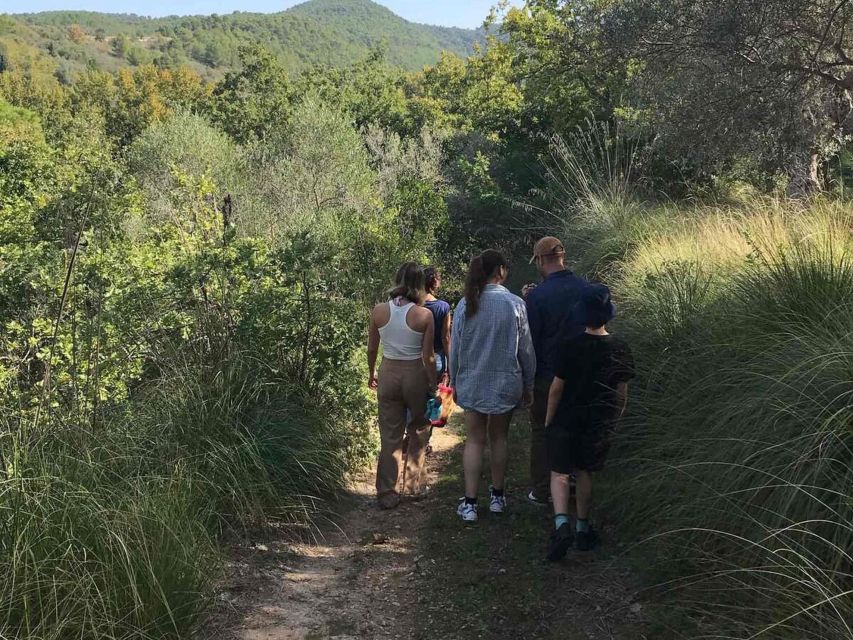
The class begins with a walk tied to the food. You’ll go through the organic garden and collect what you’ll cook with, such as tomatoes, basil, onions, and other seasonal produce. It’s one of those simple moments that changes everything. When you pick the ingredients yourself, you cook with more focus, and you remember what you learned because you experienced it firsthand.
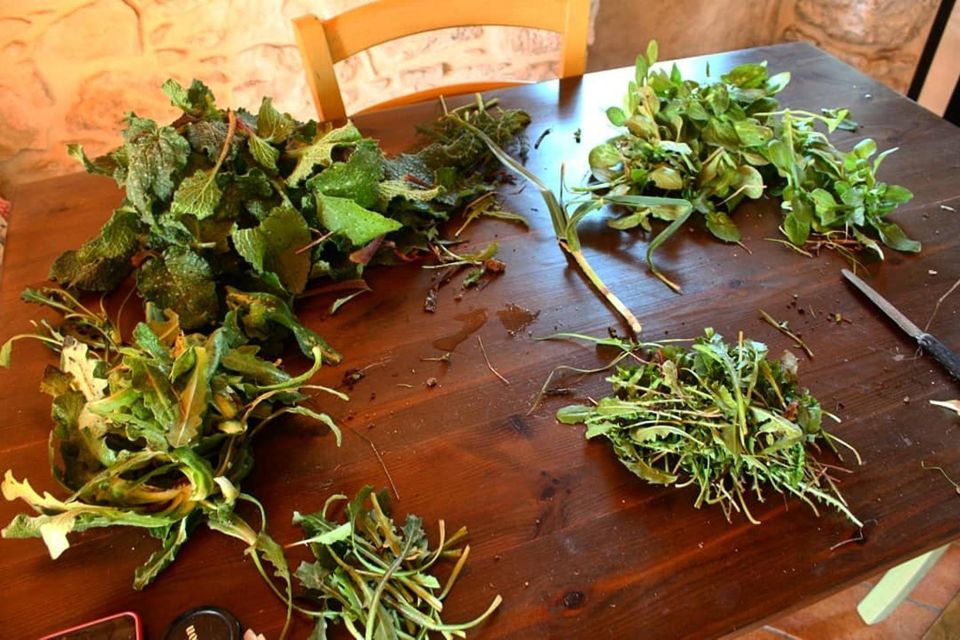
In winter, weather permitting, the walk can shift toward finding wild vegetables instead of garden harvesting. That’s a very Sicilian detail. It reminds you that a lot of traditional cooking depends on what’s available in the landscape across the seasons.
What to consider: the plan hinges on weather. If it’s too bad to walk, you’ll still eat lunch made from the products used in the class, and you’ll spend more time cooking in the kitchen instead. So you’re not losing the core experience. But if you want the garden part most, bring a flexible mindset and dress for the possibility of indoor time.
Practical tip: wear shoes you’re comfortable walking in on uneven ground. You’ll be moving around the property, and the garden part is more active than it looks.
The Hands-On Sicilian Cooking Lesson: Fresh Pasta, Classic Mains, and Sweets
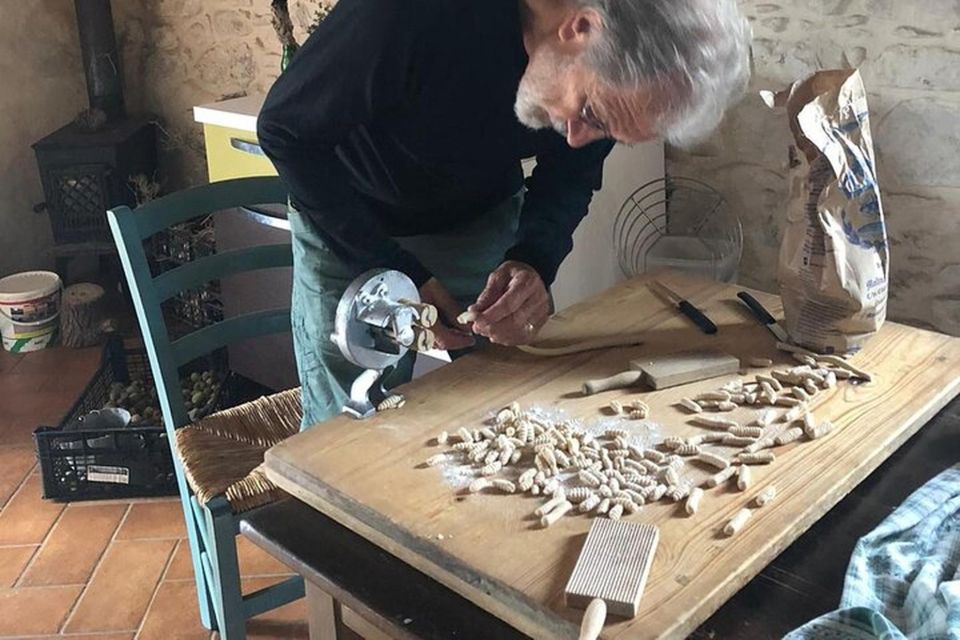
This is a true hands-on cooking class. You don’t just watch. You cook alongside the host, with step-by-step guidance so you can repeat the dishes later. The menu tends to be built from Sicilian grandmothers’ recipe traditions, and it blends first courses, second courses, vegetarian choices, and desserts.
Here’s the kind of food you should expect, with enough variety to keep the class feeling full:
- First courses with fresh pasta, including shapes like ravioli and tagliatelle.
- Second courses with meat, such as rolls or meatballs.
- Vegetarian Sicilian classics, including caponata and i pipi ca muddica.
- Other Sicilian favorites that may appear depending on the menu, like scacce, arancini, and panelle.
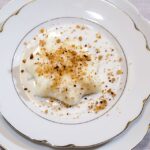
- Desserts like cannoli and cassatelle.
One detail I really value is how the host can adjust the menu based on season and what nature offers during the time you’re there. That’s how you avoid the feeling of cooking a generic template. A second point: the class can adjust to what you like to eat. For example, the experience can shift toward pasta-focused choices and vegetarian-centered cooking if that’s your preference.
Also, you’re not just learning ingredients; you’re learning flow. You’ll get guided through preparing and cooking the components, and you’ll end up with a meal that reflects how Sicilian cooking layers flavors: herbs and vegetables up front, savory mains next, then sweet finishes that make sense at the table rather than feeling like an afterthought.
Lunch Comes with Wine and Conversation: Olive Tree Dining vs. Wood-Stove Winter Comfort
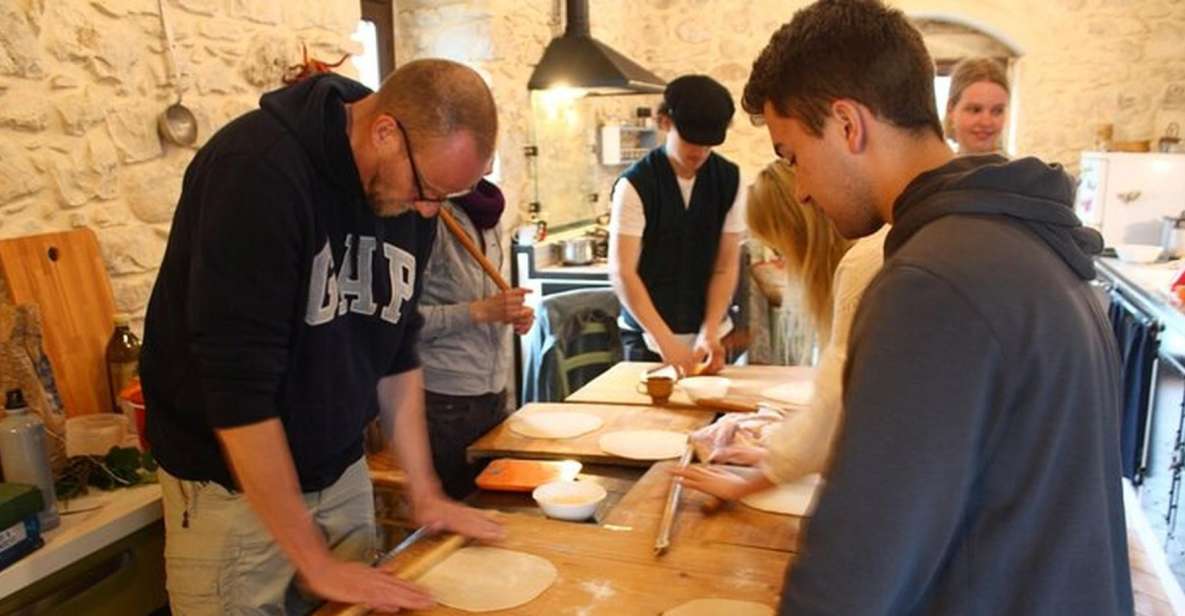
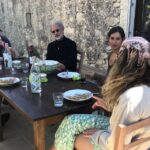
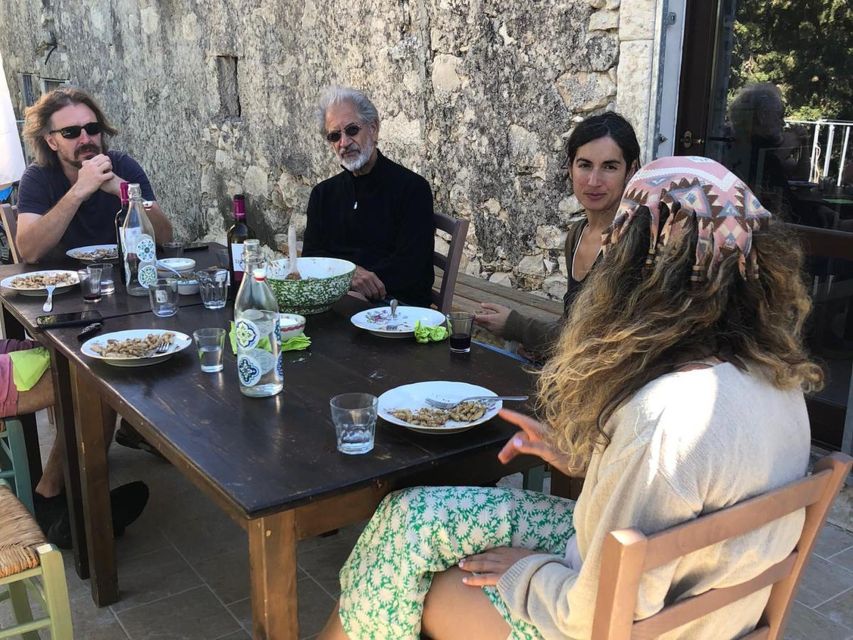
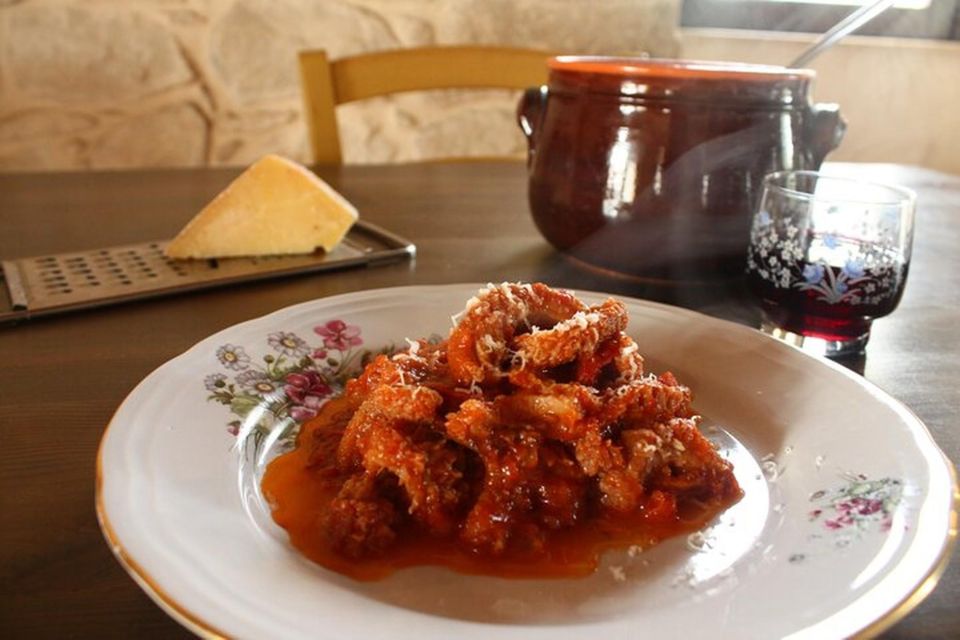
The meal is where the class earns its keep. In good weather, you eat outdoors under a big olive tree, or on a terrace or in the garden. That outdoor setting does two things: it makes the lunch feel like an event, and it gives the food room to taste even better because you’re not stuck indoors in a rush.
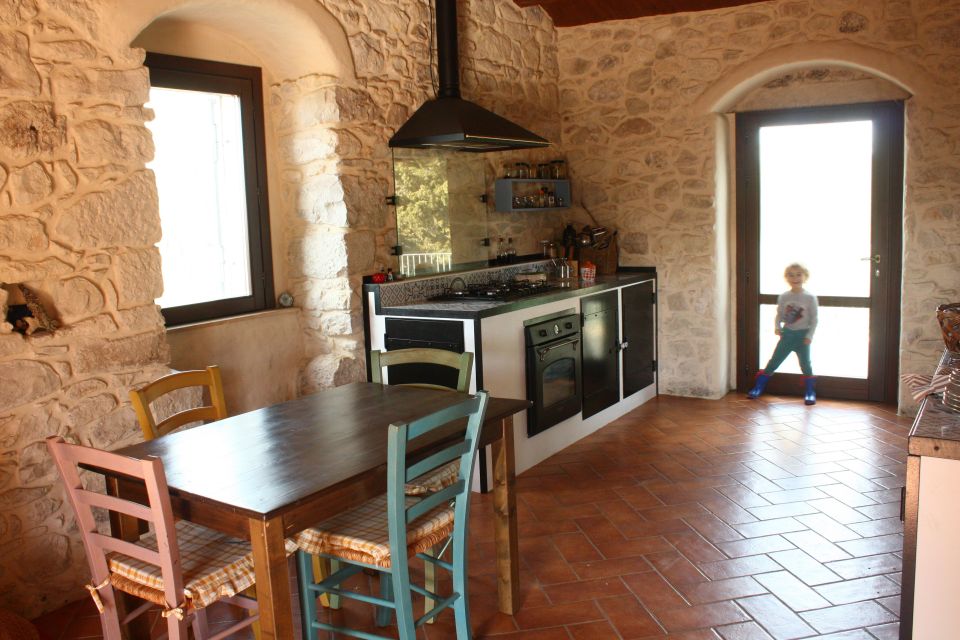
When weather won’t cooperate, lunch happens indoors in a stone house, often with the kitchen set up in front of a wood stove in winter. It’s a cozy alternative, and it keeps the experience intact even when Sicily decides to change the plan.
Lunch includes wine from a local winery near the home:
- Nero d’Avola red wine in general
- Insolia white wine in summertime
There’s also soda/pop included. The wine choice matters because it keeps you tied to the same local logic as the cooking. You’re not just eating Sicilian dishes; you’re tasting regional character alongside them.
You’ll also have time for pleasant conversation during the meal. That social piece is more than fluff. When you’re learning a cooking method, it helps to talk about what you’re making and why. It’s the difference between collecting recipes and understanding them.
One more realistic note: since this is a home environment, you might meet house pets. If that’s a dealbreaker for you, tell yourself to treat it as a “home visit” class, not a sealed cooking studio.
Vegetarian and Gluten Free Options That Are Built In
If you eat vegetarian or need a gluten free menu, this is a big advantage. The experience offers both vegetarian and gluten free options, and you’re asked to communicate dietary restrictions in advance.
That advance notice is key. In real cooking, substitution isn’t always a simple swap. It depends on what’s in the pasta, what’s in the fillings, and how sauces are thickened. The class is designed to handle these needs, which means you’re more likely to get a full meal that matches the Sicilian spirit rather than a side salad with good intentions.
If you’re gluten free, the most important thing you can do is be clear about restrictions when you book. If you’re vegetarian, mention whether you’ll want to avoid meat-based components entirely. Then you can arrive confident you’ll be cooking and eating from a menu that fits you.



Price and Value: Why $118.95 Can Be More Than a One-Meal Deal
At $118.95 per person for about 4.5 hours, this isn’t a cheap “snack and watch” activity. But it also isn’t priced like a restaurant meal alone.
What you’re paying for:
- A hands-on cooking class (not just tasting)
- A walk to collect ingredients in an organic garden
- A full Sicilian lunch you cook and eat together
- Wine included (Nero d’Avola or Insolia, depending on season)
- Soda/pop included
When you price that against buying ingredients yourself, taking a cooking class elsewhere, and then adding a meal plus wine, the math starts looking more reasonable. Also, the biggest hidden value is the teachable part: you learn recipes you can reproduce at home, which turns a single afternoon into a skill you’ll use again.
Is it worth it for you? If you like food enough to care about the process, you’ll likely feel satisfied. If you want a quick cultural stop with minimal effort, you might feel the price more sharply because the core activity is active cooking.
Who Should Book This, and Who Might Want a Different Type of Experience
This class fits best if you want:
- A cooking-focused experience rather than a walking tour with food at the end
- Real Sicilian dishes like fresh pasta, caponata, arancini, and cannoli
- A relaxed setting where you can ask questions and talk while eating
It’s also a good pick if you like food traditions tied to place and season. The garden harvest and seasonal menu adaptation keep it grounded.
You might not love it if you:
- Prefer to observe rather than cook
- Have very strict dietary needs that you can’t describe clearly ahead of time
- Get frustrated with weather-driven schedule changes (the walk can be impacted, though lunch remains)
The language options (English and Italian) make it accessible for many visitors. You’ll be able to follow the instruction and participate without needing advanced Italian.
Tips to Get More Out of Your 4.5 Hours
First, treat this like a cooking session, not just a meal. Give yourself time and energy. Wear comfortable clothes and shoes, and expect to be standing and moving around during the garden part.
Second, during the cooking, take notes on the basics you’d need to repeat at home: ingredient prep order, dough handling, sauce timing, and any tips about seasoning balance. You’ll thank yourself later.
Third, if wine is part of your plan, keep it light and enjoy the pairing without rushing through the lunch. The point is to taste the food you made, then learn from the flavors.
Finally, if you have dietary restrictions, communicate them early. This experience is designed to handle vegetarian and gluten free menus, but it works best when the host has time to plan.
Should You Book This Ragusa Countryside Cooking Class?
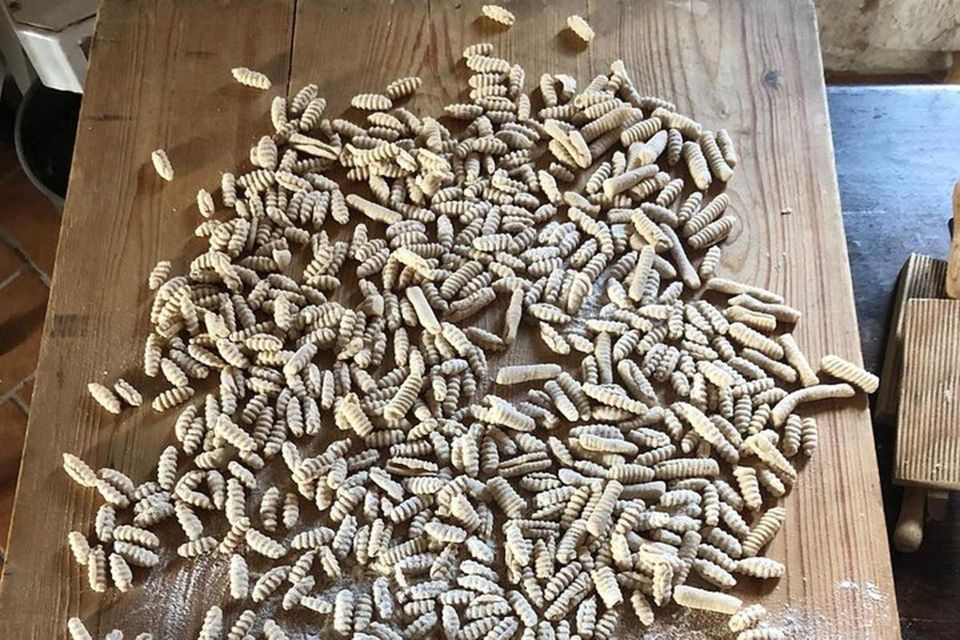
Book it if you want a hands-on Sicilian food day in a real countryside home setting. The combination of garden harvesting, step-by-step cooking guidance, and a full lunch with local wine makes it feel like more than a class. It’s a skill builder with a meal attached.
Skip it only if you strongly prefer passive experiences or you dislike weather-based changes to the outdoor parts. Even then, the indoor cooking plan keeps lunch happening, so you’re not stuck missing the main event.
If your goal is to eat well in Sicily and also leave with recipes you can actually cook again, this is one of the more satisfying ways to spend half a day.
FAQ
How long is the cooking class and meal?
The experience lasts about 4.5 hours. Starting times depend on availability.
Where does the class take place?
It’s in the Ragusa countryside in the Chiaramonte Gulfi area, at a private home. After booking, you receive exact coordinates to reach the meeting point.
What happens at the start of the experience?
You begin with a walk in the organic garden to collect fresh ingredients like tomatoes, basil, and onions. In winter, weather permitting, you may look for wild vegetables.
What dishes do you make and eat?
The menu can include fresh pasta for first courses, meat dishes like rolls or meatballs, vegetarian options like caponata and i pipi ca muddica, plus Sicilian favorites such as scacce, arancini, and panelle. Desserts can include cannoli and cassatelle.
Is lunch served outdoors?
Usually you’ll eat outdoors under a big olive tree. If weather won’t allow it, lunch is indoors in the stone house.
What drinks are included?
Lunch includes fine wine (Nero d’Avola or Insolia in summertime) plus soda/pop.
Do they offer vegetarian or gluten free options?
Yes. Vegetarian and gluten free menus are available if you notify them in advance about your dietary restrictions.
Who teaches the class, and what languages are used?
The instructor speaks English and Italian.
Is the experience refundable if I change plans?
Yes. You can cancel up to 24 hours in advance for a full refund.