REVIEW · RAGUSA
Ragusa: Private Cooking Class at a Local’s Home
Book on GetYourGuide →Operated by Cesarine · Bookable on GetYourGuide
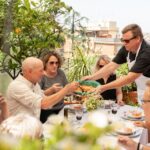
Cooking in a real kitchen beats cooking on your own. In Ragusa, you learn with a certified home cook and turn that know-how into a full meal—starter, pasta, and dessert—made right where a local Italian family lives. I like how this feels personal, not staged, and how the lesson is built around local recipes and hands-on kitchen work.
Two things I really like: you get to build a three-course meal from scratch, and you sit down to taste everything you made with wine included. In other words, you’re not just watching techniques—you’re eating the results. The instructor’s approach also comes through clearly in the warmth people describe with Salvina and Angelo, which makes the whole evening feel like you’re joining a family dinner.
One consideration: because it happens in a private home, the exact address is only shared after booking for privacy. That’s normal here, but it does mean you’ll want to plan extra time for finding your way on the day.
In This Review
- Key highlights worth clocking before you book
- Private Cooking in Ragusa: Why a Local Home Class Beats a Demo
- Your 3-Hour Ragusa Plan: Starter, Pasta, Dessert (and Then You Eat)
- 1) Arriving, getting oriented, and starting your first course
- 2) Starter: learning the regional “begin here” flavors
- 3) Pasta: hands-on technique plus the key turning point
- 4) Dessert: sweet finish with real local technique
- 5) Taste everything with local wine, water, and coffee
- The “Local Cook” Part: What You’ll Actually Learn That Transfers Home
- Price and Value: What 164.26 Per Person Buys You
- Who This Fits Best (and When It Might Not)
- Small Practical Tips to Make the Most of Your Session
- Should You Book Ragusa’s Private Cooking Class?
- FAQ
- Where does the class take place?
- How long is the cooking class?
- What time does it usually start?
- What will I cook during the lesson?
- Is this a private experience?
- What languages are offered by the instructor?
- What’s included to drink during the tasting?
- Can dietary requirements be accommodated?
Key highlights worth clocking before you book
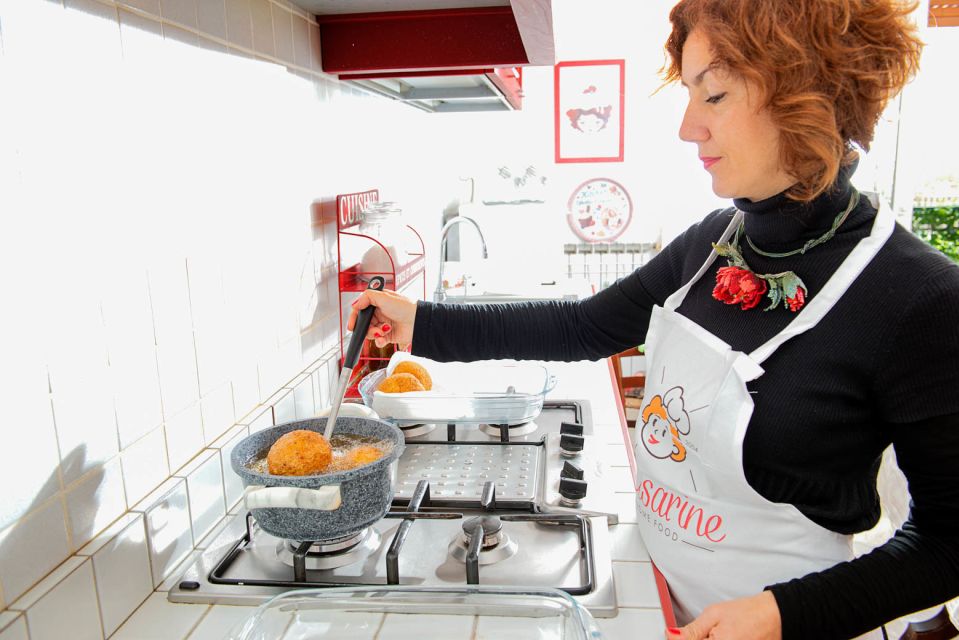
- Private home setting: the class takes place in a local family’s home, not a studio.
- Three specific recipes: a starter, pasta, and dessert are taught during the 3-hour session.
- Eat what you make: you taste everything you prepare, paired with local wine.
- Beverages included: water, wines, and coffee are part of the experience.
- Salvina and Angelo’s style of teaching: warm, family-centered hosting paired with real cooking instruction.
- Dietary needs can be handled: vegetarian, vegan, or gluten-free can be catered to on request.
Private Cooking in Ragusa: Why a Local Home Class Beats a Demo
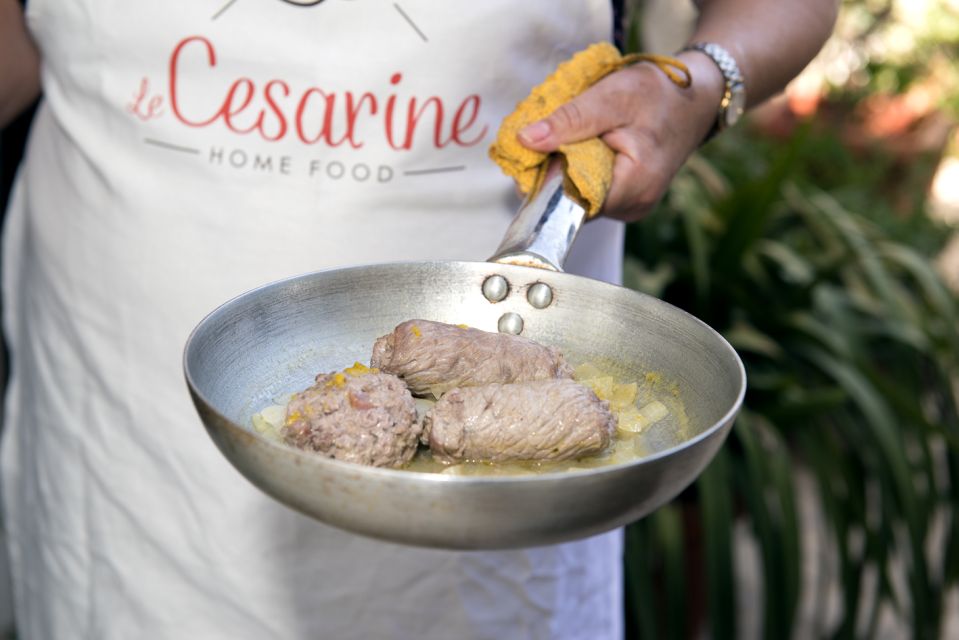
Ragusa is exactly the kind of place where you’ll get more out of a small, intimate experience than a big, production-line tour. This cooking class works because it’s anchored in a real home kitchen, led by a certified home cook connected to the rhythms of Sicilian family meals.
You’re not learning “Italian-inspired” food. You’re learning local recipes for a starter, pasta, and dessert. That matters because the technique and ingredient choices are usually the difference between tasting something that feels like it belongs in Ragusa and tasting something that just looks Italian on a plate.
The private format is the other big reason to care. With a one-on-one or small-group setup, you can actually ask questions mid-recipe: what to watch for, what texture you’re aiming at, how to adjust if dough feels off, and what timing matters when you’ve got three courses moving through the kitchen.
And then there’s the social piece. The class doesn’t feel like a transaction. People describe being welcomed with a family warmth, including in sessions that included kids, so it tends to read as an experience you’ll remember for the people as much as the food. If your travel style is “meet real humans, learn practical skills,” this fits well.
You can also read our reviews of more private tours in Ragusa
Your 3-Hour Ragusa Plan: Starter, Pasta, Dessert (and Then You Eat)
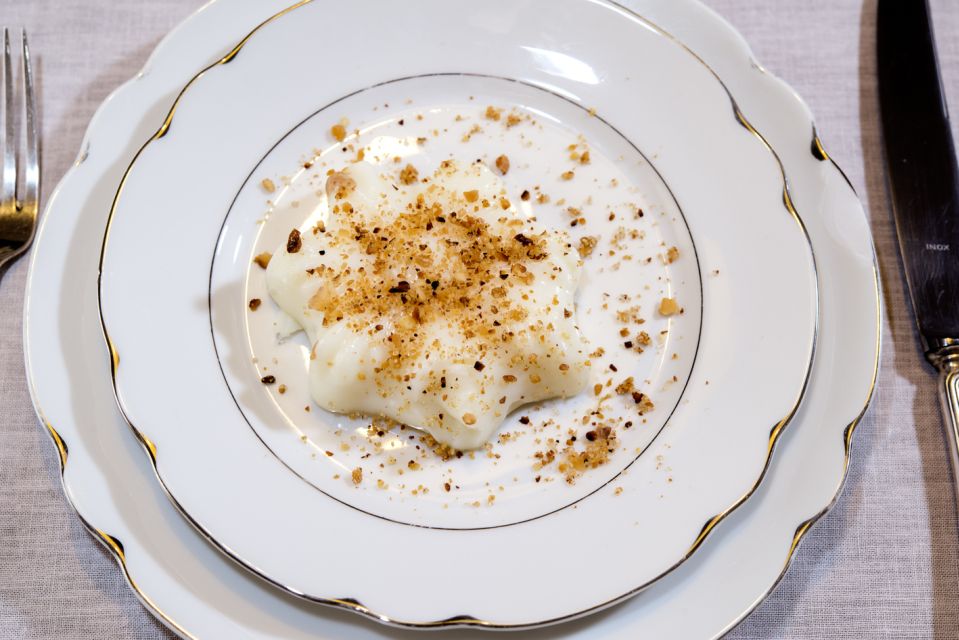
This is a 3-hour class, usually offered around 10 AM or 5 PM (with flexibility depending on travel needs). You’ll arrive at the cook’s home, where you’ll be set up at a workstation with utensils and ingredients so you can actively cook rather than just observe.
Here’s how the time typically moves, in the most useful way to think about it—course by course—so you know what you’re buying:
1) Arriving, getting oriented, and starting your first course
When you reach the home, expect a warm welcome and a quick setup around the kitchen area. The instructor (English and Italian are supported) will guide you through what you’ll make and how the kitchen work should flow.
This first stage is important because it sets the pace. You’ll learn what tools you’re using, how ingredients are being measured or handled, and what the cook considers the “correct” look and feel for the dish. Even if you’ve cooked before, you’ll likely pick up local micro-habits—small decisions that affect flavor and texture.
2) Starter: learning the regional “begin here” flavors
Your first recipe is a starter, taught with enough structure that you can follow along without feeling lost. Starters in Sicilian-style meals aren’t just snacks; they’re where the meal’s rhythm starts and where flavors often come through clearly.
You’ll do the prep and build under instruction—so you taste as you go, and you learn what the cook expects at each step. This is where you’ll begin to understand the local approach to seasoning, handling, and timing.
3) Pasta: hands-on technique plus the key turning point
Next comes pasta, and this is usually the part where cooking classes either stay theory-heavy or become genuinely useful. Here, you’re at the workstation doing the work. That means you get experience with dough or assembly steps, plus guidance on how to judge readiness.
Pasta lessons are the best value in cooking classes because you can reproduce them at home. Once you know the texture cues and timing, you can repeat the method later—even if you can’t find every ingredient immediately, you’ll understand what you’re aiming for.
You can also read our reviews of more cooking classes in Ragusa

4) Dessert: sweet finish with real local technique
Then you move to dessert. Dessert can be the trickiest part to teach well because small differences matter. The home-cook style works in your favor here: you’ll get practical instructions geared toward how these recipes actually come together in a family kitchen.
The best part is that you’re not finishing with a lecture. You’re making it. So when you eventually taste what you created, you understand what you did to get there.
5) Taste everything with local wine, water, and coffee
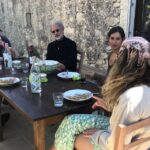
Once the end results are ready, you sit down and taste your meal, accompanied by a selection of local wines. Drinks included are water, wines, and coffee, so you’re not scrambling for a café stop afterward.
This “cook, then eat” flow is more satisfying than you might expect. You don’t just take photos and move on. You experience the flavors as a complete Sicilian dinner—starter to sweet finish—paired with wine.
The “Local Cook” Part: What You’ll Actually Learn That Transfers Home
A common problem with food tours is that they can turn into a snack crawl. This isn’t that. This class is designed around getting you practical skills that stick.
Here’s what tends to transfer best when the lesson is taught like a family method:
- Texture judgments: the cook’s “look and feel” cues help you know when something is right without needing a timer for everything.
- Timing planning: making three courses in one session forces you to understand sequencing. That’s the difference between a tasty meal and a stressed one at home.
- Ingredient logic: local recipes often use straightforward ingredients with a clear purpose—knowing the role makes substitutions easier later.
And the human side is part of the learning. In particular, Salvina and Angelo’s teaching style comes across as deeply rooted in family heritage. People describe it as feeling like being in a mother’s kitchen, which tells you the instruction comes with meaning, not just steps.
That matters if you’re doing this as more than a “fun dinner.” If you’re in Ragusa to connect with your own roots—or simply want your time in Sicily to feel personal—this is the kind of class that supports that.
Price and Value: What 164.26 Per Person Buys You
At $164.26 per person for about 3 hours, this isn’t a budget activity. But it also isn’t just paying for ingredients and a meal.
You’re paying for:
- a private class setting in a home kitchen (not a public venue),
- a certified home cook teaching three courses,
- hands-on instruction plus all utensils and ingredients,
- and a full sit-down tasting, with local wine plus coffee.
If you compare this to what you’d spend for a guided class elsewhere plus a restaurant meal plus wine, the price starts to make more sense. The real value here is the combination: you get skill-building and the pleasure of eating what you made with wine included.
For me, the best way to judge value is this: if you’ll actually cook again at home, this pays off. If you’re mainly looking for a quick meal with a nice story, you might decide the cost is too high.
Who This Fits Best (and When It Might Not)
This class is ideal if you:
- want a hands-on experience rather than watching someone cook,
- like small-group travel where you can ask questions,
- care about local recipes and want practical methods you can repeat,
- enjoy social meal moments—learning and eating together.
It’s also a good option if you’re traveling with children, because the home-based welcome is described as very accommodating. If your family includes kids, you’ll appreciate an environment where people seem comfortable making the experience work rather than treating it like a rigid workshop.
When might it not fit? If you dislike eating with alcohol present, remember wine is part of the tastings (you’ll be served wine as included beverages). If you want a strictly separate beverage route, you should ask ahead about how your preferences can be handled—dietary requirements can be catered to, but the data specifically mentions wines as included.
Small Practical Tips to Make the Most of Your Session
Because this happens in a private home, a few habits will help you enjoy it more:
- Arrive with comfortable timing. You’ll be given the exact address after booking, so build in a little buffer.
- Wear something you can cook in. You’ll be working at a workstation with utensils and ingredients.
- Come with curiosity, not perfectionism. Cooking lessons work best when you’re focused on learning what to adjust, not on whether your first attempt looks exactly right.
- Mention dietary needs early. Vegetarian, vegan, and gluten-free requests can be catered to on request.
Should You Book Ragusa’s Private Cooking Class?
Book it if you want a true Ragusa home-food experience: three recipes, hands-on work, and then a full tasting with local wine and coffee. It’s also a great choice if you care about the human side of travel—being welcomed by cooks like Salvina and Angelo and learning in a way that feels family-centered.
Skip it (or at least think twice) if you’re only after a quick meal, you don’t plan to cook at home after, or you prefer group tours over private instruction. With a higher price point than a casual dinner, you’ll want to be sure you’re here to learn.
In short: if you want a memorable Sicilian dinner plus real technique you can repeat, this is the kind of class that earns its cost.
FAQ
Where does the class take place?
The class is held in a local family’s home in Ragusa. For privacy reasons, the full address is provided after booking.
How long is the cooking class?
The experience lasts about 3 hours (you can check availability for the specific starting time).
What time does it usually start?
It usually begins at 10 AM or 5 PM, but the time can be flexible based on your travel requirements.
What will I cook during the lesson?
You’ll learn three local recipes: a starter, pasta, and dessert.
Is this a private experience?
Yes, it’s listed as a private group experience.
What languages are offered by the instructor?
The instructor provides instruction in English and Italian.
What’s included to drink during the tasting?
You’ll have beverages included with the meal: water, local wines, and coffee.
Can dietary requirements be accommodated?
Yes. Vegetarian, vegan, and gluten-free requests can be catered to upon request.