REVIEW · RAGUSA
Ragusa: Dining Experience at a Local’s Home
Book on GetYourGuide →Operated by Cesarine · Bookable on GetYourGuide
A home-cooked Sicilian dinner in Ragusa feels like a secret you can actually book. What makes this experience special is the Cesarina-led cooking demo inside a real local home, where Salvina and her family handle the hospitality and you get close to recipes that have been kept in circulation for generations. I love the hands-on, question-friendly pace, and I especially like that the meal is structured as a 4-course journey rather than a rushed restaurant stop. One drawback: the address is shared after booking, and it’s typically easiest with a car, since the home can be about 20 minutes from Ragusa’s center.
If you care about food beyond a menu photo, you’ll also like the way this is built around family flavor: you taste what locals actually serve, then you learn what’s behind the pasta, the sauces, and the finishing touches. You’re not just watching from the sidelines; this kind of meal is designed so you understand the why, not only the what.
In This Review
- Key highlights you’ll feel right away
- Ragusa at home: why this dining format works
- The host home arrival: what to plan for
- The cooking demo: learning while you watch and taste
- Course by course in Ragusa: what the 4-course meal really means
- Starter: set the tone, not just fill the plate
- Pasta course: where Sicilian technique shows
- Main course plus side: the fuller, family-style portion
- Dessert: finish the meal like family
- Drinks included: wine, coffee, and the pace of a long table
- The value question: is $100 per person worth it?
- Who this Ragusa dinner is best for
- Practical tips that make the meal smoother
- Should you book Ragusa’s private home dining with a Cesarina?
- FAQ
- What is the duration of the Ragusa dining experience?
- When does the lunch or dinner typically start?
- What’s included in the 4-course menu?
- What drinks are included?
- What languages are used during the cooking demo?
- Can dietary requirements be accommodated?
Key highlights you’ll feel right away
- A private cooking demo in a local home instead of a staged show kitchen
- Family recipes passed down through mammas’ cookbooks, with an emphasis on Sicilian tradition
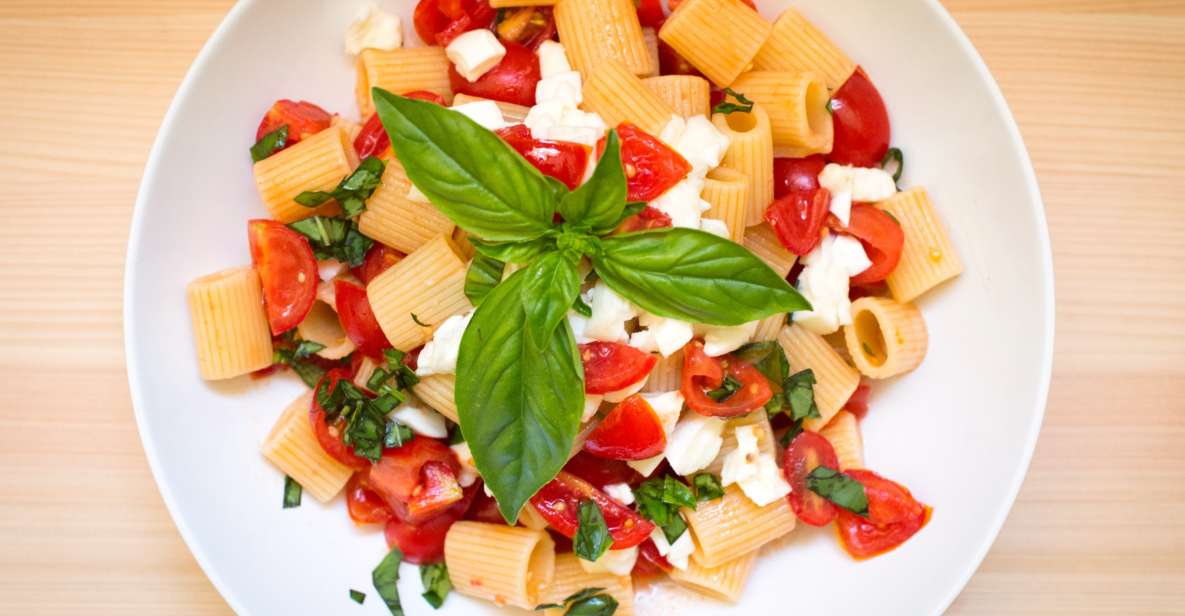
- A full 4-course lunch or dinner (starter, pasta, main + side, dessert)
- Drinks included: water, a selection of regional red and white wines, and coffee
- Real conversation with the hosts, with warmth that goes beyond small talk
- A practical group size setup: it’s a private experience, so it’s easier to ask questions and move at the home pace
Ragusa at home: why this dining format works
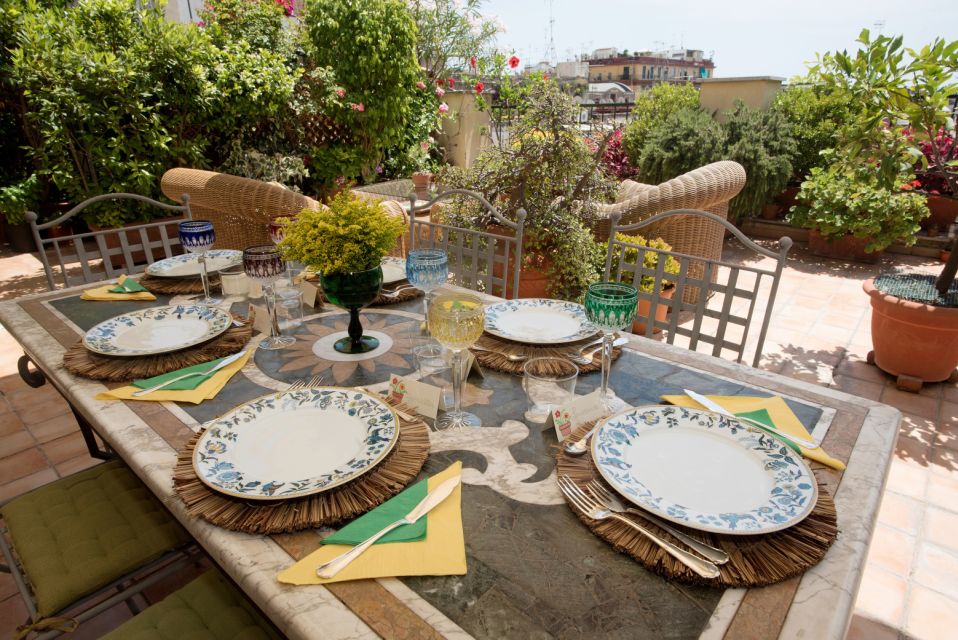
Ragusa is the kind of Sicilian place where food isn’t treated like an attraction. It’s treated like daily life. That’s why I like this experience’s format: it takes a classic home-table event and turns it into something you can join without needing local contacts.
This is a private lunch or dinner hosted in the Cesarina’s home. You ring the doorbell when you arrive, and the welcome is part of the experience, not an afterthought. In a normal restaurant meal, the “who” behind the food is blurry. Here, the people are visible, and the pacing stays human.
It also helps that the meal is structured into four courses. You’ll start with a starter, move into pasta, then get a main course with a side, and finish with dessert. That sequencing matters because Sicilian menus often build flavor in steps: lighter starters that set the tone, then deeper pasta flavors, then the main and dessert to round everything out.
You can also read our reviews of more tours and experiences in Ragusa.



The host home arrival: what to plan for
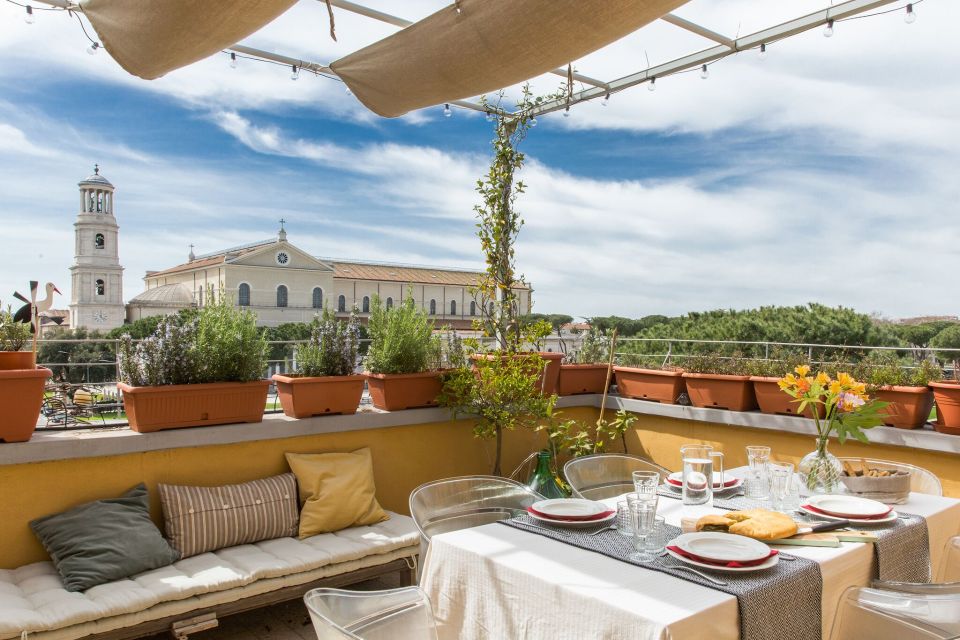
Your meeting point is your host home. After booking, you’ll be contacted with the full address and a mobile number, and when you arrive you ring the doorbell. This is simple, but it does change how you travel.
Here’s what you should do so it stays easy:
- Build in a little extra time to find the home after you receive the address.
- If you’re staying in central Ragusa, plan on using a car. One practical tip from past diners is that it can be around 20 minutes by car from the center.
- Expect a schedule that starts at about 12:00PM or 7:00PM, with times flexible by advance request.
Because it’s a private home, the location can feel different than a fixed restaurant. That’s the point. You’re not just eating in Ragusa; you’re spending part of an evening inside Ragusa.
The cooking demo: learning while you watch and taste
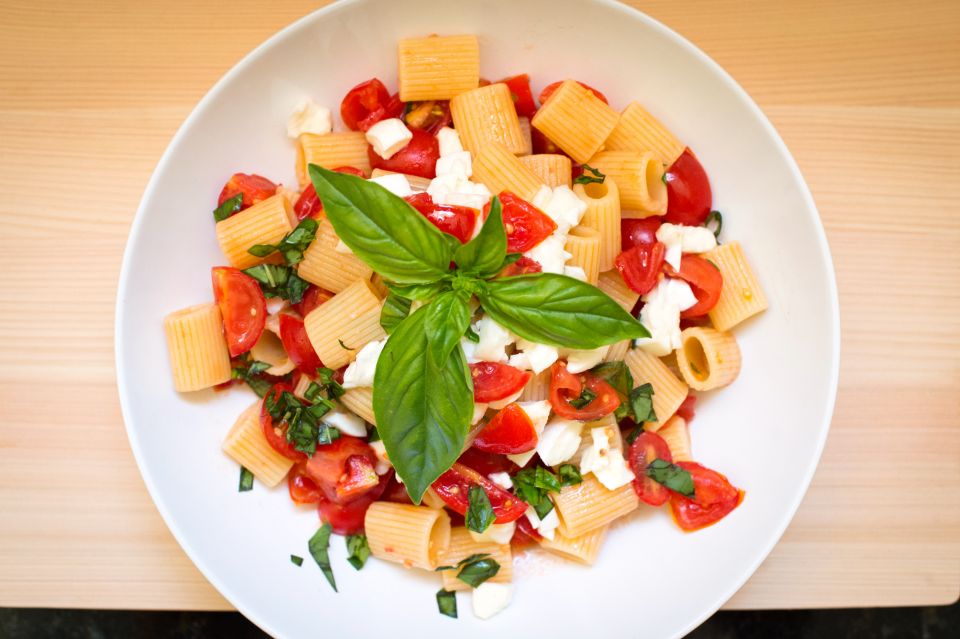
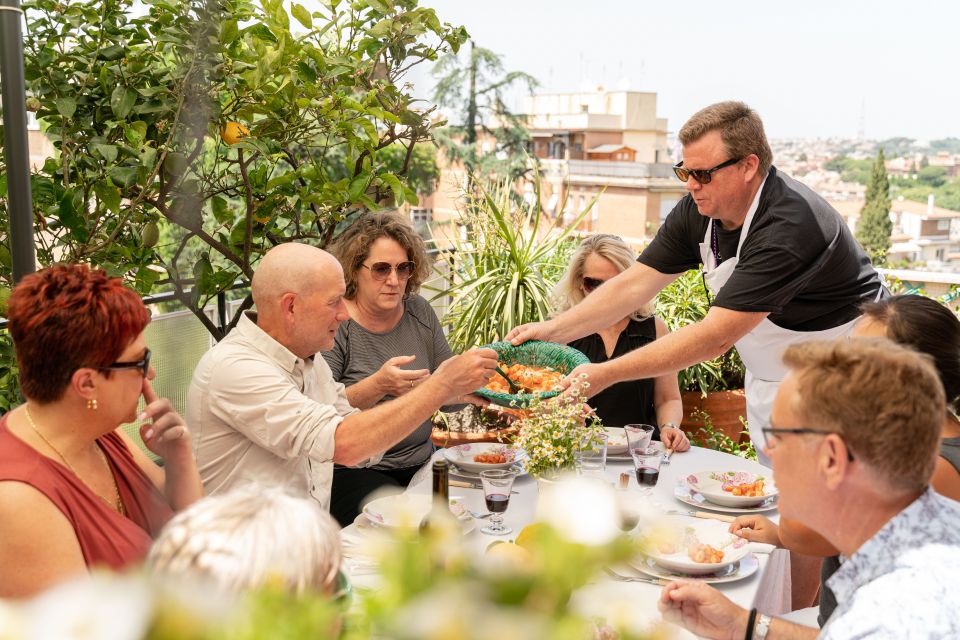
The heart of the experience is the show-cooking moment. You’re not sitting through a lecture. You’re watching the process, asking questions in English or Italian, and tasting what comes out of the kitchen.
From the way the experience is described, the demo focuses on authentic Sicilian recipes connected to family cookbooks. That phrase matters. When a dish is written down and re-made by generations, you can usually tell: the flavors aren’t guesses, and the methods are repeatable. It’s the difference between a one-off “chef’s idea” and a recipe that actually survives real family dinners.
You can also expect an interactive feel. In past experiences, diners have helped make pasta and even tried pizza with the host. Even if your exact hands-on tasks vary by what’s on the menu that day, the intent stays the same: you’re meant to leave understanding what you just ate.
Practical tip: if you have dietary requirements, confirm them directly with the organizer after booking. The experience can cater to different needs, but you’ll want confirmation ahead of time so the kitchen can plan properly.
Course by course in Ragusa: what the 4-course meal really means
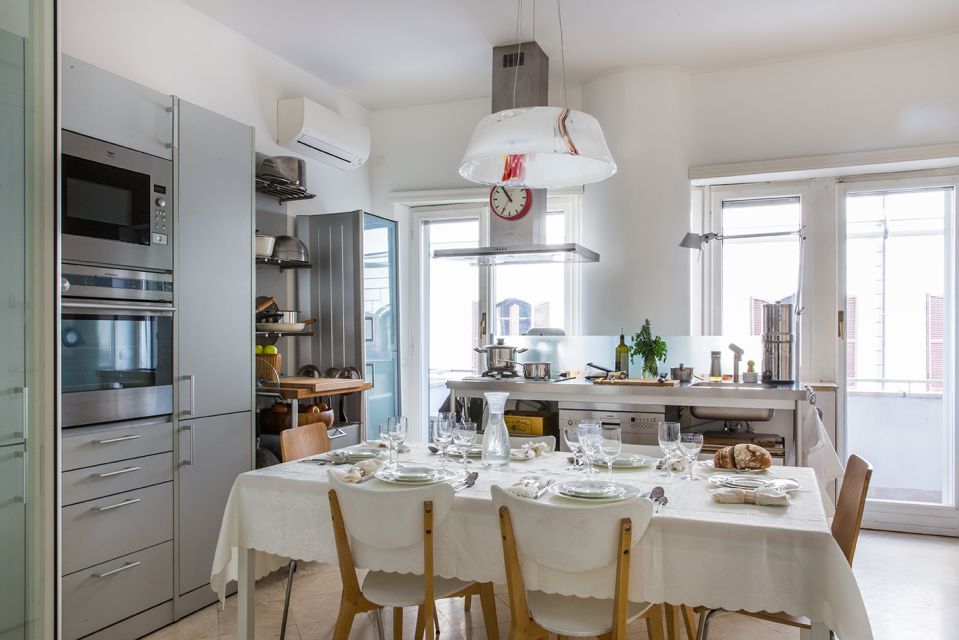
This meal is planned as a progression, not a sequence of random plates. Here’s how the structure usually lands.
Starter: set the tone, not just fill the plate
The starter is your welcome. It’s where you get the first taste of the day’s Sicilian approach—something that makes you adjust your palate for what’s next. Starters also help you slow down. In a home setting, that matters because the evening usually runs at a calmer tempo than a restaurant rush.
You’ll be tasting while the cooking demo continues, so think of the starter as both food and orientation.





Pasta course: where Sicilian technique shows
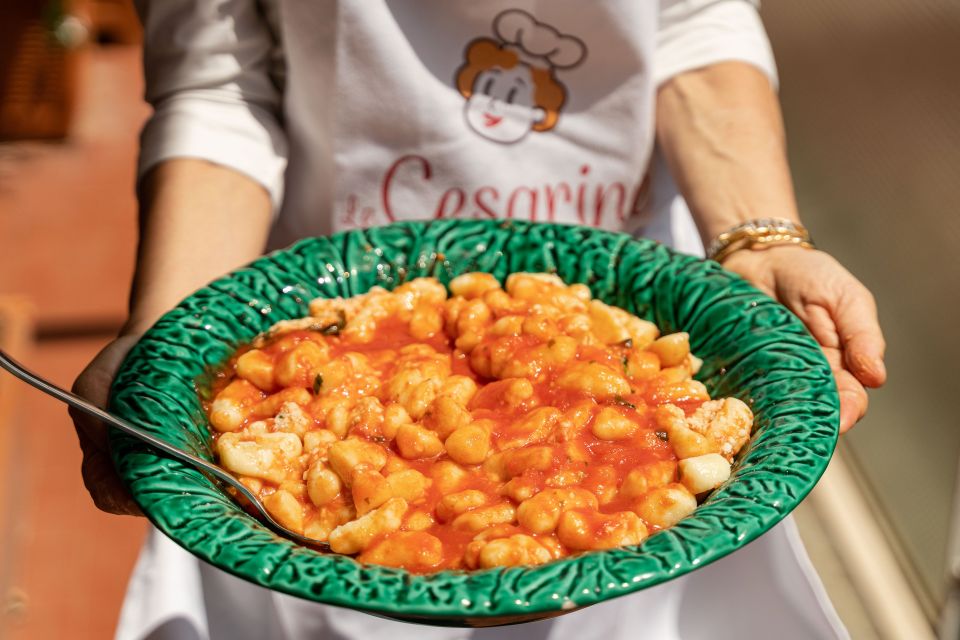
The pasta course is the obvious highlight for many people, and for good reason. Pasta in Sicily isn’t only about comfort; it’s about sauces, balance, and method. This is the course where the demo becomes most useful, because the host can explain what’s going on while you can actually taste the result.
This is also where interactive moments often happen. Past diners have mentioned helping make pasta, which is a big deal: when you help shape or assemble, you start noticing small details you would miss if you were only eating.
Main course plus side: the fuller, family-style portion
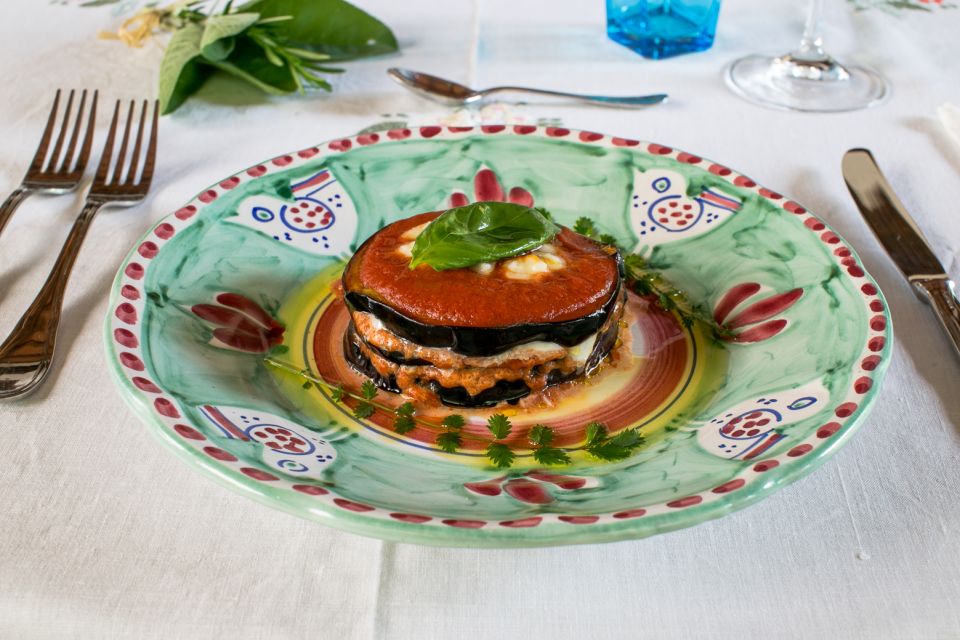
After pasta, you move into the main course served with a side dish. This is where the menu tends to feel more generous and more “Sunday dinner.” It’s also a good chance to taste how the host rounds out flavors—how they balance the main with something complementary rather than trying to overpower it.
Because it’s private, you can often adapt with your host if you want to learn more, take your time, or ask what pairs best with the next drink.
Dessert: finish the meal like family
Dessert closes the loop. In many Sicilian homes, the dessert stage is where hospitality shows up most clearly—simple, satisfying, and made to be shared.
In one past experience, diners reported homemade Limoncello alongside other drinks. Even if you don’t get the exact same finish every time, it’s a good sign of the home-style spirit: the host treats drinks as part of the meal, not an optional add-on.
Drinks included: wine, coffee, and the pace of a long table
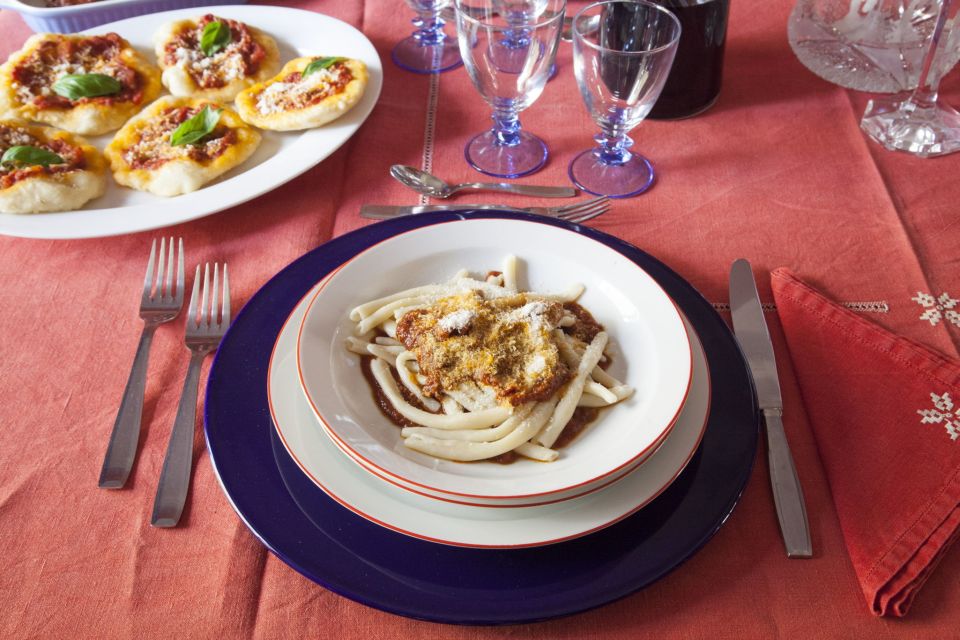
Drinks are included, which is one of the best value points here. You’ll have:
- Water
- A selection of regional red and white wines from local cellars
- Coffee
The practical benefit: you’re not doing the “menu math” during the meal. This is one of those experiences where your budget is clearer up front, because the included drinks help you settle in. It also makes the conversation easier. When a host pours wine and talks food, you get a rhythm that fits a home meal.
Also, based on past diners’ comments, some nights include homemade touches like limoncello. If that’s part of your evening, savor it—then ask how it’s made and where the flavor comes from.
The value question: is $100 per person worth it?
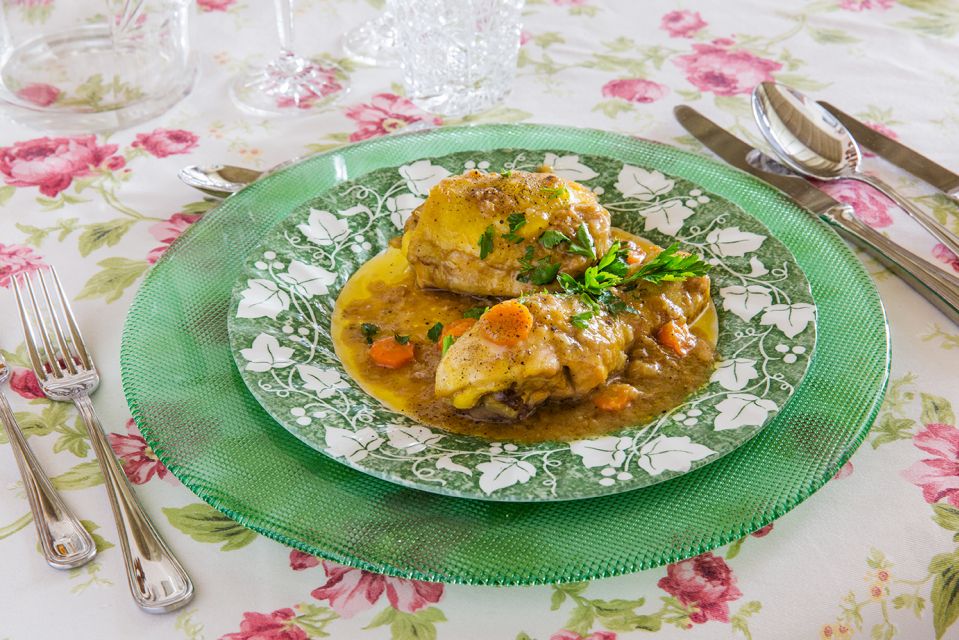
At about $100 per person for a 3-hour private experience, this isn’t the cheapest meal in Sicily. But it’s also not trying to compete with a casual trattoria price.
Here’s where the value really comes from:
- You’re paying for privacy and a dedicated host kitchen time.
- You get a private cooking demo, not just dinner.
- The meal includes four courses, plus wine and coffee.
In other words, you’re not just buying food. You’re buying access: the home setting, the cooking knowledge, and the host relationship. If you enjoy food culture that feels personal and not staged, this price starts to make sense.
If you mostly want a quick bite and are fine eating the same dishes anywhere, then a restaurant might be a better fit. But if you want a meal that teaches you something while feeding you well, this is priced like an experience, and it delivers like one.
Who this Ragusa dinner is best for
This is a strong fit if you:
- Want an authentic taste of Sicily that isn’t limited to one dish
- Enjoy learning how food is made, not only eating it
- Prefer small, private settings where you can ask questions
- Travel as a couple, small group, or family and want a relaxed pace
One past diner also mentioned the host being kind and accommodating to a young child (a 3-year-old). That suggests the home environment can be flexible.
It may be less ideal if you:
- Hate the idea of arriving to a residential address rather than a big public venue
- Don’t have a car and don’t want to deal with a location roughly 20 minutes from the center
- Want a strictly timed, factory-style schedule
Practical tips that make the meal smoother
A few small choices can make a big difference with a home meal in Ragusa.
- Arrive on time after you receive the address. In a home setting, timing helps the kitchen flow.
- Come hungry, but don’t overstuff before you go. Four courses plus drinks can add up quickly.
- Bring questions about the recipes. The experience is designed for conversation in English or Italian.
- If you have dietary needs, confirm them directly with the organizer. Don’t assume the kitchen can swap ingredients on the fly.
- If you’re staying near central Ragusa, plan transportation. A car is often the easiest path.
Should you book Ragusa’s private home dining with a Cesarina?
I think you should book this if you want Sicily through food that’s personal—where the kitchen is a real home and the meal is built in four steps with drinks included. The standout strength is the combination of hospitality + cooking demo + family-style courses, all in one private 3-hour block.
Skip it if you’re looking for a classic public-tour vibe, you don’t want to handle a residential meeting point, or you don’t plan to have practical transport.
If you do book, you’ll likely leave with more than a full stomach. You’ll leave understanding the approach: why the pasta works, how the flavors line up across courses, and what Sicilian hospitality feels like when it’s coming from people, not a script.
FAQ
What is the duration of the Ragusa dining experience?
The experience lasts about 3 hours.
When does the lunch or dinner typically start?
Dining usually begins at 12:00PM or 7:00PM, but times can be flexible with an advance request.
What’s included in the 4-course menu?
You’ll get a 4-course meal: a starter, pasta, a main course with a side dish, and dessert. Beverages are also included.
What drinks are included?
Water, a selection of regional red and white wines, and coffee are included.
What languages are used during the cooking demo?
The cooking demo is offered in English and Italian.
Can dietary requirements be accommodated?
The experience can cater to different dietary requirements, but you need to confirm this directly with the organizer after booking.