REVIEW · PALERMO
Scopri il Cuore di Palermo: arte, monumenti e mercati
Book on GetYourGuide →Operated by Chiara M · Bookable on GetYourGuide
Palermo tells stories in every corner. This 2-hour walk ties together Teatro Massimo and the Palermo Cathedral (UNESCO) with legends of Santa Rosalia, the Florio family, and tasty stops in Capo Market. I especially like how the guide explains what changed in the city over time, not just what you’re looking at. The main thing to consider: you cover a lot on foot in a short window, so comfy shoes matter.
Two other wins for me: you get a very human, local-style storytelling approach, and the food guidance is practical (where to snack and what to look for in the markets). When I did this-style tour, I heard the guide named Claudio and he came across as engaging and professional, the kind of person who keeps you tuned in while you’re moving.
One more reality check for value: entry to the Cathedral is included, but museum/monument tickets and food drinks are not. At around $23 per person, that still makes sense if you want the big sights and the street-food direction without overpaying for extras you may not need.
In This Review
- Key highlights worth your time
- How this 2-hour Palermo walk stays efficient
- Starting point: Via Cavour and the Sant’Ignazio lead-in
- Church square mood: why this stop matters (even if you’re not a museum person)
- Teatro Massimo and the Florio family: opera house as a city symbol
- The fun in the myths: Santa Rosalia, pirates, and strange creatures
- Capo Market: Arab-origin market life and real food energy
- What to do if you hate surprises
- Palermo Cathedral (UNESCO): from temple to mosque to church
- A small consideration
- The real value: tips for food, cafés, ice cream, and nightlife
- Claudio’s impact: why the guide quality shows up
- Price and value: what $23 includes, and what you should budget for
- Who should book this Palermo tour
- Should you book Scopri il Cuore di Palermo?
- FAQ
- What is the duration of the tour?
- Where does the tour start?
- Is the Cathedral entrance included?
- Are museum and monument tickets included?
- Are food and drinks included?
- What language is the tour in?
- What is the price per person?
- How does cancellation work?
- Can I reserve without paying immediately?
- Is hotel pickup and drop-off included?
- What if I want to do it even if my plans are flexible?
Key highlights worth your time
- Teatro Massimo + Florio legends: the building, the era, and the spooky tales get tied together
- Santa Rosalia stories: you’ll hear how the city’s patron saint became a legend to fight a plague
- UNESCO Palermo Cathedral evolution: temple to mosque to church, explained in plain terms
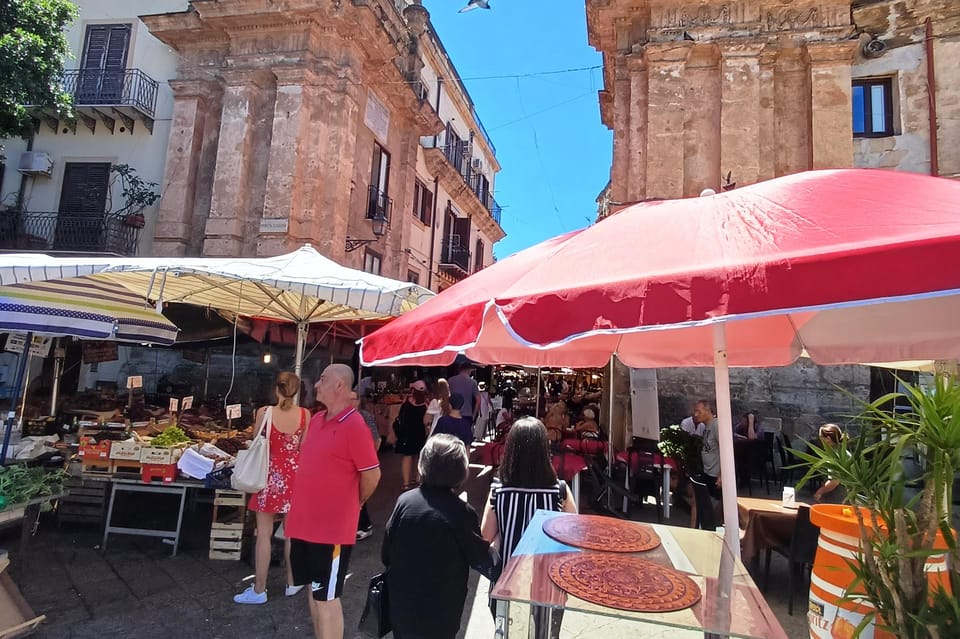
- Capo Market tasting: Arab-origin market energy with Sicilian street food and sweets
- Practical local recommendations: tips for restaurants, cafés, ice cream places, and nightlife
How this 2-hour Palermo walk stays efficient
This tour works because it builds a mental map fast. You start in a scenic square area, then move through the city’s “big signals” (opera house, main cathedral) while the guide fills in the story layer between stops.
You’ll be walking through the historic center at a steady pace. That’s great for seeing a lot without getting lost, but it also means you’re not doing a slow, museum-only day. If you like concentrated sightseeing with explanations, you’ll feel like you’re getting your bearings quickly.
You can also read our reviews of more tours and experiences in Palermo.
Starting point: Via Cavour and the Sant’Ignazio lead-in
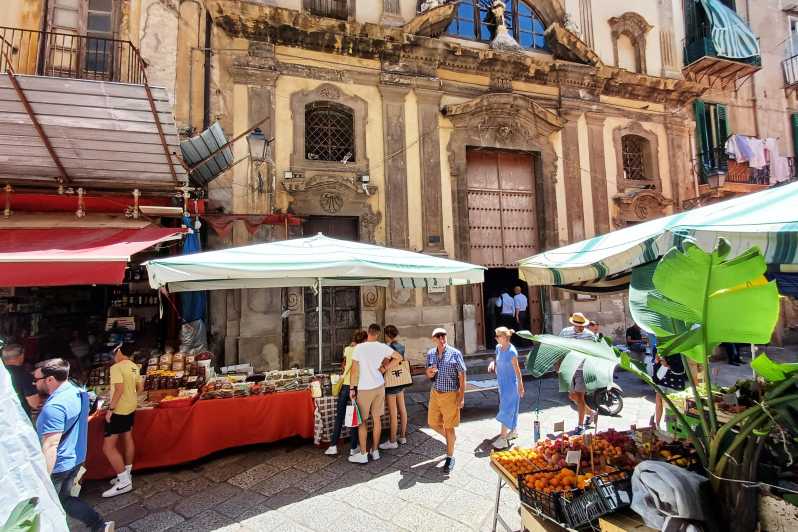
You meet at Via Cavour 133A, right in front of Banca d’Italia. Look for the guide badge at the meeting point so you don’t waste time. The start is timed so you can get into the historic core before the afternoon rush really kicks in.
From there, you head toward Sant’Ignazio, including the church context and its archaeological museum area. This is one of those stops that helps you understand Palermo as a layered city: different eras live on top of each other, and you’re learning how that shows up in streets, buildings, and religious sites.
Practical note: entrance tickets to museums and monuments are not included. So if the archaeological museum area requires a separate ticket during your visit, you’ll either pay extra or simply focus on what you can see without entering.
Church square mood: why this stop matters (even if you’re not a museum person)
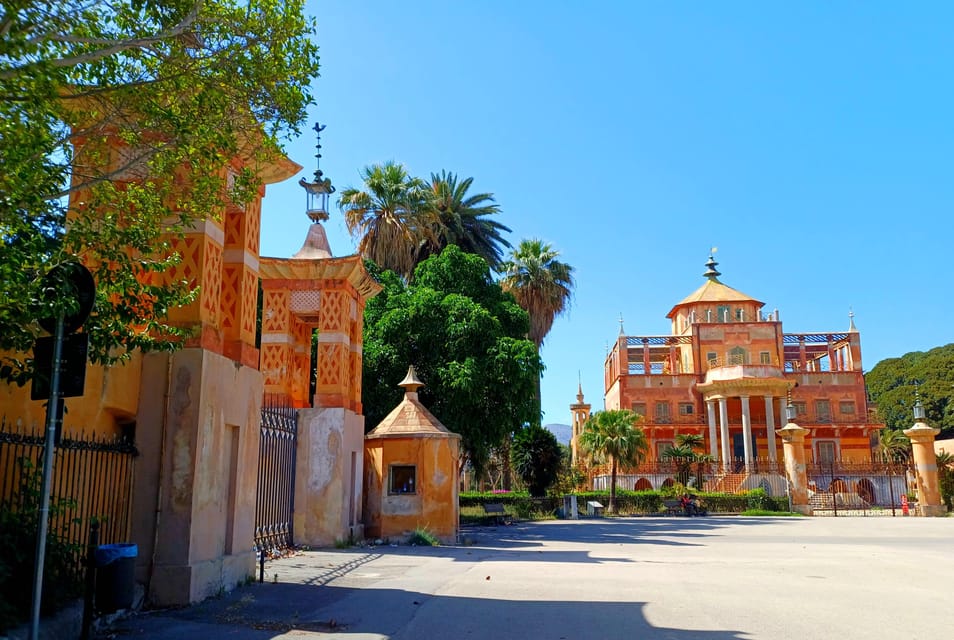
Sant’Ignazio isn’t just a name on a list. It gives you a “zoomed out” view of the city’s past, and that makes the next stops much easier to follow.
I like this kind of setup because later, when you stand in front of major monuments, you’re not guessing. You’ll already have the guide’s thread: Palermo keeps changing its purpose and identity, and the architecture is the proof.
Teatro Massimo and the Florio family: opera house as a city symbol
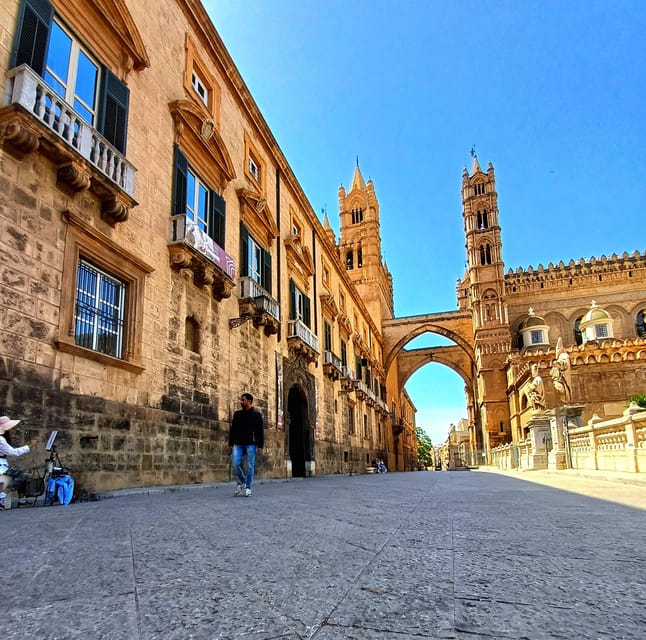
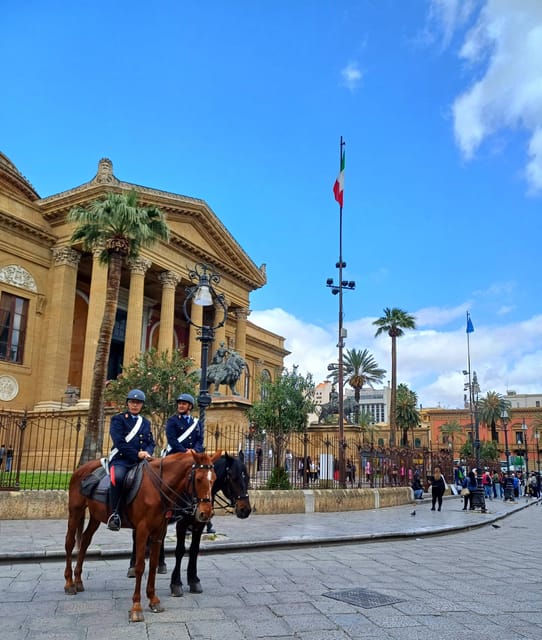
Then comes the star segment: Teatro Massimo, the largest opera house in Italy. Even before you get deep into details, the scale hits you. It’s the kind of place where you understand why Palermo talks about culture like it’s part of survival and status, not just entertainment.
The guide connects the theatre to Belle Époque Palermo and the Florio family. That’s a big deal because the Florios weren’t only about money; they shaped the city’s image and future. You’re not just admiring a façade—you’re learning what it represented when Palermo was flexing on the world stage.
And yes, you’ll hear ghostly legends around the theatre. Expect stories with that local, street-smart energy—things like legends of the place, odd tales tied to people who lived around it, and the darker side of glamour. This is where the tour’s “myths and legends” tone really shows.
The fun in the myths: Santa Rosalia, pirates, and strange creatures
Between major monuments, the guide keeps weaving in stories. One moment you’re hearing about Palermo’s patron saint, Santa Rosalia—known affectionately as La Santuzza—and the next you’re hearing how the city linked her to miracles, especially the story of how she freed Palermo from the plague.
You also get myth material like the Beati Paoli, described as a mysterious sect tied to Palermo lore. The tour doesn’t treat these as trivia; it treats them as part of how the city explains itself.
There are also the amusing, local-unhinged tales too—things like pirates and even crocodiles, plus much more. Even if you take these stories with a grain of salt, they’re useful. They show you how people historically made sense of fear, power, and the unknown.
Capo Market: Arab-origin market life and real food energy
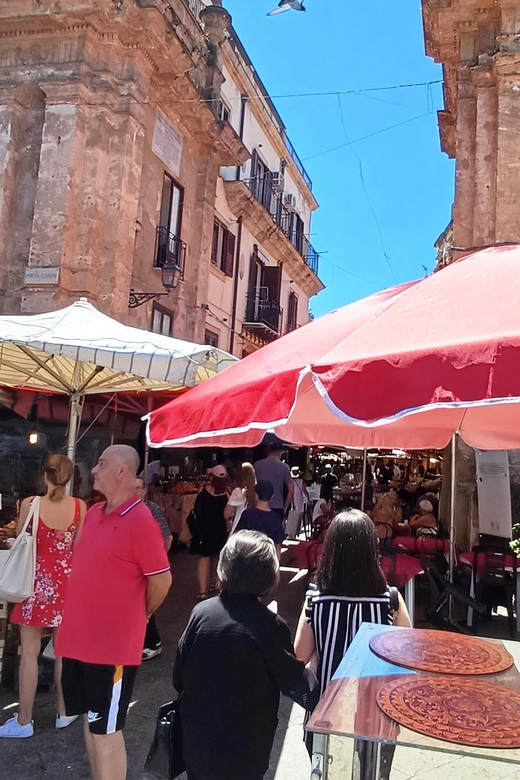
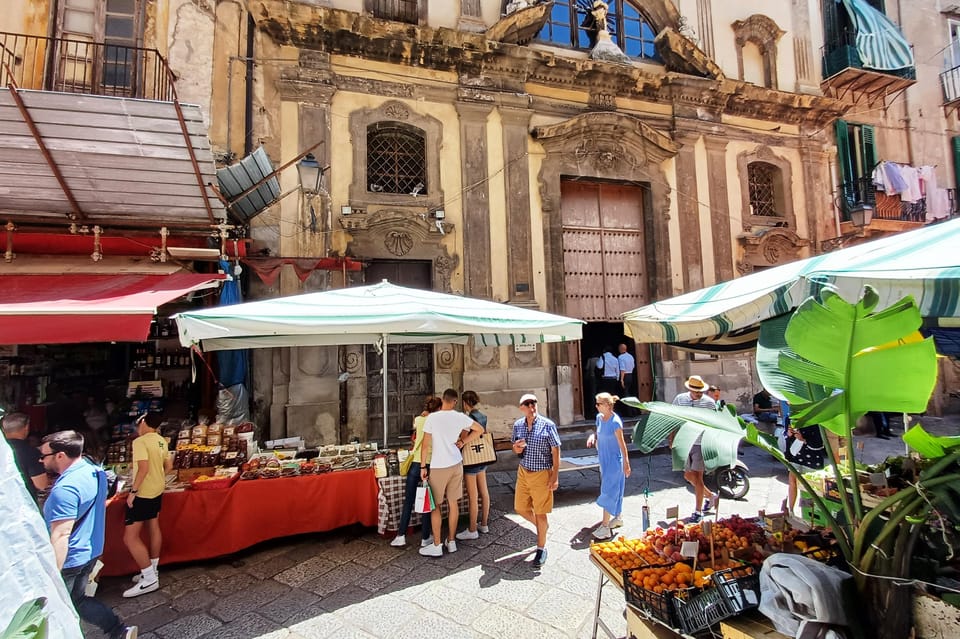
After the grand monuments, you shift into the market world at Capo Market. The guide frames it as an Arab-origin market, which matters because markets in Palermo weren’t just about groceries—they were about meeting points, commerce, and mixing cultures in everyday life.
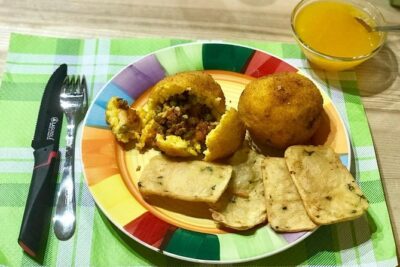
This is where the tour turns practical and tasty. You’ll get a chance to taste Palermo’s delicacies, guided toward classic street-food style options. One of the standout notes is street food connected to Arianna Dainotti, winner of Alessandro Borghese’s 4 Restaurants. That kind of reference isn’t about fame for its own sake; it helps you pick places with repeat quality.
Then you’ll hit Sicilian desserts, including the sweets known as Angeliche. This is the moment where you stop thinking like a checklist traveler and start thinking like a person wandering Palermo with a mission: snack, compare, learn what’s worth ordering again later.
What to do if you hate surprises
The tour doesn’t hand you a written buffet schedule in the information I have. The best move is to tell the guide right at the start if you have dietary restrictions. The food and drinks themselves aren’t included, so you’ll still be able to shape what you try within reason.
Palermo Cathedral (UNESCO): from temple to mosque to church
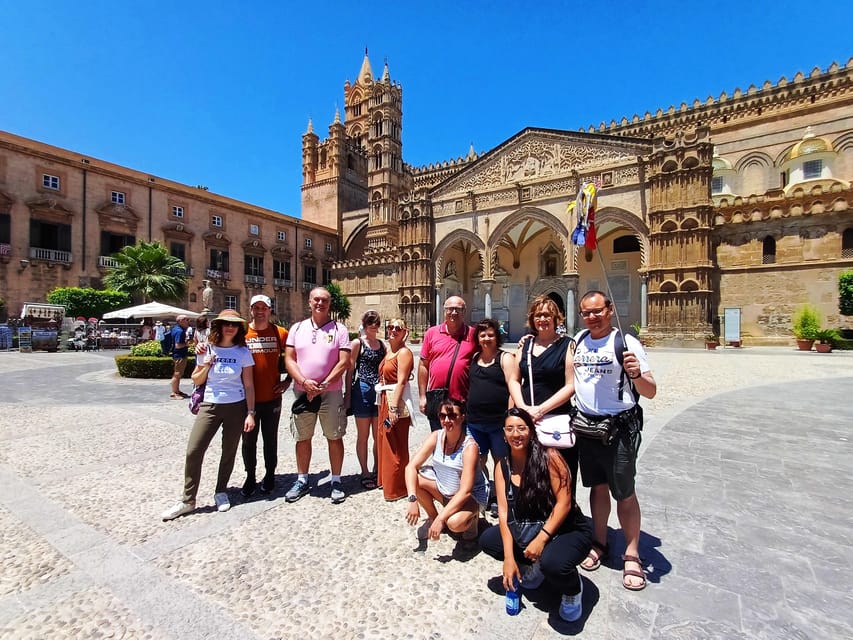
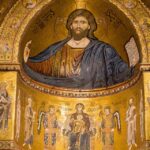
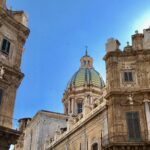
You finish at the Palermo Cathedral, a UNESCO site dating back to the early 12th century. This is the stop that turns all the earlier story stuff into one coherent picture.
The guide explains the Cathedral’s architectural evolution in a way that’s easy to remember: it began as a pagan temple, became a mosque, and later transformed into a Christian church. You’re basically seeing centuries of power shifts made visible in stone, and the explanation helps you read the building instead of just photographing it.
Outside, the bell towers are iconic. Inside, you’ll get the extra details that make the place feel intentional: tombs of kings and emperors, plus a spectacular sundial. Those last two points matter because they show the Cathedral wasn’t only spiritual—it was also political and scientific in the old way (timekeeping as part of civic life).
A small consideration
Because free entry is included for the Cathedral, you avoid one common headache. But entrance tickets to other museums/monuments aren’t included, and the tour is only two hours. If you’re someone who wants to go very slowly inside big sites, this ending may feel a bit fast—so plan to return later if the Cathedral grabs you.
The real value: tips for food, cafés, ice cream, and nightlife
Most “see Palermo in two hours” tours forget the useful part—what to do after. This one doesn’t.
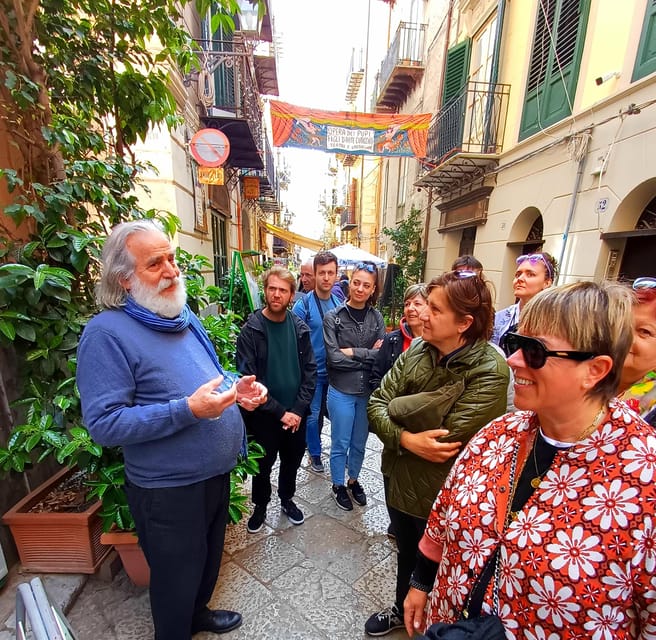
The guide shares the best tips for restaurants, cafés, ice-cream parlors, and nightlife. I like this because it’s how you turn a sightseeing day into a real local-style day. You’ll also have a better sense of what’s nearby, so you’re not hunting blindly after you’re done with the big monuments.
Think of it like the guide handing you a shortcut to your next meal—then you can spend the rest of your evening enjoying Palermo instead of planning from scratch.
Claudio’s impact: why the guide quality shows up
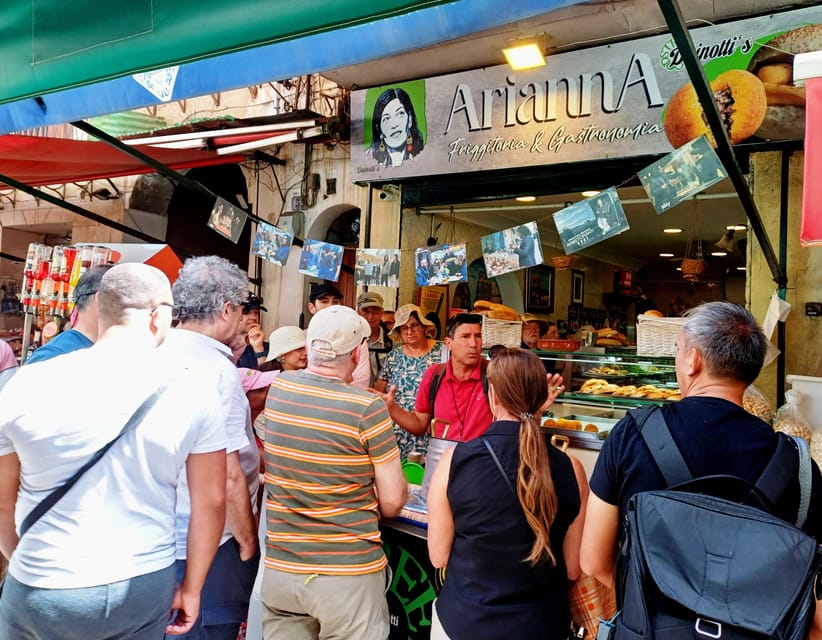
The standout across experiences of this tour style is the guide’s ability to keep you engaged while walking. I’ve seen this reflected in strong ratings and comments that highlight how Claudio delivered the explanations in a way that felt both interesting and enjoyable.
That matters more than people expect. In Palermo, if you only look, you can miss the “why.” The guide’s job here is to make the city’s changes understandable—cultural, historical, and economic—so the monuments stop feeling random.
If you’re traveling with people who get bored easily, this is the type of tour where a good guide can keep everyone with you.
Price and value: what $23 includes, and what you should budget for
At about $23 per person for a 2-hour tour, the value comes from three included pieces:
- a local, licensed guide
- live interpretation in Italian
- free entry to the Cathedral
What’s not included: entrance tickets to museums and monuments, plus food and drinks. So you should budget for optional add-ons, especially if you want to enter museum spaces like the archaeological areas tied to Sant’Ignazio.
Also, remember that the main attractions are heavily time-based. Since the tour is only two hours, you’re paying for guidance and smart routing—not for unlimited time inside every building. If that matches your pace, it feels like a bargain. If you want deep, slow museum hours, you’ll probably feel like you’re sprinting.
Who should book this Palermo tour
This works best if you:
- want a fast overview of Palermo’s historic center with real explanations
- like legends and context, not just architecture photos
- plan to eat in the markets and want help choosing what to try
- appreciate a guide who can turn monuments into a story you remember
It may be less ideal if you:
- need lots of quiet time inside major sites
- can’t follow tours in Italian (the tour guide language is Italian)
- don’t like short, steady walking segments
Should you book Scopri il Cuore di Palermo?
Yes—if your goal is to understand Palermo quickly and then use that knowledge to enjoy the rest of your day. The mix of Teatro Massimo, Santa Rosalia lore, Capo Market snacks, and the Cathedral’s UNESCO-worthy transformation makes this more than a simple sightseeing stroll.
I’d especially book it if you value a guide who connects dots and makes you feel oriented, not overwhelmed. Just go in with the right expectations: you’re covering major highlights in two hours, and you’ll likely want to return later if something really grabs you.
FAQ
What is the duration of the tour?
The tour lasts 2 hours.
Where does the tour start?
The meeting point is Via Cavour 133A, in front of Banca d’Italia.
Is the Cathedral entrance included?
Yes. Cathedral entry is included (free entry).
Are museum and monument tickets included?
No. Entrance tickets to museums and monuments are not included.
Are food and drinks included?
No. Food and drinks are not included.
What language is the tour in?
The live tour guide speaks Italian.
What is the price per person?
The price is listed as $23 per person.
How does cancellation work?
Free cancellation is available up to 24 hours in advance for a full refund.
Can I reserve without paying immediately?
Yes. The offer includes reserve now & pay later.
Is hotel pickup and drop-off included?
No. Hotel pickup and drop-off are not included.
What if I want to do it even if my plans are flexible?
You can book with the pay later option and check available starting times before committing.