REVIEW · SICILY
Snorkeling in Ustica (observation of marine flora and fauna)
Book on Viator →Operated by Escursioni Ciprea Ustica · Bookable on Viator
Ustica turns snorkeling into a real lesson. You’ll love the shallow-water snorkeling and how Vittorio’s guidance helps you notice behavior, not just pretty fish. The main catch is that the experience depends on good weather, and it’s only about an hour, so you won’t have time for a long, slow meander.
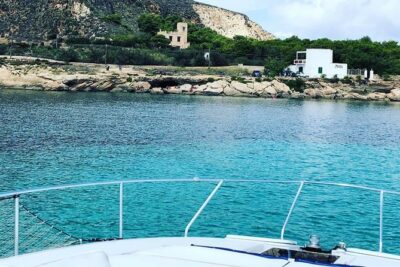
This tour starts at Cala Sidoti in the A zone of Ustica’s Marine Protected Area, the first of its kind in Italy. The beach is made of small gray basalt grains that don’t grab at your costume, and the water where you go in is shallow enough that you can keep things calm and hands-on.
You’ll get a mask and snorkel for the session, and if you don’t bring one you can rent for €2.50 each. Group size is capped at 50, and pickup is offered, which helps if you don’t want to stress about timing on arrival day.
In This Review
- Key highlights worth aiming for
- Cala Sidoti: Where Ustica’s snorkel starts
- Inside the Marine Protected Area: A zone, shallow water, real observation
- What you’ll spot: groupers, posidonia, salemas, sea urchins
- Vittorio’s approach: from fish facts to behavior you can read
- Gear, mask rental, and comfort tips that actually matter
- Timing, group size, and how to plan your afternoon in Ustica
- Price and value: why €17.79 can feel fair
- Weather reality and who this snorkeling tour fits best
- Should you book snorkeling in Ustica at Cala Sidoti?
- FAQ
- FAQ
- Where does the snorkeling tour meet in Ustica?
- What time does the tour start?
- How long is the snorkeling session?
- Is pickup offered?
- What equipment is included?
- Where exactly does the snorkeling happen?
- What kind of snorkeling experience is it?
- What wildlife or underwater features will I likely see?
- How big is the group?
- What happens if weather is bad?
- Can I cancel for free?
Key highlights worth aiming for
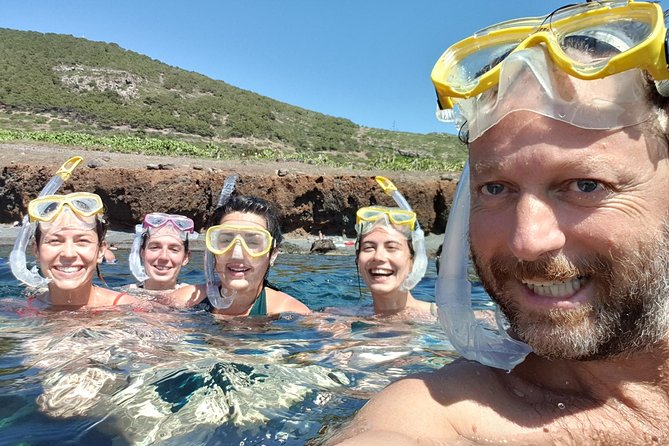
- Cala Sidoti’s easy, pebble-free feel: small basalt grains that won’t cling to your suit
- Surface snorkeling only: you’ll observe life without needing to go far underwater
- Ustica Marine Protected Area (A zone): a protected spot meant for careful wildlife watching
- What you’ll likely see: groupers in dens, posidonia meadows, salemas slipping by, and sea urchins
- A guide who explains behavior: you’ll learn the why behind what fish are doing
- Small-time commitment: about 1 hour, so it fits easily into a short stay
Cala Sidoti: Where Ustica’s snorkel starts
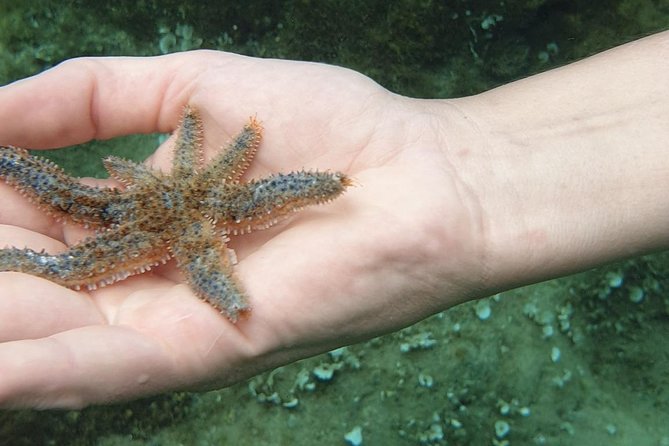
If you’re picturing snorkeling as something you do quietly on your own, this tour changes the vibe fast. You meet at Cala Sidoti, in Ustica (Sicily), and you’re not fighting for the “best spot” with a crowd. It’s a straightforward launch point, and that matters because the whole point here is staying relaxed enough to look closely.
The beach itself is a neat detail. You’re walking on small, pearly gray basalt grains, not big loose rocks. They don’t stick to your costume in the way sand sometimes does, so you spend less time shaking gear off later and more time actually paying attention once you’re in the shallows.
Timing is also helpful: it starts at 2:30 pm and runs for about 1 hour. That puts it in the afternoon window, which can work well if you planned earlier sightseeing (Ustica is a small island, so you can pack a lot in without running yourself ragged).
Pickup is offered, which is a practical win. If you’re staying somewhere awkward to reach on foot, this can save you energy for what you really came for: the underwater viewing.
You can also read our reviews of more snorkeling tours in Sicily
Inside the Marine Protected Area: A zone, shallow water, real observation
Ustica’s protected area isn’t just a label. It’s part of what makes the snorkeling feel like a wildlife encounter instead of a random splash-and-go. You’ll enter inside the Ustica reserve, specifically in the A zone of the first Marine Protected Area in Italy.
Here’s what I’d watch for, even before you see a single fish: the depth. You’re going into very shallow waters, where you can touch the surface and don’t need to dive deep. That means two things for your experience:
- It’s easier on nervous first-timers.
- You see marine life at eye level, where small movements become obvious.
Also, shallow doesn’t mean boring. In fact, shallow protected areas can feel busier because animals and plants are right where light hits and where currents bring food. You’re set up to notice what changes across seconds and minutes—fish repositioning, small groups moving like they have a plan, and tiny surprises close to the bottom.
What you’ll spot: groupers, posidonia, salemas, sea urchins
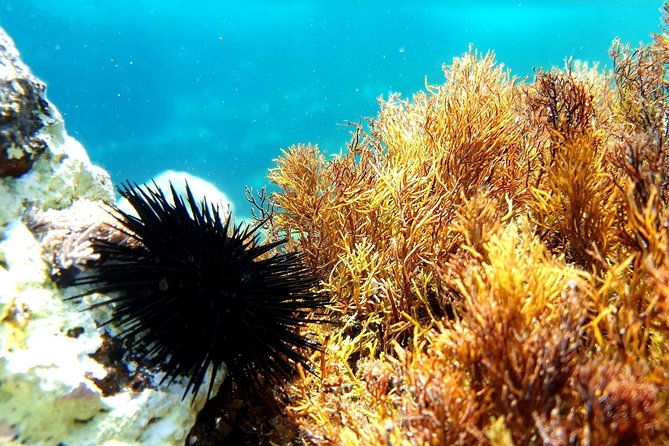
This is the part people talk about for a reason. The tour is built around a set of habitats and “anchors” for spotting wildlife, so you’re not just guessing.
You’ll be looking for:
- Grouper dens: you can often see where they hang out. Seeing a fish’s “home range” makes the whole sea feel more organized.
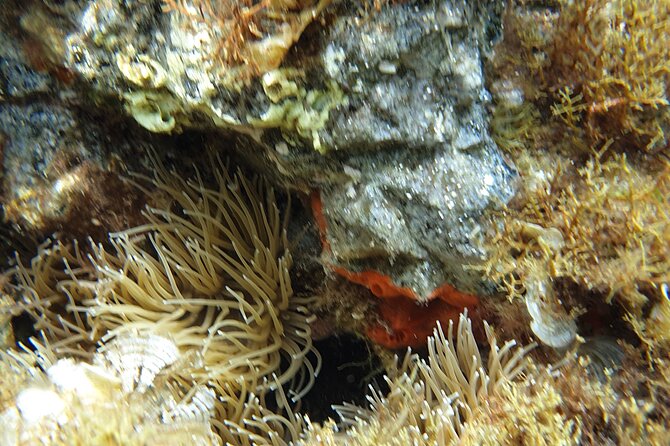
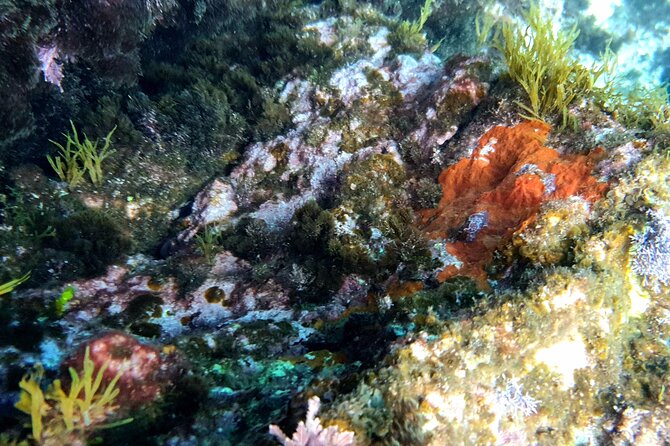
- Posidonia expanses: these seagrass meadows are important habitat. They also create natural cover, which is why you’ll notice more movement around them.
- Salemas: described as sneaking in through the shallow areas. Watch how they time their appearance—less a quick dash, more a slip into cover.
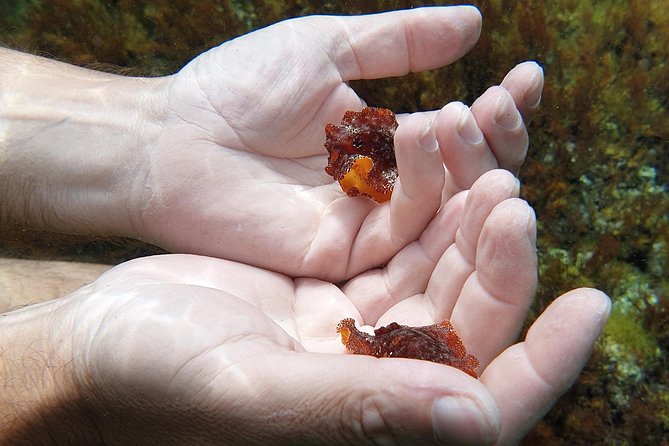
- Sea urchins: you’ll see them in the shallow water too. They’re slow, but they’re everywhere once you start looking.
One of the most useful lessons on this kind of guided snorkeling is how to shift your attention. Instead of chasing the biggest fish, you start scanning the “structure” of the underwater world: where plants grow, where animals rest, and what areas fish seem to treat as safe routes.
That’s also where the tour’s small humor comes in: you’re encouraged to realize fish are more intelligent than the usual stereotype suggests. The guide’s explanations push you to connect behavior to survival—things like positioning, timing, and using shelter.
Vittorio’s approach: from fish facts to behavior you can read
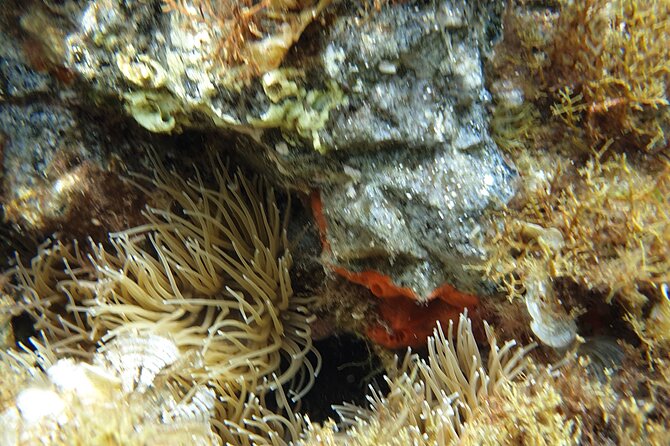
The star here isn’t only the sea. It’s the way Vittorio helps you understand what you’re seeing. The consistent theme in feedback is that he doesn’t just point. He explains in a way that makes you notice things you’d miss alone.
What I like about this is simple: behavior-based wildlife watching works better than a long list of species. When the guide talks about social behaviors and clever survival strategies, you start to predict what might happen next. That makes the snorkeling feel active, not passive.
He’s also described as passionate and prepared, and that shows in how he turns the reserve into a lesson you can follow. People note that his knowledge covers different sides of Ustica too (geology, underwater themes, and even stargazing on other outings), which tells me he understands the island as a system, not a one-day photo stop.
And if you’re uneasy in the water, this matters: at least some participants have shared that he took their fear seriously and helped them feel secure with proper support like a life jacket. That’s the kind of calm, practical handling that makes snorkeling less intimidating.
Gear, mask rental, and comfort tips that actually matter
You’ll be equipped with a mask and snorkel for the session. If you don’t have your own, there’s a rental option for €2.50. That price is low enough that it’s usually not worth worrying about bringing gear from Sicily mainland or the airport.
What you should think about instead:
- How your mask fits: if it leaks, you’ll spend the whole hour adjusting instead of watching fish. Rent only if you can adjust it comfortably on land first.
- Body position for shallow water: you don’t need deep-water technique. You’ll do best by keeping your head up enough to look steadily. Think slow scanning, not thrashing.
- Expect a hands-on environment: you’re in water shallow enough to touch the surface, so you’ll likely feel bottom contact or near-bottom movement under you. It helps to wear a suit you’re comfortable getting wet and hopping out of.
One underrated comfort factor: the beach grains don’t cling much, so you can shake off gear quickly and avoid that grim sand-drenched feeling after.


Timing, group size, and how to plan your afternoon in Ustica
This tour runs 1 hour approx. starting at 2:30 pm, and it returns to the same meeting point. That round-trip simplicity helps you plan the rest of your day without major scheduling headaches.
Group size is capped at 50 travelers, which is big enough to guarantee a lively atmosphere but small enough that you should still get attention from the guide. You’ll likely benefit most if you stay near the front or mid-group so you can actually see what the guide points out.
Since pickup is offered and the meeting point is near public transportation, you can usually choose the easiest option based on where you’re staying. If you’re arriving in Ustica later in the day, this afternoon slot can be a good way to get snorkeling done without committing to an early morning.
Two planning notes:
- Bring something simple for after the water session (a towel or quick-dry layer).
- Don’t stack a tight follow-up appointment right after. You’ll want a little buffer to reset.
Price and value: why €17.79 can feel fair
At $17.79 per person, the price is surprisingly workable for what you get: guided snorkeling in a protected area with equipment supplied. The key value isn’t just access; it’s the ability to interpret what you’re seeing.
If you’ve snorkeled before without guidance, you know the problem: you see shapes, maybe a flash of color, and then it’s over. Here, the tour’s design points you to specific underwater features—groupers in dens, posidonia areas, sea urchins—plus it explains social behavior and survival strategies. That turns your hour into something that sticks.
There’s also a small “gear cost” option if you don’t bring a mask. At €2.50, it’s not a major add-on, but it’s still good to know in advance so you don’t get surprised on the beach.
Bottom line: if you want a guided, surface-level look at Ustica’s protected seafloor without needing deep-water skills, this feels like a strong value.
Weather reality and who this snorkeling tour fits best
This experience requires good weather. That’s not a deal-breaker—it’s standard for any sea activity—but it does affect planning. If conditions are poor, you’ll be offered another date or a full refund.
So who is it for?
- Best fit: first-time snorkelers, people who want a calm experience in shallow water, and anyone who enjoys learning how animals behave.
- Also good for: travelers who don’t want a long program. About an hour is perfect for a short island stay.
- Maybe not ideal: if you’re expecting a long session, heavy diving focus, or a deep-water adventure. This tour is about surface observation and clarity, not depth.
If you’re traveling as a couple or solo, you’ll still get the same core experience. The cap of 50 helps keep things organized, and the guide’s job is to keep your attention on what matters under the water.
Should you book snorkeling in Ustica at Cala Sidoti?
I’d book it if your priorities are guided observation, easy entry water, and seeing Ustica’s underwater “neighborhoods” up close. The combination of shallow snorkeling, the protected A zone location, and the guide’s behavior-focused explanations makes this feel like more than a quick activity.
Skip it (or consider another format) if you know you’ll be disappointed by a short time window or if your trip doesn’t allow flexibility for weather. Also, if you’re hoping for a deep-water, advanced snorkel focus, you might find this doesn’t match that expectation.
FAQ
FAQ
Where does the snorkeling tour meet in Ustica?
The meeting point is at Cala Sidoti in Ustica, Sicily, Italy, and the tour ends back at the same meeting point.
What time does the tour start?
The start time is 2:30 pm.
How long is the snorkeling session?
It lasts about 1 hour.
Is pickup offered?
Yes, pickup is offered.
What equipment is included?
You’ll be equipped with a mask and snorkel. If you don’t have one, you can rent a mask for €2.50.
Where exactly does the snorkeling happen?
You snorkel in Cala Sidoti, inside the A zone of the first Marine Protected Area in Italy.
What kind of snorkeling experience is it?
It’s shallow-water snorkeling where you can touch the surface, so you don’t need to go deep.
What wildlife or underwater features will I likely see?
The experience is set up to observe marine fauna and flora, including grouper dens, posidonia, salemas, sea urchins, and other species in the shallow areas.
How big is the group?
The tour has a maximum of 50 travelers.
What happens if weather is bad?
The experience requires good weather. If canceled due to poor conditions, you’ll be offered a different date or a full refund.
Can I cancel for free?
Yes, you can cancel for free up to 24 hours in advance for a full refund.