REVIEW · PALERMO
Palermo No Mafia walking tour: discover the Anti-mafia culture in Sicily
Book on Viator →Operated by Addiopizzo Travel · Bookable on Viator
Palermo turns guilt into memory. This No Mafia walking tour uses real city landmarks to explain how Palermo pushed back against Cosa Nostra, not through myths, but through institutions, everyday choices, and public courage. I love how the stops are packed into a tight walk and how you see major sights like Palermo Cathedral while still keeping the focus on resistance and survival.
I also like the small-group feel. With a maximum of 15 people and a local guide, you get time to ask questions and connect the dots between judges, politicians, churches, and shopkeepers.
One possible drawback: the story is message-first, so if you came for an art-heavy or purely historical stroll, you may find some parts feel repetitive or more talk than walk.
In This Review
- Key highlights worth knowing
- Why this Palermo anti-mafia walk is a strong use of 3 hours
- Meeting point near Teatro Massimo, ending by Fontana Pretoria
- Teatro Massimo: opera glamour with a post-violence message
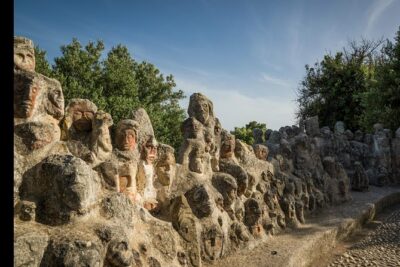
- Wall of Legality: 70 meters of victims’ faces
- The open-air market and the pizzo connection you can feel
- Palazzo di Giustizia and Piazza della Memoria: judges as the focus
- Cattedrale di Palermo: how the Church fits into the story
- Cappadonia Gelati on the Cassaro: choosing no pizzo
- Palazzo Pretorio / Municipio di Palermo: politics, corruption, and resistance
- What makes the guide-led format work (and who you might learn from)
- Value, pacing, and the one thing to consider before you book
- Should you book the Palermo No Mafia walking tour with Addiopizzo Travel?
Key highlights worth knowing
- Six anti-mafia stops in Palermo’s core make the message easy to follow in a short time
- Wall of Legality gives you a 70-meter wall of faces and names of mafia victims
- Piazza della Memoria at the courthouse area centers on judges and prosecutors killed by the mafia
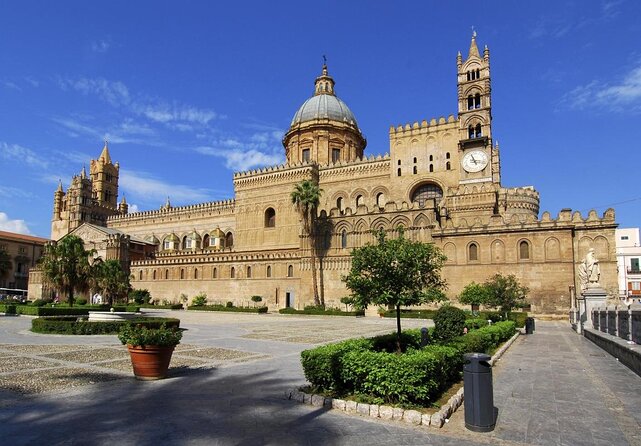
- Palermo Cathedral helps explain the relationship between the Church and mafia influence
- Addiopizzo-style no pizzo choice shows up in a real shop stop at Cappadonia Gelati
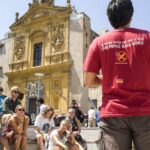
- Small group size (max 15) keeps the experience personal and question-friendly
Why this Palermo anti-mafia walk is a strong use of 3 hours
This tour is built for travelers who want the real Palermo: the one where mafia power is discussed as social control, and where anti-mafia efforts are treated as community work. You’ll walk through famous landmarks, but you’re not being asked to admire the mafia as movie drama. Instead, the guide frames Palermo’s recovery and resistance as something the city organized—sometimes slowly, sometimes painfully, but visibly.
At $39.30 per person for about 3 hours, the value comes from three things. First, you get a local guide who connects sites into a coherent story. Second, much of the key experience is built into public spaces, with several stops marked as free admission. Third, the tour includes a small solidarity contribution to Addiopizzo, the grassroots movement behind the anti-extortion campaign.
If you’re visiting for a first look at Palermo, this is a great foundation. I’d especially recommend it if you want to understand what people mean when they say pizzo and anti-mafia culture in Sicily, without relying on stereotypes.
You can also read our reviews of more walking tours in Palermo
Meeting point near Teatro Massimo, ending by Fontana Pretoria
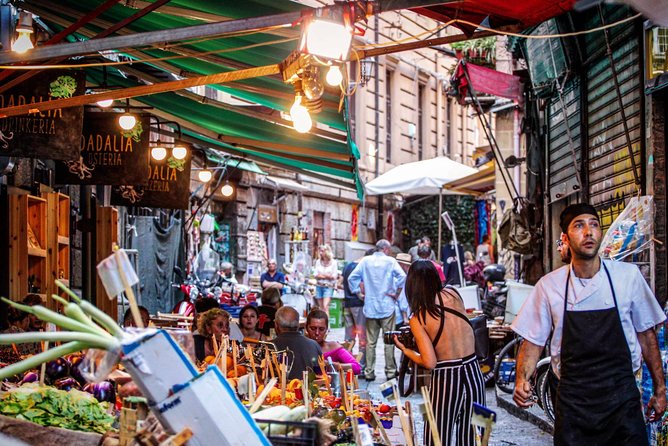
You meet at P.za Giuseppe Verdi, 455, Palermo, and the walk winds up by Fontana Pretoria (Piazza Pretoria) in the old-town center. That ending matters. It puts you close to the best chance for an easy next step: a relaxed stroll through the historic streets and a stop for Sicilian specialties after the tour.
The route is designed for comfort on foot. They recommend comfortable shoes, and since the tour is about 3 hours, you’ll want to be ready to stand and look at details while the guide explains them. It’s also listed as near public transportation, which is handy if you’re trying to build a tight day without wasting time.
When planning your day, I suggest giving yourself a little flexibility afterward. The experience ends in a lively area where you can keep exploring. Don’t schedule something too demanding immediately after.
Teatro Massimo: opera glamour with a post-violence message
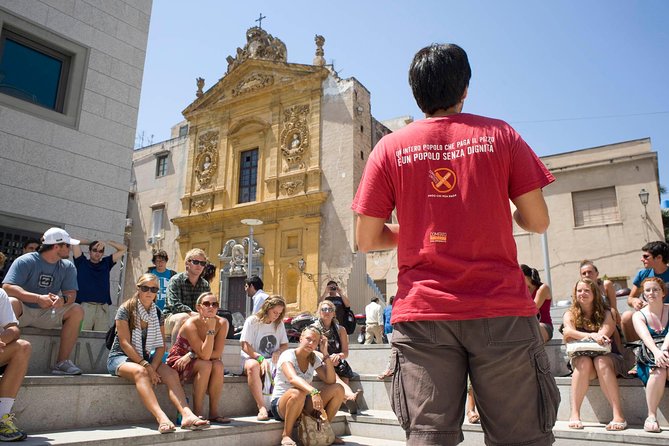
The tour starts at Teatro Massimo, Palermo’s opera house, famous for its film association with The Godfather III. But this stop isn’t about movie trivia. The guide uses the theater as a symbol of the city’s rebirth after decades of mafia violence.
This is a smart opening stop because it sets tone fast. You get a major landmark right away, and then the guide shifts the conversation from entertainment to civic identity. If you like architecture and public spaces, you’ll enjoy the way Teatro Massimo becomes a real-world metaphor for rebuilding.
The stop is about 30 minutes, and the admission is free. That means you’re not stuck paying for a museum ticket before the tour even gets into its main theme.
Wall of Legality: 70 meters of victims’ faces
Next comes the Wall of Legality, described as the longest wall painting in Italy (70 meters). This is one of the most memorable stops because it turns history into something you can read and see. The wall represents well-known mafia victims and connects to urban renovation efforts.
The practical upside: it’s an outdoor stop, so you can take your time. You can also take photos that don’t feel like you’re just collecting skyline shots—you’re photographing a public record of who was lost. The setting makes the message feel personal, not abstract.
This stop is listed around 10 minutes. It may sound short, but the wall’s size means the guide can point you to key sections while you absorb the scale.
The open-air market and the pizzo connection you can feel
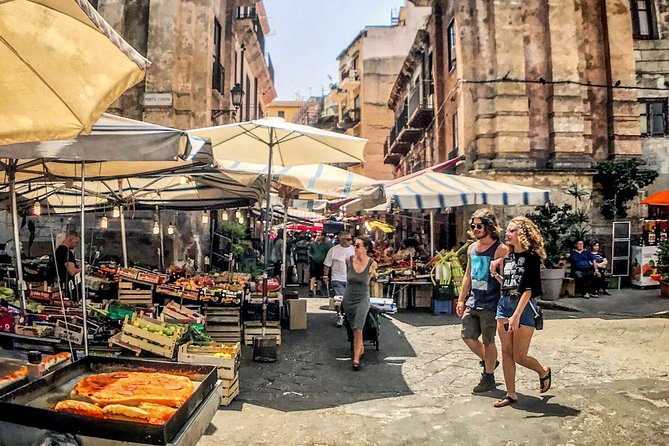
From there, you’ll walk through a colorful old open-air market. This is where the tour shifts from monuments and memorials into daily life. The guide explains the relationship between the mafia and shopkeepers, and how extortion shaped ordinary routines.
This market stop is valuable because it teaches you the social mechanics behind the violence. It’s easier to understand why anti-mafia work mattered when you see how local business culture and survival were tied to threats and payments.
One consideration: markets are loud and busy, and the tour time is limited. If you’re the kind of person who likes to browse slowly, use this moment for listening first, then return later on your own if you want to shop.
Palazzo di Giustizia and Piazza della Memoria: judges as the focus
At the Palazzo di Giustizia area, you’ll hear about Piazza della Memoria, a memorial dedicated to judges and prosecutors killed by the mafia. This is one of the stops that explains why anti-mafia isn’t just a street-level story—it’s also a legal and institutional fight.
The emotional weight comes from clarity. Judges and prosecutors aren’t a vague category here; they’re the people the memorial is built to remember. You’ll probably feel the difference between hearing about the mafia in general and seeing how the justice system was targeted.
This portion is around 15 minutes with free admission. It’s enough time to absorb the memorial context without dragging the tour into a long pause.
Cattedrale di Palermo: how the Church fits into the story
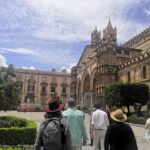
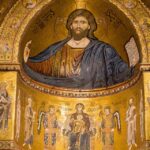
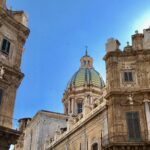
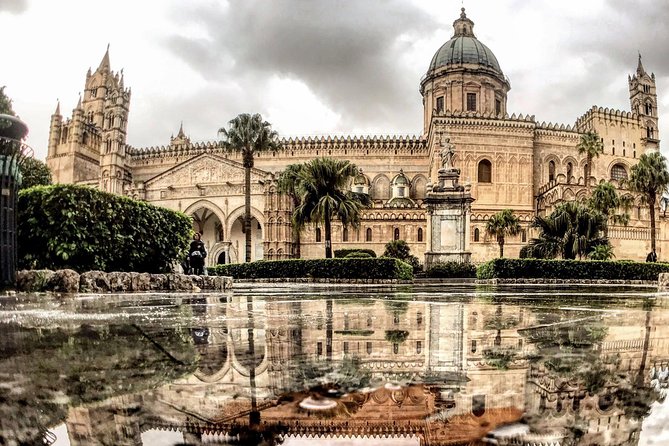
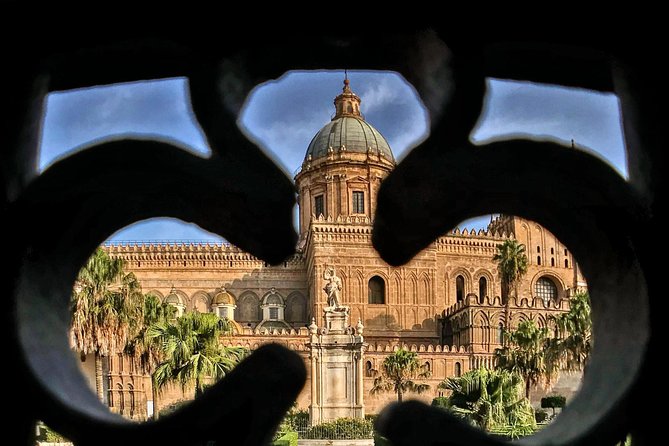
Next is Cattedrale di Palermo, the famous Arab-Norman Cathedral. Here, the guide focuses on the relationship between the Catholic Church and the mafia.
This is a key stop if you want to understand the nuance. The mafia story in Sicily is often presented as purely criminal. This tour treats it as a power system that touched institutions—so you get a better grasp of the tensions and compromises that can exist in public life.
The stop is listed about 15 minutes with free admission. If you’re someone who loves cathedrals, you might wish it were longer just to see more details. Still, the guide’s commentary is the point: the cathedral is used as a frame for the topic.
Cappadonia Gelati on the Cassaro: choosing no pizzo
Along the Cassaro, you’ll stop at Cappadonia Gelati, where the windows carry an orange sticker tied to refusing extortion. The guide explains that shop owners (and others in the movement) said no to paying pizzo and joined the grassroots anti-extortion consumption campaign promoted by Addiopizzo.
This part is practical and surprisingly motivating. You’re not only hearing the story; you’re seeing it in a visible sign, on a place where you might also buy a snack. The tour even gives you the chance to support the idea with a purchase.
Time here is about 15 minutes, and it’s described as a “stop and support” moment. Consider bringing cash just in case you want to buy something on the spot, even though the tour itself states free admission for the listed stops.
Palazzo Pretorio / Municipio di Palermo: politics, corruption, and resistance
The final major landmark stop is Palazzo Pretorio, home to the Municipio di Palermo (Palermo City Hall). The guide ties this building to two sides of the story: corrupted politicians and also those who fought against the mafia.
This stop helps you connect the dots. By the time you reach City Hall, you’ve heard about victims, memorials, the Church, and the justice system. Now you’re looking at governance—where anti-mafia efforts have to work inside messy human institutions.
It’s listed around 15 minutes with free admission. Even in a short time, the guide’s framing makes it feel like the tour has a closing argument: resistance isn’t just hero moments. It’s also political and administrative choices.
What makes the guide-led format work (and who you might learn from)
One of the most praised parts of this tour is the guide’s passion and ability to answer questions. People mention guides such as Sylvia and Ermes, with others like Frederico, Francesco, Salvador, and Valeria standing out for clear explanations and strong engagement.
Even if you don’t get the same guide as someone else, you’ll want to lean into the structure. Ask questions like:
- How does pizzo keep power without constant violence?
- What role do legal institutions play compared to community movements?
- Why do anti-mafia actions spread through everyday choices like shopping?
Because the group is capped at 15, it’s easier to keep those conversations moving. And because the stops are public landmarks, the guide can point to details as they go.
Value, pacing, and the one thing to consider before you book
Let’s talk balance. This tour is meant to highlight civil anti-mafia efforts and resistance. That’s why many stops are memorial and institution-based rather than strictly art or architecture-focused.
If you want a long walking-only stroll with lots of independent wandering, you might feel the pacing is more talk-heavy than you expected. One caution from real feedback patterns: some people mention standing around at moments when the group commentary continues, and they wish the walking portion felt a bit smoother.
Still, the flip side is that the story stays coherent. You’re not just picking up random facts. You’re building a map of how organized crime worked—and how people pushed back through institutions and grassroots organizing.
Practical note: bring an umbrella and a dry jacket if rain hits. The tour mentions weather gear needs, and with multiple outdoor stops, you’ll be glad you planned ahead.
Should you book the Palermo No Mafia walking tour with Addiopizzo Travel?
Book it if you want a meaningful, grounded introduction to Palermo that goes beyond movie stereotypes. This is one of the best ways to understand the logic of extortion and why anti-mafia culture is built on public action—judges, local shops, civic leaders, and community campaigns.
Skip it (or adjust expectations) if you only want an art-and-landmarks walk, with minimal social commentary. This tour is built around the anti-mafia message, so the landmarks serve the story rather than the other way around.
If you’re on the fence, treat it like a strong first chapter. It will help your later Palermo stops make more sense, because you’ll know what you’re looking at—and why people in this city refuse to forget.