REVIEW · SICILY
Amazing Etna Morning Tour with Pickup and Drop-Off from Catania
Book on Viator →Operated by Red Etna · Bookable on Viator
Etna has a way of making Sicily feel real fast. This Etna morning tour mixes classic volcanic scenery—ancient lava flows—with a guided walk that reaches about 1,700 metres, plus time to explore during the hike. Two things I like a lot are the practical, hands-on lava-cave experience (helmets and flashlights are provided), and the way the guide turns geology into an easy story you can actually follow. One consideration: it is not a fit for everyone, especially if you deal with heights, claustrophobia, or respiratory issues.
Logistically, it’s also a smart way to see Etna without getting bogged down. You get pickup and drop-off from Catania by air-conditioned vehicle, you travel with a small group capped at 16, and the tour runs about 5 hours starting at 8:00 am in English. The pace is active enough to feel like you did something meaningful, but it’s not the kind of expedition that demands summit-level effort.
In This Review
- Quick Highlights
- Why a Morning Start on Mount Etna Works
- Getting From Catania: Pickup, Small Group, and a Smooth Rhythm
- Stop on Etna: Lava Flows, a Lava Cave, and Views From 1,700 Metres
- What You Actually Do in the Lava Tube (Helmets and Flashlights Included)
- Cable Way and Summit Craters: What This Tour Doesn’t Try to Be
- Guide Style: The Etna Story Lands Better With Marco and Francesco
- Price and Value: Why $68.41 Feels Fair for Five Hours
- Who This Etna Morning Tour Is Best For
- Who Should Skip It (Comfort and Safety Considerations)
- What to Bring (So the Morning Feels Easy)
- Weather Matters: Your Tour Can Shift
- Should You Book This Etna Morning Tour?
- FAQ
- What time does the Etna tour start?
- How long is the tour?
- Is the tour offered in English?
- Does it include pickup and drop-off from Catania?
- How big is the group?
- What’s included for the lava cave section?
- Are trekking shoes included?
- Is the cable way included?
- Does this tour trek to the Summits Craters?
- What happens if the weather is bad?
Quick Highlights
- Small group size (max 16): easier questions, less waiting, more time on the path.
- Lava tube gear included: helmets and flashlights mean you’re not scrambling at the last minute.
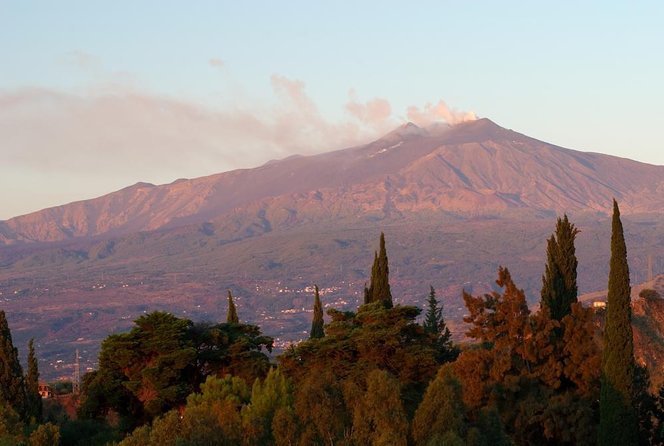
- Up to 1,700 metres: you get big viewpoints without committing to a summit crampon-and-crater plan.
- Ancient lava flows plus lava cave: you see the volcano in more than one “mode.”
- English guide and hiking guide: you get context while you walk.
- About 5 hours from 8:00 am: a morning that still leaves your afternoon open.
Why a Morning Start on Mount Etna Works
If you’re aiming for Etna, mornings make sense. You start early at 8:00 am, you’re moving before the day gets hot, and you often get better conditions for the parts that need steady footing and clear visibility. Also, the whole experience is built around a morning block of about 5 hours, so it fits nicely into a Sicily itinerary without eating your entire day.
The tour’s format helps too. You’re not just handed a viewpoint and sent away. Instead, the plan centers on meaningful time on the mountain, where you can connect the visuals—lava rock, cave darkness, and viewpoint altitude—with the story the guide tells as you go. It’s a nice mix of “look closely” and “understand what you’re seeing,” which is exactly what makes Etna special.
And there’s a practical upside: starting early means you can get back to Catania by late morning or early afternoon, which is handy if you also want food time, beach time, or a museum stop.
You can also read our reviews of more tours and experiences in Sicily
Getting From Catania: Pickup, Small Group, and a Smooth Rhythm
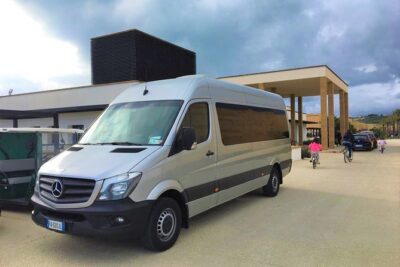
The pickup-and-drop-off from Catania is the first win here. You don’t have to sort out transportation on your own, and you’re not trying to coordinate a rental car around a morning start. The vehicle is air-conditioned, which matters on Sicily mornings that can still feel warm by the time you’re moving.
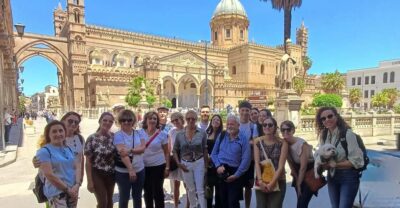
The group size cap of 16 also matters more than it sounds. On active tours, it reduces the “trail bottleneck” problem. You typically spend more time walking and less time waiting, and your guide can answer questions without rushing you.
Since this is offered in English, you can keep up without that awkward guessing game. The tour also uses a mobile ticket, which is convenient if you’re traveling light or already living in your phone.
The tour ends back at the meeting point, so you don’t need to plan a second return strategy later. It’s a clean loop.
Stop on Etna: Lava Flows, a Lava Cave, and Views From 1,700 Metres
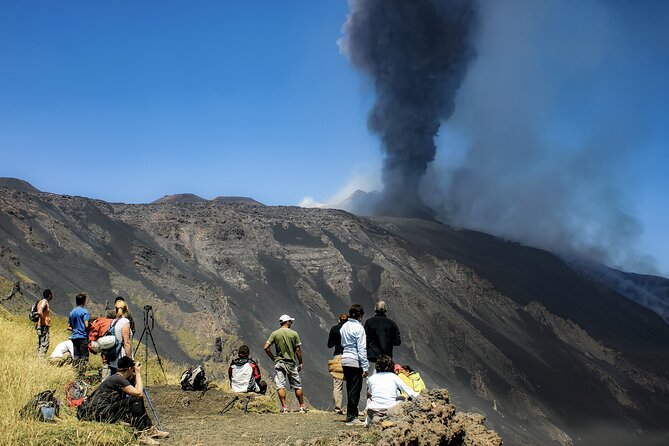
The core of the tour is the Mount Etna visit. This is where you get the “wow” factor, but it’s not random. The schedule focuses on three main visual beats: ancient lava flows, a lava cave, and reaching about 1,700 metres for views.
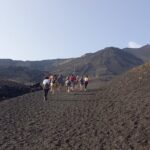
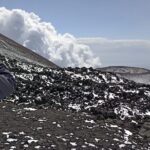
Ancient lava flows give you a sense of scale and texture. You start noticing how the rock shapes the ground and how old paths can look strangely modern up close. You’re not just looking at a mountain—you’re looking at the physical history of eruptions.
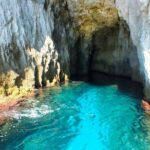
Then comes the lava cave. This is the part that turns Etna into a multi-sensory experience. Outside, you’re in daylight with wide sightlines. Inside, it’s cooler, darker, and you move at a slower pace with gear and guidance. It’s also the part where personal comfort matters most, which I’ll explain later.
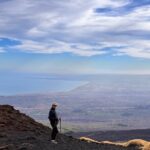
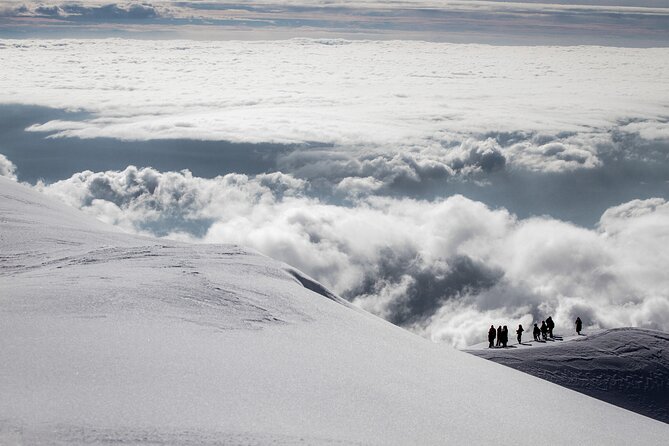
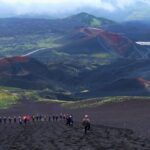
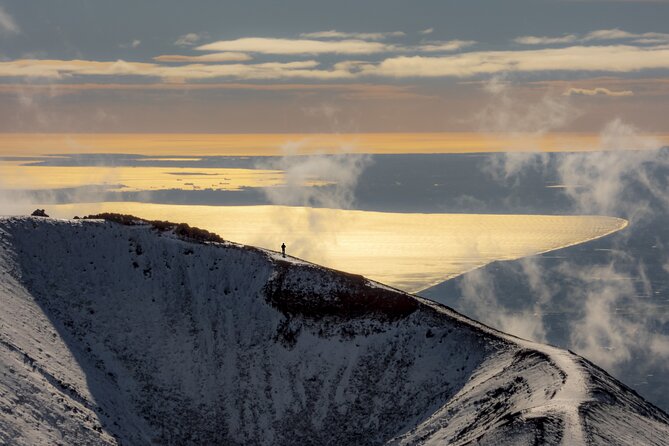
The altitude stop at around 1,700 metres is the moment many people remember. Even if you don’t go to the topmost craters, the elevation is enough to change the feel of the landscape. You get a better sense of how Etna sits in the broader area and what the terrain looks like beyond your immediate steps.
The tour notes that the remaining time is for the round trip and for sightseeing or explorations—so you’re not stuck in a long bus ride without payoff.
What You Actually Do in the Lava Tube (Helmets and Flashlights Included)
The lava cave portion is specifically set up for comfort and safety with the right tools. Helmets and flashlights are included, and that detail matters. It means you can focus on the experience instead of hunting down borrowed gear or worrying about whether lighting will be enough once you’re underground.
From a “what to expect” standpoint, you’ll be walking through a lava tube environment with a guide. The ground and walls can feel close, and the darkness changes how you move and orient yourself. Even people who love adventure often find the cave section adds mental effort—because you’re relying on your flashlight beam and on the guide’s rhythm.
A good hiking guide is included, and that’s another underrated benefit. When you’re moving in an environment like this, you want someone who can keep the group together and explain what you’re seeing in real time—textures, rock shapes, and how the cave formed.
One more practical point: this part of the tour is exactly why you should consider your comfort level before booking. If you’re not comfortable in tight or enclosed spaces, or if you get uneasy with sudden changes in terrain, the lava tube can be a challenge.
Cable Way and Summit Craters: What This Tour Doesn’t Try to Be
This is a tour with a clear scope. It’s not built around a cable way ride, and it does not include trekking up to the Summits Craters.
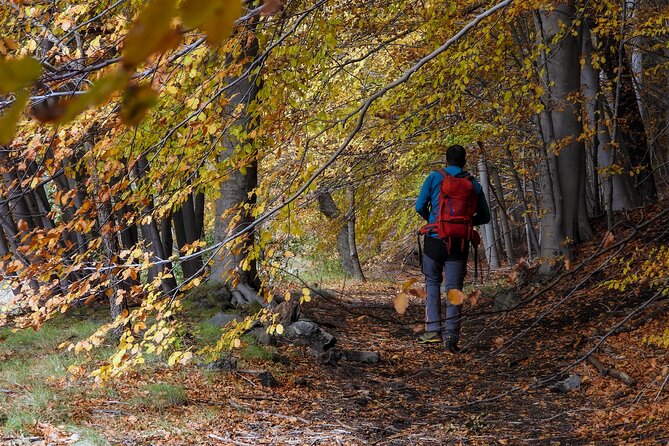
That means you get a strong Etna experience without committing to the steepest, most demanding version of the mountain. For many people, that’s a sweet spot. You still get lava flows, a lava cave, and views from high ground, but you’re not signing up for a full summit challenge.
It also affects how you should mentally plan your expectations. You’re going to learn about the volcano and see dramatic features, but you’ll do it through a guided hike that ends up being realistic for a wide range of visitors. If what you want is the most intense summit-focused itinerary, you’ll need a different tour plan.
In other words: this tour aims for “big Etna moments” rather than “hard Etna badge collection.”
Guide Style: The Etna Story Lands Better With Marco and Francesco
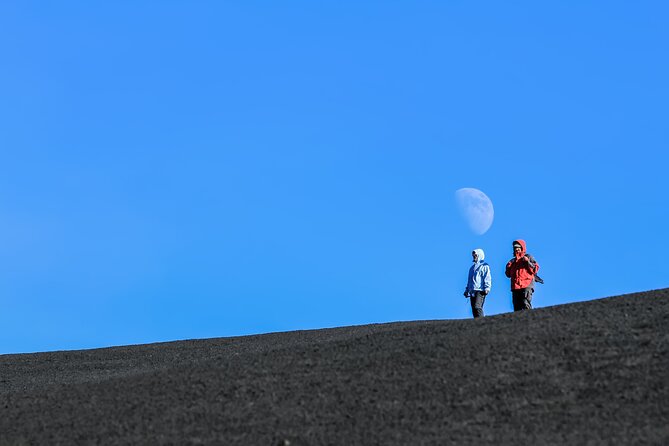
The biggest theme across the experience is how the guide makes it click. Guides named Marco, Marco Rossi, and Francesco (including Fran and Francisco in different guide accounts) come through as the kind of person who balances fun with real explanation.
What I like about that approach is simple. Etna can feel like a bunch of rocks until someone gives you a map for your attention. The guides in this tour are clearly strong on the story: how the volcano forms, what’s happening now, and how the Etna region fits into the culture of Sicily.
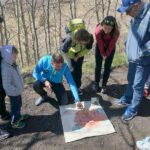
You’ll feel that in the way questions get answered on the spot. It’s not just a lecture. It’s the back-and-forth that makes the walk more enjoyable because you’re actively learning as you move.
Also, a guide who manages the group well makes a difference in the cave section. You don’t want to feel rushed or lost. The accounts here repeatedly point to guides who keep things organized while still giving the day a relaxed vibe.
Price and Value: Why $68.41 Feels Fair for Five Hours
At $68.41 per person, the big question is what you’re really paying for. You’re not just paying for transportation. You’re paying for guided time on Etna with included gear for the lava tube (helmets and flashlights), plus an air-conditioned vehicle and a hiking guide.
The total duration is about 5 hours, so you get a full morning outing with a structured plan rather than a quick “drop-off and go.” The Mount Etna portion is marked with 4 hours and a free admission ticket, which also supports the value side of the equation.
When I weigh cost on tours like this, I look for three things: (1) guided access to the best parts, (2) meaningful inclusion that reduces your own logistics, and (3) a group size that doesn’t ruin the experience. Here, you tick all three.
Also, English is included, and you get pickup and drop-off from Catania. That matters if you’re already spending money on getting around Sicily, because the tour saves you time and effort.
Who This Etna Morning Tour Is Best For
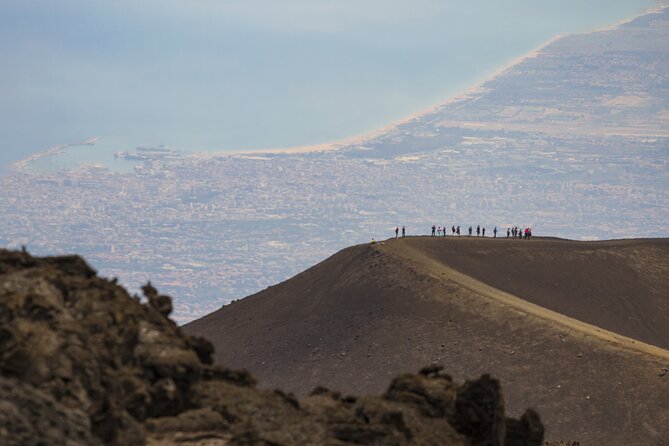
This tour is best for people who want a volcano morning that’s active but not extreme, and who enjoy understanding what they’re looking at while they walk.
You’ll likely enjoy it if you like hikes, have decent comfort with uneven ground, and want a real contrast: daylight lava landscapes and then the cool dark of the lava cave. The altitude stop at about 1,700 metres is a nice “reward moment” that doesn’t require summit-level fitness.
It can also be a great choice for first-time Etna visitors. It gives you multiple major highlights in one morning: lava flows, lava cave, and high views, all with an experienced guide to connect the dots.
Who Should Skip It (Comfort and Safety Considerations)
This is not a casual stroll, and it’s not for every body. The tour explicitly says it’s not recommended if you have vertigo or fear of heights. It also flags respiratory disorders or asthma, claustrophobia, high blood pressure, recent surgeries, and motion sickness.
If any of those apply, don’t treat the tour like an optional dare. The environment includes elevation, uneven terrain, and enclosed cave space. In that setting, discomfort can quickly turn into a miserable day.
If you’re unsure, think honestly about your own limits. For some people, helmets and flashlights are reassuring. For others, the cave space is the deal-breaker even if the rest of the day sounds perfect.
What to Bring (So the Morning Feels Easy)
The tour does not include trekking shoes, so plan around that. Good footwear helps on volcanic terrain and on cave paths where the ground can feel different than typical walking streets.
Also consider what you’ll wear under a helmet. You might want layers, especially because cave temperatures can feel cooler than the outside air. Bring a light jacket or something you can handle if the morning starts warm and then shifts.
Sunglasses and sun protection are smart for the outdoor views too. You’ll be outside enough that you want basic comfort.
Finally, keep your phone energy in mind. You’ll likely want to take photos at views near 1,700 metres, but you’ll also lose battery in a darker cave. A small power bank can be a lifesaver if you’re the photo-every-step type.
Weather Matters: Your Tour Can Shift
This experience requires good weather. If it’s canceled due to poor weather, you’ll be offered a different date or a full refund. That’s a big deal in Etna country, where clouds and conditions can change quickly.
So, if you’re visiting Sicily during a less stable stretch, don’t treat Etna as a single point in your schedule with no flexibility. Build in at least some wiggle room so a reschedule doesn’t knock your whole trip off.
Should You Book This Etna Morning Tour?
Book it if you want the best Etna hits in one efficient morning: lava flows, a lava cave with helmets and flashlights, and views from around 1,700 metres, all with pickup and drop-off from Catania and an English-speaking hiking guide. The small group size (max 16) makes it feel less crowded and more personal, and the guide emphasis—Marco, Francesco, and others—comes through as a real part of the value.
Skip it if you fall into the tour’s caution list: vertigo/fear of heights, claustrophobia, respiratory issues, high blood pressure, recent surgery, motion sickness. For those situations, the cave environment and the mountainous terrain can be a bad match.
If you’re a “see it and understand it” kind of traveler, this is one of the cleaner ways to do Etna without turning your trip into a summit endurance test.
FAQ
What time does the Etna tour start?
It starts at 8:00 am.
How long is the tour?
The duration is about 5 hours.
Is the tour offered in English?
Yes, the tour is offered in English.
Does it include pickup and drop-off from Catania?
Yes, the tour includes pickup and drop-off from Catania.
How big is the group?
The tour has a maximum of 16 travelers.
What’s included for the lava cave section?
Helmets and flashlights for the lava tube are included, along with a hiking guide.
Are trekking shoes included?
No, trekking shoes are not included.
Is the cable way included?
No, use of the cable way is not included.
Does this tour trek to the Summits Craters?
No, trekking up to Summits Craters is not included.
What happens if the weather is bad?
The tour requires good weather. If it’s canceled due to poor weather, you’ll be offered a different date or a full refund.