REVIEW · SICILY
Etna Bike Tour – Cycling in Sicily
Book on Viator →Operated by Cycling Sicily · Bookable on Viator
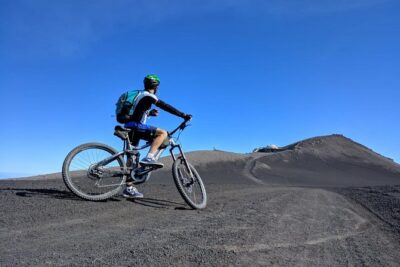
Cycling Etna feels like earning your view. This Etna Bike Tour turns Sicily into a real physical adventure, with a guide steering the route and a tight group up the volcano. I especially like the small group of eight that keeps the ride from turning into stop-start chaos, and the carbon road bike that makes the climb feel focused instead of fiddly.
You get a clear plan: warm up in the lowlands, grind up toward Piedimonte Etneo, then tackle the big push to Rifugio Citelli before the descent. The main drawback to weigh is simple: this is a moderate-fitness ride that asks a lot of legs, and if gearing or your pace doesn’t match your condition, you’ll feel it late in the morning.
If you want to ride Mt. Etna without worrying about navigation, and you like the satisfaction of climbing for a goal, this is the kind of tour that makes sense.
In This Review
- Key Highlights You Should Care About
- Why This Etna Bike Tour Works (Even If You’re Not a Pro)
- Starting in Giardini Naxos: Where the Ride Really Begins
- The Lowland Warm-Up Toward Catania: Get Your Legs Online
- Above Fiumefreddo di Sicilia to Piedimonte Etneo: Your First Real Climb
- The Etna Wine Road and the Volcanic Water Stop
- Slope of Bartali & Coppi to Rifugio Citelli: The Main Event
- The Descent Back Down: Where Your Legs Get a Break
- Bikes, Pedals, and Why Setup Details Matter on Etna
- Guides and Small-Group Rhythm: The Difference Between Pain and Progress
- Weather, Heat, and Why Timing Changes Everything
- Price and Value: What $162.03 Buys You on Mt. Etna
- Who Should Book This Etna Bike Tour (and Who Might Want Something Easier)
- Final Call: Should You Book the Etna Bike Tour?
- FAQ
- How long is the Etna Bike Tour?
- Where is the meeting point?
- How many people are in the group?
- What level of fitness do I need?
- What kind of bike is included?
- Can I choose my pedals?
- Is transportation included to and from the tour?
- What language is the tour offered in?
- What time does the tour run?
- What happens if the weather is bad?
Key Highlights You Should Care About
- Guide-led climb so you’re not doing map math while the gradient does its thing
- Max 8 riders for a steadier pace up the slope
- Full carbon road bike plus helmet and pedal choice (flat, Shimano, Look)
- Stops built into the ride, including a water refill with fresh volcanic mineral water
- The main ascent to Rifugio Citelli via the famous Bartali & Coppi slope
- Hot-weather reality: one review mentioned 91°F, so bring hydration and snacks
Why This Etna Bike Tour Works (Even If You’re Not a Pro)
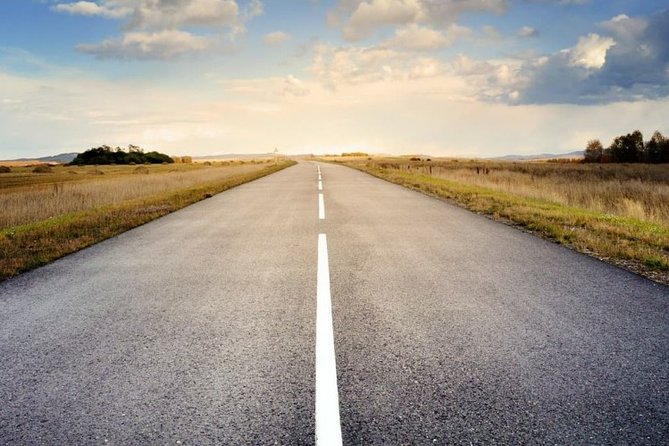
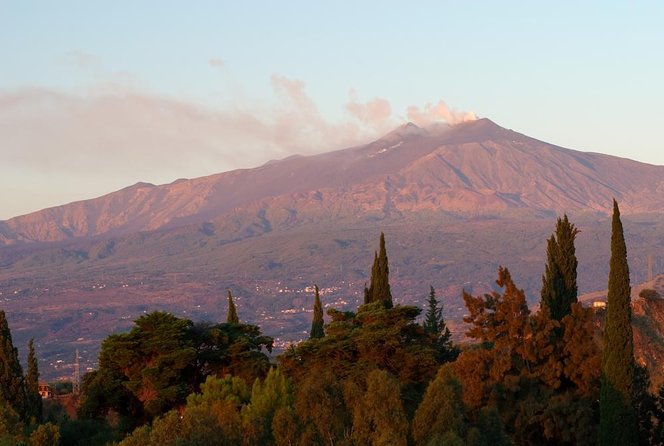
Mount Etna has a way of looking dramatic from the road even when you’re still far below the action. What makes this tour genuinely enjoyable is that it’s built around the reality of cycling uphill: clear pacing, a route you don’t have to chase, and small-group control.
I like the fact that the tour is guide-led, not a “good luck with your GPS” situation. You’re still working hard, but your brain isn’t fighting logistics while your legs are busy. And since the group is capped at eight travelers, you spend less time waiting for stragglers and more time riding as one unit.
That’s also why this doesn’t feel like an off-the-shelf sightseeing bus ride. You’re moving through the Etna region on a road bike, and the payoff is both physical and visual: every time the gradient changes, you feel it right away.
You can also read our reviews of more cycling tours in Sicily
Starting in Giardini Naxos: Where the Ride Really Begins
Most Etna cycling tours start with a dramatic idea. This one starts with a practical one.
You meet at Via Recanati, 26, Giardini Naxos. The first part of your morning is about getting ready: setting up the bike at the headquarters and going over the itinerary with the guide. That matters because it sets expectations early. You’ll know what kind of climbing is coming, how the ride will flow, and what “warm up” actually means on Etna.
Then you’re rolling toward Catania in the lowlands for about 5 km. The goal isn’t glory yet—it’s muscle warm-up and bike familiarization.
It’s a nice start if you’re coming from the beach area feeling relaxed. You’ll feel the shift quickly, though. As soon as the climb begins in earnest, your cadence and breathing become your job.
The Lowland Warm-Up Toward Catania: Get Your Legs Online
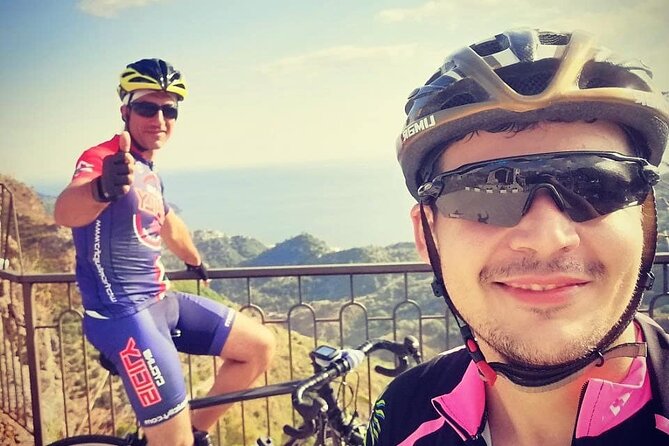
That early 5 km lowland section is more important than it sounds. At the start, you’re building rhythm. It’s also where small mistakes become big problems later—like riding too hard because you feel good at the beginning.
Your route then includes a soft hill of about 5 km with gradients around 5% to 10%. This isn’t a casual stroll, but it’s also not the full grind. It’s the phase where you learn whether your gearing works for you and whether you can hold a steady effort instead of surging.
I like warm-ups like this because they keep the climb honest. You’re not immediately punished. You’re tested, then you adapt.
Above Fiumefreddo di Sicilia to Piedimonte Etneo: Your First Real Climb
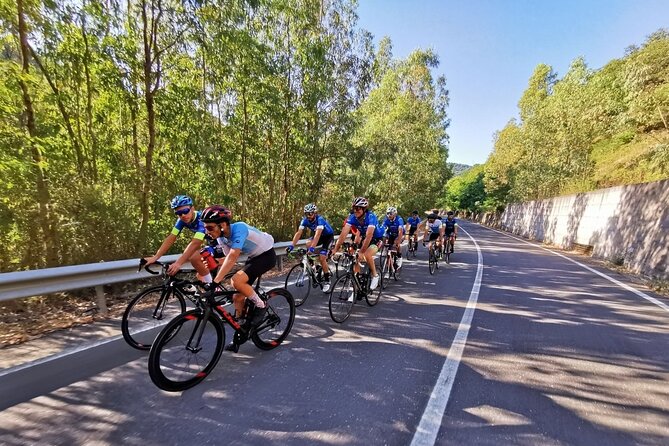
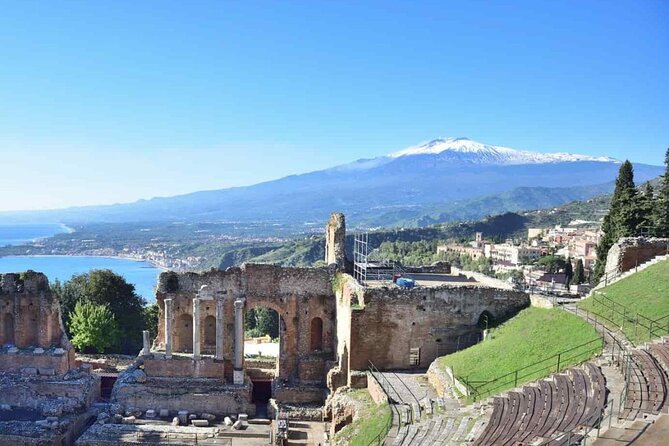
After those first miles, you pass above Fiumefreddo di Sicilia and the ride lifts you toward Piedimonte Etneo. The town sits on an ancient lava flow on the northeastern face of the volcano, which gives the area an earthy, otherworldly feel even before you reach high altitude.
This segment is where the “Etna” in the name stops being a concept and becomes a slope. By the end of your first tough push, you’ve done roughly 10 km and about 350 meters of elevation gain (D+).
Then you keep going, aiming for a bigger checkpoint later: you reach about 18 km and around 800 meters D+ before you switch into the Etna Wine road stretch. That’s the moment when you should really start checking your energy. If you’ve been riding too fast, cramps and fatigue tend to show up in the last big ascent portion.
A practical note from experience-based feedback: if you like to ride fast or you’re used to flatter roads, treat the early climbing like a budgeting exercise. Save your legs for the real climb that comes next.
The Etna Wine Road and the Volcanic Water Stop
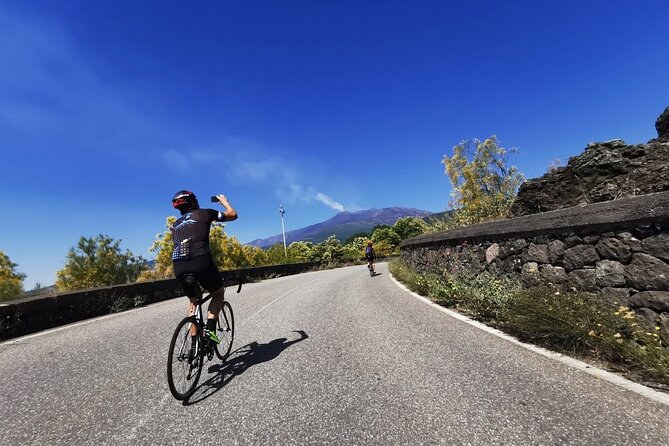
Once you’re on the Etna Wine road along the northern volcano slope (east side), the ride turns from “getting there” to “settling in for the long haul.”
This is also where you get a meaningful break: you stop to fill bottles with fresh volcanic mineral water before tackling the last big ascent.
That water stop is more than a nice-to-have. On hot days especially, a climb like this can turn into a dehydration spiral if you’re only depending on what you brought and hope you’ll feel fine. Topping up here gives you a chance to reset and ride into the final ascent with a plan.
If you’re the type who likes structured fueling, this is the part of the day where you can also decide if you need food. One important practical takeaway: guides may provide water, but you shouldn’t assume you’ll be fully stocked with everything you need. I’d plan on bringing extra snacks.
Slope of Bartali & Coppi to Rifugio Citelli: The Main Event
Now we get to the climb that earns the tour’s reputation.
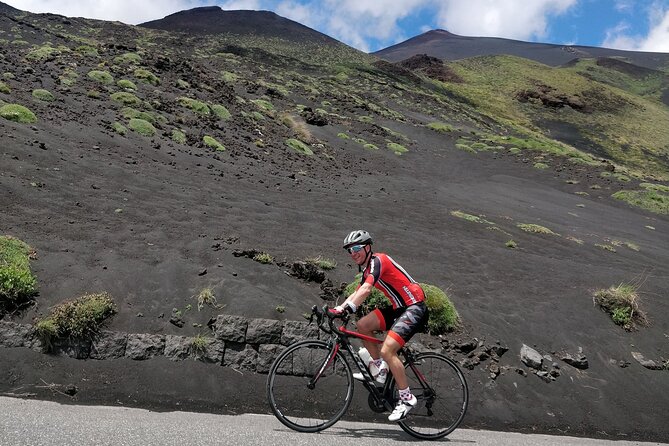
From around 827 meters above sea level, you ride up to about 1750 meters at Rifugio Citelli. This is the “last big ascent” and the serious vertical work of the morning.
The route is known as the slope of Bartali & Coppi. Even if you don’t know the cycling names involved, the idea is the same: this is where strong legs and steady pacing matter most.
A few practical realities you can count on:
- You’ll likely want to keep your effort even rather than spiking it.
- If your pace is too slow, the ride can run longer than you expect.
- If you push too hard early, you’ll pay for it here.
One cyclist note that’s worth taking seriously: aim for a reasonable average of around 6–10 km/h during climbing. If you go far below that for long stretches, time can stretch and fatigue can stack up. Another hint from a different rider experience: set your expectation for a 5–6 hour day if your pace is slower or if you take longer regroup moments.
And yes, there’s a reward. At the top, the tour experience often includes coffee and cake at the refuge area before you start the descent.
The Descent Back Down: Where Your Legs Get a Break
After Rifugio Citelli, you shift from grinding to flowing. The itinerary describes a downhill return toward your starting area.
This part can feel like a relief, but don’t treat it like a victory lap. You’ll still be on a road bike, still dealing with real mountain roads, and you’ll be carrying earlier fatigue. Keep your braking smooth, watch road surfaces, and stay alert—especially if the area has other vehicles around.
One minor issue that came up in rider feedback: some road conditions can be inconsistent, and you might share space near busier road segments. Your guide’s job is route management, but it’s still smart to ride defensively.
Bikes, Pedals, and Why Setup Details Matter on Etna
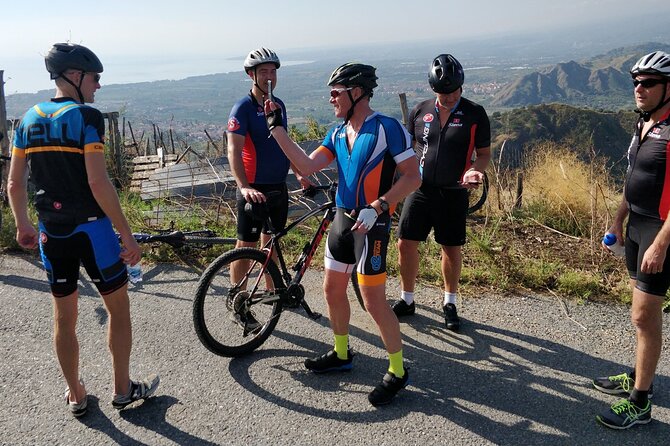
This tour includes a full carbon road bike, plus a helmet and your choice of pedals: flat, Shimano, or Look.
That matters because Etna isn’t a gentle training ride. You’ll be spending serious time in climbing position—or hovering just out of it—trying to keep cadence consistent. If your pedal setup doesn’t match what you’re used to, your efficiency drops and your body works harder than necessary.
Another practical note from rider feedback: some bikes come with gearing that isn’t perfect for every average rider (for example, a semi-compact chainring paired with a not-super-easy cassette). If you’re worried about grinding power, ask the team what gearing feels best for typical cyclists on this route.
In other words: you don’t need to be a cyclist with race legs. You do need a bike that lets you spin at a rate that keeps you comfortable.
Guides and Small-Group Rhythm: The Difference Between Pain and Progress
This tour shines because the guidance is human.
In rider experiences tied to this company’s Etna rides, guides like Greta, Marco, Luigi, Leonardo, Enrico, and others were praised for being patient, informative, and willing to adjust to slower pace riders. That kind of pacing help is huge when you’re climbing a volcano. If the group sprints early, the whole ride suffers.
What you should look for in your own approach is a communication style that works with the guide:
- Tell them if you’re likely to need a regroup.
- Don’t pretend you’re fine at the start if you know you’ll fade.
- If you’re a slower climber, it’s better to state it early than to crack late.
One more real-world point: on a hot Etna morning, your guide can’t control the weather, but they can help you manage it. Riders have noted that guides kept fluids going during the ride and used local water sources effectively.
Weather, Heat, and Why Timing Changes Everything
Etna cycling is weather-dependent. The experience requires good weather, and if it’s canceled for poor conditions, you’ll be offered a different date or a full refund.
That’s not just legal fine print. Climbing roads can be unpleasant or unsafe in wind or poor visibility. And heat makes everything harder.
One rider specifically noted cycling up Etna at around 91°F. If you’re visiting in warmer months, take that as your warning. Hydration, clothing choices, and your pace strategy will matter more than usual.
Also pay attention to the schedule pattern: opening hours are listed as 9:00 AM to 1:00 PM, seven days a week. The tour is designed as a morning effort, which is helpful for you if you want to get the hardest part done before the rest of your day.
Price and Value: What $162.03 Buys You on Mt. Etna
At about $162.03 per person for roughly four hours, this isn’t a cheap activity. But it’s also not trying to be a casual rental.
You’re paying for a combination:
- a private guide for a maximum of 8 travelers
- a full carbon road bike
- helmet and pedal setup
- a route plan that takes the navigation burden off you
That adds up because Etna isn’t a flat course you can wing. The guide reduces uncertainty, and the group cap reduces pacing chaos. For many cyclists, that’s worth more than a longer bus-style tour.
Value also comes from the fact that you’re doing a top-to-bottom experience: warm-up in the lowlands, climb through the Etna side toward the refuge, then downhill return. You’re not just checking out one view.
If you already own a bike and are confident navigating mountain roads alone, you might wonder if the guide is necessary. But most people who enjoy cycling on vacation find they prefer spending energy pedaling, not decoding directions.
Who Should Book This Etna Bike Tour (and Who Might Want Something Easier)
This tour fits best if you:
- have moderate physical fitness
- want a road bike climb with a clear goal and guided route
- like small-group pacing and being looked after for timing and regroup moments
- enjoy mountain riding enough that a tough morning feels like the point
It may not be ideal if you:
- are brand-new to road cycling or struggle on steady gradients
- need very frequent breaks to stay comfortable
- don’t have experience managing food and hydration on climbs
- expect a leisurely sightseeing rhythm
And if you’re unsure about your pace, tell the guide early. One rider experience highlighted that matching pace to your conditioning is key. You don’t need to pretend you’re someone else.
Final Call: Should You Book the Etna Bike Tour?
I’d book it if you’re craving a real cycling day on Sicily’s most famous volcanic machine and you want to avoid the mental load of navigation. The carbon bike, guide support, and small group make it feel like a proper riding event, not just transport to a viewpoint.
Go in with the right mindset: it’s challenging. Bring your own mindset about pacing, and consider bringing extra snacks and hydration habits you trust. If you do that, you’ll get the best version of the day: a guided grind up to Rifugio Citelli, plus the satisfaction of rolling downhill back with your lungs still awake.
FAQ
How long is the Etna Bike Tour?
The ride lasts about 4 hours.
Where is the meeting point?
The tour starts at Via Recanati, 26, 98035 Giardini Naxos (ME), Italy and ends back at the same meeting point.
How many people are in the group?
The tour has a maximum of 8 travelers.
What level of fitness do I need?
You should have moderate physical fitness.
What kind of bike is included?
You get a full carbon road bike, along with a helmet and pedal setup.
Can I choose my pedals?
Yes. Pedals are available as flat, Shimano, or Look.
Is transportation included to and from the tour?
No. Private transportation is not included.
What language is the tour offered in?
The tour is offered in English.
What time does the tour run?
Tours operate within the listed opening hours of 9:00 AM to 1:00 PM, Monday through Sunday.
What happens if the weather is bad?
The experience requires good weather. If canceled due to poor weather, you’ll be offered a different date or a full refund.
If you want, tell me your cycling experience level and whether you’ll be comfortable on 5–10% grades for extended stretches, and I’ll help you judge if this is the right Etna challenge for you.