REVIEW · CATANIA
Catania: The heart of the City – Tour guidato in Italiano
Book on GetYourGuide →Operated by Guidingsicily Beauty amplified · Bookable on GetYourGuide
Catania is best understood on foot. This 2-hour walking tour strings the city center together with an Italian licensed guide, so you get both monuments and real everyday life in one loop. I especially like the Via Crociferi baroque walk and the way the stop-by-stop explanations connect history to what you’re seeing right now. One consideration: the tour is mainly outside, so if you’re hoping to enter every site, you’ll want to plan a few self-guided follow-ups after.
You start in the busiest symbolic spot in town, Piazza Duomo, then move through the fish market and on to the mighty Ursino Castle. I also like that the guide gives practical ideas for free time, including where to eat and what to do at night, not just dates and dates. With a price of about $23 per person and a strong 4.8/5 rating from 171 ratings, it’s a good value for people who want context without spending all day.
The tour runs with a minimum group size, so check your dates, and it goes rain or shine (with possible cancellation in very bad weather). You’ll also walk a fair amount on city sidewalks, so comfortable shoes matter more than usual. If you’re traveling solo and want the city’s “why,” this is a nice way to get oriented fast.
In This Review
- Key highlights to look forward to
- Piazza Duomo first stop: the elephant, the square, and an easy meeting point
- Cathedral of Catania and the baroque square feeling
- Fish market stroll: shopping like a local (and not just taking photos)
- Ursino Castle: the medieval monument that survived the 1963 earthquake
- Via Crociferi: baroque architecture and film-street storytelling
- Piazza Università: ending in the heart of the city
- What makes this walk work well in just 2 hours
- Price and value: is $23 a good deal for Catania’s center?
- Who should book this Catania city-center tour
- Should you book this guided walk?
- FAQ
- How long is the Catania city-center walking tour?
- Where do I meet the guide in Catania?
- What language is the tour in?
- Are there entrance fees during the tour?
- What’s included in the price?
- Is hotel pickup included?
- Is the tour wheelchair accessible?
Key highlights to look forward to
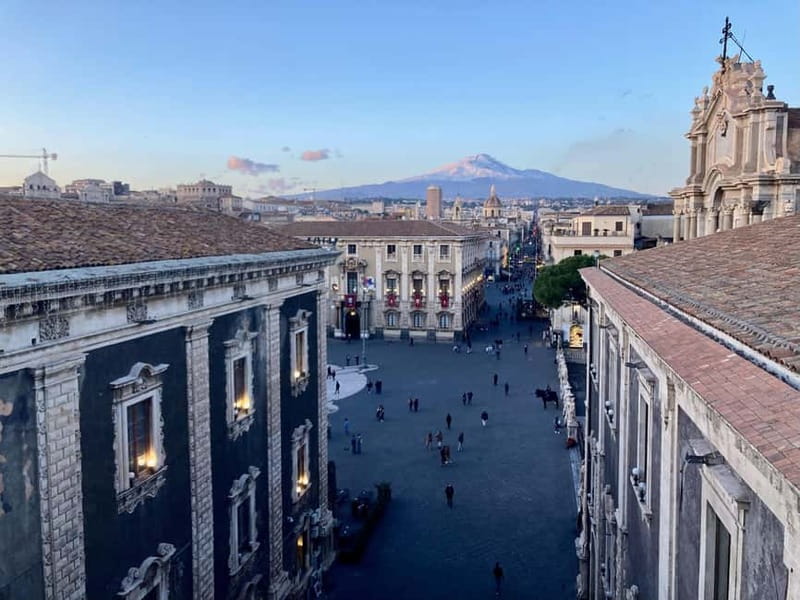
- Piazza Duomo as a starting anchor, with the elephant symbol and Cathedral square atmosphere
- Via Crociferi baroque street walk, tied to famous films and dramatic architecture
- Fish market stroll, useful for learning where locals shop and what the rhythms feel like
- Ursino Castle context, including its role as a medieval survivor after the 1963 earthquake
- Nightlife and restaurant tips from your guide, so you can keep exploring after the tour ends
- No entrance fees during the walk, since the explanations happen outside the main sights
Piazza Duomo first stop: the elephant, the square, and an easy meeting point
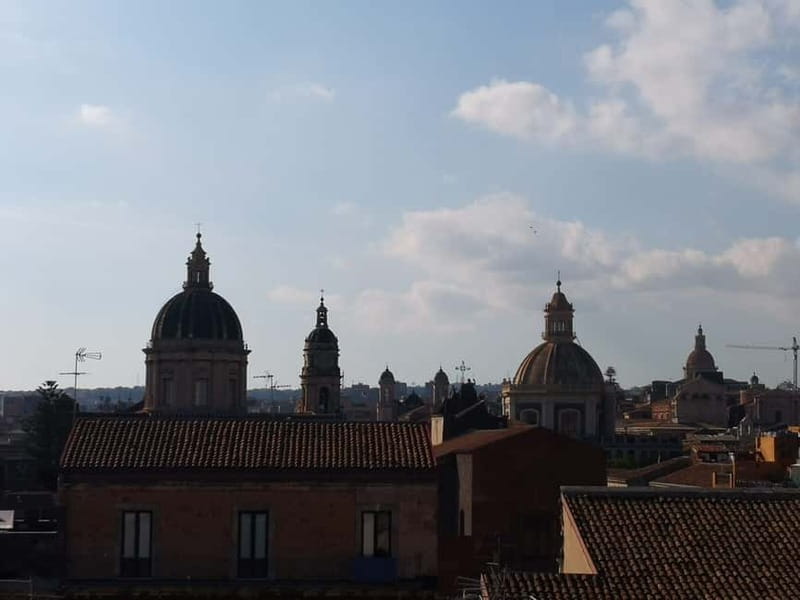
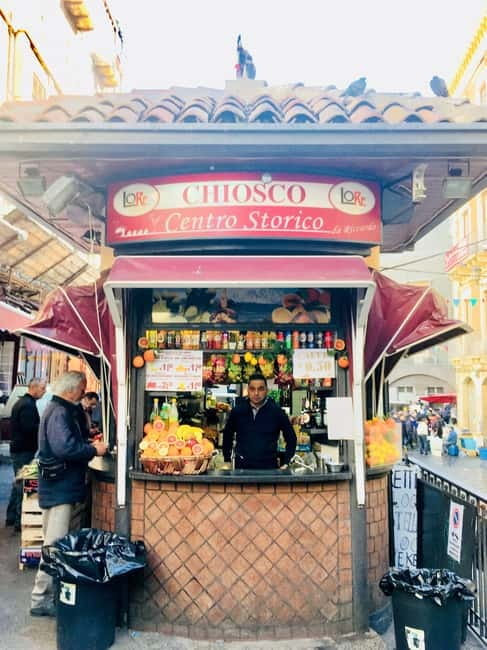
The tour starts at Piazza Duomo at the corner with Via Merletta, at the Guidingsicily infopoint (ex edicola). Look for the blue flag with the logo—it’s an easy visual cue once you’re there. The whole walk feels like a guided “viewfinder” for Catania: you begin at the city’s symbolic center, then build a route from there.
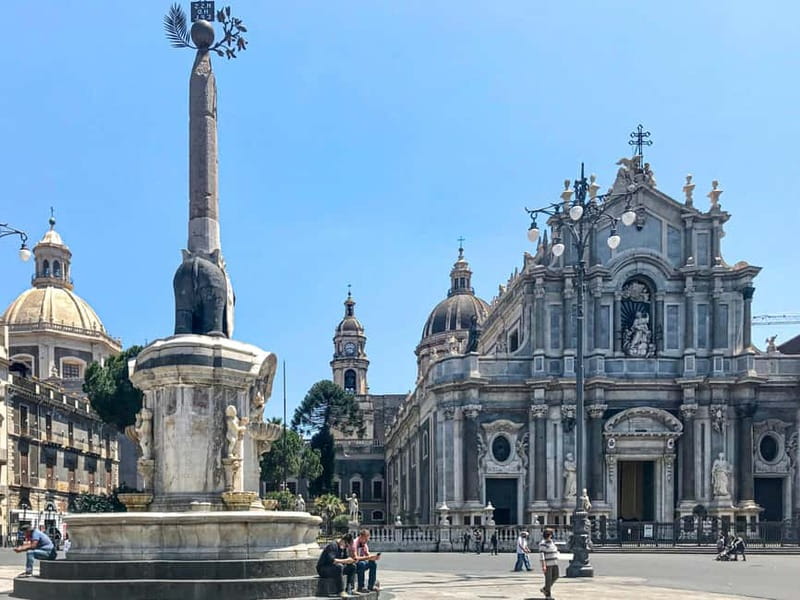
Right away, your guide frames the elephant symbol of Catania and helps you read the Cathedral area like more than a pretty postcard. I like this approach because it prevents that common problem where you see buildings but don’t know why they matter. You’re not stuck taking guesses while everyone else moves on.
Then you get the baroque feel of the square, explained in a way that connects the architecture to daily city life. That matters in Catania, where layers of history can be hard to spot unless someone points them out clearly. You’ll understand what to notice as the walk continues.
You can also read our reviews of more city tours in Catania



Cathedral of Catania and the baroque square feeling
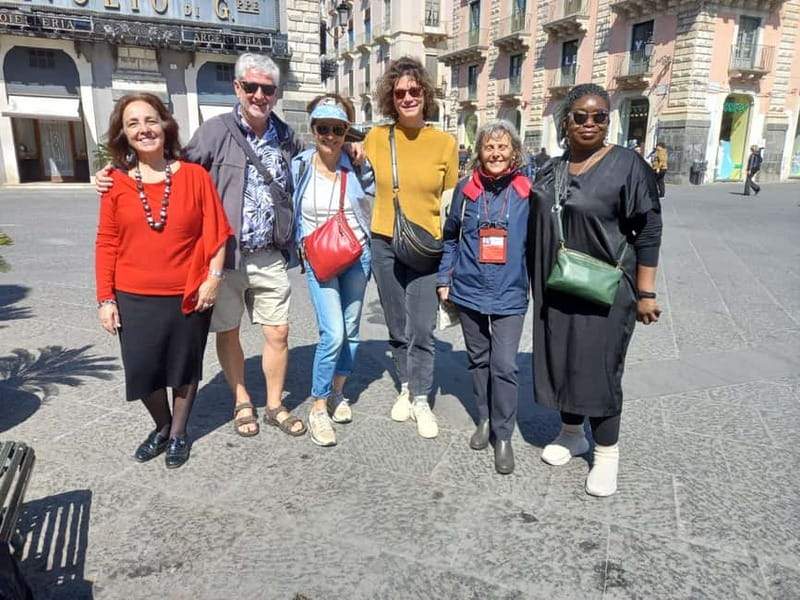
From Piazza Duomo, you’ll admire the Cathedral of Catania and the baroque energy of the square around it. Even if you’ve passed big churches before, this one lands differently because the guide ties the scene to the city’s story and local identity.
What I like most here is the pacing. You get a meaningful first anchor, then you don’t linger forever in one spot. In two hours, every minute counts, so the tour keeps you moving while still giving you enough background to remember later.
If you’re the kind of person who likes to understand “what you’re looking at,” this portion is built for you. If you prefer silent wandering and photos only, the explanations may feel dense—so keep your pace and ask questions if something isn’t clicking. The guide is there to translate what the buildings mean.
Fish market stroll: shopping like a local (and not just taking photos)
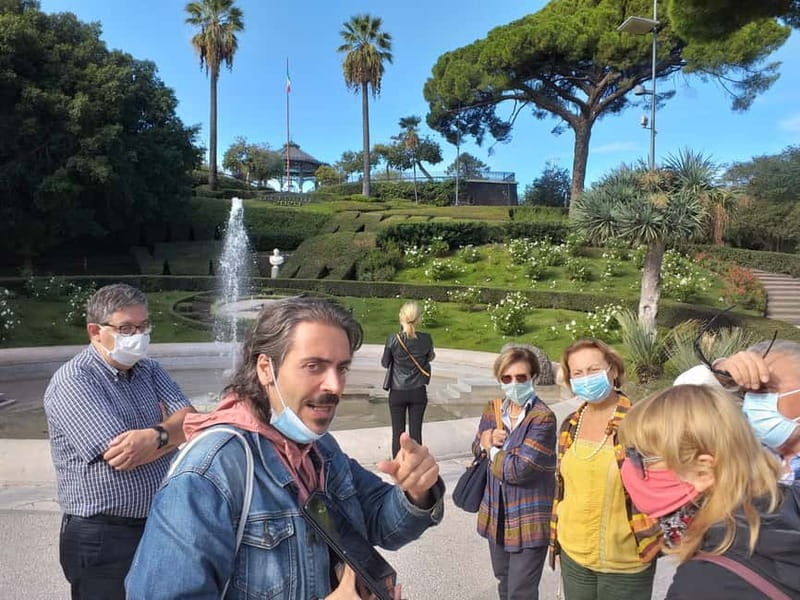
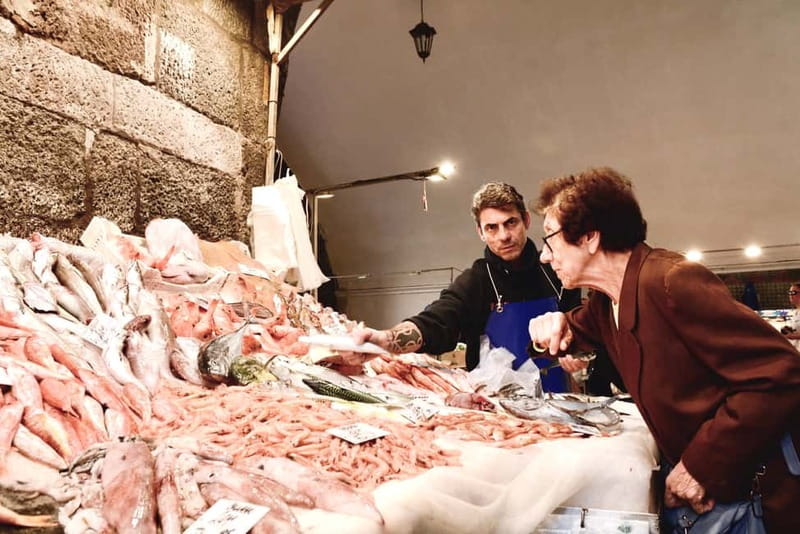
Next comes a stop that’s very Catania: the fish market area. This is where the tour shifts from monumental history to daily routines. You’re not just walking past storefronts; you’re getting the human side of the city—how people shop, what the market vibe is like, and where you might want to return later.
This part is one of the most useful for planning your own time after the tour. You’ll leave knowing where to look for local ingredients and what kinds of places match that local rhythm. It’s also a great photo moment, but the real value is the guide’s guidance on how the area functions.
One practical note: markets can be busy and slightly tight on sidewalks. Wear shoes that handle uneven ground and stand comfortably if you stop for explanations. You’ll get more out of this segment if you can move without fuss.
Ursino Castle: the medieval monument that survived the 1963 earthquake
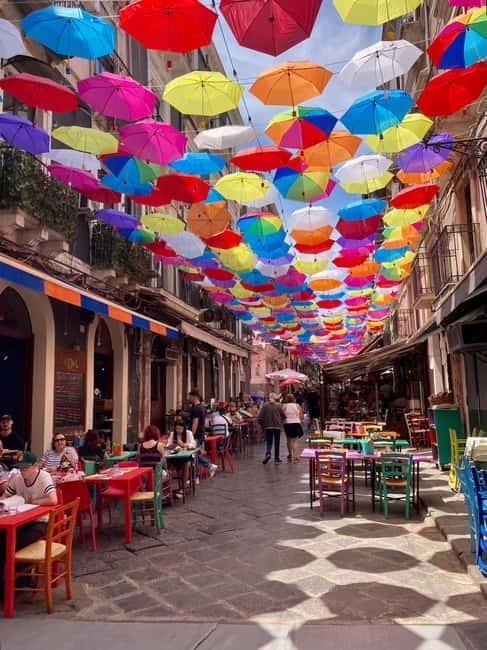
Then the route heads toward Ursino Castle, one of the key sights you’ll want in your mental map. The tour frames it as the only medieval monument to have survived the earthquake of 1963. That fact changes how you view the building: it’s not just historic architecture, it’s historical survival.
I like how the guide uses that background to make the castle feel less distant. Instead of treating it like a museum piece, you understand its endurance and why it became an important marker in the city’s long recovery story. Even if you don’t go inside (entrances aren’t part of this walking tour), you’ll still get a stronger grasp of what you’re seeing.
Ursino Castle also gives you a classic “Catania comparison” moment: the castle represents older layers, while the rest of the route leans baroque and later city identity. That contrast is exactly what makes walking tours work so well—your eyes build relationships between places.
If certain parts around the castle feel hard to access in practice, don’t treat that as a failure. The tour’s format is designed around explanation and orientation, much more than guaranteed entry to everything. Use the castle stop as a prompt for your own follow-up if you want deeper access later.
Via Crociferi: baroque architecture and film-street storytelling
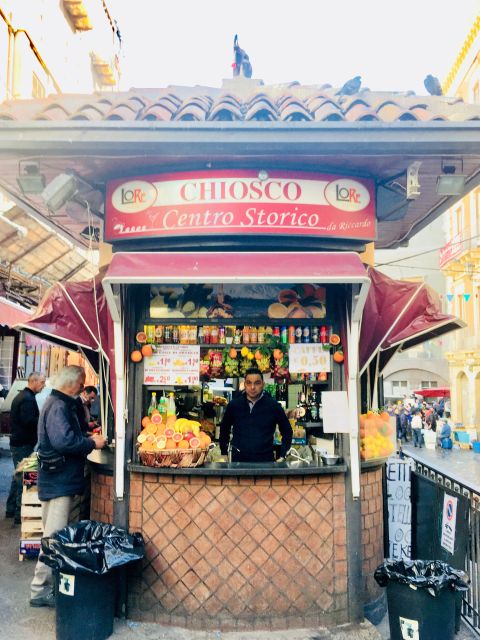
One of the biggest “wow” sections is Via Crociferi. This is described as the most beautiful baroque street in Catania, and you’ll feel why as soon as you start walking it. Your guide points out details that you might otherwise miss when you’re just scanning for the next photo.
Here’s another standout element: the guide ties the street to important films, including Zeffirelli’s La capinera. That little connection helps your brain store the street’s visual style. It’s easier to remember when you link architecture to something you’ve seen or heard of before.
I also appreciate the way this segment supports both types of travelers. If you love buildings, you’ll enjoy the baroque focus and explanations of why the street looks the way it does. If you like pop-culture and storytelling, the film references create a different entry point into the same place.
Keep your camera ready, but don’t run ahead of the group. This street rewards slow looking. The best photos usually come from standing where your guide tells you to, not from sprinting toward the next angle.





Piazza Università: ending in the heart of the city
The tour finishes at Piazza Università, again returning you to a central, easy-to-navigate hub. This ending matters because it sets you up for immediate next steps, whether you want to keep walking, find a meal, or browse nearby streets.
By the time you reach the end, you’ve seen the core landmarks that help you understand Catania’s layout: Piazza Duomo at the beginning, Ursino Castle as a historic anchor, and Via Crociferi as the baroque “main scene.” If you want your first day in Catania to feel organized without getting rigid, this finish gives you a strong launch pad.
This is where your guide’s free-time advice becomes especially valuable. You’ll likely have a short list of where to eat and what to do at night, so you’re not stuck asking a stranger for directions that don’t match your preferences.
Think of the tour as a “starter map.” After that, you’re free to chase your own interests with better judgment.
What makes this walk work well in just 2 hours
Two hours sounds short, but the route is built for fast orientation. You’re moving between major points in the city center without wasting time on long transfers. Since it’s a walking tour, you get the benefit of seeing how neighborhoods connect visually.
The structure also helps you learn. A guide gives you the story for each key stop, then you immediately experience the next setting. That rhythm is why the monuments don’t feel random.
A small consideration: the tour takes place rain or shine. If the weather is miserable, you may be dealing with slippery sidewalks and lighter visibility for photos. Plan for that by bringing a compact umbrella or rain layer. If conditions are particularly bad, the tour might cancel, so have a flexible backup plan for the day.
Also note the tour uses Italian throughout: live guiding is in Italian, and there’s an Italian audio guide included too. If you don’t speak Italian fluently, the audio support can still help you follow along, but it’s still best if you’re comfortable with some language gaps.
Price and value: is $23 a good deal for Catania’s center?
At about $23 per person, this is priced like a straightforward city-center orientation walk. What makes it feel like good value is the combination of licensed local guidance, an audio guide in Italian, and explanations that help you decide what to visit on your own after.
There are no entrance fees baked into the tour, since it happens outside major attractions. That can be a plus if you’re trying to control costs. It can also be a trade-off: you won’t get guaranteed inside access to every monument, so you’re paying mainly for interpretation and route-building, not ticketed experiences.
If your priority is understanding Catania’s “why” faster than doing it alone with a phone, the price makes sense. If your priority is entering multiple sites, you may feel like you need additional add-ons after the walk. Either way, you’ll come out with a clearer plan and fewer guesswork moments.
Who should book this Catania city-center tour
I think this works best for three kinds of travelers.
First, it’s great if you want a first-day overview. Catania’s mix of Cathedral-area baroque drama, market life, and historic endurance can be confusing at a glance. This tour gives you a guided mental map.
Second, it suits people who like practical city tips. The guide provides information on nightlife and restaurants, plus shopping pointers linked to the fish market area. That helps you turn sightseeing into a full day plan.
Third, it fits travelers who enjoy architecture with story. Via Crociferi and the Cathedral square aren’t presented as isolated landmarks. You’ll understand how the city’s past shows up in street form and public spaces.
It may be less ideal if you’re strictly focused on museum-style visits and paid entrances. This is a walking tour with outside viewing and explanations. You’ll likely want to pair it with your own ticketed stops later.
Should you book this guided walk?
If you want to understand Catania quickly, this is a strong yes. The route hits the main center landmarks—Piazza Duomo, the Cathedral area, the fish market, Ursino Castle, and Via Crociferi—plus it ends where you can keep going. The 4.8/5 rating from 171 ratings also suggests the balance between history and city-life guidance lands well.
If you hate walking or you need guaranteed indoor access, you should think carefully. The format is outside-the-attractions, and parts may be limited depending on access conditions. Still, even with that in mind, it’s a good use of your time because you’ll leave with clearer choices for what to do next.
Book it if you like guides who help you see the city’s patterns, not just name monuments.
FAQ
How long is the Catania city-center walking tour?
The tour lasts 2 hours.
Where do I meet the guide in Catania?
Meet at Piazza Duomo, corner with Via Merletta, at the Guidingsicily infopoint (ex edicola). There you’ll see a blue flag with the logo.
What language is the tour in?
The live tour guide speaks Italian, and an Italian audio guide is included.
Are there entrance fees during the tour?
No. The tour takes place outside the attractions, so there are no entrance fees to pay during the walk. The monuments are explained so you can decide what to visit later on your own.
What’s included in the price?
You get a local licensed guide and a walking tour.
Is hotel pickup included?
No, hotel pickup and drop-off are not included.
Is the tour wheelchair accessible?
Yes, the tour is wheelchair accessible.