REVIEW · CATANIA
Catania: Noto, Modica and Ragusa Ibla Baroque Tour
Book on GetYourGuide →Operated by Lemontour Catania · Bookable on GetYourGuide
1693 quake baroque feels like a time machine. This day trip is built around the Val di Noto towns that were rebuilt after the disaster, so every street looks like it has a story. I especially loved Noto for its stonework drama and Modica chocolate for a sweet stop that actually feels connected to the place, not like a random detour.
The pacing is the other big win. You get guided time in each town (not just a bus view), and you’ll have enough structure to spot the details that make Sicilian late Baroque famous, from mask-like carvings to twisting facades. One thing to consider: it’s a full day with a van, and at least one note pointed to a less-than-perfect ride comfort (no air conditioning was mentioned), so plan for that.
In This Review
- Key highlights in plain terms
- Sicilian Baroque after 1693: why these towns still feel unreal
- Price and logistics: how $101.50 buys a full-day circuit
- Stop 1 area: the Province of Ragusa and Ragusa Ibla’s baroque maze
- Modica: chocolate tasting in a city that tastes like itself
- Noto: the Garden of Stone and baroque at walking speed
- Guided time in three towns: what the guide adds (and why it matters)
- The van reality: comfortable enough, but not a spa day
- Practical tips to make this day trip feel worth it
- Who this tour suits best (and who might prefer something else)
- Should you book this Catania to Noto Modica Ragusa Ibla Baroque tour?
- FAQ
- What cities does this tour visit?
- How long is the tour?
- What time is pickup in Catania?
- What language options are available for the guide?
- What is included in the price?
- Is Modica chocolate included?
- Can I cancel for a full refund?
- What if I am not staying in Catania city?
Key highlights in plain terms
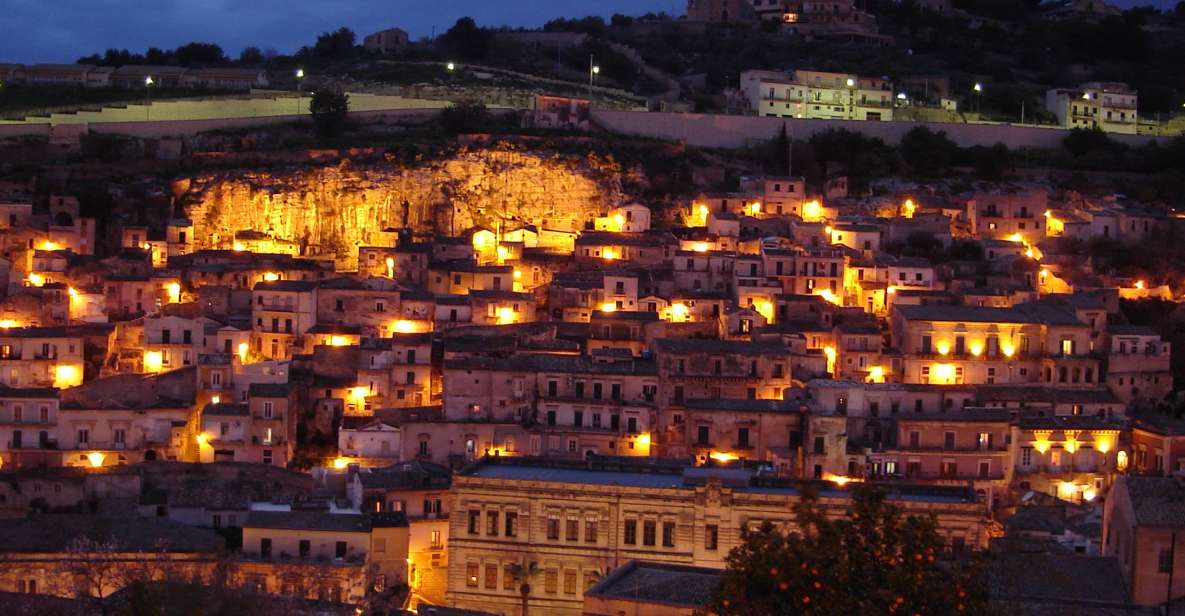
- UNESCO Val di Noto: late Baroque rebuilt after the 1693 earthquake, with towns planned to impress.
- Noto’s Garden of Stone: a guided walk where the details matter more than the big photo.
- Modica’s chocolate: taste different varieties and learn why this is different from the usual bar.
- Ragusa Ibla alleys: opulent buildings, small streets, and gardens that change the vibe block to block.
- Live multilingual guide: English, French, Italian, Spanish, with guides named like Silvia, Andrea, Lorenzo, Giuseppe, and Dan in reported experiences.
Sicilian Baroque after 1693: why these towns still feel unreal
The late Baroque in eastern Sicily is not just decoration. It’s a response. After the 1693 earthquake, these cities were rebuilt, and the result is architecture that looks theatrical but is also practical: dramatic facades, grand churches, and carefully shaped streets that give you views at walking speed.
That’s why this tour works. You’re not trying to memorize dates. You’re walking through a visual language. Expect to see elaborate stone carvings and those odd, ghostly mask details that make the buildings feel a little eerie in the best way. It’s architecture that grabs you from close up, especially when the light hits the carved surfaces.
You can also read our reviews of more tours and experiences in Catania.
Price and logistics: how $101.50 buys a full-day circuit
At $101.50 per person for an 8-hour tour, you’re paying for two things: organized transport from Catania and a guide who keeps the day coherent. For a self-guided attempt, the hardest part would not be driving—it would be stacking three towns with enough walking time in each, plus finding the right stops.
The schedule is straightforward. You’re picked up in Catania city and nearby areas around 9:00 to 9:15 AM. Then you’re in a van for about 1 hour 45 minutes early on, with more travel between towns after each guided segment. In other words: it’s not a “quick hits” tour. It’s built for walking and seeing, with bus time as the trade.
One practical note: you’ll likely be outdoors in the towns. That’s great for the atmosphere, but it also means you’ll want comfortable shoes. And since the van quality can vary, keep your expectations realistic about comfort.
Stop 1 area: the Province of Ragusa and Ragusa Ibla’s baroque maze
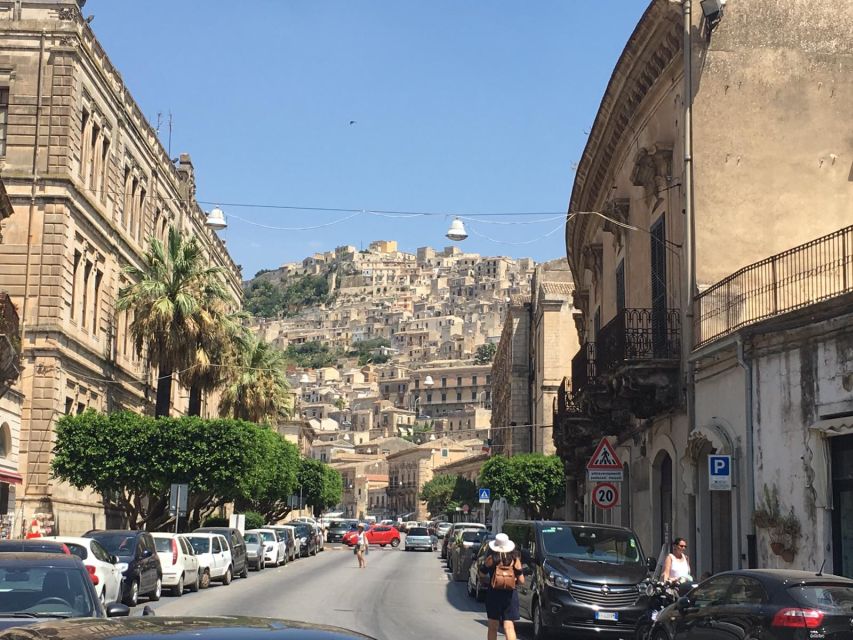
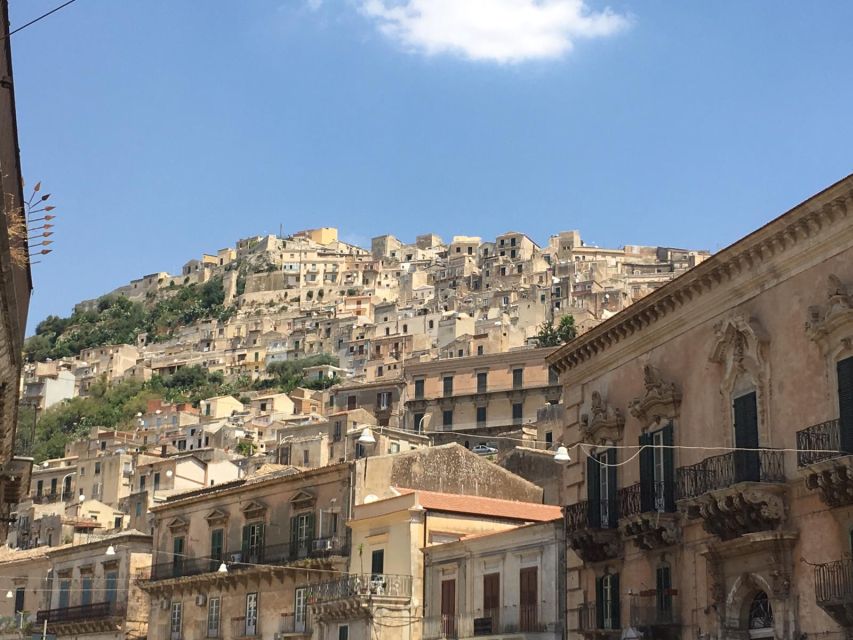
Ragusa Ibla is where Sicilian Baroque starts to feel like a place you can get lost in on purpose. You walk through characteristic alleys where the street turns can feel choreographed. One moment the facades look oversized and theatrical; the next, you’re in a pocket of calm with gardens and a softer pace.
This is also a good stop for understanding what baroque does psychologically. The style plays with movement and surprise. Streets curve, facades change height, and carvings catch the eye even when you’re not staring at them directly. With a guide, you’ll learn what to look for—especially the kind of stone ornamentation that makes these towns unforgettable without needing a museum ticket.
The guided time here is about 1.5 hours. That’s long enough to do more than pass by the highlights, but short enough that you won’t feel trapped. If you like architecture and the little “why” behind the big look, this stop is a strong match.
Modica: chocolate tasting in a city that tastes like itself
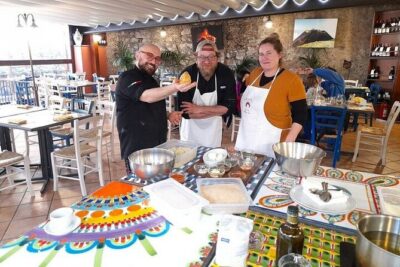
Modica is where the day turns edible. This tour’s highlight is tasting Modica chocolate and sampling different varieties. If you’ve had chocolate before, you’ll still notice the difference—Modica chocolate is treated like part of local identity, not just a souvenir. The important thing isn’t only the sweetness. It’s the fact that the tasting is tied to the town’s food culture and reputation.
The guided portion is about 1.5 hours, which gives you time to connect the chocolate to the bigger picture: old streets, local tradition, and a sense that food here is a civic thing, not an afterthought. You’ll likely find that it’s easier to pay attention to the buildings after you’ve had a sensory break.
Modica also tends to work well for photos, but don’t only chase the postcard angles. Use the guide’s direction to spot details in facades and doorways too. That way, the chocolate stop feels earned rather than random.
Noto: the Garden of Stone and baroque at walking speed
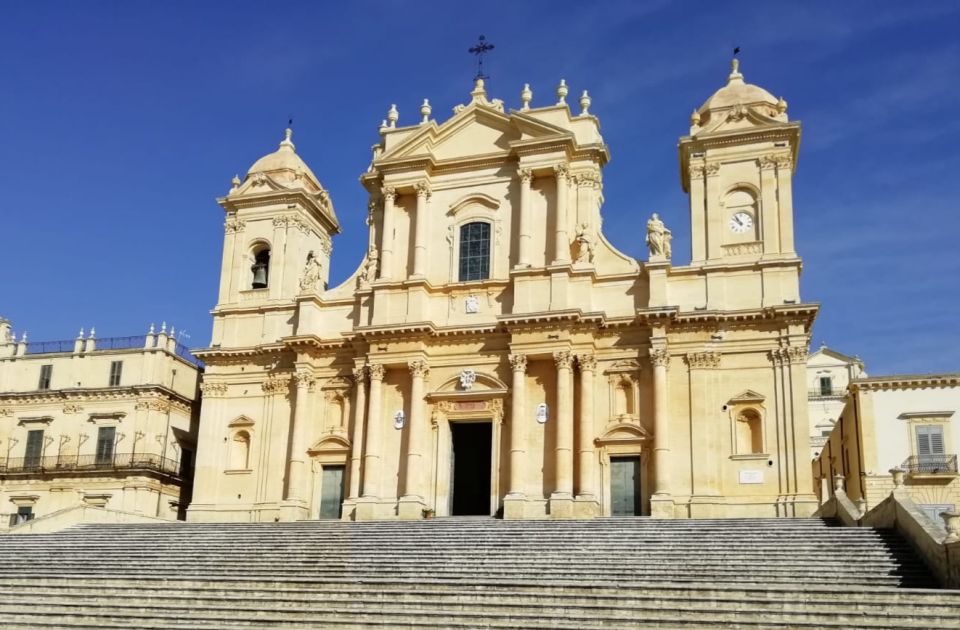
Noto is often called the capital of Sicilian Baroque for a reason, and this stop makes that label make sense fast. The tour gives you about 1.5 hours here, and you’ll spend that time walking among what people describe as the Garden of Stone—basically, a dense cluster of baroque architecture where the building surfaces do most of the talking.
Noto’s appeal is in the elegance and the motion of the design. You’ll see architectural elements that look curved and rhythmic rather than simply stacked. The stone carvings can feel almost animated: scrollwork, sculptural details, and those haunting mask-like touches that make the style memorable even after you leave.
This is also the best town for slowing down mentally. During your walk, you’ll get a chance to look up and sideways, not just ahead. And with a multilingual guide, you can switch your attention between story and detail. That combo is what makes the Noto time feel like more than sightseeing.

Guided time in three towns: what the guide adds (and why it matters)
A good guide turns a baroque day into something you can remember. The format here is built around live interpretation, and the languages offered include English, French, Italian, and Spanish. That matters because baroque is in the details. If you don’t know what you’re seeing, you can end up with lots of photos and not much meaning.
In reported experiences, guides named include Silvia, Andrea, Lorenzo, Giuseppe, and Dan. The common thread in those names isn’t just friendliness. It’s careful pacing and clear explanations. One thing that stood out is that the day doesn’t feel rushed for the sake of checking boxes—guides are willing to keep you with the group and not yank you from stop to stop.
Still, you should expect a packed schedule. The van segments between towns are long enough that you’ll want to be ready for the rhythm of the day: listen in the vehicle, then focus on walking and viewing when you arrive.
The van reality: comfortable enough, but not a spa day
Let’s be honest about the ride. This is a tour built on driving between towns, and a couple of notes flagged van comfort issues—especially around air conditioning and ride quality. Another suggestion was improving logistics like having a separate driver and guide to cut down on small delays while parking.
What you can do with that information is simple: pack like it’s a long day in Sicily. Bring water, plan for sun exposure, and assume windows might be open at times. If you’re someone who needs perfect temperature control during transport, set expectations accordingly. Once you’re out in the towns, you’ll likely forget the van anyway, because the architecture makes it hard to stay bored.
Practical tips to make this day trip feel worth it
You’ll get more out of this tour if you prep for the way you’ll actually experience the towns: on foot, looking up, and turning corners often.
- Wear shoes you trust. You’ll be walking in historic streets and uneven spots.
- Bring sun protection. The towns are open-air and the day starts early.
- Keep your camera ready, but don’t only shoot. Look first, then photograph.
- If you get a moment, ask the guide what specific details to focus on. That turns your walk into a scavenger hunt—in a good way.
- Pace your appetite. With chocolate in Modica, you may not want a heavy lunch right before it.
Also, consider timing your own questions. The best moments for questions tend to be right before you enter a main area or when the guide points out a particular facade detail.
Who this tour suits best (and who might prefer something else)
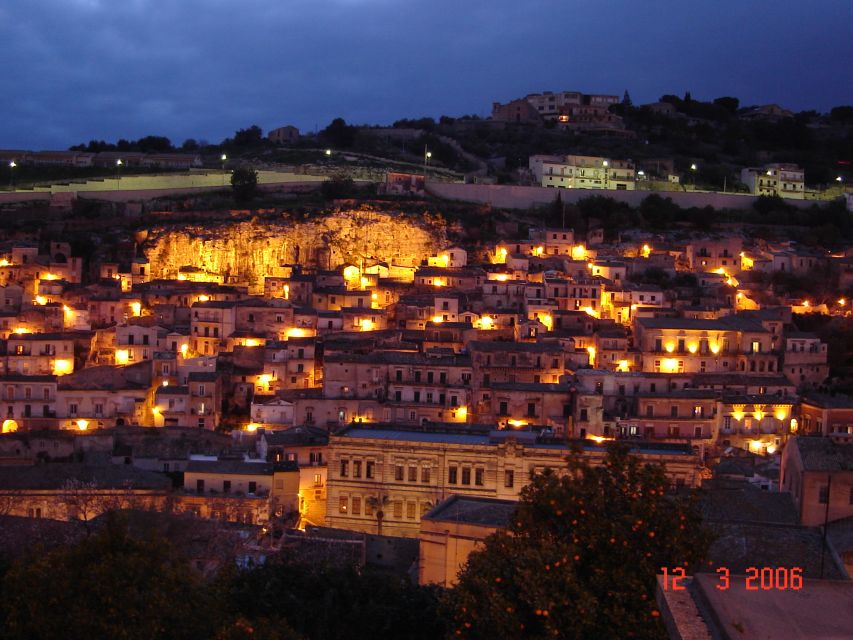
This trip is ideal if you want architecture, guided context, and a taste of local culture in one day. If you’re the type who likes to understand why buildings look the way they do, you’ll enjoy the focus on late Baroque and the rebuilding story after 1693.
It’s also a strong fit for couples and small groups who want a structured day without planning. If you’re traveling solo and want someone else to handle the route and timing, it helps too.
On the other hand, if you dislike long car rides or you need maximum comfort in transit, you might prefer a smaller-group or private option (not offered in this data) or plan fewer stops. This is a full-day plan by design.
Should you book this Catania to Noto Modica Ragusa Ibla Baroque tour?
I’d book it if your Sicily goal includes Val di Noto baroque towns and you want the day to come with a live guide and a chocolate stop that feels local. The value is in the combination: three major towns, guided time in each, and transport that strings it all together without you juggling logistics.
If you’re primarily a beach-and-food traveler who wants slow mornings, this might feel like too much. But if you like streets, stone details, and the kind of history you can see with your own eyes, this day trip is one of the most straightforward ways to get it done from Catania.
FAQ
What cities does this tour visit?
You visit Noto, Modica, and Ragusa Ibla (in the Province of Ragusa) on a day trip that starts and ends in Catania.
How long is the tour?
The total duration is listed as 8 hours.
What time is pickup in Catania?
Pickup is approximately 9:00 to 9:15 AM from your accommodation in Catania city and surrounding areas.
What language options are available for the guide?
The live tour guide is available in English, French, Italian, and Spanish.
What is included in the price?
The price includes pickup and drop-off and a multilingual live guide.
Is Modica chocolate included?
Yes. The experience includes tasting the famous Modica chocolate with different varieties.
Can I cancel for a full refund?
Yes. Free cancellation is available up to 24 hours in advance for a full refund.
What if I am not staying in Catania city?
If you are based in another city within Catania Province, you can contact the provider to book a transfer service, which is not included in the tour price.