Palermo can feel like a maze. This private local guide tour helps you make sense of the streets fast, while hitting top sights like Teatro Massimo and Piazza Pretoria. The main catch: it’s a 3-hour walk with no hotel pickup, so plan for some steady strolling and getting to the meeting point on your own.
I really like that you’re not stuck following a rigid group script. You’ll get an overview of the historic center with a human voice explaining what you’re looking at, plus a bit of local food and drink to slow things down.
If you’re after one “checklist-only” stop-by-stop experience with no surprises, note that the exact route can vary by your host and chosen path. Still, that flexibility is also what makes it feel personal instead of mechanical.
In This Review
- Key things I’d pay attention to
- Why a private Palermo walk is worth it
- Meeting at C.so Calatafimi: getting oriented fast
- Palazzo Reale area: the overview stop that saves your whole trip
- Teatro Massimo: opera glory, then a mafia-era no-go
- Piazza Pretoria and Francesco Camilliani’s 1554 fountain
- Extra stops: markets, churches, and street-food moments
- One drink/tasting: small, but it changes the feel
- Pace, fitness, and what to wear in Palermo
- Guide personalities: what different hosts tend to bring
- Price and value: what you’re actually paying for
- Should you book this Palermo private tour?
- FAQ
- How long is the Palermo private tour?
- Is this tour private or shared?
- What sights does the tour include?
- What’s included in the price besides the guide?
- Where do I meet the guide?
- Can I cancel for free?
Key things I’d pay attention to
- Private guide, just your group: you set the pace and ask questions on the fly.
- A-list sights, smart order: Teatro Massimo, Palazzo Reale area, Piazza Pretoria/fountain.
- Route can change: your host may add churches and market stops depending on the day.
- One local drink/tasting included: a small but real taste of Palermo.
- Teatro Massimo’s dramatic story: opera glamour mixed with a mafia-era twist.
- Moderate walking: comfy shoes matter more than flashier plans.
Why a private Palermo walk is worth it
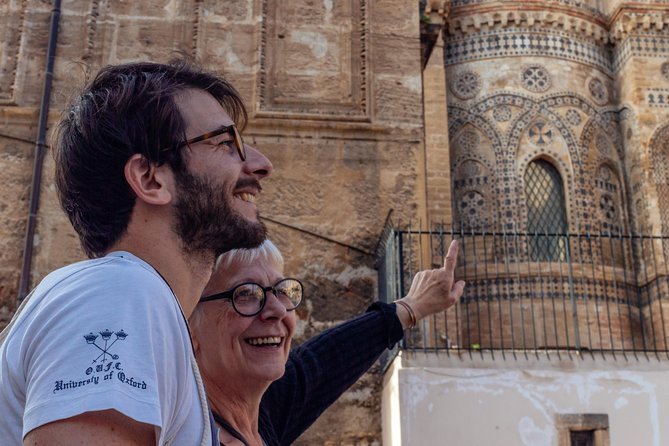
Palermo rewards curiosity. The buildings here don’t just sit there; they talk—if someone points out the details. This tour is built for that. Instead of being herded between sights, you get a private guide who can explain the why behind the what.
I like the balance: you get big-name landmarks and you also get context that makes them feel connected. Teatro Massimo isn’t just architecture; it’s an emotional story. Piazza Pretoria isn’t just a photo spot; it’s a cultural marker.
The price—about $131.82 per person—can seem steep at first glance. But you’re paying for private time, English commentary, and the fact that someone else handles the logic of where to go next. In a city where street corners can look similar until you know what you’re seeing, that “someone” is valuable.
You can also read our reviews of more private tours in Sicily
Meeting at C.so Calatafimi: getting oriented fast
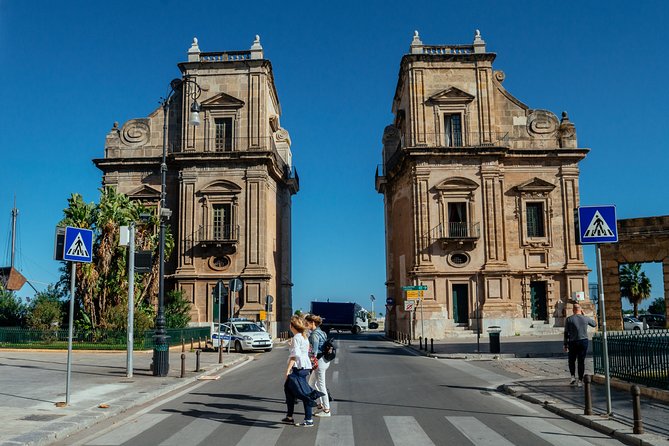
The tour meets at C.so Calatafimi, 11 in Palermo, and it ends back there. There’s no hotel pickup, so you’ll want to plan a simple route from where you’re staying. The start point is near public transportation, which helps.
You’ll also use a mobile ticket, so keep your phone charged. If you’re traveling with multiple people, one device with the ticket is usually enough, but it’s smart to check how you’ll access it before you start walking.
This is a good setup for a first day in town. You’re not trying to learn Palermo from scratch at 6 p.m. You’re getting a guided overview early enough that the rest of your trip makes more sense.
Palazzo Reale area: the overview stop that saves your whole trip
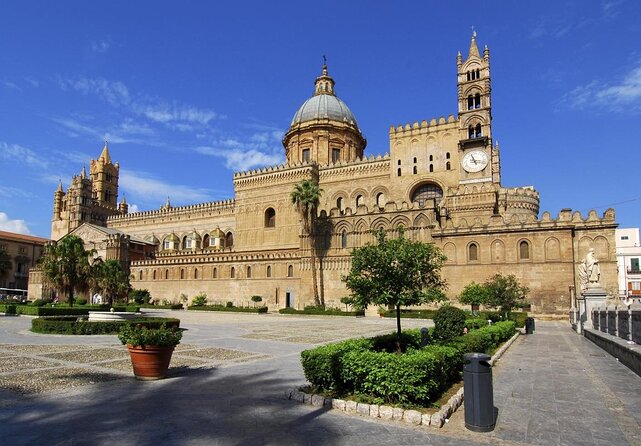
One of the first stops focuses on the Palazzo Reale area and main landmarks. Think of this as your orientation layer. Your local host takes you to key spots so you understand how the historic center is laid out and what each landmark signals.
Why this matters: Palermo is visually intense. Facades, churches, courtyards, squares—you can photograph yourself into confusion. An orientation stop helps you connect landmarks to streets, and streets to neighborhoods. After this, when you walk on your own, you’ll feel like you’re reading the city instead of just wandering it.
You’ll also benefit from the way a local guide frames what you see. Instead of rattling dates, a good guide highlights the human reasons certain places were built where they are. That turns your next walk into a more confident one.
Teatro Massimo: opera glory, then a mafia-era no-go
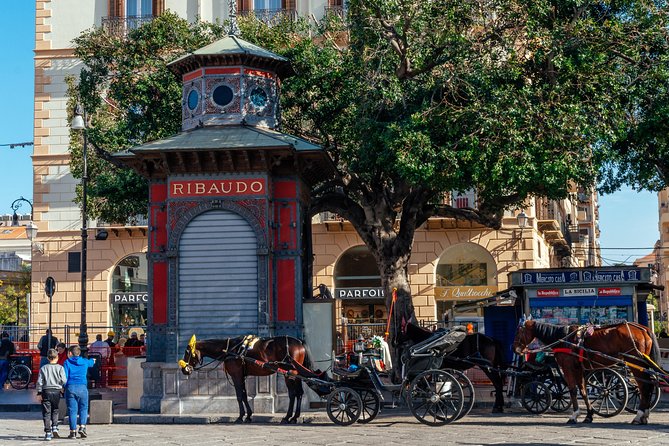
Palermo has glamour, and it has complications. The tour includes a major stop tied to a 19th-century opera spectacle—and its darker chapter afterward, when mafia influence made parts of the area effectively off-limits for some time.
This is one of those sights where hearing the full arc changes how you look at the building. Yes, you’ll see one of the big cultural icons of Palermo, but you’ll also understand why cultural institutions can’t be separated from local power and local fear.
A practical note: depending on your route and timing, you might be outside for part of this segment. If it’s hot or windy, plan your water break. The tour is short, so pacing yourself matters more than trying to “win” the walking portion.
Piazza Pretoria and Francesco Camilliani’s 1554 fountain
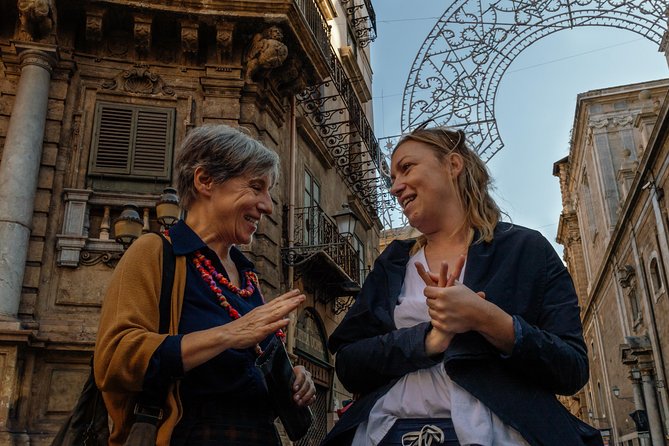
Then you reach Piazza Pretoria, centered around one of Palermo’s most distinctive visual anchors: the fountain associated with Francesco Camilliani. The tour specifically flags it as a landmark of the square, built by Camilliani in Florence in 1554.
The fun part here is that the fountain becomes more than a backdrop. A guide can point out the symbolism and the odd mix of ideas that makes the fountain famous. Even if you’ve already seen photos, you’ll likely notice new details once someone gives you a set of angles to look for.
Also, this is where the tour’s “private” advantage shows up. You can linger in the spot you like best for photos, then move when you’re ready. You don’t have to match a group’s speed or get swept forward before you’ve taken in the scene.
Extra stops: markets, churches, and street-food moments
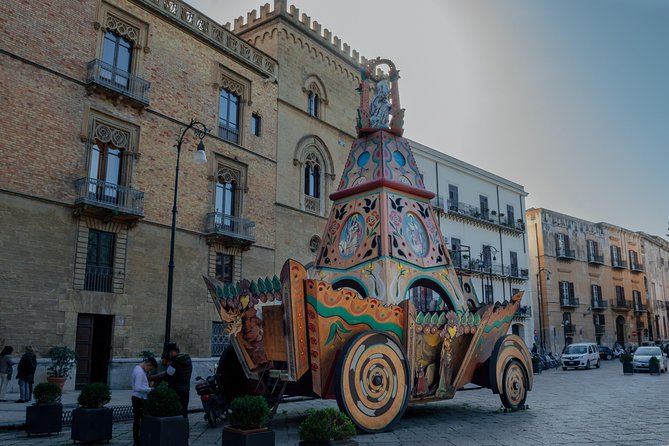
The itinerary also leaves room for additional stops based on your host and the route they choose. That’s not filler—it’s how Palermo tours can stay alive instead of feeling like a scripted museum loop.
In past guides’ styles, you can sometimes expect church-focused walks and time in market areas. Guides have also brought people to sample street food, including favorites like arancini (those crispy rice bites Palermo does so well).
One review detail that’s useful for your expectations: churches were often a favorite segment for groups that included older visitors and adult children. That tells me the guides know how to talk to mixed ages, not just “tick boxes” for one type of visitor.
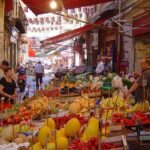
One more useful angle: markets aren’t only for food. They can be for context—how people shop, what people snack on, and what everyday Palermo feels like when it’s not curated for tourists.
You won’t get all of that on every route, but it’s a strong reason to treat this tour as a way to build local instincts, not just to stand in front of landmarks.
One drink/tasting: small, but it changes the feel
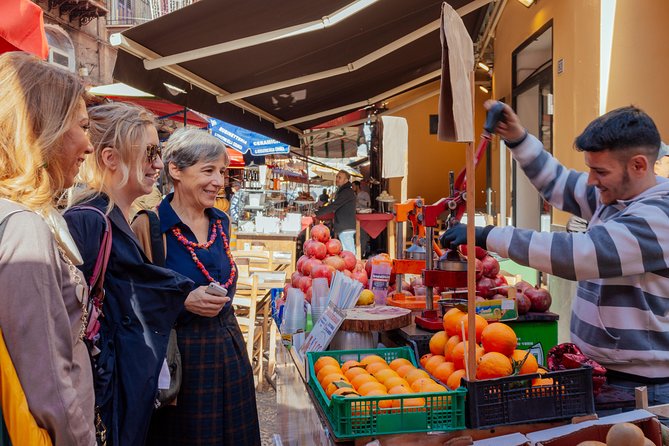
This tour includes 1 local drink/tasting. The exact item isn’t specified, so don’t expect a full meal plan. But that single included bite is often what turns a “sightseeing walk” into a real neighborhood experience.
I like this format because it protects the pacing. You get a taste without turning the tour into a long food detour. It’s also handy if you’re trying to map out dinner plans afterward: you get one taste now, then you decide what to chase later.
If you have dietary needs, you’ll want to ask your host in advance or at the start. The tour data only guarantees the presence of one tasting/drink, not the menu details.
Pace, fitness, and what to wear in Palermo
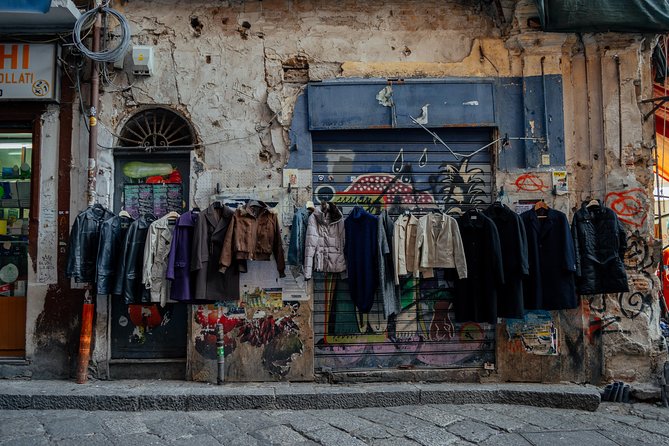
The tour calls for moderate physical fitness. Translation: you should expect a good amount of walking on city streets and in and around squares. That doesn’t mean it’s a hardcore hike, but it does mean comfortable shoes are non-negotiable.
Because the meeting point is C.so Calatafimi and there’s no hotel pickup, you’ll also be walking to and from the start if you’re staying farther away. Plan for that extra bit of movement.
Weather matters in Sicily. If you’re visiting in warmer months, go early or late in the day when you can. Palermo streets can feel sun-baked, and this tour has only about 3 hours—so you don’t want to lose time to heat fatigue.
Guide personalities: what different hosts tend to bring
This is a private tour, but guides aren’t identical. In the tour history, I’ve seen very clear personality differences across hosts.
- Salvatore has been described as warm and fun, with big-picture explanations that connect Palermo’s past to what you see today.
- Loredana has stood out for being personable and informative, with a route people often felt was an excellent overview.
- Luca is the kind of guide who blends history with practical food stops and finds spots that feel surprising once you’re there.
- Michelangelo’s style has been noted as energetic and great for mixed-age groups, with lots of “surprise around the corner” energy and a special fondness for churches.
- Karolina has been praised for pride in showing the city’s beauty and for making history feel like something you can read in the streets, not something locked in textbooks.
That variety is good news. It means your experience will likely feel tailored to your interests—especially since it’s just you and your local guide.
Price and value: what you’re actually paying for
At roughly $131.82 per person for a private 3-hour tour, the value equation depends on what you want.
You’re paying for:
- a private guide (not a group schedule)
- English commentary
- priority help navigating major sights
- a built-in moment for a local drink/tasting
- the flexibility of a route chosen by your host
If your idea of a great trip is “one must-see after another,” a self-guided plan might feel cheaper. But you’ll pay for that in time spent figuring out order, context, and what’s worth stopping for. This tour buys you that time back, while adding explanations that make the landmarks hit harder.
If you’re traveling with friends or family, the private format can also reduce friction. You don’t need everyone to agree on the pace. You can stop, ask questions, and move when you’re ready.
Should you book this Palermo private tour?
I’d book it if you want:
- a fast, organized overview of Palermo’s top sights
- local storytelling that makes the city feel less random
- a pace you control (instead of a group schedule)
- a small food/drink moment already handled
I’d think twice if:
- you want zero walking and zero flexibility
- you’re only interested in one or two locations and would rather spend the time on your own
- you prefer a fixed itinerary with no route changes
If you’re in Palermo for a short stay, this tour is a strong “set your compass” choice. You’ll leave with clearer instincts for where to wander next—and you’ll know what to look for when the street scenes start blending together.
FAQ
How long is the Palermo private tour?
It runs for about 3 hours.
Is this tour private or shared?
It’s private. It’s only you and your local guide.
What sights does the tour include?
It includes major highlights like Teatro Massimo, Piazza Pretoria (with the fountain tied to Francesco Camilliani from 1554), and the Palazzo Reale area. Your route may also include additional stops chosen by your host.
What’s included in the price besides the guide?
The tour includes a local drink/tasting. It does not include other food or beverages unless listed.
Where do I meet the guide?
The meeting point is C.so Calatafimi, 11, 90134 Palermo PA, Italy, and the tour ends back at the same meeting point.
Can I cancel for free?
Yes. Free cancellation is available up to 24 hours in advance for a full refund.