REVIEW · CATANIA
Catania: Pozzo di Gaspare Farm Guided Tour with Tastings
Book on GetYourGuide →Operated by POZZO DI GASPARE · Bookable on GetYourGuide
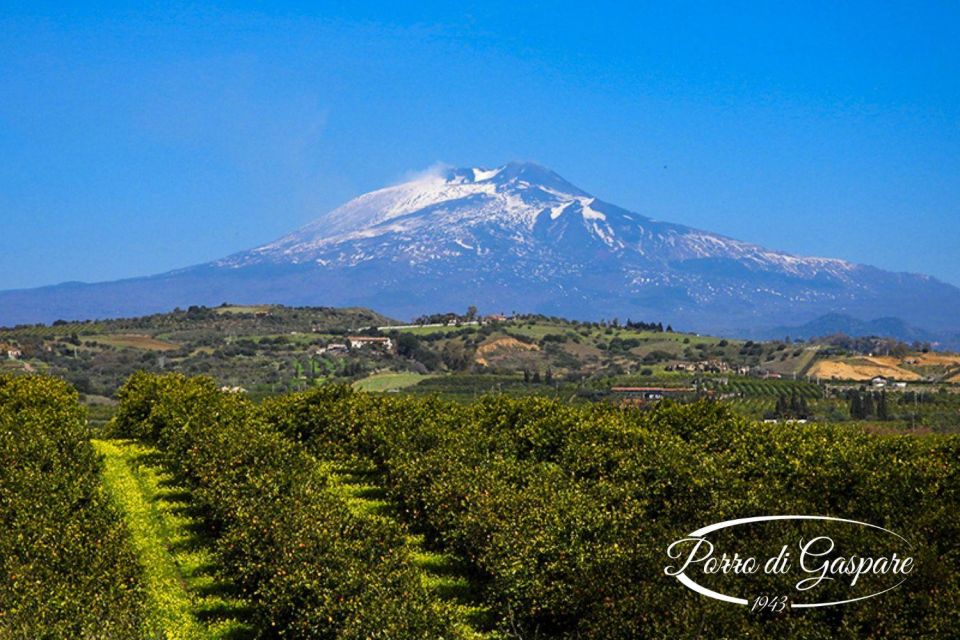
Step off the road and into an active orchard. This family-run farm in the Catania plain mixes old-water engineering with day-to-day cultivation of EVO oil, blood oranges, and almonds, and then ends with food you’ll want to remember long after you’re back in town.
I like that the tour starts with the place itself: an ancient well dug by hand at the end of the 18th century, still working, with lava-stone galleries inside. I also love the way the farm connects seasons to what you eat, especially the March-to-May bloom period when white orange blossoms (Zagara) and olive and almond flowers set the whole grove in motion.
One possible drawback: it’s a short, 2-hour experience, and transportation isn’t included—so you’ll want to plan how you’ll get there from Catania (or the airport) without stress. If you visit outside the spring bloom window, you’ll still learn a lot, but you may miss that peak-flower feel.
In This Review
- Key things I’d mark on your mental map
- A hands-on farm tour on the Catania plain
- The hand-dug Pozzo di Gaspare well (and why it matters)
- Walking the groves: orange blossoms, olives, and almonds
- EVO oil on Etna: what you’ll learn and taste
- Blood oranges and the farm-food connection
- Almonds and the quieter side of the farm
- What else you’ll see besides plants (historic + practical)
- Price and value: is $41 for 2 hours worth it?
- Practicalities: timing, meeting point, and what to pack
- Who should book Pozzo di Gaspare?
- Should you book this farm tour near Catania?
- FAQ
- How long is the Pozzo di Gaspare farm tour?
- What’s included in the tasting?
- What does the tour focus on?
- Where do I meet the guide?
- Is the tour available in English?
- What time of year is best for flowers?
- Do I need to bring anything?
- Is transportation to the farm included?
- What kinds of places will I see during the tour?
- What’s the cancellation policy?
Key things I’d mark on your mental map
- The hand-dug Pozzo di Gaspare well: 20 meters deep, lava-stone galleries, and still functional
- Seasonal spring blooms (Zagara orange blossoms, olive flowers, almond flowers) between March and May
- A working farm tour with a story attached: how tradition stays practical in modern Sicily
- EVO oil tasting plus real local bites: cheeses, cured meats, olives, and blood orange salad
- English-guided explanation by the owner/host and guide team at the farm entrance gate
A hands-on farm tour on the Catania plain
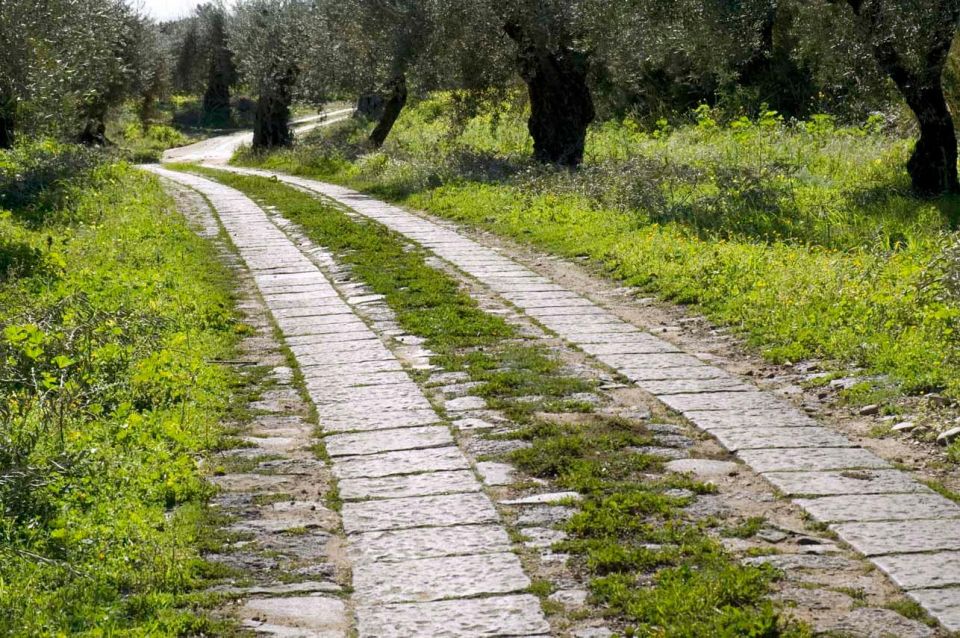
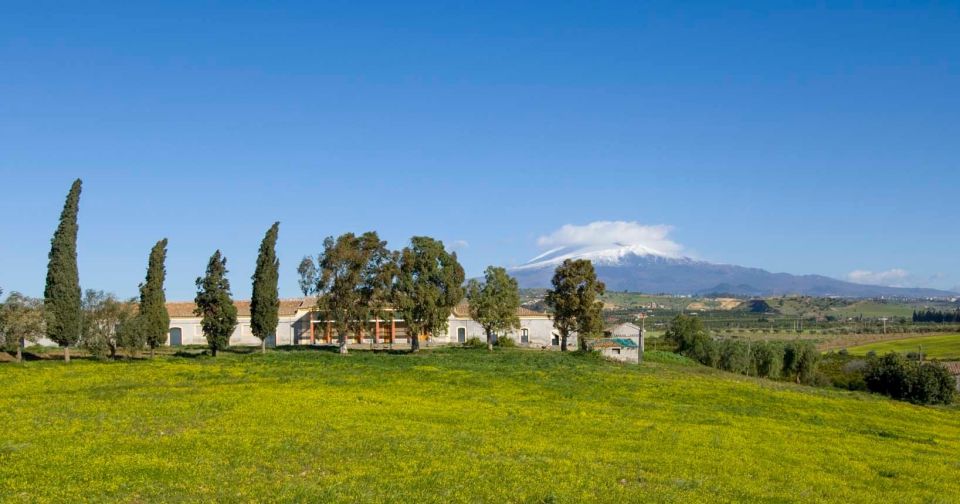
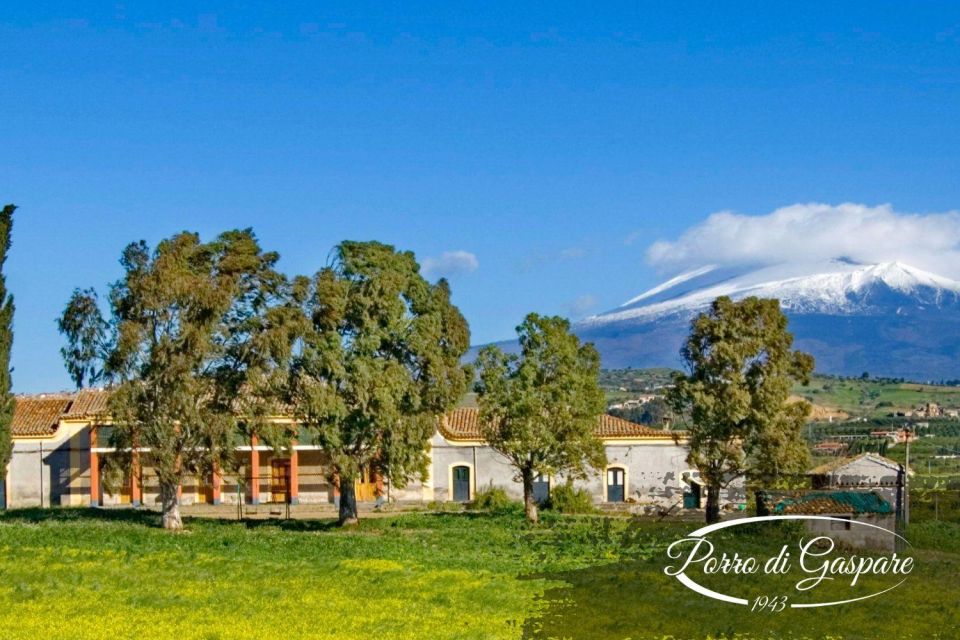
This isn’t a museum-style “look but don’t touch” stop. Pozzo di Gaspare is a working agricultural company run by the same family for over 80 years, spread across 42 hectares in the territory of Motta S. Anastasia. The big appeal for you is simple: you’re learning how Sicilian staples become food, while walking through the actual trees and systems that make it happen.
The farm’s production focus is clear. Since 1943 it has produced extra virgin olive oil from Etna, blood oranges, and almonds. That matters because it shapes the whole tour: you’re not getting a random selection of tastings. You’re getting a guided route through the farm’s specialties, ending with the kind of tasting that helps you understand what you just saw.
Expect an easy pace. The tour runs about 2 hours and is guided live in English. You’ll be outside for most of it, and the farm is a few kilometers from the center of Catania and the airport, so it’s reachable without planning a whole day.
You can also read our reviews of more guided tours in Catania


The hand-dug Pozzo di Gaspare well (and why it matters)
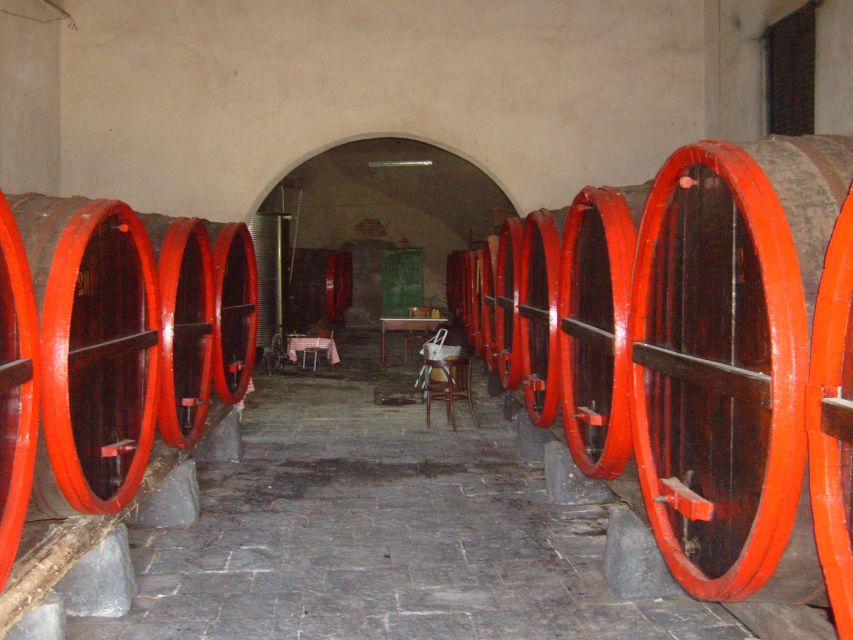
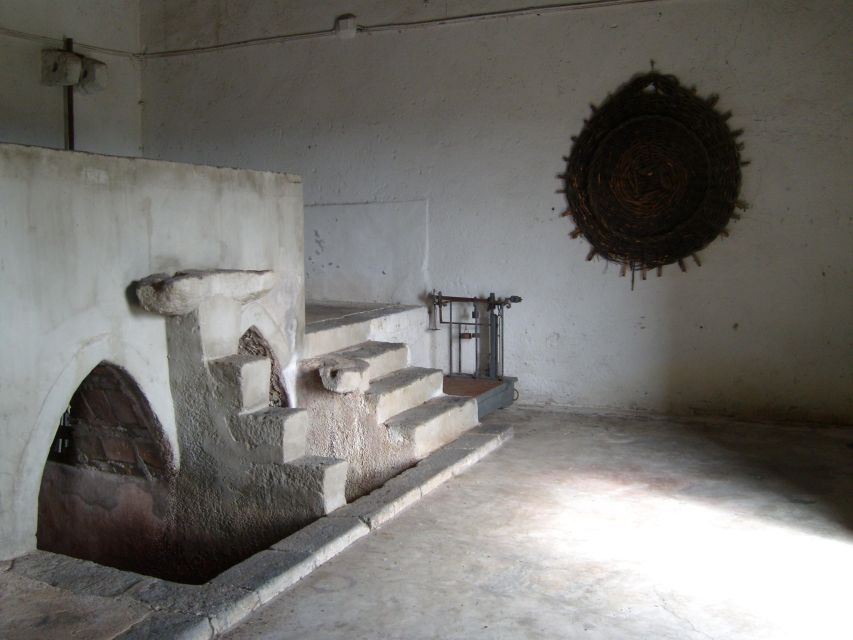
If you only remember one spot from the tour, make it the ancient well. The property’s name comes from this well, dug by hand at the end of the 18th century to supply water to a farmhouse nearby (also dating to the 18th century).
Here’s what makes the well more than a cool photo stop:
- It’s still functioning, which means you’re seeing something built for a real, daily purpose.
- It’s about 20 meters deep.
- Inside, you’ll see lava stone galleries, crafted as part of how the water system works.
On a practical level, this sets the tone for the rest of the visit. Sicily agriculture runs on water management and stubborn attention to detail. When you understand the well, you understand why the farm talks so much about growing well in a specific environment—rather than treating the orchard like a generic landscape.
Also, keep an eye on your footing. The whole area is made of stone and uneven ground, and comfortable shoes are the sensible choice.
Walking the groves: orange blossoms, olives, and almonds
The tour guides you through the farm’s nature-to-product cycle, from flowering to harvest to final foods. It’s the kind of explanation that makes you look at a tree differently. You start noticing timing, not just varieties.
If you’re visiting between March and May, the tour hits an especially photogenic moment. You can see:
- Zagara (orange blossoms), typically white and fragrant
- Olive tree flowers
- Almond tree flowers, also shining white in bloom
Even if flowers aren’t happening at your exact dates, you’ll still get the orchard context: what the farm grows, how it’s managed, and why the farm’s focus on quality matters.
One of the most praised parts of the experience is how the guide ties cultivation to decisions. You’ll hear about the challenges of running a business that stays true to tradition while still protecting quality, and you’ll get the sense that this is a long-term commitment, not a quick seasonal activity.
And yes, it can include small surprises in the farmyard. One guest mentioned being on alert for the geese—so just be aware you’re on a real working property, not a manicured park.
EVO oil on Etna: what you’ll learn and taste
After you walk the orchards, the farm brings you to the heart of the product: their extra virgin olive oil made on site. The goal isn’t just to pour oil and say it’s good. You get a guided tasting that helps you connect what you saw (trees, season, farming choices) to what you taste.
At the end of the tour, you’ll taste the farm’s EVO oil, along with food that usually shows up in a Sicilian agriturismo-style lunch, but in a more farm-authentic way.
What’s included in the tasting period can vary slightly day to day, but it’s clearly built around:
- fresh bread (often served for dipping)
- olives
- cheeses and cured meats
- blood orange salad / insalata arancia siciliana
Several people specifically called out a simple bread-dip setup—olive oil with salt, pepper, and dried oregano—as an example of how straightforward ingredients can taste excellent when they’re fresh and local.
If you’re a foodie, this part is where the tour becomes useful for future shopping. Instead of buying olive oil blindly, you’ll understand what “farm-made, pressed on site” means in terms of freshness and flavor character. And if you’re not a foodie yet, the tasting still works because the experience teaches you what to notice: oil that tastes like real olives, not just “olive flavored.”
Blood oranges and the farm-food connection
Blood oranges are the second star of the farm’s portfolio, and you’ll feel that at both ends of the tour: in the grove conversation and in the tasting.
In spring, Zagara orange blossoms turn up in the tour narrative. Later—when harvest is happening—the conversation shifts to how those trees become food, and how a citrus grove fits into an agricultural system that also includes olives and almonds.
At tasting time, blood oranges show up in a way you can actually evaluate, not just admire. Multiple guests mentioned the blood orange salad as a highlight, and one described it in the same breath as olive oil quality—meaning the farm is treating its citrus as a real culinary ingredient, not a decorative “tour add-on.”
You’ll also likely see bitter orange marmalade referenced in relation to smoked cheese, based on guest descriptions. The takeaway for you: the tasting isn’t just oil tasting; it’s a full flavor loop. You’ll taste how citrus brightness cuts through savory cured meats and creamy cheeses.
You can also read our reviews of more tours and experiences in Catania

Almonds and the quieter side of the farm
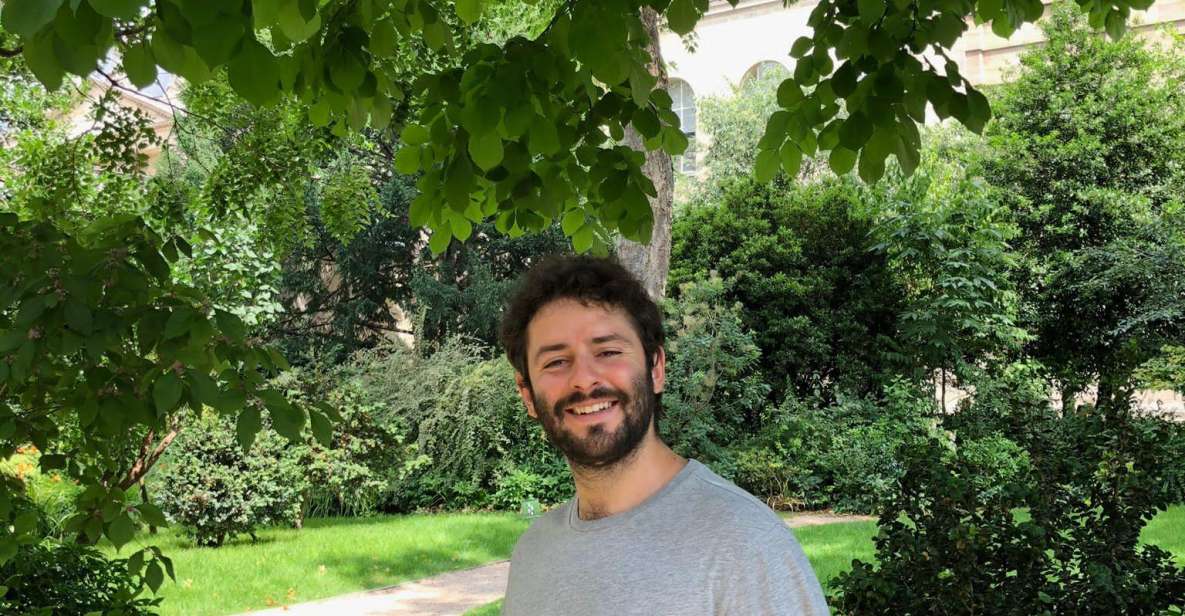
Almonds don’t always get the same attention as oranges and olives, but on this farm they’re treated as a main product. You’ll walk through the almond-growing area and, during the March-to-May bloom window, you can see those white almond flowers.
Why does this matter for you? Because almond trees are a reminder that Sicilian agriculture isn’t one-note. It’s a set of crops chosen for a place, a climate, and a kind of patient care. Seeing almond trees alongside olive and citrus helps you understand how a farm builds resilience—especially in a region where water and timing matter.
Even if you don’t end the tour by buying almonds (you may not be offered them as a takeaway item), learning how the farm treats almonds as a serious crop makes you appreciate the farm’s overall approach.
What else you’ll see besides plants (historic + practical)
The tour doesn’t stick only to plants. The setting includes restored and historic structures and tools, connected to that 18th-century farmhouse and the systems around it. Walking through these areas gives the visit weight: this is a property where agriculture has been happening for generations.
Just as important, the guide talks about modern approaches. One guest mentioned hearing about water loss minimization methods and plans for solar power. They also described viewing historic irrigation systems alongside newer ideas for keeping the operation efficient.
That’s a big reason this tour scores so high: you get context on why change happens. Traditional farming isn’t about freezing time. It’s about protecting quality while solving practical problems.
Price and value: is $41 for 2 hours worth it?
At $41 per person for about 2 hours, the biggest question is value: are you paying for a guided walk and tasting, or just for a tasting that could happen anywhere?
Here’s how I’d judge it for your trip. The experience includes:
- guided tour of the farm
- tasting of their EVO oil
- tastings of cheeses and cured meats
- observation of blossoming trees
- viewing the ancient well and farmhouse
You’re not just sampling oil in a shop. You’re walking the groves and well system, then eating in a setting that makes sense for the food. That connection between the story and the plate is what makes the price feel reasonable.
If you like food tours that teach you something you can use later—when you’re buying olive oil, looking for blood orange items, or comparing produce—this is good value. If you want a long, multi-stop excursion with multiple transport legs, the short format may feel tight, and you’ll want to pair it with other Catania-area activities.
Practicalities: timing, meeting point, and what to pack
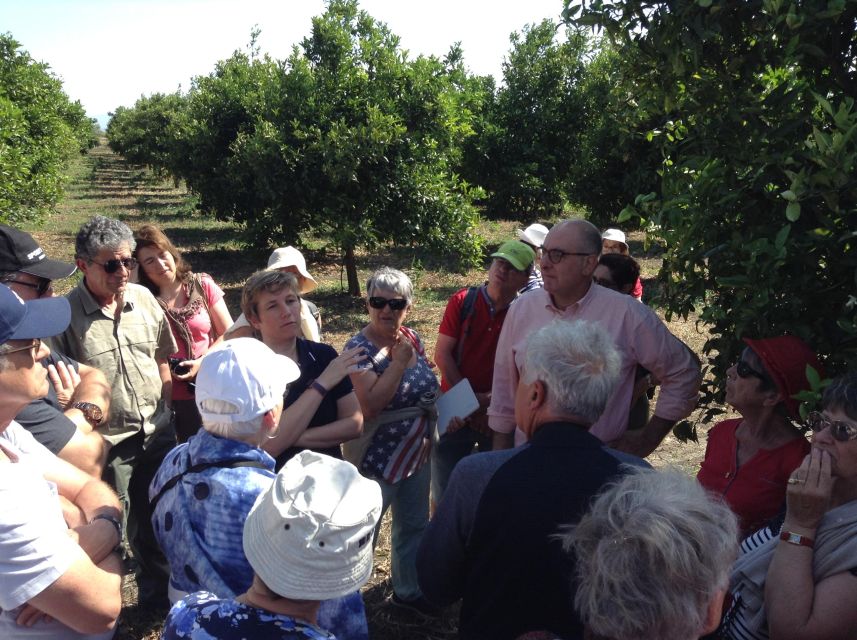
Meeting point: at the entrance gate of the farm. Plan to arrive a few minutes early so you start the walk smoothly.
Best time to visit: between March and May for the flowers. That’s when you get Zagara orange blossoms plus olive and almond bloom. Outside that window, you can still enjoy the farm tour and tastings, but the “wow factor” of blossoms will be less dramatic.
Because transportation isn’t included, you’ll want to sort out getting there on your own. The good news: it’s a few kilometers from central Catania and from the airport area, so this is not a remote-day trip where you spend all morning stuck on the road.
What to bring:
- comfortable shoes
- hat
- camera
- sunscreen
You’ll be outdoors and walking on uneven farm ground. Simple stuff, but it keeps the experience pleasant instead of annoying.
Also, this tour is conducted in English, so you won’t have to piece things together with guessing or translation apps.
Who should book Pozzo di Gaspare?
I’d point you here if:
- you want a food-focused countryside experience near Catania
- you enjoy learning how ingredients are actually grown and produced
- you like tastings that are connected to what you just saw
- you’re visiting in spring and want the orchard bloom atmosphere
It’s also a strong fit for couples and small groups because the structure is straightforward: walk, learn, taste. If you’re traveling with kids, it could be fun, but I’d keep in mind the emphasis on farm walk and standing outdoors.
If you’re the type who dislikes any walking at all, you might find the farm’s outdoor setting less appealing—so consider your comfort level first.
Should you book this farm tour near Catania?
Yes, if you’re after an authentic, farm-based tasting with context. Pozzo di Gaspare hits that sweet spot: old-school engineering (that hand-dug well), living orchards you can see in season, and an EVO oil + local bites finish that feels like part of the day rather than a separate add-on.
I’d book it especially if you’re traveling between March and May. The flower period makes the tour more memorable because you can watch the farm in one of its most energetic stages.
If you can’t get there easily without a car or taxi, don’t let that stop you—just plan your ride early since transportation isn’t included. And if you’re in a hurry, remember it’s a tight 2 hours, not an all-day agritourism spread.
FAQ
How long is the Pozzo di Gaspare farm tour?
The tour lasts about 2 hours.
What’s included in the tasting?
You’ll taste the farm’s EVO oil and also sample local cheeses and cured meats (along with other farm bites like items served with bread in the tasting).
What does the tour focus on?
The guided experience covers how the farm produces extra virgin olive oil (from Etna), blood oranges, and almonds, plus the farm’s seasonal processes.
Where do I meet the guide?
Meet at the entrance gate to the farm.
Is the tour available in English?
Yes, the guided tour is in English.
What time of year is best for flowers?
March through May is the best time to visit if you want to see the orange blossoms (Zagara), olive flowers, and almond flowers in bloom.
Do I need to bring anything?
Bring comfortable shoes, a hat, a camera, and sunscreen.
Is transportation to the farm included?
No. Transportation to and from the farm is not included.
What kinds of places will I see during the tour?
You’ll visit the ancient well (still functioning), the farmhouse, and the farm’s orchards and blossoming trees as part of the guided route.
What’s the cancellation policy?
The experience offers free cancellation up to 24 hours in advance for a full refund.
If you tell me your travel month (and whether you’ll have a car), I can help you decide if this is the right time-window for the blossoms—and what to pair it with in Catania the same day.