REVIEW · MOUNT ETNA
From Catania: Etna tour to the Base of the Summit Craters
Book on GetYourGuide →Operated by Etna Experience Excursion · Bookable on GetYourGuide
Etna feels close enough to touch. This tour takes you up to the base of the summit craters at 2950 meters, then sends you onto lunar-like volcanic terrain with a guide who explains what you’re actually looking at. It’s a big day that mixes altitude, geology, and real trekking.
I especially like two things: the way you get views from two different heights (around 2000 m and 2950 m depending on conditions), and the lunch pairing of typical Sicilian baked goods with Etna DOC wine. You’ll also feel good about the guide focus here, since you may be led by a geologist or other volcanic specialist rather than a general entertainer.
The main drawback to consider is that you do not reach Etna’s true summit (3343 m). Also, if you’re seated far from the guide, road noise can make listening harder during the ride—one guide named Giovanni was hard to hear for a traveler sitting toward the back of the vehicle.
In This Review
- Key highlights at a glance
- How the Catania pickup and van ride works (and why timing matters)
- Cable car to 2500 m, then 4×4 to 2950 m
- A guided 1.2-mile trek on volcanic terrain to see what eruptions leave behind
- Lunch of Sicilian baked goods and Etna DOC wine at Sapienza
- Monte Nero Degli Zappini nature walk and the volcanic cave with helmets and torches
- Price, group size, and comfort: who this tour fits best
- Should you book this Etna Base-of-Craters tour?
- FAQ
- FAQ
- How long is the Etna tour?
- Where do you meet the guide in Catania?
- How high do you reach on this tour?
- Do you use a cable car?
- Is there a 4×4 vehicle?
- Is the summit area always accessible?
- What trekking do you do?
- What happens in the afternoon?
- What is included for lunch?
- What should I bring, and what is not allowed?
Key highlights at a glance
- Two altitude experiences: a visit around 2000 m plus the crater-base area at 2950 m when possible
- Cable car + 4×4: Rifugio Sapienza to 2500 m, then a 4×4/unimog toward the maximum reachable height
- A guided 1.2-mile trek: walking on volcanic terrain shaped by eruptions
- Etna DOC lunch: Sicilian baked street-food style items with wine and water
- Volcanic cave exploration: helmets and torches included for a safe underground visit
- Specialist guidance: you can get a geologist or volcanology/agrinature-focused guide rather than generic narration
How the Catania pickup and van ride works (and why timing matters)
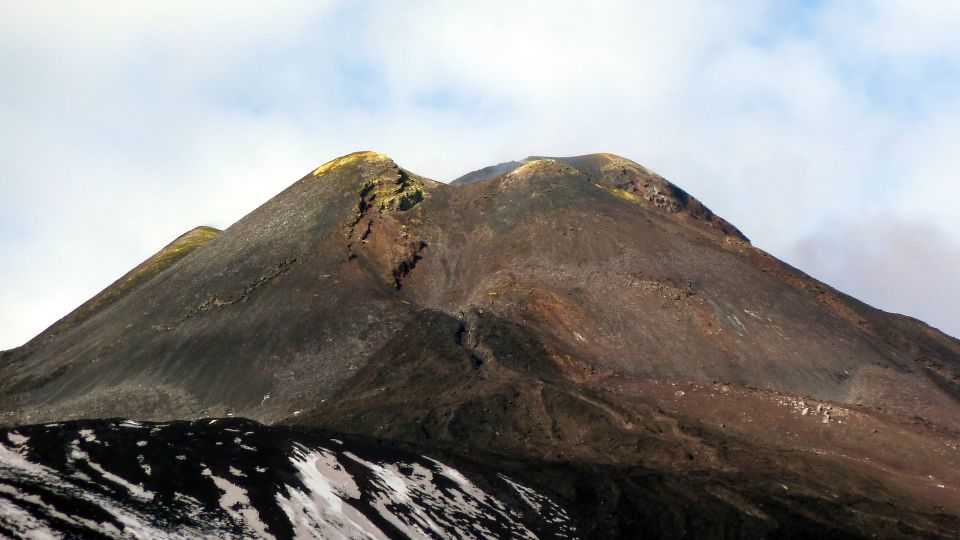
Most days start early. You’ll meet your guide in central Catania near your accommodation (pickup is optional), with departure around 8:30 AM. Expect about an hour of driving by minibus or Jeep toward the Etna access point, where the fun starts climbing for real.
This part matters more than you might think. Etna’s activity and access routes can shift based on volcanic status and weather. When conditions are good, you’ll move efficiently from Catania to the Rifugio Sapienza area. When conditions aren’t ideal, your tour may adjust the plan—so showing up on time is how you maximize the chance of reaching the higher crater-base altitude.
A practical note: the ride can be bumpy and noisy. If you’re sensitive to hearing the guide over vehicle noise, try to sit closer to the front or in a spot with better sound. One traveler specifically flagged that hearing Giovanni from the back of the bus was difficult because of road quality—so your seat choice can improve the experience.
You can also read our reviews of more tours and experiences in Mount Etna.
Cable car to 2500 m, then 4×4 to 2950 m
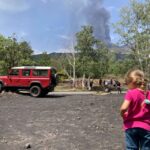
At Rifugio Sapienza you’ll take the cable car up to about 2500 meters. From there the tour switches to a specially suited 4×4 vehicle (ticketed as a 4×4 unimog), which is exactly what you want for this kind of terrain: rugged, steep, and not suited to normal cars.
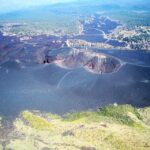
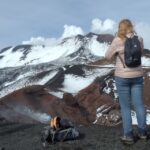
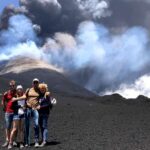
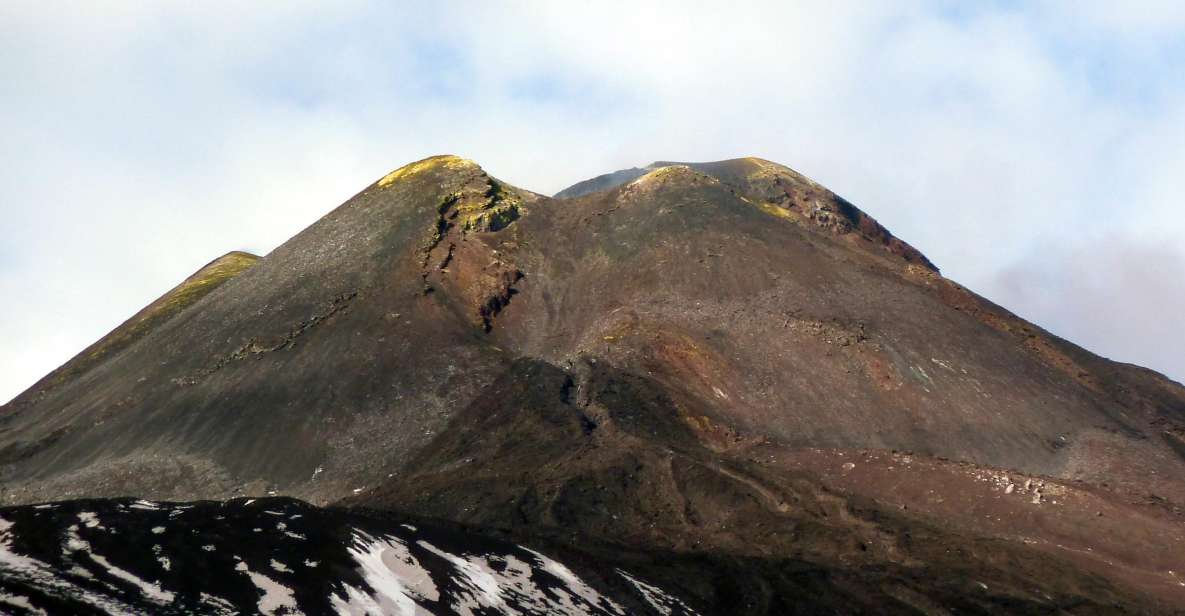
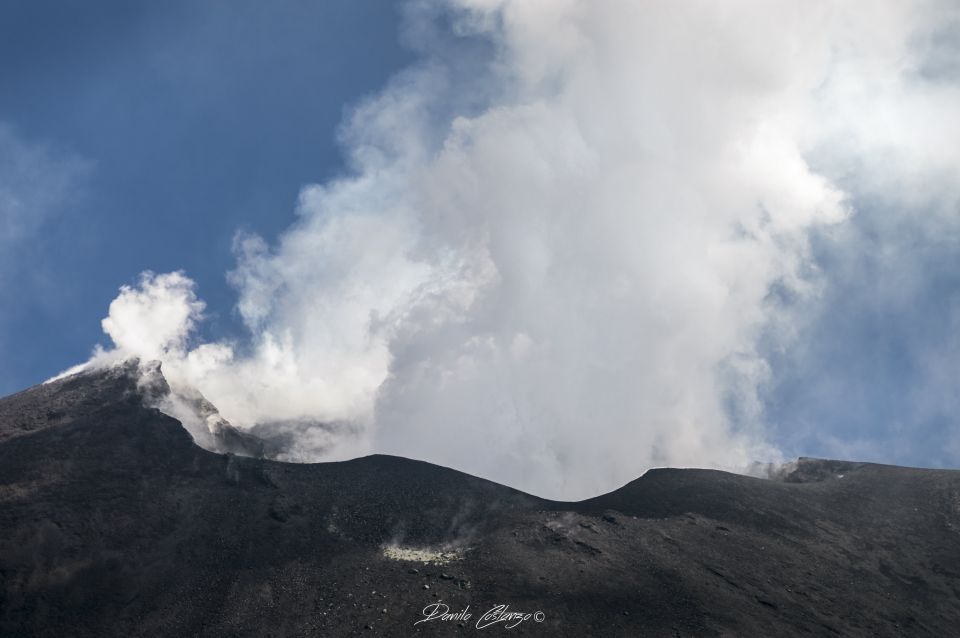
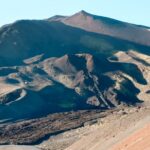
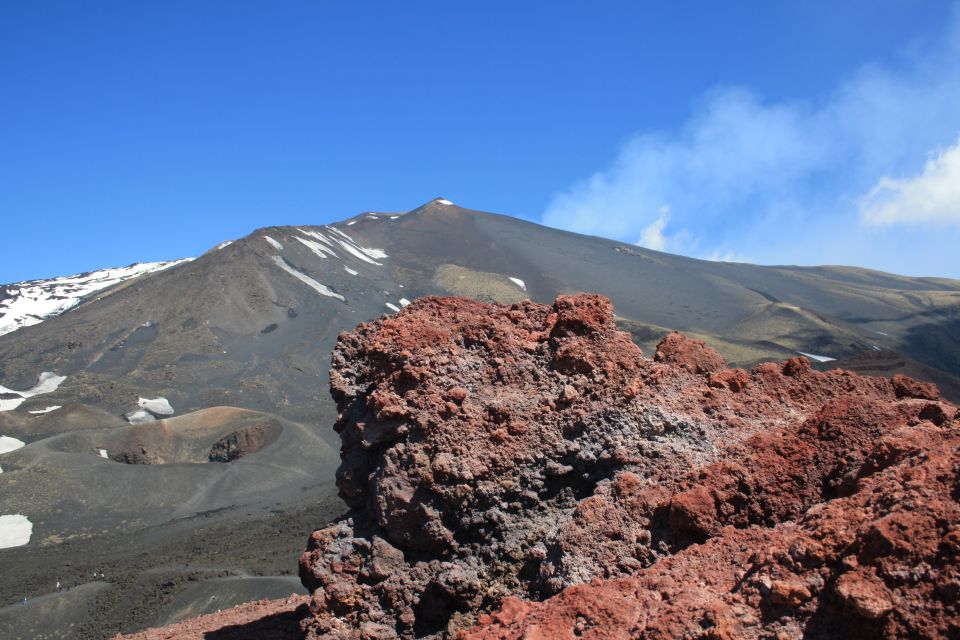
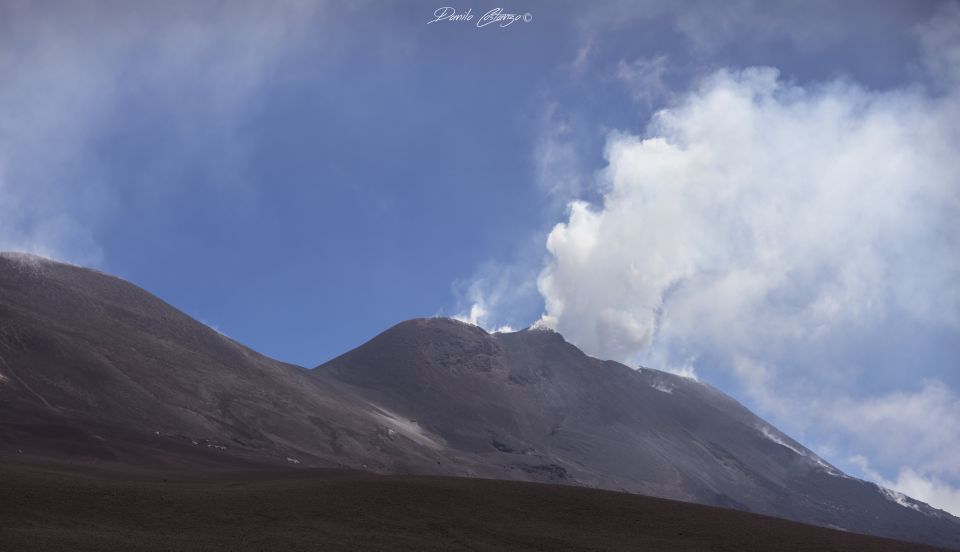
When access allows, the next step is the highlight for many people: reaching the maximum reachable height of about 2950 meters, which is the base of the summit craters. You won’t stand on the actual summit ridge at 3343 meters, but crater base access is still an intense, up-close perspective on Etna’s major activity zones. You’ll be looking out at the Central and South-Eastern Craters, with lava flows visible around you—older layers mixed with more recent deposits.
This is also where the two-altitude idea comes to life. Even if you don’t always land exactly at every stated number, the rhythm is the same: you start at lower altitude views (around 2000 m) and then climb again toward the crater base. That change affects everything: air feels thinner, views get bigger, and the volcanic terrain turns from “wow, there’s a mountain” into “wow, this is a working system.”
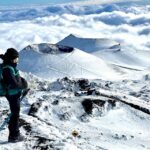
One weather-and-volcano access caveat: if the summit area isn’t permitted, the tour may cap at around 2000 meters, and you should receive a 50% refund. And if there’s snow, the cable car has to switch to a snow cat vehicle, with an added 30 EUR per person cost.
A guided 1.2-mile trek on volcanic terrain to see what eruptions leave behind
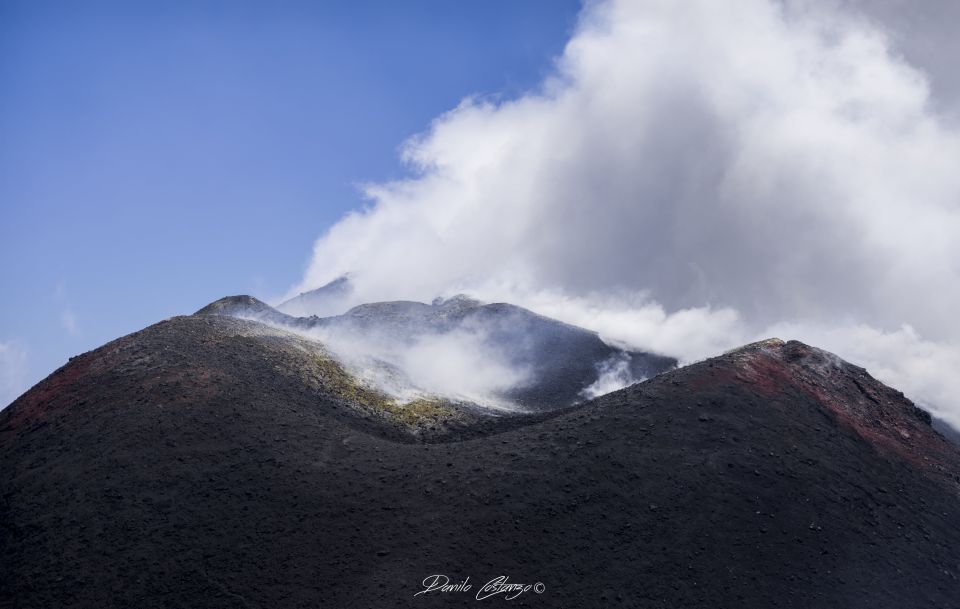
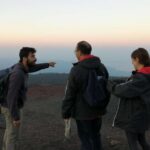
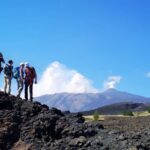
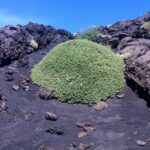
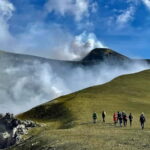
After you get high, you won’t just stop for photos. You’ll do a guided 1.2-mile hike on volcanic terrain described as lunar-like—meaning it feels stark, dusty, and shaped by flows rather than planted like a typical trail. This is the part that turns Etna from a view into a story you can walk through.
With a geologist or volcanology-focused guide, the hike becomes more than effort. You’ll get help reading the ground: why certain areas look broken up, how lava flows can show different ages, and how the crater surroundings connect to what’s happening inside the volcano system. The guide explanations are often detailed, and a strong theme in past experiences is competence with real attention to detail. That’s the difference between guessing and understanding what you’re looking at.
You also get a guided look at the bigger volcanic picture. At these altitudes you’re not just seeing one feature—you’re seeing how multiple crater areas and lava flows relate spatially. It’s dramatic, and it stays educational, not just scenic.
The practical side: wear comfortable shoes. You’ll be walking on irregular volcanic ground, and the tour doesn’t allow sandals or flip-flops. This is not a casual stroll, and it’s not designed for people who want zero physical effort. Also note the tour is marked not suitable for people with heart problems, so if that applies to you, take it seriously.
Lunch of Sicilian baked goods and Etna DOC wine at Sapienza
Your day includes a real food break, not just a snack stop. After the first main Etna segment, you head toward lunch—served as typical Sicilian baked products paired with Etna DOC wine, plus water. It’s a smart inclusion because you’re eating between altitude changes and trekking.
I like this style of lunch for two reasons. First, it feels local without being fussy—street-food-style baked items that match what you’d actually find in Sicily. Second, the wine and timing help you reset without turning the day into a total grind. You can enjoy the experience rather than just endure it.
The tour also mentions a picnic with water and wine included, which fits the rhythm of a long outing where you’re moving in stages. If you have dietary requirements, you should advise the operator when booking. The tour data explicitly asks you to do that, which makes it easier for them to plan rather than hoping it works out on the day.
Small tip: keep your water in mind. Even if you’re not doing a full summit hike, altitude plus sun plus walking can dehydrate you faster than expected. Bring water when suggested, and take short breaks when your guide calls them out.
Monte Nero Degli Zappini nature walk and the volcanic cave with helmets and torches
One of the clever parts of the itinerary is that it doesn’t treat Etna as only rock and smoke. After coming back toward Rifugio Sapienza, you’ll move in the direction of Monte Nero degli Zappini for a guided nature walk. This tends to shift your attention to the way geology and plant life coexist in volcanic zones, so you get a more complete sense of the mountain as a living environment, not just a hazard or a view.
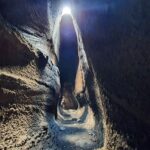
Then comes the afternoon shift: the volcanic cave. You’ll explore safely with helmets and torches, so you’re equipped for the darker, tighter environment. The guide explains basic information related to speleology and what can happen during eruptions—tying the cave experience back to the volcano’s behavior rather than making it a random add-on.
A cave visit is one of those experiences that feels both adventurous and oddly educational. You’re stepping into the physical infrastructure that eruptions create. You should still think about comfort and footwear again. The tour doesn’t list specific cave-fit requirements beyond helmets/torches and normal trek footwear guidance, but you’re doing underground exploration after time outdoors at altitude—so pick clothing you’re comfortable moving in.
Also remember: you’re climbing and walking on uneven terrain earlier. If you’re planning for a strong day, this cave stop is one more reason to respect the “not for everyone” note.
Price, group size, and comfort: who this tour fits best
This outing is priced at $228.84 per person for an 8-hour day. That number can feel steep until you look at what’s included: transportation from Catania, a specialist guide, cable car tickets, the 4×4/unimog ticket, trekking time, lunch (Sicilian baked foods plus Etna DOC wine), and equipment when needed—plus insurance.
For me, the value comes from how much is ticketed and guided. You’re paying not just for admission, but for access to places most visitors can’t reach independently, and for interpretation so the day turns into understanding rather than just photos. That matters on a volcano—seeing the crater base is impressive, but knowing what you’re seeing is the real payoff.
Group type is described as private or small groups available, which usually helps keep the day interactive and easier to manage on a hike and in a cave.
Who it suits:
- You want a guided, geology-focused Etna experience rather than a quick photo stop
- You’re comfortable with a moderate hike (1.2 miles) over rough volcanic ground
- You can handle altitude (and accept that you’re not reaching the summit at 3343 m)
Who should reconsider:
- Anyone with heart problems
- People who don’t have appropriate footwear or who can’t manage uneven surfaces and a cave environment
- Unaccompanied minors are not allowed, and children must be accompanied by an adult
One more logistics reality: you cannot bring luggage or large bags, so travel light. That’s typical for tours with vehicles and restricted access, and it helps the day move smoothly.
Should you book this Etna Base-of-Craters tour?
If you’re visiting Catania and want Etna to feel real—not just scenic—this is a strong choice. The combination of cable car + 4×4 access, the crater-base viewpoint, a guided lava-terrain trek, plus a volcanic cave makes the day feel earned. You also get lunch with local flavor, including Etna DOC wine, which keeps the experience grounded in Sicilian daily life rather than turning it into a strict expedition.
I’d book if you’re excited by geology and you like explanations that help you read the landscape as an eruption system. I’d hesitate only if you’re expecting true summit access at 3343 m (you won’t reach it), or if you know you’ll struggle with the physical side of uneven terrain and cave exploration. If that’s your situation, you might prefer a less demanding Etna option.
FAQ
FAQ
How long is the Etna tour?
The tour lasts about 8 hours.
Where do you meet the guide in Catania?
You meet the guide in central Catania at a meeting point close to your accommodation. Pickup from your accommodation is optional.
How high do you reach on this tour?
You reach the base of the summit craters at about 2950 meters. The tour does not reach Etna’s summit at 3343 meters.
Do you use a cable car?
Yes. You take a cable car up to around 2500 meters at Rifugio Sapienza.
Is there a 4×4 vehicle?
Yes. After the cable car, you take a 4×4 unimog to the maximum reachable height.
Is the summit area always accessible?
No. If weather conditions or volcano status don’t permit access to the summit area, the tour reaches a maximum altitude of 2000 meters and you receive a 50% refund.
What trekking do you do?
You hike about 1.2 miles on volcanic terrain, with a guide.
What happens in the afternoon?
In the afternoon, you visit a volcanic cave and explore it with helmets and torches.
What is included for lunch?
Lunch includes typical Sicilian baked goods, water, and Mount Etna wine (Etna DOC).
What should I bring, and what is not allowed?
Bring comfortable shoes and water. Sandals or flip-flops are not allowed, and luggage or large bags are not allowed.