REVIEW · CATANIA
Benedictine Monastery of Catania – English Guided Tour
Book on GetYourGuide →Operated by Officine Culturali · Bookable on GetYourGuide
Step inside a monastery that still has layers. The Benedictine Monastery of Catania turns into a 2,000-year walk-through: late Baroque architecture above, older Roman traces below, and a lava-built cellar that links the past to the present. I love how the guide makes the scale feel human, not overwhelming, and how you’re shown the monastery’s big ideas through specific spaces like the cloisters and the library.
One note before you go: this is a tight 75-minute route through lots of rooms. If you prefer to linger in one spot (or take lots of photos without moving), you may wish you had more time afterward.
In This Review
- Key highlights you’ll care about
- Starting at San Nicolò l’Arena: where the tour actually begins
- Cloisters and Baroque scale: seeing the monastery’s “engine room”
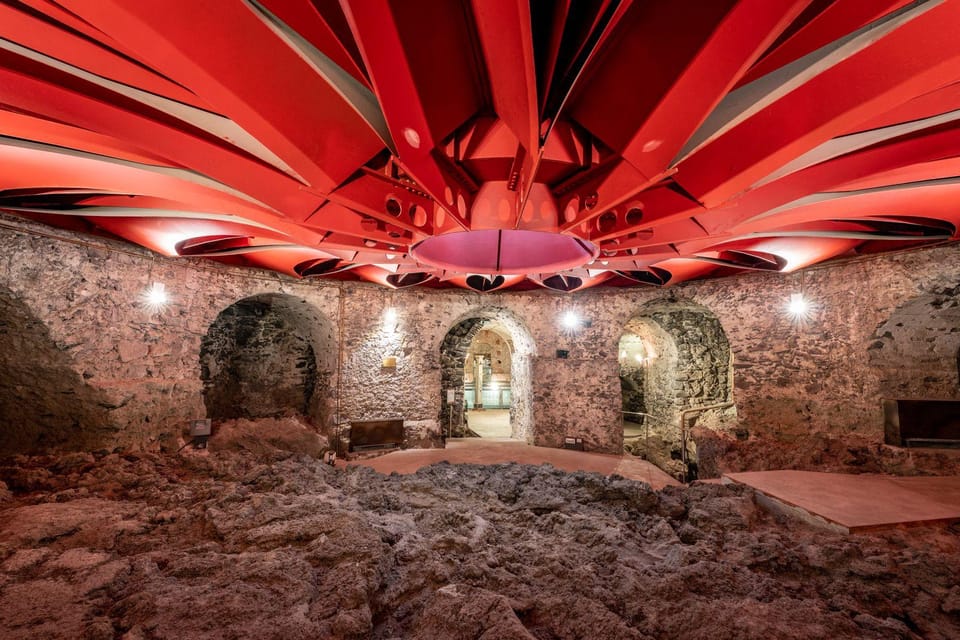
- Kitchens, dining rooms, and the cellar built on lava
- Roman houses under a student library mezzanine
- The Novices’ Garden, corridors, and how restoration changed the visit
- Price and value: why $11 for 75 minutes can be a smart move
- What to do with your time after the tour
- Who this Benedictine Monastery tour is best for
- Should you book the Benedictine Monastery of Catania tour?
- FAQ
- Where is the meeting point for the Benedictine Monastery of Catania tour?
- How long is the English guided tour?
- How much does the tour cost?
- What will I see during the tour?
- Is the tour offered in English?
- Does the ticket include access to normally closed areas?
- Is there free cancellation and flexible booking?
Key highlights you’ll care about
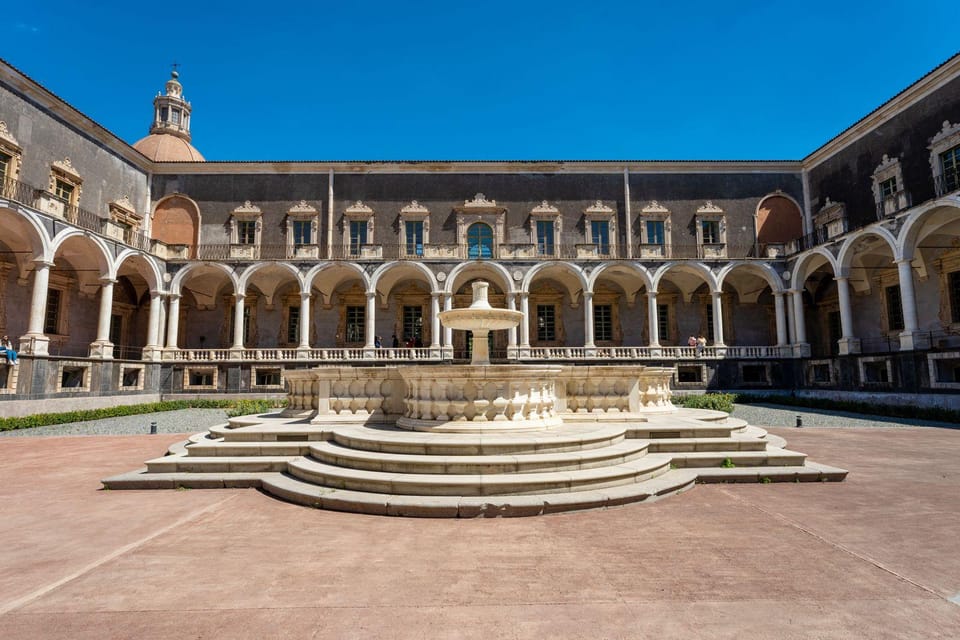
- Cloisters + monumental staircase: See how the monastery’s plan shapes movement and mood.
- Kitchens and dining spaces: You get the practical side of monastic life, not just the fancy facades.
- A cellar built on lava: A standout “how is this even possible?” stop during the tour.
- Roman houses under a modern mezzanine: The site mixes ancient structures with student life.
- Guides with real pacing: You’ll hear lively explanations and clear English, often with humor (I’ve seen names like Carmen, Giovanni, and Nicola come up).
Starting at San Nicolò l’Arena: where the tour actually begins
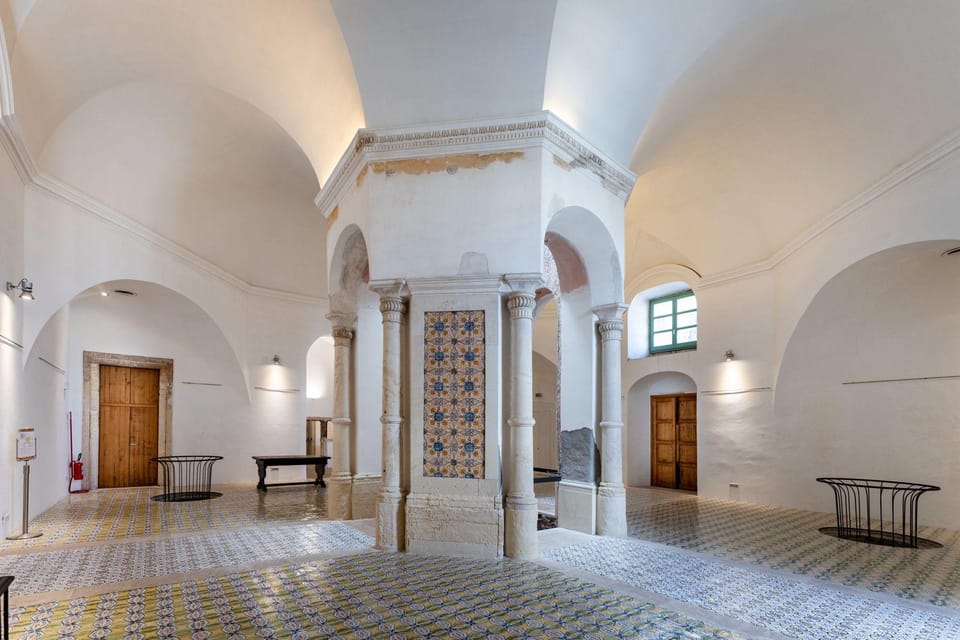
This tour starts at the Benedictine Monastery of San Nicolò l’Arena in Catania, right by Piazza Dante. The meeting point is practical: once you pass the main gate on Piazza Dante, there’s an info point in the courtyard on the right. I like this setup because it gets you oriented fast—no endless wandering around for the right entrance.
The first minutes matter. A live guide helps you read the space before you start walking deeper inside. Even if you think you know what a monastery looks like, the scale here can surprise you. You’re stepping into a place that has been used, re-used, and reshaped over centuries, so context from the start helps everything click.
You’ll store baggage at the meeting point if you need to, which is handy if you’re arriving from a train, bus, or day trip. The tour is designed to cover areas that aren’t always open, and that’s part of the value.
You can also read our reviews of more guided tours in Catania



Cloisters and Baroque scale: seeing the monastery’s “engine room”
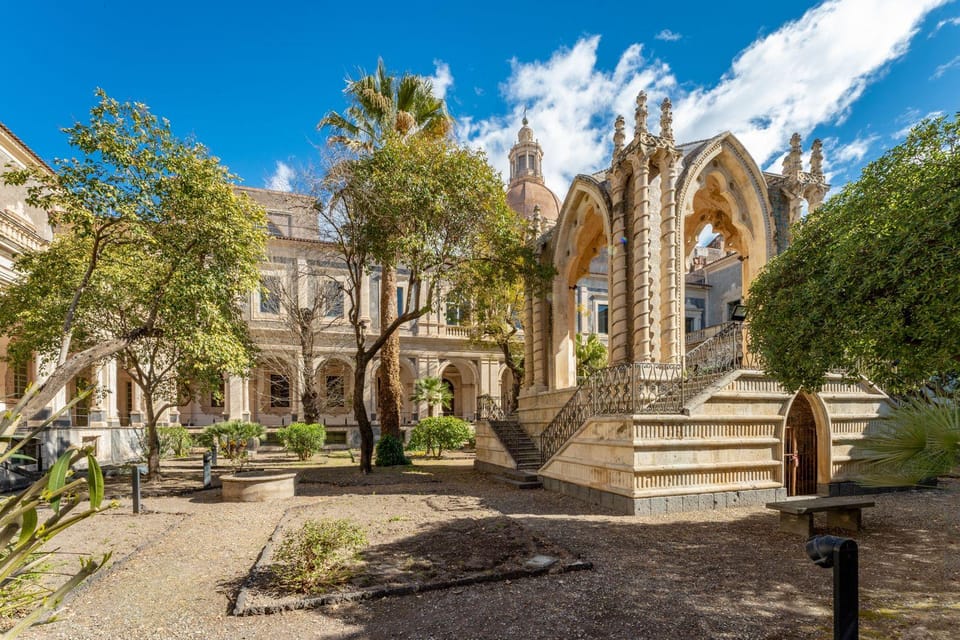
The tour’s big visual payoff is the architecture. You’ll get to visit major sections including two cloisters, plus the connected corridors that make the complex feel like a working maze. In places like this, a guide isn’t just nice to have. Without someone pointing out the layout, you can end up looking at beautiful rooms without understanding how the buildings were meant to function.
I especially like the way the late Baroque elements are explained in relation to what the Benedictine order could afford at the height of its influence. You see the monumentality up close, but you also get the practical meaning behind it—space for daily routines, community life, study, and hospitality. The monastery doesn’t feel like an isolated museum. It feels like a system.
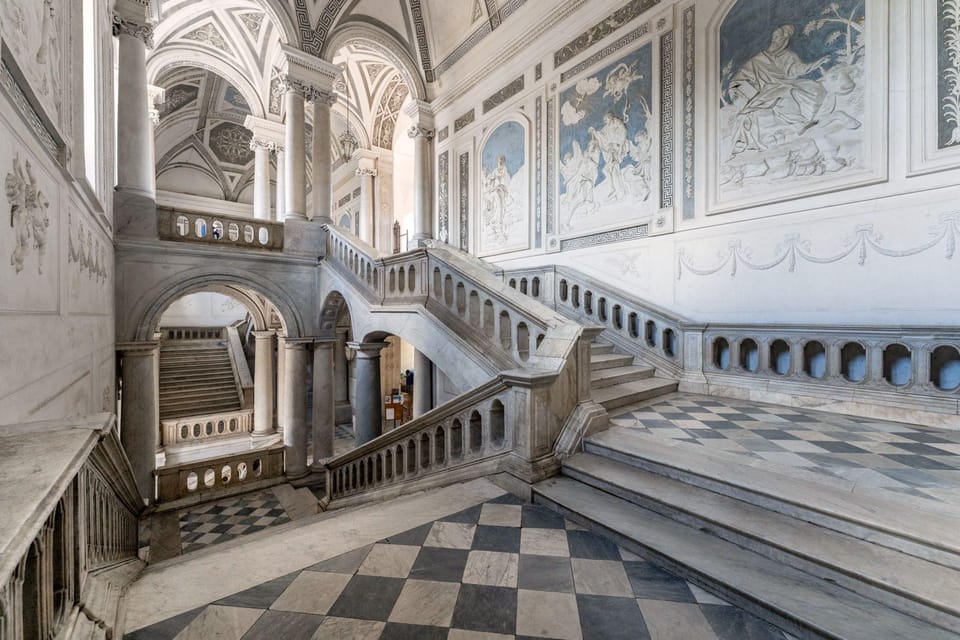
If you care about design, pay attention to the monumental staircase. It’s one of those features you’ll notice even if you don’t fully understand the plan yet. The guide typically ties it back to how people moved between levels, including the transition points where older and newer layers overlap.
Kitchens, dining rooms, and the cellar built on lava
Then the tour gets more physical—less about grand views, more about day-to-day life. You’ll see the famous 18th-century kitchens and also related areas like the dining rooms and cellars.
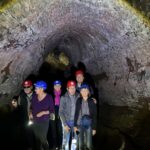
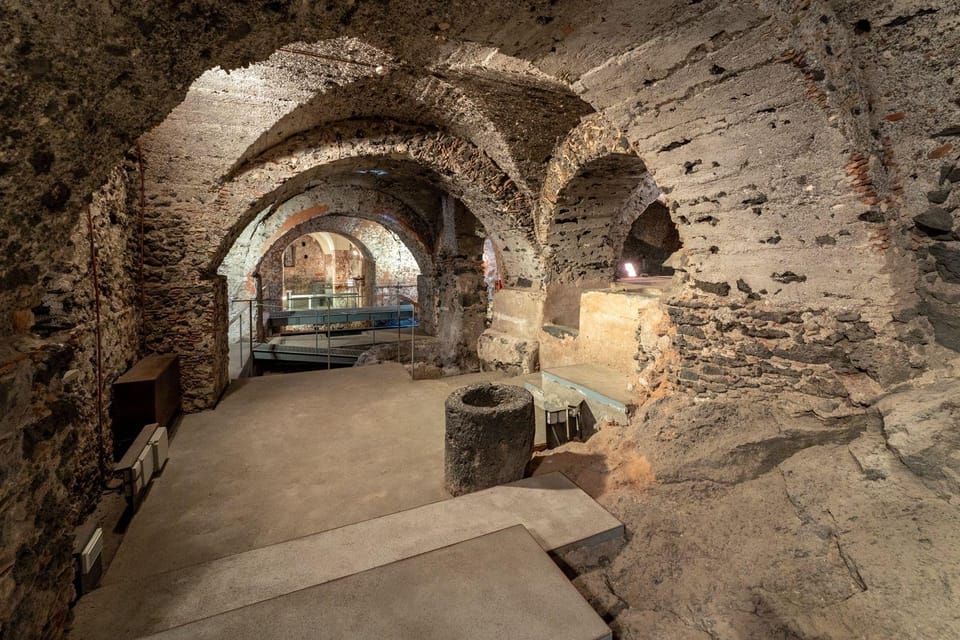
What stands out most for me here is the cellar. The monastery has a 16th-century cellar that’s now used as part of the library setup, and it’s built on lava. That combination is hard to picture until you’re standing there. Sicily’s geology isn’t an abstract topic; it becomes part of the building fabric and the temperature story. If it’s warm out when you arrive, you’ll likely feel the difference as you move into the cooler underground spaces.
This is also where the restoration angle becomes tangible. The guide’s explanations help you understand that this isn’t just old stone left alone. The monastery has been carefully conserved and adapted over time, and these practical spaces are part of what makes that preservation work impressive. You’re seeing architecture that still “does something” in the modern day.
Roman houses under a student library mezzanine
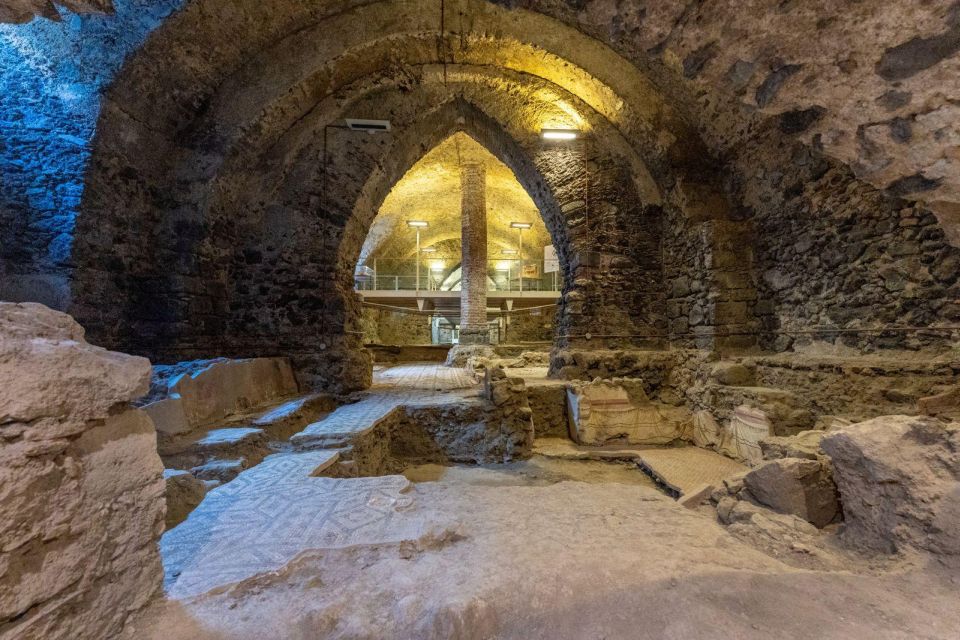
Here’s a moment that tends to stick with people. After you’ve seen the monastic world, the tour takes you to the Roman house area that’s visible right under a modern mezzanine used by students as part of the library.
This is where the monastery’s story becomes more than a timeline. It becomes a lesson in continuity: older structures aren’t erased; they’re integrated, adapted, and made visible through careful design. The tour route helps you notice how the site bridges eras without pretending they’re the same.
The library connection is also a major part of why this visit feels different from a typical “see-it-and-leave-it” stop. The monastery includes one of the most important library spaces connected to the Department of Humanities (Unict). When you’re inside, it’s easier to understand how students can benefit from living in a historic environment instead of treating it like a sealed-off background object.
If you enjoy archaeology or architectural layers, don’t rush this section. The Roman traces under modern floors are the kind of detail that rewards close attention.
The Novices’ Garden, corridors, and how restoration changed the visit
Between the big rooms, there are the in-between spaces: the labyrinthine corridors and the garden area for novices. You’ll visit the Garden of the Novices, which gives a pause from the indoor grandeur. Even in a short tour, it helps you shift from “wow” architecture to “how did life happen here” thinking.
Then there’s the bigger story: restoration and reuse. The tour walks through the contemporary refurbishment that’s made much of the monastery usable and accessible today. Architect Giancarlo De Carlo is connected to the restoration approach, and you’ll also hear about the work of architect Vaccarini, which ties the site to the broader Catania story of design and rebuilding.
A key point you’ll hear is that restoration work lasted for more than 30 years. I like when a tour says this plainly, because it instantly corrects the common visitor assumption that historic sites are always “kept up” easily. This one wasn’t. It took long effort, and you feel that in the careful way spaces are connected and presented.
In the corridors, you’ll get a sense for the complex’s “logic” too. That’s where a good guide earns their pay. Names like Carmen, Giovanni, and Nicola come up in the guide feedback I see most often, and a common thread is that they don’t just list facts. They help you follow the building like a story, with humor and room for questions.




Price and value: why $11 for 75 minutes can be a smart move
At about $11 per person, this is one of those Catania experiences that feels priced for reality. The monastery isn’t just a single room. You’re covering multiple major areas—cloisters, kitchens and cellars, library spaces, Roman houses, and outdoor garden areas—plus access to sections that you may not be able to reach on your own.
The tour also includes skip-the-ticket-line access and baggage storage at the meeting point, which saves small amounts of time that add up when you’re moving around a city with a plan. For a 75-minute visit, that matters.
I also think the language angle boosts value. The tour is live in English, and there’s a note that written translations in French or Spanish can be provided if English isn’t your main language. For many visitors, that’s the difference between appreciating the site and constantly checking your phone for every explanation.
You’re paying for the story too. Without an English guide, the site’s layers can turn into a pile of beautiful rooms. With one, you can actually connect the architecture to the people and the long restoration process that made today’s access possible.
What to do with your time after the tour
Because it’s 75 minutes, you should treat this as your “core lesson.” Afterward, you’ll likely want a second look at 1–2 spaces that grabbed you. If you’re the type who likes to sketch or take slow photos, plan to return briefly if access hours allow.
Also, keep in mind that a few areas might not be available on every tour. I’ve seen mention that someone couldn’t reach a viewing platform during one visit. That doesn’t mean you shouldn’t go, just that you should focus on the main route: cloisters, kitchens/cellars, Roman remains, and the library zones.
If you’re visiting in hot weather, the underground stops are a practical win. The cellar and related lower areas can feel like a break from the sun, which makes the whole tour more comfortable.
Who this Benedictine Monastery tour is best for
This works well for:
- First-time visitors to Catania who want one structured, high-impact stop
- People who like architecture with purpose, not just pretty rooms
- Anyone interested in how historic sites stay alive through modern use (students and university library spaces)
- Travelers who want the Roman layer explained clearly without needing a crash course in archaeology
It might be less ideal for:
- Anyone who hates guided time limits or needs long pauses in one room
- People who expected a huge self-guided wander without movement or explanation
Should you book the Benedictine Monastery of Catania tour?
If you have an hour and fifteen minutes in Catania, I’d book this. The price is low enough that you’re not taking a big risk, and the access is the kind that’s hard to replicate on your own. The standout reason to go with a guide is the mixture: monastic life + Baroque architecture + Roman remains + a lava-based cellar + a working university library. That combination is exactly where guidance turns “cool buildings” into real understanding.
If you’re deciding between skipping a guided tour and doing it alone, choose the guide. This is the kind of place where the story is built into the layout—and someone showing you that layout is the difference.
FAQ
Where is the meeting point for the Benedictine Monastery of Catania tour?
Meet at the info point in the courtyard on the right after you pass the main gate on Piazza Dante.
How long is the English guided tour?
The tour lasts 75 minutes.
How much does the tour cost?
The price is $11 per person.
What will I see during the tour?
You’ll visit the cloisters, the kitchen, the Roman houses (visible under a modern mezzanine used by students), one of Sicily’s most important libraries, the cellar built on the lava, and areas such as the Garden of the Novices and dining rooms.
Is the tour offered in English?
Yes, it’s a live guided tour in English. Written translations in French or Spanish can be provided if needed.
Does the ticket include access to normally closed areas?
Yes. It includes access to the monastery, including parts that are not normally accessible, plus skip-the-ticket-line entry.
Is there free cancellation and flexible booking?
Free cancellation is available up to 24 hours in advance for a full refund. You can also reserve now and pay later to keep plans flexible.