Chiaramonte Gulfi tastes like real life. This cooking class in the Sicilian countryside starts with a walk to gather ingredients and ends with a shared lunch, taught in English and kept small (max 10). I especially love the hands-on pace, from dough to shaping pasta, and the fact that the meal feels like it belongs in a family kitchen, not a restaurant performance. The one drawback to consider is that it’s not recommended for serious walking problems, and it may not suit people with significant allergies to dogs and cats.
You also get more than just recipes. The food is built around Sicilian staples—fresh pasta, meat or seasonal vegetables, and desserts like cannoli or cassatelle—while the setting stays relaxed, quiet, and outdoors when the weather cooperates. That family tone is the whole point here, so if you’re after a strict, clockwork “show,” you may find it too casual.
In This Review
- Key highlights you’ll feel right away
- Chiaramonte Gulfi Starts With a Garden Walk
- The Cooking Part: From Pasta Dough to Shaped Goodness
- What You’ll Eat: Sicilian First Courses, Second Courses, and Desserts
- Lunch in Real Countryside: Terrace, Garden, or Wood Stove
- Price, Timing, and Who Should Book (and Who Should Think Twice)
- Should You Book Simona’s Countryside Cooking Class?
- FAQ
- How long is the cooking class?
- Where does the experience start and end?
- Is the class offered in English?
- Do I get a mobile ticket?
- What’s the maximum group size?
- Does the menu include pasta and dessert?
- Is wine included?
- Is it recommended for people with walking problems?
- Are service animals allowed?
Key highlights you’ll feel right away
- Garden-to-kitchen start: you collect tomatoes, basil, onions, and more; in winter you may look for wild vegetables.
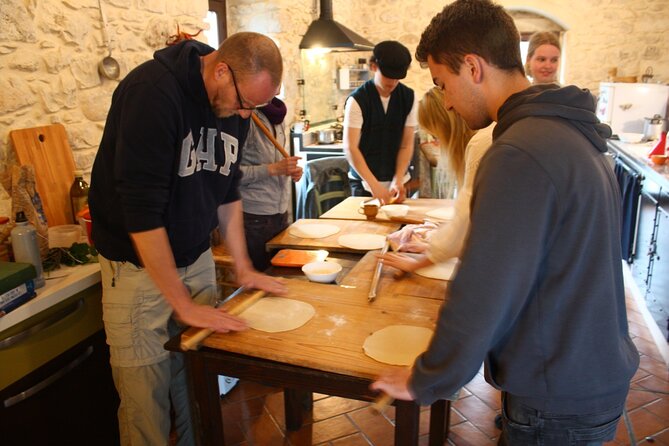
- Fresh pasta focus: you’ll help make dough and shape items like cavati, ravioli, or tagliatelle.
- Sicilian grandmother-inspired cooking: expect both classic first courses and substantial second courses.
- Lunch where the scenery matters: terrace or garden in good weather, wood-stove kitchen in winter.
- Intimate class size: up to 10 people, which makes it easier to ask questions and actually learn.
Chiaramonte Gulfi Starts With a Garden Walk
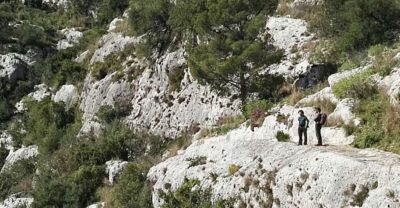
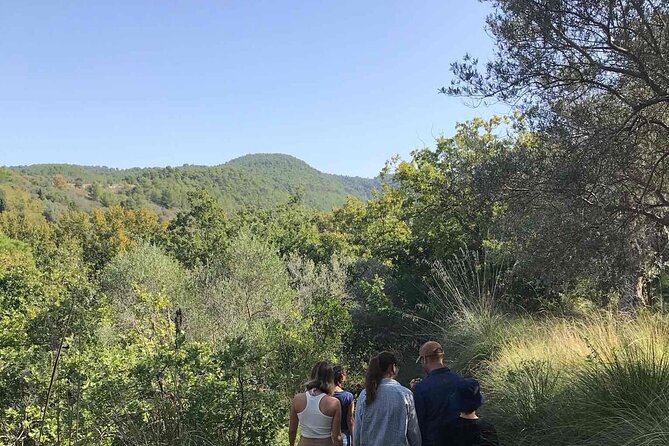
I like cooking classes that begin with the food, not just the chef’s demo. Here, you start by walking in Simona’s countryside surroundings to collect fresh ingredients. The practical payoff is huge: you see what’s growing, you understand why certain flavors fit certain seasons, and your future dinner tastes like it came from the same place you’re standing.
Expect ingredients like tomatoes, basil, onions, and other garden staples. When it’s winter and the weather allows, you may go searching for wild vegetables instead. That change matters, because Sicilian cooking often shifts with what’s available, and you’ll feel the difference on your plate later.
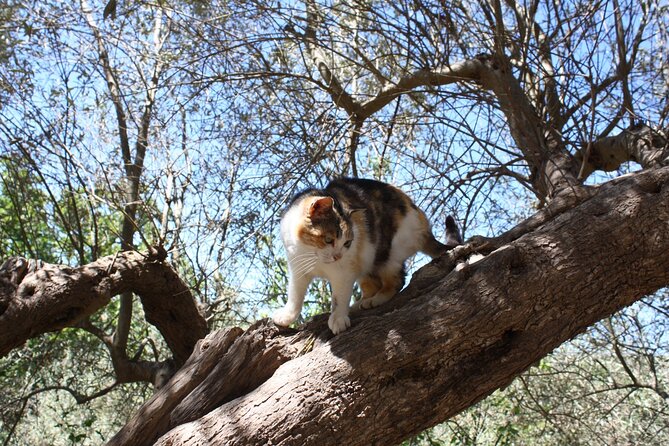
The countryside setting is part of the lesson too. You’re in the greenery and the quiet of the Chiaramonte Gulfi area, so the day doesn’t feel rushed or crowded. Reviews also describe the property as peaceful, with mature olive trees and a calm rhythm that makes the class feel less like an activity and more like a day with people who live here.
One more “real life” detail: this experience has a family vibe. You’re not just receiving ingredients; you’re participating in the process of choosing them, preparing them, and then eating them together. That’s why it works best when you’re open to slowing down a bit.
You can also read our reviews of more cooking classes in Sicily
The Cooking Part: From Pasta Dough to Shaped Goodness
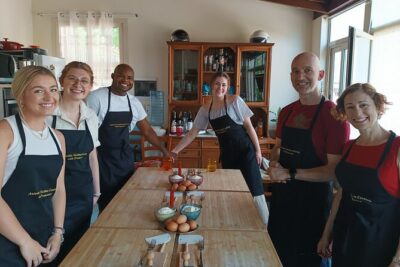
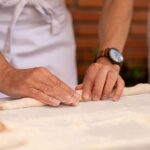
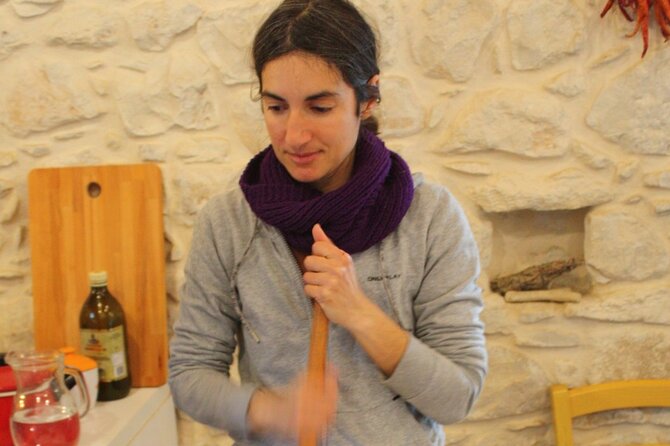
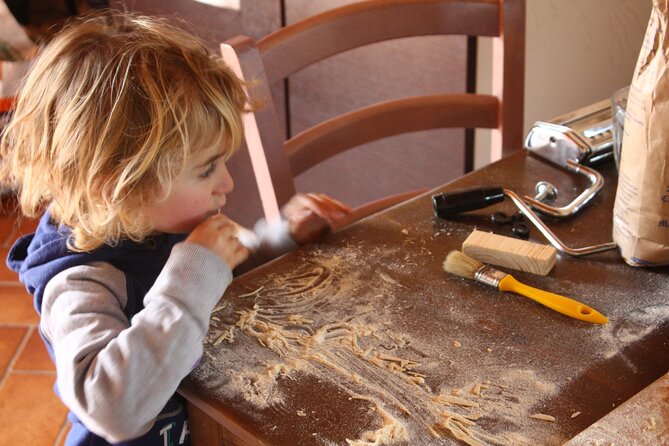
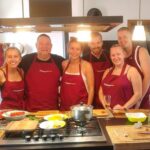
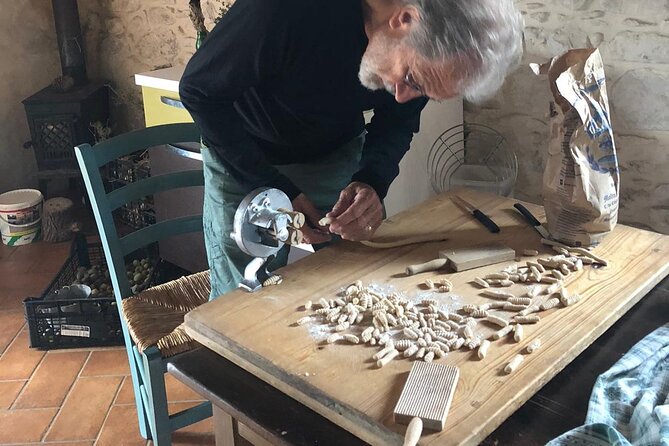
The heart of this class is learning fresh pasta and assembling a full Sicilian lunch. You’ll work with the dough and then shape it—think cavati, ravioli, or tagliatelle—and the exact choices depend on the season. Even if you’ve made pasta once or twice, you’ll likely learn a few techniques you can repeat at home, because the teaching style is patient and step-by-step.
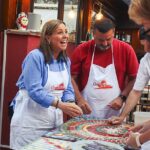
You’re also not stuck doing one narrow task. The flow is hands-on and social, so you’ll switch between prepping ingredients and making components of the meal. The class size helps here: with up to 10 people, you get more time with the instructor and fewer moments where you’re waiting for a turn.
From what you’ll experience, the teaching focuses on “why” as much as “how.” For example, the menu is described as being inspired by Sicilian grandmothers, which usually means flavor comes from simple, quality ingredients and smart timing—rather than complicated gadgets. In plain terms: you’ll learn how the kitchen builds dishes that feel full and satisfying without being fussy.
A few extra moments that can make the day feel personal: reviews mention Simona teaching specific preparations like scaccia, and her husband Davide joining in with drinks and additional touches. In one case, the group even made room for tiramisu for a child’s request, and Simona adapted dishes for a dairy allergy. You shouldn’t count on those specific variations every time, but it’s a strong sign that the kitchen is flexible when people ask.
If you need to plan around mobility, take note: the activity isn’t recommended for travelers with walking problems. The garden walk and time on the property mean you’ll likely be on uneven outdoor ground.
What You’ll Eat: Sicilian First Courses, Second Courses, and Desserts
Your lunch is built like a proper Sicilian meal, not just snacks. You’ll start with an appetizer-style opening: homemade preserves, local cheeses, and cured meats, typically accompanied by focaccia and wine. That first course is a great warm-up because it introduces the core flavors—sweet-salty preserves, salty cheese, and cured meats—before the pasta and main dishes take over.
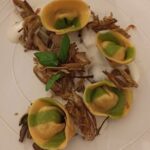
For the first “main” section, you’ll eat fresh pasta made during the class. The options mentioned include cavati, ravioli, and tagliatelle, with seasoning that varies by season. This is one of the best parts for home cooks, because pasta dough is a skill you can actually practice again. And when you’ve shaped the pasta yourself, you appreciate the texture more when you finally sit down.
Then comes a second course of meat and seasonal vegetables (or a vegetarian route, depending on what’s available and the day’s menu). The dishes named include Sicilian favorites like caponata and i pipi ca muddica, plus crowd-pleasers you might recognize from other Sicilian food tours—scacce, arancini, and panelle. Even when you don’t cook every single named dish, you can expect the lunch to feel like a real Sicilian spread.
Dessert is where this class often makes people very happy. Depending on availability and season, you could taste cannoli or casssatelle and other home sweets. The key idea here is that desserts come from the same family-table logic as the rest of the meal—simple, handmade, and meant to be shared right after lunch.
Practical note: wine is part of the meal for those of legal drinking age in Italy (18+). If you’re under that age, you won’t be served alcoholic beverages.
Lunch in Real Countryside: Terrace, Garden, or Wood Stove
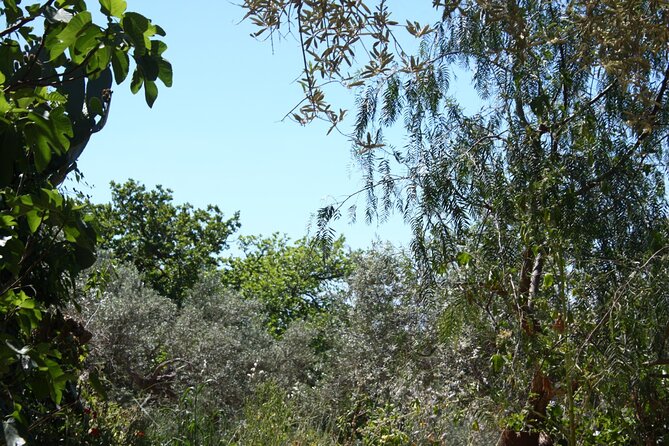
After the cooking, you finally sit down and eat—together. In good weather, lunch is on the terrace or in the garden. That timing is smart: you’re not racing straight from the kitchen to the next stop. You’ll have time to talk, digest, and enjoy the outdoors while the day still feels warm and leisurely.
In winter (when weather affects plans), lunch happens in the kitchen in front of the wood stove. That detail matters if you’re traveling in colder months. Food tastes better when you’re comfortable, and wood-stove warmth turns the kitchen into the centerpiece of the experience rather than a chilly background.
One of the strongest emotional pieces from reviews is how conversation continues while the meal lands. People describe feeling welcomed as if they were family, not just customers. That’s not a small thing. In a class like this, the real learning isn’t only technique—it’s understanding how Sicilians talk about food, seasonality, and everyday cooking.
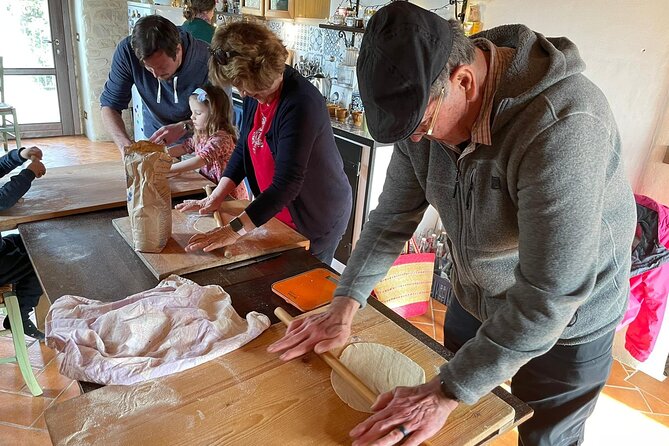
If you’re traveling with friends or family, this format is also great because everyone can participate in small ways and then share the results at the table. In one described family group, kids and grandparents all got involved, with the kids helping and the adults learning alongside them.
Price, Timing, and Who Should Book (and Who Should Think Twice)
Let’s talk value. At $117.75 per person for about 4 hours 30 minutes, you’re paying for a full, sit-down lunch plus instruction that leads directly into the meal. Many cooking experiences include ingredients and a meal, but here you start by collecting ingredients and you make pasta dough and shaped pasta as part of the session. That’s a lot of real “experience time,” and it’s why the price doesn’t feel like you’re buying a quick demonstration.
You’ll also get a more intimate class environment. The group limit is 10 travelers, which usually means more attention and fewer long gaps. This is also offered in English, which is a big deal if your Italian is limited and you don’t want to spend the whole day guessing.
Timing-wise, it’s often booked about 7 days in advance on average. That doesn’t mean you must book exactly that far out, but it’s a good reminder that this isn’t a “walk in whenever” situation.
Logistics are straightforward: the meeting point is listed at SP93, 320, 97012 Chiaramonte Gulfi RG, Italy, and the activity ends back there. You’ll receive a mobile ticket, and confirmation happens at booking time.
Who I think this suits best:
- You want hands-on Sicilian cooking rather than just watching.
- You like relaxed, family-style meals where conversation is part of the deal.
- You’re comfortable with a countryside walk and outdoor time.
Who should think twice:
- You have serious mobility limits, since it’s not recommended for walking problems.
- You have serious allergies to dogs and cats, since that’s a stated constraint.
You can also read our reviews of more tours and experiences in Sicily


Should You Book Simona’s Countryside Cooking Class?
Yes, if you’re chasing the kind of travel day that feels personal and slow—in the best way. This is ideal for people who love food that tastes seasonal, want to learn real pasta-making skills, and enjoy sitting down to eat together afterward without feeling rushed.
Skip it if you need a very structured itinerary, have mobility limits that make outdoor walking difficult, or have serious pet-related allergies. Otherwise, it’s one of those experiences where the setting and the teaching team matter as much as the recipes—and that’s usually the difference between a meal you remember and a meal you forget.
FAQ
How long is the cooking class?
It runs for about 4 hours 30 minutes (approx.).
Where does the experience start and end?
The start is at SP93, 320, 97012 Chiaramonte Gulfi RG, Italy, and it ends back at the same meeting point.
Is the class offered in English?
Yes, it’s offered in English.
Do I get a mobile ticket?
Yes. The experience includes a mobile ticket.
What’s the maximum group size?
There’s a maximum of 10 travelers.
Does the menu include pasta and dessert?
Yes. The experience includes fresh pasta and a dessert option such as cannoli, cassatelle, or other home sweets depending on season and availability.
Is wine included?
Wine is typically served with the meal, but alcohol won’t be served to anyone under 18 (the legal drinking age in Italy).
Is it recommended for people with walking problems?
No. It’s not recommended for travelers with walking problems.
Are service animals allowed?
Yes, service animals are allowed.