REVIEW · SICILY
Palermo: Pasta & Gelato Cooking Class in Palermo
Book on Viator →Operated by Towns of Italy · Bookable on Viator
Pasta dough, then gelato in 3 hours. In Palermo, you’ll learn how to make egg pasta from scratch and you’ll get a gelato lesson while the dough rests, so the time flies. I love the hands-on feel of learning pasta technique for real, not just watching from the sidelines.
One possible drawback: this class is not suitable for celiacs. If you have other allergies or intolerances, tell the team ahead of time and they’ll do their best to accommodate you.
In This Review
- Key things that make this cooking class work
- Where you start in Palermo: a real cooking school setup
- Your pasta workshop: egg dough, two shapes, and two sauces
- What you’ll likely enjoy most while cooking
- A practical consideration
- Gelato demonstration: dessert lessons while the dough rests
- The meal part: wine pairing and a plate you can actually share
- If there’s a market tour option, here’s how to think about it
- What you take home: recipes you can use, plus a certificate
- Who this Palermo class suits best
- What you can learn in real terms (beyond the menu)
- Price and value: what $60.95 buys you
- Booking checklist: how to make this go smoothly
- Should you book this Palermo pasta and gelato class?
Key things that make this cooking class work
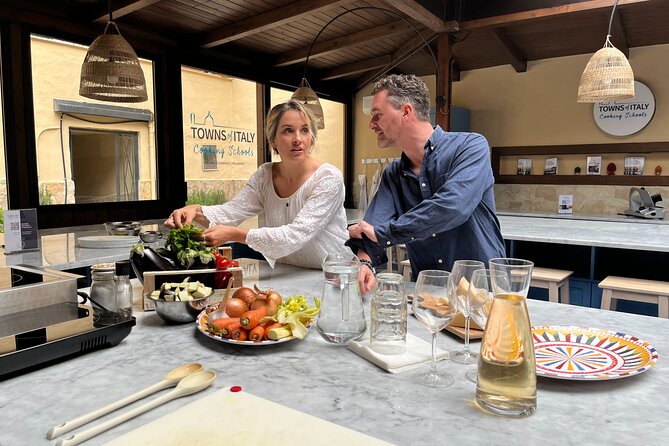
- You make dough, then shape and cook two pasta types using egg pasta skills you can repeat at home
- Two fresh, seasonal sauces pair with what you make, so you’re not eating plain pasta
- Gelato-making demonstration uses the wait time for the dough, so you stay busy and engaged
- A chef who teaches tips for recreating the dishes at home, not just “cook and forget”
- Small group size (max 20), which usually means better attention while you’re working at the stations
- Family-friendly energy, with an instructor style that has impressed kids and even hesitant adults
Where you start in Palermo: a real cooking school setup
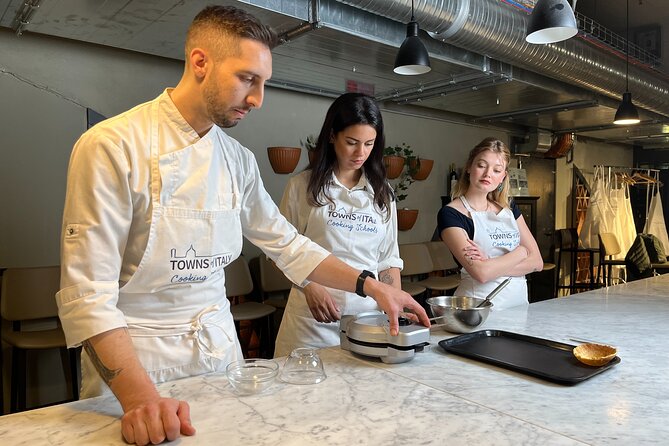
This class meets at Towns of Italy’s cooking school in Palermo, at Via Volturno, 44 (near public transportation). The address matters because it’s easy to lose track of time in a city full of side streets. Plan to arrive at least 15 minutes early so you can get seated, get your apron on, and start with everyone else.
The group is capped at 20 people, so you’re not crammed in. That small size is a big part of the value here. When you’re learning pasta dough, you need room to work, and you want the chef to be able to glance at what you’re doing without rushing past you.
You’ll be working with English-language guidance, and the tour includes a mobile ticket, which makes day-of logistics simpler when you’re juggling plans in Palermo.
You can also read our reviews of more cooking classes in Sicily
Your pasta workshop: egg dough, two shapes, and two sauces
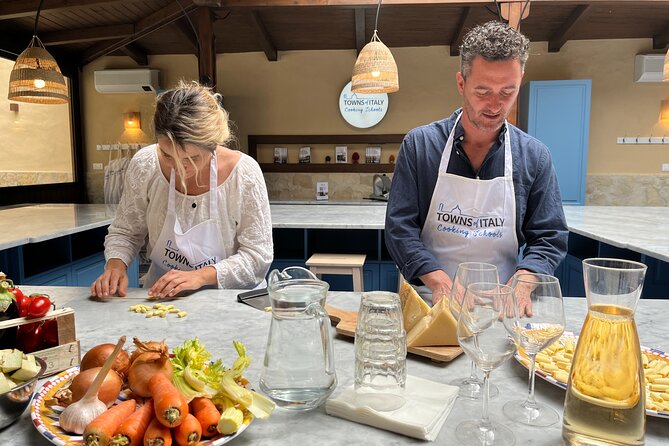
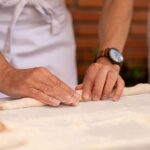
The heart of the experience is the pasta lesson. You’ll learn to craft an egg pasta dough and then transform it into two traditional pasta types. That matters because making the dough is where most home cooks usually get stuck. Here, you’re not just picking a shape; you’re learning the underlying technique that helps the dough behave.
The class is guided by professional chefs, and you’ll get a clear, practical walkthrough of how to work the dough and shape it. Then you’ll pair what you make with two fresh, seasonal sauces. That’s the kind of combo I like for a cooking class: it teaches how to build a full dish, not just how to make noodles.
A useful detail is that the chef shares tips and tricks to help you recreate the recipes later. In real terms, that means you’re more likely to remember what mattered—how the dough should feel, what makes a sauce taste balanced, and what to watch for while cooking.
What you’ll likely enjoy most while cooking
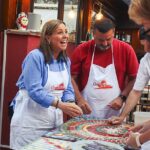
This is the kind of class where you’ll feel momentum. Pasta dough doesn’t wait for you, so you stay active: mixing, working, resting, shaping, and cooking. The pace keeps it from turning into a lecture.
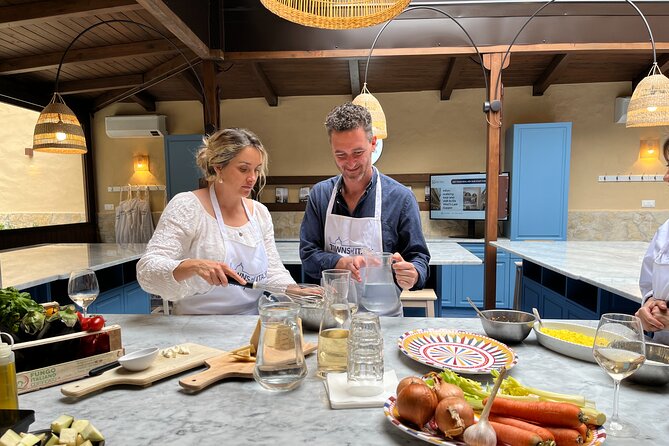
Also, the class includes all ingredients and cooking utensils, plus aprons. That’s a quiet win. You don’t have to guess what to bring, what to buy, or how to pack it home. You show up, cook, and leave with real results.
A practical consideration
If you’re gluten-sensitive, don’t plan on making this your “safe option.” The class explicitly says it’s not suitable for celiacs. If gluten is a serious issue, you’ll need a different experience designed for that.
Gelato demonstration: dessert lessons while the dough rests
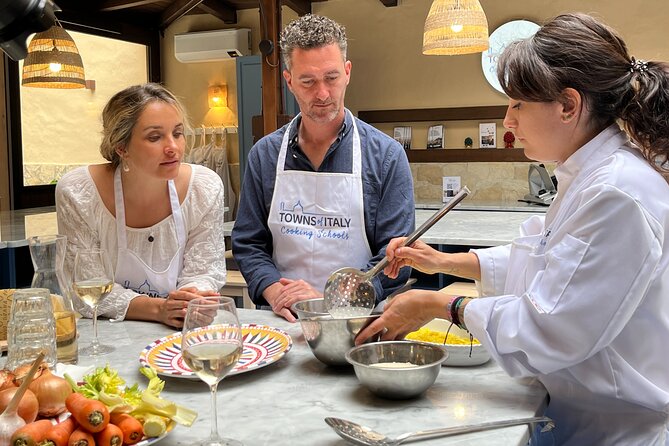
Once your pasta dough needs time, the class switches gears with a gelato-making demonstration. This is smart teaching design. Instead of losing momentum during the resting period, you get a second skill set while the dough does its job.
The chef covers the history, traditional ingredients, and techniques behind gelato. You also get practical guidance on finding top gelaterias during your trip in Italy. That last part is underrated. Sicily can have plenty of sweet options, but if you know what to look for—texture, flavor balance, ingredient quality—you’ll spend less time guessing.
I like that the gelato portion is a demonstration rather than another full hands-on workshop. It keeps the schedule smooth while still giving you something memorable to talk about and recreate.
You can also read our reviews of more tours and experiences in Sicily


The meal part: wine pairing and a plate you can actually share
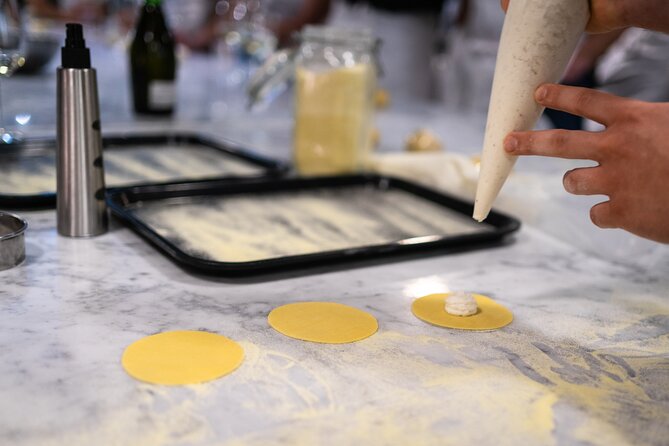
At the end, you’ll enjoy the meal you helped make, with wine included. Soft drinks are available for children. You get the feel of an Italian home-cooking moment without needing to know the language or order perfectly.
From a value perspective, this inclusion matters. Many classes are “cook for two minutes, then eat later somewhere else.” Here, the food is part of the lesson loop. You’ll taste what you made alongside the sauces you worked on, which makes the recipes easier to follow when you open the digital booklet later.
It’s also a good moment to ask questions while the food is still fresh and the chef is still in teaching mode.
If there’s a market tour option, here’s how to think about it
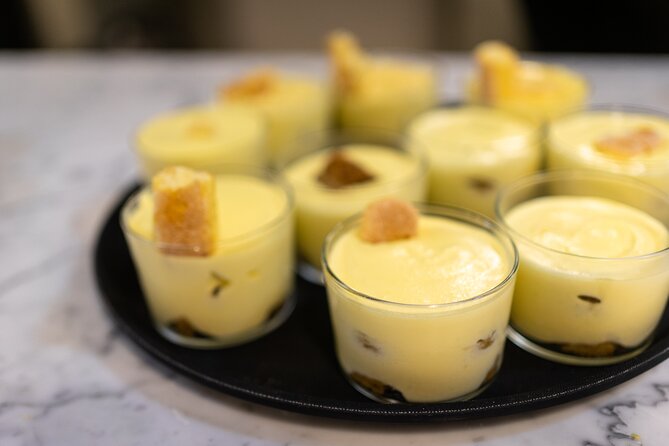
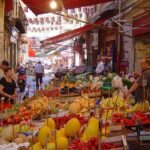
A guided market tour is available only if you purchase that option. If you do, it pairs well with a cooking class because you’ll see ingredients in context—what’s in season, what looks best, and what cooks actually choose for flavor.
If you’re short on time in Palermo, decide based on your style:
- If you love food markets and want to understand what’s local, the market tour can add depth.
- If you’d rather keep it focused on cooking and eating, you can skip it and still get a full class experience.
What you take home: recipes you can use, plus a certificate
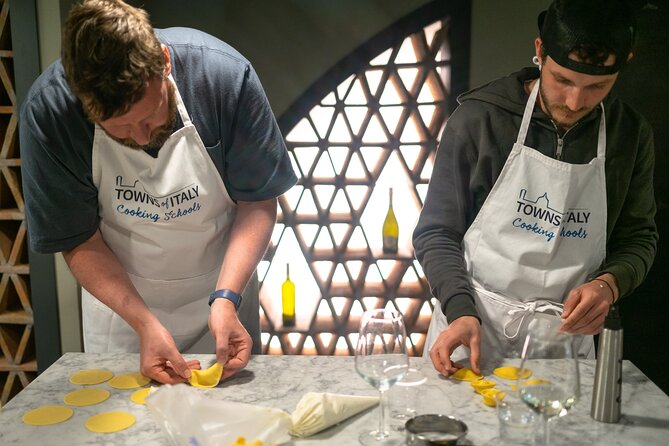
You’ll receive a digital recipe booklet to recreate the dishes. This is where cooking classes can either help or disappoint you later. A solid booklet turns the experience into something you can repeat. Based on what’s included—two pasta types, two sauces, plus gelato context—you should be able to cook with confidence rather than hoping your memory fills in the gaps.
You’ll also get a graduation certificate, which is small but fun. It gives the whole thing a real ending, especially if you’re going with family.
Who this Palermo class suits best
This experience fits best if you want a hands-on food skill in a short time.
It’s especially good for:
- Families who want an activity that keeps kids and adults engaged
- Couples or friends who like learning together and then eating something real
- Foodies who want Sicilian technique, not just a guided walk and a quick bite
- Vegetarians, since vegetarian options are warmly welcomed (tell them in advance)
It can be less suitable if:
- You have celiac disease, since it’s not suitable for celiacs
- You have allergies that require careful handling—still possible to accommodate in many cases, but you must inform them ahead of time
What you can learn in real terms (beyond the menu)
This class is more than “make dinner.” You’re learning decisions and methods.
You’ll practice:
- How egg pasta dough should come together and behave while resting
- How to shape two traditional pasta types from the same core dough
- How seasonal sauces change the final taste, even when the pasta stays consistent
- How gelato techniques and ingredient choices affect texture and flavor
- How to spot good gelaterias during your trip using the chef’s pointers
And based on the teaching style that shows up in past classes, the chef energy seems to matter. An instructor named Marcello has been highlighted for being upbeat and encouraging, with tips that land well with kids. That’s a practical reminder: for families and hesitant cooks, a confident teacher makes the difference between finishing with pride or frustration.
Price and value: what $60.95 buys you
At $60.95 per person, the price isn’t just for a tasting. You’re paying for guided instruction, ingredients, tools, and the final meal.
What makes it good value:
- You get all ingredients for pasta and gelato-related activities
- You receive aprons and cooking utensils, so you’re not paying to outfit yourself
- The class includes a wine-paired meal (soft drinks for children)
- You leave with a digital recipe booklet you can actually cook from again
- The group stays small (max 20), so you’re not lost in the crowd
- A certificate turns it into a proper experience, not a rushed session
If you compare that to doing a private lesson plus buying ingredients plus arranging dinner, this packaged format is often the cheaper route.
Booking checklist: how to make this go smoothly
Before you book, do these quick checks:
- Confirm it’s English-guided for your comfort
- If you’re vegetarian, let them know in advance
- If you have allergies or intolerances, send the details ahead of time
- Skip it if you need a celiac-safe option
- Arrive early so you’re not stuck at the door
Also, plan on no hotel pickup. That’s not a deal-breaker in Palermo, but it does mean you’ll want your transit plan ready.
Should you book this Palermo pasta and gelato class?
If you want a fun, skill-based experience that ends with you eating what you made, I’d book it. The combination of two pasta types + two seasonal sauces, then a gelato demonstration is a smart use of time. The small group size and the focus on tips for recreating recipes at home make it more than a one-off meal.
I’d pass only if gluten restrictions like celiac disease apply, or if you’re expecting a fully personalized menu without advance communication about allergies. Otherwise, this is a high-odds choice for families, first-time cooks, and anyone who wants real Sicilian food knowledge in a short window.