REVIEW · SICILY
Enoteca dell’Etna: Iemu Spizzicannu Tasting
Book on GetYourGuide →Operated by Enoteca dell'Etna · Bookable on GetYourGuide
Olive oil, Etna wines, and a volcano backdrop. The Iemu Spizzicannu tasting at Enoteca dell’Etna in Ragalna pairs local food with Etna wines and Myetna products, and the whole thing is wrapped in real place-based stories. I especially like the way it starts with olive oil and then walks you through Sicilian flavors in a logical order, so each bite makes the next one easier to taste. I also love the finale: ricotta, chocolate, and home-produced Bronte pistachio cream.
One consideration: this is a proper 2-hour food-and-wine session. If you snack beforehand, you’ll end up rushing and missing aromas—come hungry and slow down.
In This Review
- Key highlights that make this tasting worth it
- Ragalna’s Palmento Arena: why the setting matters
- Starting with Etna olive oil: Nocellara and Myetna’s flavored lineup
- The big Sicilian food sequence: meats, preserves, fried bites, and caponata
- Etna wines: four pours chosen for a single sensorial route
- The sweet ending: ricotta, chocolate, and Bronte pistachio cream
- How to fit 2 hours into your day (and not regret snack decisions)
- Price and value: what $59 gets you in real terms
- What to look for while you taste (so it’s not just eating)
- Who should book this tasting—and who might want a different plan
- Should you book the Iemu Spizzicannu tasting at Enoteca dell’Etna?
- FAQ
- How long is the Iemu Spizzicannu tasting?
- What does the $59 per person price include?
- What food and drinks will I taste?
- Do you offer tastings in English or Italian?
- Is there free cancellation?
- Is reserve now and pay later available?
- Is the experience wheelchair accessible?
Key highlights that make this tasting worth it
- Palmento Arena setting in Ragalna with stories about local traditions and the Arena family
- Olive oil first: Evo Nocellara dell’Etna plus three flavored Myetna oils
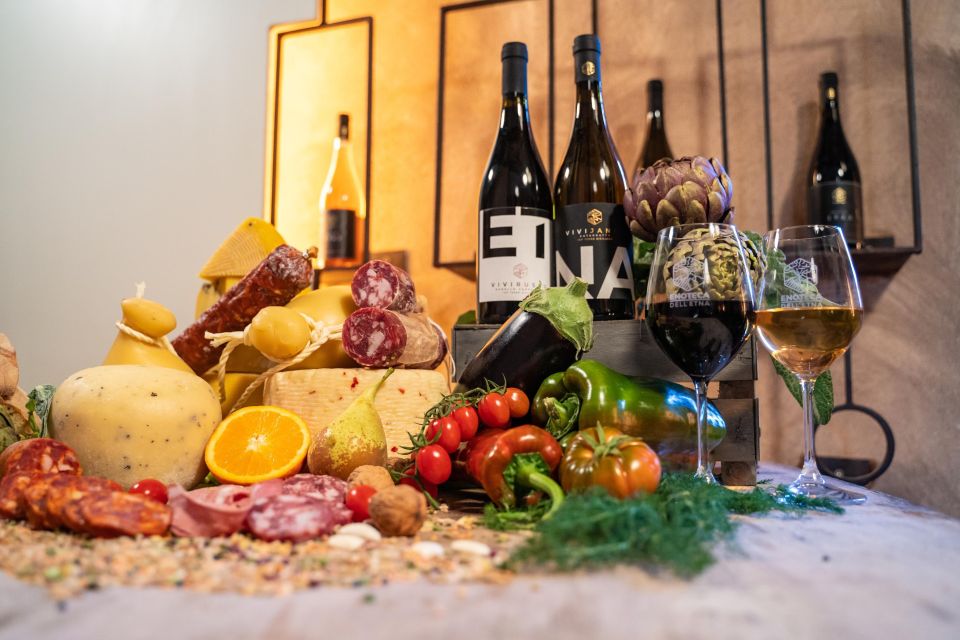
- A full Sicilian platter including cured meats, cheeses, preserves, fried appetizers, wild vegetables, parmigiana, and caponata
- Four Etna wines chosen to create a coherent sensorial journey
- Bronte pistachio cream shows up at dessert, ending the experience on a sweet local note
- English/Italian host makes it easy to follow what you’re tasting
Ragalna’s Palmento Arena: why the setting matters
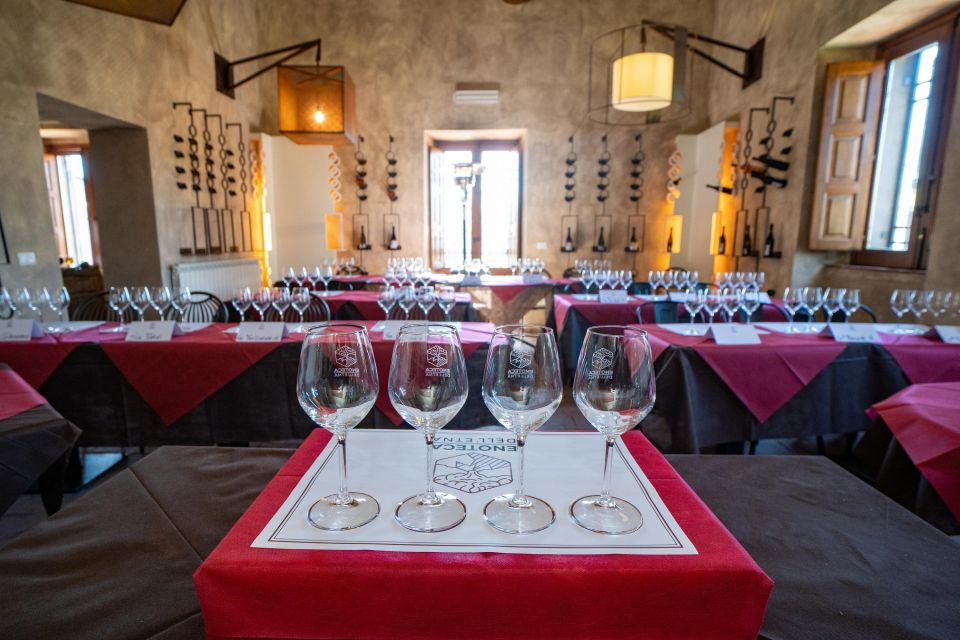
Even if you only care about eating and drinking, the setting here changes how you experience it. The Enoteca dell’Etna complex is called Palmento Arena, and the staff use the space to explain the history and traditions of Ragalna plus stories about the Arena family—going beyond a generic welcome.
Why I like this approach: it’s not just background noise while you eat. It helps you understand why the tasting focuses on local products and regional craft. When you hear where the complex’s name comes from and how local traditions shaped what people make and share, the food becomes less like “a sample flight” and more like a guided introduction to how this part of Sicily thinks about flavor.
You’ll also get a short orientation to the area and its population—enough to put you on the map mentally, even if Ragalna isn’t on your usual route. The staff are also set up for visitors who prefer English or Italian, so you’re not stuck guessing during the tastings.
You can also read our reviews of more food & drink experiences in Sicily

Starting with Etna olive oil: Nocellara and Myetna’s flavored lineup
The tasting begins the way it should: with olive oil. You start by sampling Evo Nocellara dell’Etna oil produced in the company’s olive grove. Then you move into three different flavored oils produced by Myetna.
This matters more than it sounds. Oil tasting is about noticing nuance—peppery bite, fruitiness, and how flavors change on the palate as you go from one oil to the next. Starting with plain Evo Nocellara gives you a baseline. Then the flavored Myetna oils act like a practical “flavor workshop,” showing you what happens when local ingredients and craft meet.
A simple tip for better enjoyment: take smaller sips and let the oil sit for a second before swallowing. You’re trying to catch the first impression and how it fades. This is the part that turns a tasting from food-for-fun into food you’ll actually remember later.
The big Sicilian food sequence: meats, preserves, fried bites, and caponata
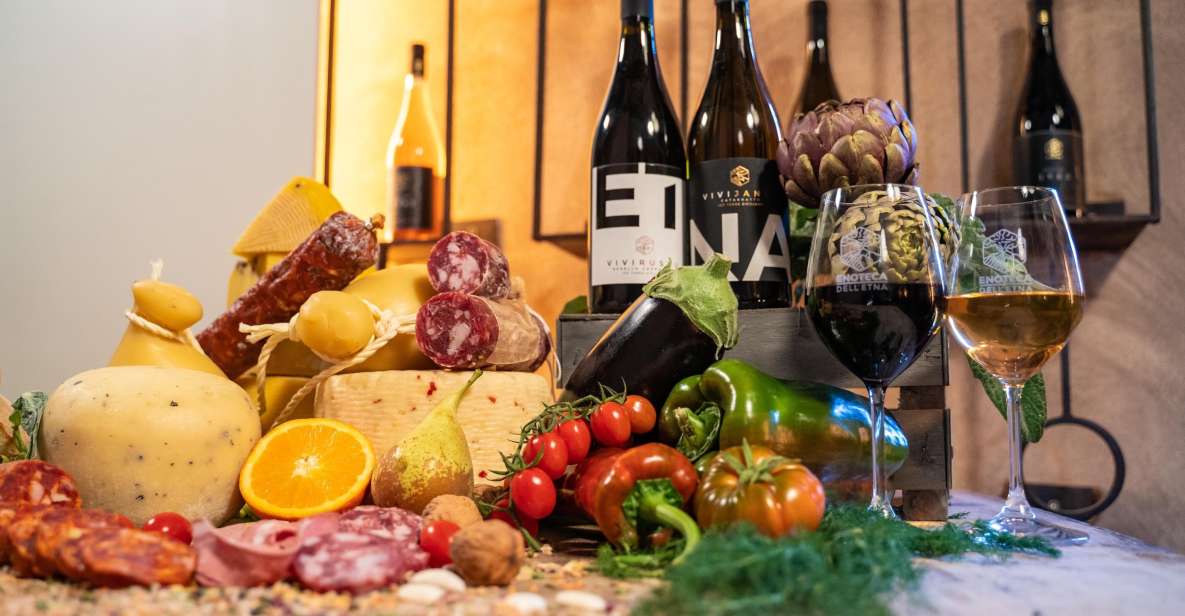
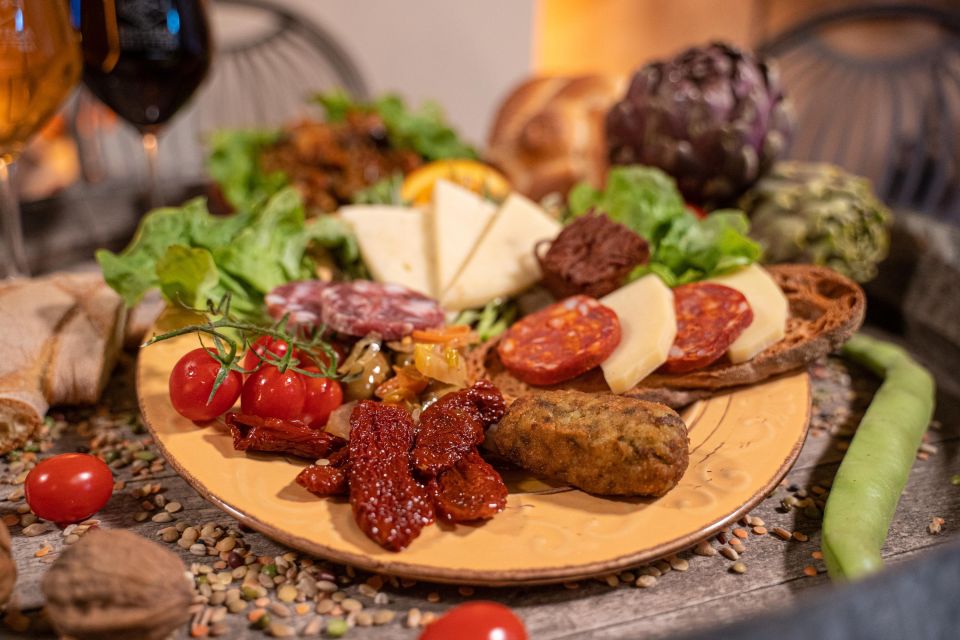
After the oil, you get a rich platter that leans hard into classic Sicilian flavors. Expect typical cured meats and cheeses, plus traditional Sicilian preserves—then the tasting keeps building with more homemade-style products such as artisanal jams and creams.
The platter doesn’t stick to one texture, either. You’ll also see fried appetizers and sautéed wild vegetables, which is a nice reminder that Sicilian cooking often works with what the land offers. And then there are two crowd-friendly staples: Sicilian parmigiana and the famous Sicilian caponata.
Here’s what I think makes this sequence work for you: the tasting is paced like a meal, not like a buffet. As the oils and wines progress, your palate keeps resetting. The salty cured meats and cheeses wake you up. The preserves and creams add sweetness and complexity. The fried bites add crunch. The wild vegetables and caponata add the kind of savory depth that makes you want another forkful immediately.
If you’re the type who usually “just picks a couple things,” this is the moment you stop doing that. Let the order guide you. It’s one of the rare tastings where the food isn’t random—it’s structured.
Etna wines: four pours chosen for a single sensorial route
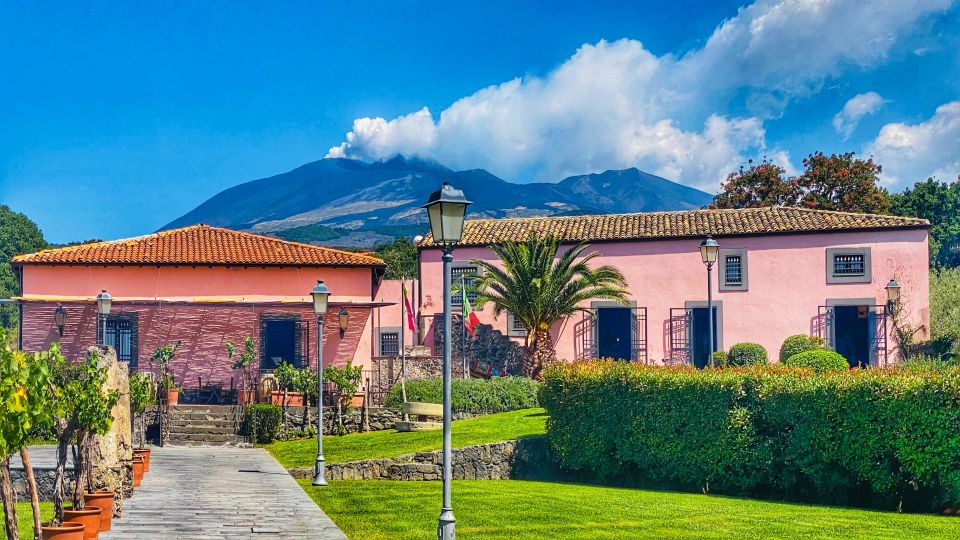
Next comes the wine component: a tasting of 4 Etna wines selected for a coherent sensorial journey. That phrase is basically telling you they’re thinking about how the flavors evolve, not just stacking four bottles and hoping for the best.
You’ll likely find that earlier pours set up the palate, while later ones bring different weights and aromas into the mix—especially as you’ve already been tasting oils, cheeses, preserves, and savory dishes. In other words, the wines aren’t floating in space. They’re reacting to your food.
My practical advice: don’t treat this as a speed run. Take one wine, then match it mentally to the last few bites you had. You’ll start noticing patterns like how sweet elements from preserves can make a wine taste fruitier, or how savory caponata can make certain wines feel more balanced.
Also, if you care about learning, ask the host to explain what to look for as you taste. The experience is hosted in English and Italian, so you can follow along without losing the thread.
The sweet ending: ricotta, chocolate, and Bronte pistachio cream
Every good tasting needs a finale that feels local. This one ends with dessert of ricotta, chocolate, and home-produced Bronte pistachio cream.
This is a smart finish because pistachio cream isn’t just sweetness. It’s aromatic, nutty, and distinct enough to make the whole experience feel “Sicily-specific.” Plus, ricotta and chocolate add familiar comfort so the ending doesn’t feel like a sudden detour.
If you’ve been sampling oils and wine, your palate might feel a bit “full.” That’s actually where this dessert shines: it’s rich, but the flavors are clear enough that it doesn’t blur together. It’s the kind of ending that makes you walk away wanting to repeat the experience, not just talk about the quantities.


How to fit 2 hours into your day (and not regret snack decisions)
This experience runs about 2 hours. That’s long enough to taste a serious set of products—oil, multiple food elements, 4 wines, and dessert—without turning into a whole day commitment.
The real question is what you do before you arrive.
One strong piece of advice from the vibe of the experience: don’t eat a heavy meal right beforehand. People consistently recommend arriving with space for the food and wine, because there’s a lot happening in a short time. If you show up already full, you’ll do the tasting on autopilot.
A good plan:
- Have a light lunch or an early snack far enough in advance.
- Treat the tasting like your main meal.
- Leave time afterward to slow down. You’ll likely want to continue tasting local products, not rush off immediately.
Price and value: what $59 gets you in real terms
At $59 per person for roughly 2 hours, you’re paying for a guided experience that includes more than just a couple sips.
Here’s what’s actually in the box:
- A visit to Enoteca dell’Etna, including the guided introduction to traditions and the Palmento Arena context
- Olive oil tastings (Evo Nocellara dell’Etna plus three flavored Myetna oils)
- A full platter of Sicilian savory food (cured meats, cheeses, preserves, fried appetizers, sautéed wild vegetables, parmigiana, and caponata)
- A set of 4 Etna wines
- Dessert with ricotta, chocolate, and home-produced Bronte pistachio cream
So the value question becomes: are you the type of person who wants a structured, product-focused meal with wine included? If yes, this price starts to make sense fast. If you mostly want one or two tastes, you may feel like it’s too much.
What to look for while you taste (so it’s not just eating)
If you want this to be more than a checkmark, focus on a few things while you go:
- Oil-to-food connection: notice how cured meats and cheeses interact with the oils.
- Sweet-to-savory contrast: preserves, jams, and creams can change how you perceive wine acidity and fruit.
- Texture awareness: fried appetizers and wild vegetables feel different on the palate, and you’ll taste those differences more once you slow down.
- Final flavor anchor: remember the Bronte pistachio cream. If you can describe it after the tour, the whole experience has landed.
And yes, you might end up buying something you loved. People often leave wanting to take the flavors home—especially oils, jams/creams, or pistachio products—because the items you taste are exactly the sort of thing you’d actually use later.
Who should book this tasting—and who might want a different plan
This experience is a strong fit if you:
- Enjoy wine tastings but don’t want a stuffy, overly formal vibe
- Like structured food pairing where each stage leads to the next
- Want local Sicilian products from Etna’s region, not just generic souvenirs
- Appreciate learning a little about how place and tradition shape what you eat
It may feel less suitable if you avoid certain foods. The platter includes cured meats and cheeses, so if you don’t eat dairy or meat, you might want to check with the host before booking. Also, because it’s a tasting meal with wine, it’s best for people who are comfortable taking their time and eating well.
Should you book the Iemu Spizzicannu tasting at Enoteca dell’Etna?
If you want an Etna experience that’s practical and delicious—oil, food, wine, and dessert all in one 2-hour guided session—this is an easy recommendation. The best part is how the tasting feels built as a sequence: you start with oil, move through Sicilian savory dishes, pair it with 4 Etna wines, and end with Bronte pistachio cream in a dessert that tastes like the region.
Book it if you’re hungry for authentic local flavor and you like guided tasting formats. Skip it if you’re not interested in wine with your meal or you know you’ll struggle with a multi-course tasting in a short time.
FAQ
How long is the Iemu Spizzicannu tasting?
It lasts about 2 hours.
What does the $59 per person price include?
The price includes the visit to Enoteca dell’Etna, food, and drinks.
What food and drinks will I taste?
You’ll taste Evo Nocellara dell’Etna olive oil, three flavored Myetna oils, a platter of typical Sicilian foods (including cured meats and cheeses, preserves, fried appetizers, sautéed wild vegetables, Sicilian parmigiana, and caponata), and a tasting of 4 Etna wines. Dessert includes ricotta, chocolate, and home-produced Bronte pistachio cream.
Do you offer tastings in English or Italian?
Yes. The host or greeter speaks English and Italian.
Is there free cancellation?
Yes. You can cancel up to 24 hours in advance for a full refund.
Is reserve now and pay later available?
Yes. You can reserve your spot and pay nothing today.
Is the experience wheelchair accessible?
Yes, it is wheelchair accessible.