REVIEW · MOUNT ETNA
Mount Etna: Trek to the Craters of The 2002 Eruption
Book on GetYourGuide →Operated by GRUPPO GUIDE ETNA NORD di RAGONESE BIAGIO & C sas · Bookable on GetYourGuide
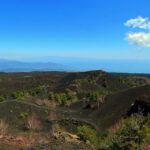
Etna is loud, even on a walk. This guided trek from Piano Provenzana takes you along the eruptive fault from the 2002 eruption, and I like that you learn the geology while you’re standing on the hardened lava. I also like the crater-top views that open toward the Bay of Naxos and the Calabrian coast.
The main consideration is footing: even though the difficulty is listed as easy, you’re walking on volcanic rock, so comfortable closed shoes really matter. If you have vertigo or mobility limits, this won’t be a good match.
In This Review
- Quick hits on Etna’s 2002 eruption crater walk
- Mount Etna’s 2002 fault trek: what makes it worth your time
- Piano Provenzana start: getting set for the trail
- The main walk: tracing the 2002 eruptive fault on Etna’s northern flank
- Lateral cones and craters: what you’ll see as the geology lesson unfolds
- Views over Naxos and the Calabrian coast: the payoff moment
- Etna’s myth-and-farming context: why the tour mentions Greek mythology
- How long is the trek, and what pace should you expect?
- What to bring for an Etna walk (and what not to wear)
- Who this tour suits best (and who should skip it)
- Price and value: is $39.86 a fair deal?
- Booking thoughts: what you should decide before you go
- FAQ
- FAQ
- Where is the meeting point for this Mount Etna tour?
- How long does the guided trek take?
- How difficult is the walk?
- What languages are offered for the guide?
- What is included in the price?
- Is food or drinks included?
- What should I bring for the trek?
- What footwear is not allowed?
- Is this tour suitable for people with vertigo or mobility impairments?
- How much does this experience cost?
Quick hits on Etna’s 2002 eruption crater walk
- Follow the 2002 eruptive fault on Etna’s northern flank for hands-on geology.
- See lateral cones formed by gas and rock fragments during strong explosions along the fault.
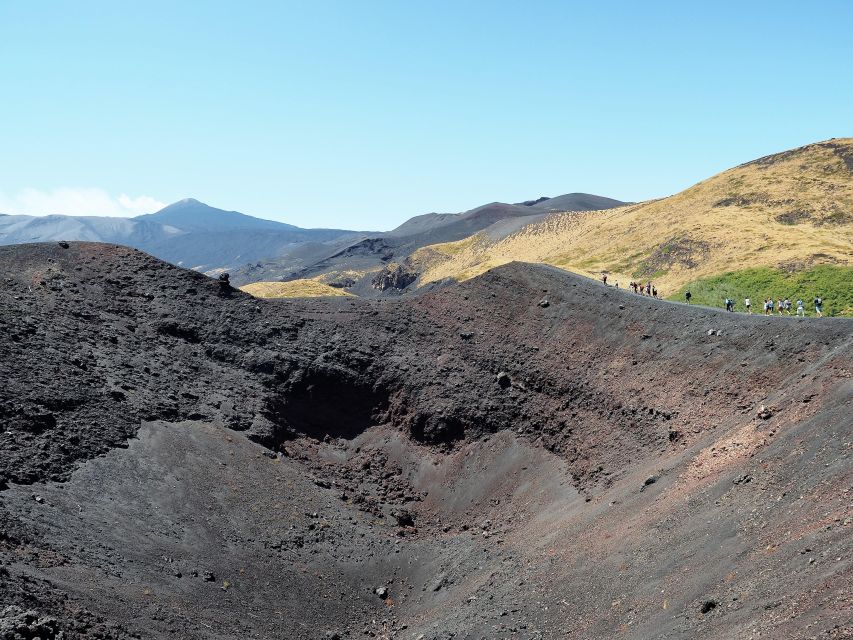
- Peer into impressive craters from the trail for a close-up look at how eruptions shape terrain.
- Bay of Naxos to the Calabrian coast: big views from above the lava flows.
- Easy difficulty, short duration (about 2.5 hours) with a pace that depends on the group.
- Official guide in English/French (plus Italian available) from GRUPPO GUIDE ETNA NORD.
Mount Etna’s 2002 fault trek: what makes it worth your time
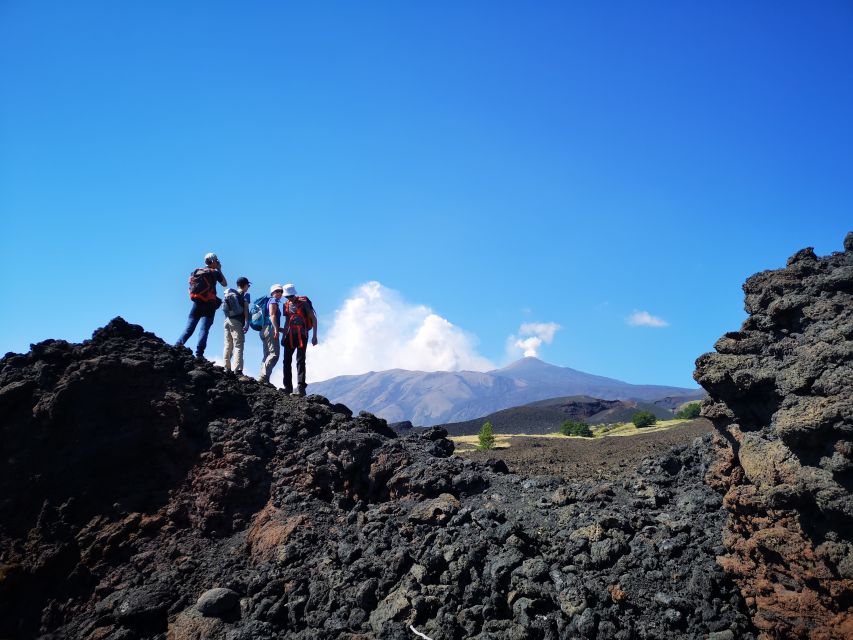
You can read about volcanic eruptions. Then you can walk on the evidence. This trek is built around that second part.
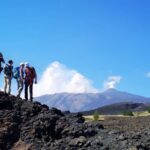
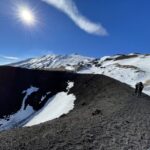
You’ll move along the fault connected to the 2002 eruption, described as the so-called perfect eruption that began at dawn on October 27, 2002. Instead of just looking at Etna from a viewpoint, you’re walking through a landscape shaped by that specific event—hardened lava flows, fault lines, and the way explosions built small volcanic features along the way.
This is also a tour that explains what you’re seeing. The highlight isn’t only the scenery. It’s learning how volcanic eruptions work—gas, rock fragments, lateral cone formation, and crater development—while you’re actually on the ground where those processes left their mark.
And then there’s the payoff: you get views out over the Bay of Naxos and toward the Calabrian coast. That mix of geology plus panorama is why this type of Etna outing works so well.
You can also read our reviews of more hiking tours in Mount Etna
Piano Provenzana start: getting set for the trail
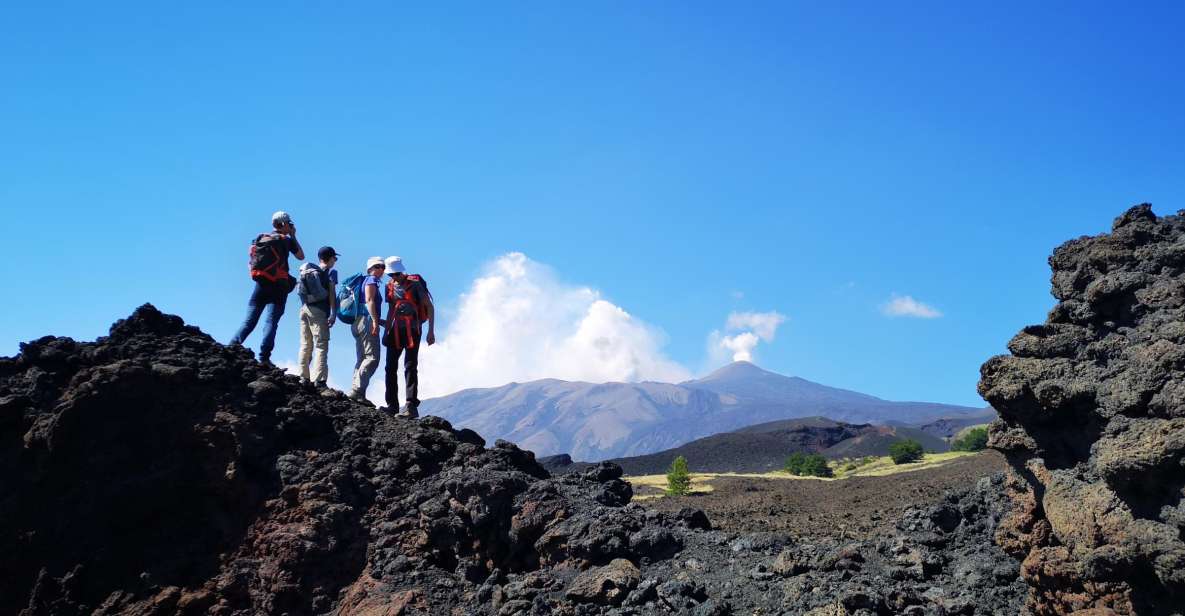
Most people do better when they start feeling prepared, and Piano Provenzana is where this tour gets you ready.
You’ll meet at the first parking area at the wooden house with the sign Gruppo Guide Etna Nord. From there, the guided walk begins on Etna’s northern side, with the route centered on the fault tied to the 2002 eruption.
This matters more than it sounds. Mount Etna is active and changeable, and your comfort depends on being dressed for real weather and real ground. The tour runs for about 2.5 hours overall (timing can shift with group rhythm), so you’ll want to treat it like a focused outing, not a slow stroll.
The main walk: tracing the 2002 eruptive fault on Etna’s northern flank
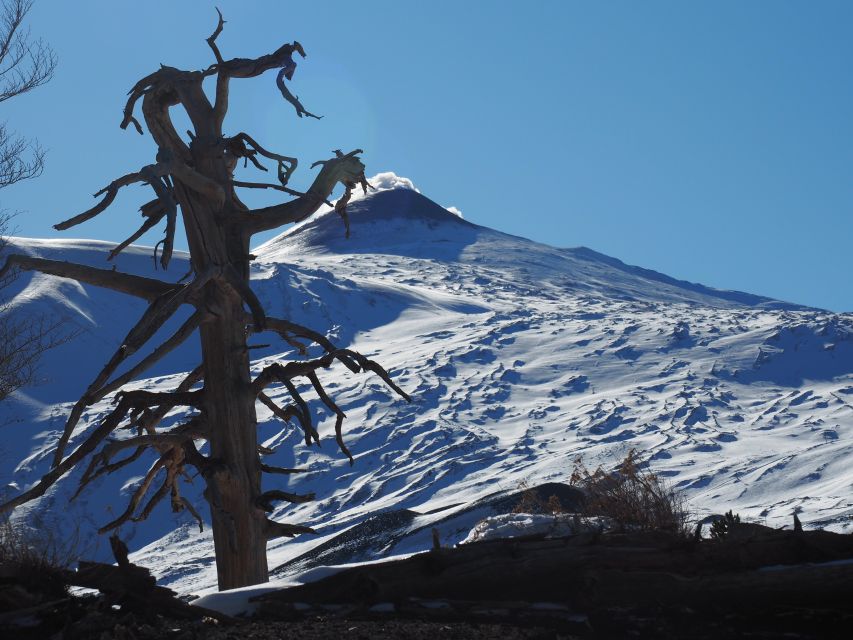
The heart of the experience is the trail that takes you along the eruptive fault on Etna’s northern flank. This is where the tour earns its name: you’re not just visiting craters in a general sense—you’re connected to the eruption that shaped this section of Etna.
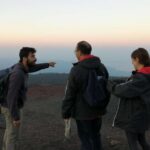
As you walk, the guide points out the eruptive fault itself and helps you picture the explosive force that drove the 2002 eruption. The tour language focus includes official English and French, with Italian also available. So if your Italian is limited, you can still follow along confidently.
Why walking the fault is so meaningful: faults and fissures are where eruptions reveal their mechanics. You see how the ground fractured and how material moved and hardened. Instead of treating the volcano like a monster in the distance, you experience it like a system—rupture, explosion, lava, cooling—played out at human scale.
Lateral cones and craters: what you’ll see as the geology lesson unfolds
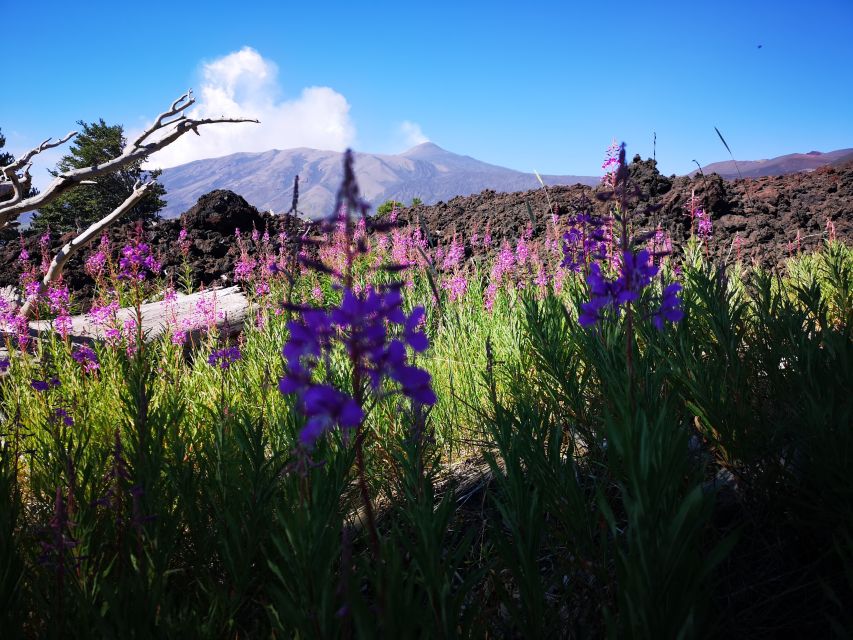
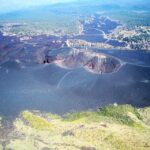
One of the strongest promises of this trek is that you’ll check out the lateral cones formed along the fault.
These aren’t just random hills. They’re tied to strong explosions that released gas and rock fragments, building small cones along the eruptive line. Standing near those features is a fast way to understand a key eruption concept: even when the main action is along a fault, volcanic material can build structured formations on the sides.
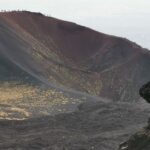
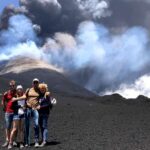
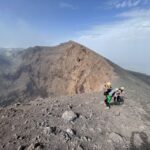
You’ll also peer into impressive craters. The tour doesn’t present the craters as an abstract topic. You’re looking at the shapes that result from eruption behavior—how gases open pathways, how material accumulates, and how explosions carve out the bowl-like forms you can see.
For me, this is the part that turns Etna from a postcard into a lesson you can actually hold onto in your memory: you look, you walk, and the guide connects each sight to the eruption story.
Views over Naxos and the Calabrian coast: the payoff moment
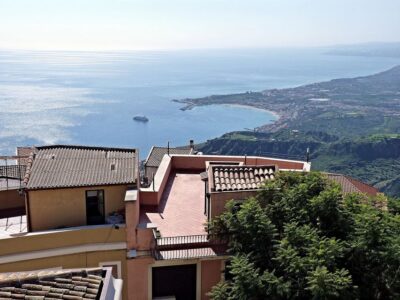
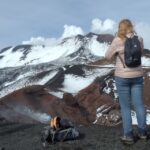
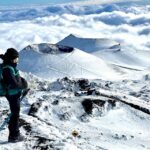
At some point, you’ll reach a place where the views hit you—Bay of Naxos on one side, and the Calabrian coast in the other direction.
That panoramic angle is a huge part of why Etna tours feel different than many other “just walk and see” activities. You’re on a working volcano, so the geography is dramatic. Then the guide adds context about Etna’s role in the surrounding region, including how fertile soils support agriculture.
If you like your photos with an explanation, this is the moment. You’re not only capturing a wide shot. You’re connecting the land you see to why people live and farm here despite the obvious volcanic risk.
Etna’s myth-and-farming context: why the tour mentions Greek mythology
This trek doesn’t stop at rock and ash. Etna is described as an important locale in Greek mythology, and the volcano is also listed as a UNESCO World Heritage site.
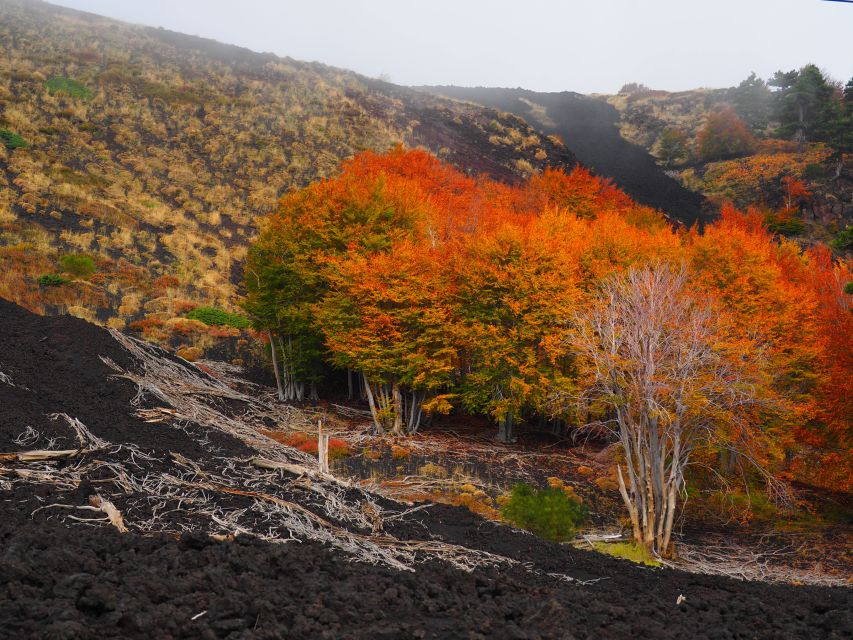
That cultural and conservation framing is more than trivia. It helps you understand why Etna gets treated like a landmark, not a distant hazard. Etna’s fertile soils support extensive local agriculture, which gives the volcano a different tone: life grows here, even with the mountain’s activity in the background.
So when the guide talks about Etna’s history and its impact on regional lifestyles, it’s giving you context for what you’re doing right now. You’re walking through a living landscape, not a museum set.
How long is the trek, and what pace should you expect?
The activity is listed as 2.5 hours, and the guidance adds that the time depends on the rhythm of the group. Difficulty is easy.
That doesn’t mean it’s effortless. Easy here is about general effort level, not about smooth ground. Volcanic rock can be uneven, and the tour is built around moving along lava terrain tied to the fault.
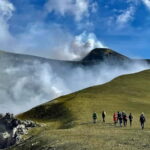
Plan your expectations like this: you’ll get a real walk, you’ll stop for explanations, and you’ll likely spend most of the time outside with limited wiggle room. Bring water, keep your sunglasses on, and pace yourself. If you push too hard early, you’ll feel it when the views and crater looks come.
What to bring for an Etna walk (and what not to wear)
The kit list is simple, but it’s the difference between enjoying the trek and rushing it.
Bring:
- Comfortable shoes
- Sunglasses
- Sun hat
- Water
- Jacket
- Rain gear
Don’t wear:
- Sandals or flip flops
I’m glad the tour says this clearly. On volcanic ground, closed shoes aren’t optional. Rain gear is also worth taking seriously. Even if the forecast looks fine, conditions can shift on Etna’s slopes, and you’ll want a plan for wet rock.
Who this tour suits best (and who should skip it)
This trek is a good match if you want a geology-focused Etna experience in a manageable time window. It’s also a solid pick if you like guided explanations and want to understand why craters and cones exist, not just see them.
It’s not suitable for:
- Pregnant women
- People with mobility impairments
- People with vertigo
If any of those apply to you, choose a different style of Etna visit. Crater environments and uneven ground can challenge balance even for people who think they’re fine.
Price and value: is $39.86 a fair deal?
The listed price is $39.86 per person. On Etna, that’s often what you’d expect for a guided, short-format walk with a professional team.
Here’s why this can feel like good value:
- You get a guided tour tied to the specific 2002 eruption fault, not a generic Etna route.
- The guide provides official interpretation in English and French (with Italian also offered).
- You’re paying for both the walk and the geology explanations, plus a well-defined route back to the meeting point.
Food and drinks are not included, so budget a separate snack or plan to eat before/after your tour. But the core cost covers what you’re really buying: guided access to the volcanic features along the fault line and the crater viewpoints that make the whole experience click.
Booking thoughts: what you should decide before you go
If you’re the type of traveler who likes your sights explained in plain language, this is the sort of Etna outing you’ll probably remember for years. The reason is simple: you’re walking the same kind of terrain that shaped the mountain during a famous eruption, and the guide ties it back to how eruptions build the forms you see—faults, cones, and craters.
Should you book this trek? If you’re comfortable on uneven ground, you’re okay with an about-2.5-hour outdoor commitment, and you want both views and geology, yes, it’s a strong choice.
If you’re mainly looking for a quick scenic stop with minimal walking, or if vertigo or mobility issues are in play, look for an alternative Etna experience that fits your comfort needs.
FAQ
FAQ
Where is the meeting point for this Mount Etna tour?
You’ll meet at the first parking area at the wooden house with the sign Gruppo Guide Etna Nord.
How long does the guided trek take?
The tour duration is listed as about 2.5 hours, and the exact timing can depend on the group’s rhythm.
How difficult is the walk?
The difficulty is listed as easy.
What languages are offered for the guide?
The tour notes Italian, French, and English, with official English and French-speaking guide included.
What is included in the price?
Included is the guided tour and the official English and French-speaking guide.
Is food or drinks included?
No. Food and drinks are not included.
What should I bring for the trek?
Bring comfortable shoes, sunglasses, sun hat, water, a jacket, and rain gear.
What footwear is not allowed?
Sandals or flip flops are not allowed.
Is this tour suitable for people with vertigo or mobility impairments?
No. It is not suitable for people with vertigo, mobility impairments, or pregnant women.
How much does this experience cost?
The listed price is $39.86 per person.