REVIEW · CATANIA
Catania: Syracuse, Ortigia, and Noto Tour with Brunch
Book on GetYourGuide →Operated by Sicily Day BY Day · Bookable on GetYourGuide
Sicily goes big in one day. This Catania tour strings together Syracuse’s Neapolis and the show-stopping Baroque towns of Ortigia and Noto, with real context from your guide and a practical pace that doesn’t feel rushed. I especially like the way you get classic stops like the Temple of Apollo area and the Fountain of Arethusa, then wind up in Noto’s pale-stone streets where the architecture looks almost staged.
I also like the food break. You’ll have a brunch built from typical Sicilian items, plus water and red wine, so you’re not stuck hunting for lunch with tired legs. One thing to weigh: Neapolis entrance isn’t included, and inside the archaeological park you use a paper guide rather than a live guide.
In This Review
- Key highlights to know before you go
- Syracuse starts the story: Neapolis and the Greek theatre feel
- Ortigia on foot: from Apollo’s zone to Arethusa’s fountain
- Noto’s Baroque wow-factor: pale stone, stairways, and palaces
- Brunch and wine: a real break, not just a snack stop
- Timing and van rides: why the 8 to 8.5 hours feels manageable
- Price and value from Catania: what you’re really paying for
- Who should book this tour (and who might want something else)
- Small-group feel and guide quality: the real difference
- Should you book? My decision checklist
- FAQ
- Is the Neapolis entrance fee included?
- Will there be a tour guide inside Neapolis?
- How long do we spend in Syracuse and Neapolis?
- How much walking time do you get in Ortigia and Noto?
- What does the included brunch include?
- Is lunch always the included brunch?
- What’s included besides the tour itself?
- Where are the pickup and drop-off locations?
Key highlights to know before you go
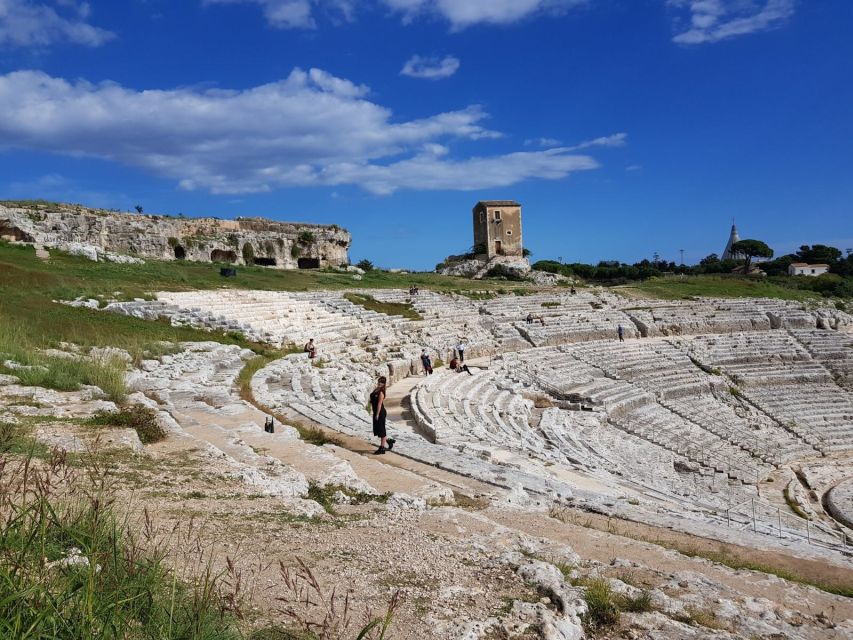
- Syracuse’s Neapolis, UNESCO-listed (2005), with a self-guided visit using a paper booklet
- Ortigia walking time (about 2 hours) starting near the Temple of Apollo area and stretching through the island’s core
- The Fountain of Arethusa plus the white Cathedral of St. Mary of the Immaculate Conception
- Noto as an open-air Baroque museum, explored on foot with time to look up at stairways and facades
- Brunch with local products, served with water and red wine (and often Etna wine mentioned in feedback)
Syracuse starts the story: Neapolis and the Greek theatre feel
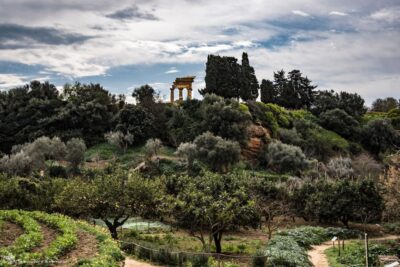
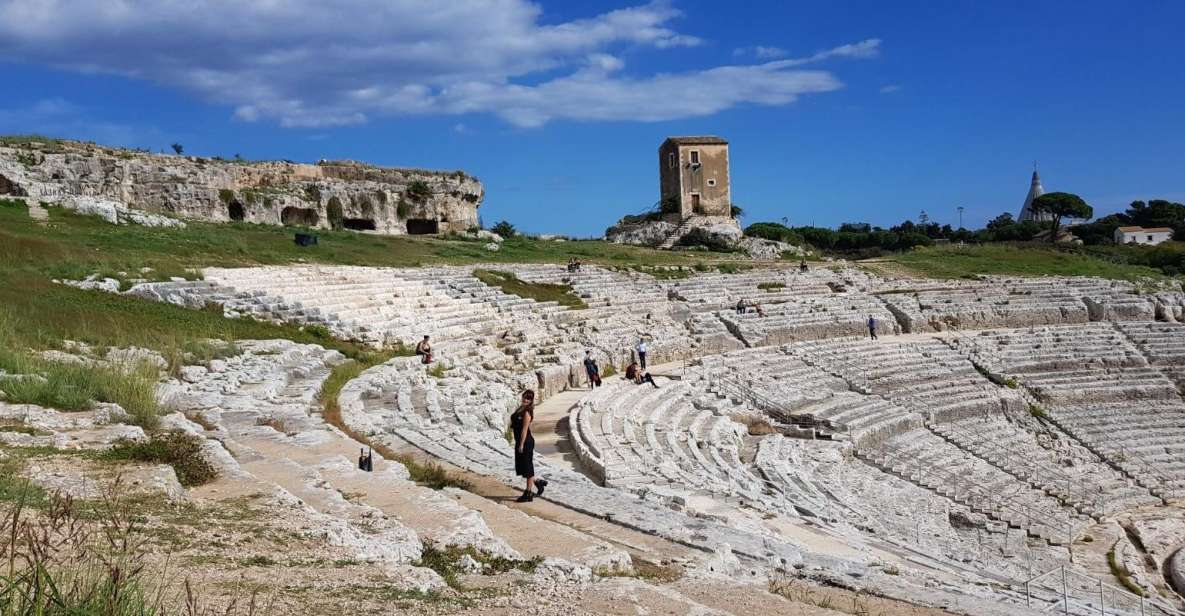
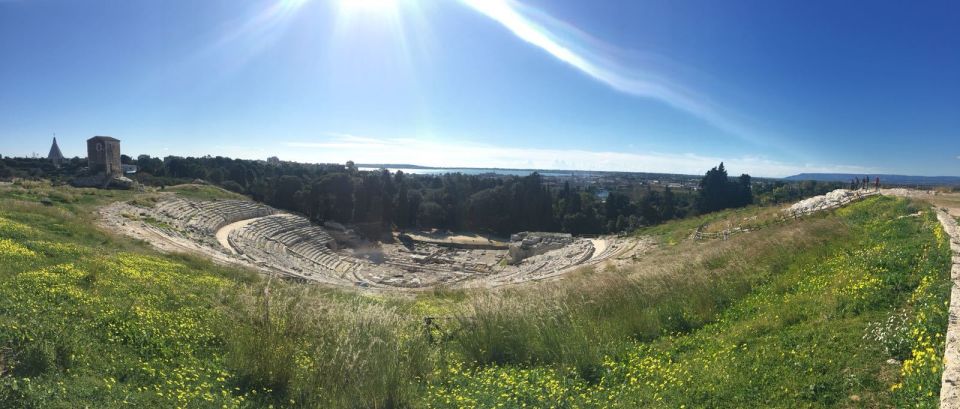
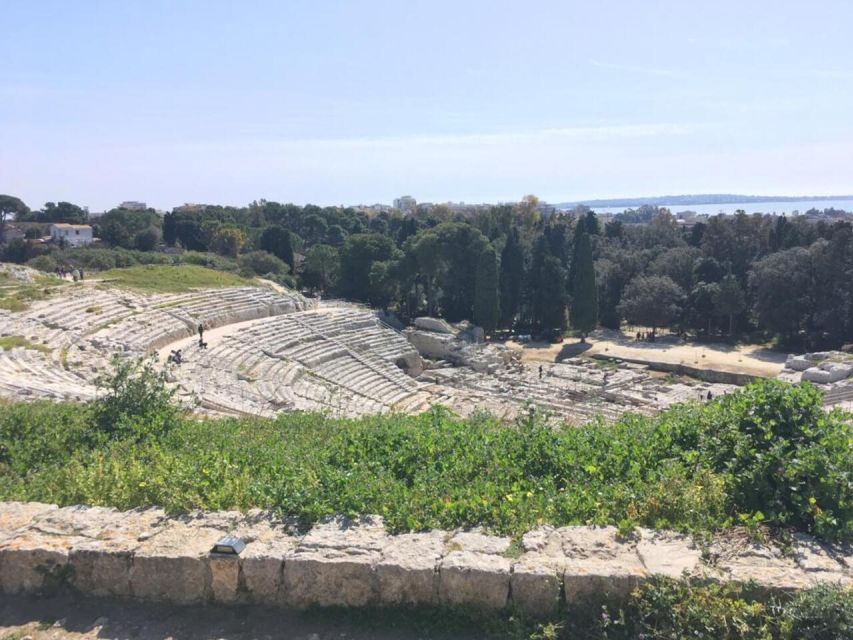
Your day usually begins with pickup in Catania city center near your hotel area, then a van ride out toward Syracuse. Once you arrive, you’ll head straight into Neapolis, the archaeological park that earned UNESCO World Heritage status in 2005. This is where you get the Greek theatre setting, plus the kind of ruins that are easier to understand when you’ve got even a small amount of guidance in your pocket.
Here’s the practical twist: the driver is not acting as a site guide inside Neapolis. You’ll have a paper booklet and you’ll explore on your own for about an hour. For me, that’s not automatically a downside. Neapolis is large and atmospheric, and having time to slow down and read at your own rhythm can work well, especially if you like ruins but don’t need someone narrating every stone.
The drawback is also clear. If you want a true live explanation inside the park, this format won’t give you that. Still, the overall tour benefits if you treat Neapolis like your visual warm-up, then save the deeper human stories for Ortigia and Noto—where your guide can walk you through the streets and point out what made these places rich.
Tip: Wear shoes you can trust. The surface can be uneven, and you’ll be moving again soon after the archaeological stop.
You can also read our reviews of more tours and experiences in Catania.


Ortigia on foot: from Apollo’s zone to Arethusa’s fountain
After Neapolis, you’ll drive to Ortigia, the historic peninsula that feels like a living postcard. The tour then shifts into walking mode with about two hours on foot. That time budget matters. It gives you enough room to drift through streets without turning your brain off, but it still keeps you moving toward the most iconic sights.
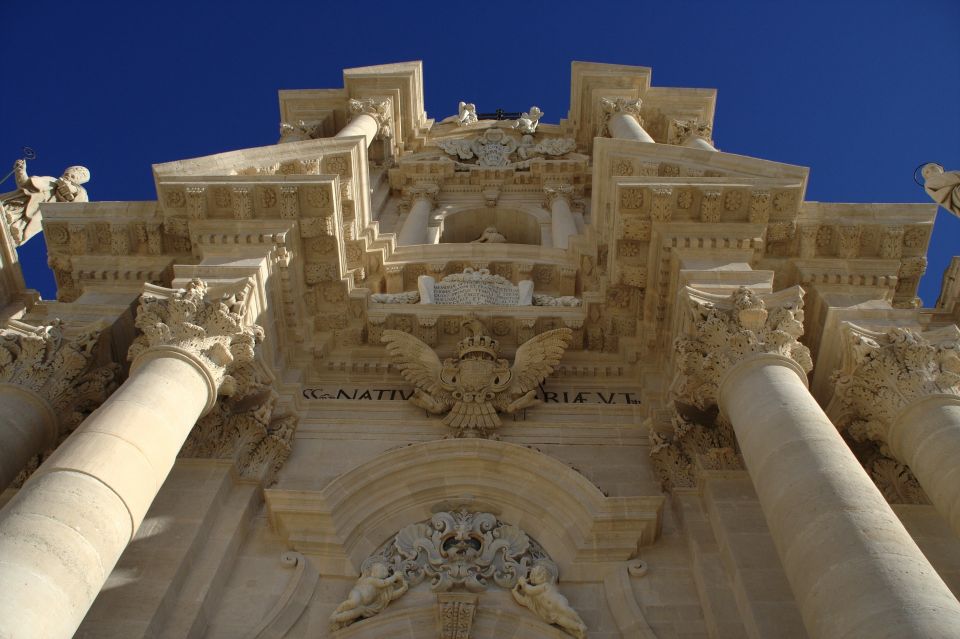
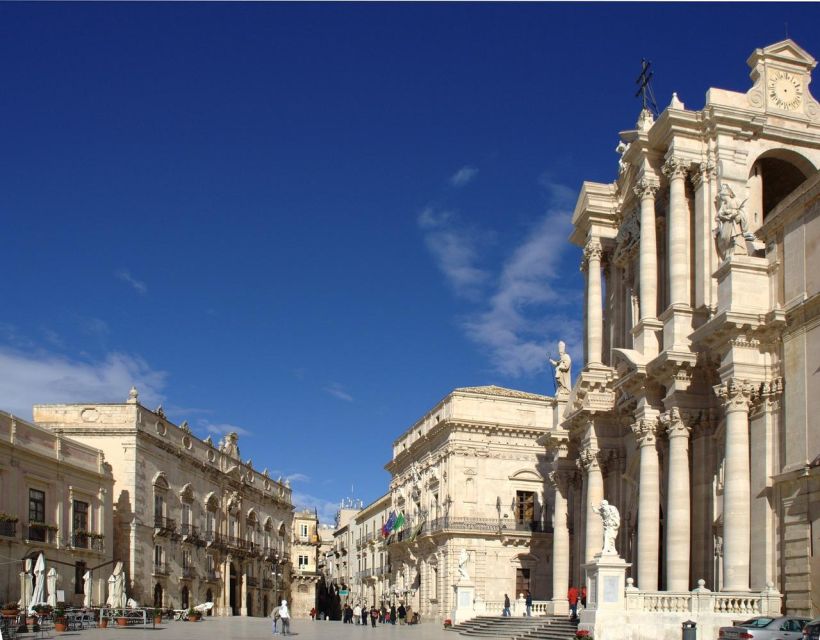
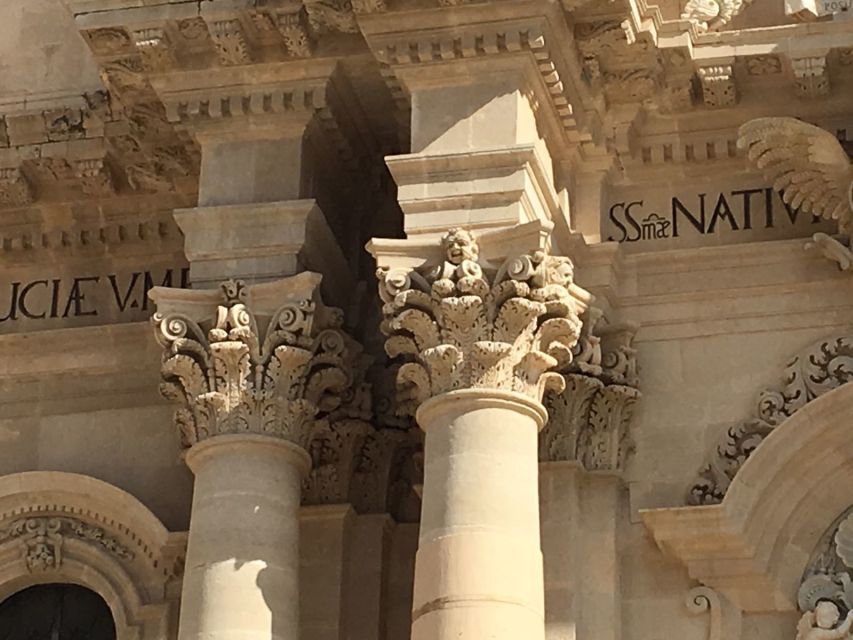
The day starts around the area of the Temple of Apollo, then you’ll stroll toward Ortigia’s big visual anchor: the white Cathedral of St. Mary of the Immaculate Conception. Even if you’re not a cathedral person, it’s a good stop because it shows you how religious architecture in Sicily connects to the island’s trading and layered history. The cathedral’s bright façade pops against the older textures of the neighborhood, and it’s the kind of place where you can pause, look up, and understand why Ortigia is often described as all about atmosphere.
Next comes one of the most charming legends in the whole itinerary: the Fountain of Arethusa. Arethusa is a freshwater spring tied to myth, and it gives you a breather from stone and sun. It’s also a great stop if you’re traveling with someone who likes stories as much as sights. In many tours, the guide connects the myths to what you’re seeing nearby, and that’s exactly the kind of context you get here.
Two hours in Ortigia is a sweet spot. You can take photos, step into a café if the moment calls for it, and still have time to keep walking. Some people want longer here—there’s a lot to see—but the structure is designed so you don’t miss Noto, which is the Baroque payoff.
Practical note: Expect stairs and uneven sidewalks. Ortigia is walkable, but it’s not designed for rolling suitcases and it’s not flat like a theme park.
Noto’s Baroque wow-factor: pale stone, stairways, and palaces
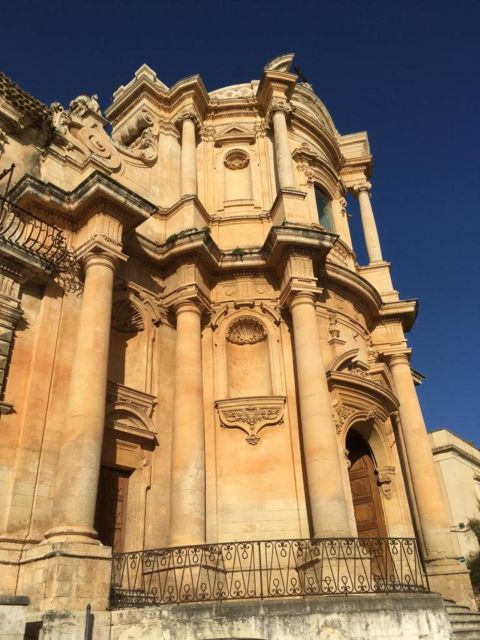
From Ortigia, the tour continues to Noto, a town known for Sicilian Baroque architecture so strong it can feel like theater. In this itinerary, you get about an hour of walking time in Noto. That might sound short on paper, but Noto is all about sightlines. The more you look up, the more details you catch—balconies, carved façades, and stairways that seem to pull your attention along the street.
Noto is often described as an open-air museum for a reason: it’s hard to “just pass through” when the buildings keep giving you angles. You’ll move through areas with palaces and churches, and the architectural style becomes your main storyline for the visit. If you love Baroque art, this is the part of the day that turns into a memory you’ll be talking about on the ride back.
The best way to enjoy Noto within the time limit is to pace yourself early. Don’t try to see everything. Pick a few streets and keep returning to them from different angles. If your group stops in one spot too long, you’ll feel the squeeze later. The tour’s timing is set to avoid that, but you’ll still do better if you treat Noto like a slow visual sweep, not a checklist.
Tip: Bring sun protection. Noto’s stone can look spectacular but it also bakes in direct light.
Brunch and wine: a real break, not just a snack stop
The food here is more than an afterthought. You get an included brunch served at a local café for about an hour, with water and red wine. Reviews and tour descriptions also point to an Etna wine element, which fits the broader idea of tasting Sicilian products while you’re in the middle of Sicilian culture.
What I like about this setup is that it respects how tiring sightseeing days can be. You’re not just handed bread and told to move on. You can actually sit, eat, and reset before the final leg to Noto or before the walk time that comes after.
There’s also flexibility depending on how the day runs for your departure. You may have the option for a lunch alternative with about an hour of free time to eat on your own in Ortigia’s alleys, instead of the brunch. If you’re the kind of person who wants to pick your own trattoria, that option can be a win.
My practical advice: If you’re short on confidence with Italian menus, take the included brunch. It’s planned for the group and avoids the stress of finding a place quickly while your day is already moving.
Timing and van rides: why the 8 to 8.5 hours feels manageable
This tour runs about 8 to 8.5 hours total. That’s an important detail, because Syracuse, Ortigia, and Noto could easily turn into a full-day suffer-fest if you’re trapped in long drives with tiny stop times.
Instead, the pacing is built around meaningful blocks:
- Van time to Syracuse (about an hour)
- Neapolis on your own (about 63 minutes)
- Drive segments with short buffers
- Ortigia walking (about 2 hours)
- A lunch/brunch reset (about an hour)
- Noto walking (about an hour)
- Return transfer back to your hotel area
The van is air-conditioned, and the route is set for comfort while still getting you to the scenic parts of each town. For some people, the sweet spot is small group size. The experience is offered as private or small groups, and feedback often highlights the mini-van feel (not the big-bus experience).
One more logistics truth: you’re not just “bused around.” The guide works as the thread connecting the places. On the road, they can set context for what you’re about to see, and on foot they can explain the why behind Baroque and the myths behind Syracuse.



Price and value from Catania: what you’re really paying for
At $112.15 per person, this isn’t a bargain tour, but it also isn’t overpriced for what you get on a single-day Sicily circuit. Here’s the value equation I see:
You’re paying for:
- Round-trip transportation from Catania (air-conditioned vehicle)
- Pickup and drop-off convenience close to hotels in Catania city center
- The guided experience across Ortigia and Noto
- Maps and booklets that support the Neapolis self-guided time
- Brunch plus water and red wine
- A prepared pacing plan that covers three major destinations
What’s not included:
- Neapolis entrance fee
- A live tour guide inside Neapolis (the driver won’t enter the site)
So the cost is less about “being chauffeured” and more about having a structured day with food and a guide for the parts where the explanation matters most. If you’re trying to do Syracuse + Ortigia + Noto independently, you’ll still spend time figuring out logistics, and you’d likely pay for separate transport and entrance planning. Here, the day is already stitched together.
If you want to maximize value: come with comfortable shoes, keep your phone charged for photos, and don’t overcommit to extra stops on the side. The tour timing is what makes the price feel fair.
Who should book this tour (and who might want something else)
This works best for you if:
- You want a high-impact Sicily day trip without renting a car
- You like a mix of ancient ruins (Syracuse) and architectural drama (Ortigia and Noto)
- You’re happy with a self-guided archaeological stop as long as you’ll read the paper booklet
It may be less ideal if:
- You strongly prefer a live guide inside every museum or archaeological site (Neapolis is self-guided)
- You want a long, unstructured stroll and shopping time in just one town
Also, if you’re starting from Taormina instead of Catania, there’s an extra 45€ per person cost listed for departures. That’s worth keeping in mind when comparing options.
Small-group feel and guide quality: the real difference
One of the most praised aspects of this kind of tour is how the guide handles the day. In feedback, names like Andrea, Giovanni, Marco, and Vincenzo come up for being organized and calm, and for connecting Sicily’s myths and history to the places you’re walking through. People also mention punctual pickups, helpful assistance getting in and out of the van, and a generally smooth, safe drive day.
That matters because Syracuse, Ortigia, and Noto are each their own world. A good guide keeps you from feeling like you’re just moving between postcards. Instead, you start understanding how Baroque wealth shows up in facades, how islands like Ortigia developed, and why Syracuse has such a myth-heavy reputation.
Tiny practical wish: If you’re in the back seat on any mini-van format, traffic noise can make it harder to hear every word. If your group gets a mic-free setup, you’ll still be fine, but it’s helpful to sit closer to the front if that matters to you.
Should you book? My decision checklist
Book this tour if you want:
- A single-day route that covers Syracuse + Ortigia + Noto in a way that stays energetic but not frantic
- Included brunch with wine and water, so food planning isn’t a second job
- A guided walk through the most important street-level parts of Ortigia and Noto
Skip or switch tours if:
- You need a live archaeological guide inside Neapolis specifically
- You’re looking for lots of free time to wander far from set stops
My bottom line: this is a strong value for a one-day overview of Sicily’s UNESCO ruins and Baroque masterpieces, with enough structure to keep the day smooth and enough walking time to make it feel real.
FAQ
Is the Neapolis entrance fee included?
No. The Neapolis entrance fee is not included, and you’ll need to account for it separately. The Neapolis visit inside the archaeological park uses a paper guide rather than a live guide.
Will there be a tour guide inside Neapolis?
No. The driver is not a tour guide and won’t enter Neapolis. You’ll be provided with a paper guide to use during your visit inside the site.
How long do we spend in Syracuse and Neapolis?
You’ll have about 63 minutes for the Neapolis self-guided visit in Syracuse.
How much walking time do you get in Ortigia and Noto?
Ortigia is about 2 hours of walking time. Noto is about 1 hour of walking time.
What does the included brunch include?
Brunch is included and includes water and red wine.
Is lunch always the included brunch?
There is an option in the tour format for brunch with typical Sicilian products and drinks, or about an hour of free time to have lunch in local restaurants in the city alleys. Your exact choice depends on how the day is run.
What’s included besides the tour itself?
Included items include pickup and drop-off in Catania city center near your hotel area, air-conditioned transport, a driver, brunch, wine, water, and maps and booklets.
Where are the pickup and drop-off locations?
Pickup and drop-off are in Catania city center at a meeting point close to your hotel. There are also drop-off and pickup options for Taormina, with an extra cost noted for Taormina departures.
If you tell me your travel dates and whether you’re starting in Catania or Taormina, I can help you decide if the timing fits your pace and which lunch option might suit you better.