REVIEW · CATANIA
Etna Tour in 4×4
Book on Viator →Operated by EtnaExcursion.it · Bookable on Viator
Etna in a 4×4 feels like sci-fi. I love the way this Jeep tour gets you to high volcanic viewpoints fast, and I especially love the lava-tube descent with helmets and lights that turns Mt. Etna into something you can feel, not just see.
The big catch is physical: you’ll do walking and some climbs, plus the cave floor can be slick. Bring closed trekking shoes and expect uneven footing, even if you’re not trying to be a mountain athlete.
In This Review
- Key highlights to know before you go
- Etna in 4×4: what that small-group format really changes
- Getting from Trecastagni to Etna: logistics that affect your comfort
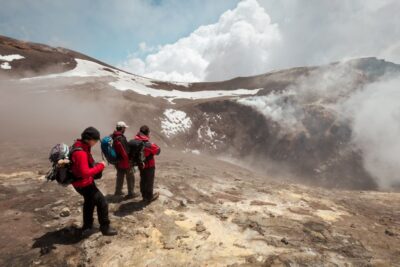
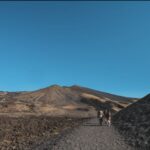
- Stop 1 on Mt. Etna: lava flows, Valle del Bove viewpoint setup, and side craters
- Valle del Bove: the amphitheater moment and why it’s more than a viewpoint
- Grotta dei Tre Livelli (or a similar lava tube): helmets, lights, and the real feeling of a volcano
- The MontataGrande farm tasting: why the food stop feels like the right ending
- Price and value: what you’re paying for and what to budget for
- What the guide style does for your day (and why it matters)
- Who should book this Etna 4×4 tour—and who should think twice
- Before you go: shoes, water, timing, and weather-proofing your expectations
- Should you book the Etna Tour in 4×4?
- FAQ
- What is the duration of the Etna 4×4 tour?
- Where is the meeting point, and when does the tour start?
- Do I need to wear specific shoes?
- Is the tour guided, and what languages are offered?
- What is included in the price?
- Is pickup from Catania included?
Key highlights to know before you go
- Small group (max 16), so you actually get time at each stop instead of rushing through.
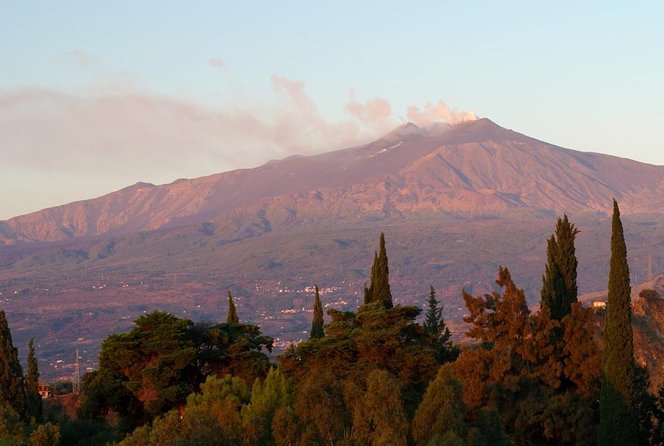
- 4×4 access to Etna for crater viewpoints and lava terrain around the south/east side.
- Helmets and lights for a lava-tube visit (Grotta dei Tre Livelli or a similar cave).
- Valle del Bove amphitheater views and the option of a replacement stop depending on the route and conditions.
- Farm tasting at MontataGrande with Etna and Sicilian products like wine, liqueurs, oil, honey, pesto, and pistachio.
- Weather-flexible itinerary with guide-led changes if visibility or conditions aren’t right.
Etna in 4×4: what that small-group format really changes
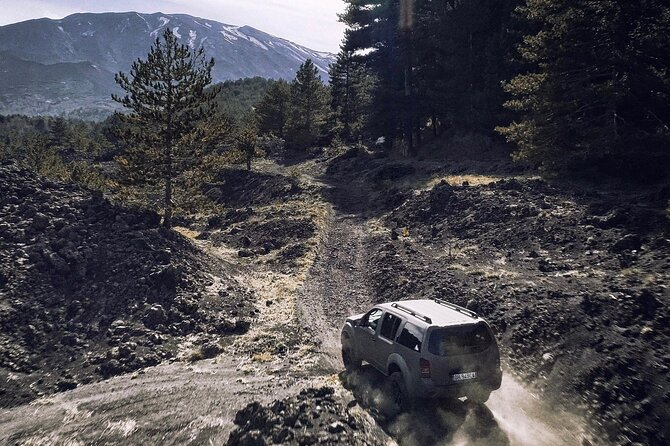
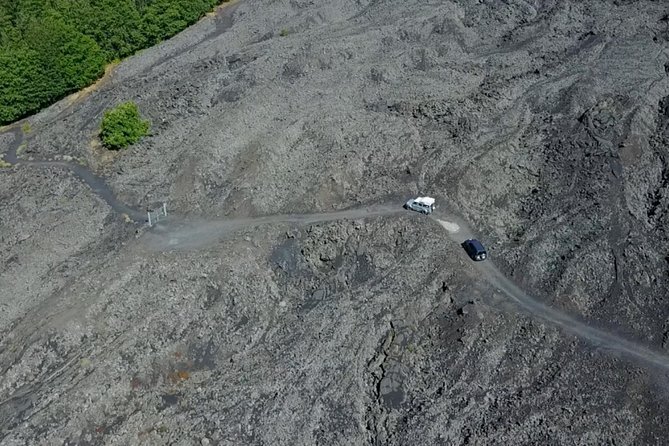
This is a half-day tour built around one simple idea: cover real Etna terrain without spending your whole day stuck in slow transport. You start from MontataGrande – AgricolTour & Gusteria dell’Etna in Trecastagni (meeting point at Via Dottore Giuseppe Zappala, 45), and from there you get the 4×4 vehicle transfer up toward Mt. Etna. The tour is about 5 hours total and capped at 16 people, which matters more than you’d think.
On big bus tours, you often get one quick stop, a photo, and then back on the road. Here, the pacing feels more like a guided drive plus a series of short, meaningful walks. You still need to move—this isn’t a sit-and-watch excursion—but you do get time at each volcanic stop to understand what you’re looking at.
Also, the group cap helps your guide manage the cave moment. You’re not just standing there; you’ll gear up (helmet and lights) and go down into a lava-tube environment where footing and breathing feel different. In a larger crowd, that can turn into a bottleneck. In a smaller group, it feels more controlled.
You can also read our reviews of more tours and experiences in Catania.
Getting from Trecastagni to Etna: logistics that affect your comfort
The meeting point is in Trecastagni, not in central Catania. If you’re staying in Catania, you have options:
- The tour offers pickup-style options via an extra shuttle service from places like Catania (and also Acireale/Giarre and Giardini Naxos), paid to the driver.
- If you’re already near Trecastagni, it’s easier: there’s free parking at the meeting point, and then you start the day from there.
Two practical notes I think are worth planning around:
- You start at 9:00 am and return to the meeting point, so you’ll want to treat this as your main morning/early afternoon activity.
- The tour depends on good weather. If visibility or conditions are poor, you may be offered a different date or an alternative plan rather than forcing the original route.
If you’re trying to minimize driving stress, check where you’re staying and compare the shuttle cost to the hassle of renting a car for the day. With this tour, the “real” transportation decision is whether you want to handle the drive to Trecastagni yourself.
Stop 1 on Mt. Etna: lava flows, Valle del Bove viewpoint setup, and side craters
Your first big segment is the heart of the Etna experience. You’ll tour multiple Etna attractions in one go—at least four—mixing volcanic geology with real terrain walking. Expect the route to include:
- Ancient and recent lava flows
- Valle del Bove area viewpoints and the amphitheater approach
- A volcanic cave segment with lights and helmets
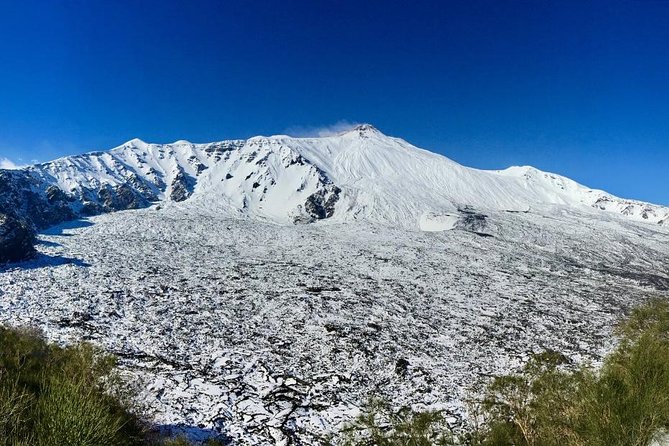
- A walk on side craters around 2,000 meters (roughly 6,500 feet)
This is where a guide really helps. Etna can look like “just rock and dust” until someone puts names and timelines to it. With a good guide (many people specifically mention excellent experiences with guides such as Luca and Carmelo), you’ll start recognizing patterns: where flow once traveled, what “newer” lava tends to look like compared to older material, and why Etna’s eruptions carve the terrain the way they do.
One more thing I like here is the altitude payoff. Once you’re up around that 2,000-meter zone, the views over the countryside and sea start to click into place. It’s not only dramatic—it’s practical. You can see how the volcano sits above the rest of eastern Sicily, and that makes the later stops easier to understand.
Possible drawback at this stage: you’ll be walking on uneven ground and doing some climbs. Reviews also flag that it can be a bit challenging if you have knee issues or you’re not used to trekking. The good news is that guides tend to pace the group and keep things safe, but you should still come prepared.
Valle del Bove: the amphitheater moment and why it’s more than a viewpoint
At one point you’ll stop at Valle del Bove, described as a natural amphitheater created by the collapse of ancient eruptive centers of Etna. In plain terms: it’s a huge bowl-shaped volcanic feature, and standing near it helps you understand Etna as a system that builds up and then re-shapes itself.
This stop is also important because it breaks up the driving-and-walking pattern. Even if it’s only around 30 minutes, it gives you time to look across a large feature and connect it to what you saw below—lava flows, crater terrain, and cave formation.
There’s also a useful detail in the routing logic: Valle del Bove may not be carried out depending on where you’re starting, and an alternative can be the ski area of Piano Provenzana, damaged during the 2002 eruption. So don’t treat the wording on the schedule like a guaranteed single-photo location. Treat it like a chance to see the most fitting Etna feature available based on the route and conditions.
In practice, that flexibility is a good sign. Volcano days don’t behave like city days. When visibility changes or roads need adjustment, you’d rather have a plan that adapts than a rigid itinerary.
Grotta dei Tre Livelli (or a similar lava tube): helmets, lights, and the real feeling of a volcano
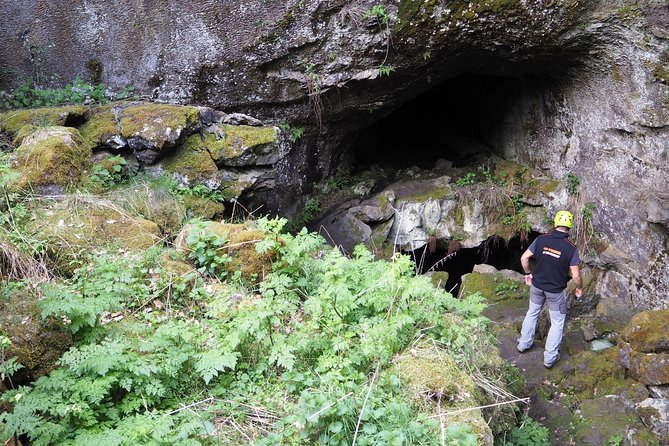
The cave visit is the stop that makes this tour feel different from the standard “craters and viewpoints” Etna day. You’ll either visit Grotta dei Tre Livelli or a similar lava tube cave, with a helmet and lights provided. You descend into the lava-tube meanders, which helps you grasp how these underground passages form.
Two practical reasons this stop is worth it:
- It changes scale. A volcano isn’t just above ground. Caves and lava tubes are like geological wiring, shaped by how molten rock moved and then hardened.
- It turns learning into experience. Instead of only hearing geology explanations, you’re physically in the environment those explanations describe.
Now, the caution. A lava tube floor can be slippery and uneven. One review explicitly notes that the tunnel can be slippery underfoot and probably not for the claustrophobic. I’d treat that as a real heads-up, not a dramatic exaggeration.
So how do you make this stop work for you?
- Wear closed trekking shoes with decent grip.
- Keep your expectations realistic: this is a guided descent into a rock environment, not a gentle museum walk.
- Bring a light layer if you run cold; caves can feel cooler than the air outside.
If you want a single “this is why I booked” memory from the day, this cave is usually it.
The MontataGrande farm tasting: why the food stop feels like the right ending
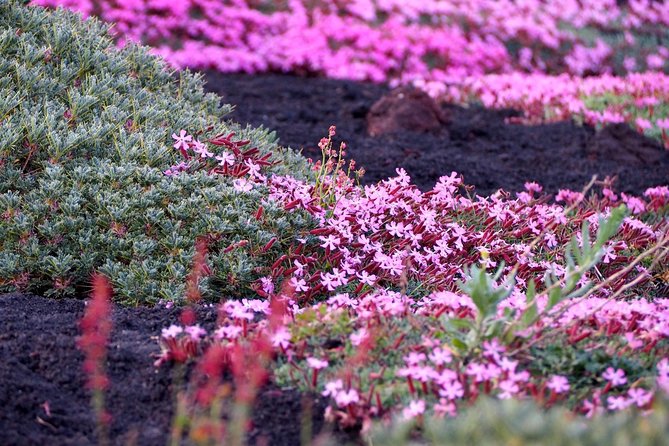
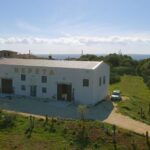
The final stop is MontataGrande – AgricolTour & Gusteria dell’Etna, where you get a tasting of typical Etna products. This stage is included and runs about 30 minutes. And yes, it’s genuinely part of the experience, not an afterthought.
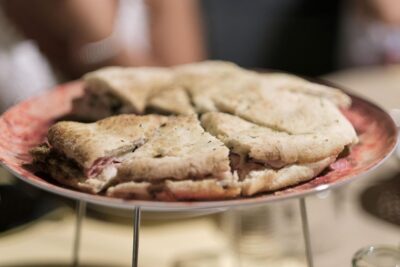
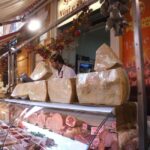
Here’s what the tasting can include: Etna and Sicilian specialties like wine, liqueurs, oil, honey from Zafferana, sweet creams, salty pesto, and pistachio from Bronte. In reviews, people also describe the tasting as a long list of sweet and savory preserves plus local wine, with the end of the day feeling warm and welcoming.
What I like about this ending is how it ties the volcano to the region’s actual life. Etna isn’t only eruptions and rock. It also supports agriculture and distinct food traditions shaped by the island. When you leave the cave, it’s a nice pivot to taste the place—especially because your guide can often connect the volcanic environment to farming around Etna.
One extra tip from the same vibe: the meeting point is also the farm property, and some people add on a lunch after the tour. That part isn’t listed as included, but the fact that meals are available at the site makes the tasting a good setup for lingering.
Price and value: what you’re paying for and what to budget for
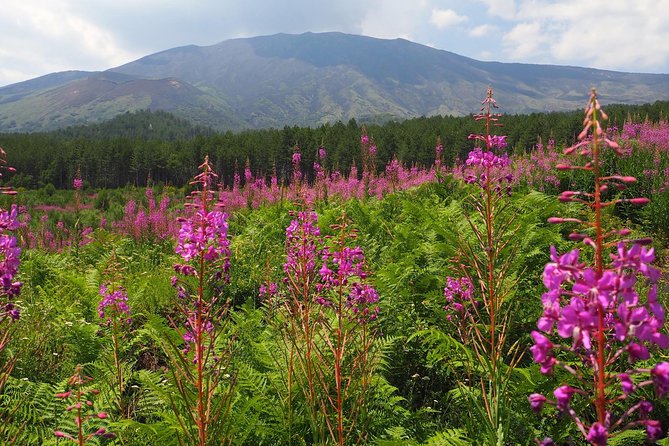
The tour price is $90.58 per person, and that’s not just for “being driven around.” You’re paying for several real components:
- Use of an air-conditioned vehicle and 4×4 transfer from the meeting point
- A guide/driver in the requested language (English is offered, with Italian/English speaking staff)
- Entry is free for key stops listed as free admission (including the main Etna segment and the cave stop as shown)
- The tasting is included
What’s not included:
- Shoe rental (closed/trekking shoes are compulsory)
- Lunch and anything not listed
- Possible extra shuttle cost if you need pickup from Catania or other areas
So where does the value land? For me, it’s in the combination. You get the high-altitude volcano experience plus the lava tube moment plus the farm tasting, all within about half a day. Many Etna options separate these into different tours or miss the hands-on geological cave stop. Here, it’s bundled.
If you’re already in eastern Sicily and can reach Trecastagni easily, this is a straightforward buy. If you’re based farther away (Catania, Taormina region), the shuttle adds cost, so it’s worth doing quick math based on how many people are in your group.
What the guide style does for your day (and why it matters)
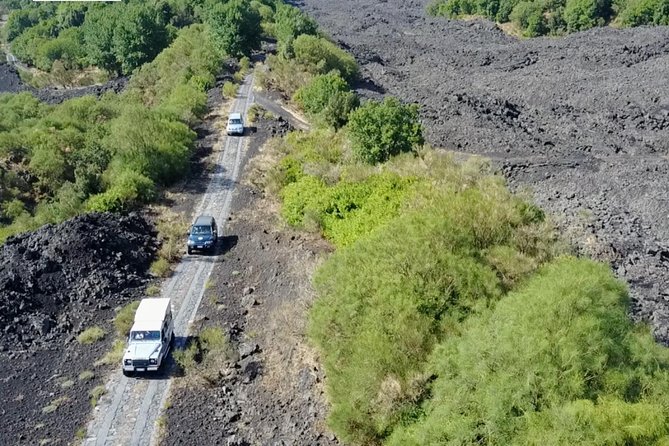
This is one of those tours where the guide makes the learning stick. Reviews repeatedly call out guides like Luca, Carmelo, Alessio, Francisco, and Seba as friendly, patient, and great at explaining in English (and sometimes switching how they describe things to match the group).
If you’re hoping to leave with more than just photos, that matters. Good guides tend to:
- Point out features you’d otherwise overlook on lava rock
- Explain what you’re seeing in between stops (not only at the stop itself)
- Adjust the day if conditions change
There’s also a practical safety aspect. People mention feeling well cared for and safe, especially during the cave portion and walking segments. You should still judge your own limits, but it’s a comfort point if you’re not sure how intense the day will be.
Who should book this Etna 4×4 tour—and who should think twice
This tour is a strong fit if you want:
- A half-day Etna experience that still hits multiple key volcanic moments
- A 4×4 ride and crater walking without spending the whole day organizing your own route
- The lava tube stop with helmets and lights
- A real ending at a farm tasting with local products
It may be less ideal if:
- You struggle with walking climbs or have knee issues. One review notes concerns about bad knees and says it turned out within ability for them, but you should still plan carefully.
- You’re uncomfortable with tight, dark spaces. The cave visit is the main consideration here.
If you’re traveling with kids, there are mentions of families doing the tour, including children as young as 3 and 9. Still, this remains an active day with walking and cave time, so it’s worth considering whether your child can handle helmet-and-cave moments and uneven terrain.
Before you go: shoes, water, timing, and weather-proofing your expectations
Don’t show up with sandals. The tour requires closed tennis or trekking shoes. If you don’t own proper footwear, the provider says shoe rental is available. You’ll also want:
- Water (a must on a volcano day)
- Something warm for the cave portion or cooler mountain air
- Layers, because weather can change fast around Etna
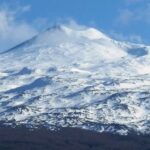
Bring a plan for weather. The tour requires good weather, and the provider may offer a different date or a refund if canceled due to poor conditions. One snow-related experience shows that guides may adjust the day rather than cancel, so your best approach is flexibility.
Finally, pack for photos, but prioritize footing first. Lava rock terrain can look stable and then shift under your shoe.
Should you book the Etna Tour in 4×4?
I think this is a great booking if you want a focused Etna day with real variety: crater area stops, Valle del Bove views, and the lava tube experience, then a farm tasting that tastes like eastern Sicily. The small group size (max 16) and the guide-led explanations make the geology feel real instead of abstract.
If your main goal is a totally relaxed, low-movement outing, this won’t be that. You’ll walk, climb, and spend time on cave flooring that can be slippery. But if you can handle a moderate hike pace with the right shoes and attitude, it’s one of the better ways to experience Mt. Etna without turning the day into a stressful logistics project.
FAQ
What is the duration of the Etna 4×4 tour?
The tour lasts about 5 hours.
Where is the meeting point, and when does the tour start?
The meeting point is MontataGrande – AgricolTour & Gusteria dell’Etna, Via Dottore Giuseppe Zappala, 45, 95039 Trecastagni CT, Italy. The start time is 9:00 am, and the tour ends back at the meeting point.
Do I need to wear specific shoes?
Yes. Closed tennis or trekking shoes are compulsory. Sandals are not allowed. Shoe rental is available.
Is the tour guided, and what languages are offered?
There is an Italian/English speaking driver, and the tour leader supports the language requested for the stages. English is offered.
What is included in the price?
The price includes an air-conditioned vehicle, a tasting of typical Etna products on the farm, free parking and 4×4 transfer to Etna from the meeting point, and Italian/English speaking staff for the requested language.
Is pickup from Catania included?
Pickup via shuttle is an extra service for a fee, and the shuttle cost depends on where you board and group size. Parking at the meeting point is free.