REVIEW · CATANIA
Cooking lesson in Catania with lunch or dinner
Book on Viator →Operated by Futuro e Lavoro · Bookable on Viator
Catania smells like roasted eggplant, and you help make it. This is a hands-on cooking lesson in the city where you cook Sicilian classics with a chef, then sit down for lunch or dinner with wine. It’s short, focused, and very practical—exactly the kind of food experience that pays off after you go home.
I really like that you don’t just watch. You work at real station-style equipment and make dishes like caponata and fresh pasta alla Norma from start to finish. The final reward is a proper Sicilian dessert: cannoli you filled yourself.
One possible drawback: the kitchen setup isn’t meant to feel like a themed restaurant. Expect a professional lab vibe—more workbench than décor—plus you may want to dress for warm conditions since this is Catania.
In This Review
- Key things to know before you cook in Catania
- Why this Catania cooking class feels different than a demo
- The menu: what you’ll cook (and why it matters)
- Start with bruschetta: the quick lesson that sets the tone
- Caponata: the sweet-and-sour trick you’ll actually use at home
- Fresh pasta alla Norma rolls: technique plus the Sicily-specific finish
- Eggplant Parmigiana and other swaps: flexible menus, same core idea
- Cannoli: not just dessert, but the hands-on part
- Lunch or dinner with wine: the meal becomes part of the lesson
- Recipe booklet and take-home value
- Price and logistics: is $119.77 good value?
- Location near Via Cervignano: easy to reach, but plan a short walk
- Common complaints, answered in plain terms
- Who should book this Catania class?
- Should you book?
- FAQ
- What dishes will I cook during the class?
- How long is the cooking lesson in Catania?
- Is the class offered in English?
- Is lunch or dinner included?
- Is wine included?
- Where do we meet in Catania?
- How many people are in the group?
Key things to know before you cook in Catania
- Small group size (max 14) keeps the lesson interactive
- English offered so you can follow step-by-step and ask questions
- Hands-on Sicilian menu includes caponata, pasta alla Norma, and cannoli
- Wine with lunch/dinner is part of the experience, not a separate add-on
- Recipe booklet provided so you can repeat the dishes later
- Kitchen focus over ambience means you’re here to cook, not pose
Why this Catania cooking class feels different than a demo
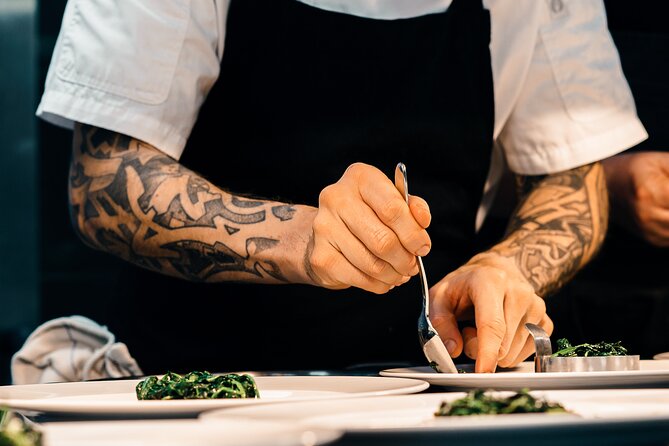
There are plenty of food tours where you stand and watch, then eat. This one flips that. You’re the one chopping, rolling, mixing, and filling—like you’d be in a real restaurant kitchen.
The other thing I like is the pacing. The whole experience is about three hours, which is just long enough to learn, get into a rhythm, and still enjoy the meal you made without dragging it out. And because it’s offered in English and capped at 14 people, you’re not competing for attention.
If you’re hoping for a stylish “experience space,” adjust your expectations. One review mentioned a basic/industrial feel, and that matches the general idea here: it’s a working kitchen laboratory. You’re paying for technique, not lighting.
You can also read our reviews of more cooking classes in Catania

The menu: what you’ll cook (and why it matters)
The menu is built around a very Sicilian lineup: eggplant-forward comfort food, pasta with attitude, and a classic sweet finish.
From the sample menu you might cook:
- Bruschetta with basil pesto and cherry tomatoes
- Sweet and sour caponata
- Fresh pasta alla Norma (the iconic eggplant-and-tomato pairing)
- Sicilian cannoli
Depending on the menu run, you may also see alternatives like:
- Eggplant Parmigiana
- Pasta with cherry tomatoes, ricotta, and basil
- Cannoli (usually the constant closer)
Why this matters: you’re not just learning a recipe. You’re learning the flavor logic behind Sicilian cooking—sweet-and-sour balance in caponata, the way eggplant becomes silky rather than soggy, and how a pasta dish gets its personality from the right finishing touch. In one chef explanation, ricotta salata was called out as the signature element for pasta alla Norma, and that’s the kind of detail that helps you reproduce the dish later.
Also, meat isn’t a centerpiece here. If you expect a meat-heavy menu, you might feel underfed—some reviews pointed that out. The upside is that the dishes are deeply Sicilian even when they’re not centered on meat, and the focus is very much on the core flavors of the island.
Start with bruschetta: the quick lesson that sets the tone
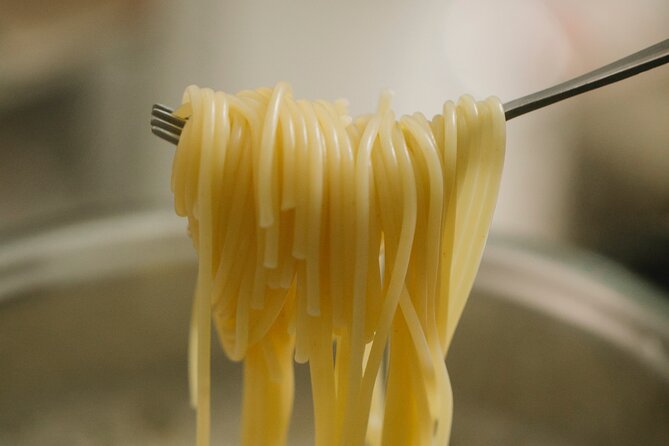
Even before the bigger dishes, the class typically begins with bruschetta—simple on paper, but useful for learning how Sicilian ingredients work together.
You’ll handle things like:
- chopping tomatoes and basil
- working with a pesto-style flavor base
- assembling bruschetta as a starter
This part is good value because it’s low risk and teaches you timing. You can’t make bruschetta “later,” so you learn to move with the kitchen flow. It’s also a nice warm-up if you’re not a confident cook. Most instructions are hands-on and step-by-step.
And if you’re sensitive to garlic or tomato acidity, this starter is where you’ll feel it first—so pay attention and adjust seasoning thoughtfully.
Caponata: the sweet-and-sour trick you’ll actually use at home
Caponata is one of those dishes people either love or think they don’t get. In this class, it’s taught as a technique, not a mystery.
What you’ll likely make:
- sweet and sour caponata
- balancing flavors while you bring the eggplant and sauce together
Caponata works because the sweetness doesn’t hide the acidity; it sharpens it. You also learn why eggplant matters. Cook it the right way and it turns tender and glossy, not watery. Get the balance wrong and it can taste flat.
In the reviews, caponata repeatedly shows up as a highlight—people called out that the version they made was the best they’d ever had. That’s a sign this isn’t an “intro only” class; you’re guided through the steps that change the final outcome.
Also, note the practical side: caponata has more steps than you might expect from its reputation. It’s still doable in a short class, but it benefits from staying focused during the chef’s instructions.
Fresh pasta alla Norma rolls: technique plus the Sicily-specific finish
This is where the class turns from delicious to genuinely educational.
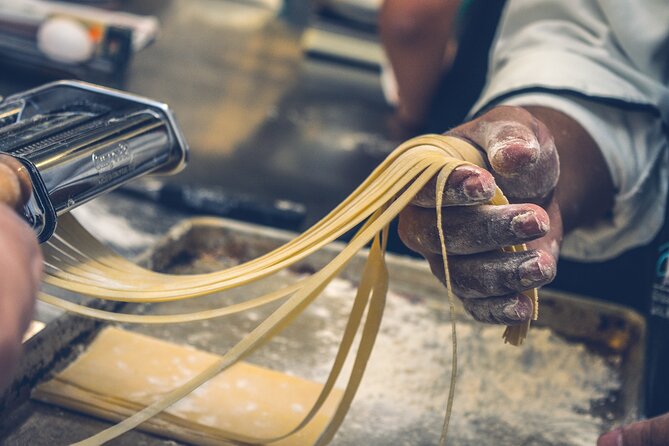
You’ll work on fresh pasta alla Norma, and you may even make it in a rolled format. That matters because rolling teaches you handling and thickness control. Too thick and it feels heavy. Too thin and it can be fragile.
One key detail is the finishing ingredient. Pasta alla Norma is known worldwide for its cheese element—ricotta salata grated on top. In one response from the operator, they even mentioned a swap to parmesan if ricotta salata wasn’t to your taste. If you’re picky about cheese flavors, tell them early so they can help you enjoy the dish.
You’ll also learn the pasta-to-sauce relationship. The goal is to keep the pasta flavorful and the sauce balanced, not drowned or dry.
If you love eating pasta more than cooking it, this is a great choice. You leave with a method you can repeat, not just a meal memory.
You can also read our reviews of more tours and experiences in Catania

Eggplant Parmigiana and other swaps: flexible menus, same core idea
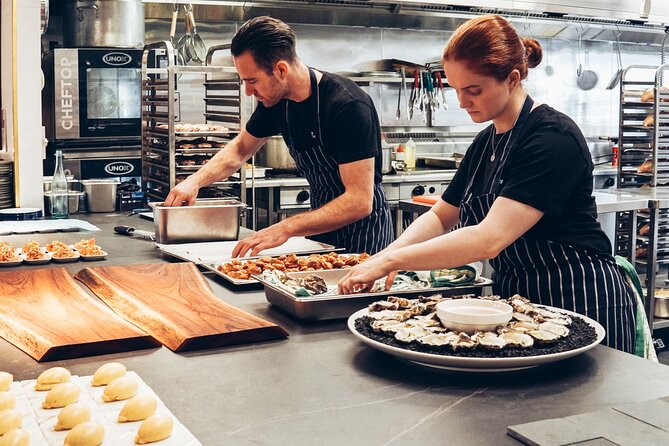
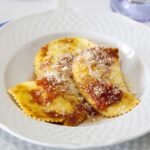
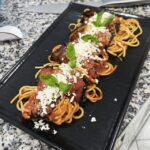
Depending on the session, you may cook eggplant Parmigiana or pasta with cherry tomatoes, ricotta, and basil instead of the Norma roll version.
Here’s the value in that flexibility: you get still-get-the-point Sicilian cooking. The eggplant theme stays. The herb-and-cheese logic stays. You’re still learning how Sicilian flavors build depth in a short time frame.
One review also said they would have preferred fewer eggplant dishes. That’s a fair consideration. If eggplant isn’t your favorite ingredient, this may not feel balanced. Still, there’s enough variety in the eggplant preparations (caponata vs parmigiana vs Norma-style sauce) that you might end up liking the range.
Cannoli: not just dessert, but the hands-on part
Cannoli can sound intimidating because it’s a famous dessert. Here, you get a real step-by-step approach, and you end up doing the key work yourself—especially the filling.
A few things you’re likely to do:
- prepare the cannoli components
- fill the cannoli after mixing
In multiple reviews, cannoli got called out as the best part, including comments like the filling and the overall result being excellent. That’s what you want from a cooking class: you leave thinking, I can reproduce that.
One practical tip: cannoli taste best when filled close to eating. Since you’re filling in class, you’ll get the freshness advantage without needing to time it later.
Lunch or dinner with wine: the meal becomes part of the lesson
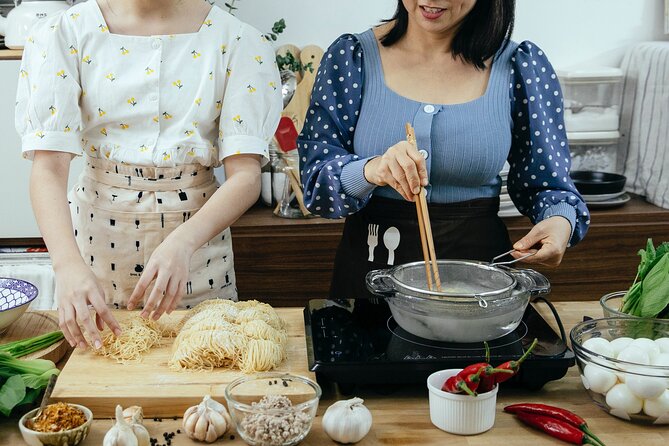
You don’t cook and then disappear. You sit down and eat what you made. The class includes a bottle of Sicilian wine with the meal, and the tone in the reviews suggests it’s meant to be part of the experience, not an afterthought.
One negative review said wine wasn’t offered upfront there. The operator’s response explained that in heat, they may wait to start drinking right away and instead bring wine for the meal. So plan for this: you’ll have wine with lunch/dinner, but if you want it earlier, speak up politely.
Also, if you’re driving or sensitive to alcohol, remember that you’ll likely be offered wine during the meal window. You can sip lightly and pace yourself—this is a short class, and you’ll want energy for the cooking.
Some sessions may also come with coffee or lemoncello mentioned in reviews, but the firm promise in your included details is the wine with the meal.
Recipe booklet and take-home value
A strong plus here: you get recipes. One review mentioned you receive a booklet with recipes, and the operator’s response said it includes a chef contact for post-cooking questions.
That matters because so many classes fail at the “repeat at home” stage. If the chef’s instructions are clear and you get written recipes, you can actually use what you learned.
Also, in the operator’s response, there was mention that after the lesson, you take the prepared dishes to your hotel or lodging. Even if you don’t rely on that as a main plan, it highlights the intention: you’re leaving with more than a memory.
Price and logistics: is $119.77 good value?
Let’s talk straight about value. At $119.77 per person for about three hours, you’re paying for:
- a small group format (max 14)
- instruction in English
- professional kitchen equipment
- multiple dishes (starter, mains, dessert)
- a shared sit-down meal
- wine included
That’s not cheap, but it can be good value when you measure it against what you’d pay to eat well in Catania plus the cost of instruction plus the cost of ingredients. The class also isn’t a “one dish only” workshop. You’re learning several recipes and eating the result immediately.
The best way to judge it: decide what you want. If you want ambiance and a show, you might feel annoyed by the more basic kitchen surroundings some people described. If you want cooking skills and a Sicilian-focused menu, this price starts to look reasonable quickly.
Location near Via Cervignano: easy to reach, but plan a short walk
The meeting point is Via Cervignano, 42, 95129 Catania and it finishes back at the meeting point. The info says it’s near public transportation, a few steps from the subway with stops GALATEA and ITALIA.
This is helpful if you’re staying central and want a straightforward meet-up point rather than a complex bus transfer. Still, since it’s a residential area walk to the kitchen, I’d give yourself extra minutes the first time you go.
Bring the mobile ticket, since it’s listed as a mobile ticket experience.
Common complaints, answered in plain terms
Some reviews were glowing. A few were not. Here’s what to watch for so you don’t end up disappointed.
- Ambience is basic: One critique described a minimal, industrial kitchen. The operator’s response leaned on hygiene and professional lab standards. In other words, you should treat it as a working kitchen.
- Temperature and air conditioning: One review said the A/C didn’t feel strong. In extreme heat, kitchens can struggle. Dress for warm weather and don’t expect a cold movie-theater environment.
- Wine timing: If you want wine immediately, ask. The operator explained they may wait in very hot conditions.
- Menu is not meat-focused: Some people expected meat and felt it was missing. Your menu choices are primarily eggplant and pasta with cannoli dessert, and that’s part of the Sicilian flavor focus.
- Tea isn’t available: One review specifically said tea wasn’t offered. Plan on coffee or other drinks only if mentioned.
The good news: the positive reviews repeatedly mention professional chefs who teach step-by-step, with English support, and an intimate group vibe.
Who should book this Catania class?
This experience is for you if you:
- want hands-on instruction rather than a tasting-only tour
- like Sicilian classics like caponata and pasta alla Norma
- want a group that stays small enough to ask questions
- enjoy cooking you can repeat at home using the recipe booklet
It might not be the best fit if you:
- want a high-design setting with lots of ambience
- need a meat-centered menu
- dislike eggplant in general (the menu is eggplant-heavy)
On the plus side, reviews mention the team has handled requests like vegan cooking and gluten intolerance in at least some cases. If you have a dietary need, mention it when booking so they can tell you what’s possible.
Should you book?
Yes, if your goal is a practical, chef-led Sicilian cooking lesson in Catania. For the money, you’re getting real instruction, multiple dishes, wine with your meal, and written recipes to take home.
Book it if you’re the type of traveler who thinks, I’d rather learn how it’s made than only see it. Skip it if you’re coming for atmosphere or you expect a meat-heavy menu.
If you want, tell me your travel dates and whether you prefer lunch or dinner, and I can suggest what kind of menu run you’re likely to be happiest with based on your food tastes.
FAQ
What dishes will I cook during the class?
The class typically includes Sicilian staples such as bruschetta, sweet and sour caponata, fresh pasta alla Norma, and cannoli. Depending on the menu for your session, you might also see options like eggplant Parmigiana and pasta with cherry tomatoes, ricotta, and basil.
How long is the cooking lesson in Catania?
It’s listed as about 3 hours.
Is the class offered in English?
Yes, the experience is offered in English.
Is lunch or dinner included?
Yes. The experience includes lunch or dinner, and the meal is made from the dishes you prepare during the class.
Is wine included?
Yes. The included meal includes a bottle of Sicilian wine.
Where do we meet in Catania?
Meet at Via Cervignano, 42, 95129 Catania CT, Italy. It’s also described as being a few steps from the subway stops GALATEA and ITALIA.
How many people are in the group?
The class has a maximum of 14 travelers.