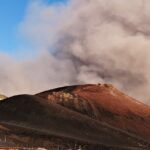
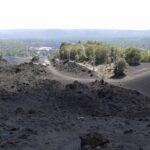
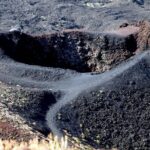
Etna is close enough to feel. This small-group high-altitude trek on Sicily’s Etna takes you from the lower crater areas up toward 2,500 meters, with cable-car viewpoints over the Gulf of Catania and the volcano’s south side. What I like most is the way the hike turns dramatic terrain into understandable volcanic process—plus the guide’s tone, the kind you hear from experts like Claudio and Arturo, friendly and focused.
I also really like the pacing: you get a mix of walking and longer viewpoint time at key spots, so you’re not racing the whole day. The main consideration is cost and conditions: the tour price does not include the cable car ticket, and the experience requires good weather, so plan for possible changes.
In This Review
- Key things to know before you go
- Etna on the South Side: Why This Small-Group Format Works
- Meeting at La Terrazza Dell’Etna and How the Day Runs
- Stop 1: Craters Silvestri and the Walk to the Cable Car
- Stop 2: Funivia dell’Etna to 2,500 Meters for Gulf Views
- Stop 3: Crateri Barbagallo—Summit-Crater Views and Lava-Flow Explanations
- Stop 4: Lava Flow Tunnel on Mount Etna
- Stop 5: Valle del Bove—Learning the Volcano’s Evolution by View
- Stop 6: Cable Car Return and Getting Back to Nicolosi
- Price and Value: What You Pay $59.15 For (and What You Don’t)
- Fitness, Age, and Who This Tour Fits Best
- Weather Matters More Than You Think
- Should You Book This Etna Trek?
- FAQ
- How long is the Etna trekking tour?
- What language is the tour offered in?
- Is the cable car included in the price?
- What’s included with the tour?
- How big is the group?
- What minimum age and fitness level are required?
- Where does the tour start and end?
Key things to know before you go
- Up to 15 people: small enough to hear the guide without tuning out.
- Helmets and insurance are included for the hike portions.
- Cable car at about 2,500 m: big views, but tickets are not included.
- Craters, tunnels, and Valle del Bove: you’re covering multiple “faces” of Etna.
- Moderate fitness, min age 10: doable for many, but it is still a real altitude day.
Etna on the South Side: Why This Small-Group Format Works
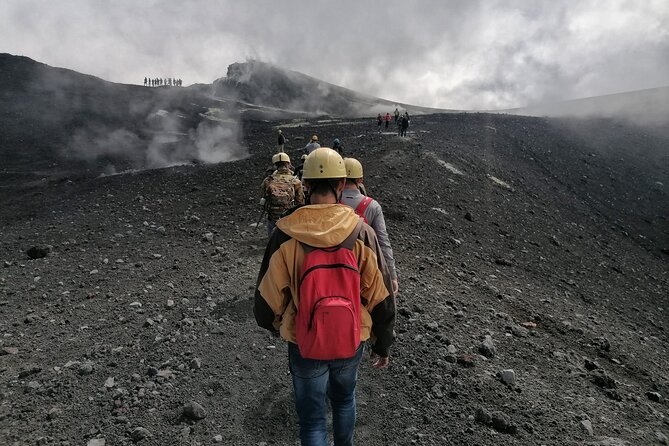
Etna can feel like a choose-your-own-adventure kind of volcano. This trek makes it simpler. You’re moving with a volcanological guide, so the day is less about just seeing craters and more about understanding what you’re looking at while you’re there.
The small-group cap (maximum 15) matters more than you might think. At Etna’s viewpoints, the guide needs a little space to explain. With a big group, those explanations get swallowed by people shuffling for photos. Here, you get a better chance to actually track what the guide is pointing at—especially around the summit areas and lava-related features.
If you want an Etna experience that feels active but not exhausting, this is a smart match. The day includes guided walking plus multiple stops with time to look and learn.
You can also read our reviews of more hiking tours in Sicily
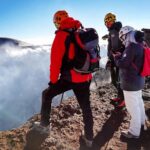
Meeting at La Terrazza Dell’Etna and How the Day Runs
You start at La Terrazza Dell’Etna Etna Sud, Piazza Vittorio Emanuele, in Nicolosi (95030). That’s also where the tour ends, so you’re not left figuring out a new drop-off point at the end of the hike.
The tour runs during the service window listed for the experience: from 10:00 AM to 3:30 PM, available between 04/06/2026 and 10/10/2026. The total time is roughly 5 to 6 hours. This matters because Etna tours can sprawl. Having a tighter timeframe helps you plan the rest of your day in eastern Sicily—especially if you’re combining Etna with Catania or coastal stops.
Also, the tour uses a mobile ticket, so make sure your booking details are accessible on your phone.
Stop 1: Craters Silvestri and the Walk to the Cable Car
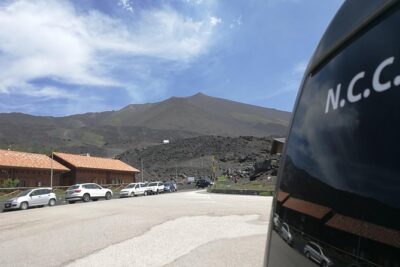
You begin near the Craters Silvestri of Mount Etna, then you head on foot as a group toward the cable car departure. This first segment is short—about 15 minutes—but it sets your “altitude mindset.” You’re already in crater country, and you’re not waiting until later to start noticing volcanic shapes.
The stop also includes admission for this part (it notes the ticket is free here). That’s a small detail, but it helps the flow of the morning because you’re not constantly switching between paying and not paying.
What I like about this opening is that it doesn’t pretend you can learn everything in one crater photo. You begin with movement, then you transition into the larger altitude shift by cable car. It’s a clean ramp-up.
Stop 2: Funivia dell’Etna to 2,500 Meters for Gulf Views
Then comes the climb by cable car. You go up to about 2,500 meters, with a chance to admire the Gulf of Catania and the broader southern side of Etna.
Two points to keep in mind:
- Cable car admission is not included in the tour price. So, you should budget extra for those rides since the ticket is required both going up and returning.
- The cable car is a big part of why this experience feels “high altitude” without forcing a full hike to the top.
This is also where you’ll see why Etna isn’t just one peak. At elevation, the terrain reads like layers and directions—different volumes of rock and volcanic activity. That context makes later crater and lava features easier to understand, because the view has already “taught” you the layout.
Stop 3: Crateri Barbagallo—Summit-Crater Views and Lava-Flow Explanations
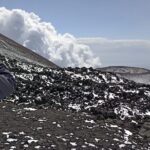
This is one of the longest stops: about 2 hours at Crateri Barbagallo, a panoramic point where the guide explains volcanic activity and recent lava flows you can look for from the viewpoint.
This stop is included with admission, so you’re not juggling ticket payments mid-day.
Why this stop works well is simple: time to look. Crater fields and fresh lava can be hard to interpret if you’re rushing. With a longer window, you can slow down and let the guide connect details—what you’re seeing now, what it suggests about how Etna is behaving, and how flows shape the ground over time.
This is where you’ll feel that praised element from the day: competent guides who keep the experience engaging, not just scientific on paper. Names like Claudio and Arturo come up for a reason—people remember how the explanation landed when the viewpoint opened.

Stop 4: Lava Flow Tunnel on Mount Etna
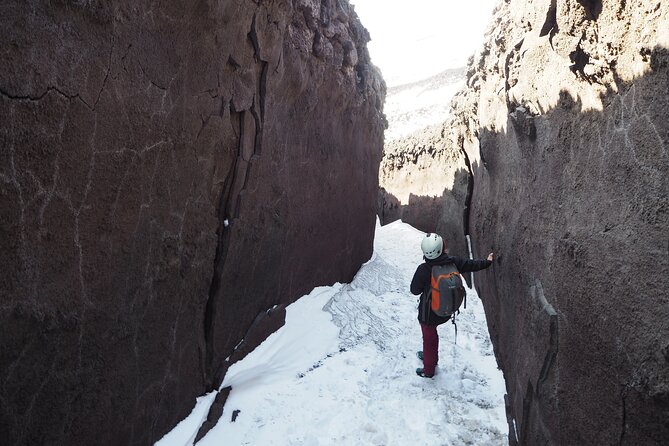
Next is a visit to a lava flow tunnel. The guide explains the processes that give life to these tunnels, and you spend about 1 hour here. Admission is included for this part.
If you’re the type who likes geology that you can almost touch, tunnels are a great stop. A tunnel is not just a visual. It’s a story about how lava moves, cools, and leaves behind empty channels or passages. Even without getting too technical, you can often “see” the logic: where the flow would have been, how the surface behaved, and why a hollow space can form.
A practical note: tunnels can be a bit different underfoot and in temperature. The good part is you’re not walking the tunnel for hours. You’re there long enough for the explanation and to understand the feature, then you move on.
Stop 5: Valle del Bove—Learning the Volcano’s Evolution by View
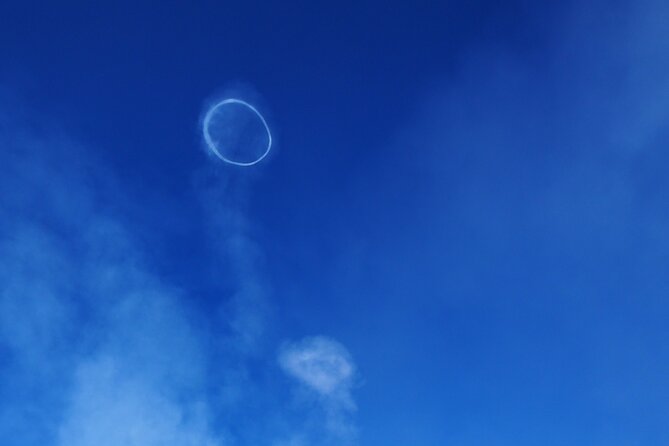
Your final big learning/view stop is Valle del Bove, with about 1 hour here. The guide focuses on the view and the evolutionary history of the volcano.
Admission is included for this segment too.
Valle del Bove is valuable because it shifts your thinking from a “recent activity only” lens to a longer-term one. You’re looking at a larger-scale structure while the guide connects it to how the volcano changes over time. Even if you don’t become an Etna scholar by the end of the day, you’ll leave with a stronger sense that volcanoes aren’t static mountains—they’re systems that keep reshaping themselves.
This also breaks up the heavier crater-and-tunnel concentration. It’s a good closing chapter before you head back down.
Stop 6: Cable Car Return and Getting Back to Nicolosi
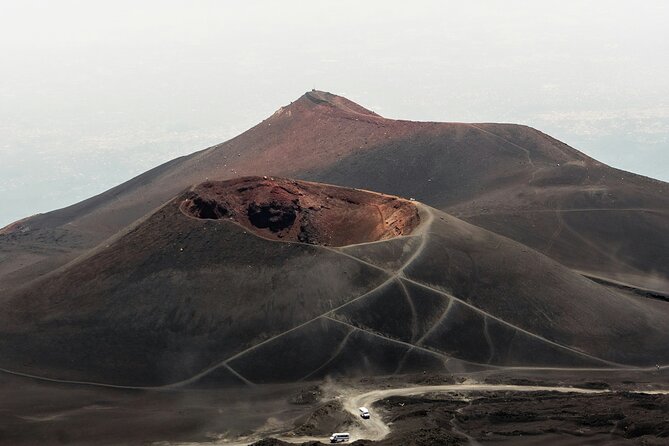
You return by cable car to the square, ending the tour back at the meeting point. This ride is about 30 minutes, and again, the cable car ticket is not included.
That return portion is useful in two ways. First, it keeps the day from becoming a long descent hike. Second, it gives you a final look back at what you’ve been walking through.
When you finish, you’re back where you started—ideal if you’re using public transportation in the area or planning a meal afterward.
Price and Value: What You Pay $59.15 For (and What You Don’t)
The headline price is $59.15 per person. On Etna, that’s not just paying for a walk. Your included items are a volcanological guide, helmets, and insurance.
Here’s how I think about value:
- The guide is doing the real work. The stops aren’t generic scenic photo breaks; you’re getting structured explanations at craters, a lava tunnel, and Valle del Bove.
- Helmets being provided removes one headache. You don’t need to hunt down gear before you go.
- Insurance is included, which you’ll appreciate on a day with altitude and uneven volcanic terrain.
What you don’t pay for in the tour price is the cable car admission (not included for both the climb and return). You should also account for local getting-there logistics: public transportation is listed as €52.00 per person and it is not included.
So the real budgeting step is this: the tour price covers the guiding and safety gear and multiple admission-included stops, and you add the cable car ticket on top. If you’ve got your own way to reach Nicolosi and you’re comfortable with the timing, you’ll likely feel good about the overall value.
Fitness, Age, and Who This Tour Fits Best
This trek asks for moderate physical fitness. The day is not described as a short stroll. You do walking segments and you’re at altitude, so you should plan to move steadily and take breaks when the guide calls them.
The minimum age is 10 years, which suggests the route is designed to be accessible for families who have kids that can handle a long guided day and meet the moderate activity level.
This tour suits you best if you:
- want an Etna day with a real science-guided explanation
- prefer a small group over big-bus crowds
- like a structured itinerary with several meaningful stops rather than one or two quick highlights
If you’re chasing a “totally effortless” day, you might want to compare alternatives. Moderate fitness is the headline here for a reason.
Weather Matters More Than You Think
The experience requires good weather. That’s not a small footnote. On Etna, visibility and ground conditions matter for safe hiking and for understanding what you’re seeing.
If you’re flexible with dates and your plan can handle a reschedule, you’ll have an easier time making this work. If your entire Sicily itinerary is locked down with no slack, build a bit of contingency around Etna.
Should You Book This Etna Trek?
I’d book it if you want an Etna experience that feels guided, structured, and small-group, with real stops: craters you can interpret, a lava tunnel explanation you can actually learn from, and Valle del Bove to wrap it all into a bigger story.
I wouldn’t book it if you hate altitude, you’d rather not deal with extra cable car costs, or you know your schedule is fragile and you can’t absorb weather changes.
If you go, go prepared to slow down and ask yourself one question at each stop: what is the guide pointing out, and how does it connect to volcanic activity and terrain change? Do that, and the day clicks fast.
FAQ
How long is the Etna trekking tour?
It lasts about 5 to 6 hours.
What language is the tour offered in?
The tour is offered in English.
Is the cable car included in the price?
No. The Funivia dell’Etna cable car tickets are not included (both the climb and the return).
What’s included with the tour?
You get a volcanological guide, helmets, and insurance. Admission is listed as included for several stops, while the cable car admission is not included.
How big is the group?
The maximum group size is 15 travelers.
What minimum age and fitness level are required?
The minimum age is 10 years, and travelers should have moderate physical fitness.
Where does the tour start and end?
It starts at La Terrazza Dell’Etna Etna Sud, Piazza Vittorio Emanuele, Nicolosi, and it ends back at the same meeting point.