A volcano hike beats a bus tour. This Etna trek mixes 4×4 jeep rides with cable car time and walking across fresh lava terrain, plus a Valle del Bove viewpoint. I especially like the way the route walks through clear volcanic zones like the 2002 eruptions and the Barbagallo Craters, then climbs toward the summit with gas and sulfur in the air. I also like the small group feel (max 10) and the gear support, including a helmet and optional hiking poles and boots. The main drawback to plan for: the lunch situation is on you, and the day requires strong physical fitness because you’ll be walking on volcanic rock and ash.
If you like your volcano explanations practical and visual, you’ll likely enjoy the guide-led focus on what you’re standing on. In recent experiences, guide Cristian gets praised for clear explanations of Etna and for keeping the day moving at a pace that works up at altitude.
One more thing to expect: the time estimate can vary. The tour is listed as about 6 to 7 hours, but the description also indicates an around-11-hour day, which makes sense when you add cable car time, a long crater walk, and the Valle del Bove stop.
In This Review
- Key Highlights to Know Before You Go
- Why This Etna Trek Feels Worth the Effort
- Meeting in Fornazzo and Getting Up the Mountain
- 4×4 Jeep Ride Through Etna Park Terrain (And Why It Helps)
- Rifugio Sapienza to 2500m: Cableway Time That Makes the Hike Possible
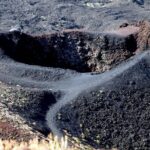
- Barbagallo Craters and the 2002 Lava Fields
- South East Crater to Summit Craters: The Lunar-World Moment
- Down the North Slope: From Volcanic Rock to Ash Canyons
- Picnic Break and the Lunch Reality (Bring or Buy)
- Valle del Bove (Ox Valley) Stop: A Different Side of Etna
- Piano Provenzana and the Final Walkout to 1900m
- Price and Value: What $145.12 Buys You
- Who Should Book This Etna Trek (And Who Should Not)
- Weather, What to Pack, and How to Have a Better Day
- Should You Book This Etna Trek?
- FAQ
- How long is the Etna trekking tour?
- What does the tour cost?
- What language is the tour offered in?
- Is lunch included?
- What’s included in the tour price?
- Do they provide hiking poles, boots, or wind jackets?
- Where is the meeting point?
- What time does the tour start?
- How many people are in each group?
- What happens if weather is poor?
Key Highlights to Know Before You Go
- 4×4 jeeps + cableway plan: you gain altitude efficiently, so more of the day becomes walking the volcano itself.
- 2002 and 2017 eruption terrain: the path is built around real lava fields, not just viewpoint stops.
- Sulfur, gas, and a vegetation-free summit edge: you’ll experience that stark crater-world feeling first-hand.
- Central and North slope walking: from rocks shaped by fire down into ash and lapilli canyons, then out toward forest again.
- Valle del Bove (Ox Valley) viewpoint: you get a second angle on Etna beyond the crater zones.
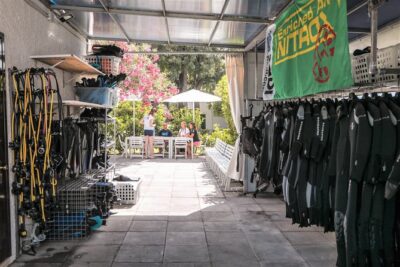
- Gear options included: helmets are provided, and the team can also bring poles, wind jackets, backpacks, and boots if you request sizes.
Why This Etna Trek Feels Worth the Effort
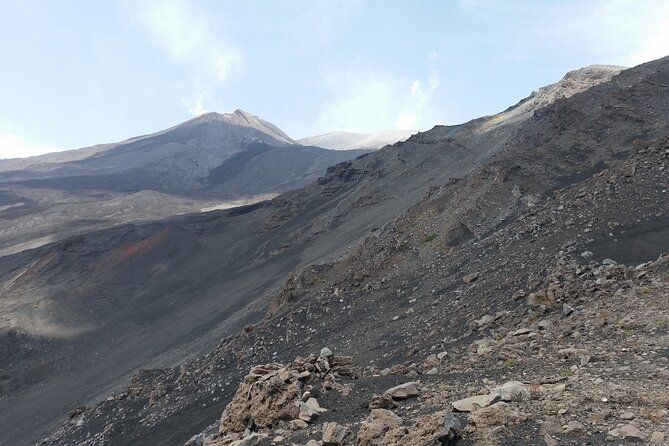
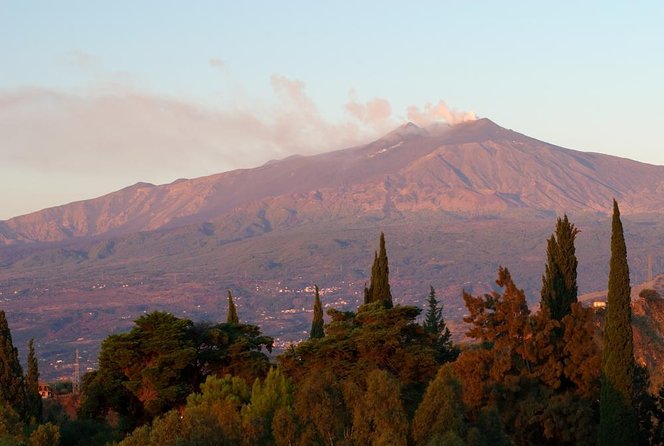
There are plenty of Etna experiences that mainly show you the volcano from afar. This one is different because it’s built around physical movement across volcanic surfaces, where you can actually see how the ground changes with each eruption zone. You’re not just looking at Etna; you’re walking on it.
I also like that the day has layers. You start with a drive and altitude ramp-up, then you hit crater edges, then you descend through ash-heavy terrain, and finally you end at a lower plateau. That arc makes the volcano feel like one continuous system rather than a single dramatic photo moment.
Finally, this is a guided day that prioritizes safety and comfort basics. Helmets are included, insurance is included, and the company can provide hiking supports if you tell them your needs in advance. If you’re someone who wants a serious outing without turning it into a do-it-all-yourself mission, that’s a big plus.
You can also read our reviews of more hiking tours in Sicily
Meeting in Fornazzo and Getting Up the Mountain
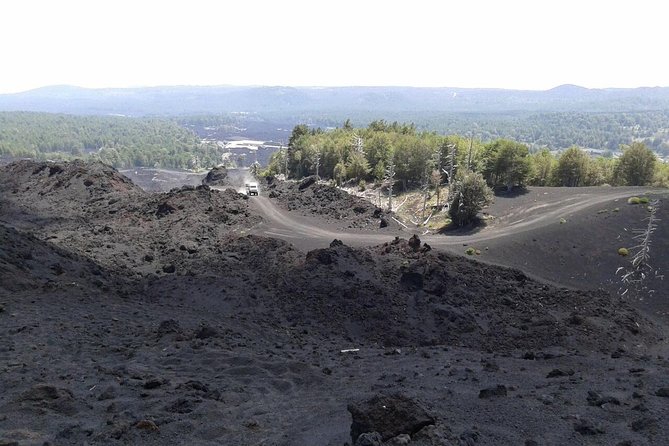
You meet at Bar & Restaurant Mareneve, Via Mongibello 41, 95010 Fornazzo CT, Italy. The start window runs daily from 9:00 AM to 9:30 AM, and the activity ends back at the same meeting spot.
That matters because it sets expectations: you’re not rolling out late and hoping traffic and parking behave. You’re committing to a structured morning, which is a relief on a day where altitude and terrain already make timing important.
You’ll also appreciate the small-group setup. The tour caps at 10 travelers, which usually means you get more attention and fewer moments where you’re waiting for a guide to regroup the whole crowd. It’s not a private tour, but it doesn’t feel like a mass excursion either.
4×4 Jeep Ride Through Etna Park Terrain (And Why It Helps)
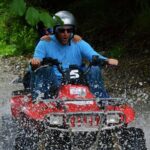
Once you’re onboard the 4×4 jeeps, you head away from the Riviera dei limoni area and toward Etna’s villages. The route climbs toward the volcano by roads that cross older mule drivers’ roads (mulattiere) and coalmen paths. That detail isn’t just scenic trivia—it explains why the drive feels like part of the experience, not just a transfer.
As you climb, you reach around 1000 meters altitude, where a protected area of 720 km² begins. You’ll also pass cold and dried lava flows that look like black highways cutting across the slopes. Those visual cues make the later crater walking easier to understand, because you’ve already seen the landscape’s “before and after” effect.
Practical takeaway: if you get carsick on windy roads, mention it ahead of time or plan to sit where you feel best in the vehicle. The day includes long altitude changes, so you’ll want to start the hike feeling steady.
Rifugio Sapienza to 2500m: Cableway Time That Makes the Hike Possible
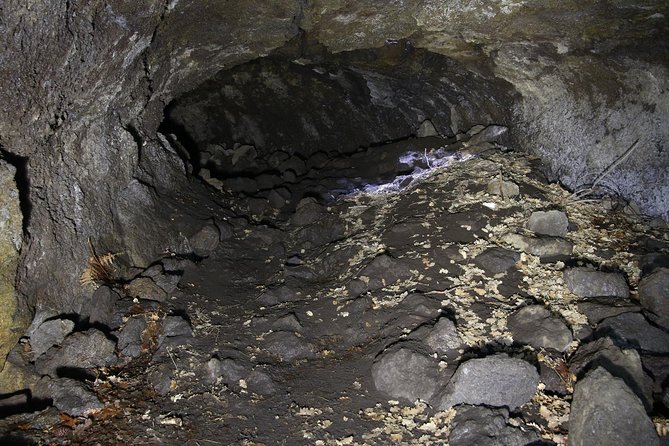
The route reaches the south slope ski station area at Rifugio Sapienza (around 1800m). From there, the cableway brings you up to about 2500m.
This is a smart design for a guided trek. Your legs still do the work later, but the cableway helps you avoid spending the whole day just reaching the hiking zone. It also reduces the risk of arriving at crater areas too tired, which matters when the terrain turns rocky and ash-covered.
From 2500m, you start walking through lava flows tied to the 2002 eruption. The 2002 event is central here because it created new volcanic landforms like the Barbagallo Craters at around 2900m. In other words, the route isn’t random—it tracks how that eruption reshaped the terrain.
Barbagallo Craters and the 2002 Lava Fields
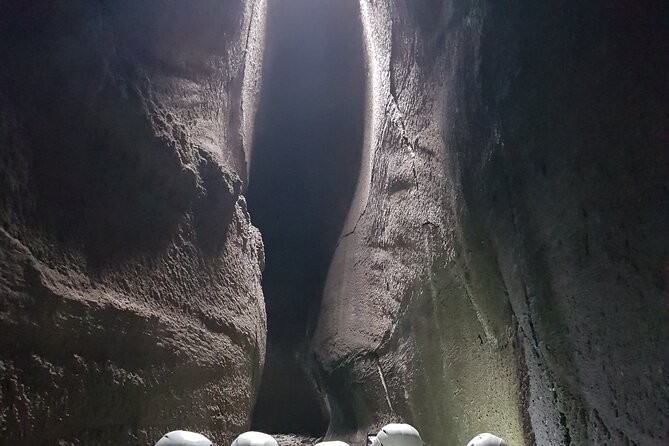
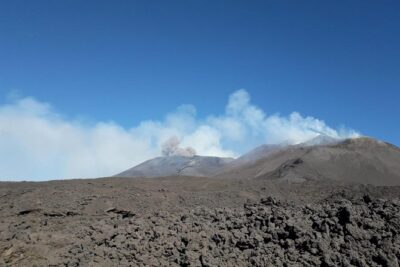
After the cableway, the trekking path runs among lava flow features linked to the 2002 eruption. You move through ground that feels harsh, open, and stripped down, which is exactly what makes this kind of walk unforgettable. It’s one thing to read about eruptions. It’s another thing to feel your boots on the volcanic surfaces that came from those flows.
You also get a change in atmosphere as you go. At these altitudes, you’re more exposed to wind, and you may smell sulfur as you approach crater areas. Even when visibility is excellent, the environment can feel surreal—rocks, ash, and gases reshape how your brain reads the terrain.
Possible drawback to note: the description suggests you’ll be walking on varied volcanic surfaces and later descending onto sandy and ash-covered paths. If your hiking experience is mostly smooth trails, expect this to feel very different.
South East Crater to Summit Craters: The Lunar-World Moment
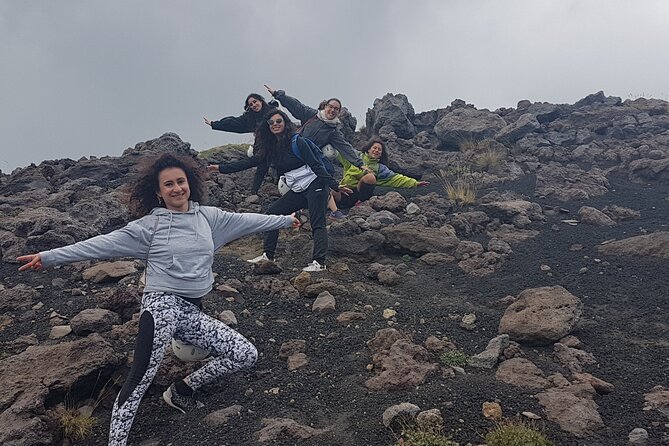
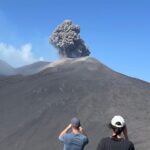
As you continue, the walk heads along lava flows that sprang from the South East Crater in 2017, toward the Summit Craters. This is the part of the day that most people remember because the environment changes dramatically.
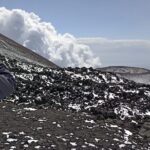
Once you reach the top area near the summit crater edge, you’re in a lunar-like landscape: almost total absence of vegetation, a sulfur smell, and ongoing gas emissions blown by the wind. Clouds often sit below you, and the view can run across the horizon in a way that doesn’t happen in forests or valleys.
On a clear day, you can even see the Aeolian Islands, the Calabrian coast, and a large part of inland Sicily. If the day is hazy, you’ll still get the crater-world experience, just with less long-distance view. Either way, this is where the guide-led context helps—because you’re learning what you’re seeing while you’re seeing it.
The review highlight that fits here: guide Cristian gets praised for explaining Etna clearly and for helping the group notice sounds and signs of activity throughout the day. That doesn’t mean you’ll get dramatic eruptions. It does mean you’ll be ready to interpret what you notice up there.
Down the North Slope: From Volcanic Rock to Ash Canyons
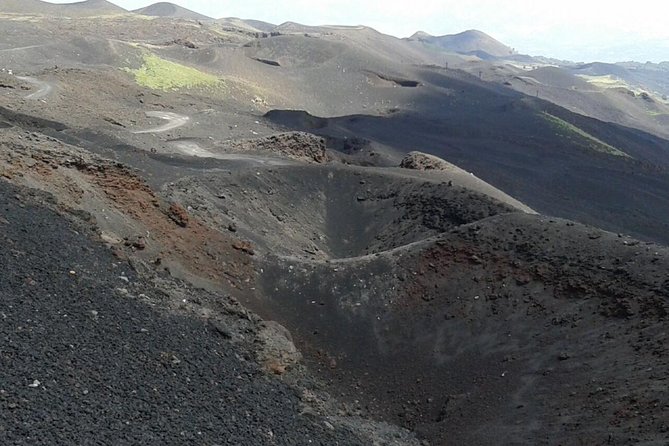
After walking around the Central Crater edge area, you begin descending the North slope. Here, the ground is more about texture than view. The description mentions rocks shaped by fire, plus volcanic sand where your boots can sink a bit.
You’ll also walk down sandy canyons covered by ashes and lapilli. That’s a big deal for comfort. Ash isn’t like dirt; it can shift underfoot. It can be a little slippery when wind or dampness hits it. This is where hiking poles (if you request them) can really help you stay balanced without overworking your knees.
As you keep going, you reach Piano delle Concazze, a wide highland at about 2800m, where the volcanological Observatory is located. Even if you don’t go inside anything, just standing in an area linked to ongoing monitoring makes the day feel grounded in science, not just sightseeing.
Picnic Break and the Lunch Reality (Bring or Buy)
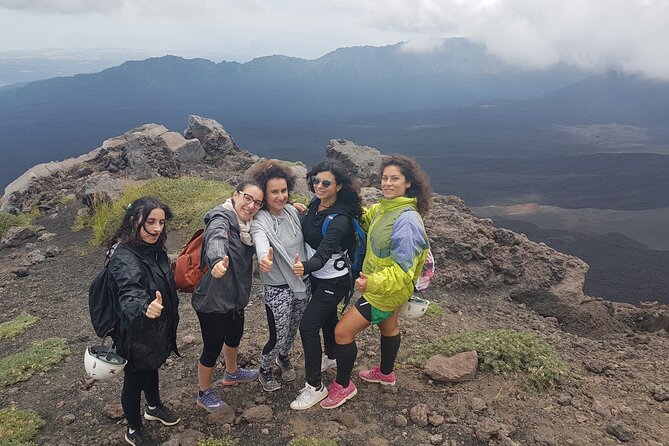
You stop for a picnic once you find a comfortable area. The key detail: packed lunch is not included in the tour price.
So you have two practical options:
- Bring your own lunch.
- Or grab something at local shops at the beginning of the tour.
I like having a backup plan here. Etna days are weather-dependent and can run long enough that you’ll be hungry when you reach the break. If you’re the kind of person who gets cranky without food, plan for this early and pack smart.
Also, since the summit edge experience involves sulfur smells and wind, consider bringing something that can handle messy weather—like a small bag you can close up, plus a layer you can zip on quickly during a windy break.
Valle del Bove (Ox Valley) Stop: A Different Side of Etna
The tour also includes a stop at Valle del Bove, described as the Ox Valley. It’s a viewpoint stop that lasts about one hour.
This portion matters because it changes the format. After hours of crater edges and ash surfaces, a viewpoint break helps your legs recover a bit while your eyes reset. You’ll be able to see Etna’s shape and scale from a different angle than the crater-world perspective.
If you’re trying to understand Etna as more than a single peak, this stop gives you that wider “system view” for your brain to connect to what you walked earlier.
Piano Provenzana and the Final Walkout to 1900m
After your picnic break and crater descent work, you continue until you meet the path leading toward the 2002 lava flow area again. From there, you walk by a beech forest and end at Piano Provenzana (at about 1900m).
That forest section is useful. It acts like a visual and sensory reset after the ash and rock. When you finally reach the lower plateau, you’re less exposed, and the environment starts to feel more familiar even though you’re still on Etna territory.
Then the day closes with a return route crossing Parco dell’Etna and going back home through antique lava flows. You end back at the meeting point, so you don’t need to think about transport after the long day.
Price and Value: What $145.12 Buys You
At about $145.12 per person, this trek isn’t the cheapest way to see Etna. But it also isn’t just a “stand here and take photos” outing.
Here’s what you’re getting that pushes value up:
- A real guided day with an authorized tour guide and insurance.
- Helmet included for head protection.
- Breakfast included.
- Optional gear support like hiking poles, backpacks, wind jackets, and hiking boots (if you provide sizes in advance).
- Mobile ticket use.
- Admission tickets are listed as free for the experience elements.
The biggest value point, in my mind, is that the day is structured to make a long volcano walk manageable. The combination of 4×4 jeeps and cable car time means you spend less energy simply reaching the climbing zone.
What keeps it from being perfect value for everyone is the lunch gap. You do need to plan for lunch, and the day requires strong fitness. If you arrive without food and you’re not used to rough footing, the overall cost-to-comfort ratio can feel less fair.
Who Should Book This Etna Trek (And Who Should Not)
This tour fits best if you:
- Enjoy walking on rough terrain and can handle ash, lapilli, and volcanic sand.
- Want a guided explanation of what you see, not just a view.
- Like small groups (max 10) and value practical safety basics like helmets and insurance.
- Are okay planning for lunch by bringing it or buying it at the start.
You might want to skip it if you:
- Don’t meet the strong physical fitness requirement.
- Want a relaxed, easy hike with minimal uneven ground.
- Are very sensitive to wind, sulfur smells, or high-exposure environments near the summit.
Also, be honest about weather. The experience depends on good conditions. If it’s canceled due to poor weather, you’ll be offered a different date or a full refund, which is a decent safety net.
Weather, What to Pack, and How to Have a Better Day
Etna weather can change fast, especially at higher elevations. Even when the day starts sunny, you can get wind and cooler air around crater edges.
Plan for layers. The tour can provide wind jackets if you request them by size, but it’s still smart to bring your own layer system if you’re used to customizing for your body temperature. You’ll be walking, then pausing for a picnic, then walking again—your comfort needs will shift.
Also pack for volcanic terrain:
- Sturdy footwear is non-negotiable. If you request boots, the guide can bring them; if not, bring your own hiking shoes or boots designed for uneven ground.
- If you’re sensitive about balance on loose ash, consider using provided hiking poles or bringing your own.
- Bring a lunch solution ahead of time, since packed lunch isn’t included.
One more practical note: confirmation is received within 48 hours of booking, subject to availability. So don’t leave things to the last minute if your schedule is tight.
Should You Book This Etna Trek?
I’d book it if you want an Etna day that’s active, guided, and grounded in actual volcanic terrain—from the 2002 lava flows and Barbagallo Craters to summit crater edges and down into ash-covered canyons. The small group size, included helmet, and guide-led focus (with Cristian singled out for clear explanations) make it a strong pick for people who care about learning while they hike.
I’d skip it if you’re looking for an easy stroll or if you’re not confident with steep, uneven ground and the altitude feel of a crater-edge day. And if you hate thinking about lunch logistics, plan to bring your own food so you’re not scrambling later.
If you’re ready for wind, sulfur air, and boots-on-volcano walking, this is the kind of Etna experience that tends to stick with you long after the photos fade.
FAQ
How long is the Etna trekking tour?
The tour is listed as about 6 to 7 hours, but the description also indicates an around-11-hour day. Plan for a longer day because there’s a lot of walking and altitude travel.
What does the tour cost?
It costs $145.12 per person.
What language is the tour offered in?
The tour is offered in English.
Is lunch included?
No. Packed lunch is not included. You can bring your own lunch or grab something at local shops at the beginning of the tour.
What’s included in the tour price?
Included items are an authorized tour guide, insurance, helmet, GST, breakfast, and optional gear like hiking poles, backpacks, wind jackets, and hiking boots if you provide your size in advance.
Do they provide hiking poles, boots, or wind jackets?
Yes, they can provide hiking poles, backpacks, wind jackets, and hiking boots. You need to let them know in advance your size.
Where is the meeting point?
You meet at Bar & Restaurant Mareneve, Via Mongibello, 41, 95010 Fornazzo CT, Italy.
What time does the tour start?
The meeting/start window is 9:00 AM to 9:30 AM, Monday through Sunday.
How many people are in each group?
The tour has a maximum of 10 travelers.
What happens if weather is poor?
If the experience is canceled due to poor weather, you’ll be offered a different date or a full refund.