Ortigia hits you fast—food first, then ancient stone. This food and culture walk connects Syracuse’s Greek core with real street-level flavors, all in about three hours. What makes it fun is the rhythm: short monument stops, then quick tastings so the history sticks.
I especially like two things: you get proper Sicilian food tastings (not just a generic snack box), and you also get clear context for what you’re seeing. Plus, the guide’s storytelling keeps questions moving—whether you’re curious about legends or everyday Sicilian eating.
One drawback to plan around: this is a weather-dependent walking tour. If conditions are bad, you may do a different approach indoors and you might not see every planned stop.
In This Review
- Key highlights you’ll feel right away
- Ortigia by foot: how a 3-hour food-and-history walk really flows
- The Temple of Apollo: ancient stone with a quick, clear purpose
- Syracuse Cathedral: one building, four eras you can actually notice
- Fonte Aretusa: legend, papyrus, and that sea-breeze pause
- What you’ll eat: snacks, market bites, and local drinks that make sense
- The guide factor: why Letizia-style storytelling makes the tour worth it
- Price and booking timing: what $150.18 buys you in Ortigia
- Rain, heat, and footwear: the practical things to pack
- Who this tour fits best (and who might want a different plan)
- Should you book this Ortigia food and culture tour?
- FAQ
- How long is the Food and Culture Tour of Ortigia?
- What language is the tour offered in?
- Is the entrance ticket to the Syracuse Cathedral included?
- What’s included in the food part of the tour?
- Where does the tour start, and when?
- Is it a private tour, and are groups limited?
Key highlights you’ll feel right away
- Greek Syracuse moments: a look at the Temple of Apollo, often described as the oldest Greek temple in Sicily
- Duomo-at-a-glance views: you’ll pass the Syracuse Cathedral with its layered Greek, Byzantine, Norman, and Spanish influences
- Fonte Aretusa by the sea: a fresh-water spring tied to Greek legend, with papyrus that links to the Greeks’ plant introductions
- Snack-and-soda pacing: tastings plus a drink keep you comfortable and focused on the walk
- A flexible guide: if weather turns, the plan can shift on the fly without killing the fun
- Private, small-group feel: it’s a private tour for your group only, led in English
Ortigia by foot: how a 3-hour food-and-history walk really flows
Ortigia is compact, but it still wears you down if you try to do it all solo. This tour works because it’s built for attention, not speed. You start at Val SanLargo XXV Luglio, 12 in Syracuse at 10:30 am, and you’ll end somewhere else afterward, so you can keep exploring after you eat.
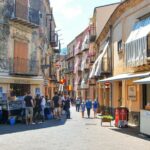
The timing is smart: you spend short bursts at landmark points, then you shift gears to food and street scenes. Even if a stop is brief, the guide ties it to what you should notice—Greek angles, later additions, and the way Sicily keeps layering cultures on top of each other.
Also, this is a private experience. That matters in a place like Ortigia, where a casual chat with a local can turn into a better understanding of what you’re looking at. You’re not stuck listening to a crowd you can’t hear.
You can also read our reviews of more food & drink experiences in Sicily

The Temple of Apollo: ancient stone with a quick, clear purpose
You begin with the Temple of Apollo (Tempio di Apollo). The big win here is focus: you don’t just look at the ruins. You learn what makes them special—this Greek temple is widely considered the oldest of its kind on Sicily.
Because the stop is around 10 minutes, it’s perfect for first-day energy. You get the “why” before you wander on your own. You’ll also appreciate how Greek Syracuse still shows up in layout, style, and the way the city remembers its origins.
Admission is free at this stop, which helps you feel like the tour is giving you value right away. In practice, it also means you won’t burn time on ticket lines for your first major sight.
Syracuse Cathedral: one building, four eras you can actually notice
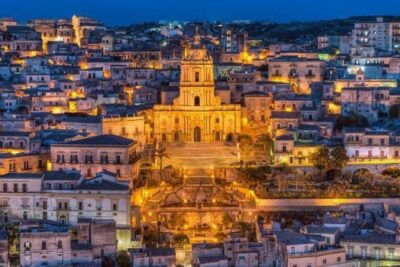
Next comes the Syracuse Cathedral. The tour doesn’t center it as a long museum visit—in fact, there’s no entrance ticket included—but you still get something useful: you’ll pass it and admire how styles mix.
This is where Ortigia becomes more than pretty streets. The cathedral complex is described as a mix of Greek atmosphere through the Temple of Athena, plus later Byzantine, Norman, and Spanish influences. In plain terms, it’s like the building keeps rewriting itself.
If you’re the type who wants more than a look from the route, you’ll likely consider visiting inside on your own. Just don’t expect the tour price to cover the Duomo entry—it’s not included here.
Fonte Aretusa: legend, papyrus, and that sea-breeze pause
Your last major sightseeing stop is Fonte Aretusa. This is the place you slow down. It’s a fresh-water spring close to the sea, and the guide connects it to Greek legend—the kind that turns a small spot on the map into a story you’ll remember.
What I like about this stop is how it balances “wow” with practical calm. Even if you’re not a mythology superfan, you can still enjoy the visuals and the idea that water in Ortigia has meaning. The tour also points out papyrus, described as an Egyptian plant introduced by the Greeks. That detail adds a surprising layer to a scene that could otherwise feel simple.
Admission is free here, so you’re not paying twice for the best photo opportunities. And since the visit is around 10 minutes, it acts as a good reset before you head out to keep exploring.
What you’ll eat: snacks, market bites, and local drinks that make sense
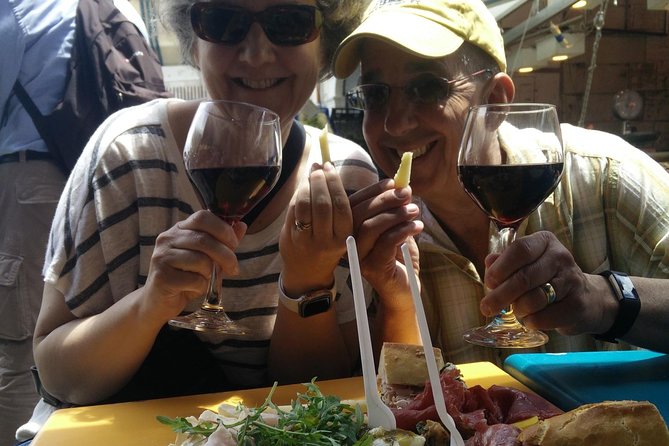
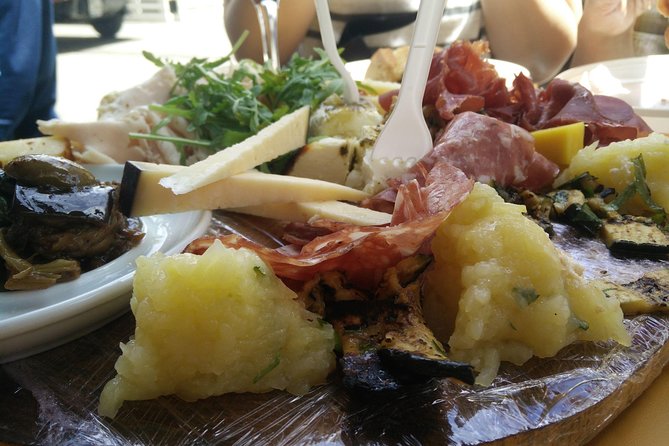
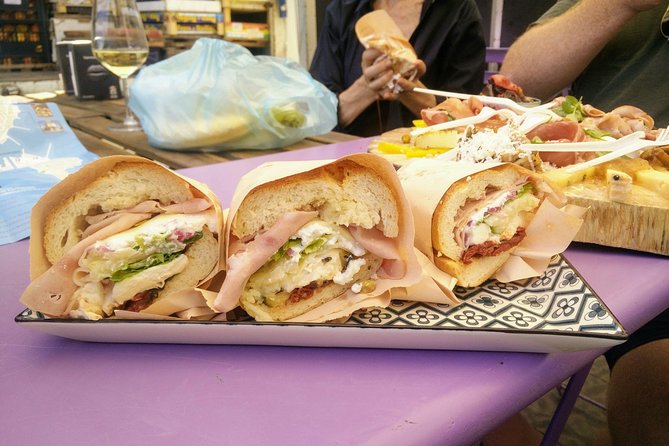
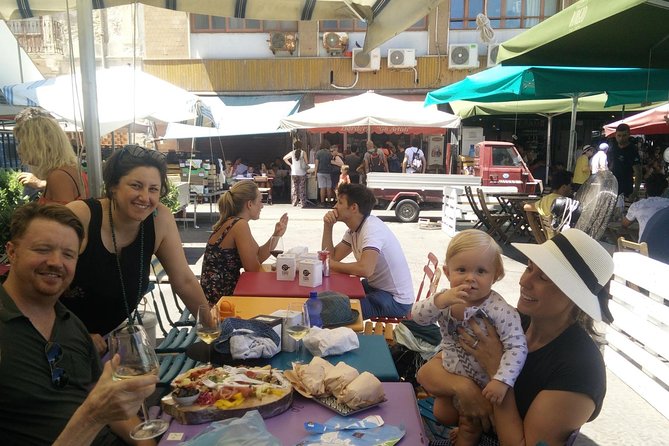
The tour includes snacks with food tasting plus soda/pop. That’s the foundation. But the best part is how the tastings are placed into the story of Ortigia: you taste things that connect to daily life, not just items chosen for tourist-friendly variety.
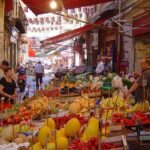
From what the guide does on these walks, you should expect a mix of sweet and savory stops. Limoncello is part of the vibe, and you may try things like lemon-flavored treats and creamy desserts that highlight local ingredients (one example from the experience: pistachio creme). Markets and small shops also show up in the flow, where you can sample bites and learn what locals buy and why.
You’ll also likely get a sense of Sicilian pantry culture. Some tastings described include nut and cured items, and even something like dried quince maralade—sweet fruit paste with a distinctive texture. Charcuterie-style stops show up too, which pairs nicely with the walking pace.
Here’s my practical advice: eat steadily, not greedily. Tastings are meant to be spread across the tour, so you don’t need to force food down in the first half. If you have dietary restrictions, bring them up clearly at the start—private tours are where the guide can adjust better.
You can also read our reviews of more tours and experiences in Sicily

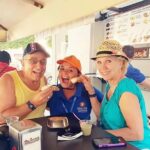
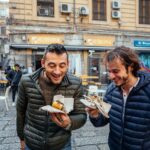

The guide factor: why Letizia-style storytelling makes the tour worth it
A food tour lives or dies by the guide, and this one has a strong track record. The name Letizia comes up again and again because she blends town knowledge with real warmth. You don’t feel rushed. You can ask questions and get straight answers, not a rehearsed script.
What I’d call the “real-world win” is her flexibility. During heavy rain—when plans go sideways—she’s shown the ability to pivot into a nearby pastry shop and keep the storytelling going while you still eat. That’s not a small detail. It turns bad weather from a ruined afternoon into a memorable detour.
Family-friendly pacing also shows up. If you’re traveling with kids (even a toddler), the experience is described as patient. That matters in Ortigia, where narrow streets and uneven ground can make hurried tours stressful fast.
One more advantage: you’ll often leave with restaurant ideas for the rest of your stay. The guide’s recommendations can be specific enough that you don’t waste time guessing later.
Price and booking timing: what $150.18 buys you in Ortigia
At $150.18 per person for about 3 hours, you’re paying for a private guide experience plus tastings and drinks. This is not a budget group bargain, so it makes sense to ask: am I the kind of traveler who will use this time well?
If you like local input—where to eat, what to buy, what to notice in buildings—then the value is easier to see. You’re not just walking; you’re translating what you see into something you can carry forward. The stop at the Temple of Apollo being free adds a nice touch, and the tastings help justify the guided portion of the day.
Booking in advance is smart. This tour is typically booked around 37 days ahead on average, which usually signals decent demand (especially in peak summer). If your dates are fixed, try to lock in early rather than rolling the dice.
Also note: the tour uses a mobile ticket, which is handy. Near public transportation too, though Ortigia walking streets can mean you still do most of the travel on foot once you meet up.
Rain, heat, and footwear: the practical things to pack
Ortigia can be hot, and this is mostly a walking experience. Plan for sun and stick to comfortable shoes—sandals can work if they have grip, but anything that keeps your feet happy for a few hours is the move.
Weather is the bigger wildcard. The experience is described as requiring good weather. If it’s canceled because of poor conditions, you’ll be offered a different date or a full refund. If weather shifts during the tour, expect a flexible approach—smart indoor detours and continued explanations, not a dramatic cancellation.
Bring small, real-life support: a hat, sunscreen, and water if you know you get thirsty fast. The included soda helps, but it’s not a substitute for staying hydrated in Sicilian heat.
Who this tour fits best (and who might want a different plan)
This works especially well for:
- First-time visitors to Ortigia who want a guided starting point
- People who love food tastings tied to history and daily life
- Couples and small groups who prefer a private pace over big-group tours
- Families who need a guide who can stay patient and adjust to slower moments
It may be less ideal if:
- You want a long, sit-down museum-style itinerary
- You’re only interested in one cathedral interior stop (since the Duomo entrance ticket isn’t included)
- You’re traveling at the wrong moment for weather and hate walking in uncomfortable conditions
In other words: if you want your Sicily day to feel like a conversation—food plus street-level context—this is a strong match.
Should you book this Ortigia food and culture tour?
I’d book it if you’re planning your time in Ortigia around tasting and storytelling, not just checking monuments. The guide-led approach, including the snack rhythm and the way sites connect to legends and later history, is what turns a simple walk into a day you remember.
Skip it or rethink it if you’re seeking a cheap, self-guided substitute. This is a paid experience for a reason: you’re buying time with a local who can explain what you’re seeing while you eat your way through the area.
If your dates are tight, book sooner since demand is real. And if the forecast looks iffy, pack for comfort and be ready for the plan to flex—because that’s exactly where this tour has shown it can still deliver.
FAQ
How long is the Food and Culture Tour of Ortigia?
It lasts about 3 hours.
What language is the tour offered in?
The tour is offered in English.
Is the entrance ticket to the Syracuse Cathedral included?
No. The Duomo entrance ticket is not included.
What’s included in the food part of the tour?
The tour includes snacks for food tasting and soda/pop.
Where does the tour start, and when?
It starts at Val SanLargo XXV Luglio, 12, 96100 Siracusa SR, Italy at 10:30 am.
Is it a private tour, and are groups limited?
Yes. It’s a private tour/activity, meaning only your group participates.