Three hours, two worlds in Syracuse. This half-day private tour strings together the Neapolis Archaeological Park and the island of Ortigia, so you can see the big “wow” sights without turning your day into a marathon. You’ll get a local guide in English, a mobile ticket, and a flexible schedule that works with your questions and pace.
I like how the experience stays practical while still feeling personal, especially with guide Letizia and her clear English. You’ll also appreciate that the pace can slow down when it’s hot, which makes a big difference with long stone walks. The one thing to watch: entrance tickets aren’t included, so plan to pay for site entry on top of the $141.40 per person price.
In This Review
- Key Highlights to Notice Before You Go
- Where This Half-Day Tour Starts and Ends (and Why It Matters)
- Neapolis Archaeological Park: Greek Theatre to Roman Amphitheatre in One Morning
- Greek Theatre and the sense of scale
- Stone quarries and Dionysius’s Grotto area
- The sacrificial altar of Hieron II
- Roman Amphitheatre: same setting, different era
- Ortigia Highlights: Temple, Cathedral Styles, and the Aretusa Spring Finish
- The oldest Temple of Sicily
- The Cathedral with mixed architectural styles
- Aretusa’s fresh water spring: a fitting ending
- The Private Guide Factor: Why Letizia’s Style Works
- Price and Value: What You’re Paying For (and What You’re Not)
- Logistics That Can Make or Break Your Half Day
- Admission tickets are separate
- Come prepared for outdoor walking
- Mobile ticket and English service
- Service animals are allowed
- What to Expect From the Route (So You Can Set Your Day)
- Who This Tour Is Best For
- Should You Book This Half-Day Tour of Syracuse?
- FAQ
- How long is the Half Day Tour of Syracuse?
- Is the tour private or shared?
- What language is the tour offered in?
- Where do we start and where do we end?
- Are entrance tickets included for the archaeological sites and attractions?
- Does the tour include snacks or transportation?
- What if the weather is bad?
- Can I cancel for free?
Key Highlights to Notice Before You Go
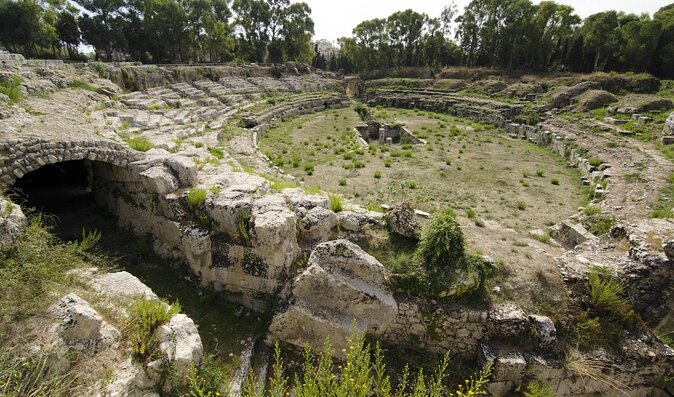
- Neapolis hits the major anchors fast: Greek Theatre, Roman Amphitheatre, the sacrificial altar of Hieron II, and the stone quarries area tied to Dionysius’s Grotto
- Ortigia is a compact masterpiece: the oldest temple of Sicily, the Cathedral’s mixed architectural styles, and the Aretusa spring as your finish point
- Letizia’s English + patience: easy-to-follow explanations and answers even when you ask lots of details
- A truly private group: only your party joins, so the guide can adjust what you focus on
- Small “street-level” perks: spice-spotting on the walk and solid restaurant suggestions to help you continue the day
- Budget for entrances: admission tickets are separate, and that’s the main added cost to plan for
Where This Half-Day Tour Starts and Ends (and Why It Matters)
This tour begins at Largo Anfiteatro, 2 in Siracusa and finishes at Fonte Aretusa in Ortigia. That one-way flow is smart. You’re not walking back and forth across town to “undo” your route. You end right where many people want to be at the end of the day: in the Ortigia area by the Aretusa spring.
It’s also helpful that the meeting area is near public transportation. If you’re staying a bit outside the center, you’re less likely to lose time just getting oriented.
And because it’s a private tour, it’s timed for your group rather than a big cattle-call. Expect the guide to keep things moving, but not frantic.
You can also read our reviews of more tours and experiences in Sicily.

Neapolis Archaeological Park: Greek Theatre to Roman Amphitheatre in One Morning
Neapolis is where Syracuse shows off its ancient muscle. Even if you only have a few hours, this stop is built around the biggest anchors of the park.
Greek Theatre and the sense of scale
You start in Parco Archeologico della Neapolis, visiting the big Greek Theatre in Sicily. For most first-timers, the theater does more than look impressive. It helps you understand why Syracuse mattered—this is an entertainment and civic space on a huge scale. A good guide makes the seating and sightlines feel logical instead of random stones.
Stone quarries and Dionysius’s Grotto area
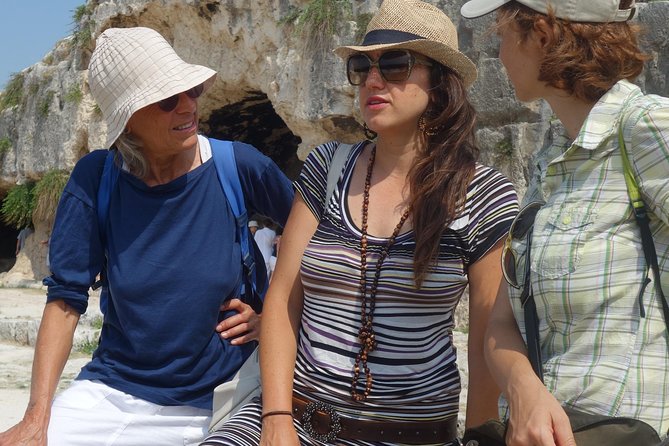
Next comes the area around the stone quarries tied to the Dionysius’s Grotto story. It’s one of those places where the terrain matters. The rock shapes and the way people move through the area can make the legends feel grounded rather than purely mythical.
The sacrificial altar of Hieron II
Then you’ll see the sacrificial altar of Hieron II. This is a “meaning” stop, not just a “photo” stop. It helps you connect the architecture to ritual and authority—who had power, and what people gathered to witness.



Roman Amphitheatre: same setting, different era
The Roman Amphitheatre rounds out the Neapolis picture with a different Roman flavor. The contrast is the point. You see how Syracuse’s role shifted across cultures, and you start noticing how later eras reuse and reshape earlier spaces.
Practical note: the Neapolis portion is about two hours and admission tickets are not included. Wear shoes with real grip. You’ll be on uneven outdoor stone, and Syracuse weather can change quickly.
Ortigia Highlights: Temple, Cathedral Styles, and the Aretusa Spring Finish
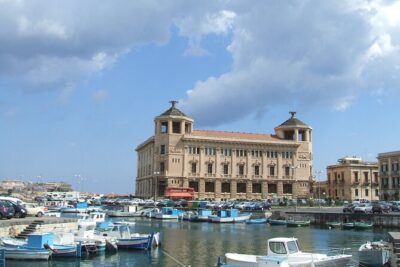
After Neapolis, the tour shifts to the island of Ortigia, where the atmosphere changes from archaeological park quiet to old-town energy.
The oldest Temple of Sicily
You visit the oldest Temple of Sicily. It’s not just an object lesson in ancient architecture. It’s a reminder that Ortigia has been a focal point for centuries. Even when you’re looking at ruins, the setting tells you people kept coming back here.
The Cathedral with mixed architectural styles
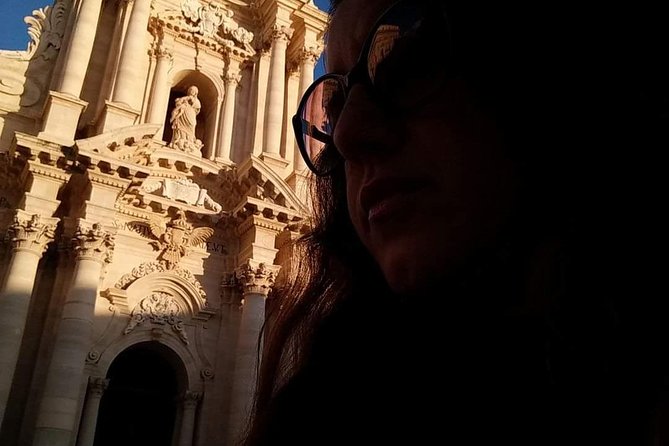
Then comes Syracuse’s Cathedral, notable for its mix of styles. This stop is especially rewarding if you like seeing history layered rather than frozen in time. The Cathedral is a place where multiple eras leave marks, and your guide can help you spot why the building looks the way it does.
Aretusa’s fresh water spring: a fitting ending
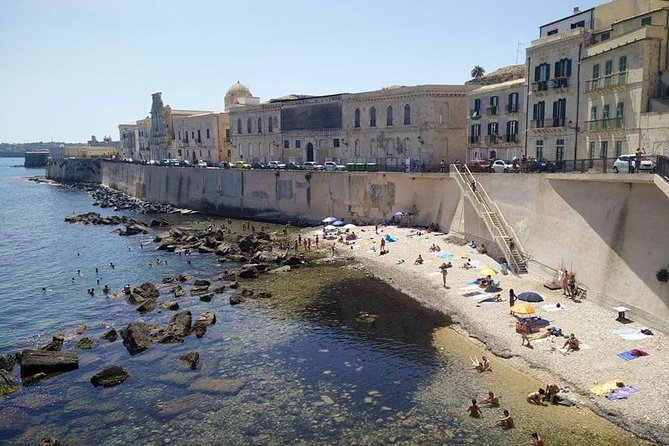
The tour finishes at Fonte Aretusa, the Aretusa fresh water spring inside Ortigia. For many people, this works as the emotional landing point: you shift from ruins to something alive and immediate.
One timing detail to keep in mind: the listed opening hours are Monday to Saturday, 10:00 AM to 4:00 PM. If your tour ends late afternoon, it’s smart to verify your specific time slot so you can enjoy the spring area comfortably.
The Private Guide Factor: Why Letizia’s Style Works
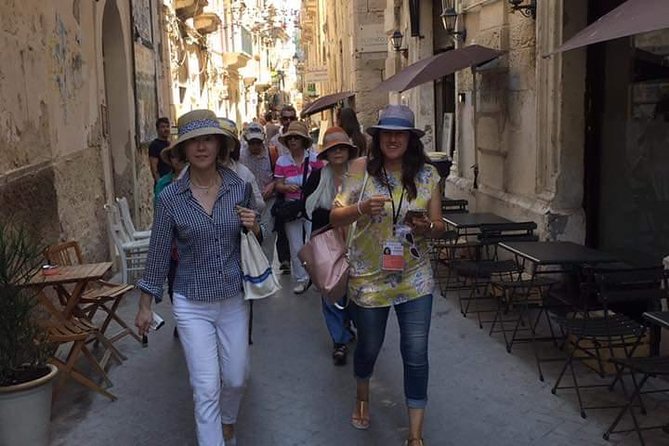
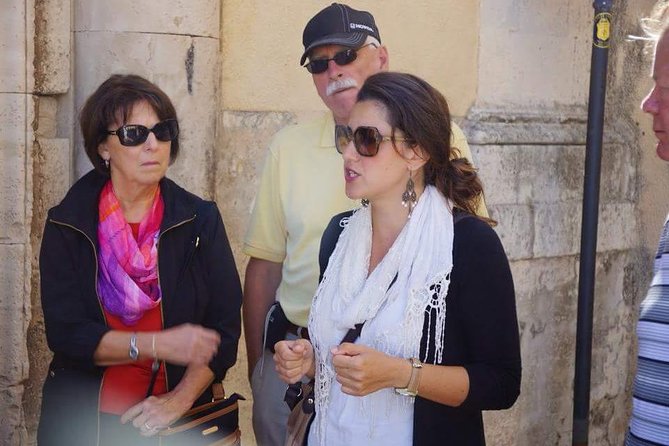
A big part of why this tour earns such strong ratings is the guide. The standout name you’ll hear is Letizia, and she’s repeatedly described as fluent in English and able to handle detailed questions without rushing.
Here’s why that matters for you:
- Clarity over jargon. When you’re moving fast through ruins, you need explanations you can hold onto.
- Flexibility with what you care about. The tour can adjust based on interests, so you’re not locked into a script that assumes everyone wants the same thing.
- A slower pace when needed. One of the most practical upgrades a guide can offer is slowing down in heat. That keeps the experience enjoyable instead of exhausting.
You’ll also get those small “walk” moments that make a half-day feel richer. One example from the experience: spotting wild spices along the way, which turns a regular stroll into a sensory lesson.
And because it’s private, you can ask for help continuing your day. Restaurant recommendations come up a lot—use that. If you have one meal to plan, a local suggestion from your guide can be a time-saver.
Price and Value: What You’re Paying For (and What You’re Not)
The tour costs $141.40 per person and runs for about 3 hours. That sounds short, but it’s exactly why the value can work well.
You’re paying for:
- A local guide in English
- A private group experience (only your party)
- Two high-demand areas in one route: Neapolis and Ortigia
- Time saved on navigation and interpretation
You are not paying for:
- Entrance tickets to sites in the park (and likely other included entries during the stops)
- Snacks
- Private transportation
So the real value question is simple: do you want guidance, not just access? If you’re the type who likes understanding what you’re seeing, this format can be worth it even for a short day.
If you’re someone who already knows the sites well and prefers to self-tour, you might decide to go independent. But if you want someone to turn scattered ruins into a coherent story, this is built for that.
Logistics That Can Make or Break Your Half Day
Even a short tour has details that matter.
Admission tickets are separate
Since entrance tickets aren’t included, I’d plan ahead. Bring payment you can use on arrival, and set expectations that you’ll spend a bit extra time on entry lines.
Come prepared for outdoor walking
Neapolis is outside. Ortigia involves walking too. This means:
- good shoes are non-negotiable
- you should carry water
- you’ll enjoy the tour more if you dress for sun and shade
Mobile ticket and English service
You’ll have a mobile ticket and the tour is offered in English. That’s ideal if you want smooth explanations without waiting for translation.
Service animals are allowed
If you travel with a service animal, this experience notes they’re allowed. That’s good to know for peace of mind.
What to Expect From the Route (So You Can Set Your Day)
This is designed to be a half-day plan with a clean arc:
1) Ancient Syracuse at Neapolis (about two hours)
2) Ortigia’s core highlights (about one hour)
3) Ending by Aretusa spring so you can keep exploring right after
Because you finish in Ortigia, it’s a natural springboard for:
- wandering the older streets
- picking up a snack or lunch
- continuing at your own pace
One more detail worth knowing from the experience: the guide has a habit of adding practical local touches, like pointing you toward food market areas and sharing restaurant ideas that fit the day’s timing. You don’t need this, but it’s a real convenience when you’re trying to eat well without wasting time.
Who This Tour Is Best For

This half-day Syracuse tour is a strong match if:
- You have limited time and want the core highlights of Neapolis + Ortigia
- You prefer a private, relaxed pace instead of a long group slog
- You like history explained in a clear, walkable way
- You appreciate a guide who answers questions and adjusts focus
It may be less ideal if you want:
- a very slow museum-style experience
- deep, hours-long indoor time
- zero-cost touring with no extra ticket spending
Should You Book This Half-Day Tour of Syracuse?
I’d book it if your priority is seeing Syracuse’s headline places in a few hours with a guide who can make sense of what you’re looking at. The combination of Neapolis’s big sites and Ortigia’s Cathedral + Aretusa spring finish gives you a complete snapshot without stretching the day.
It’s especially worth it if you care about interpretation and want someone like Letizia who can connect ancient sites to how the area feels now, while still keeping the walk comfortable.
If the extra admission cost worries you, budget for it once and you’ll be fine. And if you’re the type who loves long independent wandering, you might prefer self-guided time. But for most people with a tight schedule, this private half-day plan is a smart use of time in southeastern Sicily.
FAQ
How long is the Half Day Tour of Syracuse?
It lasts about 3 hours.
Is the tour private or shared?
It’s private, meaning only your group participates.
What language is the tour offered in?
The tour is offered in English.
Where do we start and where do we end?
You start at Largo Anfiteatro, 2, 96100 Siracusa SR, Italy and end at Fonte Aretusa, 96100 Siracusa SR, Italy, in front of the spring inside Ortigia.
Are entrance tickets included for the archaeological sites and attractions?
No. Entrance tickets are not included.
Does the tour include snacks or transportation?
No. Snacks and private transportation are not included.
What if the weather is bad?
The experience requires good weather. If it’s canceled due to poor weather, you’ll be offered a different date or a full refund.
Can I cancel for free?
Yes. You can cancel for a full refund up to 24 hours in advance of the experience start time.