REVIEW · SICILY
Summit Craters Excursion (3357 m.)
Book on Viator →Operated by Guidetna.it - Volcanological Guides on the Etna · Bookable on Viator
That top-of-Etna feeling is real. You get a guided trek in a small group, plus the chance to get close to active volcanic terrain and crater mouths in Sicily’s most famous place. I love how the experience stays hands-on with volcanological guidance and how the pacing works for real walking instead of a quick sightseeing stop. A possible drawback: the exact route and how high you can go can depend on conditions (weather and what Etna is doing that day).
You’re looking at an experience centered on Mount Etna’s upper zones, usually mixing higher-altitude driving (if you add it) with a walk between elevations. With a maximum of 20 people, you should expect more attention than the big-group tours, and you’ll likely get time for questions. Keep in mind this is rated for moderate physical fitness, so if you don’t do hills and uneven ground well, you may want to think twice.
In This Review
- Key Highlights to Know Before You Go
- Why the Etna Summit Craters Trek Feels Different From Usual Sightseeing
- The Etna Route Up Close: North Side Starts, Craters, and the Walk Back Down
- What the Volcanological Guide Actually Adds (And Why It Matters)
- Price and Value: What You Pay, What Costs Extra, and What That Means
- Timing, Duration, and When Etna Rewrites the Plan
- Getting the Most Out of a Moderate-Fitness Trek
- Best For Who? Families, First-Timers, and Etna Fans
- Should You Book the Summit Craters Excursion on Etna?
- FAQ
- How long is the Summit Craters Excursion?
- Where is this excursion located?
- What language is the tour offered in?
- Is lunch included?
- Is the 4×4 transport included in the price?
- How big is the group?
- Do I need good weather for this tour?
- Is the ticket mobile?
- FAQ
- Can I bring a service animal?
- Do I get a confirmation when I book?
- Is it suitable for people with moderate fitness?
- Does it start and end at the same place?
Key Highlights to Know Before You Go
- Small group size helps you move safely and ask questions without feeling rushed
- Volcanological guides explain what you’re seeing, not just where to stand for photos
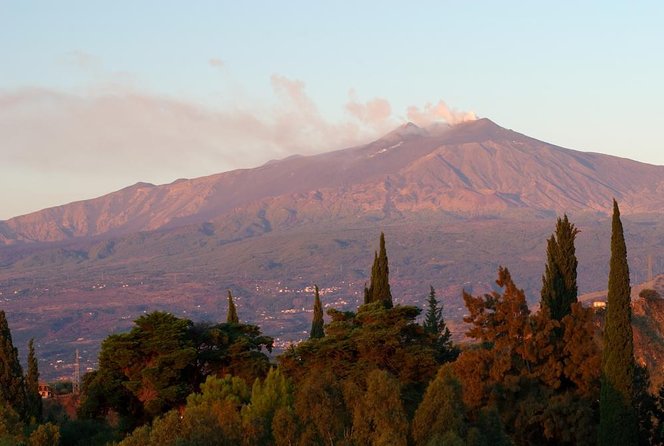
- High-elevation walking between areas around 3000 m and down toward 1800 m (route varies)
- Optional 4×4 transport from the north side area near Piano Provenzana adds access but costs extra
- Weather-dependent plans mean visibility and crater access can change
- English mobile ticket makes entry straightforward once you’re there
Why the Etna Summit Craters Trek Feels Different From Usual Sightseeing
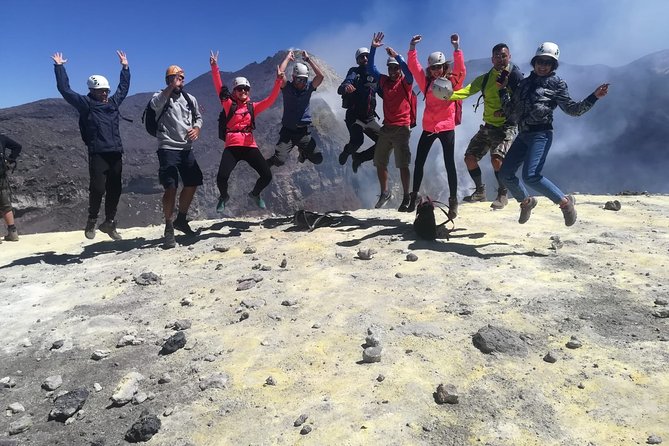
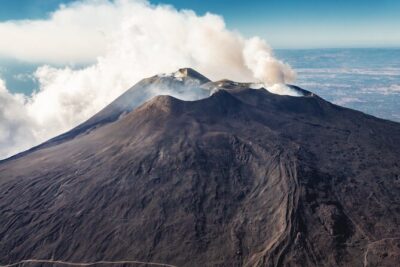
If you’ve done an Etna “look from a distance” type of outing, this is a different style. This one is built around getting up high and walking through the kind of volcanic terrain where the ground looks and behaves like it belongs to a special chapter of Earth history. One big theme in the best experiences here is how the guides help you read the volcano: what a crater mouth means, how lava features form, and why the views at elevation can be both stunning and slightly unreal.
I also like the small-group approach because it changes the atmosphere. You’re not fighting for a window of time on a crowded viewing point. With a group capped at 20, you can actually listen, stop when the guide says stop, and keep your footing when the terrain gets rough. And if you want a guide known for clear explanations, several praised names pop up—Marco, Daniele, Arturo, and Davide—each described as professional and careful with their group.
One more thing: because this is Etna, not a theme park, your day may not be identical to someone else’s. Activity levels and cloud cover can shape what’s possible that day, and that’s part of the tradeoff for doing something this close to the real thing.
You can also read our reviews of more tours and experiences in Sicily.
The Etna Route Up Close: North Side Starts, Craters, and the Walk Back Down
Most versions of this excursion revolve around reaching Etna’s upper areas and then walking through volcanic formations. The north-side approach is a recurring detail in the strongest stories, with one key point: it can feel less packed than routes people associate with the south side. If you’re trying to avoid the “everyone arrives at once” vibe, that north start can help.
A common pattern looks like this:
- You may begin around Piano Provenzana with a 4×4 vehicle option (extra cost) to an observatory area around 3000 meters.
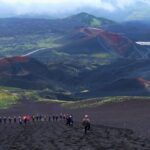
- From there, you walk back down toward roughly 1800 meters, passing volcanic features along the way.
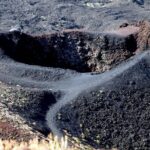
- If conditions allow, the guide may take you up to more extensive crater zones, including the feeling of standing near the “mouths” of active terrain.
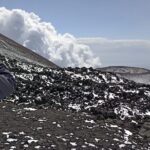
Even when you don’t reach a highest possible summit point, you still get variety on the ground. One account describes seeing features such as lava caves, volcanic bombs, and other formations—plus that moment when the surroundings feel like you stepped onto another planet. That’s not just about height; it’s about the way volcanic materials shape what you can see and how the terrain guides your attention.
There’s also a reality check to plan for: sometimes you can’t go all the way up if Etna is active in a way that affects access. One of the stories includes a day when the group couldn’t reach the very top, but the walker still found the route exceptional. If your priority is a guaranteed “topmost point no matter what” photo, this kind of expedition is better framed as a flexible volcanic trek.
Finally, don’t assume the entire day is “just walking.” Even if the core experience is trekking, the optional high-clearance transport can make the difference between a sightseeing hike and a real high-altitude adventure.
What the Volcanological Guide Actually Adds (And Why It Matters)
A guide isn’t just there to keep you moving. Here, the strongest praise is about explanations that make the volcano feel understandable. You’re not only looking at craters; you’re learning what you’re seeing and why it exists.
Several named guides show up in the best accounts—Marco, Daniele, Arturo, Davide—each described as professional and focused on teaching. The kind of details that stand out include:
- How Etna’s system works in practical terms (what makes a crater a crater, and what signals the terrain is sending)
- Safety and pacing, especially when the ground is uneven or visibility changes
- Willingness to answer questions and adjust to the group
That matters because Etna can be visually overwhelming. Without guidance, you might just see rock, smoke, and impressive views. With a volcanological guide, you tend to notice patterns: where volcanic materials have traveled, what specific formations suggest, and how the crater area fits into the bigger story of the mountain.
If you care about learning but don’t want a classroom lecture, this is the sweet spot. It’s educational, but it’s delivered while you’re walking and looking—so it sticks.
Price and Value: What You Pay, What Costs Extra, and What That Means
The listed price is $101.85 per person, and on paper it looks simple. But the value question really turns on two things that aren’t always included automatically: lunch and the high-clearance transport.
Here’s the practical breakdown:
- What’s included: trekking with a volcanological guide
- Not included: lunch
- Not included: private transportation
- Not included: the special 4×4 transport for the Etna north route from the Piano Provenzana area, priced at €60
So, is it good value? In most cases, yes—especially because you’re paying for guided trekking in a small group. The “real” cost comparison isn’t only the headline price; it’s the all-in experience. If you want the full-feeling route where you’re driven to higher starting points and then walking back down, budget for that €60 4×4 add-on.
If you already plan to handle your own transport (or if your day is built around a different way of getting to the starting elevation), you might find the base rate fair. But if you’re expecting the entire summit-craters day to be turn-key with everything included, double-check what your ticket covers and what you’ll pay on the spot.
One more value tip: bring your lunch plan. Because lunch isn’t included, either pack something simple or arrange to buy food before you start. At altitude, the day can feel longer than you expect, and you don’t want to be stuck hungry while you’re trying to enjoy crater views.
Timing, Duration, and When Etna Rewrites the Plan
The duration is listed as 5 to 7 hours. That range is important because volcanic terrain and access points can change with conditions. Good weather matters, and the experience can be canceled due to poor weather—with a rebook option on another date or a full refund.
It’s also smart to plan your day in a way that can handle some flexibility. Even on a day that runs, cloud cover can affect visibility. One of the stories includes disappointment when clouds reduced what the group could do, which is exactly the kind of tradeoff that comes with Etna. You’re not paying for guaranteed perfect skies. You’re paying for a guided attempt to get close to the volcano’s actual features.
Also note: the start time is shown as 12:00 am in the details provided. That looks like a system-format issue more than a sensible midnight start. Before you rely on it, trust your confirmation message and double-check the exact start time for your specific booking.
If you like a tight schedule, this is the one day you might want to leave some breathing room.

Getting the Most Out of a Moderate-Fitness Trek
This excursion asks for moderate physical fitness. “Moderate” here likely means you should be comfortable with:
- walking on rough ground
- managing changes in elevation
- staying steady during stops and movement around volcanic terrain
If you’re generally active and used to hiking, you’ll probably find this doable. If your mobility is limited or you don’t handle uneven surfaces well, it’s not the right fit. The terrain near crater areas can demand better balance than flat-city sightseeing.
A small comfort: since the group size is capped at 20, a competent guide can often manage pacing and attention. That’s where guide professionalism makes a difference, and that’s a recurring compliment in the best stories.
What I’d do if I were preparing: wear proper hiking shoes (not flimsy sneakers), bring a layer you can adjust if conditions shift, and plan for a day where you’ll be outdoors for several hours at altitude.
Best For Who? Families, First-Timers, and Etna Fans
This is ideal if you want Etna up close and you’re okay with a guided trek rather than a quick driving tour. It’s also a great match for people who care about explanations, since volcanological guides are a core part of the value.
One account describes doing it with an almost eight-year-old, which suggests the pace can work for capable kids with the right attitude and family fitness level. Still, don’t assume it’s “kid-easy.” Moderate fitness and uneven volcanic ground are the baseline.
If you’re visiting Sicily and want a signature day activity, this is the kind of outing that can anchor your trip. You’ll likely come away talking about the crater mouths, the high-altitude feeling, and the way lava formations look when someone helps you understand them.
Should You Book the Summit Craters Excursion on Etna?
Yes—if your priority is a guided hike on real volcanic terrain and you’re comfortable with weather-dependent access. The 97% recommendation and the 4.9 rating back up what the best experiences emphasize: professional guiding, small-group attention, and an outing that feels like a true day on Etna rather than a quick checklist stop.
Book it if:
- you want volcanological explanations while you walk
- you like small groups (20 max)
- you’re okay paying extra for the €60 4×4 if you want full access to higher starting points
- you can handle moderate trekking
Consider skipping or choosing a different Etna option if:
- you need lunch included
- you want guaranteed access to the very highest points regardless of volcanic activity or visibility
- you don’t handle uneven terrain well
If you do book, I’d make one smart move: plan your day so you can handle schedule shifts, and prepare for the fact that Etna decides part of the itinerary.
FAQ
How long is the Summit Craters Excursion?
It’s listed as approximately 5 to 7 hours.
Where is this excursion located?
It’s in Sicily, Italy, on Mount Etna.
What language is the tour offered in?
It’s offered in English.
Is lunch included?
No, lunch is not included.
Is the 4×4 transport included in the price?
No. The special 4×4 transport from Etna North – Piano Provenzana is listed as an extra cost of €60.
How big is the group?
This activity has a maximum of 20 travelers.
Do I need good weather for this tour?
Yes. The experience requires good weather, and if it’s canceled due to poor weather, you’ll be offered a different date or a full refund.
Is the ticket mobile?
Yes. It includes a mobile ticket.
FAQ
Can I bring a service animal?
Yes, service animals are allowed.
Do I get a confirmation when I book?
You’ll receive confirmation at the time of booking unless you book within 2 days of travel, in which case confirmation is received within 48 hours, subject to availability.
Is it suitable for people with moderate fitness?
The tour is designed for travelers with moderate physical fitness.
Does it start and end at the same place?
Yes. The activity starts at the meeting point and ends back at the same meeting point.