REVIEW · MOUNT ETNA
Mount Etna: Volcano Craters Hiking Tour
Book on GetYourGuide →Operated by Guide Vulcanologiche Etna Nord · Bookable on GetYourGuide
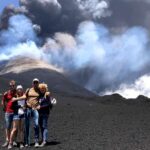
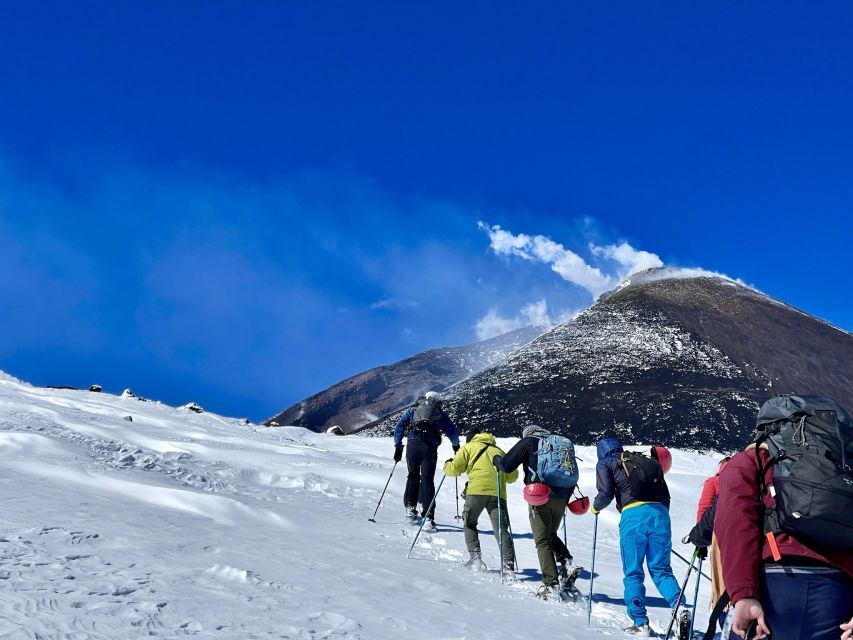
One step on Etna makes the volcano feel real. This 5-hour crater hike takes you high enough to trade normal travel photos for steam, heat, and active geology. I especially like how the guide keeps you in the safe zone while you still get close to fumaroles and recent lava flows near the top.
The main upside is value for what you get. For about $28 to start, you’re supplied with the bulky stuff like warm jackets, helmets, poles, and trekking shoes, plus entry and accident insurance. One thing to weigh: this is a trained-hiker route with crater-edge walking, serious wind at altitude, and extra on-site fees for the cable car and the scientific add-on.
Key things I’d remember about this Etna hike
- Up to 3,000 meters with special authorization, when conditions allow
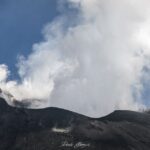
- Fumaroles and steaming lava—you feel the heat, not just read about it
- Small-group vibe in practice (often around 10 people, sometimes up to ~20)
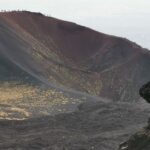
- Real crater walking to the Southeast Crater area and the 2002 craters
- Gear included: poles, helmets, warm jacket, trekking shoes, and backpack
- Guides often bring strong storytelling, with familiar names like Vincenzo, Fabio, Andrea Montemagno, and Nikkos
In This Review
- A Living Volcano in Your Boots
- Price and the Real Cost of Getting to 3,000 Meters
- From Etna Guides Official to the Funivia dell’Etna
- Barbagallo Crater: Basalt, Steam, and a Long Guided Stretch
- Up Close to Fumaroles and the Southeast Crater
- Valle del Bove Descent and Getting Back Safely
- What to Pack, What to Skip, and Who Should Not Go
- Should You Book This Mt. Etna Craters Hike?
- FAQ
- Do I pay extra fees on site for this Mt. Etna tour?
- What is included in the tour price?
- Where do we meet and where does the tour end?
- How long is the hike?
- What languages are offered by the guide?
- Is this tour suitable for children or people with health issues?
A Living Volcano in Your Boots
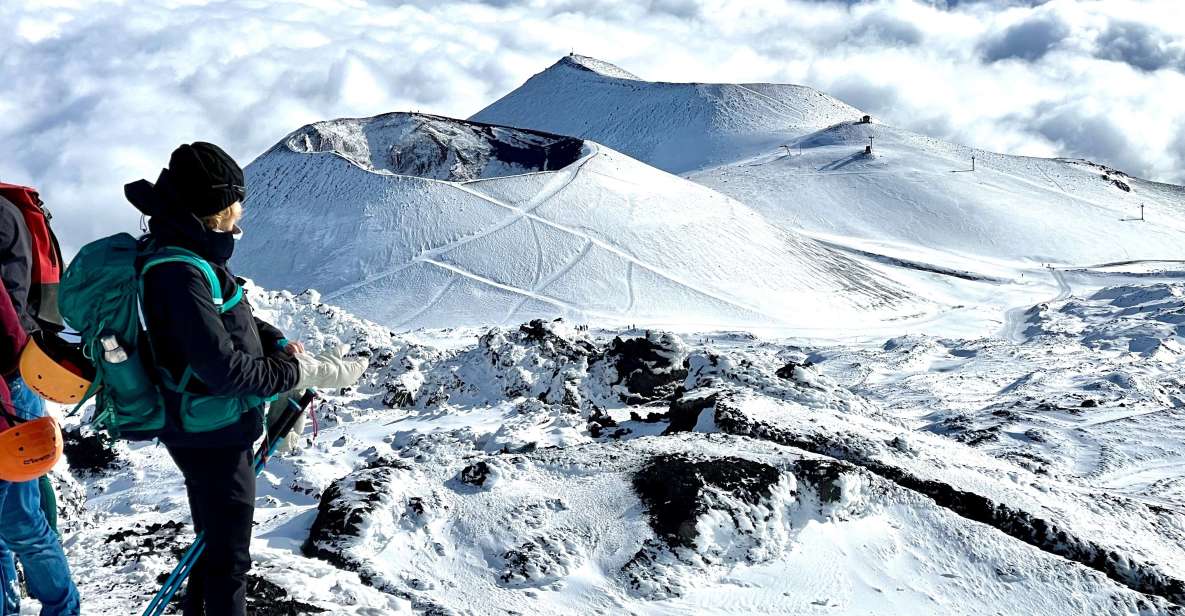
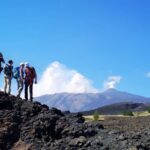
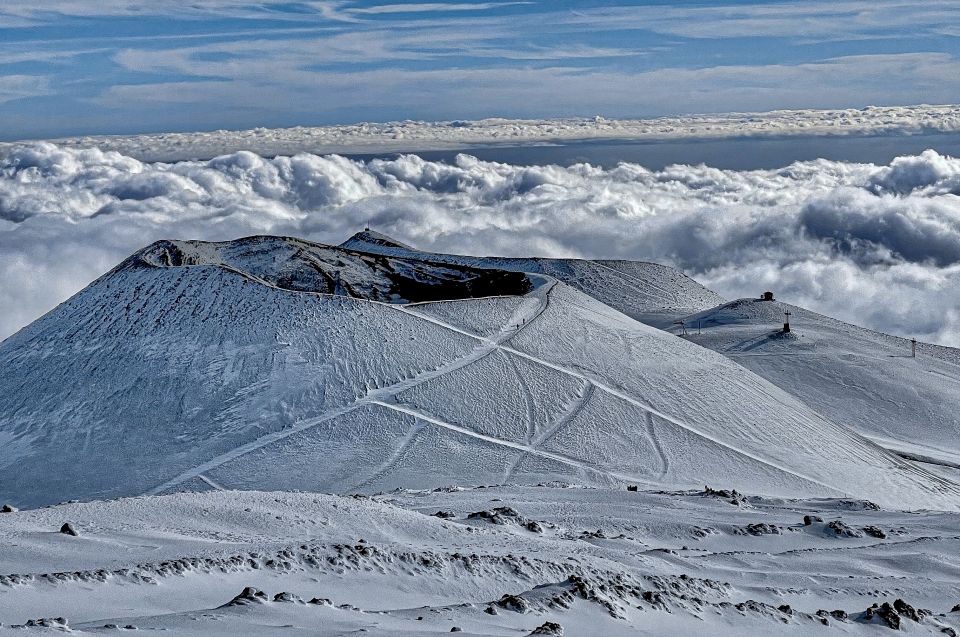
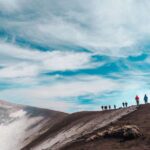
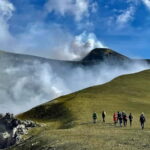
Mount Etna has a way of shrinking your sense of “safe travel.” You’re still on a guided route, kept away from the danger zone—but the mountain is active, hot, and close. You start at the Bar Esagonal around 1,900 meters, ride up by cable car, and then walk into a setting that feels lunar: black volcanic rock, pockets of steam, and views that stretch across eastern Sicily.
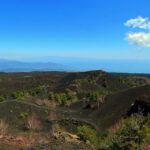
Two parts make this tour hit harder than a simple viewpoint. First, the walking puts you on the kind of ground you usually only see in geology books—basalt, ash, and the edges of lava that’s cooled but still marked by recent eruptions. Second, you get time near fumaroles that spew hot gases. That’s not museum stuff. Even from a safe distance, the heat and smell make the volcano feel like it’s breathing.
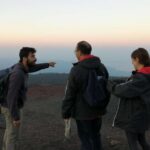
The pace is also controlled by the guides. People like Vincenzo and Fabio are repeatedly praised for keeping everyone moving at a pace that works, then pausing often to explain what you’re seeing. Expect stops where the story is the point, not just the scenery.
Price and the Real Cost of Getting to 3,000 Meters
The listing price is shown as $28 per person, but the full day cost isn’t only that number. You’ll pay on site for two major add-ons:
- €52 per person for the round-trip cable car tickets
- €30 per person for the volcanological guide service / scientific information add-on
And there’s a key rule: if you don’t pay the scientific information fee, you won’t be able to participate in the hiking activity. So budget for it up front, even though you pay in person.
Now, here’s where the value equation gets interesting. Several essentials are included:
- trekking poles, helmets, and a backpack
- warm jackets and trekking shoes
- Etna entry fee and accident insurance
That reduces what you need to haul and rent. If you’re traveling light, or you don’t want to shop for mountain shoes in Sicily, this is genuinely helpful.
Food and drinks are not included. Also note snowshoe rental is only mentioned for deep snow (€15 on site), so you won’t automatically need it every season. Still, weather can change your experience fast at altitude.
Bottom line: treat the advertised $28 as the start of the fare, not the whole trip. Once you add the cable car and the scientific add-on, you’re paying for a guided, high-altitude walk into active volcanic zones—with the gear support to match.
You can also read our reviews of more hiking tours in Mount Etna
From Etna Guides Official to the Funivia dell’Etna
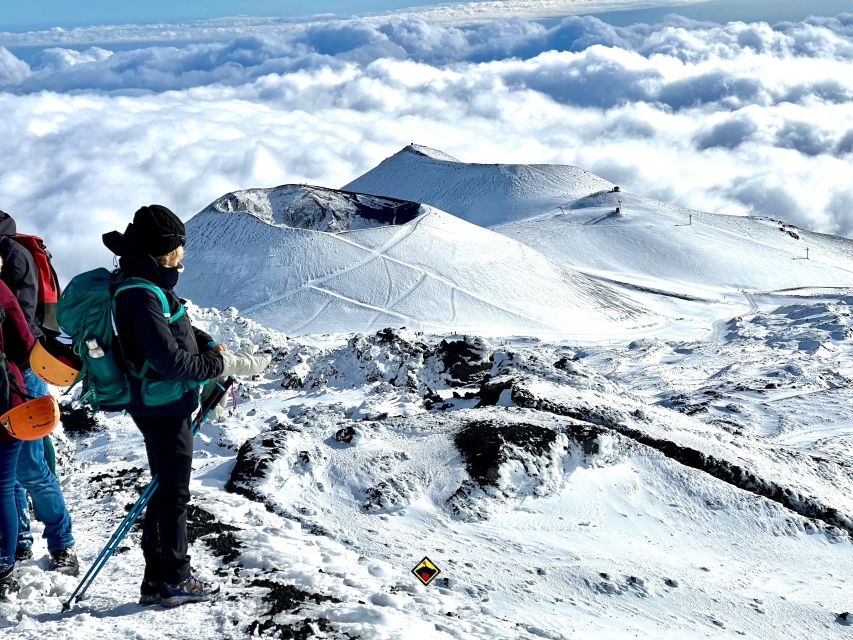
You meet at Etna Guides Official, in the parking lot in front of the Esagonal Bar. The day starts with a short transfer (about 20 minutes), then you move into the core guided portion.
The big altitude jump is the cable car. The route is built so you can start lower and then land at roughly 2,500 meters before the real hiking begins. That matters because it saves your legs for the crater-edge sections later, where footing and wind take over.
You also get language support. Tours run with a live guide in Italian, French, and English, depending on the group.
One small “heads up” that can affect your mood: on a busy day, cable car ticket lines can add time. In one account, the queue was noticeable, though the overall experience still made it worth it. My practical advice is simple: arrive ready to wait a bit and don’t plan your next stop too tightly right after the tour.
At the start, you’ll also be checked and kitted out with what’s included. Helmets, warm jackets, poles, and proper shoes reduce risk. They also make it more likely you’ll actually enjoy the hike instead of fighting your clothing choices.
Barbagallo Crater: Basalt, Steam, and a Long Guided Stretch
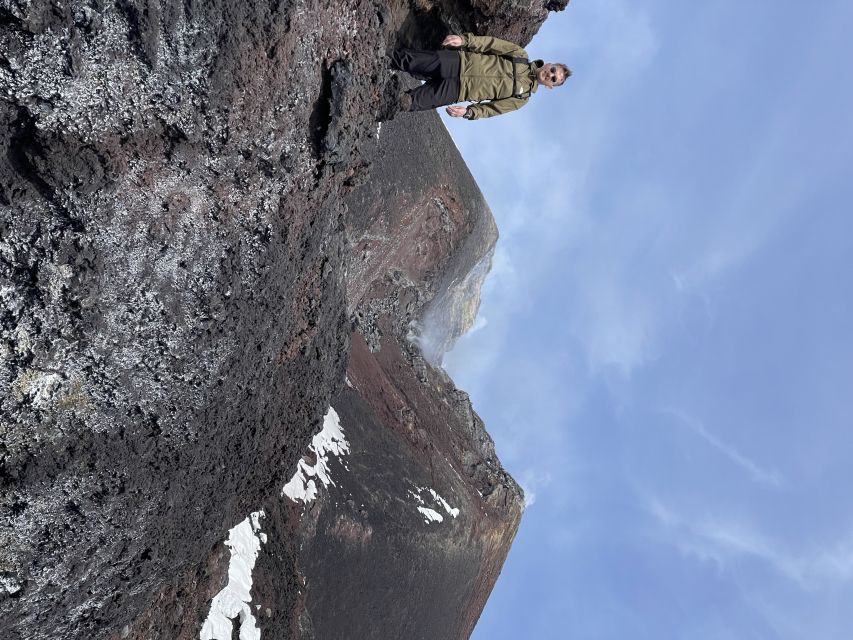
After the transfer, the itinerary settles into a longer guided segment at Barbagallo Crater (about 2 hours 33 minutes total for the guided time at that stage). This is where you learn to read the ground.
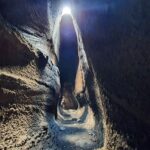
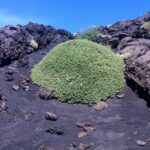
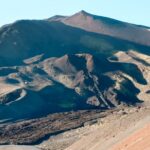
Barbagallo is part of the tour’s “geology first” approach. You’re not just walking past scenery—you’re walking past features with names and reasons. This is also where you’re more likely to notice the mix of heat and rock: basalt textures underfoot, steam venting from the earth, and the subtle differences between older and more recent volcanic material.
The guides’ explanations seem to be one of the tour’s biggest strengths. Names you might hear include Vincenzo, Andrea Montemagno, and Nikkos, and multiple comments mention guides who switch smoothly between languages while keeping the group safe.
A detail worth taking seriously: the hike includes walking near crater edges, and that can trigger dizziness if you’re sensitive to heights. The route is designed to stay away from the danger zone, but your body still has to deal with exposure. If that’s you, tell the guide early so they can guide your pace and where you pause for photos.
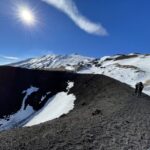
At some point in this phase, the tour moves toward the higher zones where conditions can feel noticeably colder and windier. Even in shoulder seasons, people report ice and strong gusts near the top. So treat Barbagallo as your “warm-up” not just for legs, but for weather reality.
Up Close to Fumaroles and the Southeast Crater
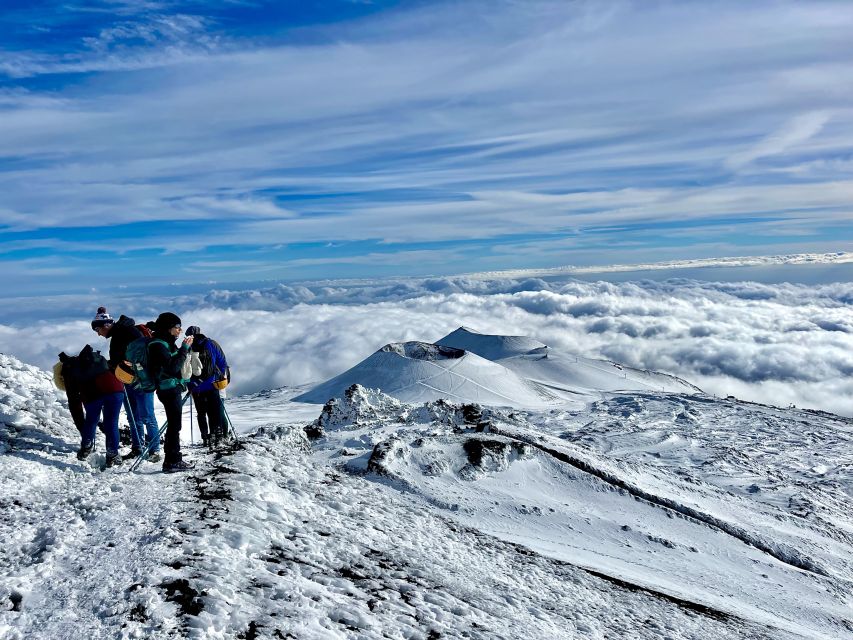
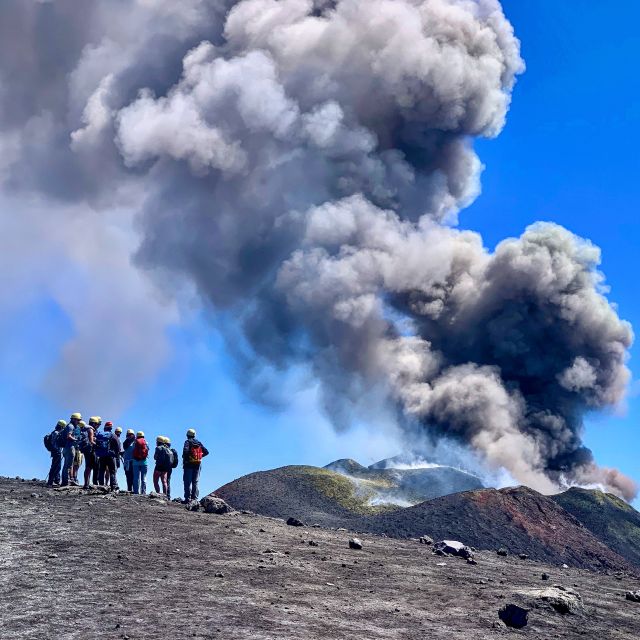
The hike’s most dramatic payoff happens as you go higher. The plan pushes above 2,750 meters up to around 3,000 meters under special authorization for scientific purposes—and that’s only done with the group’s condition in mind.
This is where the experience turns from scenic to intense:
- You pass by still-steaming lava flows from more recent eruptions.
- You get close to fumaroles, where hot gases vent from underground.
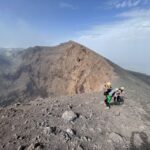
- You reach the base area of the Southeast Crater (the most active crater at the moment, based on the tour’s description).
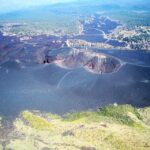
Then you shift toward the large craters of 2002. This part matters because Etna isn’t one single crater photo. You’re seeing how eruptions scar and reshape terrain over time, and you’re tracking those changes with your feet.
Timing-wise, there are also shorter breaks and photo moments sprinkled in. There’s a photo stop on Mount Etna (about 40 minutes), plus another break/photo/visit block (around 30 minutes). Those pauses are useful. At altitude, you’ll feel it: breathing gets a little harder, and wind can make everyone move slower.
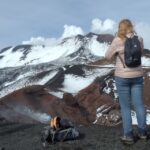
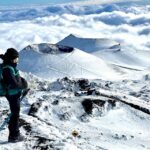
A practical note from experience shared by others: the top can be brutally windy and cold, with conditions that make staying at the summit-ridge uncomfortable for long. One group described wind that felt extreme and required staying firmly together. The good news is that the guides don’t treat that like a failure; they adjust where you stand, how long you stay, and where you take breaks so the day stays safe and meaningful.
If you like geology and you also like earning your views, this is the part you came for.
Valle del Bove Descent and Getting Back Safely
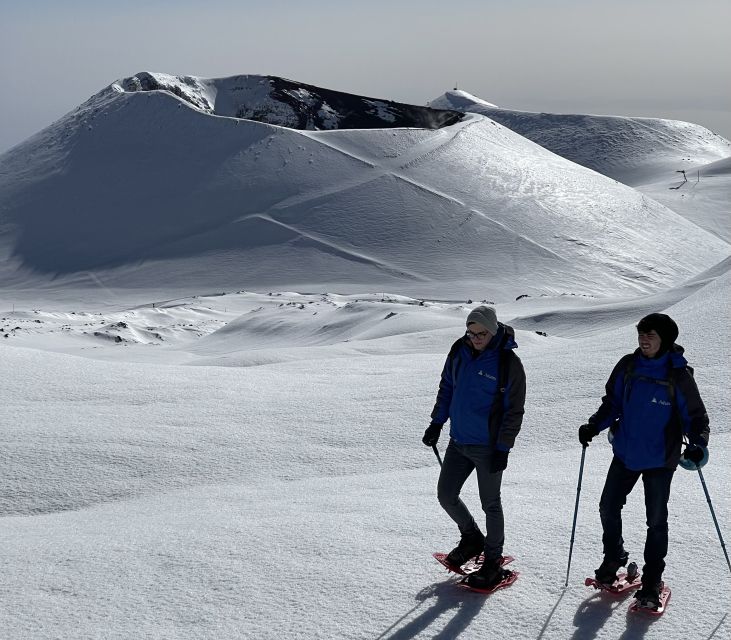
Once the main crater time is done, the day turns into the return. You head down toward the cable car station by a path that can be sandy shale and, in winter, snowy. The itinerary includes a transfer back toward Valle del Bove (about 20 minutes), ending back at the meeting point at Etna Guides Official.
This descent phase is where your knees get a vote. Even when the distance isn’t huge, crater terrain can be uneven and grippy only in certain spots. In one account, the steepest descent was on sandy shale and took concentration. That’s the kind of thing that doesn’t sound scary until you’re doing it, so use your poles and keep your steps deliberate.
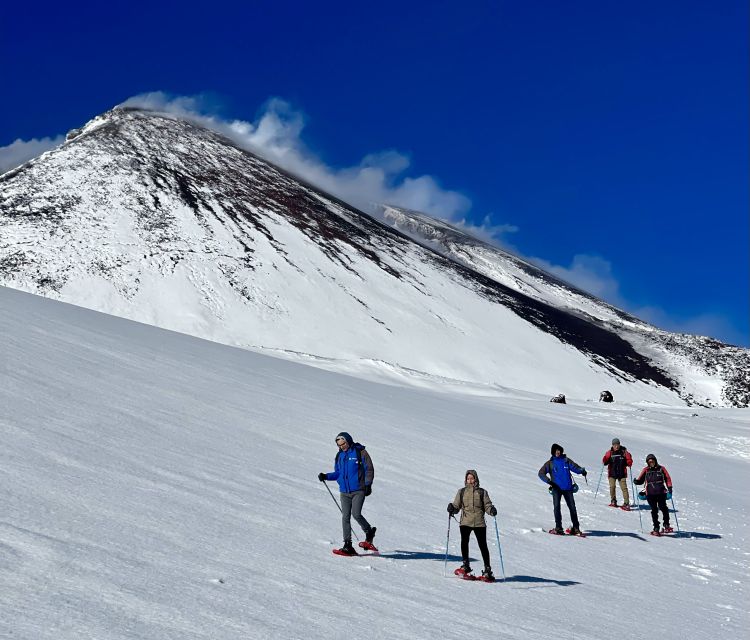
If snow or ice hits that day, footing changes again. One review described winter conditions with ice and snow, and the guides got people up safely despite the messier ground. Still, this hike is not for casual footwear. You’re going to want the trekking shoes you’ll be issued, long pants, and a windproof layer.
The upside of the descent is that you’ll get calmer. Wind often eases lower down, and you can breathe easier. You’ll still be thinking about what you saw—fumaroles, basalt canyons (when not buried in snow), and lava flow banks—but you’ll be shifting into “wrap-up and photos” mode rather than “stay balanced” mode.
What to Pack, What to Skip, and Who Should Not Go
This tour is set up to be safe, but it’s not casual. You’ll be close to active volcanic features and you’ll climb and walk along edges. That means gear and health fit matter.
Bring:
- windbreaker, sunglasses, sunscreen
- snacks and drinks (not provided)
- a change of clothes
- long pants and weather-appropriate layers
- comfortable hiking clothes and layers you can move in
Gloves and hats are not included, so plan to bring your own. Also, even if you get warm jackets, the top can still feel cold due to wind.
Wear rules are strict:
- no high-heeled shoes
- no sandals or flip-flops
- no open-toed shoes
Not allowed: alcohol and drugs.
Health and safety exclusions are also clear. This isn’t for people with mobility impairments, heart problems, respiratory issues, epilepsy, recent surgeries, low fitness, or anyone with vertigo. It also says the route isn’t suitable for people without experience, people with high blood pressure, and those with back problems. If any of those apply, don’t gamble with it.
One more practical thing: dizziness can happen because of the crater-edge walking. If you’ve ever gotten that feeling on exposed viewpoints, tell the guide immediately and consider whether your comfort level is worth the risk.
Should You Book This Mt. Etna Craters Hike?
I’d book this if you want more than a photo stop. This is a guided walk into active volcanic terrain where you’ll see fumaroles, recent lava, and crater areas like the Southeast Crater and the 2002 craters. You also get solid gear support and language options, which makes it easier to show up prepared.
I’d skip it if you’re seeking an easy stroll or if heights and uneven footing make you uneasy. The tour is for trained hikers, and wind can be a real factor at the top. It also comes with on-site costs for the cable car and the scientific add-on, so check your budget beyond the advertised $28.
If you’re a fit hiker who loves geology, and you’re okay with cold wind and a bit of knee work on the way down, this is one of the best ways to experience Etna as a living mountain rather than a distant landmark.
FAQ
Do I pay extra fees on site for this Mt. Etna tour?
Yes. Cable car tickets are not included (paid on site at the Funivia dell’Etna office) and the scientific volcanological add-on is also paid on site. If you do not pay the additional scientific fee, you won’t be able to participate in the hiking activity.
What is included in the tour price?
The tour includes trekking poles, helmets, accident insurance, Etna entry fee, warm jackets, trekking shoes, and a backpack.
Where do we meet and where does the tour end?
You meet in the parking lot in front of the Esagonal Bar, at Etna Guides Official. The activity ends back at the same meeting point.
How long is the hike?
The total duration is listed as 5 hours (starting times depend on availability).
What languages are offered by the guide?
The live tour guide is available in Italian, French, and English.
Is this tour suitable for children or people with health issues?
Children under 12 are listed as not allowed (the info also mentions under 11), so check the cutoff before booking. The tour is also listed as not suitable for people with vertigo, mobility impairments, heart problems, respiratory issues, epilepsy, back problems, recent surgeries, high blood pressure, or low fitness.