REVIEW · MOUNT ETNA
Etna Volcano: South Side Guided Summit Hike
Book on GetYourGuide →Operated by Ashàra Etna & Stromboli Guides · Bookable on GetYourGuide
Etna smells like science and adventure. This guided Etna Volcano South Side summit hike takes you up to the crater zone by cable car, then back down over lunar-like volcanic terrain with a certified guide who explains what you’re seeing. You’re walking on one of Europe’s most active volcanoes, so the day feels alive, not scripted.
Two things I love here: first, the summit crater-rim walk with jaw-dropping views over the Northeast Crater and Southeast Crater. Second, the trek past lava features—think lava channels and other stark, sulfur-scented ground that looks more alien than rocky.
One thing to think about before booking: this is a medium-high difficulty hike at big altitude, on uneven and sometimes sandy surfaces. If you’re not comfortable pushing through physical effort when it’s cold or windy up high, you’ll feel it.
In This Review
- Key highlights
- Etna’s South Side: What You’re Really Buying
- Start at Rifugio Sapienza: Meeting Point and Gear Moments
- Cable Car to 2,500 Meters: The Fastest Part of the Day
- The Central Crater Rim: Views That Make You Pause
- From Lava Flows to Lunar Terrain: Where the Guide Makes It Click
- The Descent: Valle del Bove and Barbagallo Craters
- Timing and Pacing: How the 6 Hours Feels
- Difficulty Level: Who Should Feel Confident
- Price and Value: The $67.97 Base Plus Real Costs
- What to Bring: Your Comfort Kit for Wind, Cold, and Dust
- When Etna Is Active: Route Changes You Should Expect
- Who Should Book This Etna Summit Hike
- Should You Book This Etna Summit Hike?
- FAQ
- How long is the Etna South Side summit hike?
- Where do I meet the guide?
- Is the cable car included in the price?
- What’s included in the tour?
- What hiking level should I expect?
- What should I bring, and what’s not allowed?
Key highlights
- Cable car ride to 2,500 meters so you gain altitude fast and spend more time hiking the good stuff
- Central Crater rim views with scenery toward the Northeast and Southeast craters
- Lava-channel and lunar-terrain trekking that makes Etna look like another planet
- Guided geology stops covering eruptions, crater formation, and why the ground sparkles
- Safety-first route changes if summit craters get restricted that day
Etna’s South Side: What You’re Really Buying
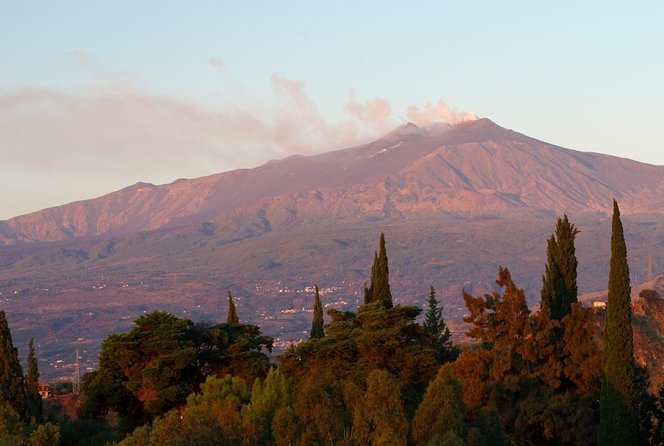
This isn’t just about reaching a high point. You’re buying access to the crater area where you can actually see volcanic evidence up close: gas emissions, volcanic bombs, and ground that can look oddly colored from the chemistry at play—especially sulfur. Up there, the volcano feels less like a postcard and more like a living system.
The South Side setup also matters. Starting from Rifugio Sapienza (Etna South) keeps the day focused: cable car up, guided hike on foot, then cable car back down. You get a satisfying arc to the trip without turning it into a logistics marathon.
You can also read our reviews of more guided tours in Mount Etna
Start at Rifugio Sapienza: Meeting Point and Gear Moments
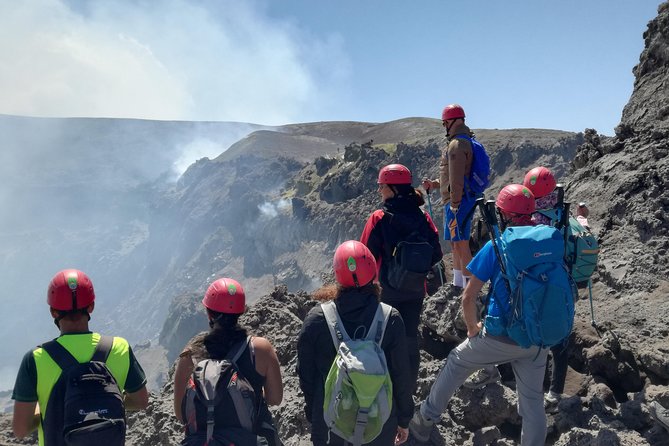
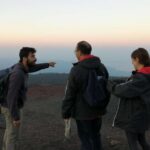
You meet at Ashàra Volcanological Guides in Sicily, at the info point by Rifugio Sapienza near the Terrazza dell’Etna restaurant. Plan to arrive a little early, because the day starts with outfitting: hiking boots, a rock helmet, and walking sticks.
In real life, that early organization can make or break your mood. One group report mentioned getting boots and helmets for a larger group took time, so if you’re the kind of person who hates waiting, buffer your schedule and accept that Etna days start with a checklist.
Also note the clothing rules. You’ll want long pants and sleeves—shorts and sleeveless tops aren’t allowed. It’s not about fashion; it’s about protecting skin on rough, volcanic surfaces and in wind.
Cable Car to 2,500 Meters: The Fastest Part of the Day
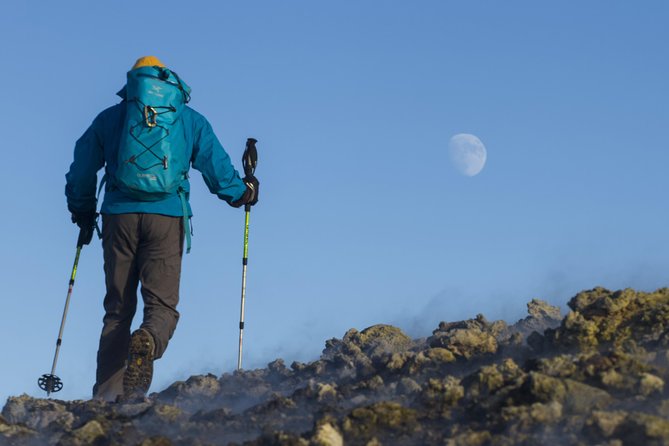
The cable car segment runs about 25 minutes each way. Getting up quickly is a big part of the value because it shortens the time you’d otherwise spend on steep approaches, while still dropping you into true altitude conditions.
And yes, altitude can surprise you. Even if you feel fit, your breathing can feel different up high, and wind can make it colder than you expect. Bring a jacket and layers, even if the base area feels warm.
One practical tip: the cable car tickets are not included and are listed at 52 EUR per person, payable on the spot. You’re told it’s cash-only, but one review mentioned card could work in a bind—so don’t bet your day on it. Bring cash if you can.
The Central Crater Rim: Views That Make You Pause
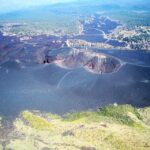
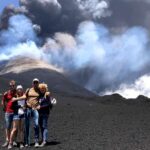
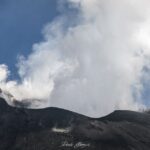
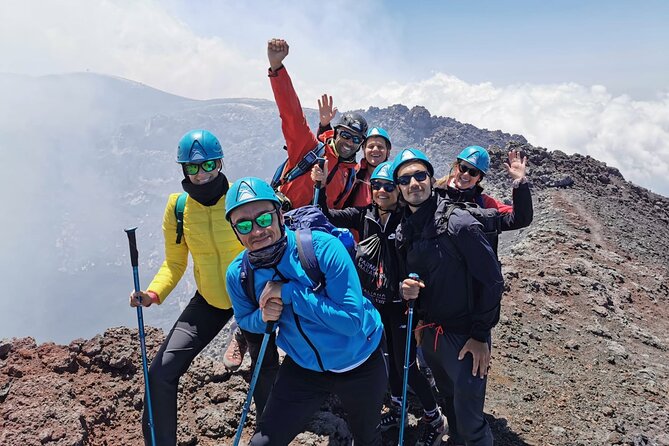
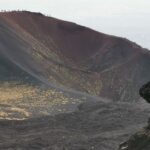
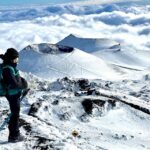
Once you’re walking, you’ll spend time moving through viewpoints toward the crater zone. The day’s marquee experience is a stroll near Cratere Centrale dell’Etna—with dramatic sightlines toward the Northeast Crater and Southeast Crater, the one tied to the most recent impressive eruptions.
This is where your camera will earn its keep. Photo stops aren’t just a nice extra; they’re built around the fact that the crater edges and visibility can change quickly with weather. If the guide calls a stop, take it seriously—you may not get that angle again later.
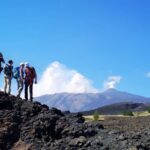
Expect terrain that’s not uniform. You’re dealing with sandy or uneven ground and lots of volcanic texture. Walking sticks help here more than you think, especially if the surface is loose.
From Lava Flows to Lunar Terrain: Where the Guide Makes It Click
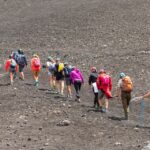
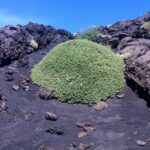
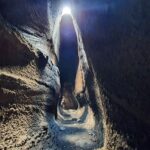
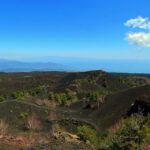
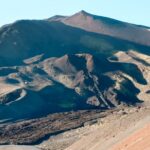
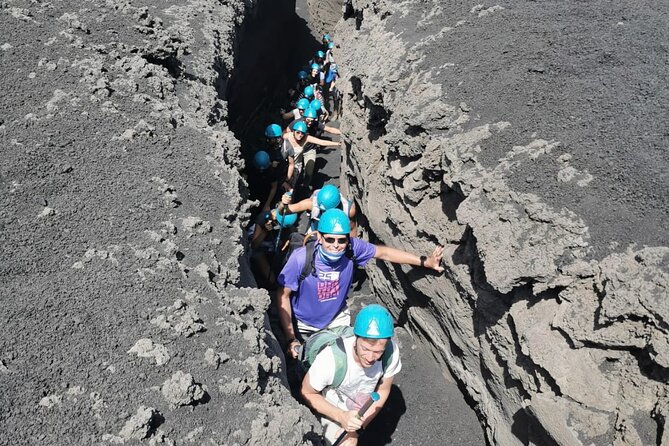
The hike heads through lava-flow terrain that can feel downright surreal—like you’re moving through a scene from the moon, not Sicily. You’ll also pass features like lava channels during the day, and there’s a good chance you’ll stop to talk through what you’re seeing.
This is where a strong guide earns their keep. You’ll learn how eruptions shape the crater complex over time, and why you might see “bizarre” colors and textures caused by sublimation and other volcanic chemistry (sulfur comes up specifically in the provided description). It turns random rocks into a story you can understand.
I also like the safety-minded pacing. The guides have permission to adjust the route if conditions shift, and they’ll do it without rushing you. On active days, that realism is part of the experience—not a downgrade.
You can also read our reviews of more hiking tours in Mount Etna
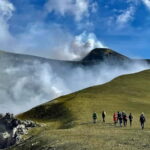
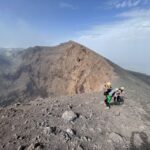
The Descent: Valle del Bove and Barbagallo Craters
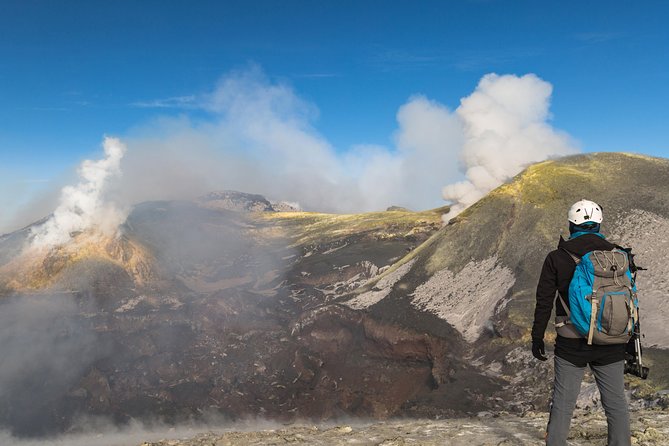
Your downhill portion includes Valle del Bove, with about 1 hour of hiking listed. This area gives you a different kind of volcanic view than the crater rim—more spread out, more about terrain shaping and how the volcano’s forces carved routes through space.
The description also mentions visiting Barbagallo craters and crossing a lava flow channel on descent. That combination—craters plus a lava-cut feature—helps you see Etna from multiple angles instead of only focusing upward.
Don’t assume you’ll always get to the exact summit-crater spots. On days with strong activity, routes can be changed and you may only go up to the maximum altitude allowed. That’s why this tour is worth considering even when conditions aren’t perfect: the guide’s job is to keep you safe and still show you the most meaningful terrain available.
Timing and Pacing: How the 6 Hours Feels
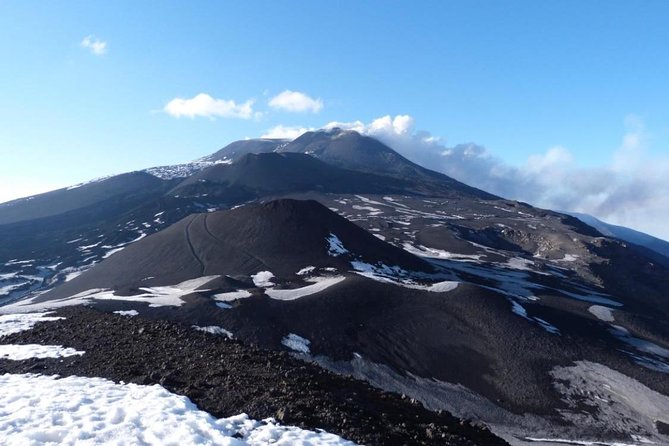
The full trip is about 6 hours, driven by two cable car rides plus a guided hiking block that’s roughly a couple of hours on foot. Your actual movement time can feel longer or shorter depending on weather, wind, and how the group moves together.
Group size is worth mentioning. One report described a group around 25 people, and the start took time due to outfitting and ticket checks at the cable car station. If you dislike delays, keep your expectations flexible and treat the waiting as part of the process, not something the guide can always control.
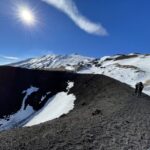
Pacing also depends on altitude and headwinds. A detailed tip from one end-of-May hike stressed that the ascent can feel like a sandy dune under wind pressure. Translation: you’ll want good traction and a calm rhythm, and you’ll benefit from taking short, steady breaks when offered.
Difficulty Level: Who Should Feel Confident
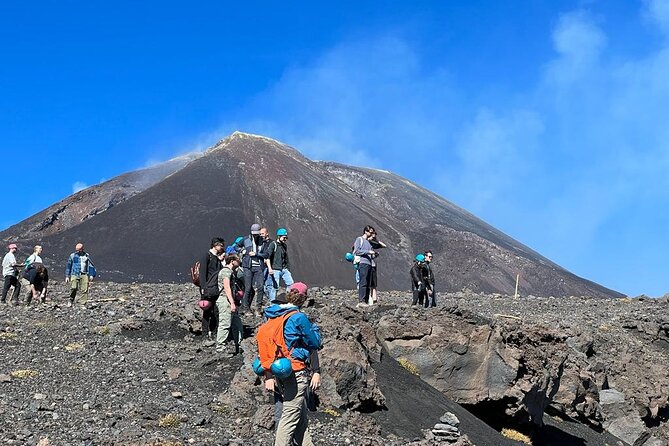
This hike is aimed at moderately trained hikers who are comfortable on sandy or uneven terrain. The difficulty is described as medium-high, so you’ll want to go in ready for physical effort, not just sightseeing.
It’s also not a good fit if you have issues that can be triggered by altitude or sustained climbing. The tour is explicitly not suitable for:
- children under 9
- pregnant women
- people with back problems, heart problems, respiratory issues, or high blood pressure
- wheelchair users
- people with vertigo
If you’re unsure, be honest with yourself about your limits. The guide may stop the excursion if needed for safety or someone’s physical integrity.
Price and Value: The $67.97 Base Plus Real Costs
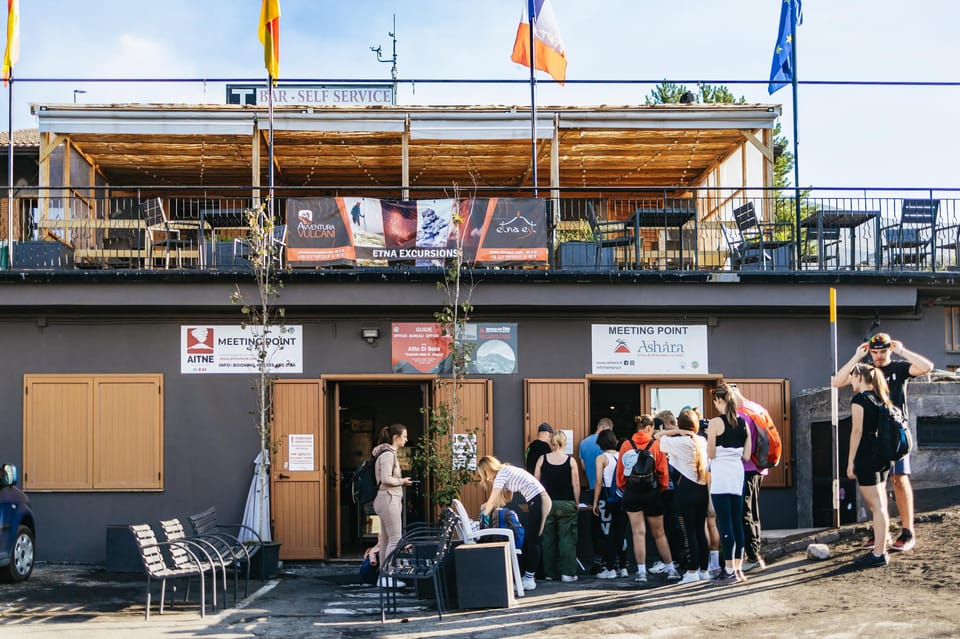
The listed price is $67.97 per person, and that covers the hiking tour plus the volcano or alpine multilingual guide, accident insurance, rock helmet, and walking sticks. Hiking boots are listed as included too, which can save you time and rental hassle at the start of the day.
The big extra cost is the cable car: 52 EUR per person, payable on the spot. So your all-in plan should treat the cable car as a separate line item.
Is it good value? In my view, yes—mainly because the day isn’t just access to a viewpoint. You’re getting structured crater walking, lava-formation context, and safety-managed route adjustments on an active volcano. If you’d otherwise need to figure out guides and transport on your own, this package becomes easier to justify.
What to Bring: Your Comfort Kit for Wind, Cold, and Dust
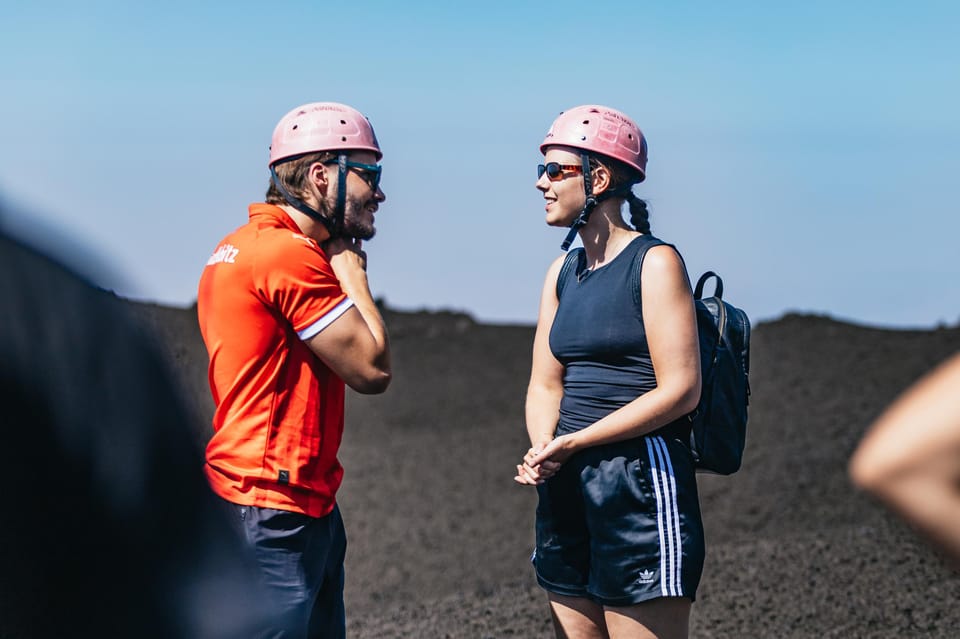
The tour asks you to bring the usual Sicilian sun items—sunglasses, sun hat, sunscreen, plus food and water. But Etna adds a twist: at altitude it can get cold and windy fast.
So I strongly recommend packing like the weather might turn. Reviews included an end-of-May surprise with snow, and other advice stressed dressing warm up high. Bring a jacket and at least one warm layer. If you’re someone who gets stiff in the cold, treat this as non-negotiable.
Here’s what you should plan for based on the provided guidance:
- daypack (10–20L)
- water plus snacks
- sunscreen and sunglasses
- long pants and socks
- a t-shirt and an extra layer if it gets chilly
One extra comfort suggestion from real hiking experience: bring something to cover your face (like a buff or scarf). Volcanic terrain and wind can kick up grit, and altitude breathing can make that more annoying than you expect.
When Etna Is Active: Route Changes You Should Expect
Etna is active. The description is clear that itinerary variations can happen due to weather, environmental factors, or volcanic risk. If summit craters are forbidden on the day, the tour will adjust and continue up to the maximum altitude allowed.
You can feel how the guide system handles this based on how the day is run. Multiple guides have adapted successfully—sometimes limiting crater access while still taking the group to high, scenic alternatives. That’s part of booking a guided crater hike on an active volcano: the goal is safe access to the best available terrain, not forcing a checklist of exact stops.
Who Should Book This Etna Summit Hike
Book it if you want a guided, safety-managed crater experience with geology-focused explanations and real volcanic terrain walking. You’ll especially like it if:
- you enjoy hands-on learning while hiking
- you want crater views you can’t easily recreate on your own
- you’re comfortable with uneven, sandy ground and changing weather
Skip it if you want an easy scenic walk, if your health conditions make altitude difficult, or if you know you struggle with wind and temperature shifts.
Also, bring a realistic attitude about photos. The day depends on visibility and volcanic restrictions. When conditions are good, the Central Crater views and rim angles are worth it. When they’re not, you’ll still get the volcanic story from the terrain you’re allowed to reach.
Should You Book This Etna Summit Hike?
I’d book it if your priority is a guided summit-crater experience on Etna’s South Side—because the combination of crater-rim walking, lava terrain, and safety-first route flexibility makes it more than a simple viewpoint trip. It’s also a strong option if you like understanding what you’re looking at, not just looking.
But if you’re chasing a relaxed day, or you’re sensitive to altitude and cold, pick a gentler Etna option instead. On this hike, preparation matters: good clothing, water, and mental readiness for a medium-high effort at elevation.
If you can handle that, you’ll come away with crater knowledge you can feel in your legs, plus photos that look like you stepped onto another world.
FAQ
How long is the Etna South Side summit hike?
The activity is listed as about 6 hours total. Cable car rides are about 25 minutes each way, and the hiking portions fill the rest of the day.
Where do I meet the guide?
You meet at Ashàra Volcanological Guides in Sicily at Rifugio Sapienza (Etna South), near the Terrazza dell’Etna restaurant. The tour ends back at the meeting point.
Is the cable car included in the price?
No. Cable car tickets are not included and cost 52 EUR per person, payable on the spot. The provided info states cash only.
What’s included in the tour?
Included items are the hiking tour, a volcano or alpine multilingual guide, hiking boots, accident insurance, a rock helmet, and walking sticks.
What hiking level should I expect?
This is described as moderately trained hikers with comfort on sandy or uneven terrain. The difficulty level is medium-high.
What should I bring, and what’s not allowed?
Bring sunglasses, sun hat, sunscreen, water, snacks/food, a jacket, long pants, socks, and a daypack (10–20L). Shorts, sleeveless shirts, large bags/luggage, pets, and baby strollers are not allowed.