REVIEW · MOUNT ETNA
Catania: Mount Etna Trekking Trip off the Tourist Path
Book on GetYourGuide →Operated by EtnAround · Bookable on GetYourGuide
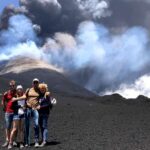
Etna feels wilder off the main trail. This off-the-tourist-path trek from Catania takes you over old lava flows and through the enormous Valle del Bove caldera, with a naturalist guide explaining what you’re actually looking at on Europe’s highest active volcano. I especially like how the day mixes walking with real “why this matters” history and geology, not just sightseeing.
Two things I loved here: the chance to get around on quiet trails where the crowds thin out, and the way the guides connect volcano life to the ground under your boots. That said, there’s one consideration: this is a real hike between about 1850 and 2400 meters, and wind or weather can make it feel harder than you expect.
Good news for planning: pickup happens in Catania city center (and Trecastagni), and you get practical kit like trekking poles plus shoes and warm layers for the higher altitudes. The meeting point is simple too: meet outside McDonald’s, and the day ends back there.
In This Review
- Key highlights that make this Etna hike different
- From McDonald’s to Etna: how the day actually starts
- Off-road Etna: what you’re seeing when you leave the tourist routes
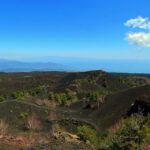
- Valle del Bove: the caldera walk that makes the scale hit
- The lower-key village stop: coffee, sandwiches, and a breather
- Viewpoint briefing and safety: why it’s part of the hike, not a formality
- Silvestri Craters: the quick break that puts you near Etna’s action
- Lava cave visit: what to expect, and why it may change
- What the guides do best (and why it matters for value)
- Gear and clothing: what you get, and what you still must bring
- How hard is it, really? The altitude and uneven ground factor
- Transportation, timing, and why the 7 hours is about pacing
- Price and value: is $78.17 a fair deal?
- When weather changes the plan: how flexible is the day?
- Who this Etna trek suits best (and who should skip it)
- Should you book this Mount Etna off-path trek?
- FAQ
- Where is the meeting point for the Mount Etna trek?
- How long is the experience?
- What altitude range is the hike done at?
- Is food included?
- Are trekking poles and hiking shoes provided?
- Do I need to bring my own warm clothing?
- Can I visit the lava cave every day?
- What languages are the guides?
- Is this trek suitable for children or families?
- What should I do if I’m sensitive to altitude?
Key highlights that make this Etna hike different
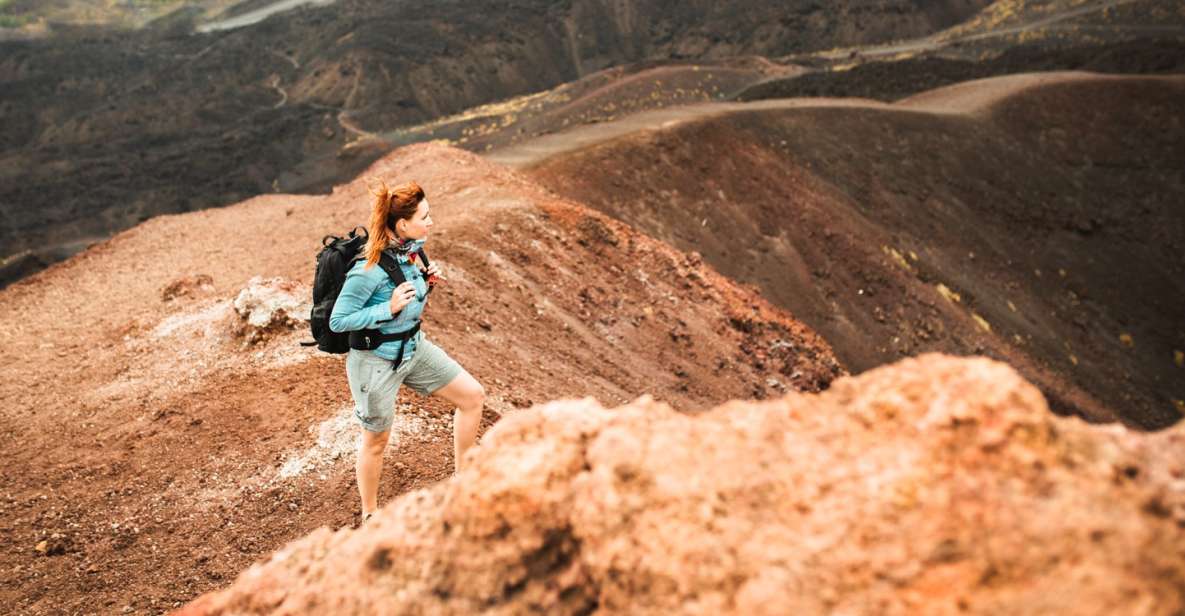
- Off-road lava-route walking through terrain tied to older eruptions, not just neat viewpoints
- Valle del Bove caldera time with guided photos, a walk, and the scale explained on the ground
- Silvestri Craters stop for a break at Etna’s more active southeast area
- Lava cave visit, when conditions allow based on safety for tremors and eruptions
- Gear included (trekking poles, shoes, warm jacket, rain jacket) so you travel lighter
- Small-group energy with guide attention and frequent check-ins during tougher sections
From McDonald’s to Etna: how the day actually starts
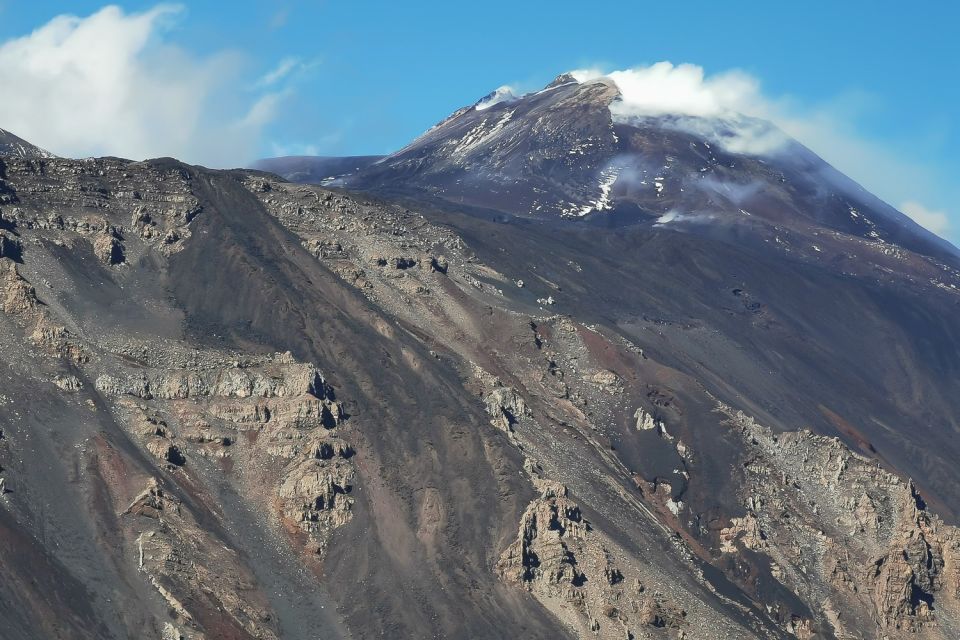
Meet outside McDonald’s in Catania. From there, you ride by van toward Etna with a structured rhythm: short transfer periods, a quick introduction, and then time where the guide can shift you from city life into volcano mode.
This matters because Etna isn’t one single “pretty spot.” It’s a working volcano with shifting conditions. You’ll get a safety briefing at altitude before the longer walking portion begins, and the pacing is built around a higher-elevation hike between roughly 1850 and 2400 meters.
You’re also not left guessing about logistics. The pickup and drop-off are handled, and your guide keeps the day moving without rushing you off the mountain.
You can also read our reviews of more hiking tours in Mount Etna
Off-road Etna: what you’re seeing when you leave the tourist routes
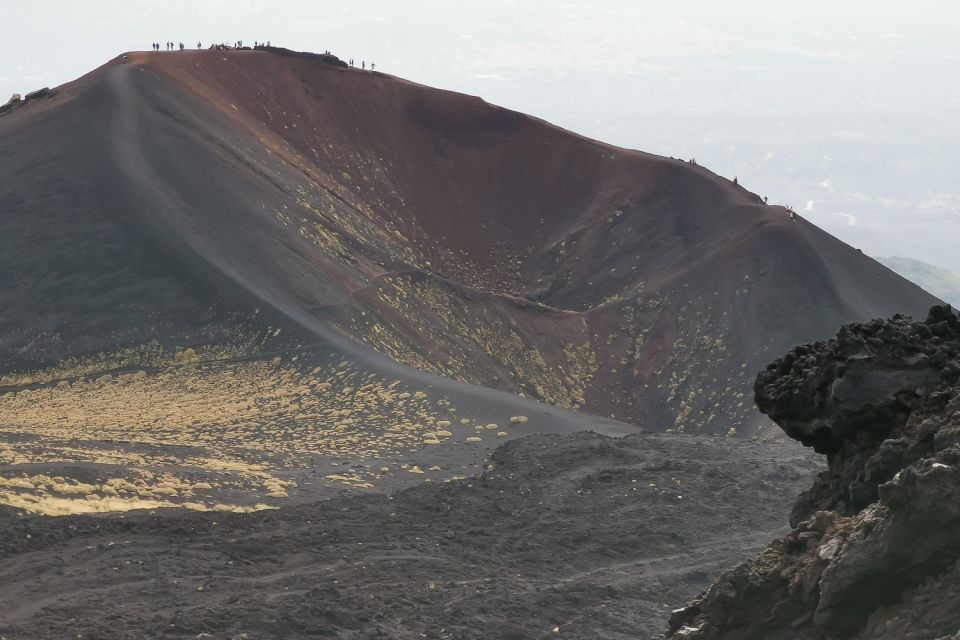
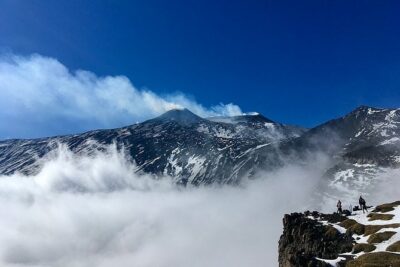
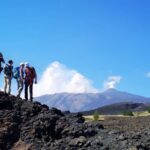
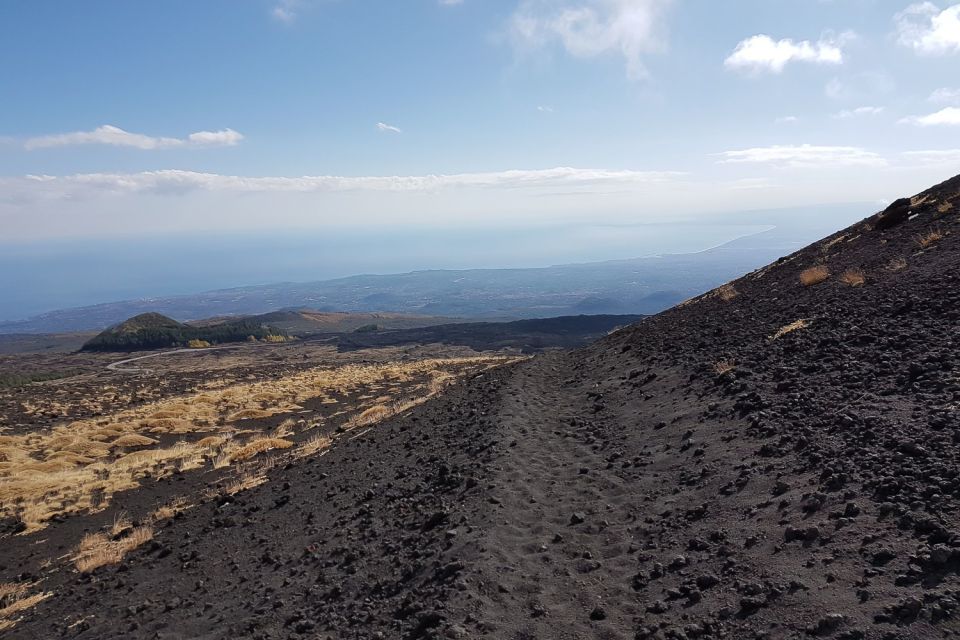
The big draw of this trip is how it gets you off the main trails. Instead of doing only high-visibility viewpoints, you travel through areas where you can see old lava flows up close, including routes where you’ll pass terrain linked to an eruption from the late 1700s.
Walking over volcanic ground changes how you experience it. Ashy patches feel different underfoot than tougher lava rock. Your eyes start to read the ground like a map: where flow spread out, where it cooled, and how later lava covered or carved what came before.
A good naturalist guide makes this come alive. You’ll learn about the volcano’s history while you move, and you’ll get talk about local fauna and flora—how plants deal with harsh ground and how life returns in stages. That kind of explanation is exactly why a guided hike beats a self-walk, especially on a volcano where the “patterns” are the point.
Valle del Bove: the caldera walk that makes the scale hit
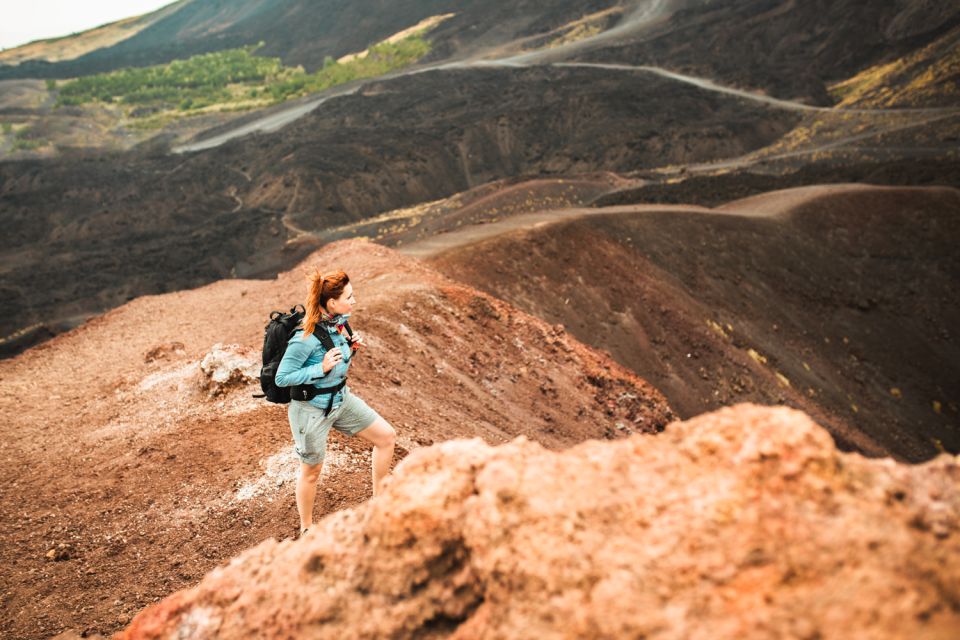
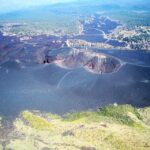
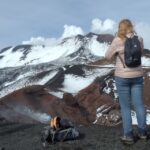
Valle del Bove is the emotional center of the day. It’s the biggest caldera on Etna, formed about 64,000 years ago when major eruptive centers collapsed. Hearing that in a classroom is one thing. Seeing the space around you, and then walking through the scale of it, is another.
Your Valle del Bove segment includes time for photos, a guided tour, and a long stretch of hiking (about 3.5 hours total for this stop). This is where the best views usually come into focus: out toward the coastline on clear days, and across volcanic slopes that look almost sculpted even when they’re rough and uneven.
Practical reality check: calderas are big. Even if the route isn’t steep every minute, you’re still walking at altitude. Bring the mindset that this is your “main work” portion of the day, not a casual stroll.
The lower-key village stop: coffee, sandwiches, and a breather
Before the real climb, the tour builds in a village stop with coffee and breakfast, plus time to have lunch. You’ll also have a chance to buy a locally prepared sandwich before the hike.
This isn’t just for eating. It’s the fuel you’ll want before walking at altitude, and it helps you settle into a slower pace before the mountain takes over the schedule.
Food is not included, so plan for your own budget for drinks and snacks here and during your breaks. The upside is you can choose what you like instead of being forced into one option.
Viewpoint briefing and safety: why it’s part of the hike, not a formality
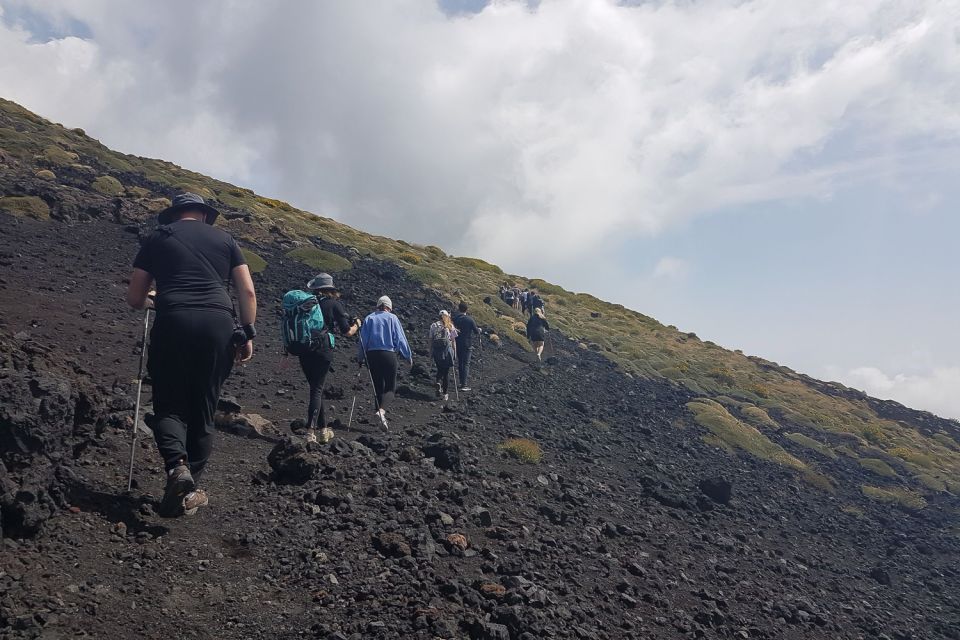
At the viewpoint, you get a safety briefing before the Valle del Bove hike. That’s not the fun part, but it’s the part that keeps the fun possible.
You’re also told that conditions can affect the route, especially when tremors or eruptions are active. In particular, if tremors and eruptions are high, the lava cave visit may be impossible even if an eruption has already finished. That’s one of those details that sounds small until you’re standing at the trail junction wishing you’d packed differently.
If you’re the type who plans the entire day around one highlight, this is the one to keep flexible.
Silvestri Craters: the quick break that puts you near Etna’s action
After the caldera hike, the schedule brings you to the Silvestri Craters area for downtime. Expect a break (around 20 minutes) where you can get a drink and refresh before heading back.
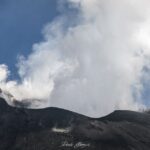
This stop is valuable because it keeps the story of Etna tied to what’s active. The guide frames the southeastern crater area as the most active part of the volcano, so you’re not just walking past “old” geology all day. You get a transition from history and scale into the reality that Etna is still working.
If visibility is limited by weather or cloud, don’t panic. You can still learn a lot from the guide’s explanations even when the view isn’t wide open. You’re walking through features, not only hunting for photos.
Lava cave visit: what to expect, and why it may change
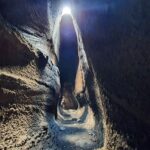
A lava cave is one of those extras that can turn a good day into a memorable one. This tour includes the possibility of visiting a lava cave, but it is conditional.
Here’s the key point: if tremors and eruptions are high, you won’t be able to visit the cave. Even if the eruption has ended, safety rules still apply. In winter, the hiking route may also change because of snow.
So how should you plan? Decide that the cave is a bonus, not a promise. If you get it, great. If you don’t, you’re still on an off-road route with a guided caldera hike and a crater-area stop.
What the guides do best (and why it matters for value)
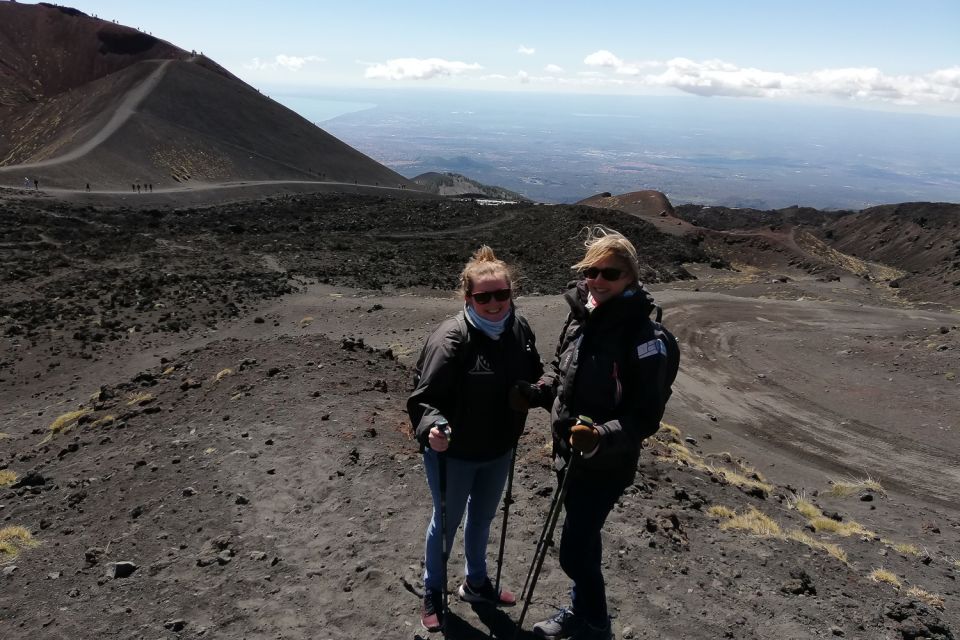
The star of the day is the guide, and the names show up often: Antonio, Renato, and others like Ronaldo, Marco, and Veneto. You’re looking for more than a friendly face. You want someone who can explain how Etna behaves and how life adapts around it.
From what’s consistently described, the guides:
- Keep the pace manageable with breaks during tougher sections
- Explain the volcano in a way that fits everyone in the group, not only hikers
- Answer questions on the spot, from plants to how eruptions shape what you see
Even when the weather turns gray or windy, the guide’s job is to keep the hike meaningful. That’s exactly what good naturalist-guided trekking does: it turns “clouds and drizzle” into “here’s what’s happening under your feet.”
Gear and clothing: what you get, and what you still must bring
One reason this tour scores well for value is what it includes. You get trekking poles and shoes, plus a warm jacket and rain jacket. That’s not a small thing. At altitude, a “thin” layer can quickly turn a hike into a miserable one.
But you still need to bring your own essentials:
- Comfortable shoes if you prefer your own, or rely on the provided ones
- Hat and sunscreen
- Jacket and comfortable clothes
- Socks
- Comfortable, practical gear for changing conditions
Also note what not to bring: luggage or large bags aren’t allowed. Pack light so you’re not fighting your own backpack all day.
How hard is it, really? The altitude and uneven ground factor
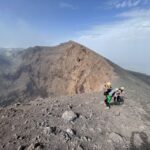
This trek runs at about 1850 to 2400 meters. That altitude alone can make your breathing feel heavier, especially if you’re used to sea level.
Then add uneven volcanic terrain. Even if you’re a confident hiker, off-road lava paths can be tiring. The good part is that the route includes stops and you’ll have guides who pace the group. The not-so-fun part is that you should treat it as at least a moderate challenge, especially in wind or cold.
It’s not for everyone:
- Not suitable for children under 10
- Not suitable for pregnant women
- Not suitable for people with heart problems or respiratory issues
- Not suitable for people with altitude sickness risk
- Not suitable for low fitness levels
- Not suitable for mobility impairments
If you fit the “generally healthy and willing to hike” category, you’ll probably love the day. If you don’t, it’s better to choose a shorter or less demanding Etna option.
Transportation, timing, and why the 7 hours is about pacing
The total duration is listed as 7 hours. That number matters because Etna trekking is about energy management. Most of the time isn’t spent “staring.” It’s spent in transfers, brief stops, and the main walking segment.
The itinerary also includes a few short transfer blocks (van rides) that keep the day efficient without making the hike shorter. You’ll go to key areas, then work your way through them on foot.
At the end, you’re returned to the meeting point outside McDonald’s.
Price and value: is $78.17 a fair deal?
At around $78.17 per person, the value comes from the full bundle: pickup and drop-off, an actual naturalist guide, included trekking poles and shoes, plus warm and rain jackets. You’re not just paying for a viewpoint; you’re paying for guided off-road movement, equipment, and interpretation.
If you’ve ever tried to cobble together Etna transport plus rental gear plus a guided explanation, you know how quickly the costs climb. Here, the “hard-to-organize” parts are handled. Add in the major stop at Valle del Bove and the crater-area break, and this starts to look like a good deal for a full-day experience rather than a half-hour outing.
The one thing to weigh is that food and drinks aren’t included, so your final spend depends on what you choose at the village and breaks.
When weather changes the plan: how flexible is the day?
Etna weather can shift fast. When clouds and wind move in, you may not get the big panoramic views the optimistic part of your brain wants.
Still, the hike can remain worthwhile because the guide keeps pointing out terrain, patterns, and life around the volcano. And the tour can adjust if conditions require it—like switching cave plans if safety rules don’t allow it.
If you’re someone who needs perfect sunshine to enjoy a hike, this is the one part that could disappoint. If you can enjoy a guided “learn and walk” day even in gray skies, you’ll likely have a great time.
Who this Etna trek suits best (and who should skip it)
This works well if you want:
- A more natural-feeling Etna hike with quiet trail time
- Real geology talk and guided interpretation, not only photos
- Off-road access where you see lava flows up close
- Included gear so you don’t overpack or overspend
Skip it if:
- You’re managing health issues affected by altitude (heart, respiratory, altitude sickness risk)
- You have mobility constraints that would make uneven volcanic ground risky
- You’re bringing children under 10
If you’re a solo traveler, check that minimum group requirements are met. The experience starts with 2 participants minimum, so it’s worth confirming before you assume it’ll run.
Should you book this Mount Etna off-path trek?
I think you should book it if you’re chasing the real Etna experience: walking among lava flows, spending real time at Valle del Bove, and letting a naturalist guide translate the mountain for you. The included shoes, trekking poles, and layered jackets remove a lot of common travel friction, which is a big deal for a hike at altitude.
I wouldn’t book it if you’re mainly in “easy sights only” mode or if altitude is a concern for you. Also, treat the lava cave as a bonus that depends on conditions.
If your goal is an off-road, guided day on an active volcano—this is a strong match.
FAQ
Where is the meeting point for the Mount Etna trek?
You meet for pickup outside the McDonald’s in Catania city center. The activity ends back at the meeting point.
How long is the experience?
The trek duration is listed as 7 hours.
What altitude range is the hike done at?
The trek takes place approximately between 1850 and 2400 meters above sea level.
Is food included?
Food and drinks are not included. You can buy a locally prepared sandwich before the hiking, and there’s also time for coffee/breakfast and a break during the day where you can purchase items.
Are trekking poles and hiking shoes provided?
Yes. Trekking sticks and shoes are included, along with an extra warm jacket and a rain jacket.
Do I need to bring my own warm clothing?
You’ll receive an extra warm jacket and a rain jacket, but you still need to bring comfortable clothes, a jacket as appropriate, socks, and a hat for sun and weather.
Can I visit the lava cave every day?
Not always. In case of high tremors and eruptions, a lava cave visit is not possible, even if the eruption has finished.
What languages are the guides?
The live tour guide speaks Italian and English.
Is this trek suitable for children or families?
It’s not suitable for children under 10.
What should I do if I’m sensitive to altitude?
It’s not suitable for people with altitude sickness, and it’s also not suitable for people with heart problems or respiratory issues.