REVIEW · MOUNT ETNA
Mount Etna: Summit Trek with Cable Car and snack included
Book on GetYourGuide →Operated by Kemedia · Bookable on GetYourGuide
Europe’s highest active volcano is waiting. This Etna summit trek takes you up from around 2,500 meters by cable car and back down through crater terrain, led by an experienced alpinist guide. I like the hands-on feel of walking on an active volcano and learning how Etna works. I also like the break that keeps you human on the steep parts: a brioche and a small bottle of water. The main drawback is simple: it’s weather-dependent, and the walking—especially the rocky descent—demands a reasonable fitness level.
You start at the Euro Etna Tourism chalet, on the south side of Etna north of Nicolosi, then head up as a group. From the guides I’ve heard singled out, people often mention professionals like Vincenzo and Pietro for clear, patient explanations and a pace that works even when you don’t all move at the same speed.
In This Review
- Quick hits before you go
- Why an Etna summit trek with cable car is a smarter way to do Etna
- Getting to the Euro Etna Tourism chalet and starting the climb
- Cable car to the crater zone: fast altitude, quick payoff
- Cratere Centrale dell’Etna: what you’ll see on foot
- Seeing eastern Sicily from an active volcano (and why the guide’s role is bigger than you think)
- The snack break on a volcano day actually helps
- The descent through recent eruption craters and the long way back
- Timing, pacing, and why 4–6 hours can feel shorter or longer
- Gear and comfort: what to wear so the hike stays enjoyable
- Price and value: what you’re really paying for
- Who should book this Mount Etna trek, and who should skip it
- Before you go: the two things that make or break the day
- Should you book this Mount Etna Summit Trek with Cable Car and snack included?
- FAQ
- How long is the Mount Etna summit trek?
- What is included in the snack?
- What does the tour include for climbing safety and gear?
- Is the tour dependent on weather or volcano conditions?
- What should I bring with me?
- Are pets allowed?
Quick hits before you go
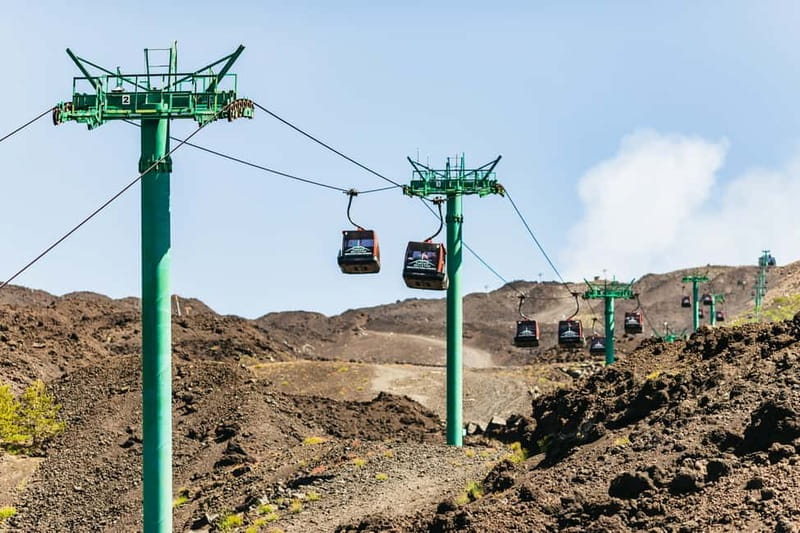
- Cable car round trip saves your legs and gets you to the crater zone faster.
- Cratere Centrale dell’Etna is the main focus, with views over eastern Sicily’s striking volcanic terrain.
- Alpinist-style guiding means better safety habits and more context about what you’re seeing.
- Brioche and water snack is a real morale boost partway through the hike.
- Descent through recent eruption areas turns the trip into more than a photo stop.
- Gear is included (helmet and trekking shoes), plus many groups get extra help like jackets and walking sticks.
Why an Etna summit trek with cable car is a smarter way to do Etna
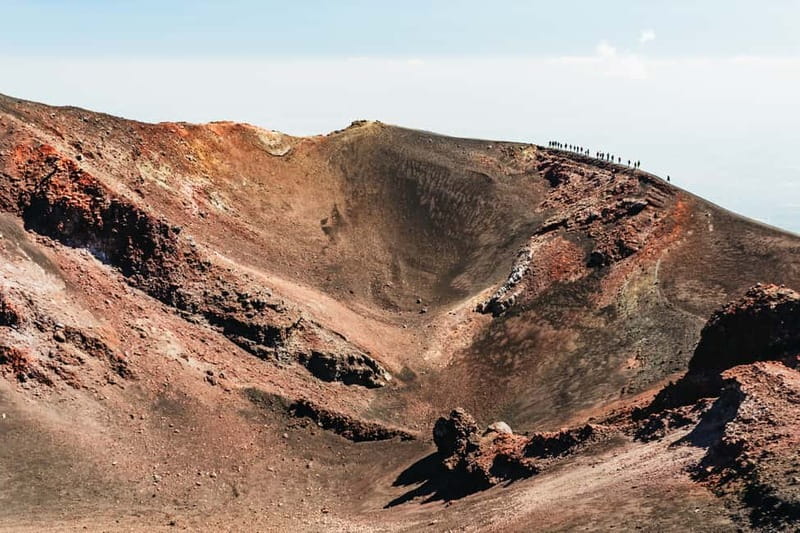
Mount Etna can feel mythical until you’re standing near active craters. Then it becomes practical: air gets cooler, ground turns rough, and you realize you’re walking across a living system. This tour’s big advantage is that it gets you into the summit areas without forcing you to start from sea level or spend the whole day grinding uphill.
The cable car portion is the trade-off that makes the day work. You save energy for the core hike in the crater zone. For many people, that’s the difference between seeing Etna and just surviving the day.
You can also read our reviews of more hiking tours in Mount Etna
Getting to the Euro Etna Tourism chalet and starting the climb
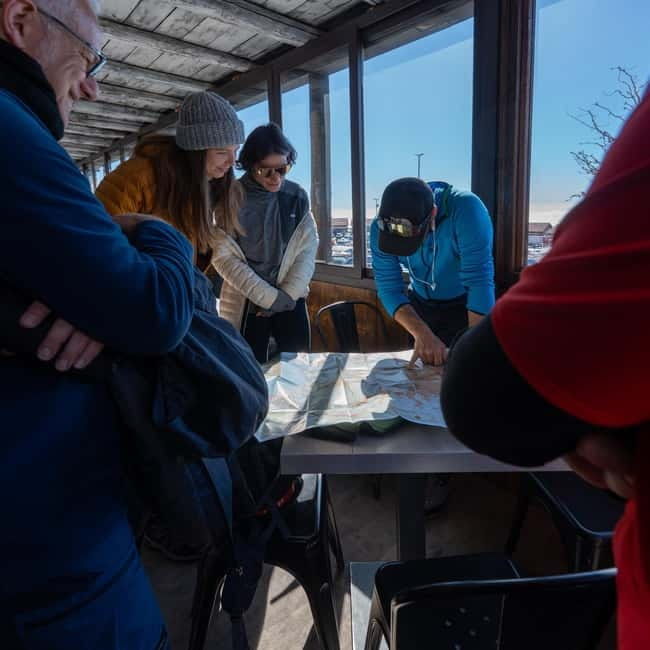
Your day begins at the Euro Etna Tourism chalet (Etna Quad – Euro Etna Tourism). You meet your guide there, keep your voucher with you, and get set before you move toward the cable car.
Starting on Etna’s south side matters. The south side approach is one of the ways guides structure the day so you’re not just walking in a straight line. You’ll also spend less time stuck in the “go slow, go nowhere” feeling that happens when groups hit long stretches of volcanic slopes without a plan.
Cable car to the crater zone: fast altitude, quick payoff
Once you’re with the group, the cable car ride takes about 30 minutes. It’s not just transport. It’s a built-in reset: you go from getting oriented to actually being above the island’s everyday world.
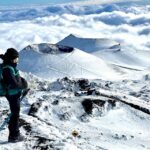
By the time you start trekking (from around 2,500 meters), the terrain is already changing. That’s when the volcano stops feeling like a distant landmark and starts feeling close enough to hear and smell. Your visibility can also shape what you experience, so going on a clear day is a big advantage.
Cratere Centrale dell’Etna: what you’ll see on foot
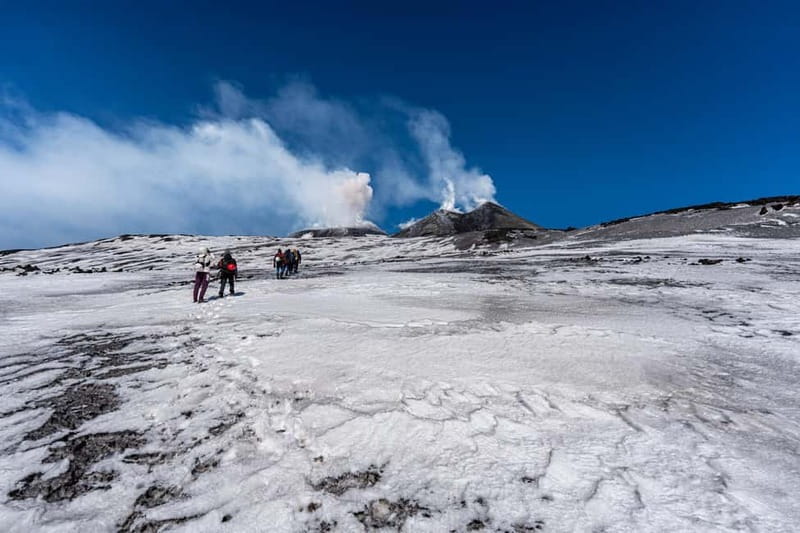
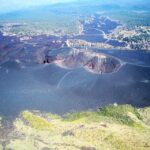
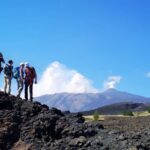
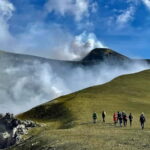
The heart of the tour is a guided hike focused on the Cratere Centrale dell’Etna area, with about four hours of hiking time. The goal is to get you into the summit zone long enough to understand what makes Etna special: active craters, shifting colors, and volcanic formations created by recent eruptions.
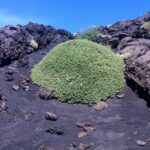
What’s especially valuable here is variety. You’re not only walking toward a single viewpoint. You’re moving through crater terrain where the ground tells stories—smoke plumes, crater edges, and the sense of scale that’s hard to grasp from below.
How it feels:
- The uphill parts can be steep.
- The walk overall can be demanding on rocky and loose surfaces.
- You’re likely to spend a lot of time looking up and around, then down to place your feet.
That mix is why this tour works better with the right expectation. This is trekking, not a casual stroll.
Seeing eastern Sicily from an active volcano (and why the guide’s role is bigger than you think)
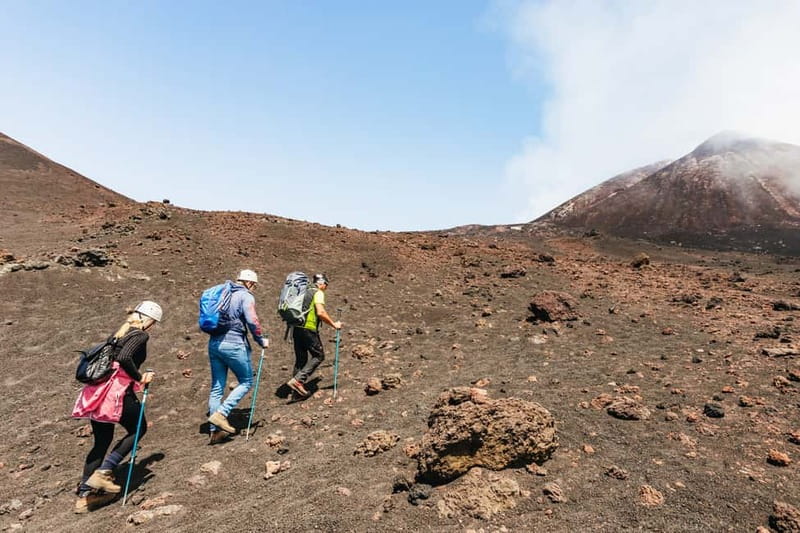
Etna is famous, but it’s also specific. What you’re looking at isn’t just a big mountain—it’s a volcano with repeated activity and a living geology. A strong guide makes the difference between seeing craters and understanding what you’re standing on.
This is one reason people often praise guides like Vincenzo and Pietro: they’re patient, they explain what’s happening, and they help the group stay focused on safety and observations. When visibility is good, that matters even more, because your route and the viewpoints you can access become more impressive.
The snack break on a volcano day actually helps
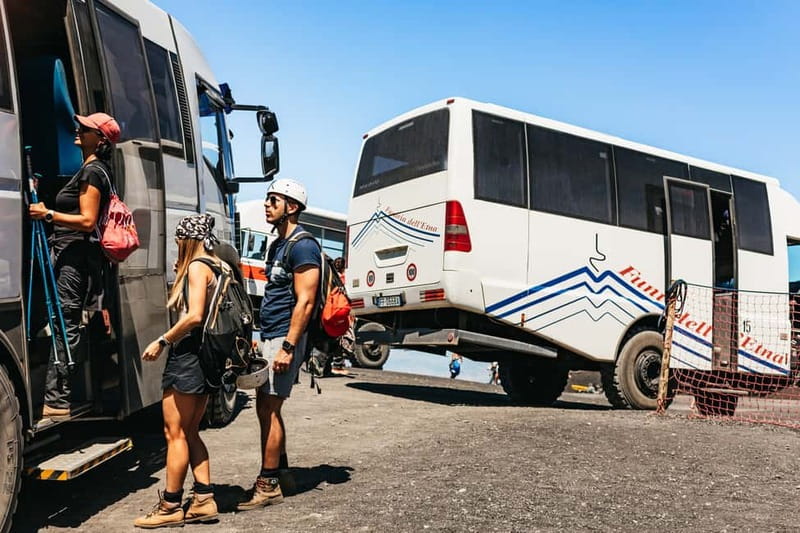
A lot of volcano tours are tough because there’s no real pause. Here, you get a break with a brioche and a small bottle of water. It’s included for a reason: you’ll burn energy fast at altitude, and a quick recharge keeps you from turning the descent into a struggle.
This snack isn’t a fancy meal, but it’s the practical kind of support that makes you feel taken care of. You can also use the moment to adjust layers, check your footing, and refill mentally before the final push.
The descent through recent eruption craters and the long way back
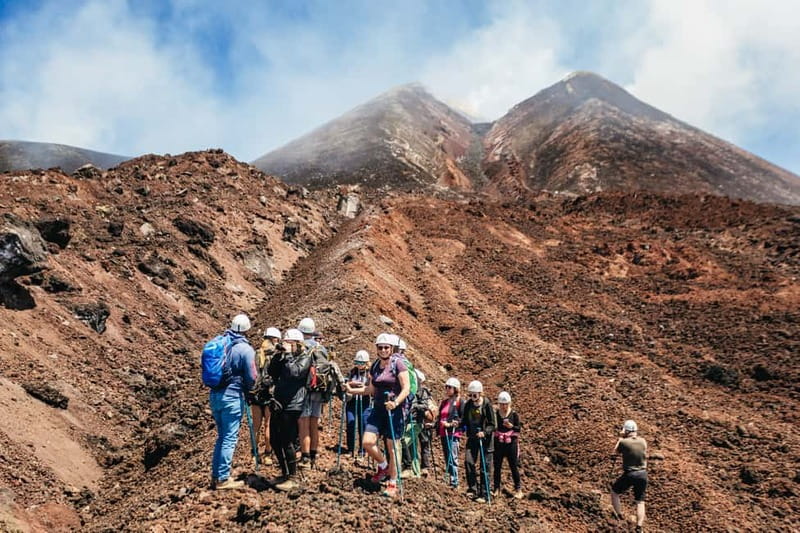
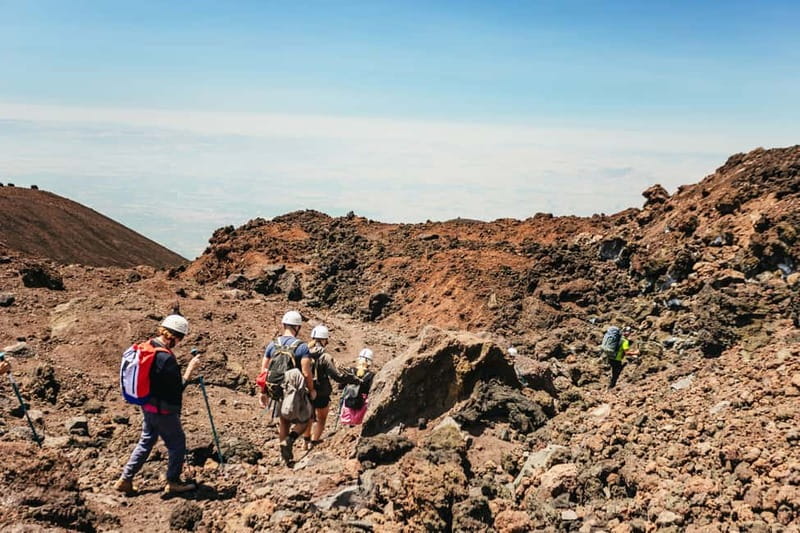
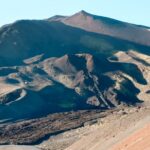
After the crater-focused segment, you descend on foot toward the meeting point area. The tour description emphasizes exploring craters of recent eruptions during your descent, and that’s a huge part of why this doesn’t feel like a one-and-done summit stop.
The “worth it” comes with a trade-off: the descent can be uneven and slow. One of the most honest pieces of feedback from past hikers is that much of the walking can be down over rocks and loose stones for several hours. Translation: your legs may feel okay, but your feet will do the real work.
If you’ve ever tried to hike on volcanic rubble, you know the drill. Going carefully is faster than rushing.
Timing, pacing, and why 4–6 hours can feel shorter or longer
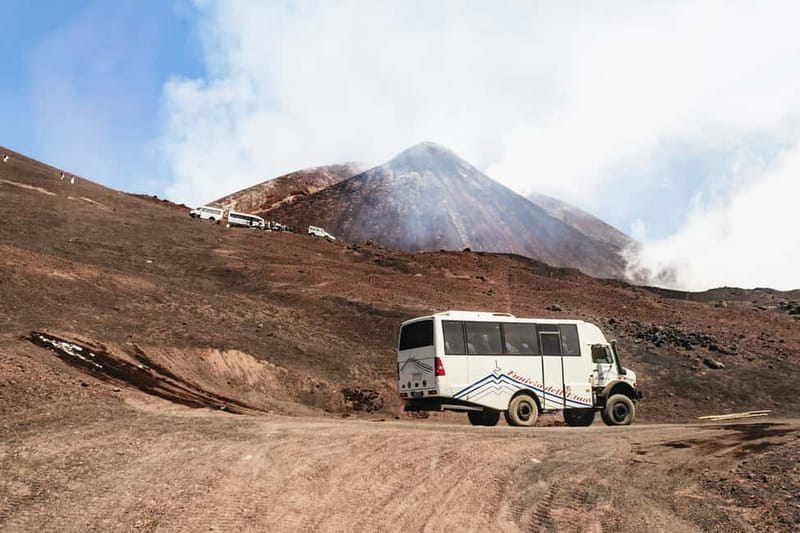
The official duration is 4–6 hours, depending on starting times and conditions. In practice, the pacing depends on how the group handles the terrain and how long you spend at key viewpoints.
The good news: guides typically manage different speeds within the group. You don’t need to be a fast athlete to have a great time. You do need to be comfortable hiking for hours with real elevation and rocky footing.
Weather is another timing factor. This tour is dependent on conditions and the volcano being calm. On a day with good weather and visibility, the experience can feel extra rewarding because you can see more of the surrounding area.
Gear and comfort: what to wear so the hike stays enjoyable
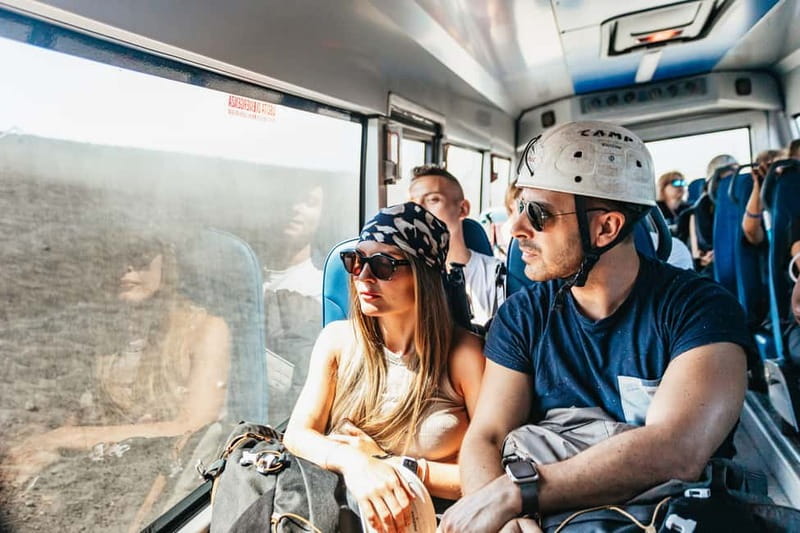
Included gear is a big part of the value. You’ll get trekking shoes and a helmet, plus insurance. Many hikers also report being provided with additional items like jackets and walking sticks, which helps a lot when conditions shift quickly at altitude.
Still, you should plan to bring comfort upgrades:
- Wear a windbreaker. Etna weather can change fast.
- Bring a hat to manage sun and wind.
- Pack water (the snack includes a small bottle, but extra is smart if you know you drink a lot).
- Consider sock length. One helpful tip given is to bring good, long socks to protect your feet on rough terrain.
And yes: even in summer, layers can matter. One piece of advice was to bring winter-style clothing even in July. You don’t need an expedition outfit, but bring something warm enough for chilly crater air.
Price and value: what you’re really paying for
The listed price is $109.89 per person, which sounds straightforward—until you look closer at how Etna tours often work. The provided details say cable car (round trip) and the snack are included, along with a guide, trekking gear, helmet, and insurance.
That said, a couple of practical warning signs show up in real-world experiences:
- Some people mention paying extra for cable cars and a 4×4 bus on top of what they expected.
- Others note the price displayed can be more like a deposit, with a different total due at checkout.
So here’s the value math you should do before you book:
- If the package truly includes the round trip cable car ticket you need, plus boots/shoes, helmet, guide, and snack, you’re getting a lot for one set price.
- If there are add-ons on the day, that $109.89 may not be your final number.
I’d treat this as a plan-with-buffer situation. When you confirm the final total before you go, you’ll remove the only real uncertainty about value.
Who should book this Mount Etna trek, and who should skip it
This tour requires a reasonable level of fitness. It’s also not suitable for:
- Pregnant women
- People with mobility impairments
- People with heart problems
- People with high blood pressure
If you’re comfortable with steep hiking, rocky surfaces, and several hours outdoors, this can be a standout day in Sicily. If not, you’ll probably spend too much time fighting the terrain instead of enjoying the views.
Before you go: the two things that make or break the day
There are two big variables here.
First: weather and visibility. The tour depends on weather conditions and the volcano being calm. If conditions aren’t right, don’t expect a fully summit-style experience.
Second: your readiness for volcanic ground. Even with included trekking shoes, the hike can be steep and the descent can run long over loose stones. Train your expectations: take it slow, keep your footing, and use the guide’s pace.
Should you book this Mount Etna Summit Trek with Cable Car and snack included?
Book it if you want a real Etna experience, not just a viewpoint from the parking lot. The combination of guide-led crater hiking, included helmet and trekking shoes, and that simple brioche-and-water break makes it a solid value for what you’re doing. It also hits a sweet spot for many visitors: enough time on the mountain to feel the volcano up close, without turning the day into a multi-hour endurance test from the start.
Skip it if rocky downhills and steep terrain aren’t your thing, or if you fall into the health or mobility groups listed as not suitable. Etna is stunning, but it’s also uncompromising.
If you’re good with hiking and you can be flexible with weather, this is one of the most satisfying ways to experience Mount Etna from Sicily.
FAQ
How long is the Mount Etna summit trek?
The activity lasts 4 to 6 hours. Starting times vary, so you should check availability to see what departures are offered.
What is included in the snack?
You’ll get a brioche and a small bottle of water as a break during the hike.
What does the tour include for climbing safety and gear?
The tour includes an alpine/volcano guide, hiking tour support, trekking shoes, a helmet, and insurance.
Is the tour dependent on weather or volcano conditions?
Yes. The tour depends on weather conditions and on the volcano being calm.
What should I bring with me?
Bring a windbreaker, a hat, water, and weather-appropriate clothing.
Are pets allowed?
No. Pets are not allowed on this activity.