REVIEW · PALERMO
Palermo: 2-Hour Small Group Private Walking and Tasting Tour
Book on GetYourGuide →Operated by Siciliandays · Bookable on GetYourGuide
One street, one bite, one lesson. This 2-hour Palermo tour is built around walking and eating your way through historic neighborhoods with a local guide who keeps things moving at a comfortable pace.
I really like that the group is capped at 12 people, so you’re not stuck behind a herd. And the walk is designed to connect the sights you see with what you taste, from specialty counters to packed market corners.
You should know one thing up front: the tour price covers the guide and walking, but food and beverages cost extra, so your final tab depends on how much you order at each stop.
In This Review
- Key Things I’d Plan Around
- Where the Tour Starts: Via Volturno and the Market Energy
- What You Actually Get in 2 Hours (and Why the Timing Works)
- The Walking Part: Historic Palermo Streets, Not Just Sidewalks
- The Food Stops: Specialty Shops and Street-Style Classics
- Capo Market: Arancine, Calzoni, Spiedini, and Frittola
- Vucciria Market: Pane ca Meusa and the Flavor of Palermo
- The Osteria Finish: Sicilian Wine or Beer with Delicacies
- Skip-the-Line Perk: Small Time Savings, Big Impact
- What the Small Group Size Really Changes
- Languages: English, Italian, French, Spanish
- Price and Value: Is $106 Worth It?
- Who This Tour Fits Best (and Who Should Skip It)
- Practical Tips So You Get the Most From the Walk
- Should You Book This Palermo Food Walk?
- FAQ
- How long is the Palermo walking and tasting tour?
- What is included in the price?
- Are food and drinks included?
- How big is the group?
- Where do I meet the guide?
- What languages are available for the live tour guide?
- Is the tour suitable for people with mobility impairments?
Key Things I’d Plan Around
- Small group (max 12) keeps the pace personal and questions from getting lost.
- Markets + specialty shops means you get variety: street snacks, sweets, and drinks.
- Capo Market tastings are the core moment, with classic Palermo bites like arancine, calzoni, spiedini, and frittola.
- Vucciria Market stop for pane ca meusa gives you a very local flavor the rest of Sicily is famous for.
- Osteria finish with wine or beer adds a sit-down break and a proper Sicilian drink.
Where the Tour Starts: Via Volturno and the Market Energy
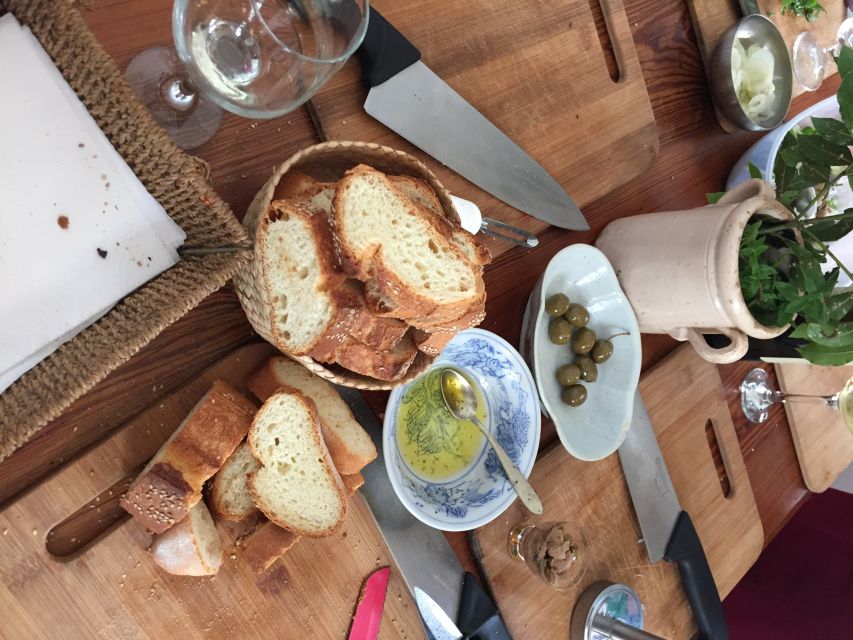
The meeting point is Via Volturno 78, by the entrance of the market. That matters because you’re starting right where Palermo’s food scene comes alive—around stalls, shopfronts, and the kind of noise that makes you hungry fast.
You’ll want comfortable shoes. This is a walking tour at a comfortable pace, but it’s still a real stroll. Also note the rule about luggage: no large bags, so travel light and keep it easy on your feet.
If you’re the type who likes to get oriented quickly, this is a good format. You’re guided through key areas on foot, so you can leave with a mental map of where to return later for a second round of snacks on your own.
You can also read our reviews of more walking tours in Palermo

What You Actually Get in 2 Hours (and Why the Timing Works)
At $106 per person for a 2-hour walk, the value is in what’s included: a small-group private guide plus the route through historic streets and food stops. The “private guide” part is key. You’re not just following a playlist; you’re getting direction, context, and someone to steer you into the right places at the right moment.
The trade-off is that tastes aren’t fully priced into the headline number. Food and beverages aren’t included. That’s normal for tasting tours, but it changes how you should plan your budget. If you want to sample more than the basics—especially with wine—that extra spending is part of the deal.
This tour also uses a skip the line approach through a separate entrance. That can save time when market areas get crowded or when shops are busy. With only two hours, every minute counts.
The Walking Part: Historic Palermo Streets, Not Just Sidewalks
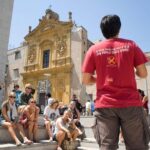
You’ll explore historic Palermo on a guided walk, moving through streets where the city’s everyday life mixes with older architecture and neighborhood commerce. The guide’s job is to point out what you’re seeing while also keeping the food route logical—so you’re not just walking between random storefronts.
One reason I like this style is that it helps you connect “where” with “what.” Palermo isn’t a city where food is separate from place. The markets and specialty shops are part of the neighborhood rhythm, and the guide helps you read it instead of just passing through.
A good tour guide really does change your experience. In the past, guides like Maria-Luisa (often mentioned in French-language experiences) and Georgio have been praised for handling questions and sharing local context in a way that adapts to the group. If you’re traveling with mixed interests—history one minute, snacks the next—you’ll probably appreciate that flexibility.
The Food Stops: Specialty Shops and Street-Style Classics
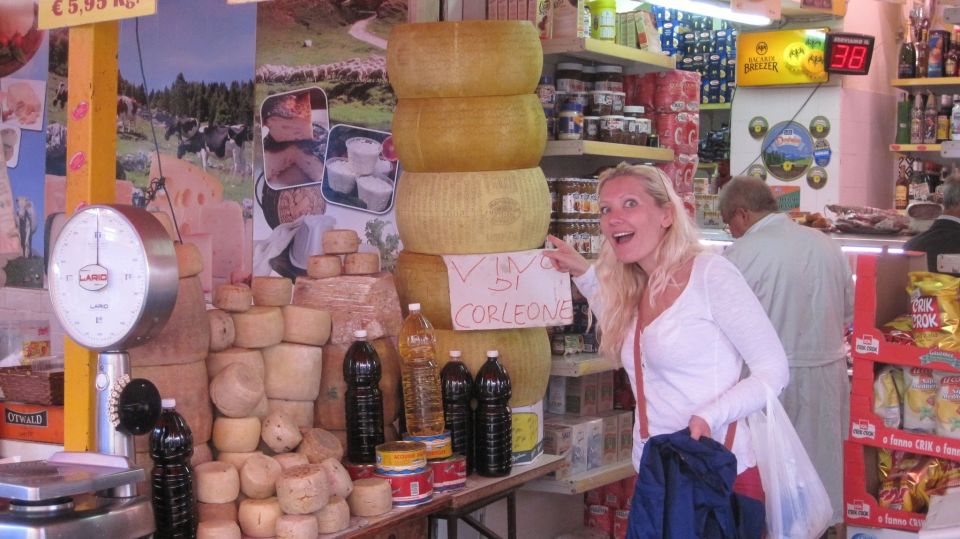
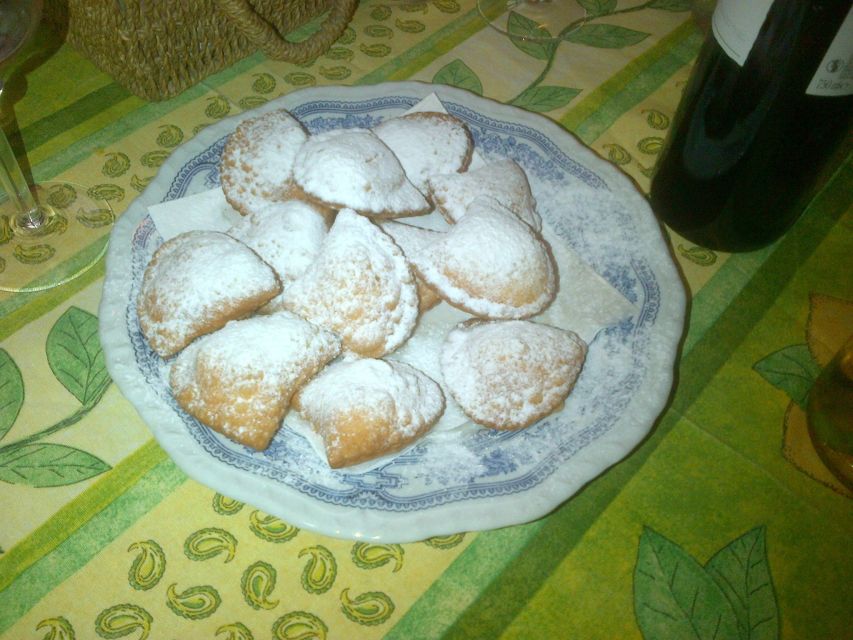
This is a tasting walk, so expect a series of bite-sized tastings rather than one big meal. You’ll visit small specialty food shops and sample a range of local products, including typical street foods and sweets.
The route is built to give you variety, which is exactly what you want on a short tour. You get a spread of what Palermo eats day-to-day, not just the one item a single neighborhood is known for.
Here’s what stands out as the signature cluster: Capo Market. It’s where the tour’s tasting energy peaks.
Capo Market: Arancine, Calzoni, Spiedini, and Frittola
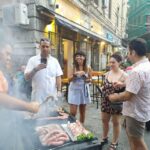
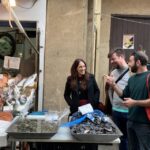
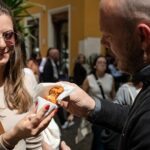
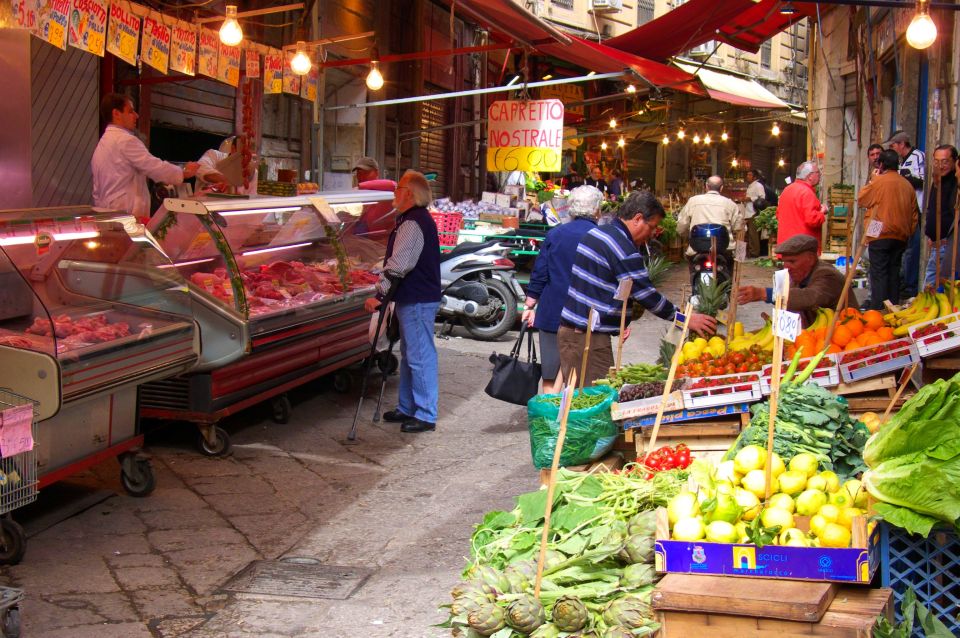
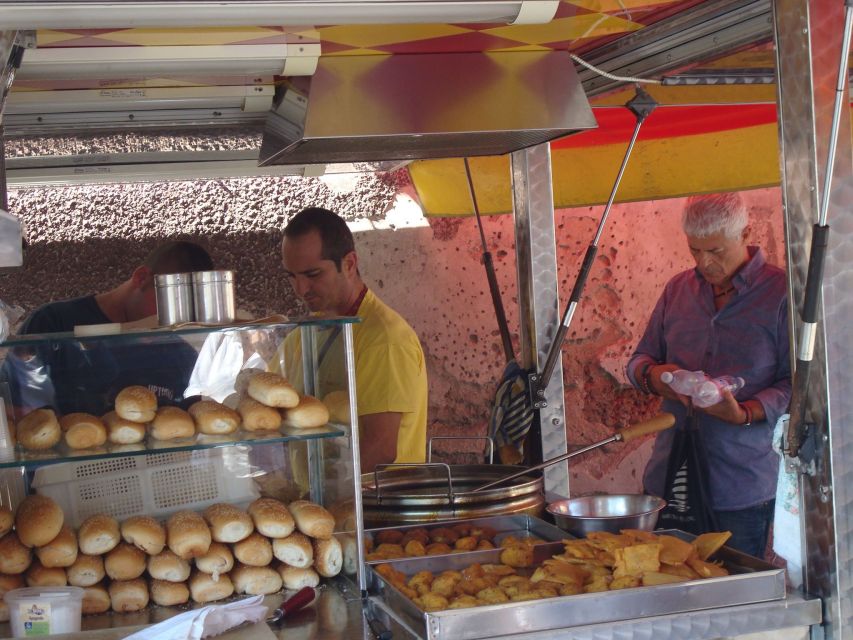
Capo Market is the stop you circle in your head. You’ll taste a selection of classics like arancine, calzoni, spiedini, and frittola. These aren’t “safe” souvenirs—they’re the kind of fried-and-stuffed favorites that locals grab when they want comfort and crunch fast.
Why this part is valuable: in one market stop you get multiple textures and styles. One bite can be cheesy and savory, the next can be snackable street meat or a different fried preparation. It’s a practical way to understand Palermo’s food identity without spending the entire day hunting on your own.
A small note to keep your expectations realistic: the market can be time-sensitive. On one occasion tied to a late-afternoon schedule, the start coincided with the market closing, and the tastings felt more limited than expected. So if you can choose a time slot, aim for a period when the market is fully active. You’re paying for tastings, so schedule matters.
You can also read our reviews of more food & drink experiences in Palermo
Vucciria Market: Pane ca Meusa and the Flavor of Palermo
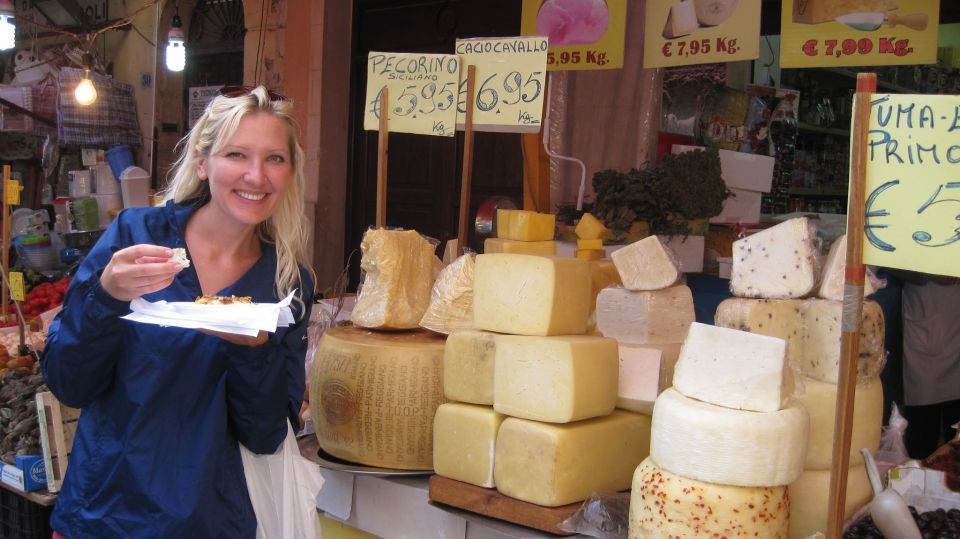
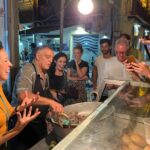
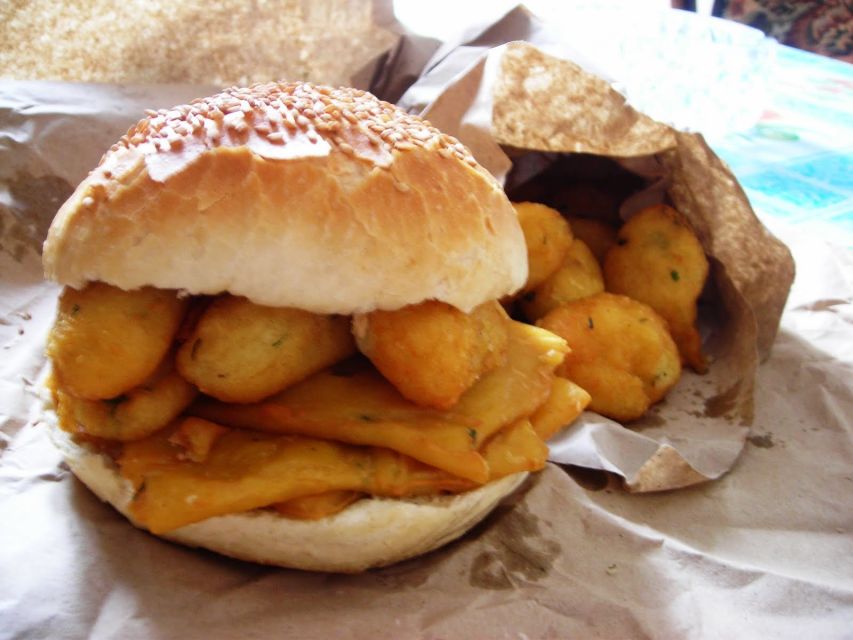
After Capo Market, the tour continues with another key market stop: Vucciria Market. This is where you try pane ca meusa, a traditional Palermo dish that’s a strong flavor marker for the city.
Even if you’re adventurous, don’t treat it like a “maybe.” Pane ca meusa is part of what makes Palermo food feel distinct from other Italian cities. You’re not just trying a dish—you’re sampling a local food habit, something you’d only get by eating with the right local route.
This second market stop also balances the tour. Capo gives you a spread of popular street food. Vucciria adds a single, standout specialty that anchors your memory of the day.
The Osteria Finish: Sicilian Wine or Beer with Delicacies
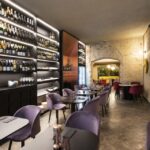
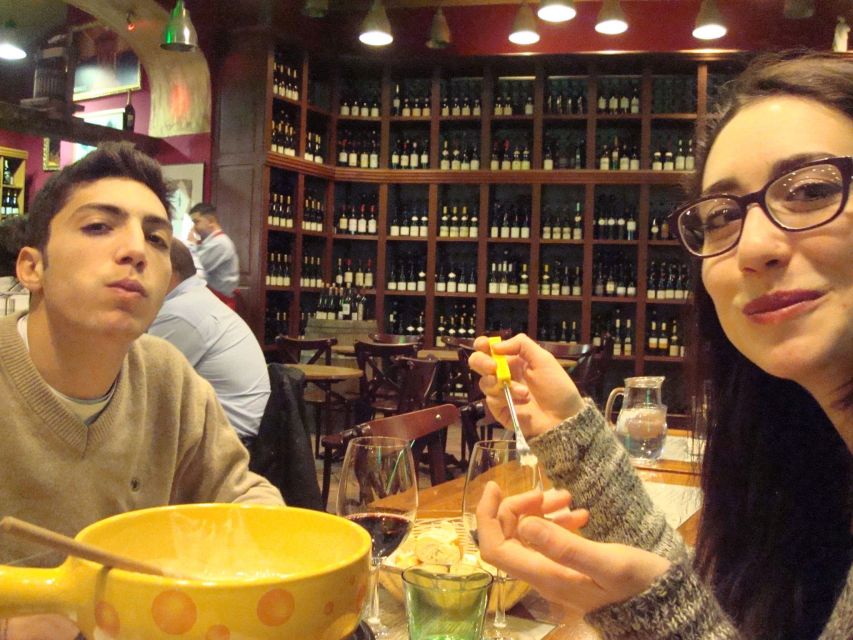
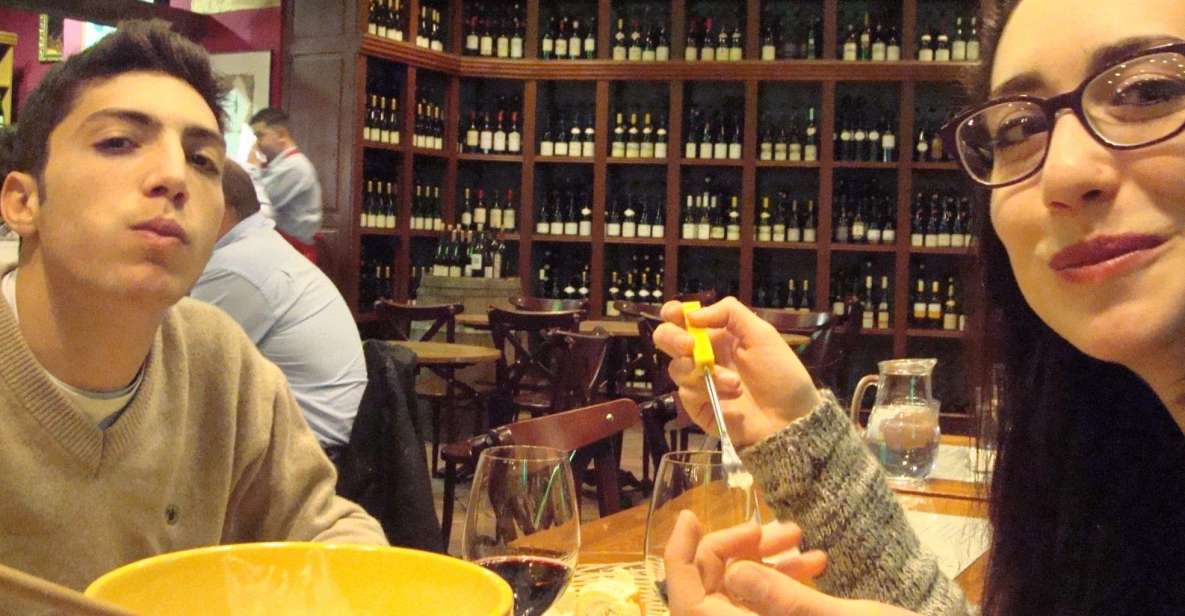
The tour includes a stop at a charming osteria, where you’ll enjoy Sicilian specialties and a glass of Sicilian wine or beer. You’ll also sample a selection of white and red Sicilian wines.
This part is smart for two reasons. First, it gives your legs a break. Second, you switch from “market bites” to a more structured tasting moment, which helps the flavors make sense together. Market snacks can be fast and varied. The osteria stop pulls it into one more relaxed flow.
It’s also a good place for drink lovers. Wine in Sicily isn’t one-size-fits-all, and tasting both white and red (as part of the experience) makes it easier to notice differences and find a style you’d want to order again later.
Just remember: the tour includes the guide and tasting moments, but additional food and beverages are not included in the base price. That matters most at the osteria, where you might naturally want to keep ordering after the first drink.
Skip-the-Line Perk: Small Time Savings, Big Impact
One of the quieter details is “skip the line through a separate entrance.” On paper it sounds minor. In real life, it can be the difference between a rushed start and a smooth schedule when you’re working with a fixed two-hour window.
If you’re the kind of traveler who hates waiting, this is a real quality-of-life improvement. And with a small group, delays feel more personal—you don’t want to lose the middle of the experience.
What the Small Group Size Really Changes
A limit of up to 12 people is where the whole tour becomes easier to enjoy. With a larger group, guides often have to sprint from stop to stop to keep everyone together. With 12, you can usually see what’s happening, hear instructions, and ask the “why is this made this way?” questions.
That’s also why this tour tends to work well for people who want both food and context. In feedback, guides have been described as friendly, adaptive to the audience, and strong at answering questions—exactly what you need if you want more than just a checklist of dishes.
If you’re traveling solo, two people, or with a couple friends, this size hits a sweet spot. You get the energy of a group walk without feeling swallowed by it.
Languages: English, Italian, French, Spanish
Tours run with a live guide in English, Italian, French, and Spanish. If you’re booking for language comfort, this is a big plus. Food is easier when you can ask follow-ups, especially in markets where names and ingredients can vary by stall and neighborhood.
Past experiences have included French-language guiding by Maria-Luisa, and English-speaking history-focused guiding by locals like Georgio. The takeaway for you: don’t be shy about asking questions. When a guide is genuinely communicative, you get more value than you’d expect.
Price and Value: Is $106 Worth It?
Let’s talk math, because this is where most people need clarity.
What you pay for at $106:
- a 2-hour guided walking tour
- a small group experience (max 12)
- a local English-speaking (or other language) guide
- the route through historic Palermo and the planned tastings format
What you still pay for (not included):
- cost of food and beverages
So the value depends on your tasting appetite. If you’re content with sampling the included tastings and keeping orders modest, you’ll likely find the price reasonable for a guided, short-window experience that covers multiple food spots. If you want to turn tastings into a full-on meal with extra wine, plan to spend more on top.
In my view, the “worth it” case is strongest when:
- you want guidance through markets and specialty shops without getting lost
- you want to try multiple Palermo staples in a short time
- you like having a guide to explain the differences between items and what to look for next time
Who This Tour Fits Best (and Who Should Skip It)
This is ideal if you:
- want a short, high-impact Palermo experience focused on food
- like walking between neighborhoods and markets
- enjoy tasting a mix of snacks, sweets, and drinks
- prefer small groups
It’s not suitable for people with mobility impairments. Also, if you don’t like walking at all, you may find 2 hours on foot more demanding than it sounds.
And remember the luggage rule. If you’re used to dragging bags around, adjust your plan—wear the right shoes and travel light.
Practical Tips So You Get the Most From the Walk
A few things will make this tour smoother:
- Wear comfortable shoes with good grip. Market floors can be uneven.
- Bring minimal belongings. No large bags.
- Come hungry, but don’t expect everything to be fully covered by the price. Have room in your budget.
- If you’re sensitive to timing, choose a tour slot when markets are active so you get the full tasting rhythm.
If you do those basics, the experience should feel efficient and fun—more like a guided food day with structure than a rushed tourist errand.
Should You Book This Palermo Food Walk?
I’d book it if you want a guided taste route that covers historic streets, two market moments (Capo and Vucciria), and an osteria stop for Sicilian wine or beer—all in just two hours. The small group size helps a lot, and the guide-driven pacing is the kind of support that makes markets less intimidating and tastings more meaningful.
Skip or rethink if:
- you hate walking
- you’ll be uncomfortable with extra spending on food and drinks
- you’re booking a time slot when markets may be winding down
Overall, this is a solid way to learn Palermo’s food rhythm fast, and it gives you a shortlist of dishes you can look for again later when you’re exploring on your own.
FAQ
How long is the Palermo walking and tasting tour?
The tour lasts 2 hours.
What is included in the price?
The included part is the small group walking tour with a private guide.
Are food and drinks included?
No. The cost of food and beverages is not included.
How big is the group?
It is a small group limited to 12 people.
Where do I meet the guide?
The meeting point is Via Volturno 78, by the entrance of the market.
What languages are available for the live tour guide?
The tour guide is available in English, Italian, French, and Spanish.
Is the tour suitable for people with mobility impairments?
No, it is not suitable for people with mobility impairments.