REVIEW · PALERMO
Palermo: Half-Day Cooking Class & Market Tour
Book on GetYourGuide →Operated by Siciliandays · Bookable on GetYourGuide
You can smell Sicily before you even cook. In Palermo, this half-day class pairs a Capo Market food hunt with hands-on cooking taught by chef Patrizia, then ends with the meal at her place. The format is simple: shop, chop, cook, eat, and taste the wines that make the whole thing click.
What I love most is the tight size—no more than 8 people—so you’re not stuck watching from the sidelines. I also like how the day follows real Sicilian rhythm: starter, pasta primo, a second course with fish or meat, caponata, and a Sicilian sweet like cannoli. One consideration: it’s not a quick “see and snack” tour. You’ll be on your feet at the market and doing real prep work, so wear good shoes and don’t plan on an easy, casual stroll-only day.
In This Review
- Key highlights worth planning around
- Palermo’s Capo Market-to-kitchen rhythm
- Meeting by Porta Carini: your starting point in real Palermo
- Inside the market: shopping like you mean it
- Back to the apartment: where the cooking gets real
- Cooking 4 Sicilian courses step by step
- Starter: your first taste of Sicilian rhythm
- Primo (pasta): learning pasta logic, not just pasta
- Second course: fish or meat, cooked with confidence
- Caponata: the vegetable course that isn’t a side dish
- Sicilian cake dessert: cannoli is often part of the picture
- Wine pairing with lunch: the part that makes it feel complete
- Who this fits best (and who should choose another day)
- Price and value: is $203.91 per person worth it?
- Tips so you get the most out of the day
- Should you book Palermo Half-Day Cooking Class & Market Tour?
- FAQ
- FAQ
- How long is the Palermo cooking class and market tour?
- Where do I meet for the tour?
- What food will I cook and eat?
- Is wine included?
- Can the class accommodate dietary needs?
- What’s included in the price?
- What should I bring, and is smoking allowed?
- How big is the group?
Key highlights worth planning around
- Capo Market meet-up by Porta Carini, with a guided ingredient search that makes you understand what you’re buying.
- Market-to-kitchen flow: you shop for the meal and then return to cook the same ingredients.
- 4-course Sicilian lunch including caponata plus a typical Sicilian dessert such as cannoli with handmade filling.
- Wine pairings with your courses, from Sicilian selections (including Nero d’Avola in at least some classes).
- Chef-led, small group cooking with practical, step-by-step help from Patrizia (and Giuliana is often involved as well).
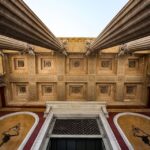
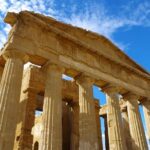
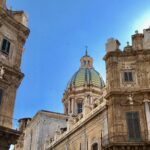
- A cultural walkback that includes a view of ancient and Baroque Palermo while you move from market back to the apartment.
Palermo’s Capo Market-to-kitchen rhythm
Palermo food has a personality. It’s loud at the market, focused in the kitchen, and generous at the table. This experience leans into that by starting where Sicilians actually shop—at the Capo Market area near Porta Carini—and keeping you moving until you’re eating what you made.
The pacing matters. You don’t just get handed a recipe card; you see ingredients change from “items on a stall” into “choices you’ll taste in a sauce.” That makes the cooking instruction stick, because you remember why you bought what you bought.
Your group size stays small (up to 8), which also changes how the class feels. You’re more likely to ask questions, taste, and get direct help when something needs adjusting. If you want a hands-on day where you still get to chat and enjoy wine, this structure fits.
You can also read our reviews of more shopping tours in Palermo
Meeting by Porta Carini: your starting point in real Palermo
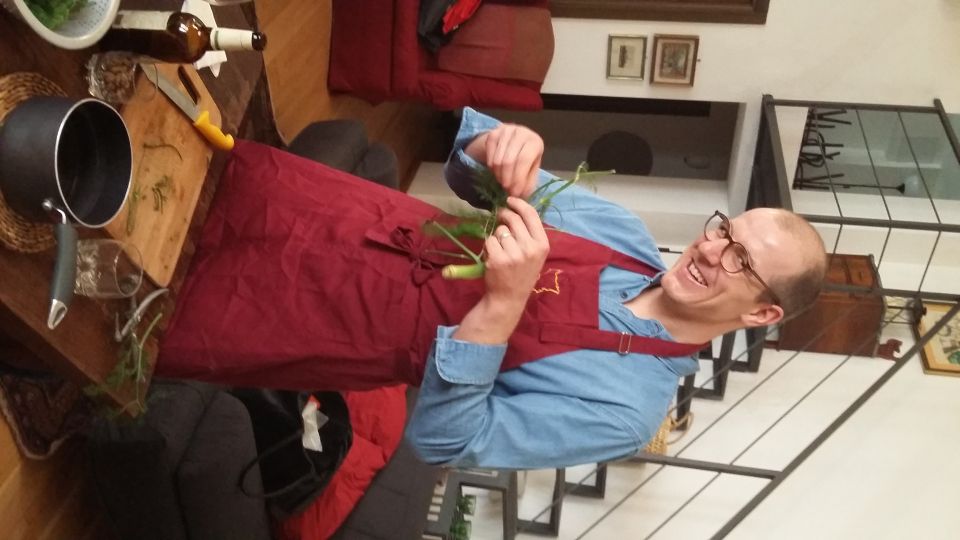
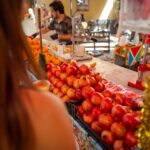
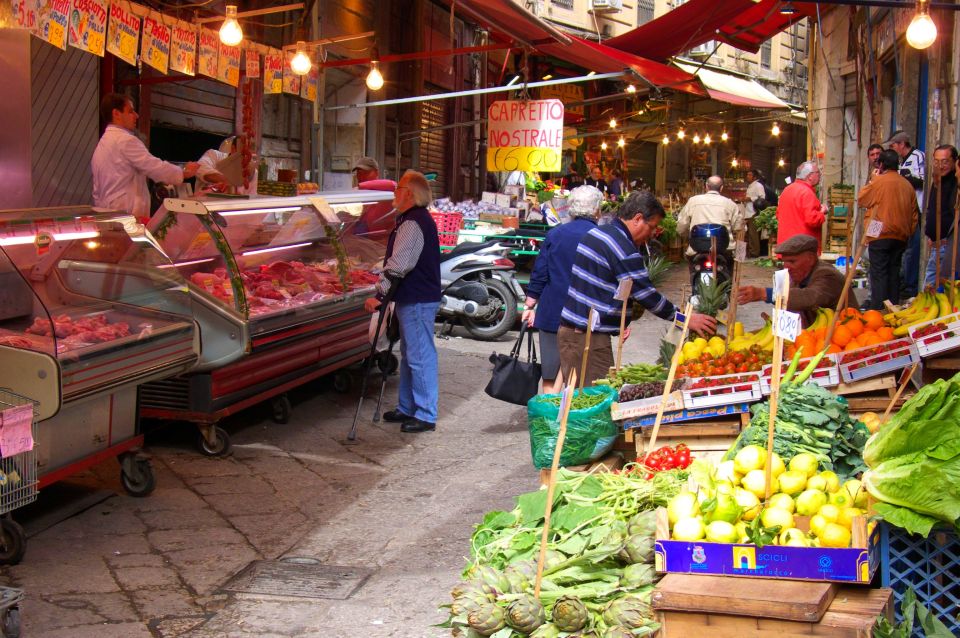
You meet by Porta Carini, at the entrance gate to the Capo Market. That matters because you’re not wandering into “one more tourist market.” You’re right at the access point where the neighborhood life starts—voices, carts, produce displays, and the steady flow of people buying dinner.
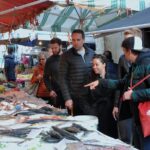
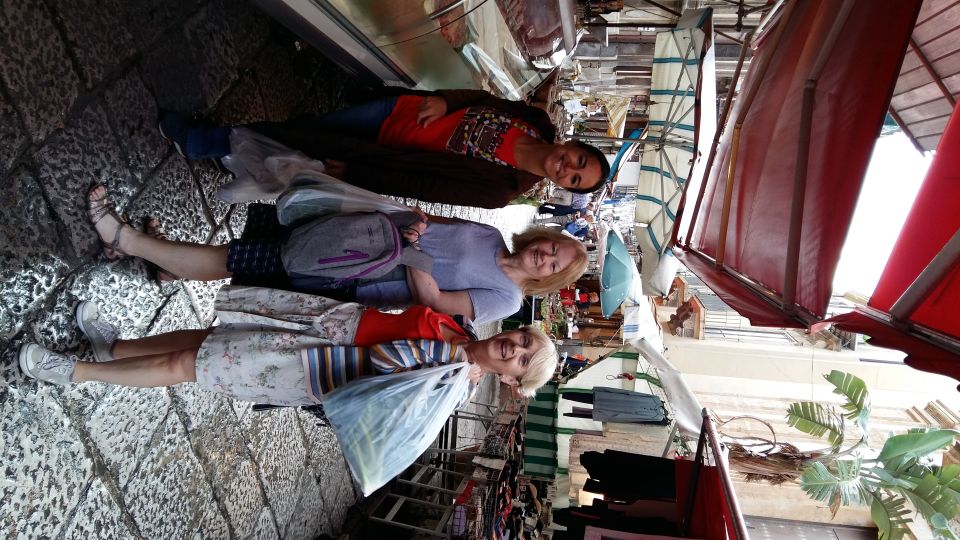
From there, you travel with the chef and guide to the market area (the class mentions Market Vucciria or Capo). Expect a guided shopping walk where you’ll learn what seasonal ingredients look like in Palermo right now and how those choices show up in classic dishes.
Practical note: this is a food-focused morning. You’ll want comfortable shoes, and you should assume you’ll do some standing and walking on uneven surfaces. The payoff is that you’re seeing and buying like locals, not just taking photos.
Inside the market: shopping like you mean it
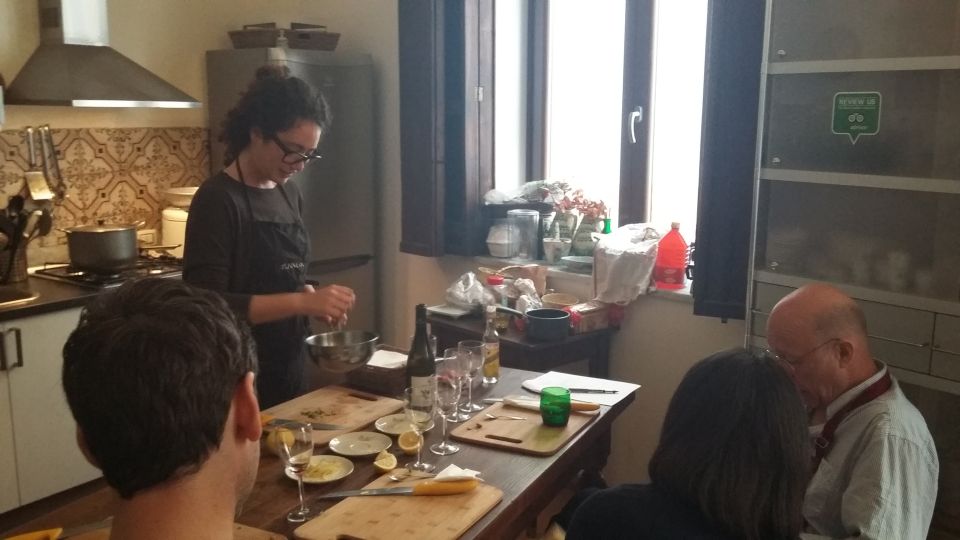
The market portion is the heart of the value. When you buy the ingredients with the chef, you start understanding the logic behind the dishes: what’s fresh, what pairs well, and what Sicilians treat as “must-haves” rather than “optional garnish.”
The class is designed around traditional Sicilian dishes, so your ingredient list isn’t random. You’re gathering items that will show up in a starter, a pasta course, a second course with fish or meat, caponata, and a Sicilian sweet. You also get the little tastings that turn the market into a mini education—local cheese and other street-style bites came up in the way people described their experience.
If you’re wondering whether you’ll just follow along, here’s the truth: you can choose how involved you want to be. Some people prefer active shopping and tasting; others lean into listening while they get ideas for what to buy later on your own. Either way, you leave knowing what to look for if you revisit the market.
Back to the apartment: where the cooking gets real
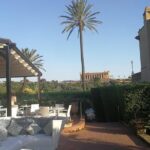
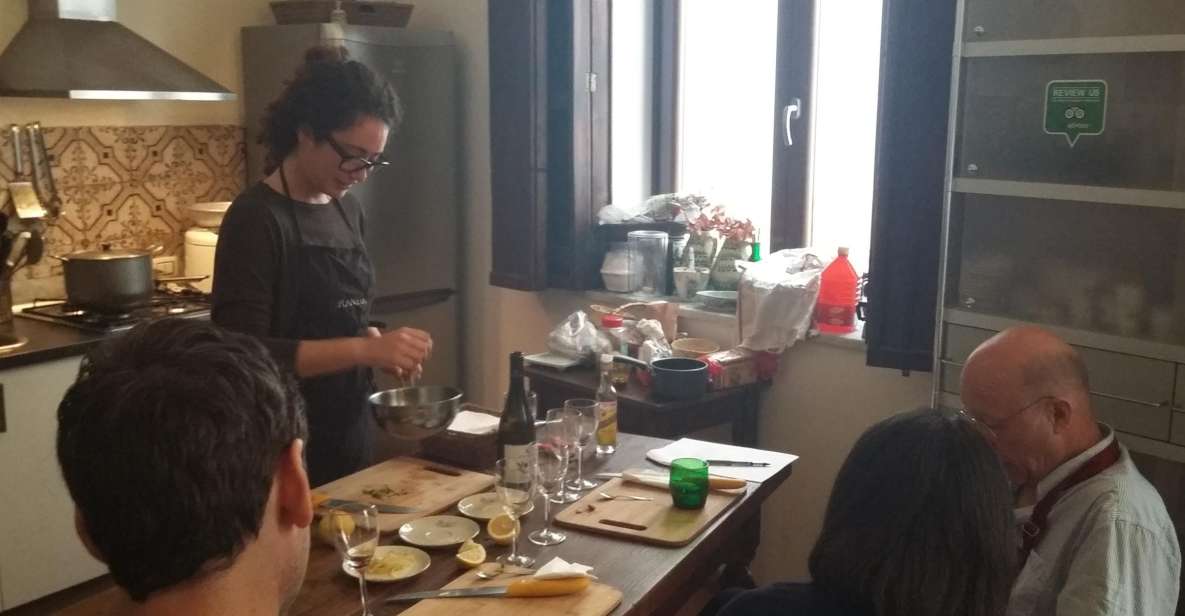
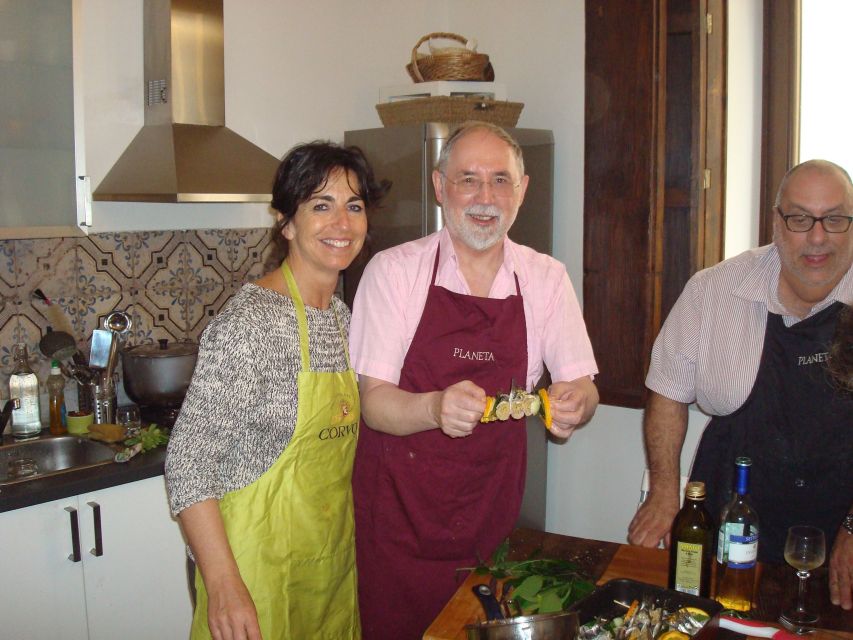
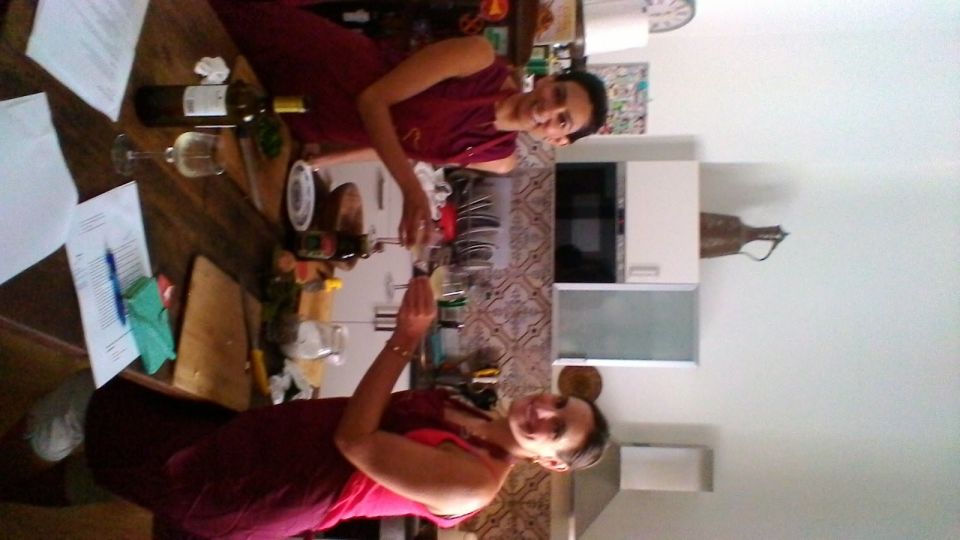
After shopping, you head back to the apartment in central Palermo. The class includes a cooking space set up for the group—so you’re not searching for your own cutting board mid-chop.
This is where the tone shifts from market energy to kitchen calm. People often describe it as feeling like cooking at a friend’s place: you’re learning, but it’s not stiff or intimidating. That helps if you’re a beginner, and it still works if you cook at home already.
You’ll begin by cooking the courses in order: a starter, then a primo (pasta), then the second course (fish or meat), followed by caponata and the Sicilian cake/dessert. The ingredient you picked at the market isn’t just “in the bowl.” It’s the reason the dish tastes the way it does.
Cooking 4 Sicilian courses step by step
The class structure is built for learning. Each course teaches a technique or flavor logic instead of dumping everything at once.
You can also read our reviews of more tours and experiences in Palermo
Starter: your first taste of Sicilian rhythm
You start with a starter course, guided by the chef as you prep and cook. This is a good entry point because it gets you into the flavors without requiring expert-level skill on day one. You’ll likely use fresh ingredients you picked during the market walk, which makes the flavors feel immediate.
Primo (pasta): learning pasta logic, not just pasta
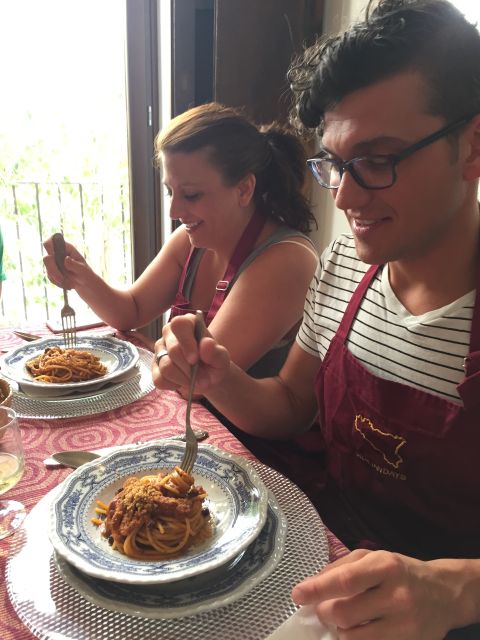
Next comes the primo—pasta—where you’ll get hands-on instruction for building a sauce or seasoning in a Sicilian style. The class is set up so you’re not just boiling pasta and hoping for the best. You’re cooking with the same mindset you’d use if you shopped locally and wanted to get the taste right.
Second course: fish or meat, cooked with confidence
The second course includes either fish or meat. The key here is that your chef keeps it practical: how to handle ingredients, when to adjust seasoning, and how to tell when things are ready. If you’re unsure about committing to fish vs meat at home, you’ll come away with a clearer sense of how Sicilians think about both.
Caponata: the vegetable course that isn’t a side dish
Caponata is the signature move. It’s described as a vegetable stew salad with eggplants, celery, green olives, and capers. That blend is why caponata tastes like Palermo—sweet-savory balance, briny edges, and a texture that feels both stew-like and fresh.
Cooking caponata in a class setting is a shortcut to understanding it. You see how ingredients combine, and you learn what makes it caponata instead of “just vegetables in a pot.”
Sicilian cake dessert: cannoli is often part of the picture
The final sweet is a typical Sicilian cake. People have specifically mentioned cannoli with handmade filling as part of the experience. So if you’re a dessert person, this class has real stakes: you’re not ending with a generic cookie, you’re making a Sicilian classic.
Wine pairing with lunch: the part that makes it feel complete
Lunch doesn’t feel like an afterthought here. You eat the courses you cooked, and you pair them with Sicilian wines chosen for the meal.
Expect a wide selection, and in some classes you may taste wines people call out specifically—Nero d’Avola has been mentioned. Even if you’re not a wine expert, the pairing helps you connect flavors across the meal: acidity, fruit, and how the wine behaves next to salty, briny, and herb-forward Sicilian food.
You’ll also notice the social side of this part of the day. By the time you sit down, conversation is easier. A lot of people describe it as relaxed—music, shared table energy, and the sense that you’re eating like you live here for a few hours.
Who this fits best (and who should choose another day)
This experience is a great match if you want:
- a hands-on Palermo food lesson
- a small group day where you can ask questions
- real Sicilian cooking basics you can actually recreate later
It’s also ideal for first-timers to Sicily because it doesn’t just teach recipes. It teaches ingredient thinking. You learn what to buy and why, which helps you eat better in restaurants during the rest of your trip.
You might want to choose a different activity if:
- you want mostly sightseeing with minimal work
- you have mobility limits (the class is not suitable for people with mobility impairments)
Price and value: is $203.91 per person worth it?
At $203.91 per person, you’re paying for more than “a cooking class.” You’re paying for a guided market ingredient hunt, chef instruction through multiple courses, and lunch with wine.
Here’s the value logic I use:
- Market shopping + ingredient sourcing: you’re not doing that alone.
- 4-course meal: you’re eating what you make, not leaving hungry.
- Small group size: more teaching time, fewer people, better experience flow.
- Wine pairings: you’re included for a key part of Sicilian dining culture.
If you’re the type who learns best by doing—chopping, stirring, tasting—this price can feel fair because your money buys you both the meal and the know-how. If you prefer learning through observation only, you may feel the cost more sharply, since the class expects participation.
Tips so you get the most out of the day
- Wear comfortable shoes. The market part means real walking.
- If you’re vegetarian or gluten-free, pick that option ahead of time. The class states you can accommodate both.
- Bring curiosity. Ask why an ingredient is chosen. That’s where the learning lands.
- If you’re a beginner, don’t worry about speed. The chef-led pace is meant to help you build confidence course by course.
Also: don’t plan a tight schedule right afterward. You’ll walk, cook, and eat a full lunch. It’s a half-day that stretches your appetite and your brain.
Should you book Palermo Half-Day Cooking Class & Market Tour?
I’d book it if you want a Palermo experience with a clear payoff: you leave with recipes in your head and a meal in your stomach. The combination of Capo Market shopping and then cooking those same ingredients is the reason it works. It’s also guided by Patrizia, and in many descriptions Giuliana is part of the warm, family-like feel.
Skip it if you’re chasing a pure “wander around town” day. This is a food-and-wine class with real prep work and a schedule that moves.
If you do book, do it early in your Sicily trip. A cooking day like this gives you better instincts for what to order and what to look for in markets the rest of your stay.
FAQ
FAQ
How long is the Palermo cooking class and market tour?
It lasts about 4 hours. Starting times vary, so you’ll need to check availability.
Where do I meet for the tour?
You meet by Porta Carini, the entrance gate to the Capo Market.
What food will I cook and eat?
The class includes a starter, a primo (pasta), a second course (fish or meat), caponata (eggplant, celery, green olives, capers), and a typical Sicilian cake for dessert.
Is wine included?
Yes. The lunch includes a Sicilian wine tasting with wines chosen to pair with your courses.
Can the class accommodate dietary needs?
Yes. Vegetarian and gluten-free menus are available.
What’s included in the price?
Included items are the ingredients as per the itinerary, lunch, and Sicilian wine tasting. Drop off is not included, but it may be available on request.
What should I bring, and is smoking allowed?
Bring comfortable shoes. Smoking is not allowed during the activity.
How big is the group?
The group size is limited to no more than 8 people.