REVIEW · PALERMO
Sicilian Cooking Class
Book on Viator →Operated by The Sicilian Pantry · Bookable on Viator
Mercato shopping beats another museum day. In Palermo, this class pairs a walk through the Capo Street Market near Porta Carini with an English-led, hands-on cooking lesson by Chef Michael. I love picking ingredients in a real neighborhood market, and I love that the menu stays true to Palermo street food and home-style favorites. One drawback to plan around: it’s not recommended if you have severe food allergies.
You start at the Parcheggio ORLANDO meeting point at 10:00 am and spend about 4 hours 30 minutes cooking, then eating together. With a maximum of 8 people, you get real help at the counter, not just a spectator’s seat.
In This Review
- Key Things I’d Circle Before You Book
- Palermo’s Market-to-Kitchen Flow Makes the Class Click
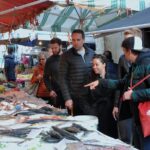
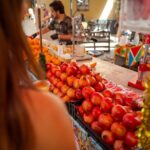
- Capo Street Market: Picking Ingredients Like You Actually Mean It
- From Porta Carini to an Air-Conditioned Kitchen
- Four Courses You’ll Cook: Starter, Pasta, Main, Dessert
- Starter options: fried street-food classics
- Pasta course: homemade pasta with a Sicilian attitude
- Main course: meat or seafood, done the Sicilian way
- Dessert: cannoli, cassata, and granita
- What You Actually Learn in the Kitchen
- Dining Down: Wine, Homemade Liqueurs, and Coffee
- Price and Value in Palermo: What You’re Getting for $118.56
- Who This Sicilian Cooking Class Is Best For
- Should You Book the Sicilian Cooking Class in Palermo?
- FAQ
- Where do I meet for the class?
- What time does the experience start?
- How long is the Sicilian cooking class?
- How many people are in the group?
- Is the class offered in English?
- What’s included in the 4-course meal and drinks?
- Are service animals allowed?
- Is it recommended for people with severe food allergies?
- Is free cancellation available?
- Do I need a printed ticket?
Key Things I’d Circle Before You Book
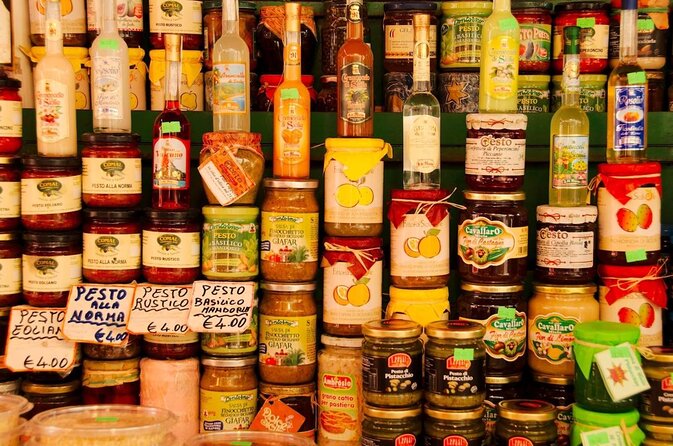
- Capo Street Market shopping near Porta Carini, so you learn what to buy and why
- English instruction with Chef Michael and his team in a small group
- Air-conditioned kitchen time for serious hands-on cooking without sweating it out
- A real four-course dinner: starter, pasta, main, dessert
- Sicilian wines plus homemade liqueurs served with what you make
- Seasonal menu choices based on what’s fresh that day
Palermo’s Market-to-Kitchen Flow Makes the Class Click
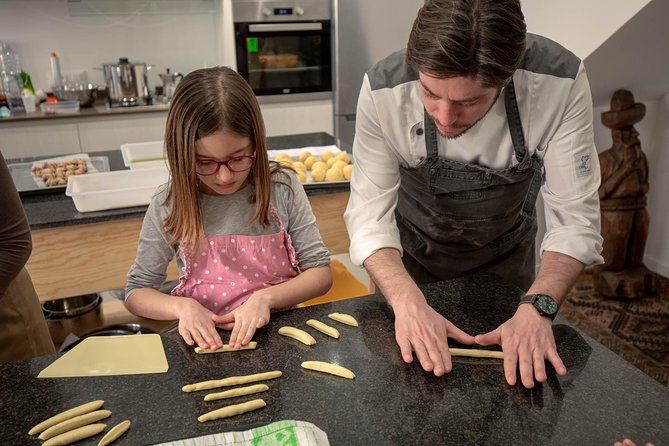
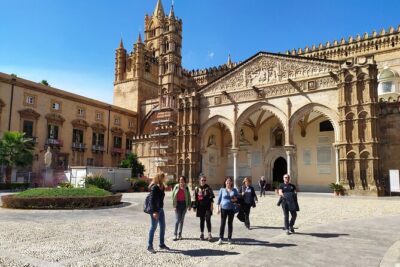
This is one of those days where the food lesson starts before you touch a knife. You meet near Porta Carini, then head into Palermo’s old-town market area—this is where you get your bearings fast and learn how locals shop. The class doesn’t feel like a staged demo. It feels like cooking alongside people who care about ingredients.
I also like the pacing. You’re not racing the clock, and you’re not stuck waiting your turn. The group stays small, and the kitchen is set up for teamwork. It helps that the cooking space is air-conditioned, because Palermo can be warm, especially when you add a market walk to the mix.
You can also read our reviews of more cooking classes in Palermo
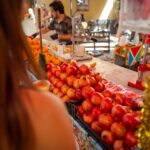
Capo Street Market: Picking Ingredients Like You Actually Mean It
The market stop is the heart of the experience. You’ll select what you need for your lesson right there in the old town market area. That matters more than it sounds.
Here’s why:
- You learn the logic behind Sicilian cooking, where simple ingredients get treated with respect.
- You see what’s seasonal and what’s available right now, not what shows up in a generic cookbook.
- You get practical guidance you can reuse at home: what to look for, how to choose, and what combinations make sense.
The menu is built around Palermo staples. You might end up shopping for ingredients used in panelle (chickpea fritters), arancine (fried rice balls), or carciofi fritti (fried artichokes). If you’re choosing a pasta course, you may also be lining up ingredients for something like pasta con le sarde, which is distinctly Palermitan—fresh sardines paired with wild fennel, saffron, currents, and pine nuts.
One heads-up: if weather turns rough, some open-air markets can be quieter. The market scene may not look as lively on a rainy day.
From Porta Carini to an Air-Conditioned Kitchen
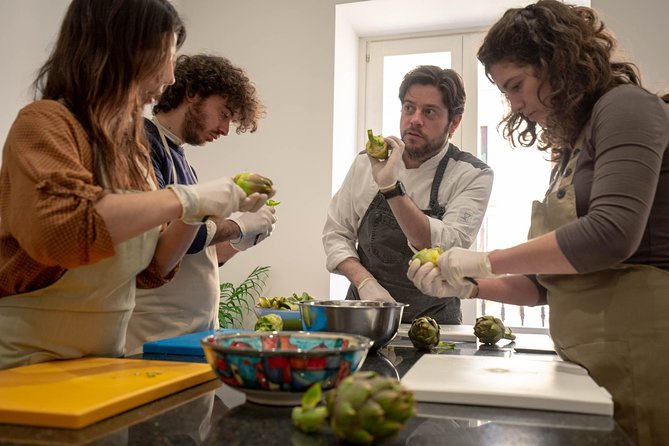
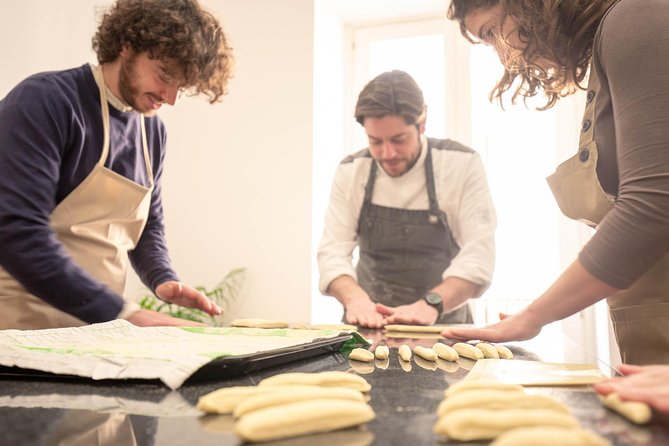
After the market, you walk to the cooking school. This part keeps the class feeling connected to real life in Palermo—market to street to kitchen. Then comes the best part: the kitchen is air-conditioned, so your focus stays on technique instead of heat.
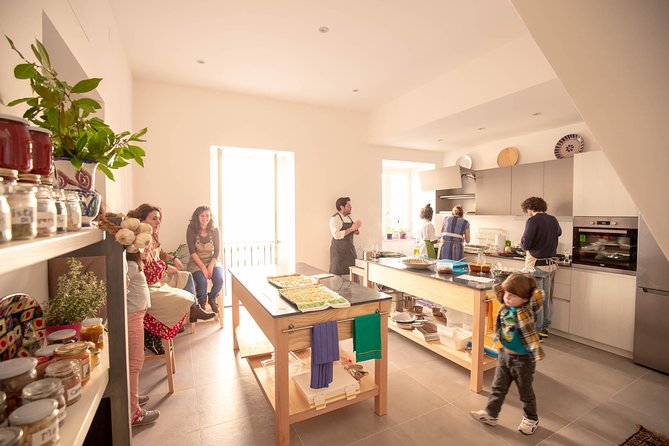
The class is hands-on from the start. You won’t just watch while someone else does the work. Chef Michael and the kitchen team guide you step by step—how to prep, how to handle ingredients, and how to keep timing under control when frying, shaping, and simmering are all happening in the same session.
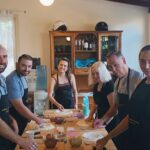
Group size helps. With a maximum of 8, you get enough attention that you can actually learn. It’s also a friendly setup for mixed groups, since the instruction is in English and the atmosphere stays casual rather than stiff.
Four Courses You’ll Cook: Starter, Pasta, Main, Dessert
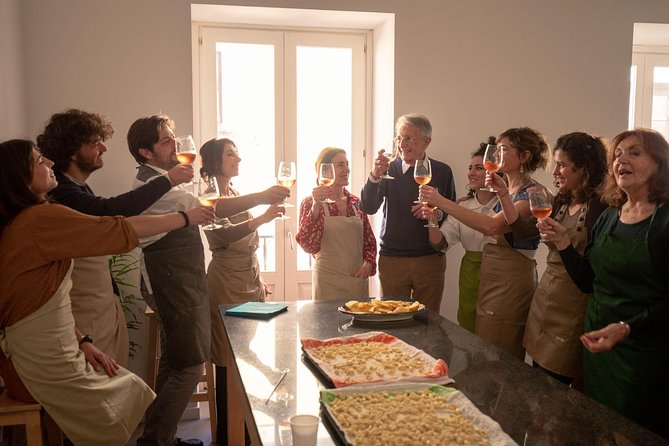
This class is structured as a 4-course meal: a starter, a pasta dish, a main course, and a dessert. The exact combination can vary by what’s fresh and what the day’s plan includes, but the core dishes follow Palermo and Sicily traditions.
Starter options: fried street-food classics
You’ll likely make one of these Sicilian favorites:
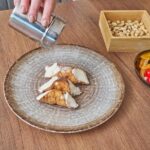
- Panelle: chickpea fritters, fried and finished with lemon. This one shows up all over Palermo street corners, and it teaches you how chickpeas can become something crisp and addictive.
- Arancine al burro: saffron-flavored rice balls filled with ham and cheese, then breaded and fried. Great for learning shaping and coating, and it gives you that crunchy outside you can’t easily replicate without practice.
- Carciofi fritti: artichokes cleaned, quartered, breaded, and fried. You learn the prep work that makes the difference between tender bites and chewy frustration.
You can also read our reviews of more tours and experiences in Palermo
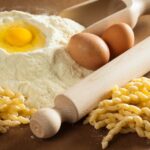
Pasta course: homemade pasta with a Sicilian attitude
You’ll either roll up your sleeves for a fresh pasta course or prepare a pasta dish that’s all about regional flavors, such as:
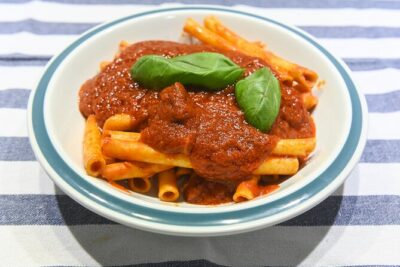
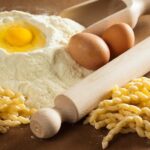
- Pasta fresca con salsa fresca: you make fresh pasta and top it with freshly made tomato sauce. This one is simple in concept, but it teaches consistency—how fresh dough behaves and how sauce should taste.
- Pasta con le sarde: a Palermitan classic with pasta and fresh sardines, wild fennel, saffron, currents, and pine nuts, finished with toasted breadcrumbs. This course is a lesson in balancing sweet, salty, herbal, and rich notes in one bowl.
Main course: meat or seafood, done the Sicilian way
Your main might be something like:
- Involtini di carne: thin meat rolls stuffed with cheese, breadcrumbs, currants, and almonds, skewered, breaded, and roasted. This is the “family favorite” type of dish—comfort food with a festive core.
- Pesce spada panato: swordfish slices dipped in extra-virgin olive oil and coated with breadcrumbs seasoned with parsley, mint, and lemon zest. It’s bright, savory, and very Mediterranean—plus you’ll learn how breading sticks and how seasoning changes the finished bite.
Dessert: cannoli, cassata, and granita
Dessert is where many cooking classes go generic. This one stays Sicilian. You may make:
- Cannoli: fried pastry tubes filled with sweet ricotta cream, garnished with candied orange peel and pistachios from Bronte. It’s a reminder that Sicily’s desserts often mix crisp textures with creamy centers.
- Cassata: almond paste and sponge cake stuffed with sweet ricotta cream and decorated with candied fruit. This is richer, more festive, and very “this is a celebration.”
- Granita di mandorle: a frozen almond dessert made with water, sugar, and almonds. Simple ingredients, clean flavor, and a nice way to cool down after fried courses.
What You Actually Learn in the Kitchen
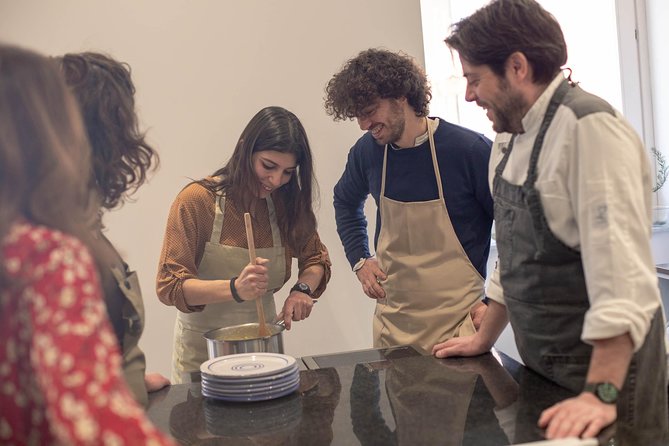
This isn’t just about eating well. The class is set up so you learn techniques you can carry home.
Here are the practical skills you’ll get:
- Ingredient prep rhythms: you’ll clean, portion, and prep so cooking doesn’t fall apart mid-course.
- Frying know-how: panelle, arancine, and fried artichokes all teach you how to aim for crunch without burning.
- Fresh pasta handling: even if you’ve never made dough before, you’ll get guided instruction on shaping and cooking fresh pasta.
- Sauce and seasoning balance: tomato sauce should taste like tomatoes, not just cooked flavor. Pasta con le sarde requires careful layering of saffron, fennel, currents, and nuts.
- Breading and finishing: swordfish panato is all about breading coverage and fresh herb + citrus finishing.
One detail I really like: Chef Michael keeps things organized and explains the why, not only the what. That’s how you remember the technique later instead of just copying a recipe.
Also, the class atmosphere tends to stay warm. You’ll work with Chef Michael and his team (often with an assistant such as Elena or Melissa, depending on the day). That matters because hands-on cooking can feel stressful when the teaching is unclear. Here, it stays approachable.
Dining Down: Wine, Homemade Liqueurs, and Coffee
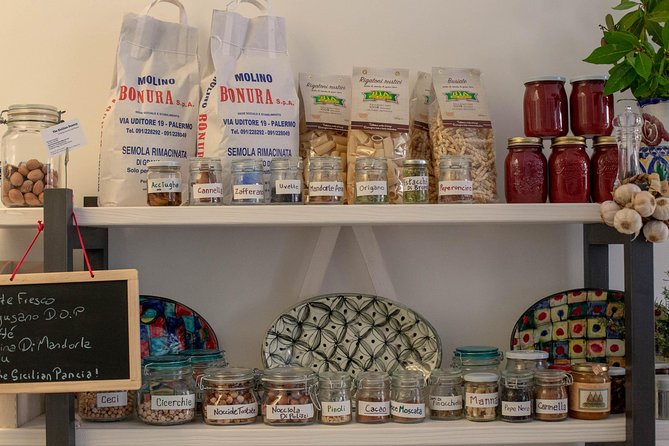
When you finish cooking, you sit down for what you made. You’ll get a selection of Sicilian wines, plus homemade liqueurs. Then it ends with coffee—very classic for an Italian meal that’s meant to linger.
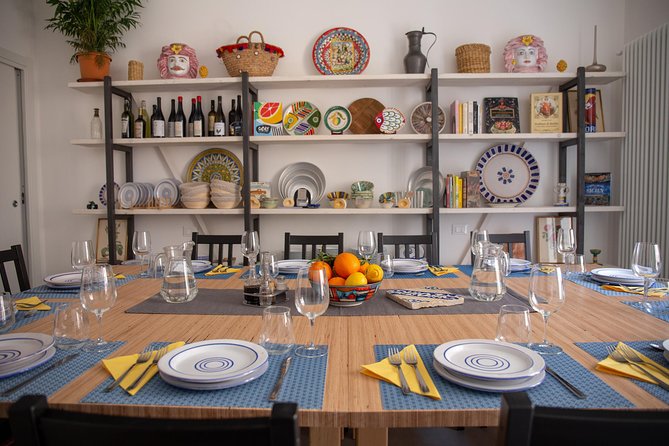
This dinner part is more than food service. It’s where you get to connect what you did in the kitchen to the final result. You taste your starter, pasta, main, and dessert as a full meal, with wine pairings that help you understand why certain flavors work together in Sicily.
If you’re the type who likes to measure a cooking class by the meal quality, this one scores well. You’re not eating a small tasting and calling it a day. This is a proper four-course finish.
Price and Value in Palermo: What You’re Getting for $118.56
At $118.56 per person for about 4.5 hours, you’re paying for more than a recipe session. You’re getting:
- market shopping that feeds directly into the meal
- guided hands-on cooking in an air-conditioned kitchen
- a full four-course meal
- wine, homemade liqueurs, and coffee
In Palermo, that can feel like good value because many food-focused experiences only include either shopping or cooking or eating. Here, you get all three, and you leave with skills you can repeat.
The biggest “cost” isn’t money—it’s time. You’re using a big chunk of your morning and lunch. If your itinerary is tight, plan around the 10:00 am start.
Who This Sicilian Cooking Class Is Best For
I’d point you toward this class if you:
- like food experiences where you actually cook, not just snack
- want a Palermo-specific menu (fried street foods plus regional classics)
- enjoy learning techniques you can bring home
- prefer small groups where you can ask questions
It may be less ideal if you:
- have severe food allergies (the class isn’t recommended for that situation, and you should contact the operator before booking)
- need step-free access, since the studio setting can involve stairs
Should You Book the Sicilian Cooking Class in Palermo?
Yes, if your goal is to eat and learn in one smooth day. The market-to-kitchen structure is the point, and the four-course Sicilian menu keeps it authentic. You also get a small-group setup with English instruction, so it’s friendly if you don’t speak Italian.
Skip it or ask extra questions first if allergies are a major concern or if mobility is limited due to stairs. And if you’re visiting right around bad weather, just expect the market vibe may not be as full as on sunny days.
FAQ
Where do I meet for the class?
You meet at Parcheggio ORLANDO | APCOAP, in Piazzale Vittorio Emanuele Orlando 49, Palermo, Italy.
What time does the experience start?
The start time is 10:00 am.
How long is the Sicilian cooking class?
It runs for about 4 hours 30 minutes.
How many people are in the group?
The class has a maximum of 8 travelers.
Is the class offered in English?
Yes, it’s offered in English.
What’s included in the 4-course meal and drinks?
You’ll cook and then eat a four-course meal: a starter, a pasta dish, a main course, and a dessert. The meal includes a selection of Sicilian wines, homemade liqueurs, and coffee.
Are service animals allowed?
Yes, service animals are allowed.
Is it recommended for people with severe food allergies?
No. It’s not recommended for people with severe food allergies. If you have dietary requirements, you should get in touch.
Is free cancellation available?
Yes. You can cancel for a full refund up to 24 hours in advance of the experience start time.
Do I need a printed ticket?
No. You’ll have a mobile ticket.