REVIEW · PALERMO
Palermo: Pasta and Tiramisu Cooking Class with Wine
Book on GetYourGuide →Operated by The Roman Food Tour · Bookable on GetYourGuide
Fresh pasta starts with your hands. This Palermo class near Quattro Canti teaches you fresh pasta dough and classic tiramisu the way a real restaurant does, not like a demo.
- I love the step-by-step coaching as you mix, rest, and shape pasta.
- I love how the tiramisu comes out guided and practical, not vague or fussy.
There’s one thing to weigh: the experience is priced like a full restaurant evening, but the meal portion may feel lighter than you’d expect if you’re hunting for a big multi-course feast.
In This Review
- Key Things To Know Before You Go
- Finding Carlo V (Carlo Quinto) and Starting With Prosecco
- Tiramisu Cooking: Making a Classic the Clean, Guided Way
- Fresh Pasta Lessons: Dough, Flour Choice, and Pasta Fresca vs Secca
- Wine With Lunch or Dinner: Eating What You Made
- What You Actually Get (Included) and What You Don’t
- The Small-Kitchen Feel: Why the Class Atmosphere Matters
- Practical Tips So You Enjoy Every Step
- Who Should Book This Palermo Cooking Class
- Should You Book This Palermo Pasta and Tiramisu Class?
- FAQ
- How long is the cooking class?
- Where does the class meet?
- What dishes will I learn to make?
- Is Prosecco included?
- Is wine included with the meal?
- Does the class teach pasta fresca vs pasta secca?
- Is there an English-speaking guide?
- What should I bring or wear?
- Is hotel pickup included?
Key Things To Know Before You Go
- 100 meters from Quattro Canti, inside Carlo V (Carlo Quinto): easy to find and quick to build in with a city walk.
- Prosecco on arrival, then wine with your meal: you’re not just cooking, you’re also settling in and tasting.
- Tiramisu first, then pasta dough: you’ll get a sweet win early, then switch gears to the savory craft.
- You’ll learn the difference between pasta fresca and pasta secca: that’s more useful than just copying a recipe.
- English live guide plus hands-on help: the rhythm is guided, and the chef helps you get the steps right.
- You eat what you make: lunch or dinner is included, so the class ends with payoff.
Finding Carlo V (Carlo Quinto) and Starting With Prosecco
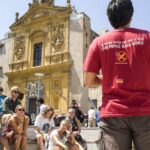
This class starts at the restaurant Carlo V, also listed as Carlo Quinto. It’s located just about 100 meters from Quattro Canti, which matters because it keeps your evening stress low. You can arrive, get oriented fast, and still have time to wander afterward.
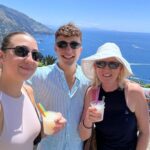
When you show up, you’ll get a welcome glass of Prosecco. That first drink isn’t just a perk. It helps you relax into the pace of a real Italian kitchen, where conversations and small moments matter as much as the recipe.
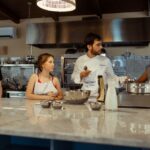
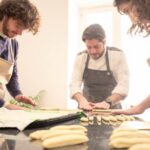
After that, you move behind the scenes. You’ll wash your hands, get an apron, and then the group breaks into action at the workstations. The tone is social but not chaotic. You’re doing the steps, not watching from the sidelines.
You can also read our reviews of more cooking classes in Palermo
Tiramisu Cooking: Making a Classic the Clean, Guided Way
The class begins with tiramisu, and that’s a smart order. Dessert work tends to be forgiving when you’re learning, and it gives you confidence before you tackle fresh pasta dough.
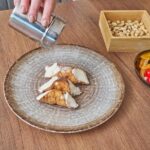
You’ll prepare the tiramisu at your station with step-by-step guidance. As you mix and assemble, you’ll also hear about the dessert’s history and what makes a tiramisu taste like tiramisu. That context helps later, because you start understanding why certain textures and layers matter.
What I like about this part for practical cooks is the focus on technique, not mystery. You’re not just getting instructions that sound good in theory. You’re guided on how to put it together so it sets properly and tastes right when you finally eat it.
Also, you’re in a restaurant setting, so you get the feel of how Sicilians actually serve food: layered, shared, and meant to be enjoyed without drama.
Fresh Pasta Lessons: Dough, Flour Choice, and Pasta Fresca vs Secca
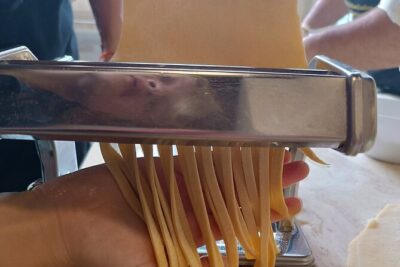
Once your tiramisu is underway, the class shifts to the star lesson: pasta dough. This is where the experience gets real. Pasta isn’t just ingredients; it’s handling—how you combine flour, how you work the dough, and how you shape it.
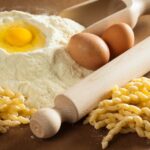
You’ll get step-by-step coaching on making the dough, including what type of flour to use. That matters because different flours behave differently. A small change in dough consistency can mean the difference between pasta that cooks tender and pasta that feels tough or sticky.
You’ll also learn the differences between pasta fresca and pasta secca. This isn’t just foodie trivia. Knowing the difference helps you understand why homemade fresh pasta often needs different timing and texture than dried pasta you grab at the store. Once you understand that, you can make smarter choices when you cook later at home.
One detail that makes this class feel worth it is how hands-on it is. You’re not only receiving a recipe. You’re learning how to recognize what the dough should feel like as you work it—so you’re not stuck waiting for perfect conditions.
Wine With Lunch or Dinner: Eating What You Made
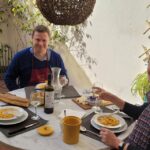
At the end of the class, you sit down to eat lunch or dinner. You’ll have a glass of wine with your meal, and that pairs naturally with what you cooked.
This is the part I think most people underestimate. Cooking classes are often just performance, then a snack at the end. Here, the meal is part of the experience. You get to taste your work while it’s still fresh in your mind—especially nice when you just learned pasta dough and assembled tiramisu.
Because the class takes place in a popular Palermo restaurant, the atmosphere feels like dining, not like a cooking studio. Even if you’re not a confident cook, you can relax into the end of the night knowing you already contributed to what lands on the table.
Some cooking classes give you tips. This one gives you closure: you made it, you taste it, you can compare what you did with how it’s supposed to come out.
What You Actually Get (Included) and What You Don’t
Here’s how the included value stacks up for the $53.47 per person price.
Included:
- Welcome glass of Prosecco
- Cooking class for pasta and tiramisu with a live English guide
- Apron
- Lunch or dinner
- Glass of wine
Not included:
- Hotel pickup and drop-off
For value, I like that your money goes to multiple parts of the experience. You’re getting beverages on arrival and with the meal, hands-on instruction, and a sit-down payoff. In places where cooking classes can feel like you pay for instruction only, this one packages the whole night: cook, eat, drink, then leave with skills.
The one caveat on value is that a couple details can make it feel pricey if you’re expecting a bigger meal spread. If you love large restaurant portions or multiple courses beyond what’s included, mentally plan for a satisfying meal, not a banquet.
You can also read our reviews of more wine tours in Palermo


The Small-Kitchen Feel: Why the Class Atmosphere Matters
The best part of a hands-on class isn’t the ingredients. It’s whether you can get your questions answered while you’re actually doing the work.
This class has a lively, friendly vibe. Staff members are typically warm and helpful, and chefs/hosts work alongside you rather than hovering at the front. In English-speaking groups, the hosting can make the whole thing feel easier, with conversation and humor that keep you from feeling intimidated by the kitchen.
You’ll also hear real names during the experience, like George as a host and Simone as a chef guide. That personal touch matters because it signals a more human setup, not a scripted factory process.
If you want an activity where you can talk, laugh, and still go home feeling you learned something real, this style fits.
Practical Tips So You Enjoy Every Step
You’re standing and moving a bit, especially while rolling and shaping pasta. The class asks for comfortable shoes and comfortable clothes, and that’s good advice. With an apron provided, you mainly want to be able to stand comfortably and move your hands without worrying about your outfit.
A couple quick mindset tips help too:
- Treat the first stage (tiramisu) as practice. You’ll get into the kitchen rhythm.
- Don’t rush the dough. Pasta dough is about consistency, and the instructions work best when you stay present.
- Expect to taste and adjust your understanding. You’ll eat what you make, so use the moment to learn what worked.
And one rule that’s easy to follow: no smoking.
Who Should Book This Palermo Cooking Class
This is a great pick if you want a hands-on food experience without the guesswork.
You’ll probably enjoy it most if:
- You like learning by doing, especially with pasta techniques.
- You want a classic Palermo and Sicilian-style food night with real restaurant energy.
- You’re pairing the class with sightseeing near Quattro Canti because the meeting point is close.
- You want a social activity that’s still structured—English guidance, step-by-step coaching, and a clear end meal.
If you’re the kind of traveler who only wants a quick snack activity or you’re watching every minute tightly, the three-hour length might feel like more time than you want. But for most people planning an evening, it fits nicely.
Should You Book This Palermo Pasta and Tiramisu Class?
Book it if you want a true skills + dinner experience: make tiramisu, learn fresh pasta dough, understand pasta fresca vs pasta secca, then sit down to eat with wine. The combination of arrival drinks, hands-on instruction, and a real restaurant meal is what makes it feel like more than a gimmick.
Skip or reconsider if you’re strongly focused on getting a huge restaurant feast beyond what’s included. The meal is included and should be satisfying, but the value is best when you’re there for the cooking lessons, not for a large multi-course banquet.
If you like food you can recreate, this is one of the easier classes to justify: you’ll leave with techniques you can actually use the next time you cook at home.
FAQ
How long is the cooking class?
The class runs for 3 hours.
Where does the class meet?
It starts at Carlo V (Carlo Quinto).
What dishes will I learn to make?
You’ll learn to make pasta from scratch and prepare classic tiramisu.
Is Prosecco included?
Yes. You receive a welcome glass of Prosecco when you arrive.
Is wine included with the meal?
Yes. You’ll get a glass of wine to go with your lunch or dinner.
Does the class teach pasta fresca vs pasta secca?
Yes. You’ll learn the difference between pasta fresca and pasta secca.
Is there an English-speaking guide?
Yes. The class includes a live tour guide in English.
What should I bring or wear?
Wear comfortable shoes and comfortable clothes. An apron is provided.
Is hotel pickup included?
No. Hotel pickup and drop-off are not included.